Kidneys and Bladder
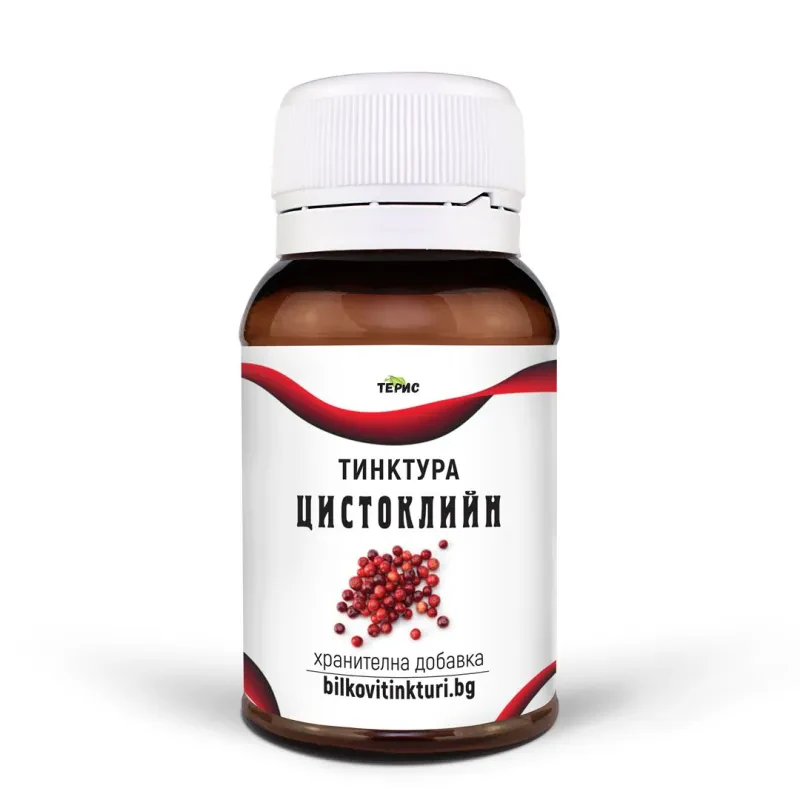
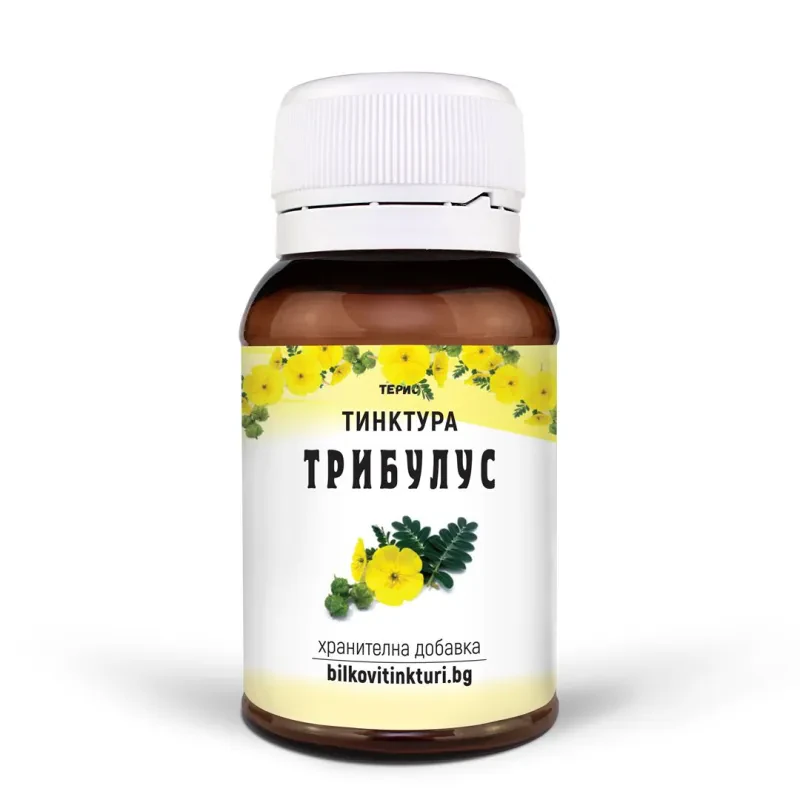
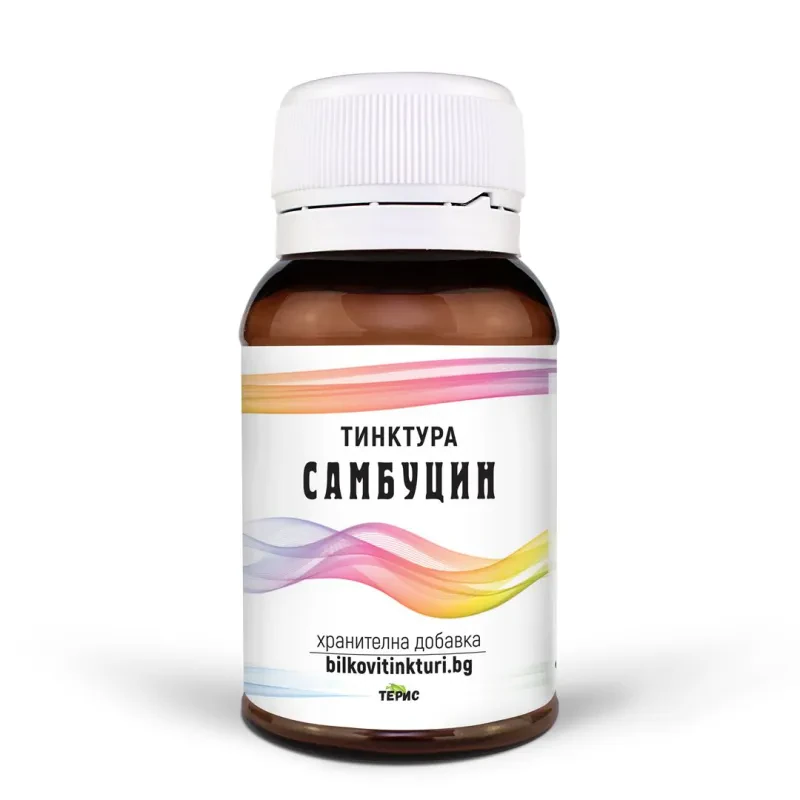
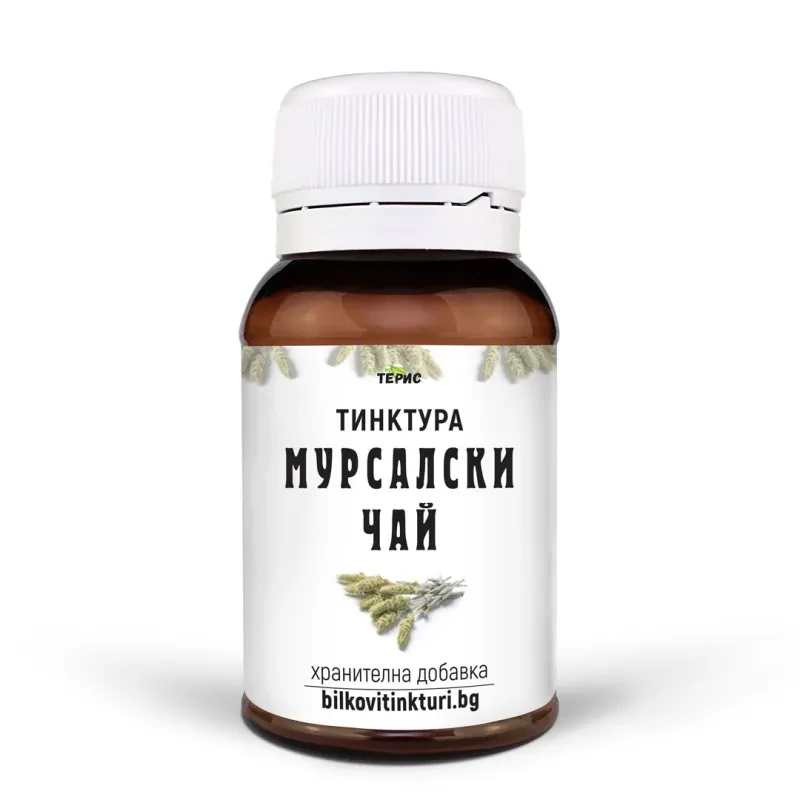
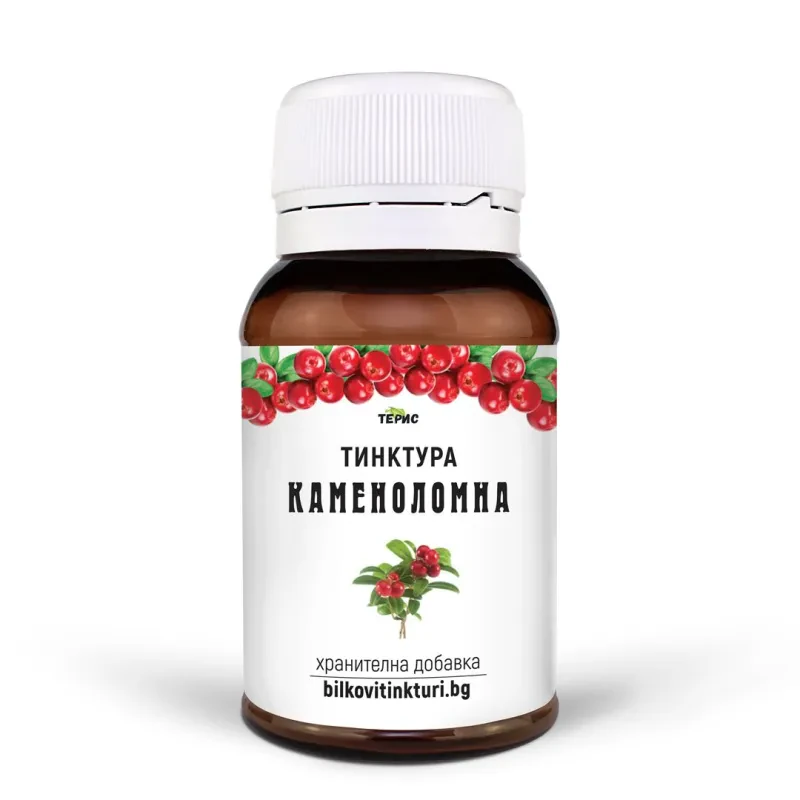
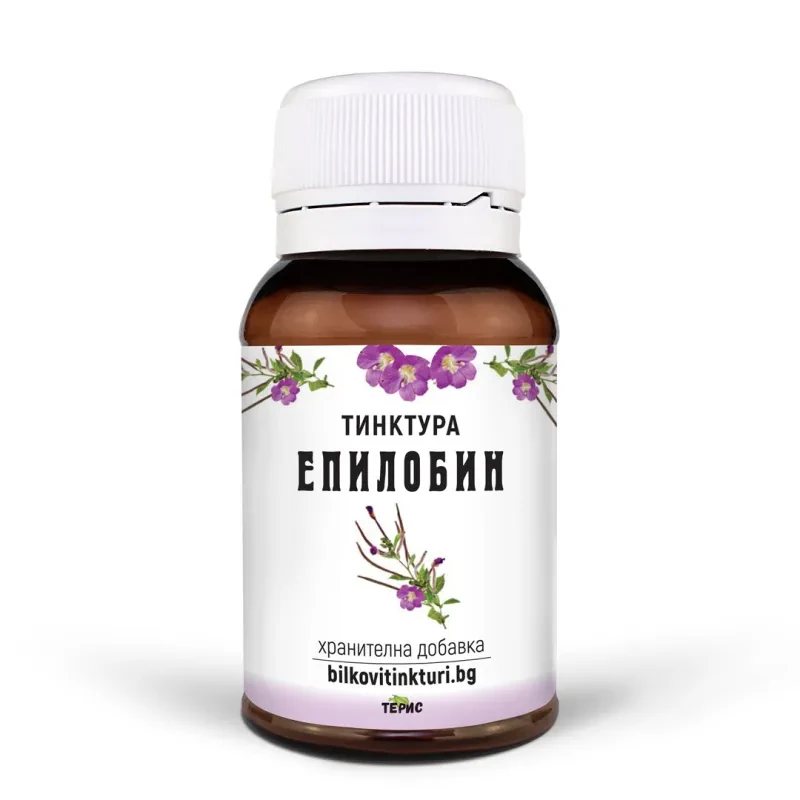
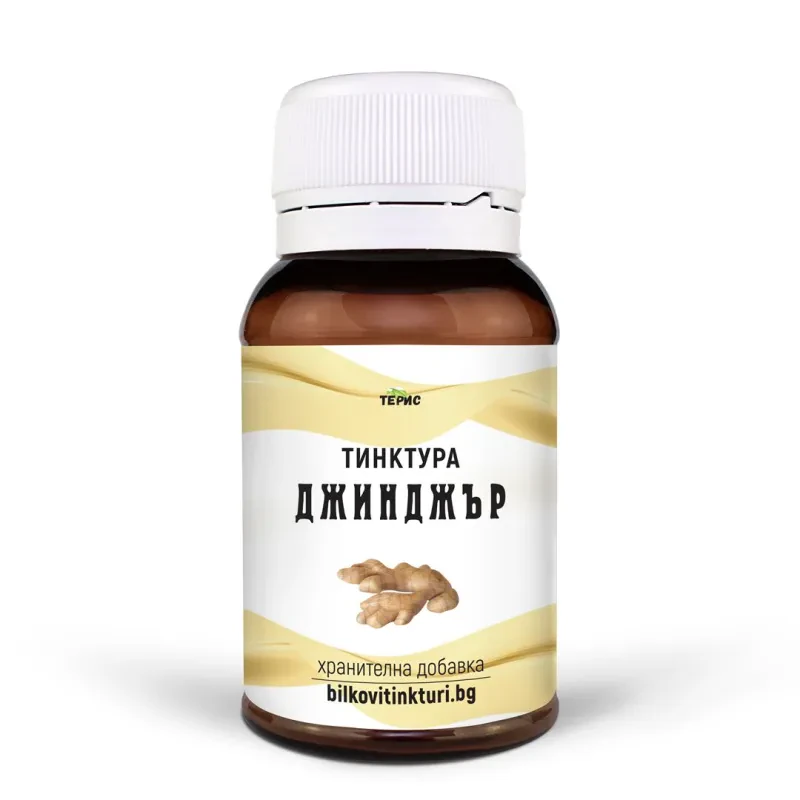
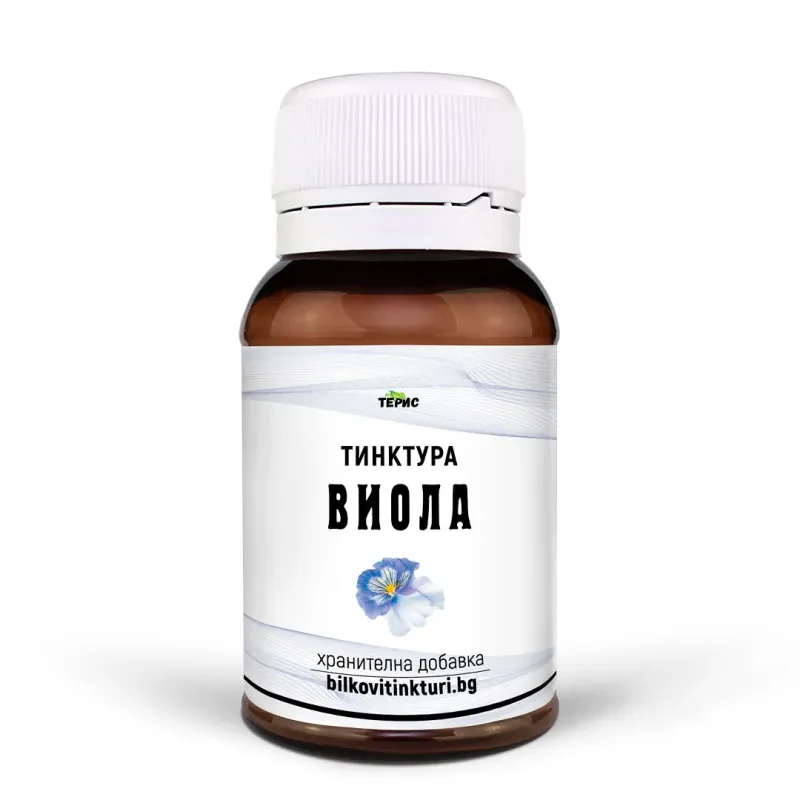
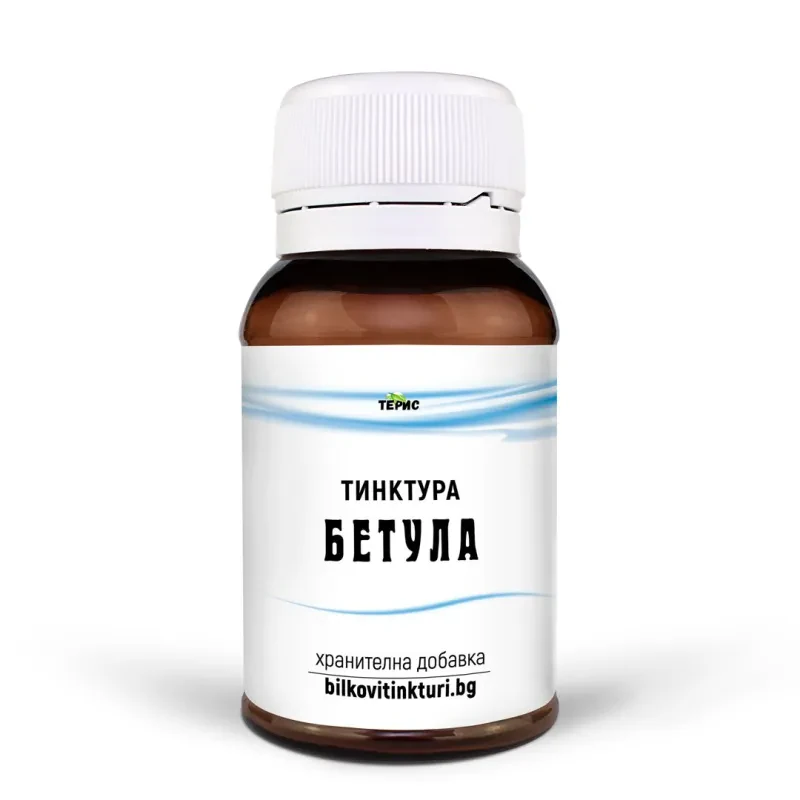
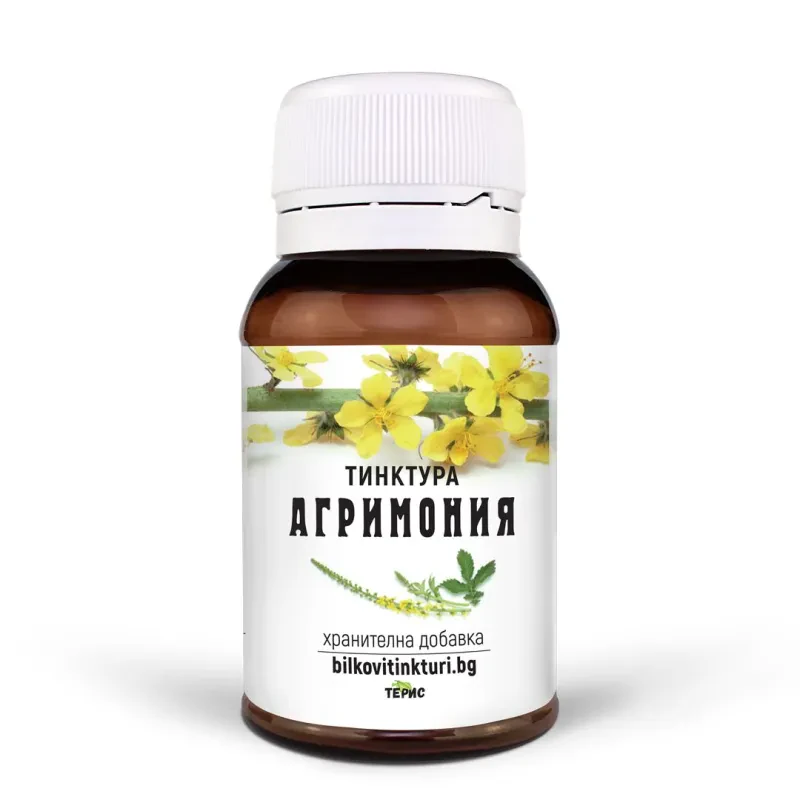
The kidneys and bladder work quietly but constantly, and Bulgarian folk medicine has a whole group of herbs associated with their normal function. In this category you will find herbs for the kidneys and urinary tract as tinctures and dried herbs for tea.
The tinctures include Cystoclean with lingonberry, Stone Breaker with bearberry leaf, Betula with birch bark, Tribulus (puncture vine), Epilobin (small-flowered willowherb), Viola (wild pansy), as well as Sambutsin, Mountain Tea, Ginger and Agrimony. These herbs are traditionally used to support the urinary system and to maintain normal water balance.
If you prefer tea, browse the dried herbs: white birch bark, bearberry leaf, lingonberry leaf, puncture vine, agrimony, small-flowered willowherb, wild pansy, linden flower, madder root and elder berries. While drinking herbs with a mild diuretic character, make sure you also drink enough fluids.
Tinctures and herbs do not replace a varied diet and a healthy lifestyle. If you have unpleasant symptoms, are pregnant or breastfeeding, or take medication, be sure to consult a doctor.
FAQ
Cystoclean (lingonberry) and Stone Breaker (bearberry) are among the most frequently chosen tinctures in this category, while Betula (birch) is traditionally associated with water balance. Read the description of each product and, if you have symptoms, consult a doctor before choosing a herb.
The recommended intake is 20 drops (about 1 ml) dissolved in a glass of water, 3 times a day, 10–15 minutes before meals. Do not exceed the daily dose. For how long to take them, see the instructions for use on the relevant product page.
Many people pair a tincture with tea from another herb, for example Cystoclean with a birch or linden infusion. However, the herbs in this category have a diuretic character, so do not combine too many at once and seek medical advice, especially if you take diuretic or blood pressure medication.