Diuretic
A feeling of puffiness, heavy legs on hot days or simply a wish to feel “lighter” – in such cases many people look for herbs with a diuretic effect. This category brings together plants that folk medicine has traditionally used for normal fluid elimination and to support the urinary system.
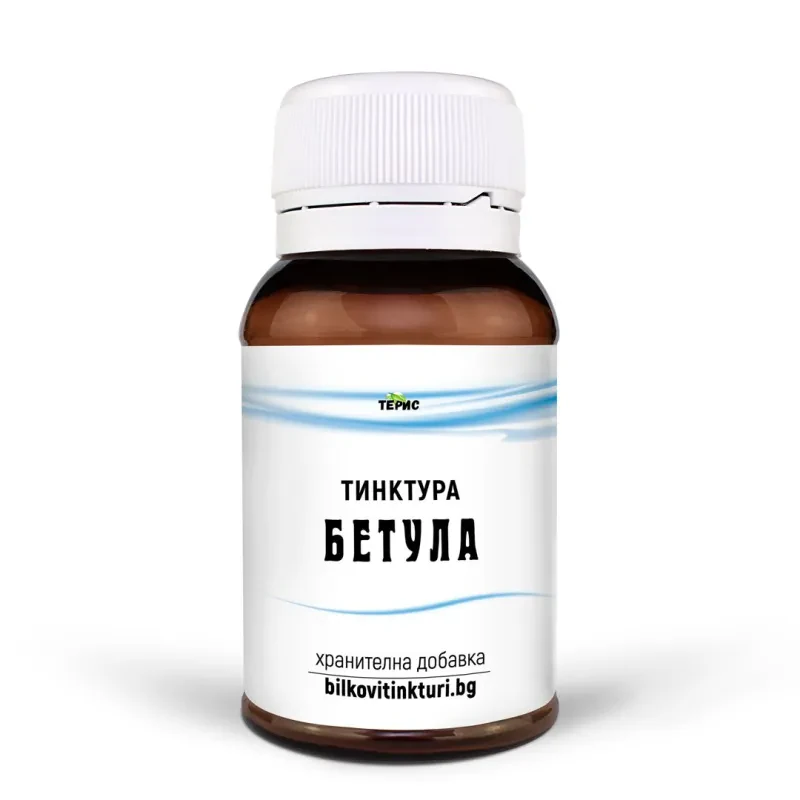
- Betula – a birch bark tincture, a classic “draining” herb;
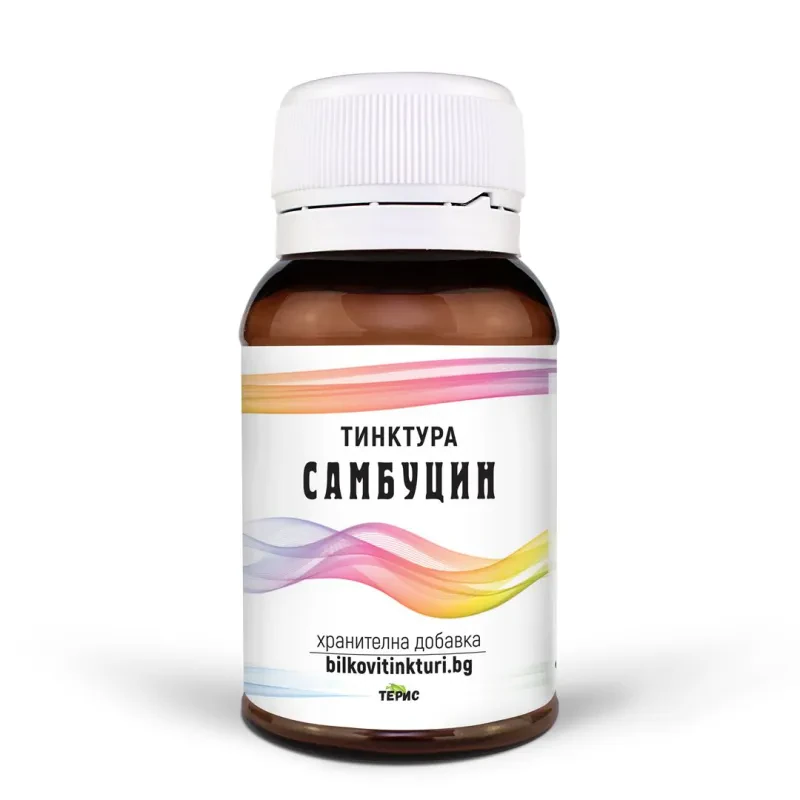
- Sambutsin – with elder berries;
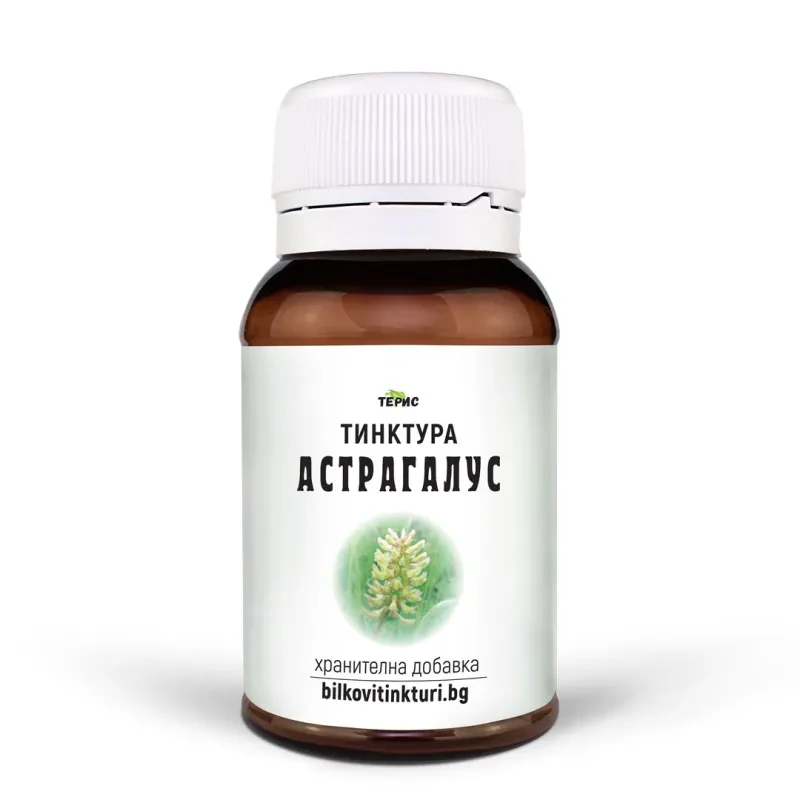
- Astragalus – with Astragalus glycyphyllos;
- dried herbs: white birch bark, lingonberry leaf, agrimony and elder berries.
For those who want a broader combination, there is also the “Diuretics” package with 8 tinctures – Calendula, Agrimony, Bilberry and Cystoclean, two bottles of each. You can find it in the herbal packages category.
When taking herbs with a diuretic character, drink enough water and do not use them for quick weight loss – losing fluid is not losing fat. Swollen legs can have various causes, so if the problem persists, see a doctor. If you take medication for blood pressure, the heart or fluid retention, are pregnant or breastfeeding, consult a doctor before use.
FAQ
Yes, it is important to maintain a good fluid intake. Herbs with a diuretic character are traditionally used for normal fluid elimination, and drinking enough water helps the body keep its balance. The tincture itself is taken dissolved in a glass of water.
Many blood pressure medicines also have a diuretic action, so combining them with diuretic herbs should be discussed with a doctor. Do not start taking the herbs on your own if you are on such treatment.
The dosage is 20 drops (about 1 ml) dissolved in a glass of water, 3 times a day, 10–15 minutes before meals. For how long to take it, see the instructions for use on the product page. For longer use, it is best to consult a professional.