Autumn Colds and Flu: Herbs and Teas to Keep at Home
Table of Contents
October arrives with misty mornings, heated offices and crowded public transport. We all know the scenario: someone in the family comes home with a "scratchy" throat, and a few days later the cold is making its way round the whole house. A cold usually clears up on its own in about a week, but in the meantime we want to feel better and support the body. Here are the simple habits that matter most, the herbs we traditionally keep in the home medicine cabinet and, last but not least, when self-care is no longer enough.
#Cold or flu – what is the difference?
The two are often confused, but they run a different course.
- A cold starts gradually: a runny nose, sneezing, a mildly sore throat, sometimes a slight temperature. You can usually carry on with your daily life, if a little more slowly.
- Flu comes on suddenly: a high temperature, chills, severe muscle aches, headache and exhaustion that confines you to bed. Recovery takes longer.
The difference matters because flu more often leads to complications, especially in older people, young children, pregnant women and people with chronic conditions. If you fall into one of these groups, talk to your GP about seasonal vaccination and what to do at the first symptoms.
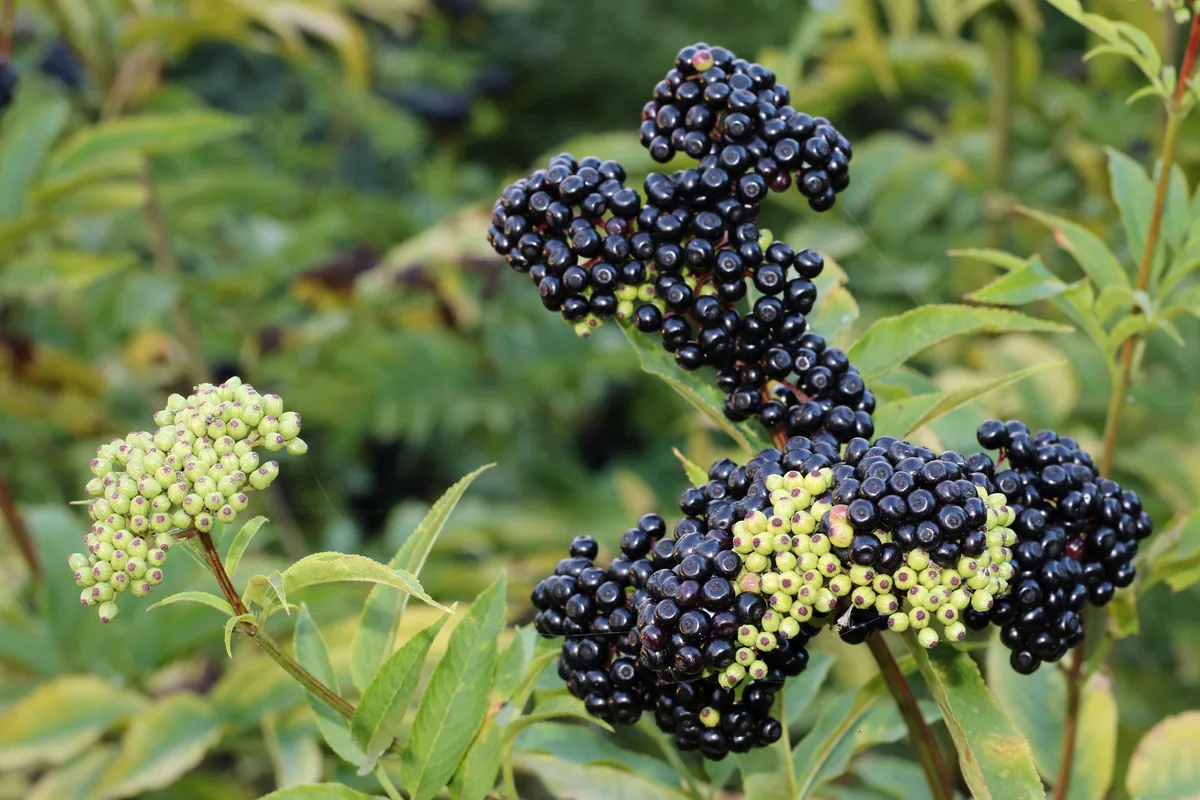 Photo: George Chernilevsky, CC BY 4.0, via Wikimedia Commons
#The habits that make the biggest difference
Before reaching for any herb, it is worth recalling the basics. They do not sound impressive, but they work in the body's favour every single day.
#Sleep and rest
When the body is fighting a virus, it needs energy. A day or two of extra sleep and fewer commitments often help more than any supplement. If you can, stay at home – you will recover more calmly and you will not infect your colleagues.
#Fluids and warm food
With a runny nose and a temperature we lose more fluids. Warm drinks – tea, broth, water with lemon and honey – keep you hydrated and feel soothing on the throat. Soups with vegetables, garlic and onion are a classic of Bulgarian cooking for good reason: they are light, warm and nourishing.
#Fresh air and humidity
Dry air from central heating dries out the lining of the nose and throat. Air your rooms several times a day and consider a humidifier or a bowl of water near the radiator.
#Hand hygiene
Washing your hands often with soap, sneezing into your elbow and keeping a separate towel for the sick family member are simple measures that limit the spread of viruses at home.
For more ideas, see our article How to look after your immunity.
#Herbal tea for colds: the warm classics
A cup of hot herbal tea is an old home ritual for colds and flu. The warm liquid soothes the throat, the steam eases the feeling of a blocked nose, and the time you set aside for the tea is a small break in itself. Among the favourite choices in Bulgaria are ginger tea with lemon and honey, Mursalski tea, lime blossom and mint. Chamomile tea is popular too, but people allergic to ragweed or other plants of the daisy family (Asteraceae) should be careful with it.
A few practical details: do not pour boiling water over honey – add it once the tea has cooled to a comfortable drinking temperature. Honey should not be given to babies under one year old. If you drink a lot of tea during the day, rotate the herbs rather than drinking large amounts of the same one.
#Herbs for the autumn medicine cabinet
Bulgarian folk tradition is rich in herbs that have been used through the cold months for generations. Here are a few that we keep to hand.
#Dwarf elder – the dark berries of autumn
Dwarf elder (Sambucus ebulus) is a close relative of black elder, and in folk medicine its berries have traditionally been used as a general tonic in autumn and winter. Their dark colour comes from anthocyanins – plant pigments that attract researchers' interest. Herbal tincture Sambutsin is made from dwarf elder berries and is intended to support the immune system.
Important: the raw berries of dwarf elder are not for eating – do not pick them or eat them yourself. Do not exceed the dose – in large amounts dwarf elder can cause nausea, vomiting and other signs of poisoning. You can read more about the plant in the article Dwarf elder – the traditional herb for a strong body.
#Ginger – the warming root
Ginger is one of the favourite "winter" spices. Its pungent taste comes from gingerol, and the feeling of warmth it leaves makes it a popular choice on cold days. It is traditionally used to warm the body, for feelings of nausea and to support digestion. You can add it fresh to tea or use herbal tincture Dzhindzhar.
If you take blood-thinning medicines, consult a doctor before taking ginger in concentrated form.
#Anise – for the throat and breathing
Anise is one of the oldest known aromatic herbs. It is traditionally used to support the respiratory tract and digestion, which is why we often find it in herbal blends for the throat. Herbal tincture Anisum contains aniseed. Anise belongs to the carrot family (Apiaceae) – if you are allergic to fennel, dill, celery or carrots, be careful.
#Mursalski tea – the Rhodope classic
Mursalski tea (Greek mountain tea) grows high in the Rhodope Mountains and is among the best-loved Bulgarian herbs for winter evenings. It is traditionally drunk to support the respiratory system and for general strengthening. As well as a tea, you can also find it as herbal tincture Mursalski tea.
You will find more herbs for the cold months in the Colds category.
#How to include tinctures in your autumn routine
Herbal tinctures are concentrated water-alcohol extracts (about 20% alcohol). They are taken diluted in a glass of water, according to the product instructions – do not exceed the recommended daily dose. A few practical tips:
- Choose one or two herbs according to what you need, rather than combining many at once.
- Take them regularly and at the same time of day so that the routine becomes a habit.
- Combine them with rest, fluids and wholesome food – herbs are a complement, not a substitute.
#Safety first
Tinctures are food supplements, not medicines. Before you start, bear in mind:
- They contain alcohol – each dose contains a small amount of alcohol, so tinctures are unsuitable for people who must avoid it completely (because of certain conditions, medicines or dependence).
- Pregnancy and breastfeeding – most herbal tinctures are not recommended during these periods.
- Children. Do not give tinctures to children without advice from a paediatrician; many products are not intended for people under 18. Read more in the article Are herbal tinctures suitable for children?
- Chronic conditions and medicines – some herbs interact with medication. If you are on long-term treatment, ask your doctor or pharmacist.
#When to see a doctor
A cold usually passes within 7–10 days. See a doctor if:
- your temperature is above 38.5 °C or lasts longer than 3 days;
- you have difficulty breathing, chest pain or wheezing;
- the symptoms improve and then suddenly get worse;
- there is a severe headache, a stiff neck or confusion;
- you cannot keep fluids down or there are signs of dehydration;
- the person who is ill is a baby, an older person, a pregnant woman or someone with a chronic condition.
Trust your instincts – if something feels more serious than an ordinary cold, it is better to get it checked.
#In conclusion
The best autumn "medicine cabinet" starts with habits: sleep, warm fluids, fresh air and clean hands. Herbs such as dwarf elder, ginger, anise and Mursalski tea can be a pleasant, traditional addition to them. Choose carefully, follow the instructions and do not hesitate to see a doctor when needed.
This article is for educational purposes and does not replace advice from a doctor. Food supplements are not medicines and are not intended to treat diseases. If you have a chronic condition, are pregnant or breastfeeding, or take medication, consult a specialist before use.