Are herbal tinctures suitable for children?
Table of Contents
#Herbal preparations for children
Delightful herbal preparations make using herbs pleasant and fun. Every parent knows it can be hard to get children to try new things, let alone consume something that may be less than pleasant. We are truly lucky that there are wonderful herbal preparations that will make our children ask for more and more, while at the same time instilling a love of herbs.
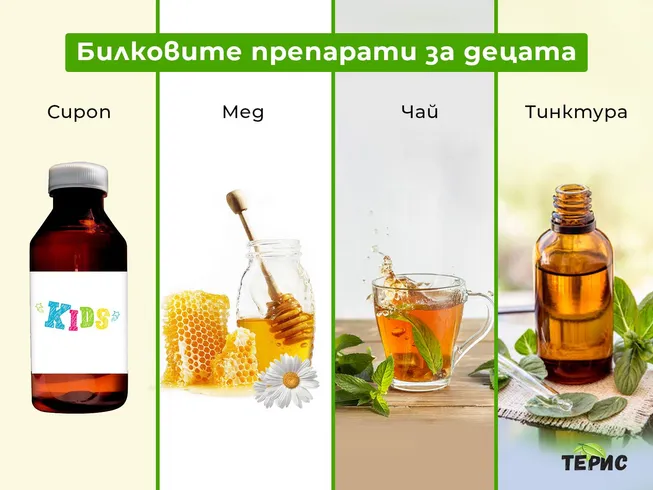
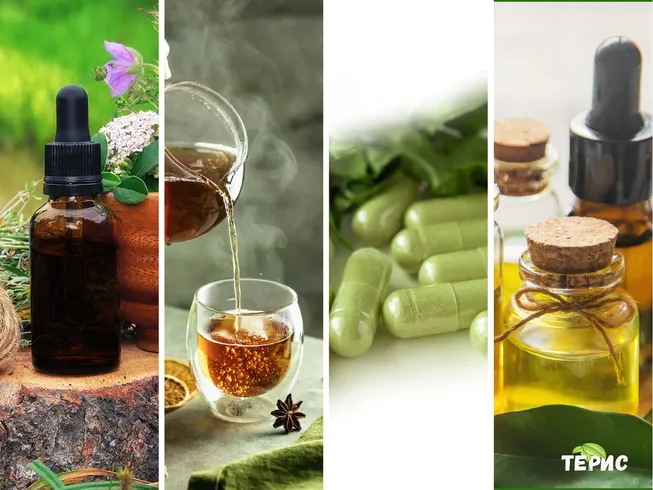
We can try herbal syrups, herbal honey, herbal tinctures, herbal drinks (teas and infusions), herbal oil infusions and other options for a tasty and fun way for the little ones to take them.
(Lemon balm, chamomile, rose, elderflower, cinnamon and mint are among the favourites most children like.)
#Children and herbs
If you are a parent, it is wonderful to be able to turn to herbs for family care. They can be a great help for children who are feeling unwell, or a lovely addition to a healthy, health-promoting lifestyle. When we use herbs for our children, it is extremely important to consider safety both when choosing a herb and when deciding on the dosage.
When it comes to using herbal tinctures for health purposes, one of the most common questions people ask is
– Can I give herbal tinctures to my child?
If you want to improve your children's health and well-being with herbs but are concerned about their safety, read on for a detailed look at herbal tinctures for children.
#Are herbal tinctures safe for children?
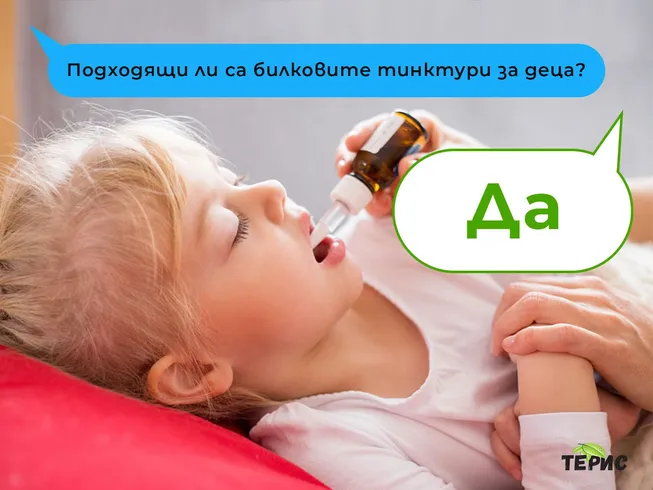
The short answer is "YES"!
When used in the right amounts and in the right way, herbal tinctures are completely safe for children!
But don't they contain alcohol? How can alcohol be safe for children?
Using alcohol to extract the medicinal properties of herbs is common practice. This, however, is a huge concern for most parents. Many of them avoid giving herbal tinctures to their children simply because they do not want to expose them to alcohol at an early age.
The truth is that the type of alcohol used to prepare herbal tinctures is safe for consumption.
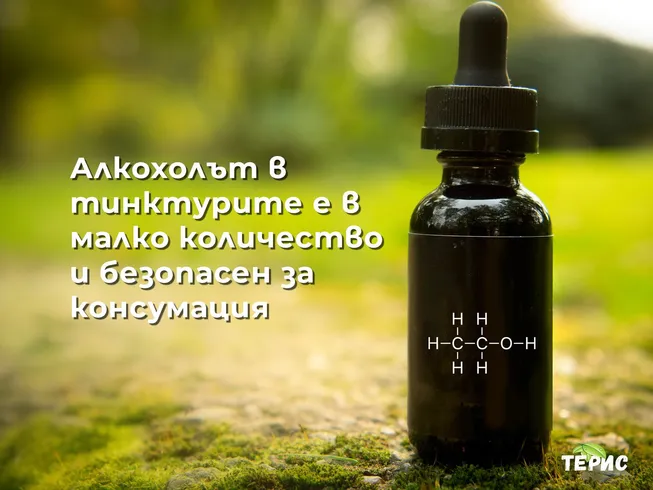
In addition, because children are given very small doses of the natural extracts, mixed with food or drinks, the amount of alcohol a child consumes is very small and considerably diluted.
The short answer is "YES", but there are a few NOT unimportant details and facts we need to know before we start treating our child with herbal products, especially if they are to be taken for a long time, so read on.
#Let us recall what herbal tinctures are
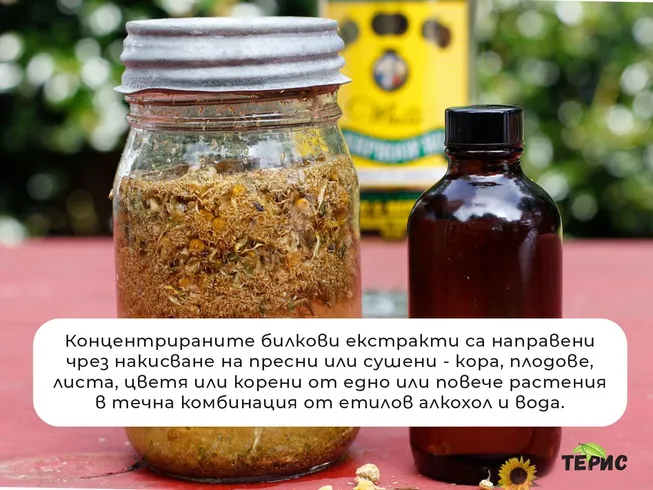
They are concentrated herbal extracts, made by soaking fresh or dried bark, fruit, leaves, flowers or roots of one or more plants in a liquid combination of ethyl alcohol and water.
The resulting liquid extractant is called the solvent. The alcohol extracts or releases the active and therapeutic properties of the plants, the alkaloids, vitamins and minerals.
After the extraction process, the concentrated liquid is separated from the herbs and filtered. The used plant parts are composted. The concentrated liquid that remains is called a tincture.
In producing concentrated extracts there are in fact several types of solvents that can extract the beneficial substances (the medicine) from plants. For example, we can extract herbs using solvents such as water, ethyl alcohol, glycerine, vinegar, oil and honey. Each solvent has its advantages and disadvantages in the production of healing supplements.
➡ You can learn more on the subject in our articles - "What are herbal tinctures?"
#Preconditions for use in children
We will introduce you to a few comparisons to distinguish the benefits of and preconditions for children's use of herbal tinctures.
#Herbal products versus medicinal drugs
First of all, there is the clearest dividing line: between herbal products and medicines with a chemical composition.
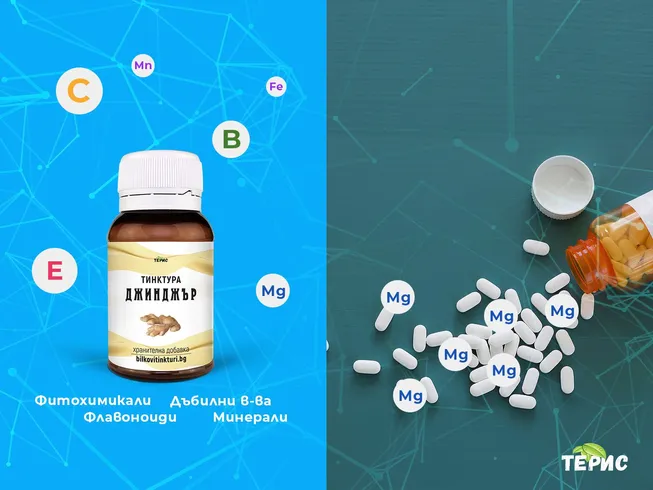
You have probably noticed that almost every product we buy (especially from a pharmacy) says "keep out of the reach of children", " do not give to children under .... years of age" and so on. This requirement was introduced because of the medicinal ingredients they contain. The ingredients are so strong for children's bodies that taking them can literally act like poison.
#Dose and individual approach
By law, the labels of herbal tinctures in Bulgaria state "Not to be used by children under 18 years of age". This does not mean that the product is NOT suitable for children, but that the dose stated on the packaging as recommended is not suitable for children under 18 to take in that form and amount.
The best option is a consultation with a specialist, who can determine the appropriate daily dose for your child according to age, weight, other medicines being taken, etc..
#Herbal and homeopathic remedies
Another comparison can be made between herbal and homeopathic remedies.
- With homeopathy
Homeopathy has one particular feature: for a given illness or health problem there may be around 100 products, which means that the one recommended by the health professional, or the one you decide to give yourself, may not be the exact and correct choice. Your child may be taking a product that is of no benefit to them at all.
The good thing at least is that the likelihood, as a percentage, of an approved homeopathic product causing harm is minimal, but you still need to be careful what it is combined with, because homeopathy conflicts with quite a few medicinal and food products.
- With herbal food supplements
With herbal products there is no such danger.
Probably everyone has heard the saying "if it doesn't help, at least it won't harm", which is not quite accurate.
With herbs, the action is universal!
That is, if we take St John's wort, for example, one of whose actions is for stomach problems, it will act in this direction in every body, regardless of sex, age, build and so on. The same homeopathic product, by contrast, acts differently in different bodies.
There is also another particular point here: with St John's wort specifically, for example, daily long-term use for more than 3 months is not advisable. In this regard it is advisable to consult a specialist about intake and dosage.
#We must be responsible in choosing treatment for our children
Fortunately, the range of herbs with particular features like St John's wort is small, but when it comes to health, and especially the health of our children, we must be responsible in choosing treatment.
There are also well-known herbs that are irreplaceable in their action on children's immune systems, especially during the winter months, such as bee pollen, propolis (bee glue) tincture, dwarf elder and others. It is even advisable for children to take these products every year from September and October through to March and April, so that they do not fall ill with flu.
#3 reasons why alcohol is a great solvent for herbs
#1. Alcohol extracts more compounds from herbs
Herbs and foods contain both fat-soluble and water-soluble compounds, and alcohol is unique in that it can extract both of these types of compounds from the herb, giving us a very good end product.
#2. Alcohol is fast-acting
It is also one of the fastest ways of delivering herbal nourishment to the body. Tinctures made with alcohol are absorbed directly into the bloodstream through the mucous membranes of the mouth, throat and stomach lining. Even placing it under the tongue will get it into the bloodstream quickly, bypassing digestion completely.
#3. Alcohol extends shelf life
Alcohol also gives tinctures a longer shelf life compared with other preservation methods and helps preserve the efficacy of the active constituents for a longer period of time. We love making herbal tea and drink it often, even though it only keeps for a few days. Compare this with an alcohol-based tincture, which will last two years or more!
#Everyday foods that contain alcohol
Did you know that small amounts of alcohol can be consumed through the everyday foods we eat?
It certainly can!
Fermented foods, ripe fruit and some drinks are just a few examples of foods that contain small amounts of alcohol.
The amount of alcohol in a dose of tincture is less than that found in a ripe banana. I don't know about you, but my little boy can eat a lot of bananas!
#What do experienced herbalists say?
"Used appropriately, liquid herbal extracts – tinctures – are among the most valuable and effective botanical tools for addressing children's health problems. They are highly concentrated, so only small doses are needed, and they can easily be dissolved in water or a small amount of juice with practically no taste for most of the herbs you would use for children. The amount of alcohol in a dose of tincture is extremely small; but if you are concerned, many herbs are available as glycerites. IF you use alcohol tinctures for your children, dilute the tincture in 2 tablespoons of water - alcohol should not be placed directly in the mouth because of the risk of damaging the delicate oral mucosa over time, which applies to adults as well."
#Herbal tincture dosages for children
How do we know we are giving our child the right dose of herbal tincture, or whether it is safe for children to take herbal tinctures at all?
When determining the dose of herbs, the following are taken into account:
- The child who will be taking them
- The illness
- The stage of the illness
- The severity of the illness
- And which herbs will be recommended
As a rule, you start with a small amount and watch how they react before giving them more.
A consultation is always recommended, because health professionals have experience, evidence and knowledge about dosage!
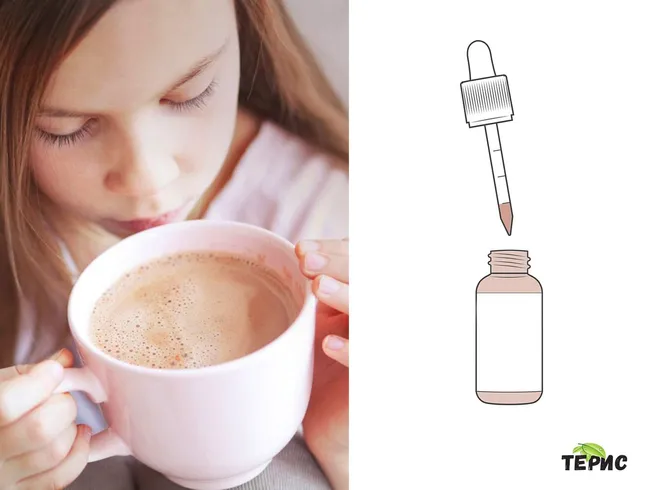
Children prefer glycerites, and as a general rule you give a child aged six months or older one drop of herbal tincture for every 1 kg of body weight, if needed. Do not exceed five doses in 24 hours.
#Learn how to determine tincture strength for children's dosages
When it comes to caring for children, it is important to understand the strength of the tincture in order to get the dosage right.
But the more books you read, the more you realise that there are many styles of herbalism, not just one way. I encourage you to get at least 3-4 good herbal books – one solid reference book, one about children, and another that suits your personality. You will find similarities and differences in the way they approach herbalism and how they dose. With experience you will find your comfort zone and eventually develop your own intuition. But the most important thing remains - a consultation with a health professional.
Herbal tinctures, and so many other herbal remedies, are a huge help in keeping our children as healthy as possible during colds and flu. There are various herbal tinctures for children that we can order for our home medicine cabinet.
#How do we test herbal tinctures on children with allergies?
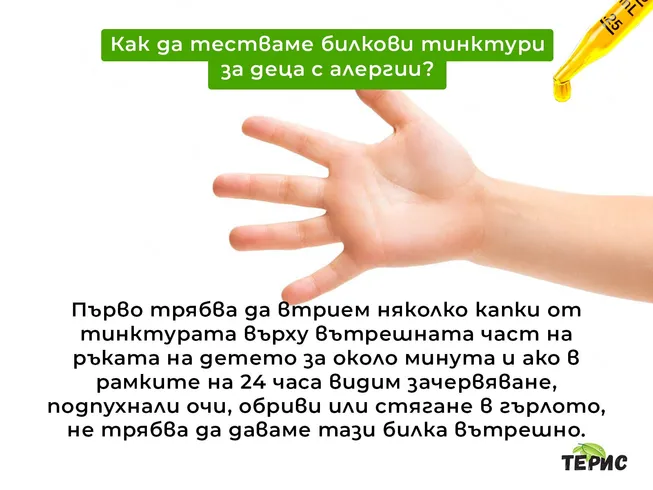
If allergies worry us and we want to test a herb on our child before giving it internally, we can rub a few drops of the tincture onto the inside of their arm for about a minute. If within 24 hours we see redness, puffy eyes, rashes or tightness in the throat, we should not give that herb internally.
If we notice no reaction, we can give our child 1/2 of the recommended dose internally and wait to see whether any allergic reaction appears. If there is none, we can then continue with our herbal protocol.
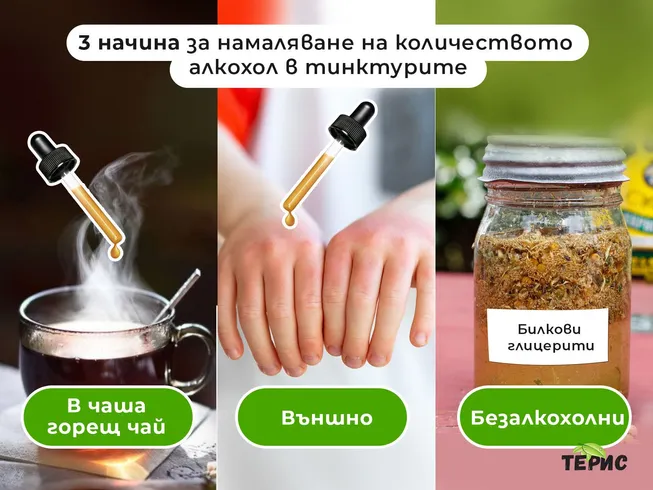
#3 ways to reduce the amount of alcohol in tinctures
At this point you probably feel comfortable giving your child alcohol-based tinctures, but if you are still hesitant, that is fine. No one is forcing you to be at ease with it, and the good news is that you do not have to miss out on using liquid herbal extracts just because you want to stay away from alcohol. There are some other great options for giving these herbal preparations to your children without alcohol.
#1. Evaporate it
First, you can try evaporating some (about 15%) of the alcohol from the tincture by putting the recommended dose of tincture into hot water or tea and giving it to your child once it has cooled. The hot tea will make some of the alcohol evaporate with the steam.
#2. Change the way it is taken
Next, you can skip internal use and use the tincture externally. Alcohol-based tinctures can be rubbed onto the skin or onto the lower legs instead of being taken internally. Just remember that you will need to increase the amount you use when applying it topically rather than internally.
#3. Change the type of preparation
Finally, herbal tinctures can be prepared in other forms using honey, glycerine or vinegar. These work a little differently in the body and do not extract nutrients in the same way as alcohol. They are an alternative option.
Herbal honey – herbs steeped in honey.
Herbal glycerites – made with a mixture of glycerine and water.
Herbal vinegars – extracted with vinegar, good for extracting minerals.
You can read more about tinctures, herbal vinegars and glycerites in the following article - "What are the different herbal extracts?"
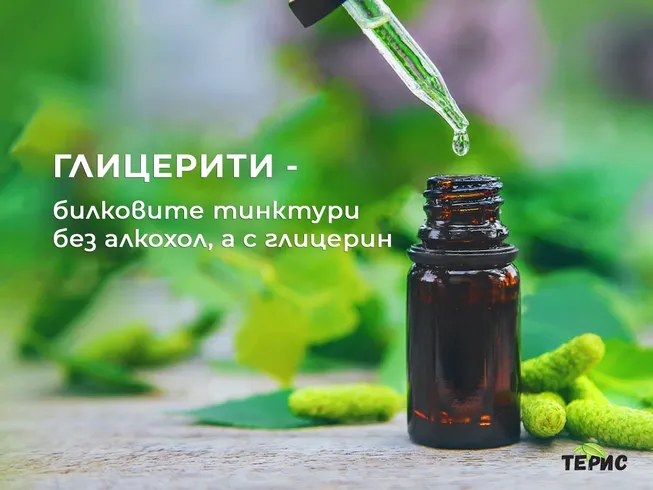
- alcohol-free alternatives - glycerites
If, however, we still do not feel comfortable giving our child alcohol-based herbal tinctures (many parents do not like even the idea of it) and have decided to skip them altogether, despite the fact that the amount in them is minimal, we can use glycerine-based ones. They are weaker in action and have a shorter shelf life.
How are alcohol-free herbal tinctures made?
Alcohol-free herbal tinctures are prepared with glycerine (they are often called herbal glycerites).
#Always consult before giving anything to children
Every parent is free to make the decision themselves. Although we are free to choose, we should always consult a health professional before use.
Our products are GMO-free, organic and made from natural ingredients, which makes them even safer for children.

#Everyone makes their own decision for their children
"YES", herbal tinctures not only can be taken by children, but are also recommended, of course in the right dose and after consulting a specialist.
More and more parents are using herbal remedies to manage their children's health, but which ones are safe and how are they used? Paediatricians need to know which herbs and supplements parents are giving their children.
Alcohol-based tinctures are an effective and time-tested way of delivering herbal remedies to children of all ages.
The dose of tincture contains the same amount of alcohol as, or less than, that found in ordinary foods, and a small fraction of what is considered a harmful maximum.
Many well-known herbalists and doctors have no problem giving their young patients healing herbal extracts.
In the end, it is up to you to do what you think is best for your family. The "right" choice will depend on various factors, and whatever you decide is the right choice for your children is fine.

We hope you have found the information useful and that we have helped you make a better decision... or at least an easier one. We all want to sleep well at night knowing we have done the best for our child, don't we?
* This post is for educational purposes only. It does not replace medical care. A consultation with a health professional (medical practitioner) is always recommended.
If your child is very ill or is not getting better, please seek medical help. You know your child best, and parental intuition is often the best guide to knowing when something is wrong. Listen to that voice and see a doctor when appropriate.
This article is for educational purposes and does not replace advice from a doctor. Food supplements are not medicines and are not intended to treat diseases. If you have a chronic condition, are pregnant or breastfeeding, or take medication, consult a specialist before use.