St John's Wort – the Sunny Herb
Table of Contents
#The herb ST JOHN'S WORT
We call St John's wort "happiness in a bottle" because of its toning effect on the nervous system. It has a proven positive influence on memory, concentration and mood.
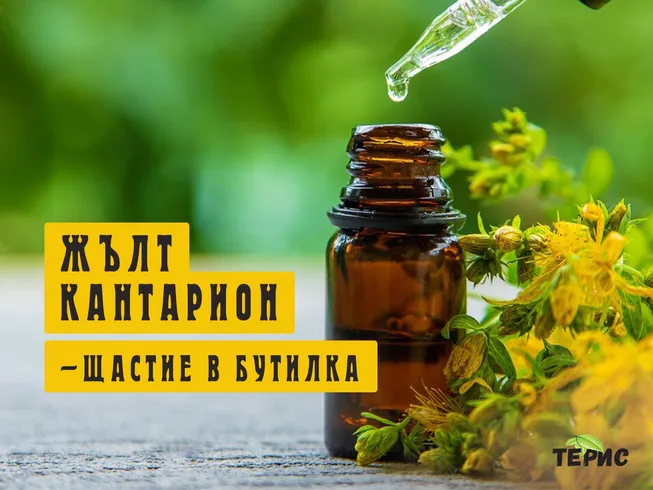
Used correctly, St John's wort can work wonders for many health complaints.
👉 Browse our products made with the herb:
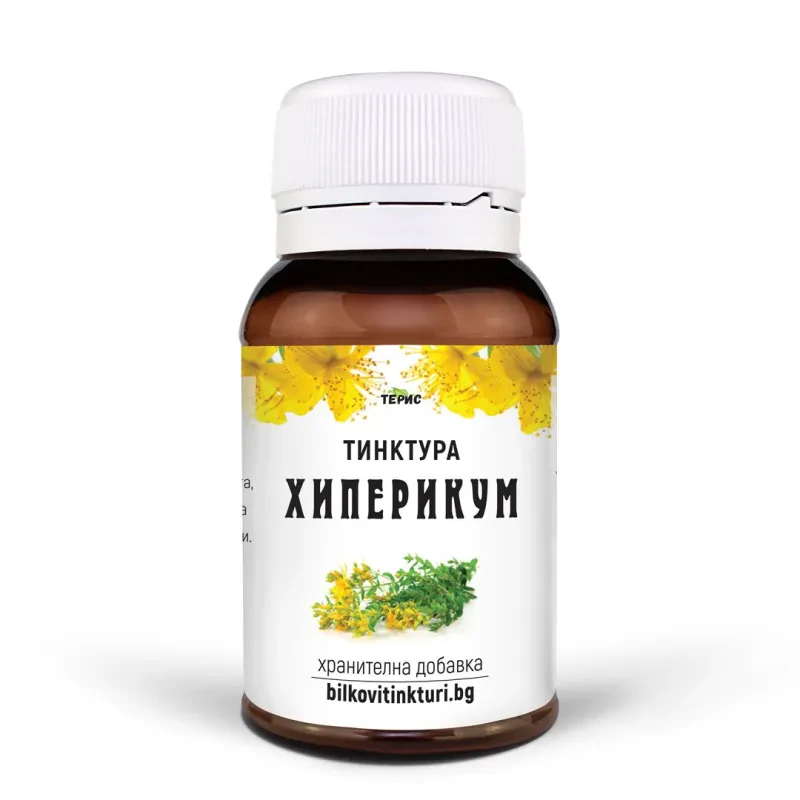
- Herbal tincture of St John's wort HIPERIKUM
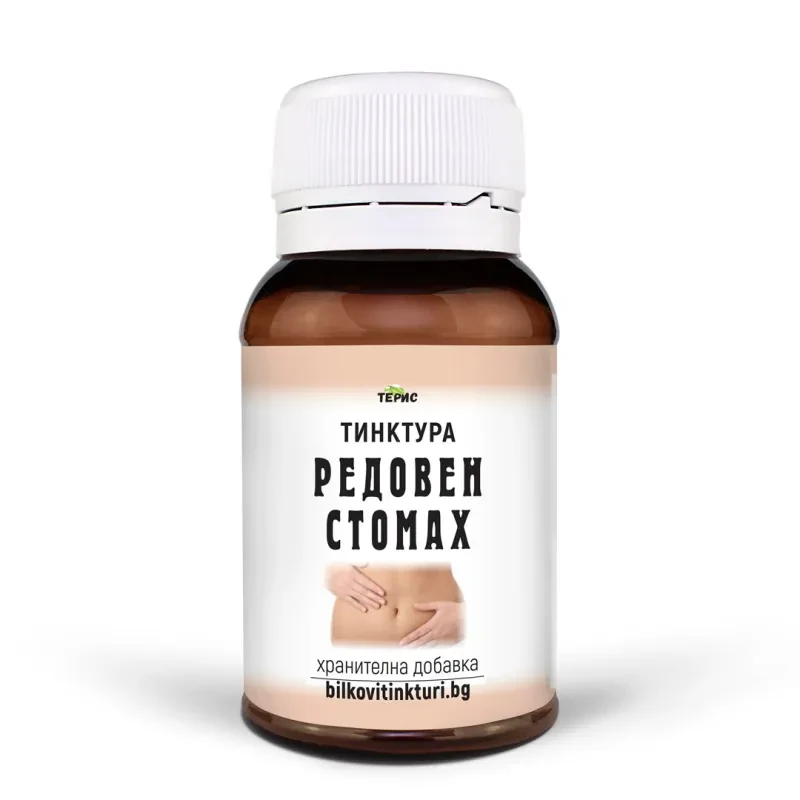
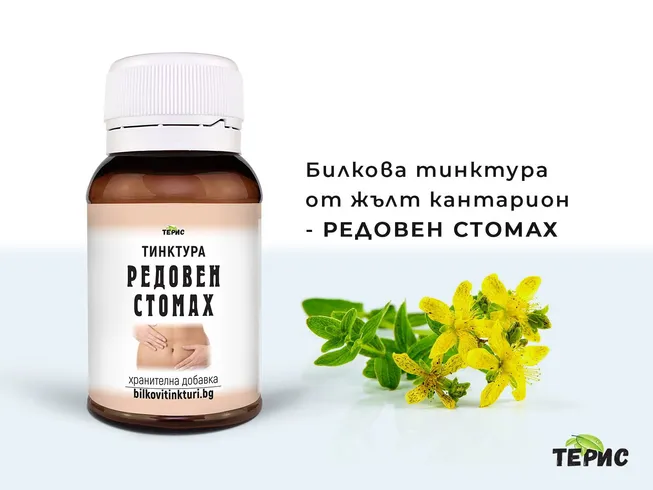
- Herbal tincture with St John's wort REDOVEN STOMAH
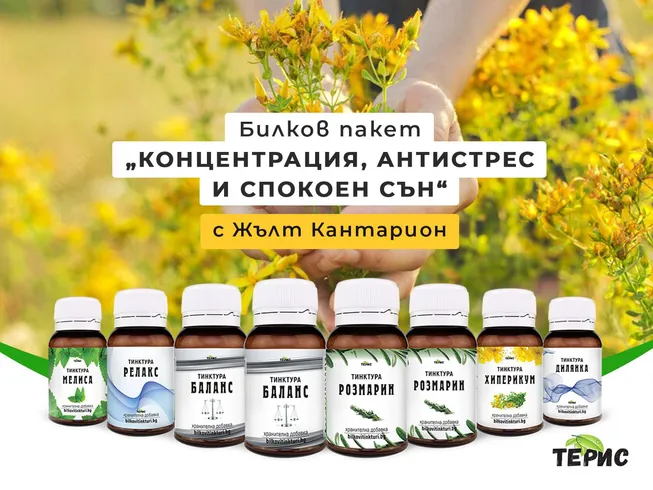
- Tincture package CONCENTRATION, ANTI-STRESS AND RESTFUL SLEEP
#Hypericin - the main constituent of St John's wort
Isolated constituents of the plant are used in pharmacy as additives to various medicines. The main constituent of St John's wort is hypericin.

Hypericin has a calming action, and thanks to it the herb successfully tackles mild forms of depression and mental unease. Regular use of the herb improves a person's overall condition and mood and deals with the persistent low spirits that many people experience. It does good to people with an overly stressful lifestyle who often get nervous and stressed.
#Botanical characteristics of "Hypericum"
"Hypericum perforatum" belongs to a genus of flowering plants in the family "Hypericaceae". The genus is found almost worldwide, absent only from tropical lowlands, deserts and polar regions.
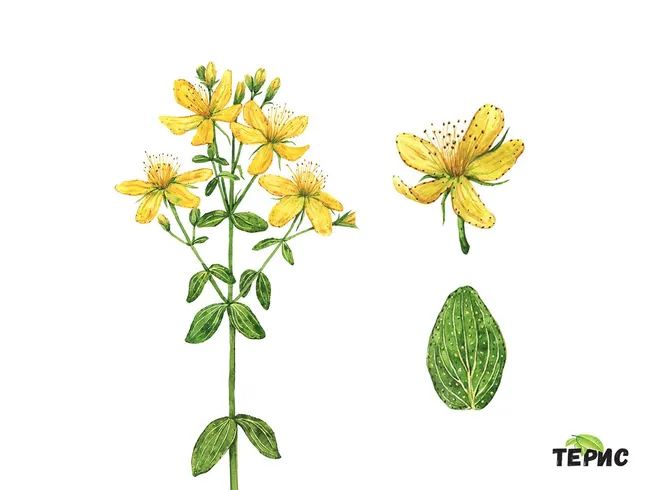
Many Hypericum species are considered invasive and noxious weeds. All members of the genus can be referred to as St John's wort, and some are also known as "goatweed". The genus contains over 490 species. The name Hypericum has Greek roots. In English the plant is called "St John's wort".
The plant reaches 25 cm to 60 cm in height.
The flowers are large, yellow to orange, gathered in corymb-like panicles. They have a 5-part calyx and a 5-petalled corolla, with black or reddish dot-like glands along the edges.
Almost all petals are yellow, although there is a colour range from a pale lemon shade to a deep orange-yellow. The exceptions are the white or pink petals of "Hypericum albiflorum var. albiflorum" and "H. geminiflorum". Many species have petals tinged with red.
The leaves are opposite, sessile, elliptical to ovate in shape, slightly translucent with black dot-like glands.
The fruit is a many-seeded capsule covered with orange glandular vesicles.
#Types and description of St John's wort
The herb also has the Bulgarian folk names: Christ's blood, Christ's miracle-worker, Zvanika, Poreznitse.
"Hypericum" species are quite variable in habit, occurring as trees, shrubs, annuals and perennials.
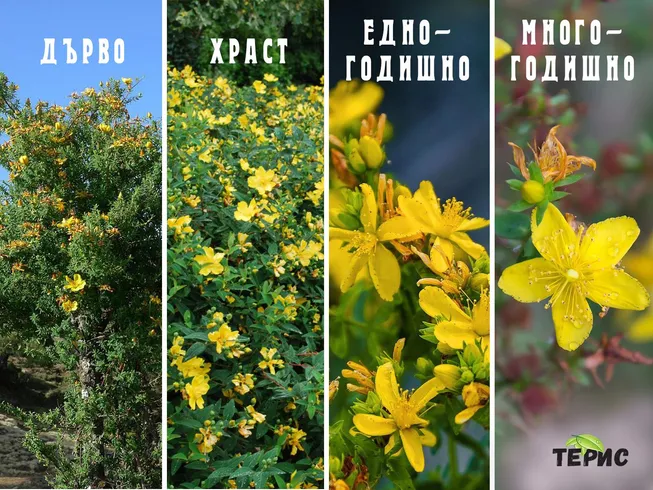
#Trees
- in the sense of single-stemmed woody plants are rare, as most woody species have multiple stems arising from a single base.
#Shrubs
- have upright or spreading stems, but never root from nodes that touch the ground.
#Perennial species
These, however, tend to root from those horizontal nodes, especially those found in moist habitats.
#Annual species
These species tend to have a root with a developed system of secondary roots.
#In agriculture
"H. perforatum" is an invasive species and a noxious weed on farmland and in gardens in the humid and sub-humid temperate zones of several continents. It is considered poisonous to livestock.
Part of the invasive success of "Hypericum" species is due to the absence of natural pests.
#Part used for medicinal purposes
The flowering stems of St John's wort are used, picked before flowering or in full bloom (July-August).

#Methods in traditional medicine
#St John's wort for depression
Common St John's wort (H. perforatum) has long been used in medicine today mainly as a means of treating depression.
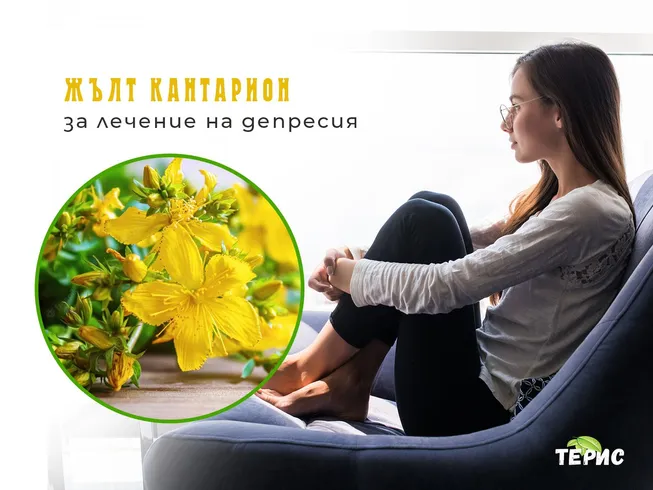
It is this species that is most commonly used - especially in Europe - as a herbal substitute for prescription medicines to treat depression, and it is also sold as a food supplement.
A study shows that the herb has similar efficacy and safety to prescription medicines for treating mild to moderate depression.
#St John's wort for menopause
The plant is used for menopausal symptoms and many other conditions.
#Medicinal uses of St John's wort
There is evidence that the herb is beneficial for the stomach and digestive tract, insomnia, the nervous system and the skin.
#St John's wort has a toning effect on the nervous system

The herb has been shown to have similar efficacy and safety to prescription medicines for treating mild to moderate depression. It has an extremely positive influence on mood.
for anxiety
A number of reports suggest that taking the herb on its own or together with valerian may reduce nervousness. Taking one capsule of a specific product, or a tincture, containing St John's wort and valerian root by mouth every day for at least two weeks reduces nervousness more than medicinal products.
for seasonal depression
Yes, St John's wort may help improve symptoms of nervousness, reduced sexual desire and sleep problems in people with seasonal mood changes. It is useful on its own or in combination with light therapy.
#St John's wort improves blood supply to the heart muscle and lowers blood pressure
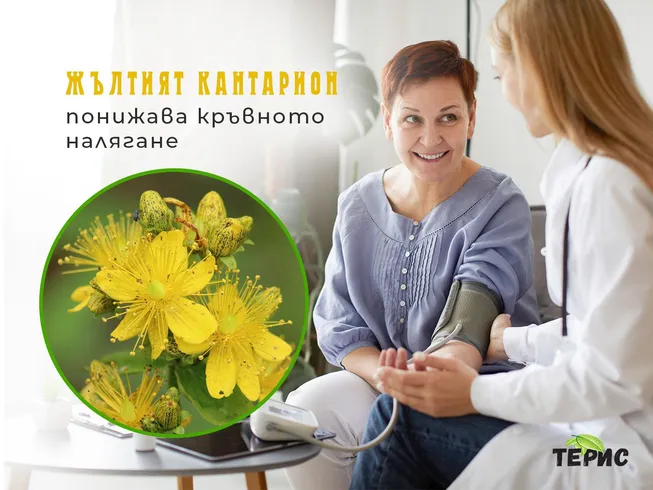
#The herb helps thin the blood
A procedure to unblock a blocked or narrowed blood vessel. Some research shows that in people who do not respond to blood-thinning drugs, taking St John's wort three times a day for 2 weeks after a procedure to clear blocked arteries may improve the results of the procedure. The plant is thought to help blood-thinning drugs work better in some people.
#For attention deficit hyperactivity disorder
A study of young people aged 14-16 with this problem shows that taking the herb every day for 4 weeks may improve attention and activity. With longer use it may also have a positive effect on fatigue.
#For brain tumours
According to specialists, taking hypericin, the main constituent of the herb, by mouth for up to 3 months may reduce tumour size and improve the chance of survival in people with brain tumours.
#For memory problems
Taking a lower dose of St John's wort seems to improve short-term memory, while a higher dose worsens it.
#St John's wort for migraine
A specific product made from the herb, used three times a day, improves migraine pain but does not reduce its frequency.
A type of anxiety marked by repetitive thoughts and repetitive behaviour. More research is needed, but the herb is thought to be possibly useful in such conditions too.
#St John's wort for hormonal disorder
A hormonal disorder that causes enlarged ovaries with cysts (polycystic ovary syndrome, or PCOS).
Some research shows that a product containing the plant and other herbs increases the frequency of menstrual periods and quality of life in women.
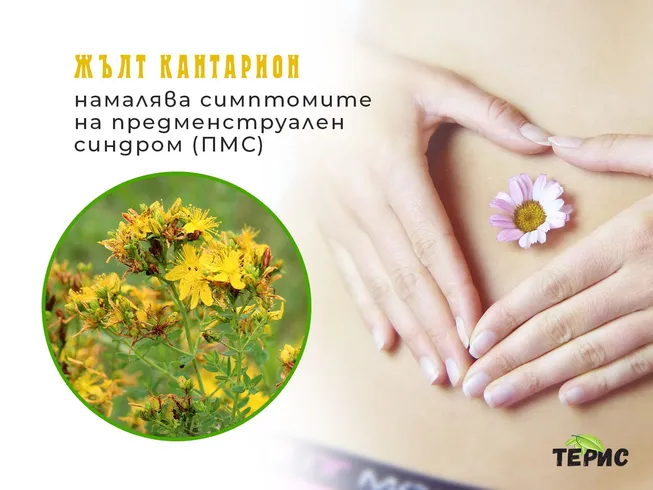
#St John's wort for premenstrual syndrome (PMS)
Women's health specialists suggest that the herb may help reduce PMS symptoms, including sleep problems, confusion, crying, headache, fatigue, food cravings and bloating, by up to 50% in some women.
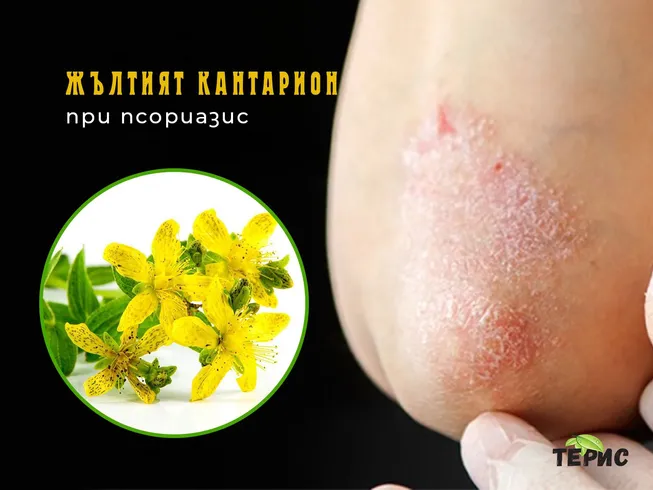
#St John's wort for scaly, itchy skin (psoriasis)
A number of studies show that applying a liquid or ointment made from the herb to the skin reduces the severity and size of psoriasis patches.
#St John's wort for quitting smoking
Taking an extract of the herb once or twice a day for 3 months after quitting smoking is thought to help in stopping the harmful habit.
#St John's wort may also help with:
- Cold sores (herpes labialis);
- Genital herpes;
- Bruises;
- Cancer;
- Chronic fatigue syndrome;
- Excitability;
- Severe tiredness (chronic fatigue syndrome);
- Hardening of the skin and connective tissue (scleroderma);
- Muscle pain;
- Nerve pain;
- Pain in the lower back or hip that radiates to the leg (sciatica);
- Skin problems;
- Diarrhoea;
- And many others.
#Potential side effects of St John's wort
By mouth: the herb is safe when taken by mouth for up to 12 weeks. Some evidence even shows that it can be used safely for more than a year.
Still, some side effects are possible, such as sleep problems, nervousness, irritability, stomach upset, fatigue, dry mouth, dizziness, headache, skin rash, diarrhoea and tingling of the skin.
It is a good idea to use the plant in the morning or to take a lower dose if it seems to be causing sleep problems.
Also, when taken by mouth in large doses, the herb can cause severe skin reactions on exposure to the sun. Women may be at risk of severe skin reactions even at usual doses. It is a good idea to wear sunscreen outdoors, especially if you have fair skin.
Otherwise, the herb interacts with many medicines. That is why we should always tell our doctor and pharmacist if we plan to take St John's wort.

At the same time, there is not enough reliable information to know whether the plant is safe when applied to the skin. As we said, however, it can cause severe skin reactions on exposure to the sun.
And one more thing: it is best not to take the herb during pregnancy or breastfeeding. Breastfed babies of mothers who take it are thought to possibly experience colic, excessive drowsiness and restlessness.
Of course, this wonderful herb is in most cases completely safe and even extremely beneficial for people.
However, everyone needs to know that plants interact with one another, with other medicines or even with other diseases, so each of us should be careful when looking after our health.
#St John's wort with prescribed antidepressants
Combining the herb with antidepressants may cause adverse effects, such as a life-threatening rise in serotonin, the brain chemical stimulated by some drugs used for depression.

The symptoms may include agitation, diarrhoea, high blood pressure and hallucinations. In addition, taking the herb may affect and reduce the efficacy of prescription medicines used to treat depression.
#In what forms can we take the herb Zvanika (St John's wort)
#As a tea
To take it as a tea, pour 250 ml of boiling water over one heaped teaspoon of the herb and leave it to steep for a little while.

#As capsules
You can also take "Hypericum perforatum L." as capsules or herbal tablets, as an effective food supplement for treating various conditions related to the nervous system. Thanks to their huge number of bioactive compounds they help overcome anxiety, mild to moderate depression, mood disorders and stress.

#External use
As an oil for treating wounds
The herb is applied externally, as St John's wort oil, to treat wounds or burns. It acts as a pain reliever, an anti-inflammatory and a healing agent.
Applying it directly to the skin can also be risky and cause serious sensitivity to sunlight, so care is needed.

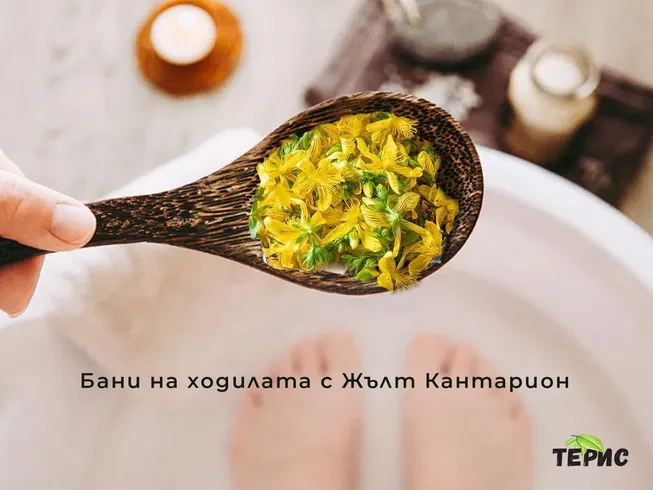
Foot baths with St John's wort
Fill a bucket with the herb (stems, leaves and flowers) and leave it to soak overnight in cold water. Before the bath, bring the water with the herb in it to the boil and then add it to the bath water. The bath lasts about 20 minutes.
This treatment is recommended for nervous conditions of all kinds.
#St John's wort by mouth as an extract
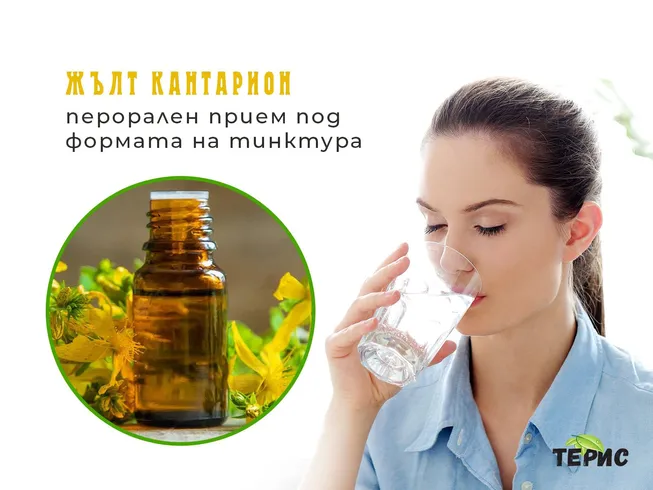
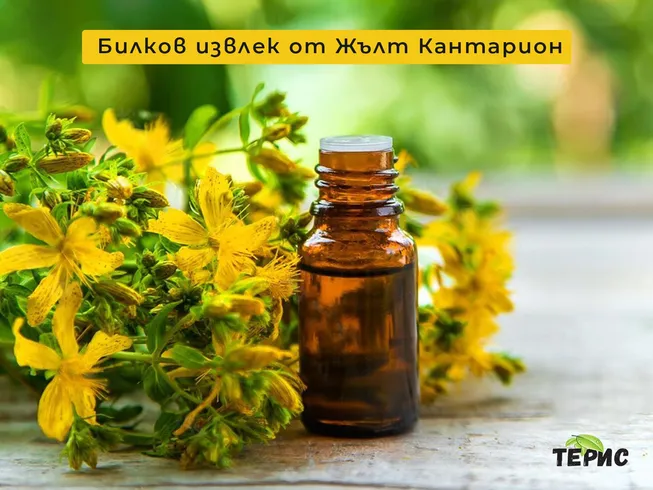
In the form of a herbal extract or herbal tincture, St John's wort extract is at its most concentrated and has the greatest effect on the body.
#St John's wort herbal extract
In the form of a herbal tincture made from the medicinal herb, you can feel its effect on your health the fastest.
St John's wort is included in our herbal tinctures
- HIPERIKUM
- REDOVEN STOMAH
- and the Concentration, Anti-stress and Restful Sleep package
#Herbal tincture of St John's wort - HIPERIKUM
A herbal extract of ST JOHN'S WORT contains the highest amount of beneficial hypericin and works best if you need:
- to tone the body and the nervous system
- to improve blood supply to the heart muscle
- to lower blood pressure
- to ease digestive upsets
Herbal tincture HIPERIKUM - "HAPPINESS in a bottle!"

#Herbal tincture with St John's wort - REDOVEN STOMAH
Herbal tincture REDOVEN STOMAH is a combined extract of herbs whose synergy is a great aid for: a sluggish bowel, constipation, irregular bowel movements and fluid retention. It supports the normal functioning of the gastrointestinal tract.
Give yourself the gift of health and ease stomach upsets with Herbal tincture REDOVEN STOMAH - a combined extract of ST JOHN'S WORT AND GREATER PLANTAIN
#Herbal package "Concentration, Anti-stress and Restful Sleep" with St John's wort
This herbal package contains 8 herbal tinctures - concentrated extracts that have a positive influence on a busy lifestyle.
- they bring balance to everyday life
- they improve concentration
- they lower stress levels
- and they improve sleep quality
#How to take St John's wort herbal tincture
The herbal tincture is taken by mouth, 20-30 drops (5 ml) dissolved in a glass of water, 2-3 times a day, according to the recommended dose.
It is best taken 10-15 minutes before meals.

The product is a food supplement, not a medicine, and does not replace a complete (balanced) diet.
The product should not be used as a substitute for a varied diet.
Do not exceed the recommended daily dose.
Not to be used by pregnant or breastfeeding women.
The product is not intended for persons under 18 years of age.
Contraindications: St John's wort must not be used for long periods in hypertension. It is contraindicated in pregnancy.
Storage conditions: Store in a dry place protected from direct sunlight, at a temperature of 5-25 °C. Keep out of the reach of young children.
#True "happiness in a bottle"
St John's wort can work wonders for a number of health complaints - but above all for our mood, because it raises the level of serotonin (the happiness hormone), which is thought to be responsible for a person's mood.
Generally speaking, the herb has anti-inflammatory, calming, blood-clotting, antimicrobial and mild laxative actions. It has a positive influence on memory, concentration, mood and gut balance.
Enjoy nature's gifts, because nothing heals better than nature!
Give yourself the gift of health with pure herbal extracts from bilkovitinkturi.bg
This article is for educational purposes and does not replace advice from a doctor. Food supplements are not medicines and are not intended to treat diseases. If you have a chronic condition, are pregnant or breastfeeding, or take medication, consult a specialist before use.
Products from this article