Valerian - a drop of tranquility from nature
Table of Contents
A herb believed to have a powerful calming effect on the brain and the nervous system.
This is valerian - a common traditional remedy used to treat insomnia
Valerian is a herb native to Europe and parts of Asia, but it also grows in North America. The remedy is made from the root of the plant.
It is used most often for sleep disorders, as well as for anxiety and psychological stress.
In manufacturing, valerian extracts and oil are used as a flavouring in food and drinks.
#Botanical characteristics
Valerian or "Valeriana officinalis", "Caprifoliaceae" is a perennial flowering plant native to Europe and Asia, as mentioned above.
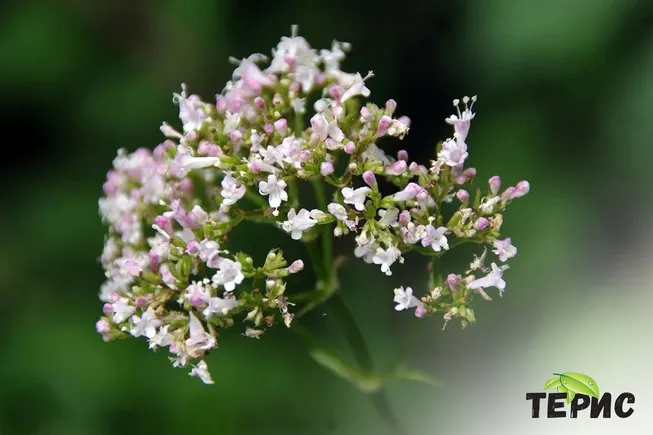
It is a perennial flowering plant with pinkish-white flowers, numerous roots and a distinctive smell.
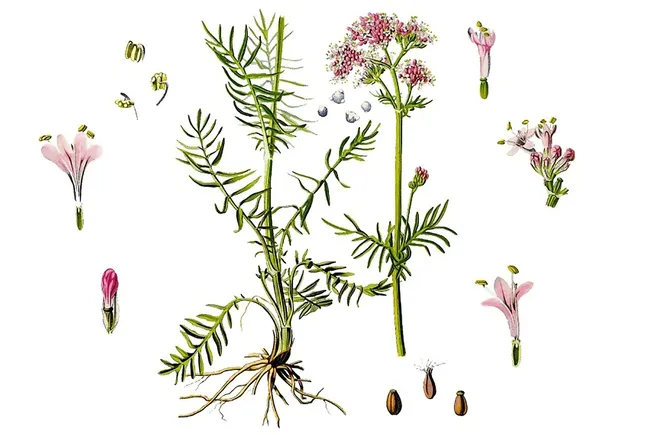
In summer, when the mature plant can reach a height of 1.5 metres, it bears sweet-smelling pink or white flowers that attract many kinds of flies, especially hoverflies of the genus Eristalis.
The stem carries opposite pinnate leaves; the flowers are pale pink to white, in compound clusters in summer, after which they form small seeds with white hairs. It flowers from May to August.
It has numerous roots and a distinctive smell.
It is eaten as food by the larvae of some Lepidoptera species (butterflies and moths).
Crude valerian root extract may have sedative and anxiolytic effects and is usually sold in food supplement capsules to promote sleep, or as a herbal tincture made from the plant.
#History and origin of "Valeriana officinalis"
Valerian has been used as a medicinal herb since at least the time of ancient Greece and Rome. Hippocrates described its properties, and Galen later prescribed it as a remedy for insomnia. In medieval Sweden, a piece of the plant was sometimes placed in the groom's wedding clothes to protect him from the "envy" of the elves.
In the 16th century, the Anabaptist reformer Pilgram Marpeck became the first to prescribe valerian tea to a sick woman.
In 1597 the scholar John Gerard stated that, according to his contemporaries, the herb was
"excellent for those burdened and for such as be troubled in any way".
He said that dried valerian root was valued as a food supplement for treatment by the poor in the north of England and the south of Scotland.
The 17th-century astrologer-botanist Nicholas Culpeper considered the plant to be under the influence of Mercury and therefore to have a warming ability. He recommended both the herb and its root and noted that the root boiled with liquorice, raisins and aniseed is good for those suffering from coughs.
#Etymology and common names
The herb's name comes from the personal name Valeria and the Latin verb valere (to be strong, healthy).
In Bulgarian, valerian is also known as Dilyanka, Kocha bilka, Milyanka, Koteshka bilka (cat's herb) and Macha treva.
Other names used for this plant include: garden valerian (to distinguish it from other Valeriana species) and garden heliotrope (although it is not related to heliotropium).
Red valerian, which is often grown in gardens, is also sometimes called "valerian", but it is a different species (Centranthus ruber), although from the same family.
#Active constituents of the plant
The main constituent of valerian is a yellowish-green to brownish-yellow oil present in the dried root, ranging in content from 0.5 to 2.0%. This variation in quantity can depend on location: dry, stony soil yields a root richer in oil than moist, fertile soil.
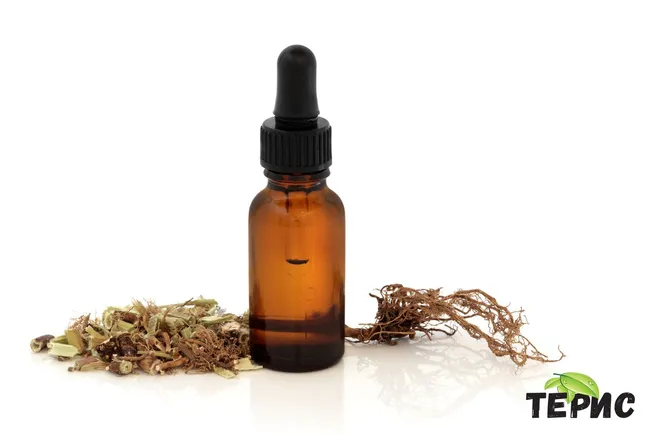
The volatile oils that form the active constituent are pungent, somewhat reminiscent of well-matured cheese. While some people remain fond of the earthy aroma, others find it unpleasant, comparing the smell to that of unwashed feet, for example.
#Parts of the herb used
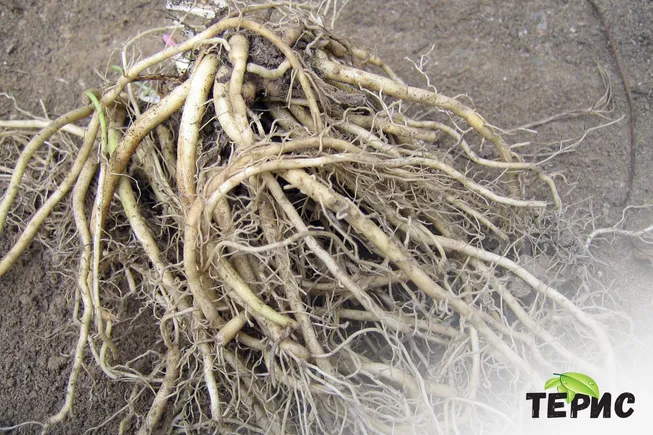
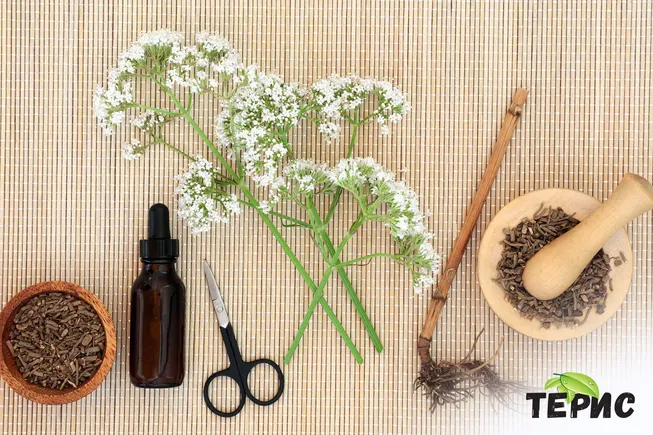
The part used is the underground part of the plant, the rhizome, which has a strong, distinctive smell.
Its composition includes actinidine, which has a strange and interesting effect on cats, probably because of its smell, which resembles cat urine.
#Folk medicine
As is well known, valerian is a common traditional remedy used to treat insomnia.
The herb can be taken in the form of:
#Valerian capsules
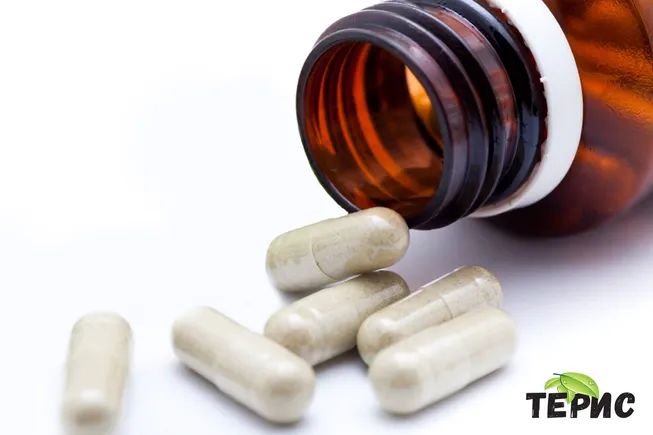
Capsules taken by mouth are available in both standardised and non-standardised forms. Standardised products may be preferable, given the great variety of chemicals in the dried root.
#Valerian herbal extract
Taken by mouth - 20-30 drops up to 3 times a day in 200 ml of water.
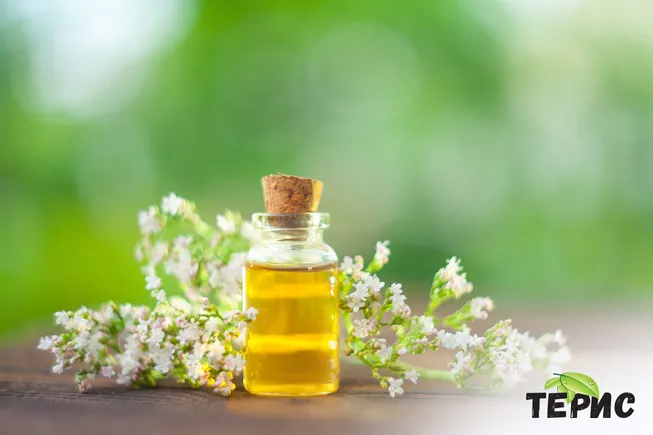
#Valerian essential oil (V. officinalis)
It is used in aromatherapy, for inhalation with a diffuser and as an additive in cosmetics. Dilute with a carrier oil before use!
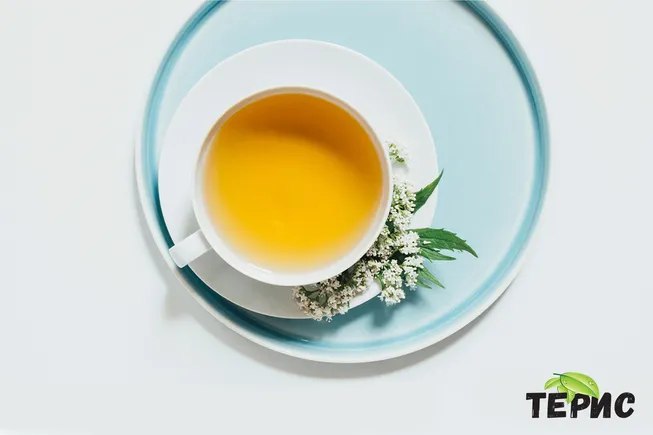
#Valerian tea
- How can you prepare it?:
Steep 2 teaspoons of chopped valerian roots and rhizomes in 200 ml of boiling water for 60 minutes at room temperature. Strain through gauze.
The infusion keeps for 12 hours, provided it is stored in the fridge at 2-8 °C without freezing.
#Uses of the medicinal plant
#Insomnia.
Although there is conflicting research, most studies show that taking valerian reduces the time it takes to fall asleep by about 15 to 20 minutes.
The herb definitely improves sleep quality.

Doses of 400-900 mg of valerian extract, taken up to 2 hours before bedtime, work best. Continuous use for several days, even up to four weeks, may be needed before an effect is noticed.
Some research shows that valerian may help improve sleep when combined with other herbs, including hops and lemon balm.
Taking valerian may also improve sleep quality in people who are coming off sleeping pills. However, some research shows that valerian does not relieve insomnia as quickly as so-called sleeping pills.
#Menopausal symptoms.
Research shows that taking 675-1060 mg of valerian root daily for 8 weeks may reduce the severity and frequency of hot flushes in menopausal women.
#Anxiety.
There is quite a lot of evidence for valerian's effectiveness in anxiety. Much long-standing research shows that taking valerian may reduce anxiety.

#Depression.
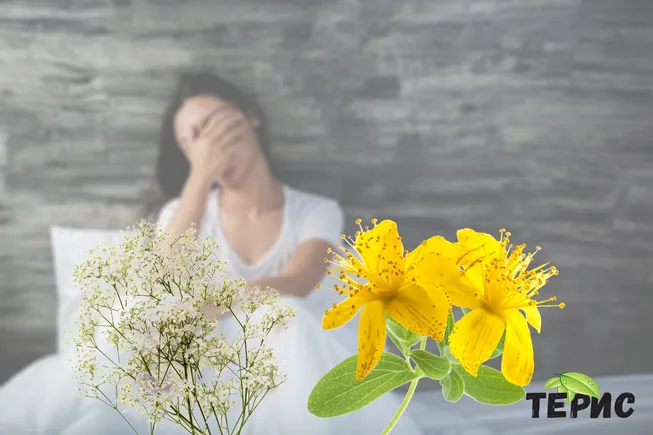
Taking valerian plus St John's wort is thought to improve symptoms of depression significantly. Taking higher doses of valerian (1000 mg) with St John's wort improves symptoms of depression faster than lower doses (500 mg), which is entirely understandable.
#Menstrual cramps (dysmenorrhoea).
Some studies suggest that taking 255 mg of valerian three times a day for two menstrual cycles reduces pain and the need for other painkillers during menstruation.

#Premenstrual syndrome (PMS).
Taking valerian root extract reduces the emotional, behavioural and physical symptoms associated with PMS when started on day 21 of the menstrual cycle and continued for 7 days.
#Anxiety before surgery.
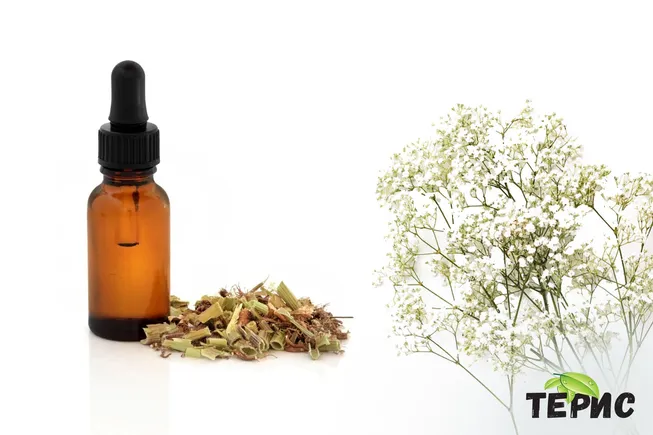
Taking valerian seems to work as well as taking the drug midazolam for reducing anxiety in adults having their wisdom teeth removed, for example.
#Stress.
Taking 600 mg of valerian for 7 days before a mental stress test has been shown to lower blood pressure, heart rate and the feeling of pressure when you are under stress. Other research has found that taking 100 mg of valerian before public speaking reduces feelings of anxiety.
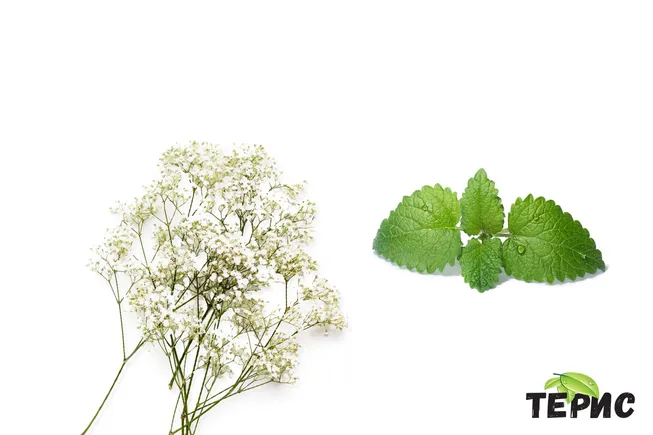
Another study found that a single dose of a combination product containing 360 mg of valerian and 240 mg of lemon balm at night reduces stress-induced anxiety. But the combination appears to increase anxiety when taken in larger doses of 1080 mg of valerian and 720 mg of lemon balm.
#Headache.
Valerian root extract may make tension headaches less severe and reduce the heavy impact of these headaches.
#Other troublesome health problems the herb helps with include:
- Attention deficit hyperactivity disorder;
- Chronic fatigue syndrome;
- Convulsions;
- Epilepsy;
- Muscle and joint pain;
- Diarrhoea;
- And many more.
#Valerian herbal tincture
Herbal tinctures contain the highest concentration of a given plant, so we can feel the effect of a herb much faster than if it is taken in another form.
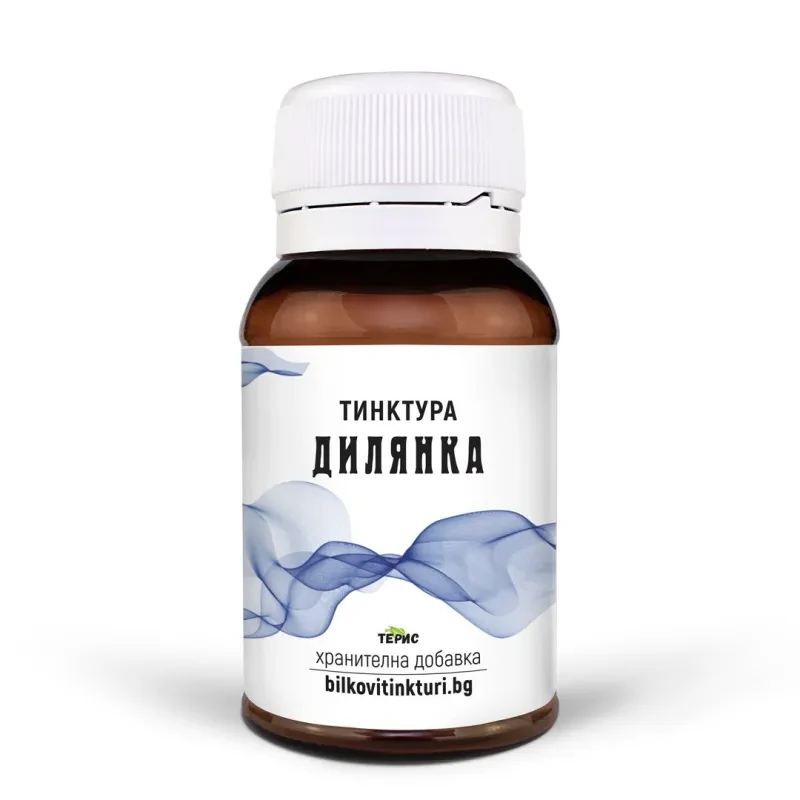
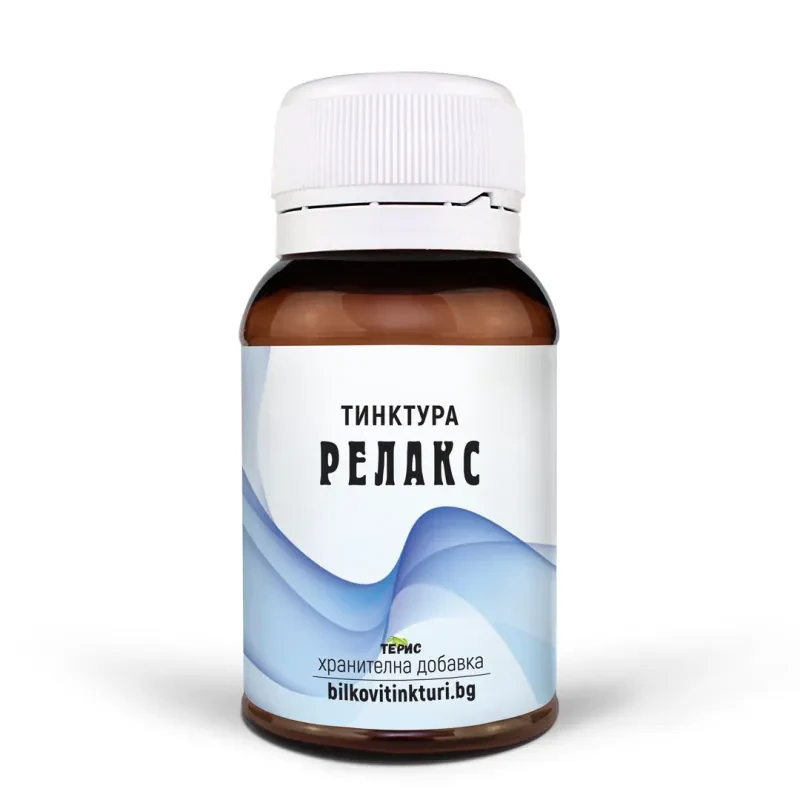
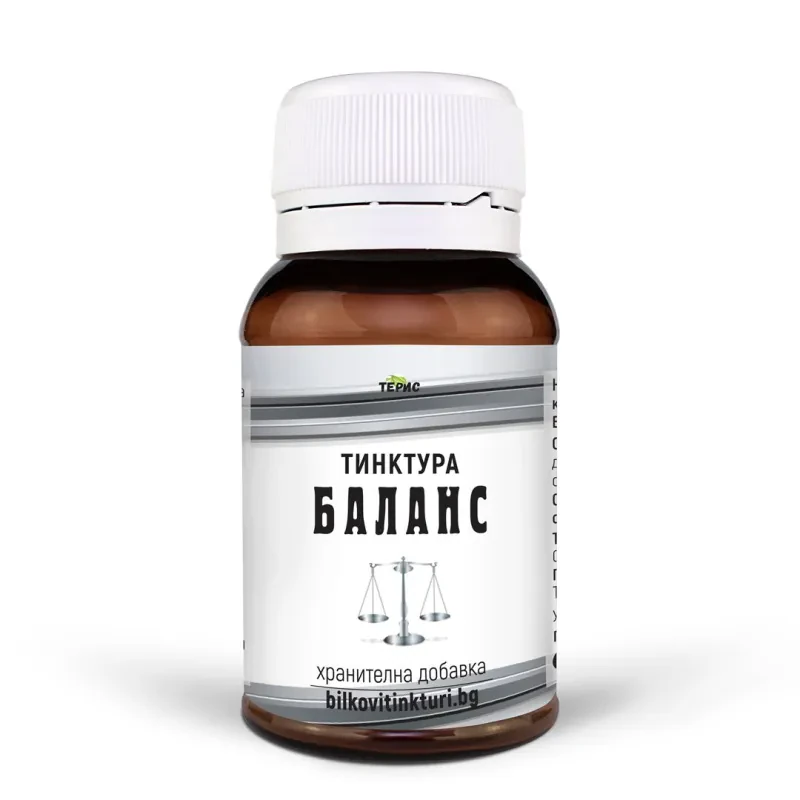
Valerian is included in our herbal tinctures "Relaks", "Balans" and "Dilyanka"
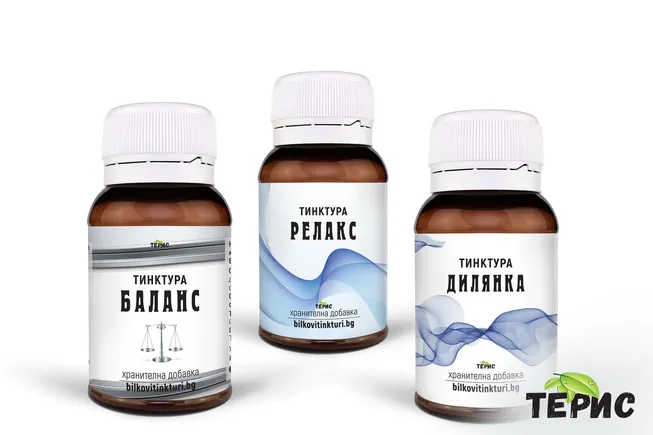
They have a beneficial calming effect on the central and peripheral nervous system in cases of physical and mental strain, stress, groundless fears, tension, hyperactivity, insomnia and headache.
Valerian is known for its medicinal uses in:
- impaired function of the central nervous system;
- neurosis;
- sexual weakness;
- stuttering;
- migraine;
Our herbal tinctures are a specifically selected blend of herbs and are known for their sedative action without causing dependence.
#Possible adverse effects
Because the compounds in valerian act directly on the central nervous system as depressants, they should not be used with other depressants such as ethanol (drinking alcohol), benzodiazepines, barbiturates, opiates, kava kava or antihistamine drugs.
Although liver problems do not usually occur with valerian use, there have been cases of hepatotoxicity in apparently hypersensitive individuals after short-term use.
When taken by mouth, valerian is quite safe for most adults, especially when used in medicinal amounts in the short term. The herb has been used with a high and apparent level of safety in studies lasting up to one month. Its safety with long-term use is still unknown.
Otherwise, in rare cases valerian can cause headache, stomach upset, excitability, restlessness, heart disturbances and even insomnia in some people. A few people feel sluggish in the morning after taking valerian, especially at higher doses.
Others experience a dry mouth or have more vivid dreams. It is best not to drive or operate dangerous machinery after taking the plant in any form.
To avoid possible adverse reactions when stopping valerian after long-term use, it is best to reduce the dose slowly over a week or two before stopping it completely. And it is best taken after consultation with, and on the recommendation of, a specialist.
#Special precautions and warnings
- Pregnancy or breastfeeding:
There is not enough reliable information to know whether valerian is safe to use during pregnancy or breastfeeding. It is best not to use it during these periods.
- Children:
Valerian is most likely possibly suitable for children when taken by mouth appropriately for 4-8 weeks.
- Surgery:
Valerian slows down the central nervous system. Anaesthesia and other medicines used during surgery also affect the central nervous system. The combined effects may be harmful. That is why you should stop taking valerian at least two weeks before a planned operation.
#Effect on cats
Valerian root attracts cats in a way similar to catnip.
This is due to the volatile nitrogen compound actinidine, found in valerian rhizomes. This substance is thought to attract cats because it mimics their sex pheromones.
#The sleep herb
Valerian is a herb that has a sedative effect and a proven strong therapeutic action.
It helps with insomnia, stress and tense situations, as an antispasmodic and with more severe premenstrual syndrome.
Taken as capsules, a herbal tincture or a tea, it will certainly help you with some of these.
#VALERIAN - A DROP OF TRANQUILLITY FROM NATURE ➤ VIDEO
This article is for educational purposes and does not replace advice from a doctor. Food supplements are not medicines and are not intended to treat diseases. If you have a chronic condition, are pregnant or breastfeeding, or take medication, consult a specialist before use.

Valerian - a drop of tranquility from nature
Click to play video