Herbs to Support the Kidneys with Stones
Table of Contents
#What are the kidneys and what do they do?
The kidneys are 2 bean-shaped organs, each approximately 10 cm long.
They are located towards the back of the abdomen, on either side of the spine.
They remove waste products from the blood. The clean blood is then returned to the body, and the waste products are eliminated from it when we urinate.

#Kidney stones - nephrolithiasis
Kidney stones are hard masses or clusters of crystals that form from minerals and other substances (such as acids and salts) in the urinary tract.
They can be as small as a grain of sand or, rarely, larger than a golf ball. They are called renal calculi or nephrolithiasis.
They can develop in one or both kidneys or in the ureter (the tube that connects the kidneys to the bladder and carries urine from the kidney to the bladder).
Depending on the size of the kidney stone (or stones), you may not even know you have one. Most (smaller ones) can pass through the urinary tract in the urine without symptoms. Large ones can be extremely painful and get stuck in the ureter. This can lead to increased urination and limit the kidneys' ability to filter waste from your body, as well as cause bleeding. If left untreated, it may lead to kidney infections or to the kidneys not working properly.
It can take up to three weeks for stones to pass on their own. Even some small ones can cause severe pain as they pass through the urinary tract and leave your body. Medical intervention may be needed to break up and remove a stone that cannot pass on its own.

#Blocked ureter and kidney infection
A kidney stone that blocks the ureter, the tube connecting the kidney to the bladder, can cause a kidney infection.
This can happen because waste products cannot get past the blockage, which can cause bacteria to build up.

#Urolithiasis - the process of stone formation in the urinary tract
The mechanisms involved in the development of kidney stones are not fully understood. In general, urolithiasis, the process of stone formation in the urinary tract, is thought to involve crystal aggregation, nucleation and growth of insoluble particles.
Stones can cause various symptoms, including pain, obstruction, infection and bleeding, as they pass through the urinary system.
The treatment and management of kidney stones is based on surgical techniques such as extracorporeal shock wave lithotripsy, percutaneous lithotripsy and transurethral lithotripsy. These operations are complex and expensive and do not affect stone recurrence. Various medicines are used to prevent hypercalciuria and hyperoxaluria, which cause stone formation, but they are not promising enough because of their limited effectiveness and poor tolerability.
Because of the drawbacks of surgical techniques and the limited choice in pharmacotherapy, research into new pharmacological therapies for managing kidney stones is worthwhile. Various medicinal plants with diuretic, antispasmodic and antioxidant activity exert an inhibitory effect on crystallisation, nucleation and crystal aggregation, which makes them useful for treating urolithiasis.
Various studies suggest that a diet with a higher intake of vegetables and fruit plays a role in preventing them. In this article we will discuss in detail what kidney stones are, their types, treatment options, herbs and dietary plants, their main chemical constituents and their possible mechanisms of action.

#What causes kidney stones?
Waste products in the blood can sometimes form crystals that collect in the kidneys. Urine contains minerals, acids and other substances such as calcium, sodium, oxalate and uric acid. When you have too many particles of these substances in your urine and too little fluid, they can begin to stick together, forming crystals or stones.
Over time the crystals can build up to form a hard, stone-like lump. Kidney stones can form over months or years.
This is more likely to happen if:
- You do not drink enough water and other fluids
- You take certain types of medicine
- You have a medical condition that raises the levels of certain substances in your urine
- They usually form after certain chemicals build up in the body
- Some medical conditions can lead to unusually high levels of these chemicals in your urine
Once a kidney stone has formed, your body will try to pass it when you urinate.

#How common are kidney stones?
Kidney stones (nephrolithiasis) are a condition that affects people of all sexes, races and ages and is thought to be increasing in many countries around the world. Along with the effects of global warming, eating habits may be a major factor influencing these trends.
About 1 in 10 people (10–12% of people) in industrialised countries (10% of men and 3% of women) have urinary stones at some point in their lives. They are most common in males aged from 30–40 to 60 years. They are also more common among white people.
Kidney stones increase the risk of developing chronic kidney disease by 60% and end-stage kidney disease by 40%, and papillary renal cell carcinoma is also associated with kidney stones.

#Types of kidney stones
Kidney stones come in different sizes, shapes and colours. Some are like grains of sand, while in rare cases others can grow to the size of a golf ball.
Stones are named after the type of crystals they are made of:
#Calcium stones - the most common type
Calcium oxalate and calcium phosphate stones are calcium-based and can form when you eat foods high in oxalate or low in calcium and do not drink enough fluids. Calcium oxalate stones are the most common type of kidney stone.
#Uric acid stones
These are usually caused by a large amount of acid in the urine.
Eating animal protein (beef, poultry, pork, eggs and fish) can bring on this condition.
#Struvite stones
These are usually caused by a bacterial infection (such as a urinary infection).
Repeated infections can lead to a staghorn calculus, a very large kidney stone that usually has to be removed surgically.
#Cystine stones
A hereditary condition called cystinuria causes cystine stones. Cystine is a substance made up of two cysteine amino acids bound together.

Calcium-containing stones are the most common kidney stones (75-90%), followed by struvite (magnesium ammonium phosphate) (10-15%), uric acid (3-10%) and cystine (0.5-1%).
#What are the risk factors for kidney stones?
You may be at higher risk of developing kidney stones if you:
- Do not drink enough fluids
- Eat meat and other protein-rich foods
- Eat foods high in sodium or sugars (sucrose and fructose)
- Take vitamin C supplements
- Have a family history of kidney stones
- Have a blockage of the urinary tract
- Have had stomach or bowel surgery, including gastric bypass
- Take certain medicines. These include some diuretics, calcium-based antacids and some anti-seizure medicines
- Have certain medical conditions

#Recurrent kidney stones
People who keep getting kidney stones are those who:
- Eat a diet high in protein and low in fibre
- Are inactive or bedridden
- Have a family history of the condition
- Have had several kidney or urinary infections
- Have had kidney stones before, especially if it was before the age of 25
Some medicines can increase the risk of developing recurrent kidney stones.
These are:
- Aspirin
- Antacids
- Diuretics (used to reduce fluid build-up)
- Some antibiotics
- Some antiretroviral medicines (used to treat HIV)
- Certain anti-epileptic medicines
#Medical conditions that increase the risk of kidney stones
Some health conditions can put you at higher risk of kidney stones. They include:
- Cystic fibrosis
- Cystinuria, a genetic condition that causes cystine to build up
- Diabetes
- Gout
- High blood pressure
- High levels of calcium in the urine (hypercalciuria)
- Inflammatory bowel disease (IBD)
- Kidney cysts
- Obesity
- Osteoporosis
- Parathyroid disease
- Primary hyperoxaluria
- Hemiplegia or paraplegia (types of paralysis)
#What are the complications of kidney stones?
Kidney stones can put you at risk of:
- A blockage that backs urine up into the kidney, causing it to swell (hydronephrosis)
- Kidney infection (pyelonephritis)
- Acute kidney injury (a type of kidney failure that may be reversible)
- Frequent urinary tract infections (UTIs)
- Chronic kidney disease (CKD)

#How are kidney stones diagnosed?
Health consultants use imaging, blood and urine tests for diagnosis.
If they suspect you have stones, based on your symptoms and a physical examination, you may need one or more of these tests:
- Urine test
Your health consultant may test your urine for blood, stone-forming crystals and signs of infection.
- Imaging
X-rays, CT scans and ultrasound can help your health consultant see the size, shape, location and number of stones.
- Blood tests
Your health consultant may use blood tests to check your kidney function, detect infections and look for high calcium levels or other conditions that can lead to stone formation.

#Symptoms of kidney stones
You may not notice if you have small kidney stones, because they are unlikely to cause any symptoms. They may even go unnoticed and pass painlessly when you urinate, without any discomfort.
The most common symptom of kidney stones is pain in the lower back, abdomen or side (flank pain). It may be a dull ache or sharp and severe. It is sometimes called colicky pain because it can get worse in waves.
Other symptoms also include:
- Nausea and vomiting
- Blood in the urine
- Pain when urinating
- Inability to urinate
- Feeling the need to urinate a lot
- Fever or chills
- Cloudy or smelly urine

#Symptoms of large kidney stones
Larger ones, however, can cause the following symptoms:
- Pain in the side of the abdomen (in the abdominal area) or groin – men may have pain in the testicles
- Severe pain that comes and goes
- Nausea or vomiting
- High temperature
- Sweating
- Blood in the urine
- Urine infection
#Symptoms of a kidney infection
The symptoms of a kidney infection are similar to those of kidney stones, but may also include:
- High temperature
- Chills and shivering
- Feeling very weak or tired
- Cloudy and smelly urine
#When should you see a health consultant?
Do not hesitate to see your health consultant if you have symptoms of a kidney stone or stones. If you do have one, you will need to know where it is and how big it is so that you can get treatment and prevent complications.
#When do you need emergency medical help?
You should contact your GP immediately if you:
- Have severe, unbearable pain
- Have a high temperature
- Have a bout of shivering or a seizure
- Have blood in your urine
#What questions should I ask my health consultant?
You might ask your health consultant:
Do I have a kidney stone, or is there another cause for my symptoms?
What type of kidney stones do I have?
What size is my kidney stone?
Where is it located?
How many kidney stones do I have?
Do I need treatment, or will I be able to pass them naturally?
Should I be tested for kidney disease?
What changes should I make to my diet?
What kind of procedure do I need to get rid of the stones?
#Treatment of kidney stones
Most kidney stones are small enough to pass in the urine, and it may be possible to treat the symptoms at home with medication. Larger ones may need to be broken up or removed with surgery.
#Treatment of small kidney stones
If you have a small stone that is likely to pass on its own, your health consultant will have you monitor your symptoms until it passes in your urine. They may prescribe or recommend medicines to:
- Relax the ureter and help the stones pass
(Commonly prescribed medicines have this aim)
- Control nausea and vomiting
- Manage pain
These medicines are non-steroidal anti-inflammatories to relieve pain, keep you comfortable and help the stone pass on its own.
In addition, the health consultant may advise drinking plenty of fluids - up to 3 litres throughout the day, every day, until the stones have cleared.
#Treatment of large kidney stones
Larger stones need treatment depending on their size, location, whether they are causing infections or symptoms and other factors.
If your stone is too large or you have a blockage, or if the stone cannot pass naturally on its own within a few weeks, your health consultant will recommend procedures to break it up or remove it surgically.
#Procedures for treating kidney stones
If you have a kidney stone that cannot pass on its own or is blocking your urinary tract, your health consultant will recommend a procedure to break it up and/or remove it.
The main types of surgery for removing kidney stones are:
- Shock wave lithotripsy
- Ureteroscopy
- Percutaneous nephrolithotomy
The type of surgery depends on many factors, including the size and location of the stones.
Shock wave lithotripsy
This procedure involves using ultrasound (high-frequency sound waves) to pinpoint where a kidney stone is located.
Ultrasound shock waves are then sent to the stone from a machine to break it into smaller pieces so that they can pass more easily through the urinary tract and out of your body.
This procedure is usually carried out after painkillers have been given.
You may need more than 1 session for successful treatment.
Ureteroscopy
Ureteroscopy involves passing a long, thin telescope, called a ureteroscope, through the urethra (the tube through which urine passes on its way out of the body) and into the bladder.
It is then passed up into the ureter, which connects the bladder to the kidney.
The surgeon may either try to remove the stone carefully using another instrument, or may use laser energy to break it into small pieces so that it can pass naturally in your urine.
Ureteroscopy is carried out under general anaesthetic, while you are asleep.
Percutaneous nephrolithotomy
This type of surgery is recommended when a kidney stone cannot be treated with other procedures, and involves using a thin telescopic instrument called a nephroscope.
A small cut is made in your back and the nephroscope is passed through it and into the kidney.
The stone is pulled out or broken into smaller pieces using a laser or pneumatic energy (an ultrasound probe).
This procedure is always carried out under general anaesthetic.
Laparoscopic surgery
During laparoscopic surgery a small cut is made to remove the stone. In some rare cases open surgery (with a larger cut) may be needed instead of laparoscopy.
Complications of treatment
Complications can occur after treatment for large kidney stones. Your surgeon should explain them to you before the procedure.
They depend on the type of treatment and on the size and position of your stones.
Complications can include:
- Sepsis, an infection that spreads through the blood, causing symptoms throughout the body
- A blocked ureter caused by stone fragments (the ureter is the tube that connects the kidney to the bladder)
- Injury to the ureter
- Urinary tract infection
- Bleeding during surgery
- Pain

#Do kidney stones cause kidney disease?
If you have had kidney stones, you are at higher risk of more kidney stones and of chronic kidney disease.
#Are kidney stones deadly?
No. Kidney stones do not cause death.
#Can kidney stones go away on their own?
Yes. About 80% of kidney stones can pass on their own. The time it takes you to pass them depends on their size and location. A stone smaller than 4 mm may pass within one to two weeks. A larger one may take around two to three weeks to pass completely. Once it reaches your bladder, it usually passes within a few days.
If you think you have a kidney stone, make sure your health consultant examines you to check for blockages or other complications. It is important to consult them if you have not passed the stone within four to six weeks.

#Can I live a normal life with kidney stones?
Kidney stones should not stop you from carrying out your daily activities or reduce your quality of life. Because they are passed when you urinate, and thanks to the treatment options, they are not permanent.
#Preventing kidney stones
The most suitable way to prevent kidney stones is to make sure you drink plenty of water - up to 3 litres of fluid throughout the day, every day - to avoid dehydration.
Do this to stop the stones coming back, because it is thought that half of the people who have had them once get them again within 5 years.
We advise you to:
- Drink water (drinks such as tea and coffee also count)
- Add fresh lemon juice to your water
- Avoid fizzy drinks
- Not eat too much salt
If your urine is dark, it means you are not drinking enough fluids. It should be pale in colour. Keeping your urine clear helps stop waste products from becoming too concentrated and forming stones.
You can tell how diluted it is by paying attention to its colour. The darker it is, the more concentrated it is.
It is usually dark yellow in the morning because it contains a build-up of waste products that your body has produced overnight.
Drinks such as tea, coffee and fruit juice can count towards your fluid intake, but water is the healthiest option and the best for preventing kidney stones from developing.
Drink more when it is hot or when you exercise, to replace the fluids lost through sweating.
Even small stones that can pass on their own can be very painful. A health consultant may prescribe medicines or recommend over-the-counter ones to manage the pain. Always seek advice before taking any of them. They may increase the risk of kidney failure if you take them while you have kidney stones, especially if you have underlying health problems.
Depending on the type of stones you have, your health consultant may also advise you to cut down on certain types of food.
But do not make any changes to your diet without first talking to them.

#
The role of a natural diet in preventing kidney stones
New studies suggest that eating with a higher intake of vegetables and fruit plays a role in preventing urolithiasis. Epidemiological studies show that diet may be one of the main risk factors for kidney disease. Research reports that diets with a greater intake of plant protein, compared with animal protein, may improve metabolic acidosis in people with chronic kidney disease.
Such dietary interventions, focused on reducing acidity with sodium-based alkali, are among the main protective strategies. Regular intake of natural, plant-rich foods has been found to increase urine pH and volume, as well as the amounts of stone-formation inhibitors such as phytate, citrate, potassium and magnesium, which are linked to supersaturation of calcium oxalate and uric acid.
Phytate is the main form of phosphate in natural sources, and its dietary intake is linked to the development of insoluble complexes with calcium in the intestine, which can suppress crystal formation in the urine and reduce the risk of urolithiasis.
The alkaline load produced by a natural diet is able to raise urinary citrate, which has a significant preventive effect on the development of kidney stones. Dietary fibre, which is abundant in fruit and vegetables, may also reduce stone formation because of its indigestible components, which bind to minerals and fats in the gastrointestinal tract, leading to suppressed urinary excretion of oxalate and calcium.
A study assessing the link between intake of dietary plants, fruit and vegetables and the risk of urolithiasis looked at women with no history of kidney stones. These links were also assessed for stone recurrence in women with a history of kidney stones, and it was found that a higher intake of fruit and vegetables is associated with a reduced risk of developing urolithiasis.

#One of the oldest known and most common conditions
Kidney stones are one of the oldest known and most common conditions of the urinary system. They are the third most common urinary tract condition. Their aetiology is multifactorial and is linked to genetics, diet and low activity.
In this article we will give you a thorough overview of the role of plants and herbs as natural supplements in the prevention or management of kidney stones, and explain the main pharmacological mechanisms and the phytochemical constituents responsible for this activity.

#Medicinal plants for preventing kidney stones
In recent years interest in herbal and traditional medicine for the prevention and management of various diseases has grown even stronger. Medicinal plants have been used for thousands of years in many countries to prevent the development and recurrence of kidney stones.
Various medicinal plants and phytochemical constituents have been evaluated for their preventive and therapeutic potential in kidney stones. There are plants with well-established preclinical and/or clinical evidence of their protective or therapeutic effect in urolithiasis.
Dietary interventions are regarded as promising methods for protecting the kidneys, in combination with or separately from hereditary or genetic factors. Nutrient-rich plants are effective tools in the diet that can influence the risk of calcium oxalate stones recurring.
Some neuroprotective herbs have been found to be effective inhibitors of crystal formation and growth.

#Herbal treatment for urinary stones
Herbs and herbal remedies are useful in the treatment of kidney stones. They attract people's attention because of their clinically confirmed benefits, such as immunomodulatory, adaptogenic and antimutagenic properties. Because of the overuse of synthetic pharmaceuticals and the increased frequency of adverse drug reactions, people are being driven back to using natural therapies.
In recent years many alternative therapies for urinary stones have been developed. Many of these therapies require surgery, are quite expensive and are often inaccessible. As a result, most people choose, or only have access to, traditional herbal treatments for urinary stones.
In the following lines we will look at various herbal plants with well-established protective effects in urolithiasis, the role of their bioactive compounds and the mechanisms of these medicinal plants.

#Silver birch favours the passing of stones
Silver birch (Betula Pendula Roth) is beneficial for kidney complaints and kidney stones. It is a deciduous tree of the birch family (Betulaceae). It grows well in moist brown and grey forest soils, in coniferous forests and clearings, in all the high mountains of Bulgaria, at altitudes of up to 2,000 m. The usable parts are the leaves, buds, catkins and bark. They are rich in betulin, betulinic acid, salicylate, essential oil, tannins, saponins, glycosides, mineral salts, vitamin C and more.
Thanks to its active substances, the herb has diuretic, mild laxative, antimicrobial, anti-inflammatory, urine-promoting, bile-promoting and general strengthening action. It favours the passing of stones and sand from the kidneys and bladder, the rapid healing of wounds and the immune system.
Birch is a natural remedy for the kidneys, nature's white gift, which you should definitely take advantage of
The plant works fastest in the form of a concentrated herbal extract.

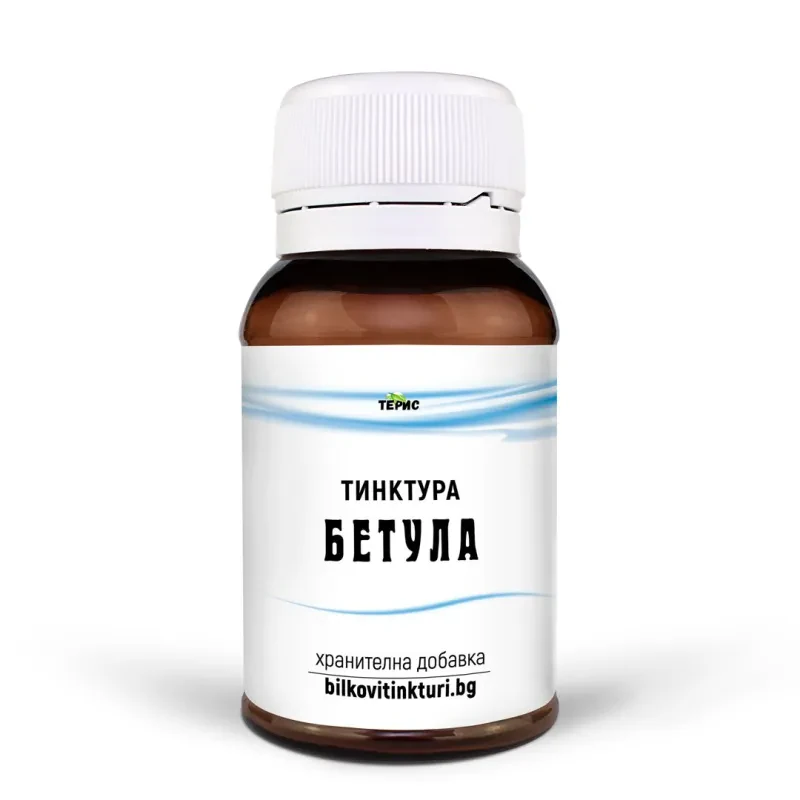
#Herbal tincture BETULA for kidney stones
Birch bark is included in our Herbal tincture BETULA.
The herbal extract is beneficial in cases of:
- Kidney stones
- Sand in the bladder
- Kidney complaints
- Inflammation of the renal pelvis
- Inflammation of the urogenital system
- Disturbed urine pH
- Gout
- Rheumatism
- Gastrointestinal complaints
Birch tincture for kidney stones is a natural herbal supplement to support the kidneys. It is formulated with a proven natural ingredient - birch extract - together with the bark and roots of madder (Brosh), for nourishment and protection.
Draw strength from nature with the products of bilkovitinkturi.bg

#Stinging nettle for urinary conditions
Urtica dioica, or stinging nettle, which belongs to a genus of flowering plants of the nettle family "Urticaceae", has a long history of beneficial therapeutic effects in urinary conditions, in particular for the urinary tract and kidney stones.
The main bioactive phytochemicals of this stinging plant with healing properties include flavonoids, anthocyanins and saponins. These phytoconstituents make it possible to inhibit the deposition of calcium and oxalate and the growth of crystals.
Adding a methanol extract of U. dioica for rats with kidney stones has been found to be associated with a lower level of urinary creatinine and a reduction in the supersaturation of lithogenic promoting agents.

#Urtikatrin tincture for kidney stones
Nettle herbal extract is a natural diuretic that promotes the proper flow of fluids in the kidneys and bladder. Herbal tincture Urtikatrin prevents the formation of kidney stones. According to research, it may help maintain a smooth flow of urine and flush toxins from the urinary tract, as well as support the medicines used to treat urinary tract infections.
It is usually taken as 20-30 drops in water, 2 or 3 times a day.

#Dandelion root for kidney stones
Dandelion is full of vitamins A, B, C and D, as well as minerals such as iron, potassium and zinc. Dandelion leaves are used to add flavour to salads, sandwiches and teas. The roots are used in some coffee substitutes, and the flowers are used to make wine.
This humble weed, often seen as a nuisance in your garden, can be a valuable ally in the treatment of kidney stones. This familiar herb from childhood acts as a diuretic, encouraging increased urine production and flow, which can help flush out small stones, helps eliminate waste and supports digestion.
In addition, the herb contains vitamins and minerals that can benefit the body.
A 2018 study showed that dandelion effectively prevents the formation of kidney stones.
Always consult a health consultant before taking dandelion root extract or other herbal remedies, as they may interact with certain others. If you take diuretics, this herb is usually not recommended.

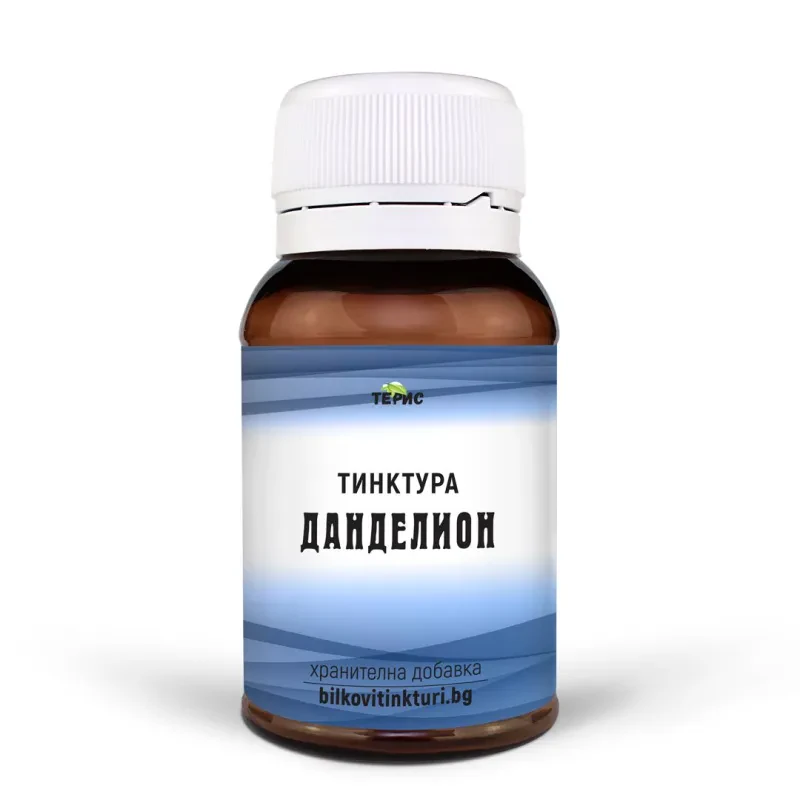
#Dandelion tincture for kidney stones
DANDELION is our dandelion tincture for kidney stones. It can help remove waste, increase urine output and improve digestion.
In the past, dandelion roots and leaves were used to treat liver problems. Native Americans also boiled dandelion in water and took it to treat kidney disease, swelling, skin problems, heartburn and an upset stomach. In traditional Chinese medicine, dandelion is used to treat stomach problems, appendicitis and breast problems such as inflammation or lack of breast milk. In Europe, dandelion has been used to treat fever, boils, eye problems, diabetes and diarrhoea.
Today the roots are mainly used to stimulate the appetite, as well as for liver and gallbladder problems. Dandelion roots are used as a diuretic to help the body get rid of excess fluid, which helps the stones to be passed.
Take DANDELION extract as 20-30 drops dissolved in a glass of water, 2 or 3 times a day, according to the instructions you have been given.

#Bearberry for kidney stones
The best-known use of bearberry - uva ursi - is in the treatment of urinary tract infections, kidney stones and constipation. Bearberry - the remedy among the rocks, as a diuretic, helps flush urine through the urinary tract, helping to remove harmful bacteria. The arbutin in uva ursi also contributes to its ability to fight urinary tract problems.

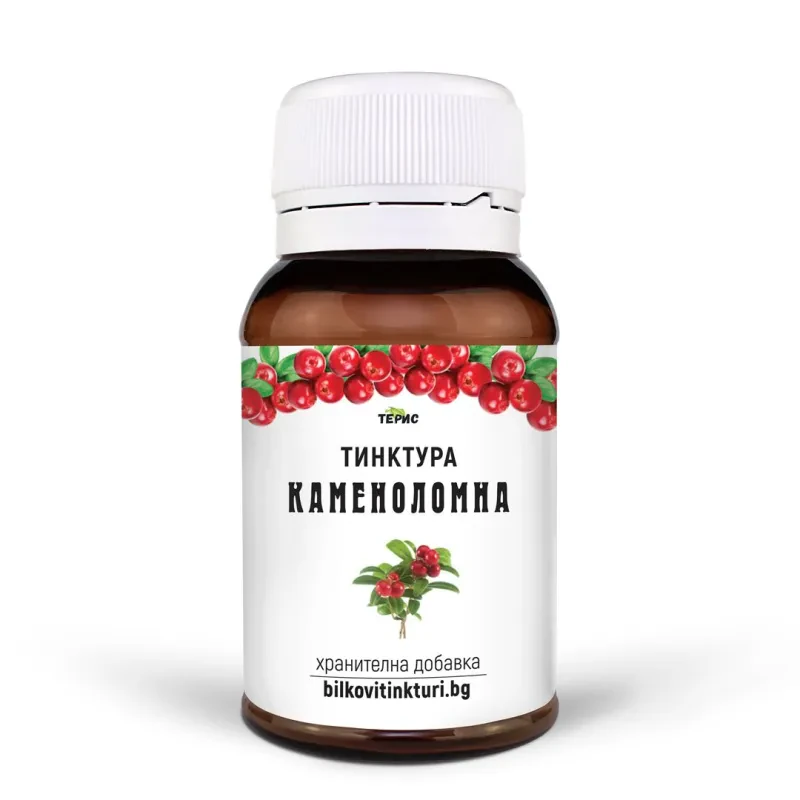
#Bearberry tincture - Kamenolomna is beneficial for kidney stones
Uva ursi herbal extract is a herbal product obtained from the fresh or dried leaves of the uva-ursi plant, or bearberry, named after its grape-like clusters of berries, which are usually eaten by bears. Both Arctostaphylos (in Greek) and uva-ursi (in Latin) mean "bear's grape". Uva ursi leaves contain several phytochemicals, including ursolic acid, tannic acid, gallic acid, oils, resins, hydroquinone glycosides (mainly "arbutin") and flavonoids. The active component of uva ursi is thought to be hydroquinone, and in particular arbutin and methylarbutin, which may have anti-inflammatory and antiseptic actions and are excreted in the urine.
Uva ursi extract is used to treat dysuria, cystitis, urethritis and kidney and bladder stones. It is also recommended for inducing diuresis and for treating constipation. In addition, Arctostaphylos leaves have been dried and smoked like tobacco, while the leaves and berries have also been used as food.
Bearberry is widely used in traditional medicine as effective in treating urinary tract infections or urinary symptoms. It is included in multi-ingredient dietary supplements intended for various conditions, such as promoting weight loss, promoting health, preventing the effects of ageing and increasing energy and stamina.
Uva ursi is usually available as tablets and capsules and is taken one to three times a day. It can also be prepared as a tea from dried leaves or as concentrated extracts - herbal tinctures.
Our herbal tincture of bearberry - Kamenolomna is beneficial for kidney stones, for the bladder, the prostate and reduced potency.

#Madder for dissolving kidney stones
Rubia cordifolia, or madder (Brosh), is a climbing plant that grows in the forests of Pakistan, India, China, Korea, Japan and Mongolia. In Bulgaria, madder is found in thickets and near yards and fences in the eastern and southern parts of the country.
Since ancient times its roots have been used to dye silk and wool red, thanks to the pigment alizarin. That is why it is called the red dye that serves your health.
Rubia cordifolia, or madder, belongs to the coffee family (Rubiaceae) and is used as a natural food colouring. Phytochemical screening of R. cordifolia reveals the presence of various bioactive phytochemicals, including glycosides, triterpenoids, anthraquinones, saponins, quinones and tannins, which make it useful for treating several conditions, such as jaundice, diabetic foot ulcers and cardiovascular disease. It has been found to be effective in treating various kidney conditions and to have a preventive effect on urinary stones.
It is perhaps best known for its use as a powder or herbal extract for:
- Kidney and urinary complaints
- Dissolving kidney and bladder stones

#Madder tincture against kidney stone formation
A hydroalcoholic extract of R. cordifolia roots successfully inhibited calcium excretion in kidney stone formation by reducing oxalate formation in the urine and regulating tubular citrate reabsorption (raising the level of citrate in the urine).
The preventive role of this madder extract against kidney stone formation is also due to its inhibitory effect on the deposition and growth of calcium oxalate crystals by restoring magnesium levels, its preventive effect on proteinuria and its suppressive effect on acid urinary excretion. The nephroprotective effect of this medicinal and food plant may be largely due to its antioxidant properties.
The therapeutic properties of Rubia, such as anti-inflammatory, antioxidant, hepatoprotective and antibacterial activity, have been confirmed by experimental data. A local survey in Morocco previously revealed the frequent use of Rubia tinctorum L. to treat kidney stones.
Treatment with Rubia tinctorum L. extracts (E-RT and EA-RT) reduces lipid peroxidation and protects against oxidative stress.
#
Fenugreek seeds for treating and preventing kidney stones
Fenugreek is a member of the Fabaceae family. Because of its therapeutic benefits, it is often used in Ayurvedic medicine. The seeds of this herb are used to treat and prevent kidney stones in North Africa. It helps prevent them and significantly reduces their calcification.
It is used in various forms - as a tea, dry seed, decoction or tincture.
#Shatavari (asparagus) root improves diuretic activity
It belongs to the asparagus family. It improves diuretic activity. It has been found to prevent the development of calcium oxalate stones in an animal experiment.
#Tribulus prevents the formation of kidney stones
Gokshura - fruit/root (Tribulus Terrestris), or tribulus (Babini zabi) - a herb for men, belongs to the Zygophyllaceae family. It is a nephroprotective agent and is used to treat urinary tract conditions in China and India. It helps to hold urolithiasis at its early stage and prevents the formation of kidney stones. According to findings from animal studies, tribulus also offers protection against kidney damage caused by calcium oxalate.
It has the most beneficial and fastest effect in the form of a herbal tribulus tincture against kidney stones, as well as for boosting libido, improving metabolism and raising testosterone levels.

#OTHER medicinal plants for kidney stones
#Oregano has antiurolithic activity
Oregano (Origanum vulgare) belongs to the Lamiaceae family. This plant is commonly used as a spice, and in traditional medicine for therapeutic purposes. It is also used as a diuretic, lithotriptic and antispasmodic.
The crude aqueous-methanolic extract of the above-ground part of O. vulgare shows inhibitory activity on the nucleation and aggregation of calcium oxalate crystals and also reduces the number of crystals produced in metastable calcium oxalate solutions.
Oregano extract has antiurolithic activity, probably by preventing calcium oxalate crystallisation, protecting renal epithelial cells, and through antioxidant and antispasmodic properties. The preventive effect may be due to its active phytochemicals, including flavonoids, terpenes, coumarins, saponins, alkaloids, sterols and tannins.

#Common barberry for kidney damage
Common barberry - barberry root bark (Berberis vulgaris) - belongs to the Berberidaceae family. Oxidative stress causes kidney damage and calcium oxalate crystallisation, which is inhibited by taking barberry. The most effective form for use is the water extract. The most suitable dose is as a tea: 10 tsp of dried root bark to about 300 ml of water, boiled for about 10-15 minutes.
#Black cumin seeds protect against kidney stones
Black cumin (Nigella sativa) belongs to the Ranunculaceae family. Its seeds are used as an antihypertensive and diuretic agent. In an animal experiment it was found to protect against the formation of calcium oxalate stones.
Take it as a tea: 12 tsp of dried seeds, steeped in boiling water and covered for 20 minutes.
Nigella sativa is used in traditional Iranian medicine to treat urinary stones. An ethanol extract of the seeds reduces the number of calcium oxalate deposits in induced
animals and reduces the concentration of calcium oxalate in the urine. Thymoquinone, the main component of the seeds, shows a preventive and therapeutic effect in kidney stones. This phytochemical compound reduces the size and number of calcium oxalate deposits in the renal tubules of rats.

#Hibiscus has antiurolithiatic activity
Based on traditional Thai medicine, roselle (Hibiscus sabdariffa) is used to prevent and treat urinary stones. The main active constituents of this plant have been found to include polyphenols, hibiscus anthocyanins, as well as L-ascorbic acid, quercetin and protocatechuic acid.
The aqueous plant extract demonstrated antiurolithiatic activity owing to reduced deposition of stone-forming constituents in the kidneys in an animal study. A clinical trial testing a cup of tea made from 1.5 g of dried hibiscus twice a day in 18 patients for 15 days revealed a uricosuric effect and a significant increase in uric acid excretion and clearance.

#Evening primrose reduces the likelihood of developing kidney stones
Evening primrose (Oenothera biennis) belongs to the Onagraceae family. A human study found that taking 1,000 mg of the herb's seeds daily helps lower urinary oxalate, calcium and the Tiselius risk index, while significantly increasing citraturia - a test of the likelihood of developing kidney stones.
Its dosage as a tea: 2 tsp of dried leaves. Steep in about 250 ml of boiling water for 45 minutes. Twice a day; 1:5 tincture: 1.5–3 ml.

#Other antiurolithiatic plants
Various traditionally based groups of medicinal plants have been used as remedies against urolithiasis, belonging to the families Amaranthaceae, Malvaceae, Meliaceae, Satavari, Oxalidaceae, Crassulaceae, Saxifragaceae and others. Given their therapeutic activities, such as anti-inflammatory, antioxidant, analgesic, diuretic or lithotriptic actions, these plants have been used as single herbs or in multi-herb formulations against nephrolithiasis.
#Raspberry for preventing kidney stones
The fruits of the plant Rubus idaeus L., also known as raspberry, are rich in glycosaminoglycans, citrate and magnesium, which may help prevent kidney stones.
Raspberry (Rubus idaeus, of the Rosaceae family) is a commercial fruit crop grown in many European and Mediterranean countries and is widely used for food and medicinal purposes. Raspberry has been found to be able to expel stones from the urinary tract after intensive use. A prophylactic effect of raspberry on calcium oxalate stone formation has been reported. Methanol extract of raspberry has been found to be a powerful diuretic by inhibiting the activity of aldosterone or epithelial sodium channels.

#Green tea effective in treating kidney stones
Epigallocatechin, a polyphenolic component widely found in Camellia sinensis L. - green tea - has been shown to be effective in treating kidney stones. It acts as a powerful antioxidant to reduce oxidative stress and the risk of stone formation.
Green tea (Camellia sinensis) has long been used as a herbal medicine containing several polyphenols, which make it a powerful antioxidant.
It is receiving considerable attention for use as a food supplement in patients suffering from nephrolithiasis and urinary stones.
The protective effect of green tea is most likely due to the presence of polyphenols and other phytochemicals. Green tea catechins provide protective effects against oxalate-induced toxicity. Adding green tea inhibited crystal growth in the kidneys of rats and reduced oxalate excretion. Overall, these results show that green tea, rich in antioxidants, has a protective effect against the development of calcium kidney stones.

#Parsley is useful in treating urolithiasis
Parsley contains large amounts of apiol and myristicin, two compounds with biological properties that are antioxidants and diuretics and are thought to be useful in treating urolithiasis.
Parsley (Petroselinum crispum Mill.), belonging to the Apiaceae family, is known as a herb, spice and vegetable and is widespread in Western Asia, the Mediterranean and several European countries. Various pharmacological actions have been reported for this plant, such as antioxidant, anti-inflammatory, diuretic, nephroprotective, enzyme-modulating and antihypertensive action. These beneficial actions may be due to its bioactive constituents, including flavonoids, carotenoids, coumarins, tocopherol and ascorbic acid.
Parsley and its extracts are potentially used as a complementary/alternative treatment for various kidney conditions. P. crispum is used as a promising agent for treating urolithiasis. Its ethanol extract prevents calcium oxalate nucleation and precipitation, urinary supersaturation and urinary protein excretion in a rat model of calcium stone formation.
Parsley has been found to be effective in regulating urine pH at a value at which calcium oxalate crystals can be kept as dispersed particles and the elimination of these crystals can be facilitated.

#Pomegranate keeps the kidneys healthy
The pomegranate tree, or Punica granatum L., is the common name for a fruit that contains active constituents such as flavonoids, alkaloids, glycosides and steroids with antioxidant and anti-inflammatory properties.
Pomegranate has long been used in traditional medicine. The pomegranate fruit, known as "a pharmacy unto itself", is a rich source of polyphenols, alkaloids and anthocyanins (flavonoid antioxidants), which are highly capable of scavenging free radicals.
So pomegranate juice is not only delicious but also anti-inflammatory. It may help reduce the size of kidney stones and even prevent them forming in the first place. So - drink pomegranate juice regularly. It is not clear exactly how much is safe to drink per day, but one or two servings a day is a reasonable amount for most people.
All parts of this plant can be used in traditional medicines for preventive and therapeutic purposes. Pomegranate seeds are used to regulate urine output and the burning sensation when urinating, its seed oil, juice, flowers and peel are used to protect against nephrotoxicity, and its extracts for kidney failure and the renal arteries.
The effects of this plant against hypercalciuria and urolithiasis have drawn considerable attention to the use of pomegranate to prevent kidney stone formation. Its therapeutically useful phytochemicals are responsible for muscle relaxation in the urinary and biliary tracts, so stones can easily be removed from the kidney.
Pomegranate extracts and juice significantly inhibit oxidative renal tubular damage induced by hyperoxaluria. Besides animal studies, the nephroprotective role of pomegranate extract in the formation of calcium-containing stones in people (aged 18-70) with recurrent stone formation has been studied clinically. Daily intake of pomegranate extract by patients shows that this intervention can successfully control the risk of kidney stone formation.
The American Stroke Association notes that some cholesterol-lowering medicines can interact with pomegranate juice. If you take these or similar medicines, seek advice before use.

#The mastic tree is a natural remedy for antilithiatic purposes
The mastic tree (mastic), or Pistacia lentiscus (Anacardiaceae), is a common evergreen dioecious shrub found in a wide range of habitats, particularly in the eastern Mediterranean region. In folk medicine it is known as a medicinal and food plant with various therapeutic potentials, such as antioxidant, antimicrobial, diuretic, anti-lipid-peroxidation and antiurolithiatic activities.
The fruit extract has demonstrated potential to protect human kidney cells from calcium oxalate. P. lentiscus can be considered a promising natural remedy for antilithiatic purposes.
#Kantakari for various kidney conditions
Kantakari (Solanum xanthocarpum), also known as "yellow-fruited nightshade" and "Thai green aubergine", is a well-known and widely used edible traditional medicinal plant in India. The seeds and fruit are eaten as food and vegetables. This plant is used as a general remedy for treating various kidney conditions, including difficulty urinating, urinary tract infections, nephrotoxicity and urolithiasis.
The fruit of S. xanthocarpum is a rich source of steroidal glycoalkaloids, coumarins, triterpenes and saponins. A petroleum ether extract of the fruit shows nephroprotective activity, probably owing to the anti-lipid-peroxidation and antioxidant effects of the plant's constituents. The methanol extract has been found to be successful in preventing and inhibiting nephrolithiasis, renal hyperoxaluria, crystalluria and calcium oxalate supersaturation. It exerts antioxidant and diuretic activity and also reduces phosphorus excretion in rats with induced stones. The fruit of this plant contains saponins with high antilithic activity.
#How herbs affect kidney stones
Clinical research has focused mostly on establishing whether the frequency of stones, or the frequency and size of kidney stones, has changed. Large stones shrank, while small ones were destroyed. Most studies show that herbs have diuretic properties. Kidney stones are usually found in the ureters and the renal pelvis. The most likely reason for the passage and elimination of stones is the increased volume of urine. It is not known what led to the reduction in size. As a result, even in trials with encouraging findings, we may not fully understand how a particular herbal remedy works.
Some of the treatments have been shown to reduce urinary calcium excretion and increase urinary citrate excretion, both of which affect urinary supersaturation. Herbs hinder the nucleation, development and aggregation of crystals, which prevents an embryonic stone from growing in size and being retained in the narrow renal tubules.
Herbal remedies increase urine output by promoting the flow of urine through the renal tubules and clearing a developing stone before it is too large to move and block the tubular lumens. They may prevent the kidneys from producing reactive oxygen species, which are known to promote crystal attachment and retention in the kidneys by damaging the renal epithelium.
No herb can correct end-stage kidney failure or anything of that calibre.
But if you have any of the 5 main risk factors from the list below, herbs will be a huge support for your kidneys:
- Chronic stress
- High blood pressure
- Diabetes
- High sodium intake
- Frequent use of painkillers (especially NSAIDs such as ibuprofen, and paracetamol)
They will give you a huge boost in vitality, general health and energy levels. Because, let's be real, rejuvenating your whole body at the deepest possible level starts with improving liver and kidney function.

#What can I expect if I have kidney stones?
About 90% of small kidney stones (smaller than 6 mm) and 60% of large stones (larger than 6 mm) pass on their own. If you have a large kidney stone or one that is blocking the flow of urine, you will need to undergo a procedure to break it up and/or remove it. Sometimes smaller stones that are expected to pass on their own can grow or move and cause a blockage.
If you have had kidney stones, you are likely to get more in the future. You will probably need to work on preventing them with changes to the foods you eat and sometimes with medication, but it is best to try help from nature first - herbs.
#What is the best way to deal with kidney stones?
Kidney stones can be frustrating at best and agonisingly painful at worst. To stop the situation getting worse, you should be assessed by your health consultant as soon as possible. The pain can become severe and surgery may be needed.
If your health consultant thinks your kidney stones can pass on their own, you should drink plenty of water to help flush them out. Take all medicines as prescribed and follow the recommendations on what to eat and drink (and what to avoid). Also remember that kidney stones are a temporary condition. They will not bother you forever.
#Medicinal plants - the best prevention
Medicinal plants, including food supplements, fruit and vegetables, play a key role in human health and in the prevention of disease, including kidney stones. However, the pharmacological evidence for dietary plants and their phytonutrients in preventing kidney stones is still not well established. In this article we have presented evidence on the efficacy and pharmacological mechanisms of various herbal plants and their phytochemicals in the prevention or management of kidney stones. The current literature shows that a large number of animal and human studies have been carried out to assess the preventive effects of these plants and their phytochemicals as food supplements in the development of urolithiasis.
However, only limited human studies have been carried out on the efficacy of medicinal and dietary plants in the treatment of kidney stones.
Many of these plants have efficacy confirmed by clinical studies. Food supplements (mainly dietary polyphenols), including catechin, epicatechin, EGCG, diosmin, rutin, quercetin, hyperoside and curcumin, can be proposed as promising food supplements for the prevention of urolithiasis.
In conclusion, the results obtained from the available literature reveal that dietary plants and their phytonutrients may be useful in the prevention of and intervention in urolithiasis. Because natural dietary recommendations for patients at risk of kidney stones are poorly provided, and patients often ask for guidance on a beneficial diet, it is essential that doctors have evidence-based knowledge of the efficacy, pharmacological mechanisms and side effects of applying a protective diet.

#The evolution of modern civilisation includes herbal medicine
The use of herbal products has recently attracted more attention because of the high cost and negative side effects of instrument implantation and urinary tract surgery. People, and even animals, have long relied on medicinal plants as an important source of food and medicine. Nowadays a number of researchers base their research on natural resources such as medicinal herbs and a range of natural techniques.
Medicinal plants relieve kidney stone pain and inhibit lithogenesis. They can remove stones from the kidneys (calcium oxalate, uric acid, struvite and cystine). The evolution of modern civilisation includes the use of herbal medicine.
Stone formation may be avoided thanks to the many bioactive components found in polyphenols, flavonoids, phytosterols, saponins, furanochromones, alkaloids and terpenoids. The evidence points to their potential litholytic, antispasmodic and diuretic properties, as well as an inhibitory influence on crystallisation, nucleation and crystal aggregation, as possible reasons for their therapeutic effects. These benefits may be caused by antioxidant, anti-inflammatory or antibacterial characteristics, depending on the molecular pathways involved.

This article is for educational purposes and does not replace advice from a doctor. Food supplements are not medicines and are not intended to treat diseases. If you have a chronic condition, are pregnant or breastfeeding, or take medication, consult a specialist before use.