Nettle - the stinging herb with healing properties
Table of Contents
#Nettle - from a tasty soup to a healing remedy
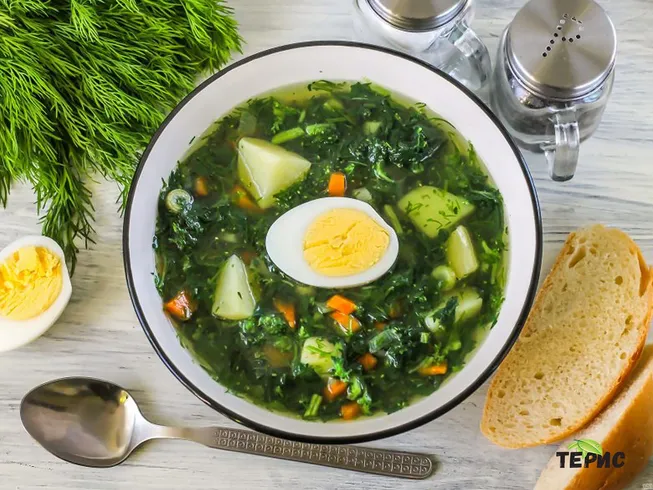
Nettle is a popular plant found everywhere in our latitudes, and it has wide uses in various fields, above all in cooking. Who doesn't remember grandma's tasty, nourishing nettle soup, or the aroma of meat cooked together with this green plant so rich in beneficial substances?
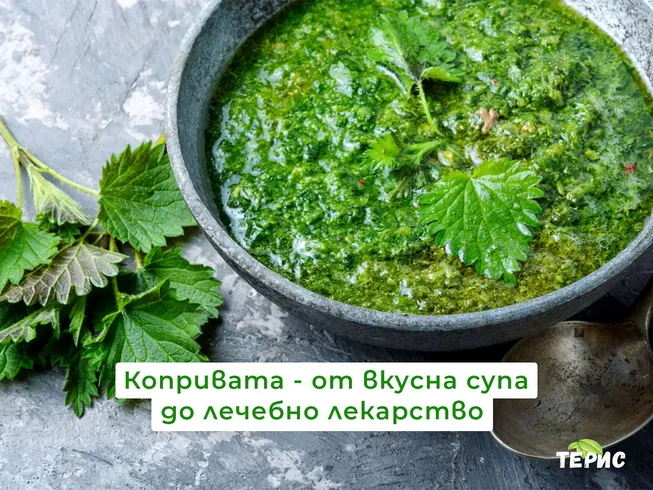
The story of the nettle leaf takes a whole new and unexpected turn, however, when besides being food the plant starts to enter herbal medicine, thanks to its diuretic, haemostatic, emollient and anti-anaemic action.
Its scientific name - “Urtica dioica", comes from the Latin word uro, meaning "to burn", because its leaves can cause a temporary burning sensation on contact.
The leaves have hair-like structures that sting and also cause itching, redness and swelling.
However, once it has been processed into a supplement, or dried, frozen or cooked, nettle can be eaten safely.
Its impressive effect on the body is quickly recognised and embraced by many people who have various health problems or simply want to improve their vitality. We will learn more about its action and particulars in the lines that follow.
#Where and when can we pick nettle leaves?
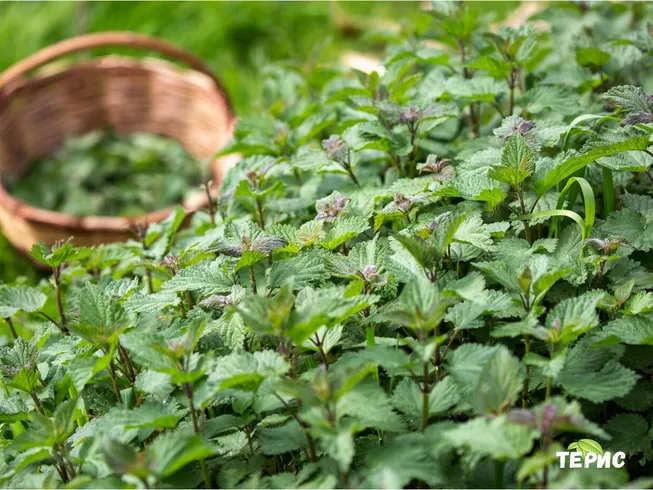
As we mentioned, the stinging herb grows in abundance throughout Bulgaria, and you can find it practically anywhere there is a bit more shade and moisture - from your own back garden to some remote and magical mountain peak. In theory you can pick it at any of these places, as long as the spot is environmentally clean and not near a main road or an industrial plant, for example. We can even grow nettle at home on the terrace, if you follow the standard guidelines and give it good growing conditions.
#Botanical characteristics
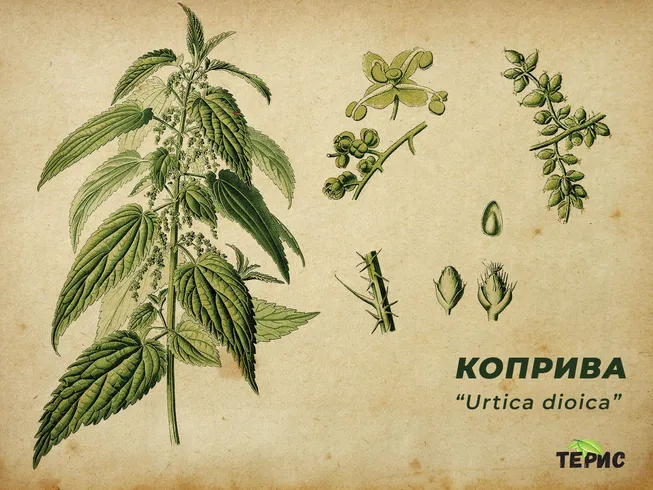
Nettle "Urtica" is a genus of flowering plants in the nettle family "Urticaceae".
It includes between 30 and 45 species, mainly perennial herbaceous plants. The best-known member of the genus is common nettle "Urtica dioica", found in Europe, North Africa, Asia and North America.
The medicinal plant is covered in fine hairs that release a stinging sap when touched.
"Urtica dioica" is a plant with pointed leaves and white to yellowish flowers. The roots and aerial parts are used in diabetes. The plant is usually tall 2-4 metres. It contains ingredients that may reduce swelling and increase urination.
It can spread vegetatively through its yellow creeping rhizomes and often forms dense colonies. The leaves are toothed and arranged in opposite pairs along the stem. The plant is covered in small stinging and non-stinging trichomes (plant hairs). The small green or white flowers are gathered in dense clusters in the leaf axils and at the tips of the stems, and are wind-pollinated. The fruits are tiny seeds, and the plants produce abundant quantities of seed.
Depending on the subspecies, nettle may be dioecious (one individual bears both male and female flowers) or monoecious (one individual produces only female or male flowers).
#When are nettle leaves gathered?
Nettle is a perennial herbaceous plant that is freshest in the period from May to July, when it has only just sprung up and is far from fully grown in height. September is the time of year when it reaches its peak, and it is a good time to gather its leaves. From September to November we can only get at its roots, which, as you have probably guessed, also have invaluable healing properties.
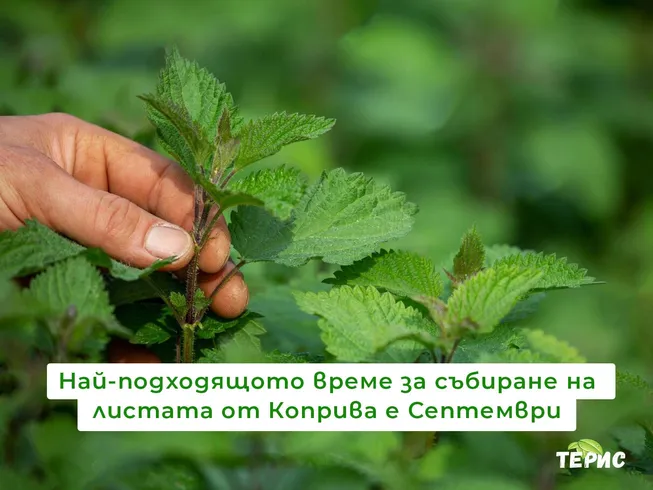
Let's not forget that if we don't want to put effort into growing or picking nettle, we can always buy it from the local organic shop, pharmacy, supermarket or online. It should be stored in a dry, dark place to protect it from adverse atmospheric influences that can reduce its beneficial properties.
#Chemical composition of Urtica dioica
The chemical composition of the plant includes substances such as vitamins A, C, K and the B complex, iron, magnesium, chlorophyll, amino acids, minerals, serotonin, carotene, tannins and various essential oils. It is no accident that it has won a special place in the heart of everyone who practises folk medicine professionally or is keenly interested in the subject.
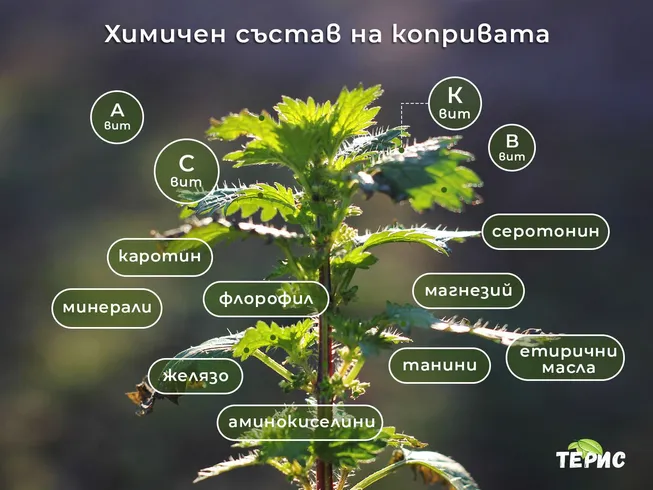
The leaves and roots of the medicinal plant provide a wide variety of nutrients, including:
Vitamins: Vitamins A, C and K, as well as several B vitamins.
Minerals: calcium, iron, magnesium, phosphorus, potassium and sodium
Fats: linoleic acid, linolenic acid, palmitic acid, stearic acid and oleic acid
Amino acids: All the essential amino acids
Polyphenols: kaempferol, quercetin, caffeic acid, coumarins and other flavonoids
Pigments: beta-carotene, lutein, luteoxanthin and other carotenoids
What is more, many of these nutrients act as antioxidants in your body.
*Antioxidants - are molecules that help protect your cells from damage by free radicals. Damage caused by free radicals is linked to ageing, as well as to cancer and other harmful diseases.
Studies show that nettle extract may raise antioxidant levels in the blood.
#Nettle - a first-aid kit in itself
#What are the benefits of the nettle leaf?
Nettle, and in particular its leaf, has remarkable qualities that are extremely good for the body. The first records of its use date back to the times of the Roman Empire, when soldiers rubbed it on their hands to soothe wounds and irritation.
In practice nettle is a first-aid kit in itself, which you can trust completely for your good health and optimal physical condition.
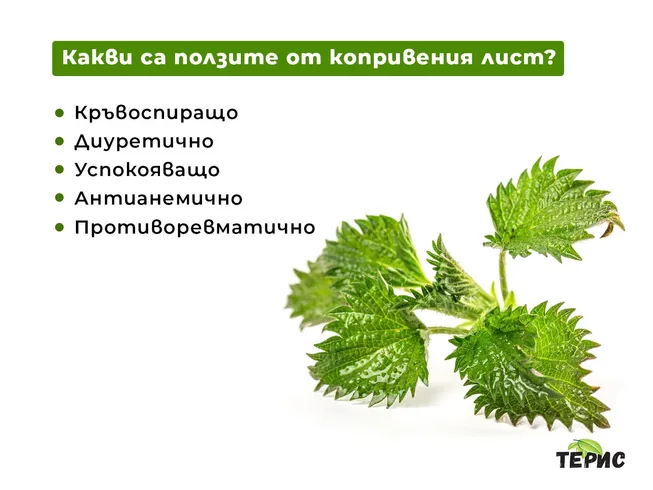
Some of the most useful effects of the herb's leaves, both internal and external, can be summed up as follows:
- Haemostatic
- Diuretic
- Calming
- Anti-anaemic
- Anti-rheumatic
#What does the stinging herb help with?
Conditions on which the nettle leaf can have a noticeable beneficial effect include:
- Gallbladder and kidney conditions, prostate problems, where nettle acts as a diuretic.
- Allergies and other mild respiratory conditions.
- Anaemia, which is favourably influenced by iron.
- Eye problems, which are reduced by the presence of vitamin A.
- Rheumatism, joint pain and arthritis, whose effects are limited by the presence of various vitamins, as well as by the regular application of compresses.
- Nettle is a blood-cleansing herb
- Stomach colic and digestive upsets.
- Raised blood pressure, by regulating it and keeping it within normal limits.
- Gout
- Menstrual pain, uterine bleeding and the menopause
- Stress, tension and anxiety
- Fatigue and weakness, since it increases the amount of iron in the body
#External use of nettle
In addition, the leaf of the herb is the ideal remedy for external imperfections such as:
- Eczema
- Inflammation
- Burns
- Hair loss
- Highly visible skin problems
This is why it is also widely used in the cosmetics industry in the form of lotions, floral water or as an ingredient in creams and shampoos.
#Health benefits of the nettle leaf:
#Nettle may reduce inflammation
Inflammation is your body's way of healing itself and fighting infection.
However, chronic inflammation can cause considerable harm.
Nettle contains various compounds that may reduce it considerably. It lowers the levels of several inflammatory hormones by interfering with their production.
In human studies, applying a cream made from the plant or consuming products from it - above all herbal extracts - appears to relieve inflammatory conditions such as arthritis.
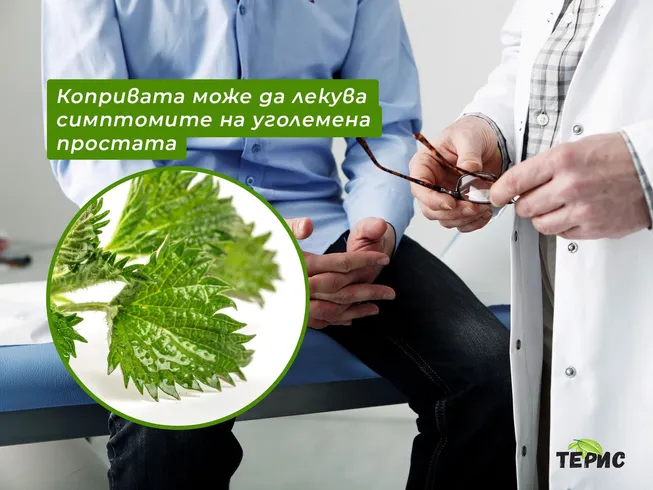
#Nettle may treat the symptoms of an enlarged prostate
Up to 50% of men aged 51 and over have an enlarged prostate gland.
An enlarged prostate is commonly called benign prostatic hyperplasia (BPH). Scientists are not sure what causes BPH, but it can lead to considerable discomfort when urinating.
Interestingly, several studies show that nettle may help treat BPH.
Research shows that this powerful plant may prevent the conversion of testosterone into dihydrotestosterone – a more potent form of testosterone. Stopping this conversion may help reduce the size of the prostate.
Studies in people with BPH show that nettle extracts help treat short-term and long-term urination problems - without side effects.
Herbal tinctures for typical men's problems - you can take a look at the "ZA MAZHA" (For Men) set
#The stinging herb for allergies
- may treat hay fever
Hay fever is an allergy that involves inflammation of the lining of the nose.
Nettle is seen as a promising natural treatment for hay fever.
Research shows that its extracts can inhibit the inflammation that can trigger seasonal allergies.
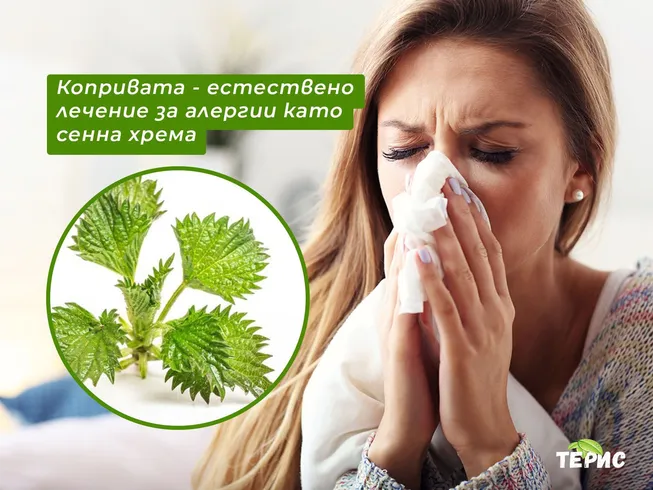
This includes blocking histamine receptors and stopping immune cells from releasing the chemicals that trigger allergy symptoms.
#Nettle may lower blood pressure
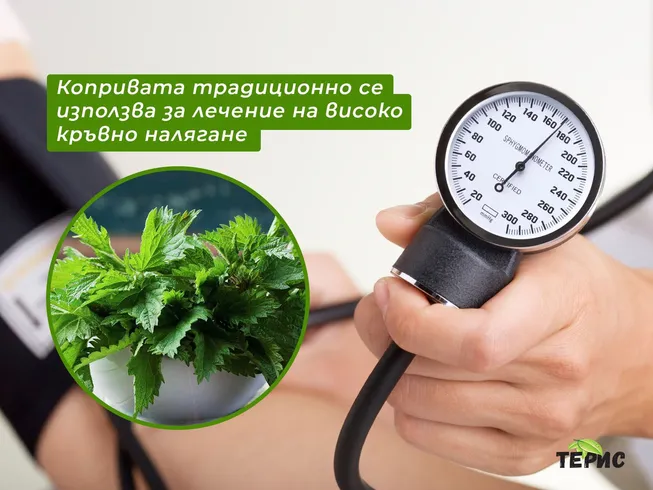
Roughly one in every three adults has high blood pressure.
It is of serious importance for health, because it puts us at risk of heart disease and stroke, which are among the leading causes of death worldwide.
Studies show that it may help lower blood pressure in several ways.
On the one hand, it may stimulate the production of nitric oxide, which acts as a vasodilator. Vasodilators relax the muscles of your blood vessels, helping them to widen.
In addition, the plant has compounds that may act as calcium channel blockers, which relax our heart by reducing the force of its contractions.
In studies, nettle has been shown to lower blood pressure levels while boosting the heart's antioxidant defences.
#Nettle may help control blood sugar
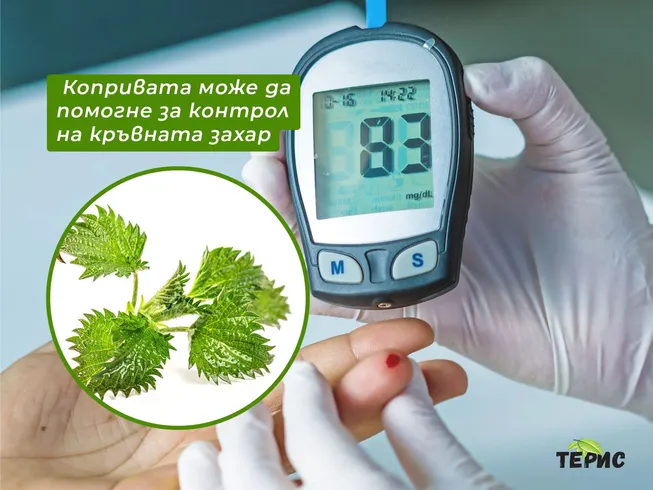
Human and animal studies link the herb to lower blood sugar levels. This is a result of its beneficial action on the pancreas.
In fact, this plant contains compounds that may mimic the effects of insulin.
In a three-month study of 46 people, taking 500 mg of nettle extract three times a day significantly lowered blood sugar levels compared with a placebo.
#Nettle is a blood-cleansing herb
- For eczema
Since eczema in most cases has an internal cause, it should be treated from within with blood-cleansing herbs.
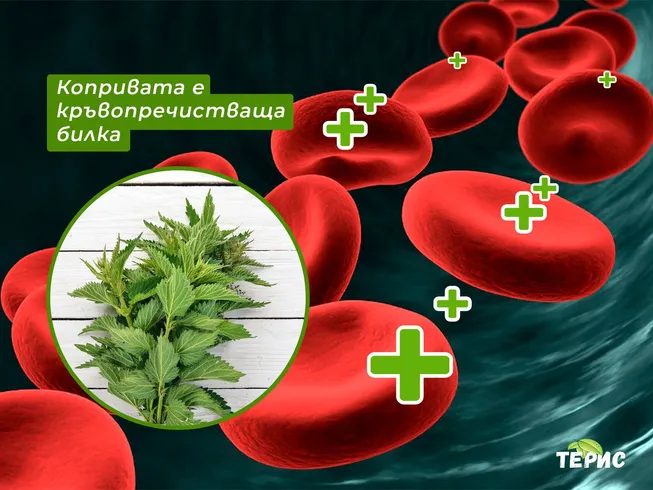
Nettle is the best blood-cleansing and blood-building medicinal plant.
- For anaemia and low blood count
Thanks to its blood-building enzymes, it helps with low blood count, anaemia and other serious blood disorders
#Other potential benefits of nettle
The medicinal herb may offer other potential health benefits, including:
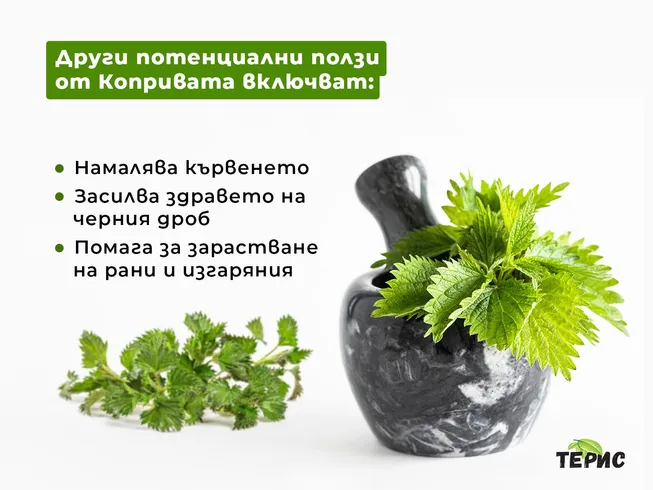
- Reduces bleeding
Medicines containing nettle extract have been found to reduce excessive bleeding, especially after surgery.
- For liver health
The antioxidant properties of the stinging plant may protect our liver from damage by toxins, heavy metals and inflammation.
- A natural diuretic
This plant may help our body get rid of excess salt and water, which in turn may temporarily lower blood pressure.
- Helps wounds and burns heal:
Using nettle creams may help wounds heal, including burn wounds.
#How can we take nettle leaf?
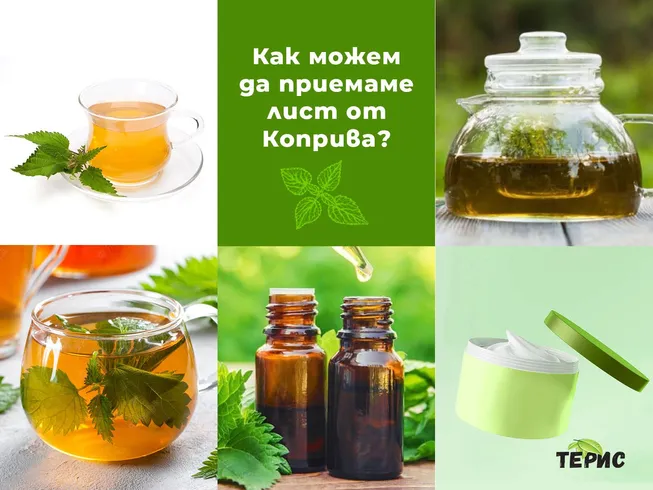
Like any herb known in folk medicine, nettle leaf can be taken in several main forms: tea, freshly squeezed juice, decoction, infusion, tincture, ointment. It can be used internally or externally, depending on the desired effect, the remedy and the dosage.
#Does nettle leaf have contraindications?
As with any plant, the key to the beneficial action of nettle leaf is the dose - never overdo it and regulate your daily doses. More generally, nettle is not recommended for women in the last month of pregnancy or breastfeeding women, or for people with excessive blood clotting.
But it is safe to say that the herbaceous plant is relatively harmless and there is absolutely nothing about it that should seriously worry the average person.
Still, consulting a specialist is always recommended. Talk to your doctor before taking nettle if you are taking any of the following:
Blood thinners
Blood pressure medication
Diuretics (water pills)
Diabetes medication
Lithium
Nettle may interact with these medicines. For example, the plant's potential diuretic effect may strengthen the effect of diuretics, which may increase the risk of dehydration.
#Quick and easy ways to take nettle leaf
The stinging medicinal herb is incredibly easy to add to our daily routine.
#Nettle leaf tea
The easiest and most convenient everyday way to take the herb's leaves is as tea. It has a pleasant taste and can be drunk even without adding sugar or another sweetener.
To make it, add no more than one tablespoon of the plant if fresh, or one teaspoon if dried, to about 250 ml of water brought to the boil on the stove. Leave it to steep for about ten minutes, strain and serve. You can add honey to taste.
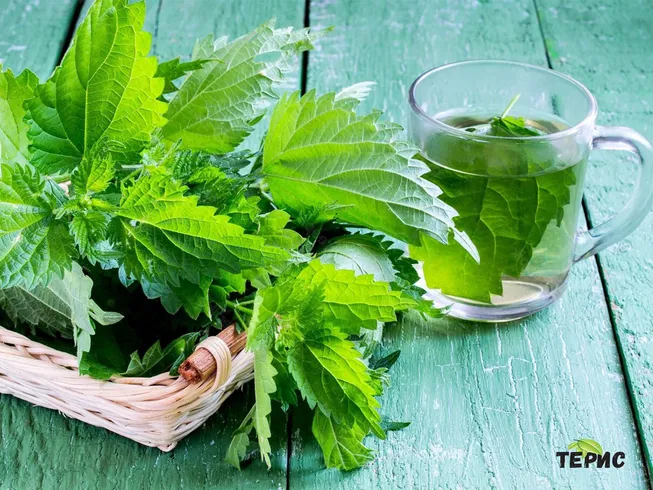
In folk medicine nettle tea is recommended as a treatment lasting several weeks for liver and gallbladder pain, spleen disorders, even a tumour of the spleen, for mucus formation in the stomach and respiratory organs, for stomach cramps and ulcers, intestinal ulcers and lung disease.
Nettle tea can be drunk all year round - one cup every day as a preventive measure.
#Nettle leaf ointment
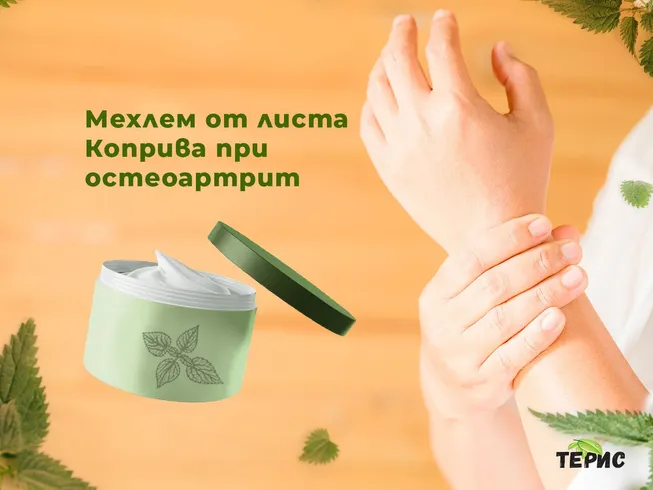
Nettle ointments are often used to relieve inflammation in osteoarthritis. In one study of 27 people, applying nettle cream to areas affected by arthritis significantly reduced pain compared with placebo treatment.
#How to make a home-made nettle leaf tincture
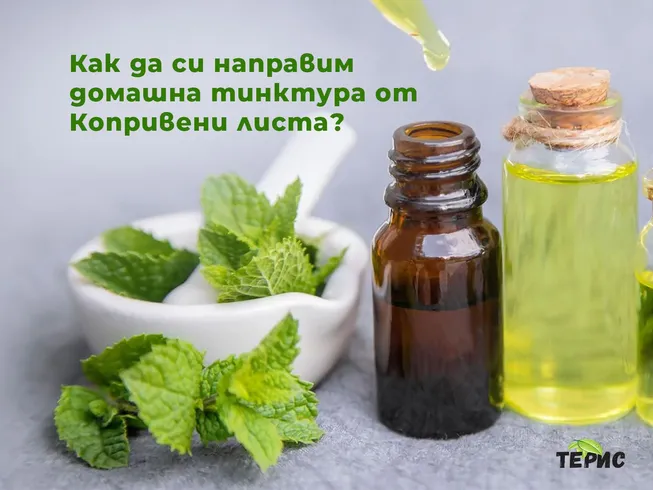
The home-made tincture has anti-inflammatory and antihistamine action and is extremely good for allergies.
To prepare the mixture you need a one-litre jar, into which you put four cups of chopped fresh nettle leaves, freshly picked if possible. We recommend wearing protective gloves to avoid the plant's characteristic sting on your skin. Add ¼ cup of bee pollen and pour over 3 cups of strong spirit (home-made rakia or vodka).
Close and seal the jar tightly, then put it in a dark cupboard. Shake it from time to time whenever you remember. Leave it to stand for 30 days, then strain. Divide the ready-to-use mixture into glass bottles, and do not keep it for more than 1 year, because after that period it is no longer fit for use.
The recommended dosage for adults is ½ to 1 teaspoon, ¼ to ½ teaspoon for children aged 6 to 12, and no more than 5-10 drops for children aged 2 to 5. In all three cases it is taken three times a day.
#Herbal extract of nettle
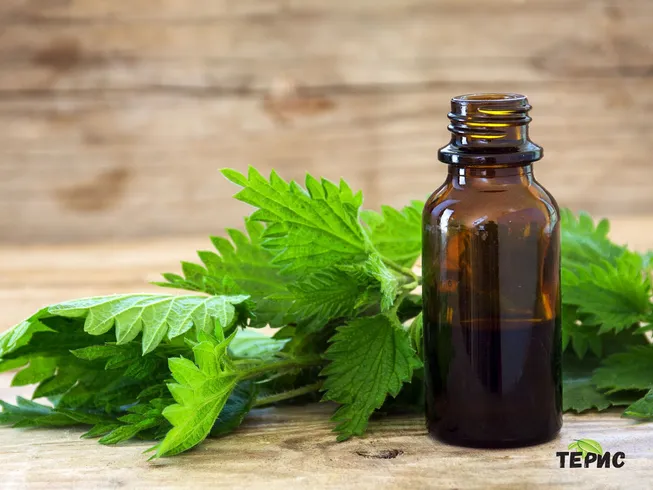
In the form of a tincture - a herbal extract - nettle has its most powerful and fastest action.
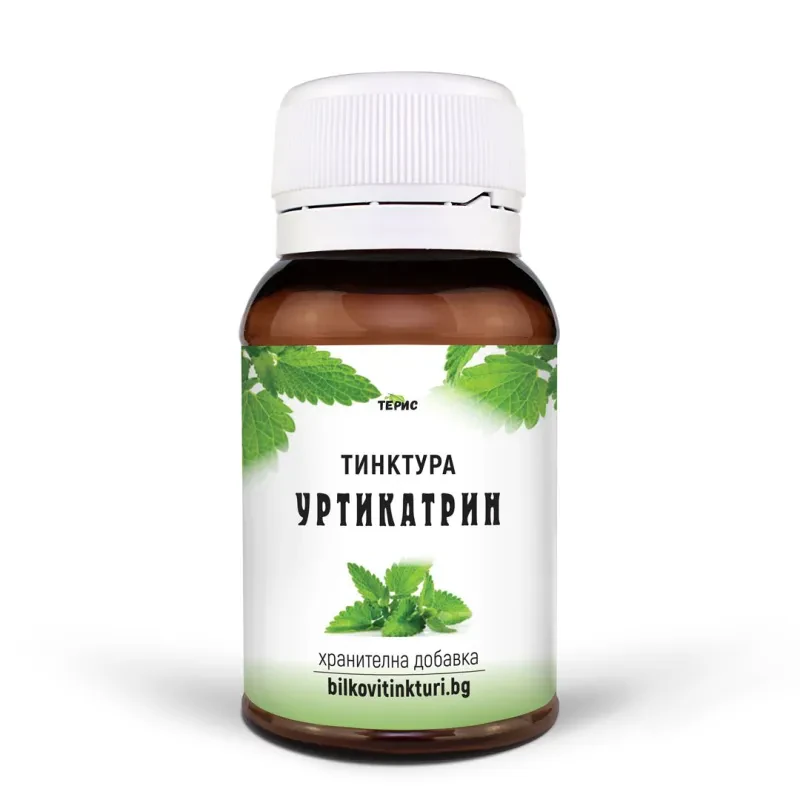
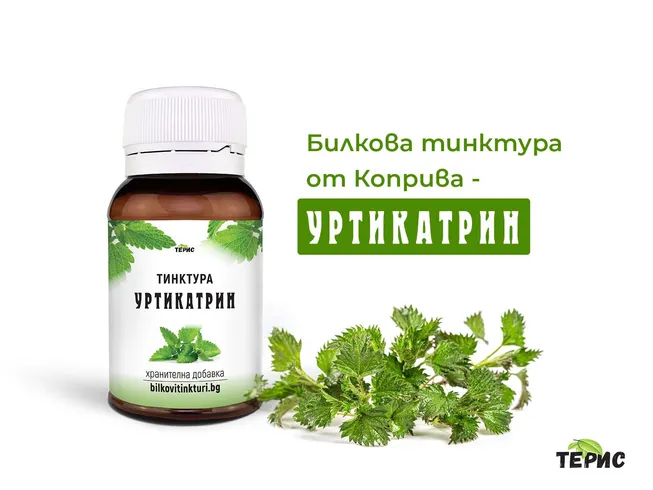
It is included in our herbal tincture - URTIKATRIN.
#Nettle in cooking
The dried leaves and flowers can be steeped to make a tasty herbal tea, while the leaves, stem and roots can be boiled and made into tasty soups, stews, smoothies, or fried.
Avoid eating the leaves fresh, however, as their stinging hairs can cause irritation, but cooked, dried or frozen nettle is generally safe to eat.
After all, everyone has tasted grandma's delicious nettle soup. :)
#Herbal tincture with nettle - URTIKATRIN
It is beneficial for the skin, bones and joints, liver and pancreas. Herbal extract of nettle leaves - URTIKATRIN - is known for its healing uses in:
- arthritic conditions
- skin and liver conditions
- problems with the skeletal system
- anaemia
Nettle has a general strengthening, haemostatic, diuretic, anti-arthritic and anti-rheumatic, and anti-allergic action. It lowers blood sugar levels, nettle leaves stimulate the flow of breast milk, and the roots hinder enlargement of the prostate.
#Recommended intake of nettle herbal tincture
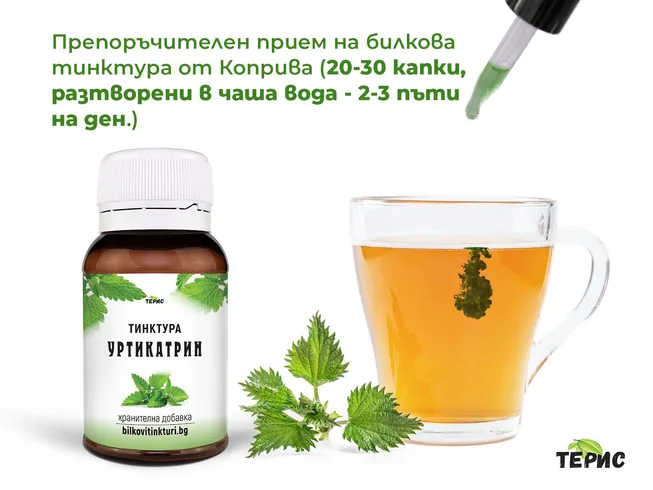
The general recommended intake for herbal tinctures is 20-30 drops dissolved in a glass of water, 2-3 times a day.
As we said, the key is the dose. Do not exceed the recommended daily intake, and consulting a health professional is always advisable, according to the needs of the individual.
#Nettle - a staple of herbal medicine
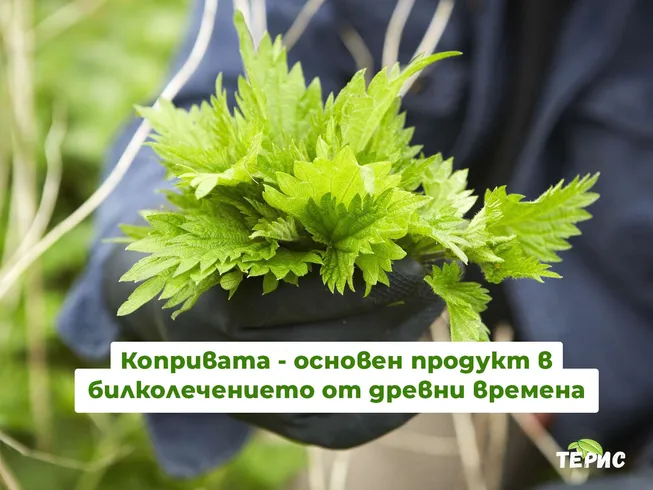
Nettle "Urtica dioica" is a food plant and has been a staple of herbal medicine since ancient times.
The ancient Egyptians used stinging nettle to treat arthritis and lower back pain, while Roman troops rubbed it on themselves to keep warm.
Studies link the herb to a number of potential health benefits - from grandma's tasty soup to a medicinal tincture for our body.
Stinging nettle offers a variety of vitamins, minerals, fatty acids, amino acids, polyphenols and pigments - many of which also act as antioxidants in our body.
Studies show that it may reduce inflammation, hay fever symptoms, blood pressure and blood sugar levels - among other benefits.
Herbalists note that nettle is among the best medicinal plants we have. If humanity knew how useful it is, it would plant nothing but nettle. Don't miss out either - start making use of this healing green herb in your daily life now.
This article is for educational purposes and does not replace advice from a doctor. Food supplements are not medicines and are not intended to treat diseases. If you have a chronic condition, are pregnant or breastfeeding, or take medication, consult a specialist before use.
Products from this article