Birch bark - the white gift from nature
Table of Contents
If someone who values their good health and looks after it has never heard of birch bark, they have missed out on a great deal. That is why every one of us should get to know the properties of this healing gift of nature.
#Betula
Birch (Betula) is the name of a genus of trees that grow in all the higher mountains of Bulgaria, in rocky places and clearings, mainly in coniferous forests.
For medicinal purposes the following are used – the leaves (infusion, decoction), the bark (herbal tincture, decoction), the buds (infusion, decoction), the catkins (infusion), and in the past the resin – for chewing gum.
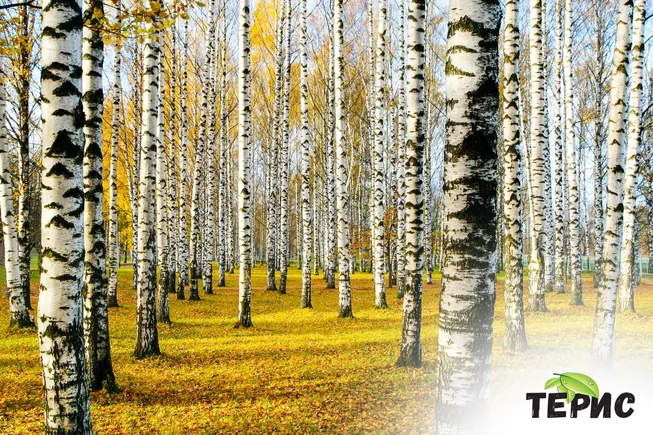
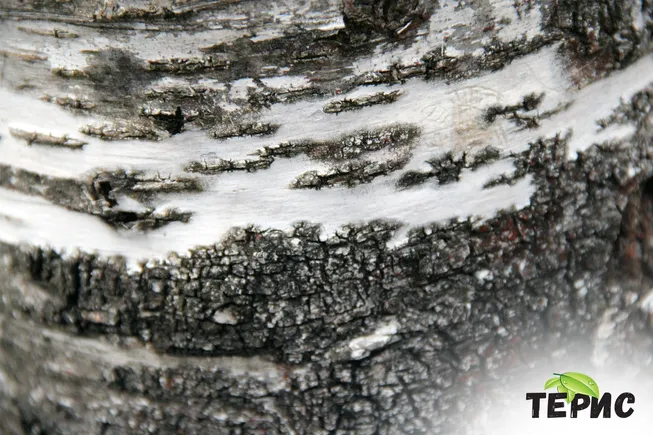
Birch bark is the bark of several Eurasian and North American birch trees of the genus Betula.
#History and origin
The strong, waterproof, cardboard-like bark can easily be cut, bent and sewn, which made it a valuable material as far back as prehistoric times. Even today birch bark remains a popular material for various crafts and arts.
Plywood is made from birch wood. And tar is extracted from white birch.
Native American, European and Russian cultures used the bark, sap and leaves of the trees for their medicinal properties. In Scandinavia, birch leaves and twigs were tied together and used to improve blood circulation during traditional saunas.
#Botanical characteristics
The birch is a broadleaved deciduous tree with a well-developed root system. It thrives on grey forest and brown forest soils.
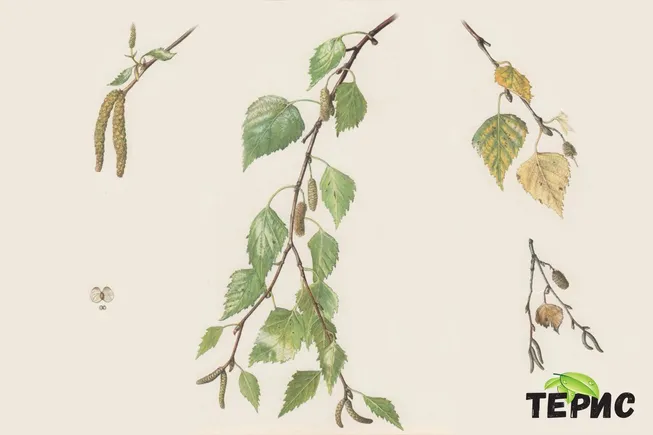
The trunk is relatively slender, with white bark bearing scattered black spots, which periodically peels off in flakes.
The white colour typical of this tree's bark is due to a substance in its composition – betulin.
It is the only white pigment that exists in nature.
The tree reaches about 30 metres in height and 150 years of age, growing relatively fast in its first decades.
The leaves are rhomboid, almost triangular, with a double-toothed edge.
The male and female inflorescences are hanging catkins – long (male) and globular (female) – made up of many small flowers.
#Composition
Birch bark also contains substances of medical and chemical interest. Some of these products (such as betulin) also have fungicidal properties, which help preserve bark artefacts as well as foods kept in containers made of this very bark.
It contains betulinic acid and salicylate.
#Harvesting and storage
Removing birch bark from living trees harms their health and should be avoided. Instead, it can be removed relatively easily from the trunk or branches of dead wood by cutting a slit lengthwise through the bark and pulling or prising it away from the tree.
The best time for harvesting is spring or early summer, because the bark is of better quality and comes away most easily.
Removing the outer light layer of bark from the trunk of a living tree may not kill it, but it is very likely to weaken it and make it more susceptible to infection. Removing the inner dark layer, also known as the phloem, kills the tree by stopping the flow of sap to the roots.
Otherwise, birch bark can be cut with a sharp knife.
#Uses of birch bark
Birch bark was a valuable building material in every part of the world where birch trees once grew. Things such as wrappings, bags, baskets, boxes and quivers were made from it long before pottery was invented.
In various Asian countries, including Siberia, birch bark is used to make storage boxes, paper, canoes, tents and waterproof covering for composite bows.
In North America, indigenous peoples use birch bark for canoes, wigwams, scrolls, ritual art, maps, torches, fans, musical instruments, clothing and more.
In Scandinavia and Finland, the material is used to make boxes, barrels and buckets, fishing gear and shoes.
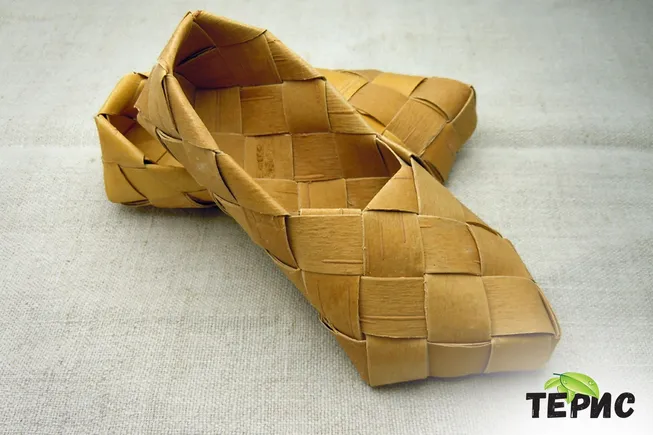
In Russia, many birch-bark manuscripts have survived from the Middle Ages to the present day.
Knife handles made of birch bark are popular tools that are still made today.
In India, birch bark, together with dried palm leaves, was the basis of writing before paper became widespread in the second millennium AD. The oldest known Buddhist manuscripts are written on birch bark.
Even Neanderthals used birch bark to make tar glue through a process of distillation.
#Health benefits of birch
The leaves and bark of the birch are used for medicinal purposes, and are rich in vitamin C, tannins, essential oils and more.
Birch is a natural pain reliever
, containing salicylate – the compound found in aspirin.
The plant has a strong:
- anti-inflammatory,
- cleansing,
- diuretic,
- detoxifying,
- urine-promoting
- and sweat-inducing action.
Birch is known for its medicinal uses for:
- kidney complaints
- kidney stones
- inflammation of the renal pelvis
- urinary tract infections
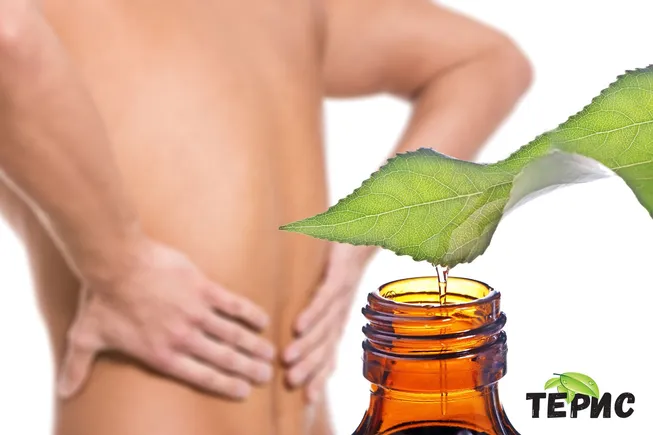
Salicylate relieves inflammation and painassociated with:
- osteoarthritis,
- rheumatoid arthritis,
- gout
- and muscle pain.
Salicylate inhibits the production of certain prostaglandins in the body, which are linked to inflammation, pain and fever, among other things. Another reason why birch soothes arthritis and gout is its
#Cleansing diuretic action
#It removes toxins and excess water
#Against cellulite
Sweet birch may also give good results against cellulite.
#The antibacterial and anti-inflammatory actions of birch bark
The antibacterial and anti-inflammatory actions of birch bark are the reason for its traditional uses:
- for skin conditions such as eczema.
Traditional healers have long considered the leaves of the white and silver birch effective for skin rashes and hair loss.
is not suitable for general use in aromatherapy and must never be taken internally
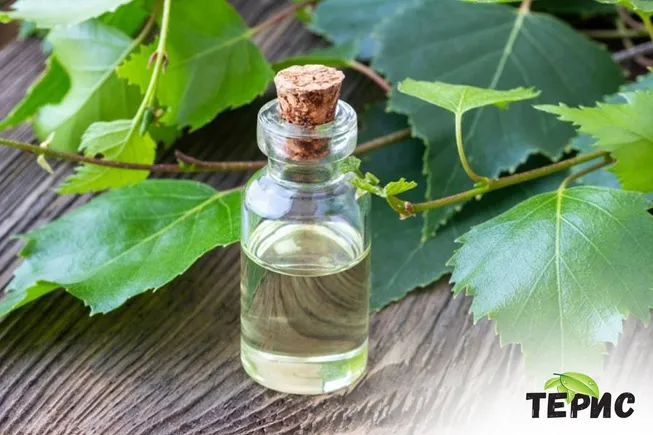
Birch bark and leaves in whole-herb form have a much lower degree of toxicity.
#Antibacterial diuretic – for treating urinary tract infections and cystitis
Birch bark and leaves are also used as an antibacterial diuretic in the treatment of urinary tract infections and cystitis.
To increase the effect and reduce the burning sensation, add a pinch of sodium bicarbonate (baking soda) to the infusion you are using.
The betulin and betulinic acid found in birch barkshow some
- anti-cancer and anti-tumour properties,
although neither is promoted as a stand-alone cure for cancer. Either way, these constituents are one more reason to use birch in various medicinal preparations.
#Skin care
Nowadays, when the average woman uses more than 500 synthetic chemicals on her skin, body and hair, many women are turning to more natural products for personal hygiene, health and beauty.
The key active ingredients in these natural alternatives can come from anything – plants, nuts, flowers and even ocean water.
But one ingredient in particular is extremely useful – birch bark.
The extract is both an
- anti-inflammatory and an energising agent for the skin,
depending on how it is formulated. For dry, damaged skin, birch wood extract can increase blood circulation when applied as a physical exfoliant.
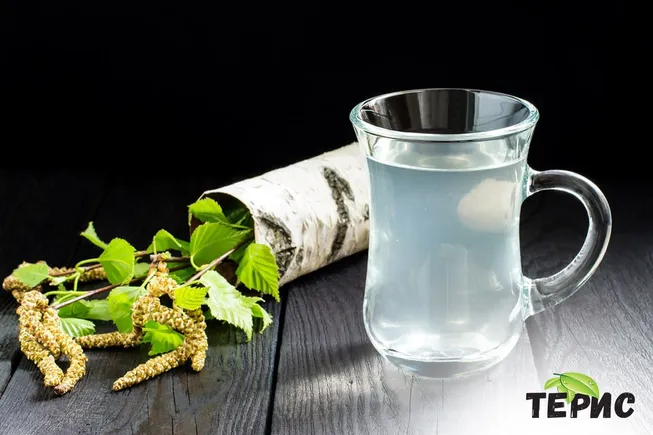
When applied in stronger doses topically, especially in a non-comedogenic (non-pore-clogging) oil, birch bark extract can be remarkably anti-inflammatory. This property can combine with the plant's antibacterial nature – which is why it is such an effective remedy
- for treating inflammatory acne.
Because adult skin often cannot cope with the aggressive ingredients found in most cosmetic acne treatments, products with birch bark extract can be both powerful and effective, yet gentle on the skin.
The extract also appears to be able to suppress the activity of melanocytes (pigment cells). Some scientists believe this is a protective mechanism of the tree itself to preserve its colouring. It is precisely this that
- keeps the skin bright and radiant.
And finally,
- birch bark extract is literally an anti-ageing product.
As we age, the collagen and elastin matrix of our skin breaks down and does not regenerate as quickly. This matrix is what gives the skin its liveliness and firmness. Birch bark extract has been shown to encourage the growth of new collagen, and also inhibits the enzyme responsible for breaking down elastin.
#Hair care
Birch bark is an ingredient that has been used in shampoos since the 19th century, as it is rich in natural antioxidants and vitamins that contribute to the overall health of the hair.
#Preparation and dosage
Birch leaves and birch bark can be taken in teas and rubbed in as an oil to relieve pain.
Birch bark helps relieve muscle pain when applied externally, by placing the fresh, moist inner side of the bark on the skin.
The essential oil should only be used in small amounts and must not be taken internally.
As a herbal tincture, the dose is about 20 drops 3 times a day, dissolved in a glass of water.
Remember that consulting a specialist is also recommended.

#Are there any safety concerns?
Birch is generally safe for most adults when taken by mouth or applied to the skin for short periods of time.
Special precautions and warnings:
Pregnancy and breastfeeding:
There is not enough reliable information on the safety of taking birch if a woman is pregnant or breastfeeding. It is therefore best to avoid using it.
Allergy to wild carrot, red beans, celery and other spices:
Birch pollen can cause allergies in people who are sensitive to wild carrot, cranberry and celery. Birch pollen can also cause allergies in people who are sensitive to certain other plants, including apples, soya, hazelnuts and peanuts.
High blood pressure:
There is some concern among medical professionals that birch leaves may increase the amount of salt (sodium) the body retains, which may raise blood pressure.
#Much more than just a tree
As you can clearly see, a tree can be much more than just a tree.
The properties of the leaves, bark, sap and even roots can have transformative results for our health and skin. The birch tree is no exception.
Its extracts can heal, soothe, refresh, brighten and literally restore the youthfulness and vitality of the skin.
#Herbal tincture of birch bark
People suffering from atherosclerosis, kidney disease (especially kidney stones) and urinary tract infections, skin problems, rheumatism, digestive tract disorders and stomach ulcers respond exceptionally well to treatment with birch.
The plant is most concentrated in the form of a herbal extract/herbal tincture.
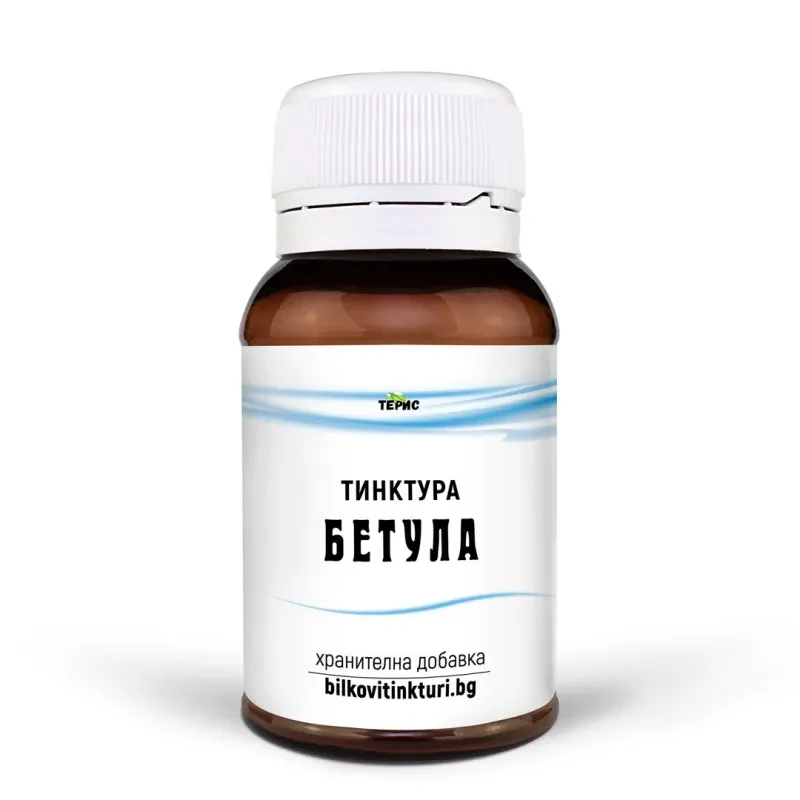
Birch bark is included in our Herbal tincture BETULA
#Herbal tincture of birch bark BETULA
It is beneficial for:
- kidney complaints,
- kidney stones,
- inflammation of the renal pelvis.
The herbal extract uses the bark of the birch.
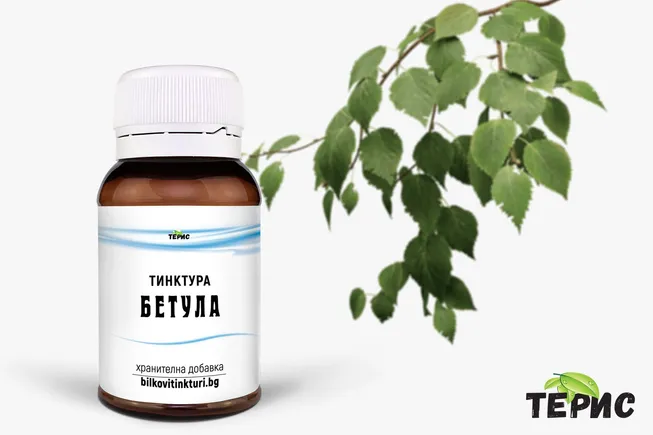
It contains birch bark and the roots of madder (brosh).
#Turn to nature
Like so many natural remedies whose benefits and true value have been somewhat forgotten over time because of the rise of chemically produced synthetic ingredients, birch bark extract has been used for centuries and will always have a future.
Regardless of geographical or cultural origin, the birch and its bark have always offered significant healing properties to anyone who turns to nature. Because it is nature that provides the best medicine for every single person. And not only for inner health, but also for a more than perfect appearance.
Isn't it wonderful that nature and the plants around us, besides being so incredibly beautiful and uplifting to the spirit and the eye, are also extremely beneficial to our physical condition? It is more than wonderful, even.
And we must not forget all these healing ingredients we have around us, because they are a true treasure. A treasure without which life would be unthinkable... especially if we want to be both beautiful and healthy.
#BIRCH BARK – THE WHITE GIFT OF NATURE ➤ VIDEO
This article is for educational purposes and does not replace advice from a doctor. Food supplements are not medicines and are not intended to treat diseases. If you have a chronic condition, are pregnant or breastfeeding, or take medication, consult a specialist before use.

Birch bark - the white gift from nature
Click to play video
Products from this article