What are the different herbal extracts?
Table of Contents
#Concentrated herbal tinctures
Herbal tinctures are concentrated herbal extracts made by steeping fresh or dried bark, fruit, leaves, flowers or roots of one or more plants in a liquid mixture of ethyl alcohol and water.
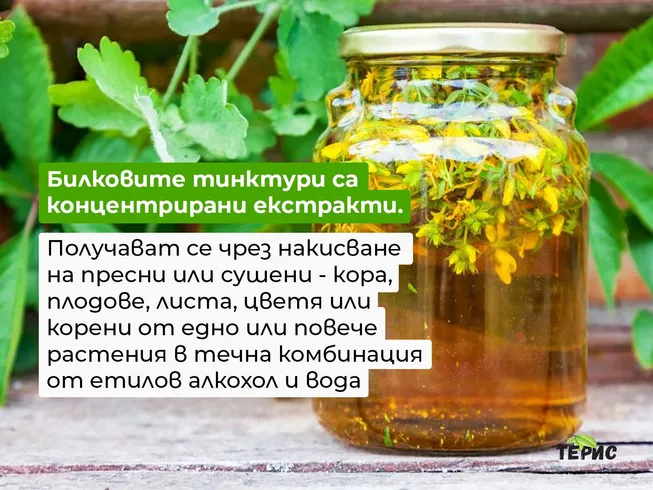
The liquid used for extraction is called the solvent. Ethyl alcohol extracts or releases the active and therapeutic properties of the plants, their alkaloids, vitamins and minerals.
After the extraction process, the concentrated liquid is separated from the herbs and filtered. The spent plant material is composted. The concentrated liquid that remains is called a tincture.
#Types of solvents for herbal extracts
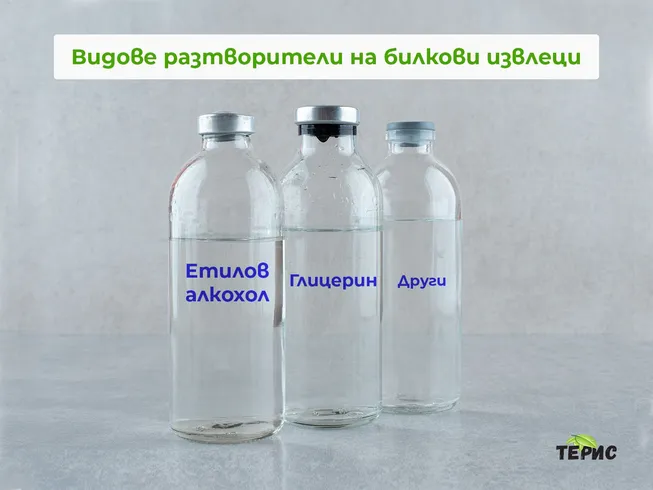
In making herbal extracts (tinctures) there are in fact several types of solvents that can draw the beneficial substances (the medicine) out of plants.
For example, you can extract herbs using solvents such as water and ethyl alcohol, glycerine, vinegar, oil or honey.
Each solvent has its own advantages and disadvantages in the production of a given medicinal food supplement.
#Alcohol-based herbal extracts
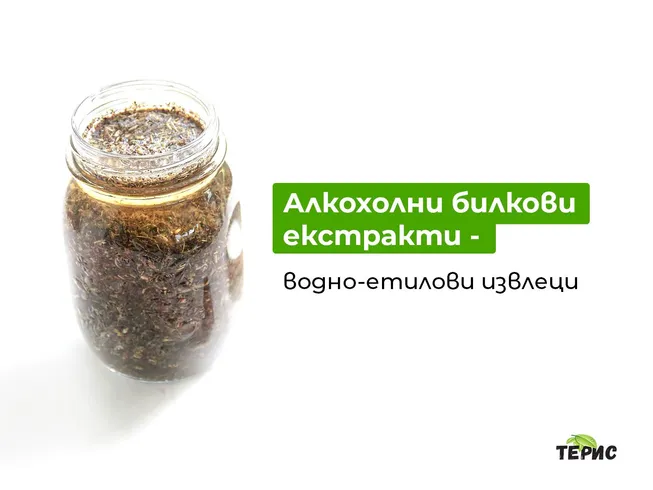
Technically speaking, tinctures are liquid herbal extracts made with alcohol, although the term "tincture" is sometimes applied to other liquid herbal extracts made without alcohol.
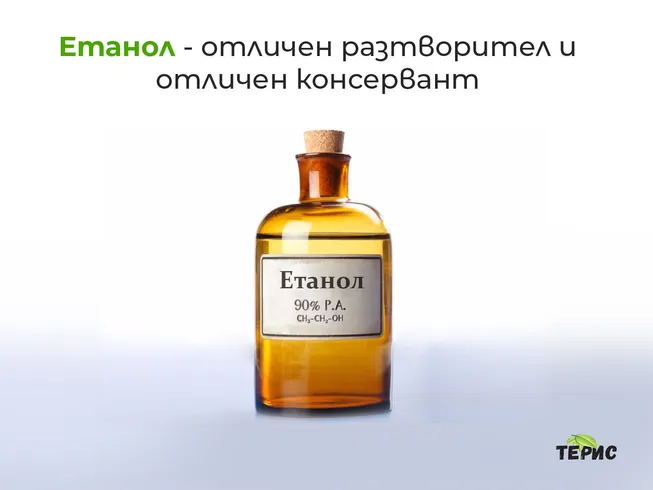
The alcohol used in extracts is the same ethanol, produced by fermentation, that you find in beer and wine, for example.
It acts as an excellent solvent for many phytochemicals, especially those with limited solubility in water.
It is also an excellent preservative, so tinctures can be kept for several years.
Like other extracts, tinctures spare our gut the need to digest whole herbs and are easily absorbed, which gives them an advantage over taking pills or capsules.
- Before we continue, we want to point out something very important:
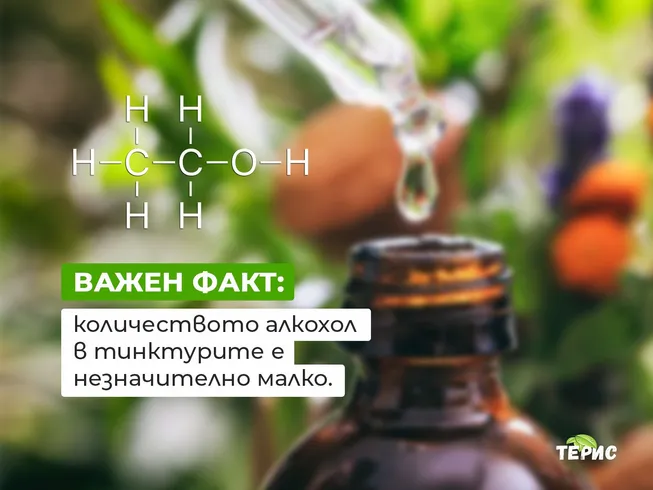
Tinctures are made with high-proof, commercially available ethyl alcohol. It is very safe to consume.
The alcohol content per dose is so small that the amount of alcohol consumed is negligible.
#Glycerine herbal extracts
Glycerine is a clear, colourless, odourless liquid with a remarkably sweet taste and the consistency of a thick syrup. Glycerine is also an excellent solvent for extracting constituents from plants. Even so, it is not as powerful an extractor as alcohol.
Glycerine works best for flowers, leaves and aromatic herbs, while alcohol is better at extracting properties from the tough parts of plants such as roots, bark and dried fruit, and gives a more concentrated result.
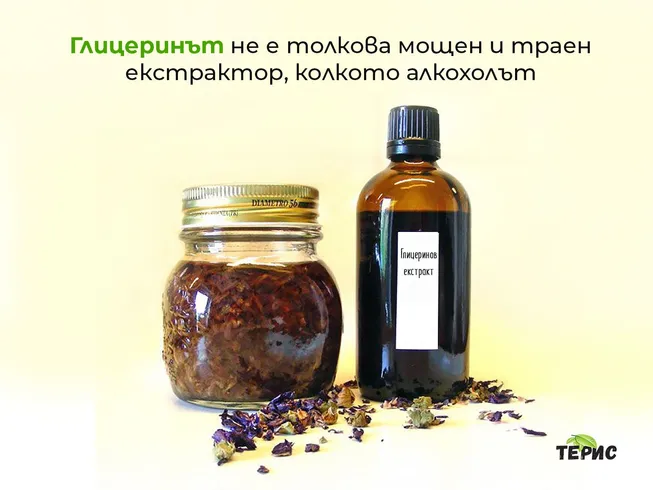
Glycerine extracts are known as "glycerites" and are an excellent choice for giving herbal support to people who are sensitive to alcohol. Glycerine has anti-fermentative properties that make it effective as a preservative, but it has a shelf life of 14-24 months, compared with an alcohol extract with a shelf life of 5+ years.
Many people choose not to consume alcohol for religious reasons, allergies or conditions such as alcoholism, which makes glycerine the best option for them.
#Vinegar herbal extracts
Vinegar behaves a little differently from alcohol or water as an extraction solvent.
The differences matter mainly to very technical herbalists who like to compare the various extraction liquids. However, if you plan to avoid alcohol entirely and want to use vinegar as your only solvent, the differences between the two should be taken into account.
Vinegar is more of a food or nourishing tonic. It is essentially acetic acid plus water and has unique extraction properties that differ from those of alcohol and glycerine. Vinegar is great for extracting a plant's vitamins and minerals. However, it is not as effective at extracting the other parts of the plant's chemical make-up.
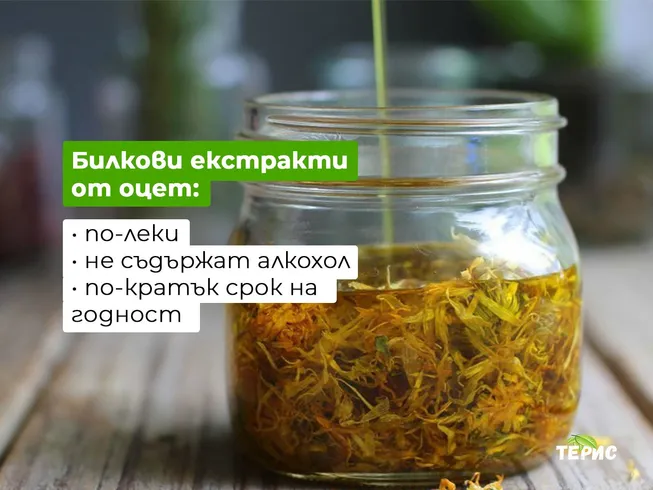
The shelf life of a vinegar extract is also much shorter. It is around six months. Vinegar is a suitable option if you want to make a nourishing or digestive tonic, or if you want a good alternative to alcohol because it is unavailable or unwanted.
#Alcohol-based versus glycerine-based tincture
Each of the herbal preparations has its pros and cons. The alcohol extract has a clear advantage over the glycerine one in several areas.
#Advantages of alcohol-based tinctures
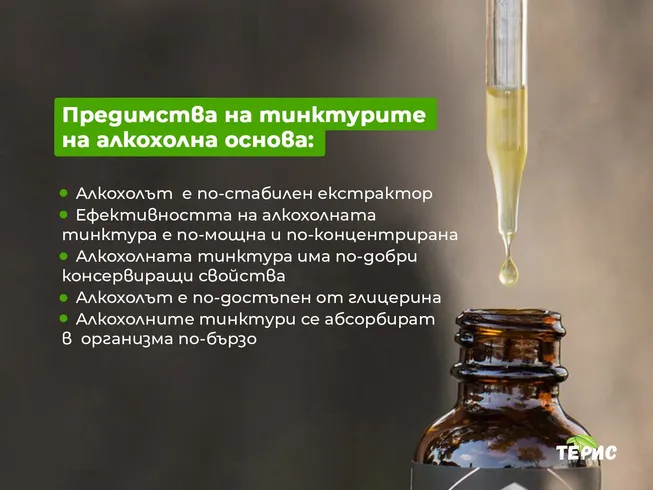
- Alcohol is a more stable extractor
And it is better at extracting the healing properties from the tough parts of the plant.
- An alcohol tincture is more potent and more concentrated
This means we can use a smaller amount of tincture to get the same results as we would from a glycerine one.
- An alcohol tincture has better preserving properties
The shelf life of an alcohol tincture is almost five times longer than that of a glycerine one.
- Alcohol is more accessible than glycerine
We can obtain or buy a gallon of ethyl alcohol at any time and very affordably, or order it online.
- Alcohol tinctures are absorbed by the body faster
Giving faster and more reliable results.
#Advantages of glycerine extracts
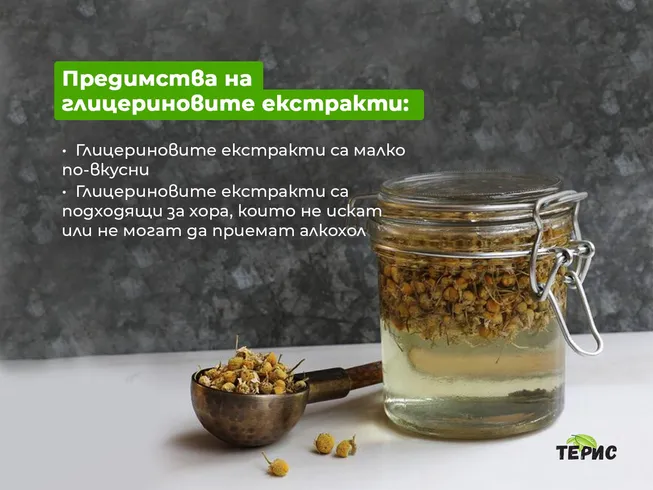
- Glycerine extracts taste a little better
They boast a better taste than alcohol extracts, which makes them more pleasant for some people to take and to give to children. Glycerine is good at extracting the flavours of the aromatic parts of a herb, making them pleasant-tasting overall.
- Glycerine extracts are suitable for people who do not want to or cannot take alcohol
Glycerine is better for people who avoid alcohol because of alcoholism, religious considerations or other dependencies.
#Which type of tincture has the longest shelf life?
When we compare tinctures based on ethyl alcohol with glycerine-based ones, we see that alcohol is a much stronger solvent and can sustain a much longer shelf life than a glycerine extract. Glycerine is sweeter and more likely to encourage the growth of mould and bacteria and to go off faster.
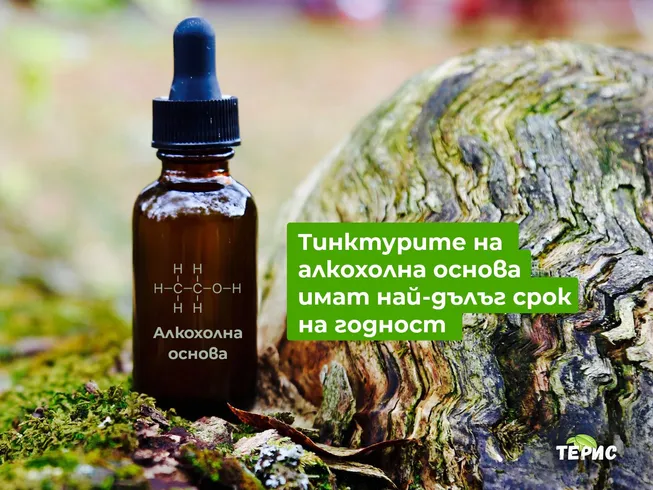
Glycerites should be used within two years of production for best results, whereas alcohol tinctures can easily last five years or more when stored correctly.
#Herbal tincture dosage
Tinctures are the most potent and concentrated way of taking herbs, compared with teas, infusions and decoctions!
There is no one-size-fits-all answer when it comes to how much to take. That is the art of herbalism.
Everything depends on the individual person's case, as well as on the particular herb being taken.
So remember… consulting a health professional before taking herbal extracts is always recommended!
As a rule, gentle, safe, nourishing and tonic herbs are usually recommended; stronger, more toxic medicinal herbs that call for extra caution are recommended less often.
All our herbal tinctures are made with herbs that are safe, gentle and effective for people.
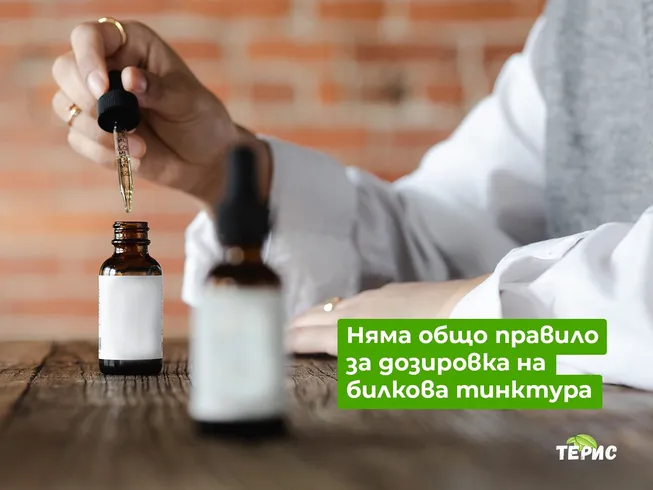
As this shows, there is almost no general dosage rule for a tincture to follow. There is no need to take too many herbs or huge amounts of them; everything is individual and depends on each body, so that the benefits can be felt.
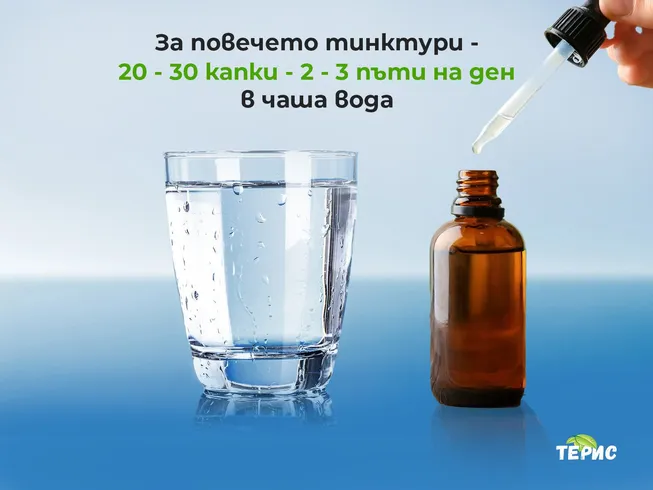
Still, as a general guide for most tinctures, take 20-30 drops 2 or 3 times a day, dissolved in a glass of water.
Another important thing is where the tincture comes from: if you made it yourself, it should be made properly; if you bought it, it should come from a reliable, trusted producer.
#The purest and most concentrated herbal extracts
Herbal tinctures are absorbed the fastest.
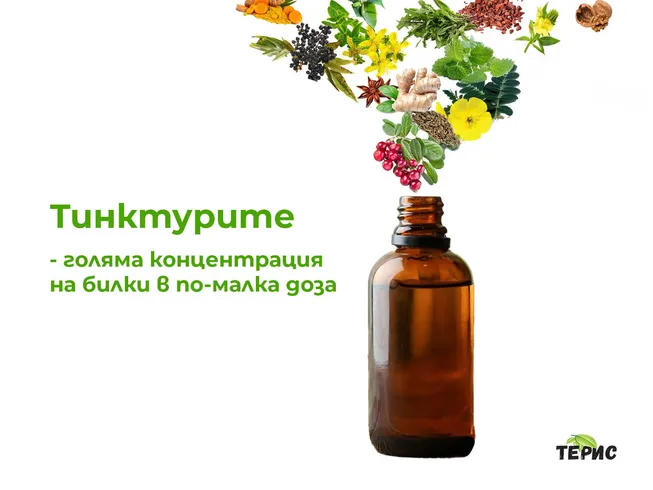
But what about effectiveness? Our bodies absorb around 98% of herbal extracts and only around 50% of capsules and tablets. Tinctures are much more potent because of the high concentration of herbs in a smaller dose! They are easier to digest and are absorbed faster, because the body does not have to break down the cellulose of the plant to absorb the herbs' healing properties, which also often means far fewer gastrointestinal side effects!
Because of the clear advantages of alcohol-based herbal extracts, at Bilkovi Tinkturi BG we produce specially selected herbal tinctures from a single herb or a blend of herbs for various ailments of the body. You can find more useful information in our article What are herbal tinctures?
On our products page or herbal tincture categories page you can find and order tinctures to suit your particular needs.
Harness the power of nature, turned into strength for the body, together with us!
This article is for educational purposes and does not replace advice from a doctor. Food supplements are not medicines and are not intended to treat diseases. If you have a chronic condition, are pregnant or breastfeeding, or take medication, consult a specialist before use.