What are herbal tinctures?
Table of Contents
#Nothing heals better than nature!
Tinctures - are concentrated herbal extracts made by soaking the bark, fruit, leaves (dried or fresh) or roots of one or more plants in alcohol.
Throughout the year, and especially as winter sets in and in times of a pandemic, it is extremely important to look after your health so that you are protected against attacks by viruses of any kind.
One of the surest ways to strengthen our immune system is to use natural products - herbal tinctures.

A tincture is a concentrated liquid herbal extract, usually made by soaking herbs - the bark, fruit, leaves (dried or fresh) or roots of one or more plants - in alcohol for several weeks in order to extract the active constituents.
The alcohol (or vinegar) draws out the active constituents in the plant parts and concentrates them as a liquid.
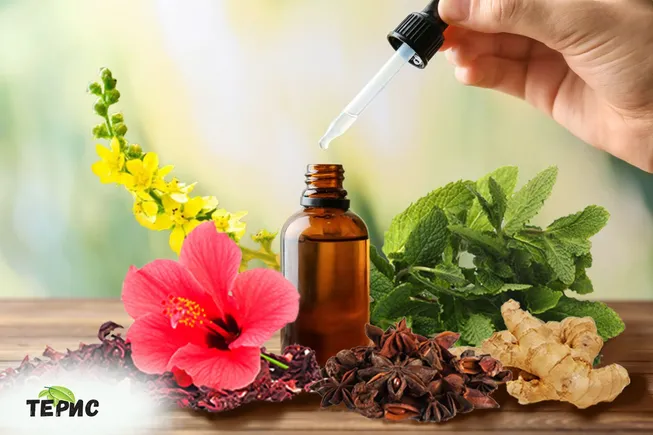
Alcohol is considered an excellent solvent because it is food-grade and can extract herbal constituents such as resins and alkaloids that are otherwise poorly soluble in water. After a period of several weeks the herbal mixture is strained and the plant parts are removed, leaving behind a concentrated and extremely useful liquid.
Tinctures can be made from a single plant or from a combination of plants. Fresh or dried leaves, roots, bark, flowers and fruit can all be used to prepare them.
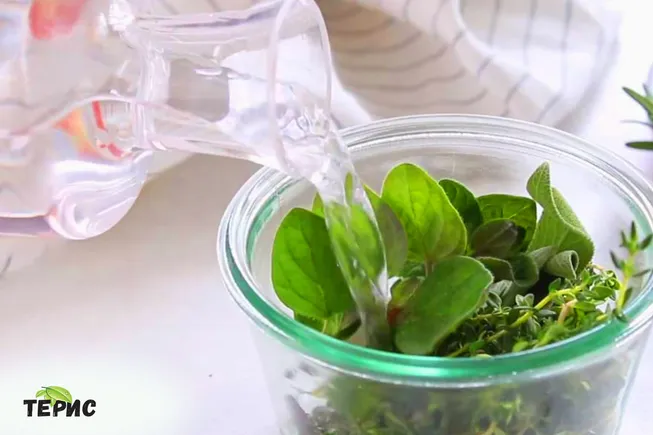
Which part is suitable for extracting a concentrate depends on the type of plant.
Otherwise, herbal tinctures are sold in physical and online health food and wellness shops.
Although most tinctures can be taken by mouth, others - such as arnica and benzoin tincture - should only be used externally.
# How is a tincture made?
- The plant parts must be carefully sorted so that all unwanted material is removed
- The herbs can be roughly chopped before being placed in a glass jar
- The jar is filled with alcohol and sealed tightly
- It is left to stand like this for several weeks
- It should be kept in the dark, or at least away from direct sunlight
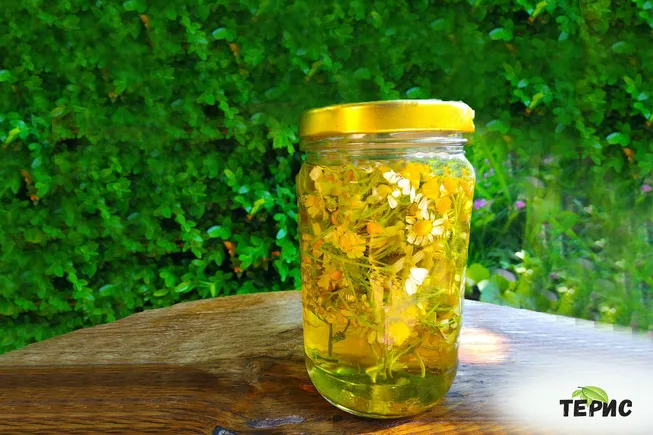
- It is good to shake it regularly
- The jar should also be topped up with alcohol if necessary
- The plant material is then strained off and removed, and the liquid is usually poured into small, labelled glass bottles with dropper caps
- If dried herbs are used to prepare the tincture, the ratio is usually one part dried plant material to four parts liquid.
- If fresh herbs are used, the ratio is one part plant material to one part liquid.
#What types of alcohol are used in herbal tinctures on the market?
The alcohol used commercially (in shop-bought herbal tinctures) may depend on the type of herb. Herbs with water-soluble constituents, for example, are best extracted with a lower percentage of alcohol, while other constituents can only be extracted with higher alcohol levels.
Commercial herbal tinctures often use a pure alcohol solvent made from corn, grapes, wheat or cane and distilled at or above 190 proof.
Herbalists sometimes make herbal tinctures in small batches using vodka.
#What should we look for?
Sterilised dark amber (glass) bottles are the classic choice for tinctures. The dark colour (dark glass) protects the herbs from ultraviolet light.
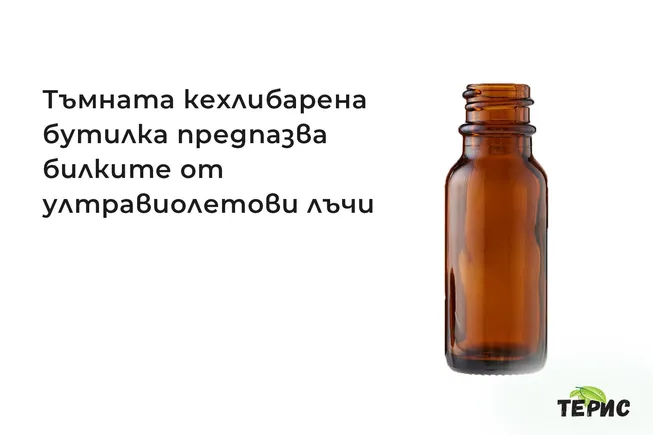
Because tinctures are concentrated extracts, a dropper helps to measure out small amounts of the tincture, but we can also adjust the amount using a tablespoon, which holds 15 ml.
Anyone planning to buy a tincture should bear in mind that the jar or bottle should be labelled with details such as:
- recommended daily intake
- the most common name in the given language
- Latin name
- plant part used (including whether it is fresh or dried)
- plant source
- type of alcohol and alcohol percentage
- batch number
- date of manufacture and expiry date
- as well as any other special instructions – for example, if the product is for external use only
#How should tinctures be taken?
The recommended way to take tinctures is dissolved in water.
*An alternative option - is to fill a dropper or a small syringe with the liquid and drip it into the mouth, just under the tongue. It is good to hold the tincture in the mouth for a few seconds before swallowing.
Then rinse the mouth thoroughly with water to get rid of the bitter taste. The exact dose a person should take depends on their age, but it is best not to take more than two small full droppers.
*It is also not advisable to give tinctures to children unless prescribed by a health consultant.
#Tinctures commonly used in herbal medicine
Here is a look at some of those used in herbal medicine:
An interesting fact is that many Chinese formulas and single herbs are produced precisely as tinctures.
Benzoin
A common component of first aid kits, benzoin tincture should only be used topically. Benzoin is a hard resin produced by trees, and the tincture is often used to help first aid dressings and wound closure strips stay in place.
Propolis
A substance produced by bees to build their hives, propolis has been studied for years for its effects on allergies, gastrointestinal disorders, and gynaecological, oral and skin conditions.
Elderberry
Elderberries contain anthocyanins - a type of natural pigment with antioxidant properties. Consuming elderberry (and other dietary sources of anthocyanins) may reduce chronic inflammation.
Echinacea
According to a 2017 study, echinacea remains one of the most commonly used herbal products among adults. Its benefits are many and proven in practice.
Turmeric
Turmeric is a spice widely used in cooking. Its active component is curcumin - a substance claimed to have anti-inflammatory and antioxidant properties. A study published in the International Journal of Rheumatic Diseases, for example, found that curcumin may have a beneficial effect on knee pain and quality of life in people with knee osteoarthritis.
#Risks and side effects
Herbal tinctures, like herbal supplements, have some potential side effects. Many people assume that "herbal", "natural" and "safe" are synonyms, but there are cases where this is not quite true. Just because a remedy is "herbal" or "natural" does not necessarily mean it is safe.
Before making and using a herbal tincture, a person should think about:
· first and foremost - potential allergic reactions
· possible interactions with medicines currently being taken
· safe ways of using the tincture, since some may be toxic
That is why, before anyone tries to make a herbal tincture at home, they must pay attention to the fact that some plants have toxic parts. It is therefore advisable to obtain them from an approved and verified source.
You need to know a great deal about the plant and understand the potential for toxicity and pesticide exposure before trying to make a tincture at home.
There are, however, risks associated with it, including toxicity and reactions with other medicines.
Although it may be tempting to make tinctures ourselves, some parts of plants are considered toxic and can be really very harmful. For example, the bark, leaves and roots of elder contain a compound that can release cyanide. Some plants contain potentially toxic compounds known as pyrrolizidine alkaloids. In addition, some plants may be contaminated with pesticides and heavy metals.
#Herbs help!
In conclusion, more and more findings show that herbal supplements can help with many health problems.
The power of herbs is boundless!
With the help of entirely natural products we can take care of our health in a natural way. But it is important to be careful, and each of us is advised to consult a health consultant before taking any herbal tincture, or to research the plants thoroughly before making one at home

In any case, when bought from a shop and of proven origin, a herbal tincture is a wonderful way to help strengthen your health and support your immunity in winter, so that you can enjoy the beautiful landscapes outdoors and the cosiness of home without the annoying symptoms of colds and flu.
After all, nothing heals better than nature!
#What are herbal tinctures? ➤ VIDEO
This article is for educational purposes and does not replace advice from a doctor. Food supplements are not medicines and are not intended to treat diseases. If you have a chronic condition, are pregnant or breastfeeding, or take medication, consult a specialist before use.
What are herbal tinctures?
Click to play video