Natural Diuretics and Herbs for Swelling
Table of Contents
#What is oedema?
OEDEMA is the medical term for swelling.
It is also known as fluid retention, water retention, dropsy, hydrops, swelling or edema. It occurs when excess fluid builds up in the tissues of our body.
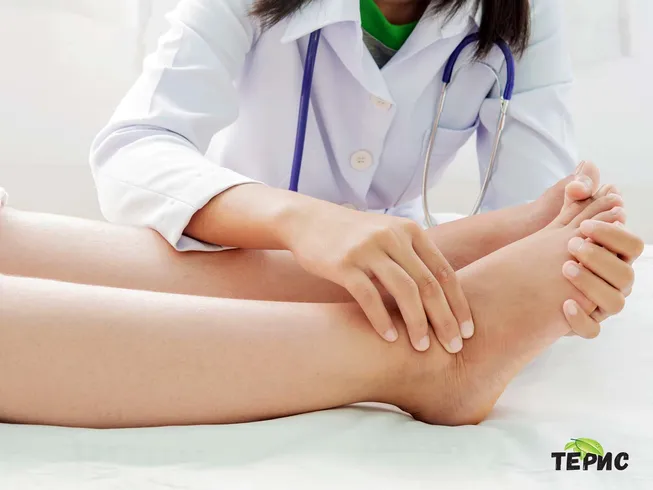
Water retention occurs in the circulatory system or in tissues and cavities. It happens when our small blood vessels leak fluid into nearby tissues. This extra fluid builds up, causing the tissue to swell. It can happen almost anywhere in the body. It can cause swelling of the hands, feet and ankles.
As a result of injury or inflammation, parts of the body swell. It can affect a small area or the whole body. Medicines, pregnancy, infections and many other medical problems can also cause oedema.

#OEDEMA – water retention in the body
The word comes from the Greek “οἴδημα oídēma” and means "swelling".
The symptoms of oedema may include tight skin, a feeling of heaviness in the affected area and stiff joints. Other symptoms depend on the underlying cause.
The causes may include venous insufficiency, heart failure, kidney problems, low protein levels, liver problems, deep vein thrombosis, infections, angioedema, certain medicines and lymphoedema.
It can also appear after prolonged sitting or standing, as well as during menstruation or pregnancy. The condition is more worrying if it starts suddenly or if there is pain or shortness of breath.
Treatment depends on the underlying cause. If the underlying cause involves sodium retention, reduce your salt intake and take a type of diuretic. Raising the legs and wearing support stockings can be helpful for swelling of the legs. In general, older people are more often affected.
#Causes of water retention in the body
Oedema can occur when the balance of substances in our blood is disturbed, or because of other conditions, such as:
- Sitting or standing upright for long periods
- Certain medicines
- Hormonal changes during menstruation and pregnancy
- Infection or injury of a blood vessel, blood clots or varicose veins
- Blocked lymph channels (lymphoedema)
- Food allergies or insect bites
- Disease of the kidneys, heart, liver or thyroid gland
- High or low blood pressure
- Eating salty foods
- A brain tumour or head injury
- Exposure to high altitude or heat, especially when combined with heavy physical exertion
Things such as a bee sting, a twisted ankle or a skin infection can cause swelling.
In some cases, such as infection, this may be useful. More fluid from our blood vessels puts more infection-fighting white blood cells into the swollen area.
#What are the symptoms of oedema?
The symptoms depend on how large the swelling is and where it is.
The symptoms associated with swelling usually vary depending on its type and location. However, pain, swelling and a feeling of tightness in the affected area are usually common symptoms of oedema.

Symptoms of oedema include:
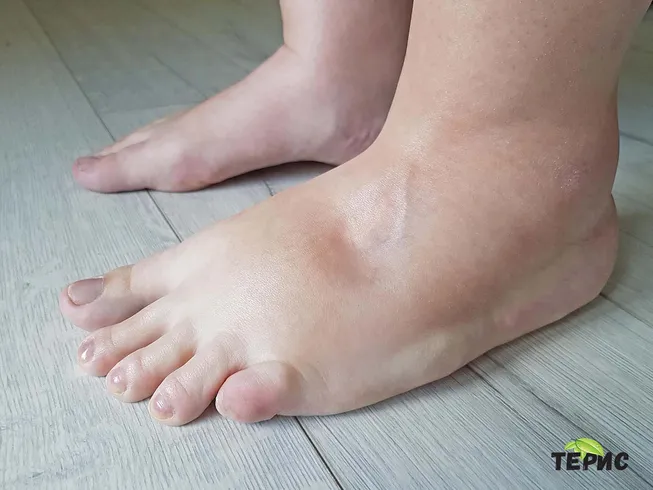
- Stretched and swollen skin – Swollen limbs (possibly accompanied by pain, redness, warmth)
- Skin that dimples when pressed
- Puffiness of the affected area (Puffiness of the face)
- Pain in the affected part of the body
- Stiffness in the joints
- The veins of the hands and neck become fuller
- Higher blood pressure
Abdominal swelling:
- Abdominal pain
- A feeling of nausea
- Vomiting
- Weakness
- Vision abnormalities
Some other symptoms:
- Muscle pain
- Shortness of breath, extremely difficult breathing, coughing up blood
- A sudden change in mental state or coma
* A person can be fairly sure they may have oedema if the swollen part of the body dimples when pressed.
Swelling in a small area from infection or inflammation (such as a mosquito bite) may cause no symptoms. On the other hand, a large allergic reaction (for example, from a bee sting) can cause swelling of the whole arm, which can lead to pain and restrict the movement of your arm.
Food allergies and allergic reactions to medicines can cause swelling of the tongue or throat. This can be life-threatening if it interferes with your breathing.
Swelling of the legs can make the legs feel heavy. This can affect walking.
With oedema and heart disease, for example, each leg can easily become 5 or 10 kilograms heavier. Severe swelling of the legs can interfere with blood flow, leading to ulcers on the skin.
Pulmonary oedema causes shortness of breath and sometimes low levels of oxygen in the blood. Some people with pulmonary oedema may have a cough.
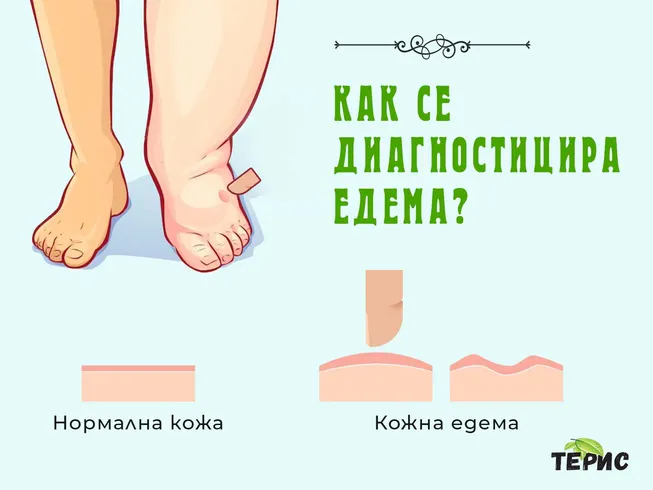
With some types of oedema there may be a dent or "pit"that remains for a while after pressing on the skin. This is called pitting oedema. If the tissue returns to its normal shape, it is called non-pitting oedema. This is a symptom that can help our doctor understand the cause of our swelling.

#Types of oedema?
- Examples of water retention by specific area
Oedema appears in certain organs as part of inflammation, tendinitis or pancreatitis, for example. Some organs develop oedema through tissue-specific mechanisms.
- Examples of oedema in specific organs
#Peripheral oedema
It usually affects the legs (feet and ankles), but it can also occur in the arms. It can be a sign of problems with the circulatory system, the lymph nodes or the kidneys.
The causes may be the result of reduced venous return of blood to the heart due to heart failure or pulmonary hypertension, increased or decreased venous pressure, or blockage of lymphatic or venous vessels.
Some medicines can also cause fluid retention.

Oedema of the legs
Oedema of the legs is a build-up of extracellular fluid in the legs and lower legs. It occurs in people who are in good health but who stand or sit for long periods.
It is more common in older people or pregnant women. It can make getting around harder, partly because you may not have as much feeling in your legs.

#Cerebral oedema
Cerebral oedema is a very serious condition in which fluid builds up in the brain. This can happen if you hit your head hard, if a blood vessel becomes blocked or bursts, with reduced oxygen at high altitude, or if you have a tumour or an allergic reaction.
It causes drowsiness or loss of consciousness.

#Pulmonary oedema
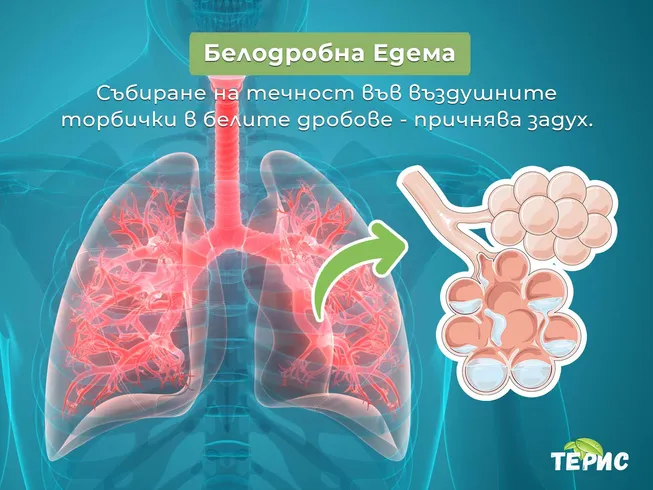
It occurs when fluid collects in the air sacs of the lungs (when the pressure in the blood vessels of the lung rises because blood cannot be removed through the pulmonary veins).
This makes breathing difficult and gets worse when lying down. It can also lead to a rapid heartbeat, shortness of breath and coughing up frothy saliva, sometimes with blood. If this happens suddenly, we must seek medical help immediately.
#Oedema of the cornea of the eye
Macular oedema. This happens when fluid builds up in a part of our eyecalled the macula, which is at the centre of the retina, the light-sensitive tissue at the back of the eye. It happens when damaged blood vessels in the retina leak fluid into the area.
Oedema can also occur in the cornea of the eye with glaucoma, severe conjunctivitis or keratitis, or after surgery.

#Periorbital oedema – around the eyes
This is swelling around the eyes - puffy eyes. The periorbital tissues are most noticeably swollen immediately after waking, perhaps as a result of the gravitational redistribution of fluid in a horizontal position.

#Skin oedema – from bites or contact with certain plants
Skin oedema also appears with mosquito bites, spider bites and bee stings (wheezing and burns).
Contact dermatitis appears with skin contact with certain plants such as poison ivy or western poison oak.

#Skin oedema – myxoedema
Another skin form of oedema is myxoedema. It is caused by increased deposition of connective tissue. In it, the swelling is caused by an increased tendency of the tissue to retain water in its extracellular space.
It forms more easily in dependent areas in older people (staying still at home or on aeroplanes).

#Lymphoedema – lymphatic swelling
Swelling of the arms and legs is most often caused by damage to the lymph nodes, tissues that help filter germs and waste from our body. The damage may be the result of treatment for cancer, such as surgery and radiation. The cancer itself can also block the lymph nodes and lead to fluid build-up.
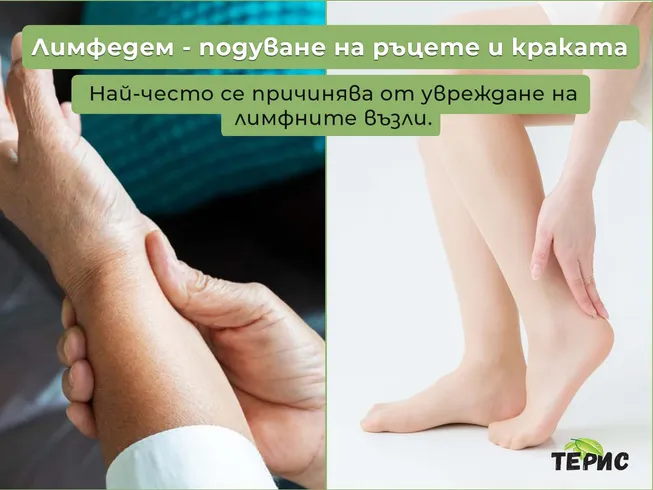
Also known as lymphatic oedema , it is a condition of localised swelling caused by a compromised lymphatic system.
The lymphatic system functions as a critical part of the body's immune system and returns interstitial fluid to the bloodstream.
#Diagnosing oedema
- Skin oedema
Skin oedema is called "pitting" when, after pressure is applied to a small area, the dent persists after the pressure is released.
- Peripheral oedema
Peripheral pitting oedema is the more common type of oedema and results from water retention. It can be caused by systemic diseases, pregnancy in some women, directly or as a result of heart failure, or by local conditions such as varicose veins, thrombophlebitis, insect bites and dermatitis.
- Lymphoedema
Non-pitting oedema is seen when the dent does not persist. It is associated with conditions such as lymphoedema, lipoedema and myxoedema.
- Starvation oedema
Oedema caused by malnutrition defines an acute form of childhood protein-energy malnutrition, characterised by oedema, irritability, anorexia, ulcerating dermatoses and an enlarged liver with fatty infiltrates.
#Treatment of oedema
To treat oedema, we often need to treat its underlying cause.
Treatment options:
Treatment may include the use of compression bandages and compression sleevestightened around the swollen limbs to force the body to absorb the fluid.
Other options include a diet to reduce salt, daily exercise, resting with the legs, raised above the level of the heart, wearing support hose, taking a diuretic and massage.
#Taking diuretics
For example, diuretics or potassium-sparing diuretics. These medicines reduce the levels of body fluids, but they also deplete important vitamins and minerals, which can lead to bone loss. Diuretics can have several other possible serious side effects, which is why it is preferable to use natural diuretics.
Take natural diuretics, such as herbal tinctures, herbal tablets or teas.

#Surgical procedures
Surgery may be needed to remove fatty and fluid deposits associated with a type of swelling called lipoedema, or to repair damaged veins or lymph glands in order to restore lymph and blood flow.
#Complementary and alternative therapies
The following nutritional guidelines and herbal support can help relieve swelling, but attention must be paid to the underlying cause. Tell your health adviser about any complementary or alternative therapies you are considering. If you are pregnant or thinking of becoming pregnant, do not use such therapies unless they are prescribed by your doctor.
#Nutrition and supplements for oedema:
Following these nutritional tips can help reduce symptoms:
- Eliminate suspected food allergens, such as dairy products (milk, cheese and ice cream), wheat (gluten), soya, maize, preservatives and chemical food additives. Your health adviser can test you for food allergies.
- Reduce your salt intake. If you are taking diuretics, your doctor should give you specific instructions about salt intake.
- Eat foods high in B vitamins and iron, such as wholegrain foods (if you have no allergy), dark leafy greens (such as spinach and cabbage) and sea vegetables. If you are taking certain diuretics, your provider may give you specific instructions about adding various nutrients to your diet. Potassium is found in many vegetables. Follow the prescribed instructions strictly.
- Eat natural diuretic vegetables, including asparagus, parsley, beetroot, grapes, green beans, leafy greens, pineapple, pumpkin, onions, leeks and garlic. Some of these foods may interact with diuretics.
- Eat foods with antioxidants, such as blueberries, cherries, tomatoes, pumpkin and peppers.
- Avoid refined foods such as white bread, pasta and sugar.
- Eat less red meat and more lean meat, cold-water fish, tofu (soya, if you have no allergy) or beans for protein.
- Use healthy cooking oils, such as olive oil.
- Reduce or eliminate trans fatty acidsfound in commercially available baked goods, such as biscuits, crackers, cakes, chips, onion rings, doughnuts, processed foods and margarine.
- Avoid alcohol and tobacco.
- Exercise lightly 5 days a week, if your health adviser says you can.

#You can address nutritional deficiencies with the following supplements:
- A multivitamin for daily use, containing the antioxidant vitamins A, C and E, B-complex vitamins and trace elements such as magnesium, calcium, zinc and selenium. Many multivitamins contain calcium and potassium, two minerals your doctor may ask you to avoid in large amounts if you are taking certain types of medicine. Consult your doctor.
- Vitamin C, as an antioxidant.
- If you use diuretics, your doctor may tell you to take potassium aspartate (20 mg a day), because diuretics flush potassium out of the body and cause a deficiency. DO NOT take extra potassium without telling your doctor. Some diuretics, on the other hand, do the opposite and cause potassium to build up in the body.
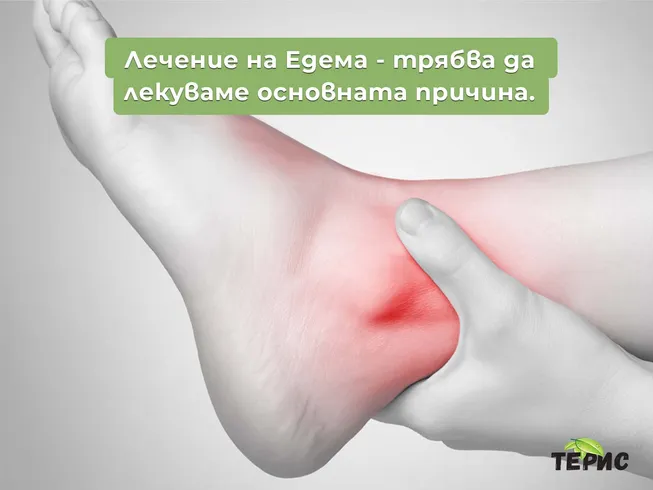
#Natural methods for treating oedema
How is fluid retention treated naturally?
Swelling is stuck fluid: stagnant blood and lymph that do not flow as they should.
Swollen ankles and swollen fingers are just one of the ways this can show up in someone. But it is not only a cosmetic problem – stagnation like this impairs wound healing and healthy cell function, and can put a strain on the heart and kidneys.
Fortunately, there are many common, easy-to-find herbs for oedema , and some of them may already be in your kitchen! So you can start with them today, get rid of excess fluid and restore the healthy state of your body.
Together with a little more movement and some changes in diet, herbs can help you in various ways.

Some of them stimulate the kidneys to filter more fluid from the body. Others stimulate circulation to disperse accumulated fluid. Some herbs even help the circulation of lymph, the body's "second" circulatory system. And of course, there are topical astringents that can act on the outward signs of puffiness, restoring healthy skin tone.
#Herbs against water retention
Herbs are usually a safe way to strengthen and tone the body's systems, although they can interact with many medicines and have certain side effects.
As with any therapy, you should consult your health adviser to determine the best and safest herbal therapies for your particular case before starting treatment, and always keep informed about all the herbs you are taking. If you are pregnant or breastfeeding, do not use herbs except under the supervision of a specialist familiar with herbal therapies, or if you are taking certain types of diuretics.
You can use herbs as dried extracts (capsules, powders or teas), glycerites (glycerine extracts) or tinctures (alcohol extracts).
Unless otherwise stated, make teas with 1 tsp of herb per cup of hot water. Steep covered for 5 to 10 minutes for leaves or flowers and 10 to 20 minutes for roots. Drink 2 to 4 cups a day. You can use tinctures on their own or in combination, as noted. They are taken at 20–30 drops dissolved in a glass of water, 2 or 3 times a day, according to the individual dosage needed.
#Herbs for oedema
Herbs that can help you with swelling are:
DANDELION, FENNEL SEEDS, NETTLE, PARSLEY, CRANBERRY, GINGER, BILBERRY, CALENDULA (MARIGOLD), AGRIMONY, HAWTHORN, BIRCH.

#Dandelion for fluid retention
For some, the dandelion is just a weed or the familiar herb from childhood. But research has found that one of the plant's compounds improves kidney activity and increases the frequency of urination.
Dandelion is known for its natural antioxidant and diuretic properties. It can therefore be used to reduce the fluid retention associated with oedema.
Taraxacum officinale
- Dandelion is used mainly to detoxify the kidneys.
- It is used to combat swelling caused by fluid retention and has a mild diuretic action.
- Dandelion stands out for its decongestant properties because, unlike other diuretic herbs, it does not affect potassium levels in the body.

#Dandelion extract, a herbal supplement – a diuretic
Dandelion extract, also known as "Taraxacum officinale", "Dandelion" or "lion's tooth", is a popular herbal supplement often taken for its diuretic effect.
It has been proposed as a potential diuretic because of its high potassium content.
Eating potassium-rich foods signals our kidneys to excrete more sodium and water.
This is good, because most modern diets are very high in sodium and low in potassium, which can cause fluid retention.
So the high potassium content of dandelion means that this supplement can help you get rid of excess water caused by a high sodium intake.
A study found that taking a supplement of the herb increases the amount of urineproduced within five hours of taking the supplement.
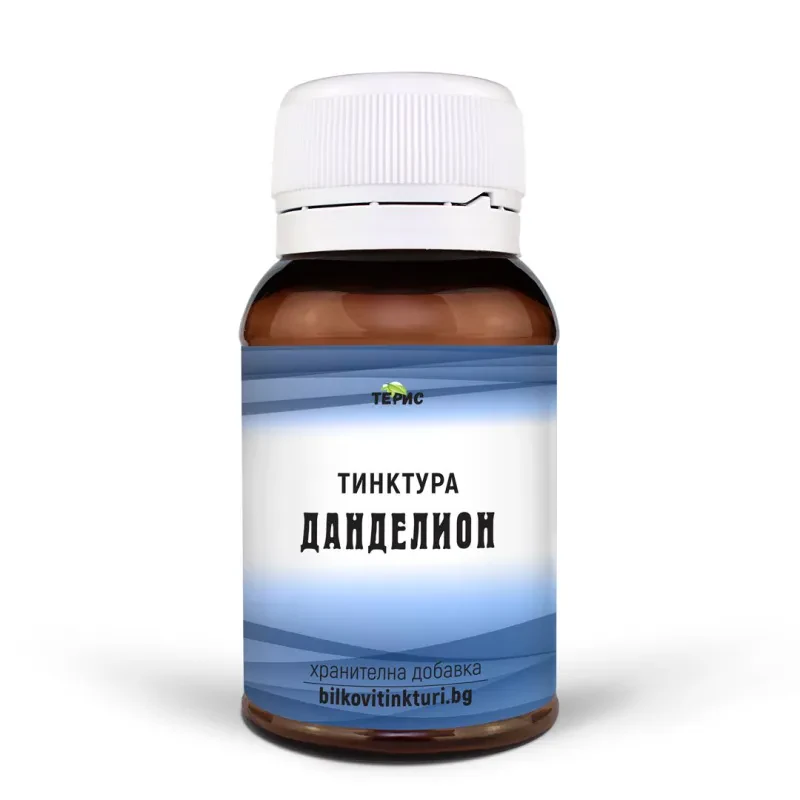
The recommended intake of the herbal dandelion tincture for fluid retention is 20 drops (about 1 ml) dissolved in a glass of water, 3 times a day.

You can also take the herb as a tea or infusion. For this you will need 1 teaspoon of dandelion tea extract, 1 cup of water and honey (optional). Add the tea extract to the water and bring it to the boil in a pan. Strain and leave to cool. Add honey to taste and drink this tea 2 times a day. But taking a herbal extract of the plant acts most quickly and effectively on our body.
#Fennel seeds for oedema
Data from studies show that fennel seeds can act as a diuretic, helping the kidneys excrete sodium and water. At the same time they help prevent toxins from building up in the body, because they are a true elixir for the stomach and the digestive tract.

#Fennel extract – a natural diuretic
The herb fennel is an excellent remedy that relieves colitis and gas while stimulating digestion. Fennel extract – a natural diuretic.
You can take Herbal tincture FENAL to deal with oedema at 20–30 drops dissolved in a glass of water, 2 or 3 times a day.

#Nettle for treating swelling and detoxifying the blood
Nettle is very nutritious and has anti-inflammatory properties.
The stinging herb is a wild plant traditionally used for treating swelling and detoxifying the blood. It helps reduce inflammation by reducing the production of pro-inflammatory molecules, thereby reducing swelling and fluid retention. The action of the stinging herb is relatively immediate.

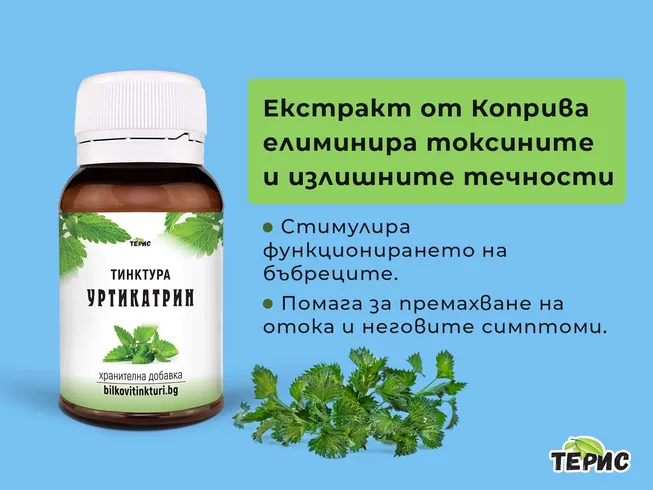
#Nettle extract eliminates toxins and excess fluid
A herbal extract of nettle removes excess fluid and eliminates toxins from the body by stimulating kidney function. These properties of the herb can help in the treatment and subsequent elimination of oedema and its symptoms.
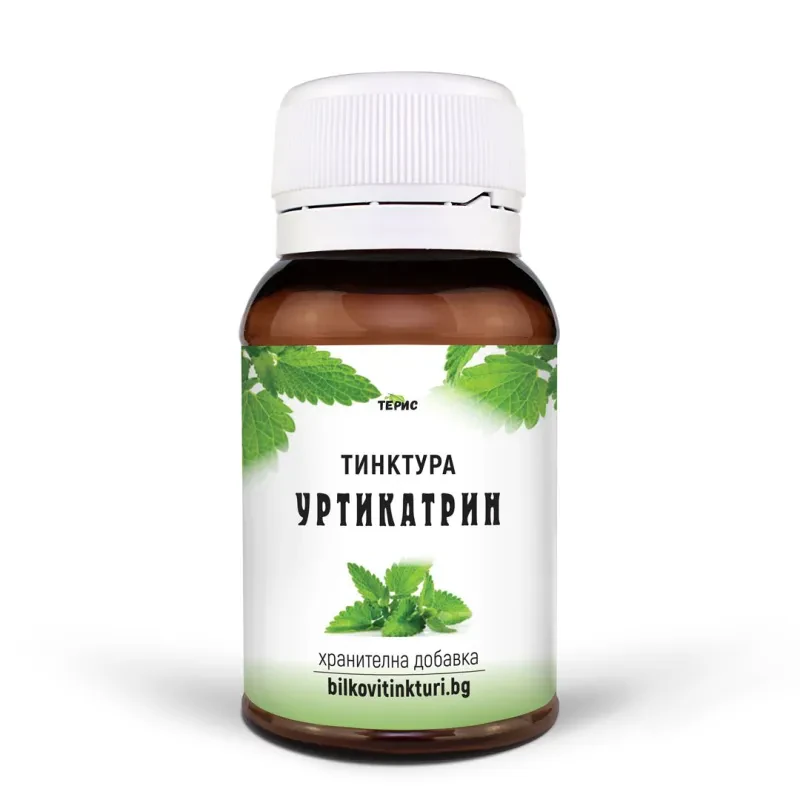
Herbal tincture URTIKATRIN is a nettle extract – a natural diureticthat helps our body get rid of excess salt and water.
#Parsley has diuretic properties
While parsley is mainly used as a garnish in cooking, it can be useful for people who have trouble tolerating diuretics, because it can relieve swelling immediately.
It contains tannins, flavonoids and other nutrients that reduce skin inflammation, and it is a natural diuretic.
A study found that the plant can help with urine volume. A number of new studies also confirm its diuretic properties.
Parsley has long been used as a diuretic in folk medicine. It is traditionally prepared as a tea and taken several times a day to reduce water retention.

Parsley leaves are one of the best supplements for treating oedema.
Take 1/2–1 cup of parsley leaves and 1 litre of boiled water. Cut the parsley leaves into smaller pieces and soak them in the water. Strain it, add honey to taste and drink it throughout the day. You can do this every day at regular intervals.
#Green and black tea for removing excess fluid from the body
Every time you enjoy a cup of hot tea, you may be helping to remove excess fluid from your body. Both green and black tea contain caffeine and have shown potential as natural diuretics.
Green tea and green coffee are among the most popular herbs for dealing with fluid retention. They contain many antioxidant compounds, polyphenols and flavonoids that detoxify the body and have a strong diuretic action. They improve metabolism, reduce fluid retention and help with weight loss.
They help both to treat and to prevent cellulite.

Take it as follows: 1 teaspoon of green tea extract, 1 cup of water and honey (optional). Add the extract to the water and bring it to the boil in a pan. Add honey to taste and drink immediately.
Do this 2–3 times a day.
*The caffeine content of green and black tea has a mild diuretic effect. However, this effect weakens as people build up a tolerance to it. It is therefore less likely to act as a diuretic in those who drink these teas regularly.
#Cranberry is excellent for treating oedema
Cranberry juice helps eliminate toxins.
The cranberry is a superfruit – an antioxidantthat is rich in many minerals, such as calcium and potassium. It also shows diuretic properties. It is precisely these properties that make cranberries an excellent natural remedy for treating swelling.
It is advisable to drink a glass of cranberry juice or take cranberry extract once a day.

#Cranberry extract – a natural diuretic
Cranberries reduce the level of bad cholesterol in the blood and have anti-ulcer and other medicinal properties.
TSISTOKLIYN is a cranberry extract – a natural diureticthat is beneficial for the female reproductive system, the kidneys and bladder, the liver and the pancreas.

#Ginger – a natural remedy for fluid retention
Ginger contains a compound called gingerol, which may help treat swelling. Consuming ginger root can help improve digestion.
It also helps food pass through the digestive tract, because it has diuretic properties. It also helps people who suffer from diabetes, as it manages to protect the kidneys against diabetic nephropathy, which reduces their function.

*Ginger recipe for draining excess fluid:
Take a 2 or 3 centimetre piece of ginger, 1 cup of water and warm milk (optional).
Grate or chop the root into small pieces and boil it in a cup of water. Strain and drink the mixture before it cools.
Alternatively, you can chew a piece of the plant or take a teaspoon of dried ginger powder with a cup of warm milk.
Do this once a day.
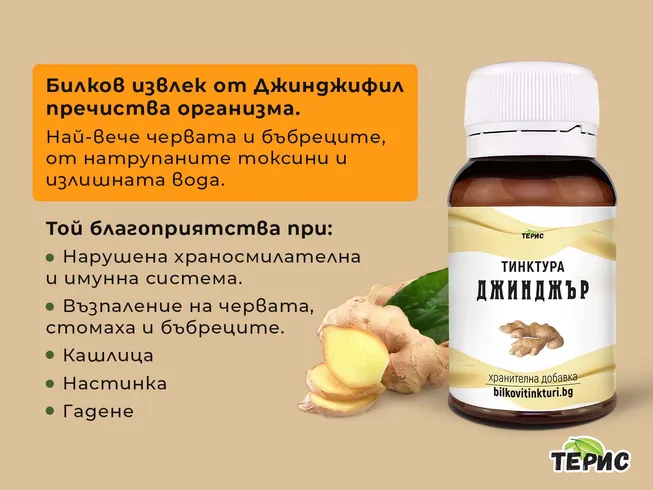
#Herbal extract of ginger cleanses the body
Herbal extract of ginger contains the largest amount of beneficial gingerol.
In this form it can be used as a remedy and has the best effect. It is taken internally to treat various conditions. The recommended dose is 20–30 drops dissolved in a glass of water, 1 to 3 times a day.
DZHINDZHAR herbal extract of ginger cleanses the body (especially the intestines and kidneys) of accumulated toxins and excess water.
It is beneficial for:
- A disturbed digestive and immune system.
- Inflammation of the intestines, stomach and kidneys.
- Cough
- Colds
- Nausea
#Bilberry helps with water retention in the body
This fruit is an antioxidant for health with high nutritional value and dietary use. It is known for its medicinal uses in gastrointestinal disorders, because it is a natural diuretic. It helps with water retention in the body.
Add fresh bilberries to breakfast cereal or porridge, eat them as a snack or dessert, or make healthy fruit shakes with frozen berries. Fresh or frozen bilberries with no added sugar contain 80 calories per cup, which makes them a low-calorie food with very little fat.
You can also take them as a tea or herbal extract.

#Herbal extract of bilberry is a natural diuretic
Standardised bilberry extract (Vaccinium myrtillus) for antioxidant support. MIRTILIY is a herbal bilberry tincture – a natural diuretic.
It has a beneficial influence on metabolic processes and detoxification, reduces oxidative stress and improves the general condition of the body.
The well-known bilberries have powerful antioxidant properties and anti-ageing properties, and they are also helpful for draining excess fluid.
Bilberries are highly effective at fighting infection because of their vitamin C.
Eat them by the handful as a snack, make delicious fruit smoothies or stir them into low-fat yoghurt or wholegrain cereals, or add 20–30 drops of bilberry herbal tincture to your glass of water.

#Calendula stimulates the flow of lymph fluid
Calendula (marigold), also called "the orange healer" , is a plant whose flowers are used to make medicines, food supplements and cosmetic products.
The flower is used to prevent muscle cramps, for symptoms associated with the start of the menstrual cycle and to reduce fever. It is also used to treat sore throat and mouth, menstrual cramps, cancer and stomach and duodenal ulcers.
Calendula has a beneficial effect by promoting urination, which helps remove excess body fluids.
Calendula stimulates the flow of lymph fluid. It does this by thinning the fluid and so helping it keep moving, making it pass through the system.
So the first herb that comes to mind when we think of herbs for moving lymph is usually calendula. It is an amazing herb. It really is fantastic. In terms of availability, it is easy to grow and we can easily buy it online.
Calendula is really helpful when there is swelling, especially around the abdomen and the intestines, because it has a strong affinity for the lymphatic vessels around them. There is a lot of lymphatic tissue all around the intestines, and this is a place that can swell because of fluid retention there.

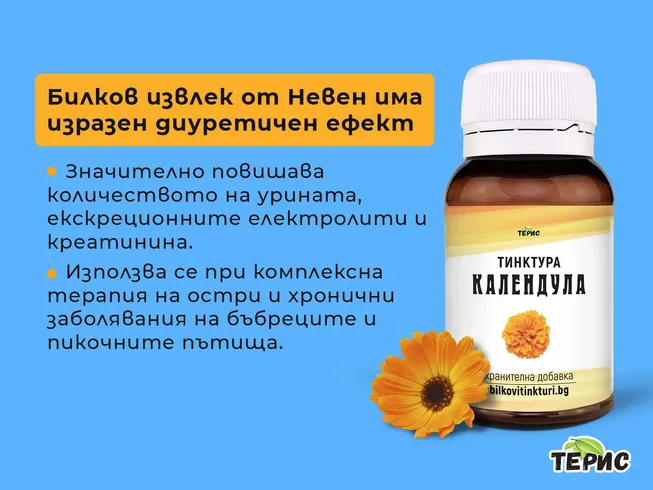
#Herbal extract of calendula has a marked diuretic effect
If you have bowel problems, you may get cramps or some other kinds of pain in the bowel, along with symptoms of swelling.
This is where a herbal extract of calendula against water retentionhelps. It would be a really good choice if you have oedema with a lot of swelling around the stomach and feel pain in the bowel.
Calendula flowers (Calendula officinalis L.) are included in combined herbal medicinal preparations used in the treatment of disorders of the liver and biliary system, the gastrointestinal tract, and the kidneys and urinary tract. Calendula flowers contribute to the overall therapeutic activity of supplements as a component with anti-inflammatory and reparative properties.
Studies show that preparations – food supplements in the form of calendula tincture have a diuretic effect, significantly increasing the amount of urine, excreted electrolytes and creatinine compared with the control. Given that preparations from the herb's flowers have antiseptic and anti-inflammatory properties, the results are of great interest for the complex therapy of acute and chronic diseases of the kidneys and urinary tract.
#Hawthorn reduces fluid build-up
This relative of the rose family is a powerful diuretic. It can reduce fluid build-up, which means that it may also improve the symptoms of congestive heart failure. Research shows that the plant's nutrients increase the excretion and flow of urine.
The fruits of the forest cardiologist – hawthorn can also act as diuretics and may help treat kidney problems.

#Herbal extract of hawthorn has a diuretic effect
Take it as a tea or as a herbal hawthorn tincture for a diuretic effect.
The herbal extract also:
- Increases blood flow to the heart.
- Improves the heart's contractility and its ability to pump blood.
- Lowers peripheral vascular resistance.
- Stabilises the heart rhythm and has an excellent effect in arrhythmias.
- Supports the heart's endurance when oxygen is short during stress or illness.

#Birch reduces fluid retention
Birch is known for its detoxifying and decongestant properties. Thanks to the rich potassium salt content of birch leaves, it helps reduce fluid retention and swelling and has diuretic properties. It also strengthens digestion, detoxifies the body and decongests the lymph. People call the birch the white gift of nature.

#Herbal extract of birch has a diuretic effect
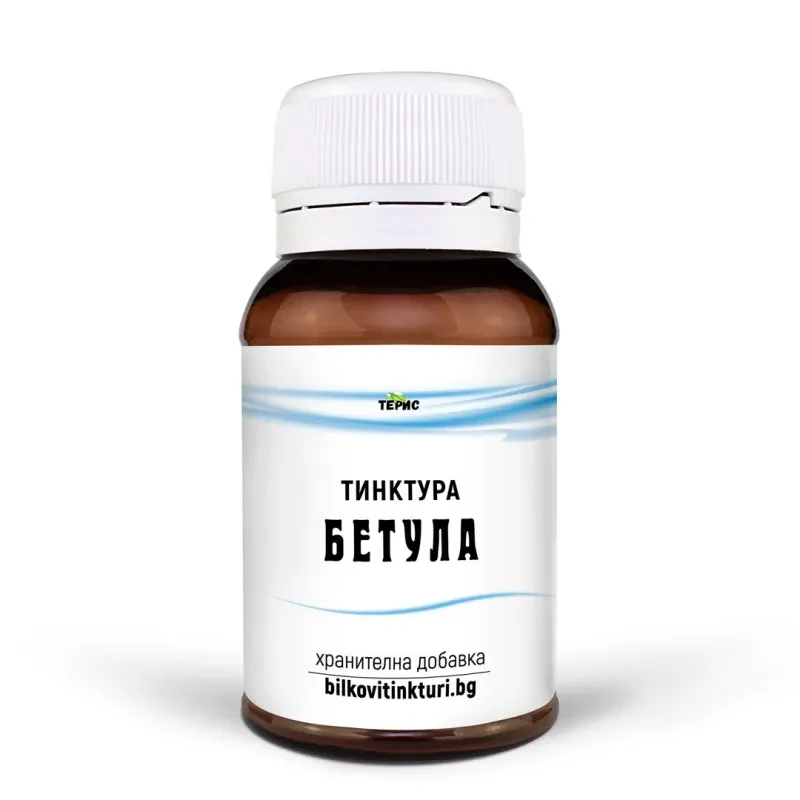
The tincture is beneficial for kidney complaints, kidney stones and inflammation of the renal pelvis. Birch extract is an excellent diuretic.

#Hibiscus – increases kidney filtration
This beautiful flower has more to it than looks. Roselle, a type of hibiscus, shows significant diuretic effects. A study notes that hibiscus helps increase kidney filtration.
It is popularly consumed as a tea.
Hibiscus is a family of plants known for producing beautiful, brightly coloured flowers.
One part of this plant – its calyces – is commonly used to make a medicinal tea called "roselle" or "sour tea". It has a number of health benefits, including lowering blood pressure in people with hypertension.
It is also a diuretic and an effective remedy for mild fluid retention.
#Diuretic foods for dealing with oedema
Besides these natural diuretics, reducing sodium and getting more exercise can also help to reduce fluid build-up.
Eating more fruit and vegetables that act as diuretics can be another useful solution.
Of course, if you don't have the time or opportunity to get them fresh, you can always take them as food supplements or herbal tinctures.
These foods include:
- Watermelon
- Grapes
- Oregano
- Pineapple
- Apple cider vinegar
- Flaxseed
- Horsetail
- Celery
- Asparagus
- Onions
- Garlic
- Kambi

#Grape seed extract
Grape seed extract (Vitis vinifera) is a standardised extract with antioxidant properties. It can be used in the treatment of oedema.
Evidence suggests that using grape seed extract can improve chronic venous insufficiency, which causes swelling when blood pools in the legs.
Include this delicious fruit together with its seeds, or grape seed extract supplements, in your diet.
Take this supplement 2 times a day.
#Turmeric for treating oedema
Turmeric contains a compound called curcumin, which has anti-inflammatory and detoxifying properties. These properties of the most researched spice on the planet can help treat the swelling and pain associated with oedema.
Take 1 teaspoon of turmeric powderand 1 cup of milk or water.
Mix the turmeric into a cup of warm water or hot milk.
Drink it immediately.
You can also mix a teaspoon of turmeric with a few drops of water to make a paste. You can then apply it to the areas of your body affected by swelling.
Apply this paste every morning and evening until you see the swelling go down.
It is even easier to take as a herbal extract – turmeric tincture. It is taken at 20–30 drops a day, dissolved in a glass of water.

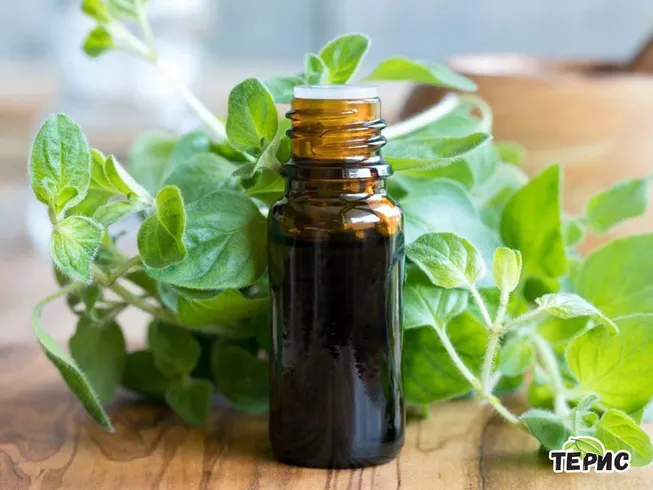
#Oregano oil against swelling
Oregano oil has anti-inflammatory and antiseptic action. This can help reduce the swelling and pain associated with oedema.
Take 5–6 drops of oregano oil and 30 ml of a carrier oil (almond or olive oil), mix them and gently massage the mixture into the affected area. Do this 2 times a day.
#Pineapple juice acts as a diuretic
Pineapples are fruits rich in a compound called bromelain, which has anti-inflammatory properties. This can help in the treatment of oedema and its symptoms.
Take 1/4 of a pineapple and a glass of water.
Peel the pineapple and cut it into small pieces.
Blend it with the water and drink the juice immediately.
Do this once a day.

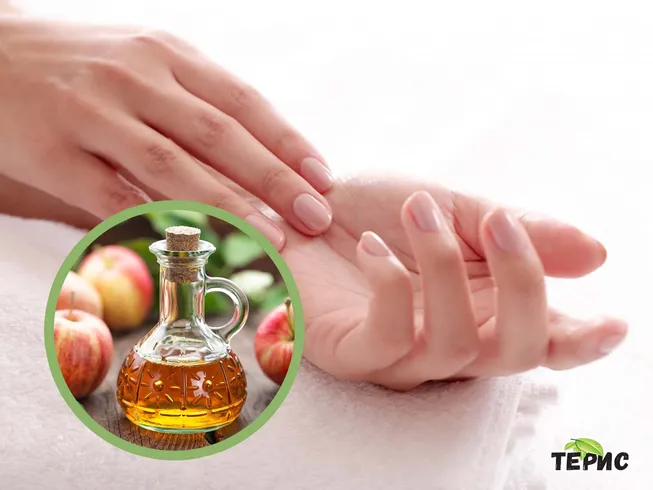
#Apple cider vinegar helps reduce fluid retention
Apple cider vinegar has many health benefits. It has anti-inflammatory properties and also contains potassium. It can help reduce fluid retention, and the anti-inflammatory properties of apple cider vinegar can also help treat inflamed skin.
Take 2 cups of apple cider vinegar, 2 cups of warm water and a clean cloth.
Mix them in a bowl.
Soak a clean cloth in the mixture and wrap it around the swollen areas. Leave it on for 5 minutes. Repeat the process using a mixture of cold water and vinegar.
Do this 2 times a day until the swelling goes down.
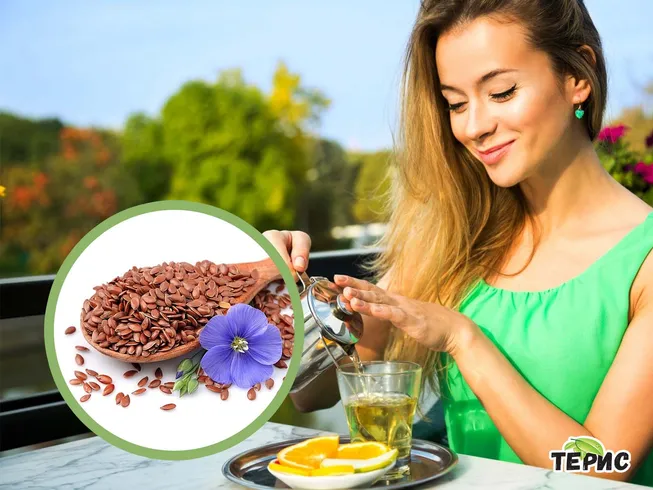
#Crushed flaxseeds help treat swelling
Flaxseed is a rich source of omega-3 fatty acids. These fats can help eliminate toxins from the body and ensure that the organs function properly. Flaxseeds can therefore help treat oedema by dealing with its underlying cause.
Take 1 teaspoon of crushed flaxseeds (crush them yourself).
Mix the crushed flaxseeds into a cup of warm water and drink immediately.
Do this 2 times a day.
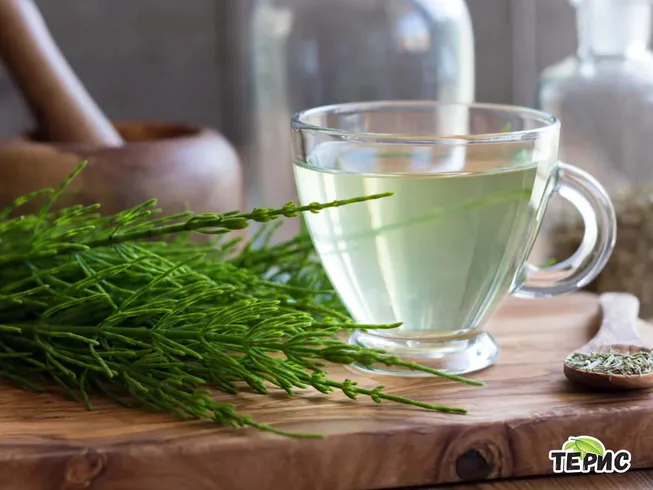
#Horsetail has diuretic effects
A 2014 study found that horsetail extract has the same diuretic effects as prescription supplements, but with fewer side effects. Horsetail may be a good alternative to prescription diuretics, especially if you have had problems with side effects.
The plant is an effective aid for swelling.
Horsetail is a herbal supplement that has been used as a diuretic for years and is commercially available both as a tea and in capsule form.
Despite its conventional use, very few studies have examined it.
One of them, conducted in 36 men, found that horsetail was as effective as the diuretic drug hydrochlorothiazide.
Although horsetail is generally considered safe, it is not recommended for long-term use. It should also not be taken by people with a pre-existing health condition such as kidney disease or diabetes.
#Vitamins help with oedema
Vitamins are thought to reduce water retention and have an anti-inflammatory effect. In this way they can be used to treat oedema and its symptoms.
Take a multivitamin supplement consisting of vitamins A, C and E, B-complex vitamins and minerals such as magnesium, calcium, selenium and zinc once a day.
Always after consulting your doctor, of course.

#Tips for preventing oedema
Other ways to reduce fluid retention.
Other strategies can also help you reduce fluid retention.

They include:
#Exercise:
Physical activity can help you get rid of extra fluid by increasing blood flow to your tissues and making you sweat.
#Increase your magnesium intake
Magnesium is an electrolyte that helps regulate fluid balance. Magnesium supplements have been shown to help reduce fluid retention in women with premenstrual syndrome.
#Eat potassium-rich foods
Potassium-rich foods can increase urine production and lower sodium levels, which leads to less fluid retention.
#Stay hydrated
Dehydration is thought to increase the risk of water retention.
#An Epsom salt bath reduces swelling
Epsom salt is also called magnesium sulphate, which has anti-inflammatory properties. This can reduce swelling and inflammation.
Take 1 cup of Epsom salt and water.
Add the Epsom salt to your bath water.
Soak and relax in the bath for 15 to 20 minutes.
Alternatively, you can add half a cup of Epsom salt to a bucket of warm water and soak your swollen feet in it for 10 to 15 minutes.
Do this at least once a day.

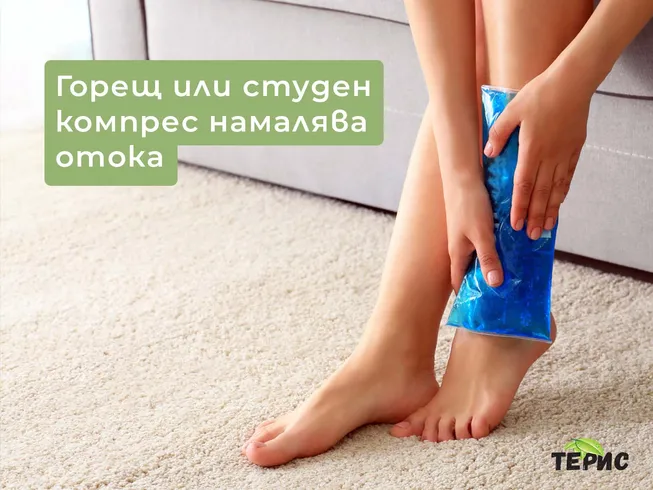
#A hot or cold compress reduces swelling
Applying a hot compress increases blood flow to the affected area. This reduces the pain and inflammation associated with swelling. Similarly, applying a cold compress numbs the affected area and reduces swelling and inflammation.
You need cold or warm water and a clean cloth.
Soak a clean cloth in warm water and wrap it around the swollen area.
Leave it for 5 minutes and unwrap it.
Soak the cloth in cold water and repeat the procedure.
Do this 2 times a day until the swelling goes down.
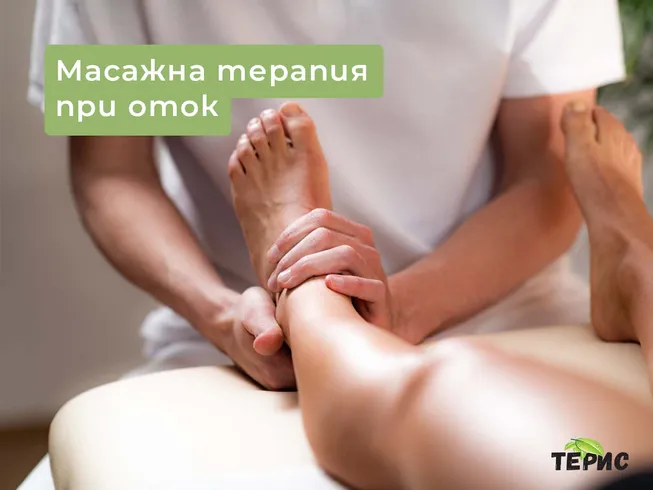
#Massage therapy for oedema
Massage improves blood circulation. This can help in the treatment of oedema.
Option 1:
Take 5–6 drops of essential oil (grapefruit or juniper)
30 ml of carrier oil (for example, coconut)
Mix the essential oil with the carrier oil.
Gently massage the mixture into your leg for 5 to 10 minutes. Do this 2 times a day.
*Keep your leg raised for 15 minutes before the massage. This ensures that fluid collected in the swollen area of your body can drain back. As a result, water retention in the affected area is reduced.
Option 2:
Mustard oil contains allyl isothiocyanate, which has been found to reduce inflammation. It may therefore relieve the pain associated with swelling.
Take 1/2 cup of mustard oil. Warm it and gently massage it into the affected area.
Do this 2 times a day.
Option 3:
Tea tree oil shows strong analgesic and anti-inflammatory properties. This can help treat the swelling and pain associated with oedema.
Take tea tree essential oil and cotton pads.
Put about 4–5 drops of tea tree oil on a cotton pad and apply it gently to the swollen area.
Do this 2 times a day.
Option 4:
Castor oil contains ricinoleic acid, which shows anti-inflammatory properties. This can be of great benefit in treating the swelling and inflammation that come with oedema.
Take castor oil and massage it into the swollen parts of your body.
Do this 2 times a day.
#Eat less salt
A diet high in salt can encourage fluid retention. So reduce your salt intake.
#Treating oedema with diuretics
Swelling of the legs associated with congestive heart failure or liver disease can be treated with a diuretic (sometimes called a "water pill"). When you can pass more urine, fluid from the legs can return to the blood.
Many cases of heart or kidney disease are treated with diuretics.
#Treating oedema by improving drainage (of body parts)
Swelling caused by blocked fluid drainage can sometimes be treated by restoring drainage.
A blood clot in the leg is treated with blood thinners. They break down the clot and return drainage to normal.
A tumourthat blocks blood or lymph can sometimes be shrunk or removed with surgery, chemotherapy or radiation.
Intermittent pneumatic compression can be used to put pressure on the tissue of a limb, forcing fluids – both blood and lymph – to drain out of the compressed area.
#Treating oedema through diet
Limiting the amount of sodium you eat can also help.
#Other ways to treat oedema
- Raising the legs
Treatment may also include positioning the affected parts of the body to improve drainage. For example, swelling of the legs or ankles can be reduced by having the person lie in bed or sit with the legs propped up on pillows.
- Gloves
These gloves are specially designed to treat swelling. They can provide light compression and warmth to the affected area and treat oedema.
Put on therapeutic oedema gloves if you notice swelling in your hands.
Wear them throughout the day and take them off only when you want to bathe or wash.
- Kinesio tape
This tape creates negative pressure on the area where it is applied and can help drain extra fluid and swelling.
Apply these tapes directly to the swollen area for 3 to 5 days.
- Wear compression stockings
Compression stockings can help treat oedema by encouraging blood flow in swollen legs.
Wear compression stockings every day until you see an improvement in your condition.
- Leg pumps
Compression pumps are designed to treat oedema and lymphoedema. These pumps can encourage fluid circulation in the affected area and reduce swelling.
Get compression leg pumps and wear them on the affected leg.
Do this every day until you notice a positive change in your condition.
- Avoid activities that require you to sit or stand for a long time.
- Raise your legs from time to time.
- Limit your salt intake.
- Exercise every day.
- Stay well hydrated in hot weather.
- Avoid intense workouts and take breaks between them.
- Avoid smoking.
- Do not sit continuously for more than 3 hours.
- Take foods and food supplements against water retention.
These are some of the best remediesthat can help in the treatment of oedema. Some lifestyle changes can improve the effect of these remedies and prevent the swelling from coming back.
Including some of these foods and drinks in your diet can help with mild fluid retention.
Likewise, combining some of them with other healthy changes, such as healthy eating, exercise and drinking enough water, can help you get rid of that puffy feeling.
#The natural treatment of oedema
A person develops oedema when excess fluid builds up in the tissues of the body, causing swelling in the affected area. It is usually seen in the hands and feet, but oedema can affect any part of the body, which is then considered oedematous.
Although it goes away on its own, there are several home remedies and natural methods for swelling that you can try to reduce it.
Painful and uncomfortable, water retention is a common health problem that can be caused by a number of factors, including diet, the menstrual cycle and genetics, pregnancy, medicines or standing for long periods.
Oedema occurs in various diseases, such as heart failure, nephrotic syndrome, kidney failure, cirrhosis and cancer.
Natural treatment involves limiting sodium intake and using natural diuretics, accompanied by specific treatment for each clinical condition.
You can help relieve water retention by making some changes to your lifestyle.

In this article we have discussed the symptoms and causes of oedema, together with several remedies you can try to relieve it and even cure oedema.
You can read about what herbal tinctures are and their beneficial action on our website's blog.
If water retention persists, consult a doctor, who may prescribe medication. Always make use of help from naturefirst, because the power of herbs is boundless.
This article is for educational purposes and does not replace advice from a doctor. Food supplements are not medicines and are not intended to treat diseases. If you have a chronic condition, are pregnant or breastfeeding, or take medication, consult a specialist before use.