Bilberry - an Antioxidant for Health
Table of Contents
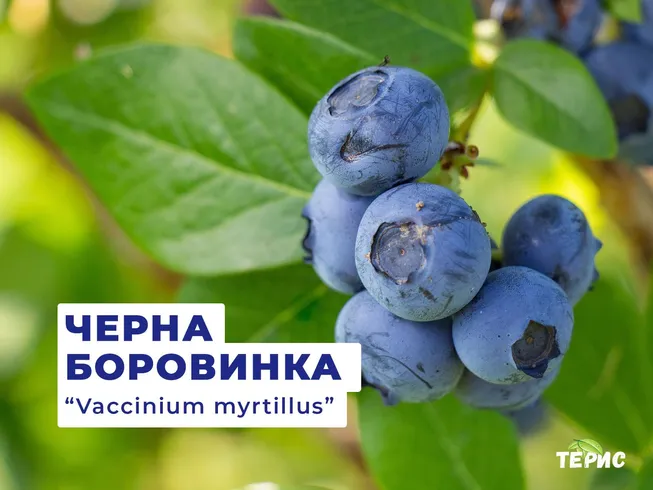
#Bilberry "Vaccinium myrtillus"
Blueberries and bilberries come in several species and belong to the genus "Vaccinium" of the family "Ericaceae".
"Vaccinium myrtillus L" is the best-known and most thoroughly studied species, but there are several other closely related species and morphotypes. The plants produce edible fruits that have high nutritional value and dietary uses.
The medicinal plant grows in open coniferous and deciduous woods and thickets (most often spruce, pine and beech), on stony and rocky meadows, high mountain pastures and peat bogs.
It is found in all the high mountains up to 1,800 m above sea level (in Western Bulgaria and on some high plains below 1,000 m). It occurs throughout Europe.
Bilberry is known for its medicinal uses in gastrointestinal disorders and inflammatory processes in the mouth.
The herb bilberry has an astringent, anti-inflammatory and hypoglycaemic (lowers blood sugar levels) action, and it stops vomiting. It is a true antioxidant for our body.
👉 Take a look at our products made from the herb:
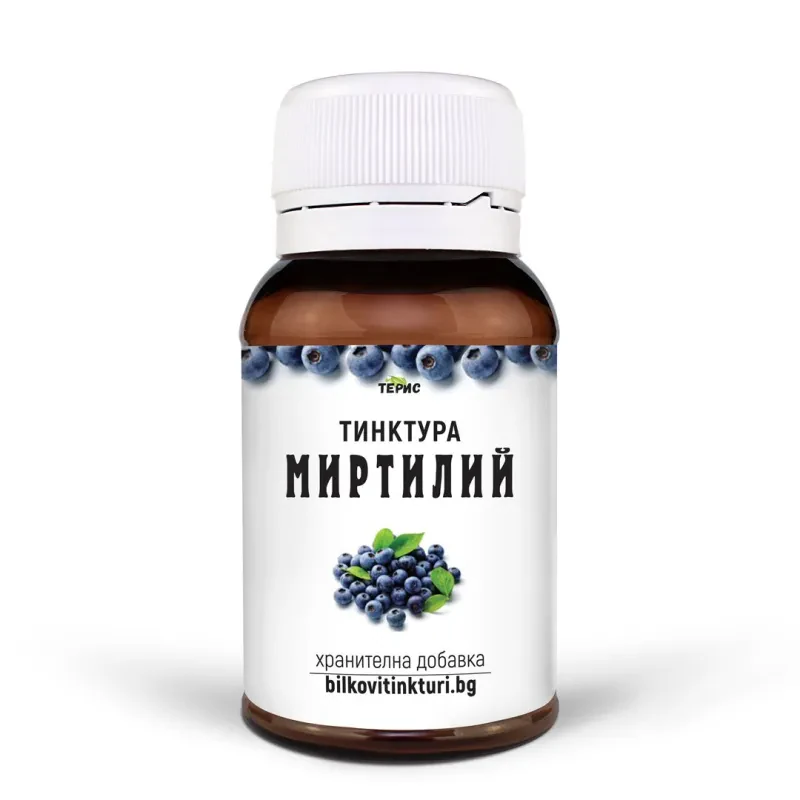
Herbal tincture from bilberry leaves - MIRTILII
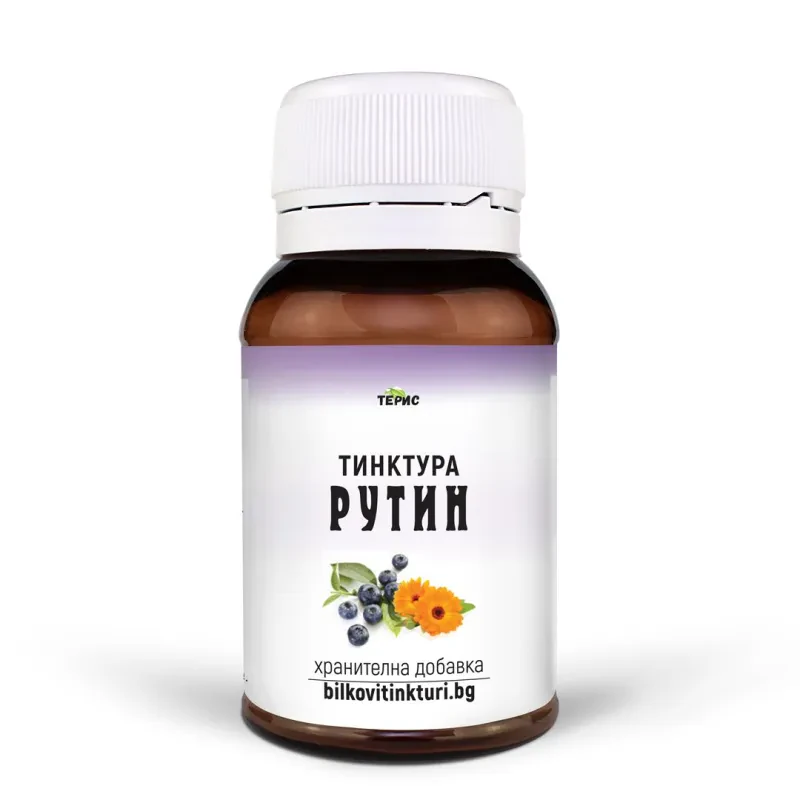
Herbal tincture with bilberry leaves - RUTIN
#Botanical characteristics of "Vaccinium myrtillus"
Blueberries are perennial flowering plants with blue or purple fruits. They are classified in the section Cyanococcus within the genus "Vaccinium".
Commercial blueberries - both wild lowbush and cultivated highbush - are native to North America. Highbush varieties were introduced into Europe in the 1930s.
Blueberries are usually spreading shrubs that can range in size from 10 centimetres to 4 metres tall. In commercial blueberry production, the species with small, pea-sized berries growing on low shrubs are known as "lowbush blueberries" (synonymous with "wild"), while the species with larger fruits growing on taller cultivated shrubs are known as "highbush blueberries".
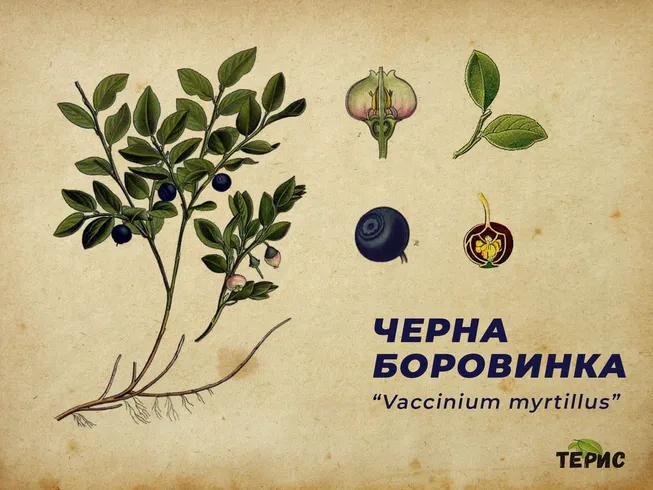
Canada is the leading producer of these small, dark, lowbush berries, while the United States produces about 40% of the world supply of highbush varieties.
Five species of blueberry grow wild in Canada, including "Vaccinium myrtilloides", "Vaccinium angustifolium" and "Vaccinium corymbosum". They occur in woods or near bogs.
In traditional medicine blueberry leaf is used for various conditions, including diarrhoea, scurvy, infections, burns and diabetes.
#Wild blueberries
They are not planted by farmers but rather managed on berry fields called "barrens". They reproduce by cross-pollination, with each seed producing a plant with a different genetic make-up, causing differences within the same species in growth, productivity, colour, leaf characteristics, disease resistance, flavour and other fruit characteristics.
The mother plant develops underground stems called rhizomes, allowing the plant to form a network of roots and create a large patch (called a clone) that is genetically distinct. Flower and leaf buds develop intermittently along the stems of the plant, with each flower bud producing 5–6 flowers and eventual fruits.
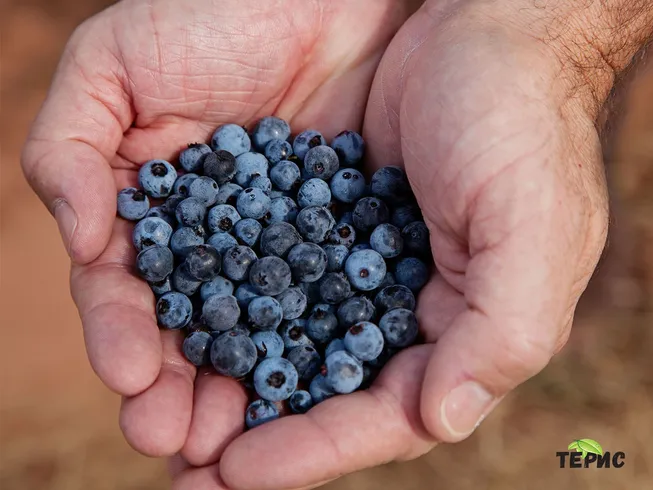
Wild blueberries prefer acidic soil between pH 4.2 and 5.2 and only moderate amounts of moisture. They have a high tolerance of cold in their Canadian range. The fruit yield of lowbush blueberries varies depending on the degree of pollination, the genetics of the clone, soil fertility, water availability, insect infestation, plant diseases and local growing conditions. Wild berries have a low weight of 0.3 grams.
#Cultivated blueberries
They prefer sandy or loamy soils and have shallow root systems. The leaves of highbush blueberries can be deciduous or evergreen, ovate or oblong, 1–8 centimetres long and 0.5–3.5 centimetres wide.
The flowers are bell-shaped, white, pale pink or red, sometimes tinged greenish.
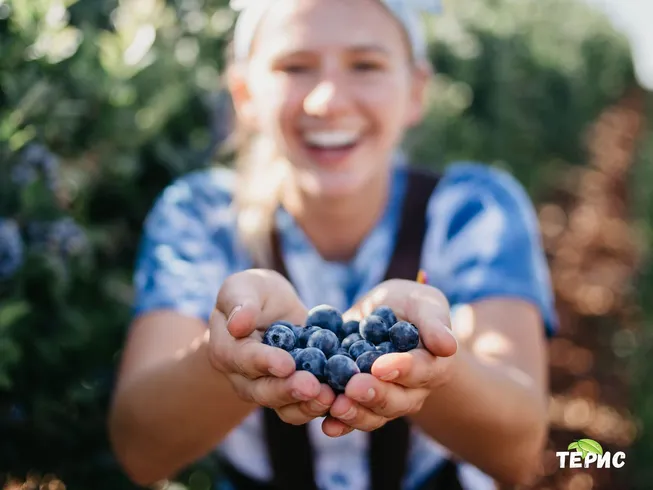
The fruit is a berry 5–16 millimetres in diameter with a flared crown at the end. At first it is pale greenish, then reddish-purple, and finally blue when ripe.
Blueberries have a protective coating of powdery epicuticular wax. They usually have a sweet taste when ripe, with variable acidity. The shrubs usually bear fruit in the middle of the growing season: fruiting is influenced by local conditions such as climate, altitude and latitude, so harvest time in the northern hemisphere can vary from May to August.
#Origin and history of cultivation
The genus "Vaccinium" has a mainly circumpolar distribution, with species present mostly in North America, Europe and Asia. Many commercially sold species with common English names, including "blueberries", come from North America, especially the Atlantic coast and the north-eastern United States.
The First Nations peoples of Canada ate wild blueberries for centuries before North America was colonised by Europeans. Highbush varieties were first cultivated in New Jersey around the beginning of the 20th century.
Blueberry species native to North America are grown commercially in the Southern Hemisphere in Australia, New Zealand and South America. The Colombian or Andean blueberry, "Vaccinium meridionale", is harvested from the wild and is widely available locally.
Several other wild shrubs of the genus "Vaccinium" also produce commonly edible blue fruits, such as the predominantly European "Vaccinium myrtillus" and other bilberries.

#Nutrients in the medicinal shrubs
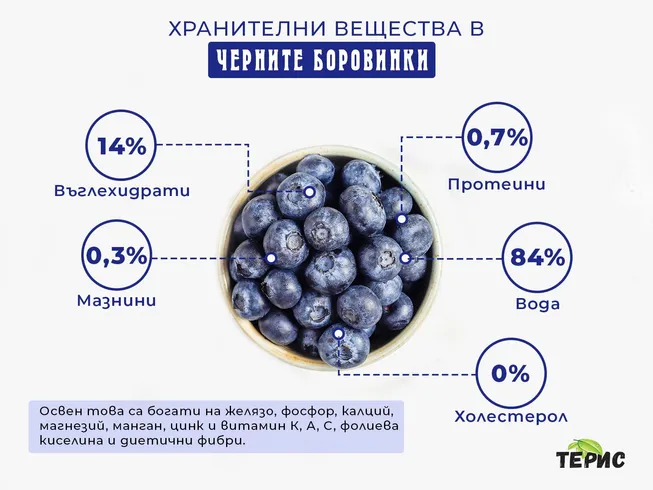
Blueberries consist of 14% carbohydrates, 0.7% protein, 0.3% fat and 84% water. They contain micronutrients at moderate levels (relative to the respective daily values and needs) of the essential dietary mineral manganese, vitamin C, vitamin K and dietary fibre.
One serving provides a relatively low calorie value of 57 kilocalories.
84% water and 0% cholesterol. These small forest fruits are a rich source of nutrients such as iron, phosphorus, calcium, magnesium, manganese, zinc and vitamins K, A and C, folic acid and dietary fibre. They are also rich in anthocyanins, a type of flavonoid that helps keep your heart healthy and may reduce the risk of heart attack by 32%.
Bilberry is at the top of the rankings for antioxidant content.
The main property of these substances is to destroy free radicals (heavy metals, toxins), which release oxides that make the body ill.
#Phytochemicals and research
Blueberries contain anthocyanins, other polyphenols and various phytochemicals that are under preliminary research for their potential role in the human body. Most polyphenol studies have been carried out using the highbush blueberry cultivar (V. corymbosum), while the polyphenol and anthocyanin content of lowbush (wild) blueberries (V. angustifolium) exceeds the values found in highbush cultivars.
#Chemical composition of "Vaccinium myrtillus" leaves
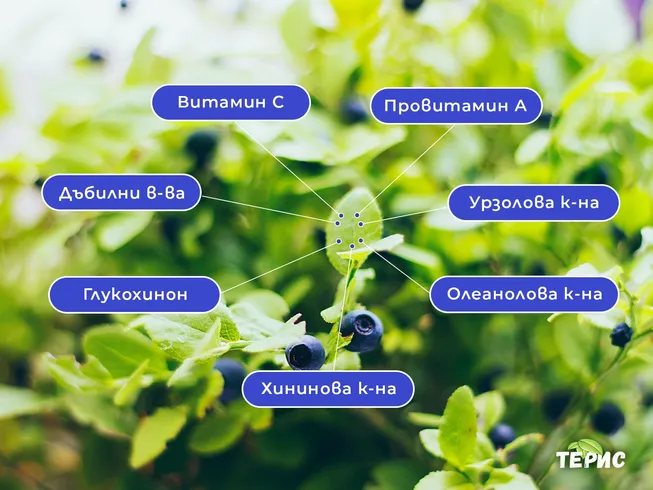
They contain tannins, a flavone glucoside, vitamin C, provitamin A, ursolic, oleanolic and quinic acid, glucoquinone, which lowers blood sugar, and up to 7% arbutin, which helps with urinary tract infections, diabetes and diarrhoea.
A comparative study showed that phenolic compounds are found in significantly higher amounts in the leaves than in the fruits.
The antioxidant potential of the leaves is also stronger than that of the fruits.
The quality and quantity of phenolic compounds in Vaccinium myrtillus L. are usually influenced by the growth stage, the country of origin, the parts of the plant to be used, environmental conditions (temperature, sunlight, soil nutrients, the latitude and altitude of the place where the plants grow, geographical location) and genetic factors.
The total phenolic content of bilberries collected from sites exposed to the sun is higher than that of plants grown in the shade. And at altitudes above 1,500 m the amount of total phenols is higher. The amount of each anthocyanidin in bilberry fruits varies between 20 and 98 mg/100 g.
#Everyday uses of bilberries
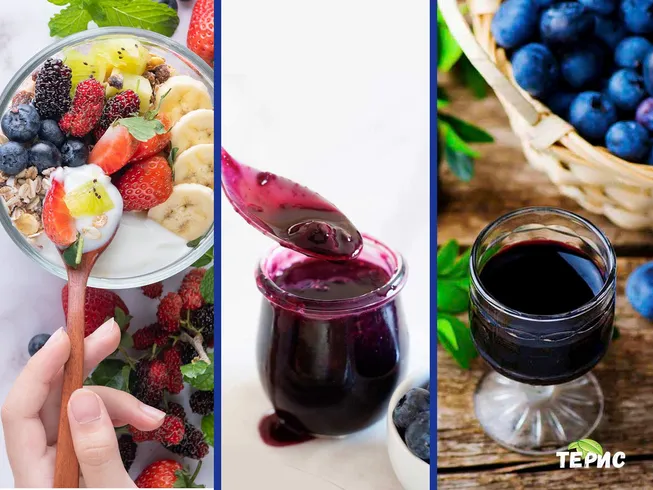
"Vaccinium myrtillus" berries are sold fresh or processed as individually quick frozen fruit, purées, juice, or dried or infused berries. They can then be used in various consumer goods, such as jellies, jams, pies, muffins, snacks or as an addition to breakfast cereals.
Blueberry jam is made from the berries, sugar, water and fruit pectin. Blueberry sauce is a sweet sauce prepared using blueberries as the main ingredient.
Blueberry wine is made from the flesh and skin of the fruit, which is fermented and then matured. The lowbush variety is usually used for this purpose.
Extremely useful for medicinal purposes, however, are bilberry leaves, whose antioxidant properties we want to tell you about.
#What bilberry leaves help with
Besides the fact that the bilberry fruit itself is very good for human health, using the leaves also brings huge advantages.
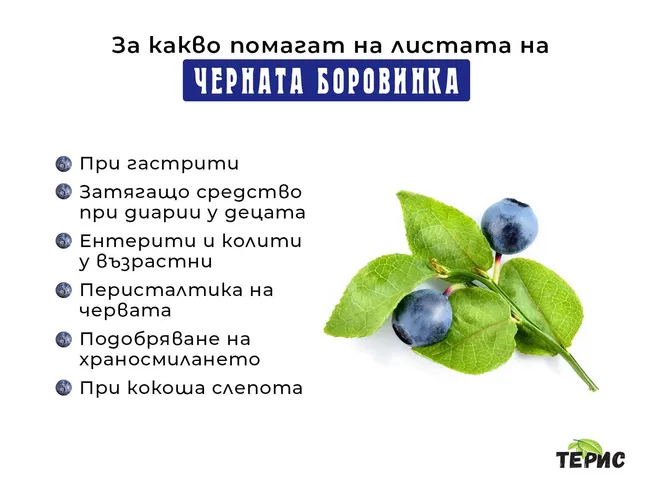
They have an astringent, antiseptic and anti-inflammatory action and are used for gastritis, as an astringent for diarrhoea in children, for enteritis and colitis in adults, for intestinal peristalsis and improving digestion, for night blindness and more.
#Health benefits of bilberry leaves
The name of the bilberry bush comes from the Danish word "bollebar", meaning "dark berry".
Bilberry has been used for medicinal purposes since the Middle Ages. The fruits and leaves are the parts of the plant that are used.
Historically, bilberry has been used for various conditions:
- diarrhoea
- inflammation of the mouth
- urinary problems
- and diabetes
It has also traditionally been used to prevent scurvy because of its high vitamin C content. During the Second World War, British pilots ate bilberry jam, believing it would improve their night vision.
Today bilberry is promoted as a food supplement for night vision, cataracts, varicose veins and other conditions such as atherosclerosis (in which plaque builds up in the arteries).
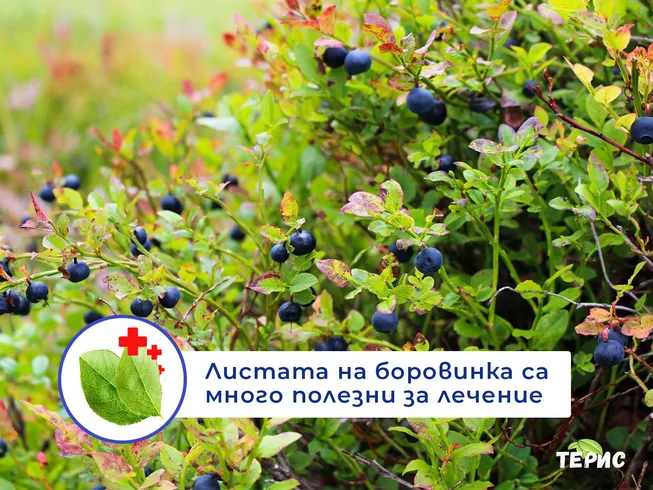
A number of studies, going as far back as 1927, show how powerful bilberry leaves can be for healing. In this way they can heal our body in many ways.
#Bilberry leaves are full of antioxidants
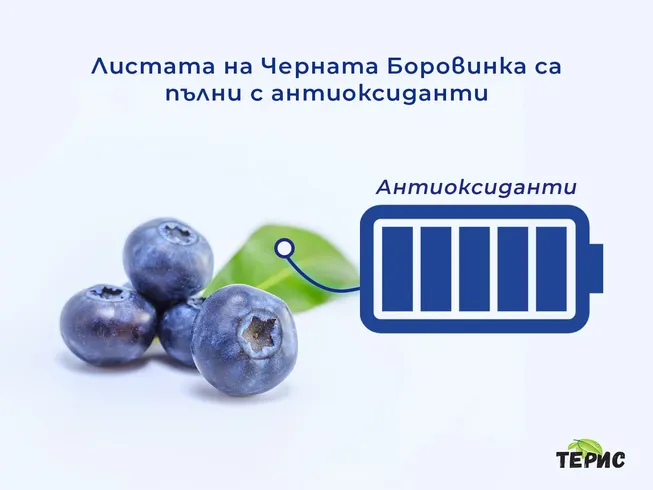
Research shows that bilberry tea or herbal extract is extremely rich in antioxidants. In fact, the leaves contain 31 times more antioxidant polyphenols and anthocyanins than the fruits themselves - wow!
#The leaves are rich in vitamin C
Bilberry leaves also contain a large amount of vitamin C, which helps prevent colds and flu and strengthens our immune system.
#"Myrtilli folium" helps with neurodegenerative diseases
Another study showed that a tea or extract of bilberry leaves has such a high antioxidant content that it may help prevent and treat neurodegenerative diseases, thereby healing the brain and its mental abilities. In this way the leaves may improve a person's memory and prevent the cognitive decline that comes with ageing... and they may also help with Parkinson's and Alzheimer's disease.
#Bilberry leaves for inflammation
A 2013 study, in turn, showed that bilberry extract contains the antioxidant gallic acid, which helps with the redness, swelling and pain associated with inflammation. And this means it may help prevent cardiovascular disease, cancer and strokes.
#Bilberry lowers triglycerides
Bilberry leaves also lower triglycerides by almost 40% and thus help prevent cardiovascular disease. — Amazing!
#Bilberry lowers blood pressure
The leaves of this delicious fruit can also lower blood pressure.

#"Myrtilli folium" for arthritis
Bilberry tea or leaves help with pain and swelling in arthritis and joint pain.
#Bilberry for allergies
Studies show that the leaves of the medicinal plant may help with the symptoms of allergic attacks and the inflammation associated with these symptoms.
#Bilberry and cancer
A study shows that the powerful antioxidants in "Vaccinium myrtillus" leaves can prevent the build-up of free radicals in the body, thereby helping to prevent breast, colon, prostate, cervical and lung cancer.
#Bilberry leaves for skin conditions
Bilberry leaves contain chlorogenic acids, which help treat inflammation of the skin. Bilberry leaves may also help prevent and treat eczema, psoriasis and other inflammatory skin conditions.
#A delight for the palate
Bilberry leaf tea has a green, grassy taste similar to green tea, but dried bilberries are often added for extra flavour, and the tea can be blended with other teas or with fruit juices. One cup of this aromatic elixir is a true delight for mind and body.
#Bilberry leaves for diabetes
A study shows that a tea or tincture of bilberry leaves has such a high antioxidant content that it may prevent and possibly cure type 2 diabetes. And clinical studies show that it may also lower blood sugar by up to 27%.
#"Myrtilli folium" treats hepatitis
New studies show that the green parts of this tasty herb may also help prevent and cure hepatitis C by preventing the replication of the virus.
#Bilberry leaves for macular degeneration
The leaf extract may also help prevent macular degeneration, glaucoma, retinopathy and cataracts.
#Bilberry leaves for chronic fatigue syndrome
It has been found that a herbal extract of these leaves may also help prevent and cure chronic fatigue syndrome.
#For multiple sclerosis
Both the leaves and the fruits of bilberry have been shown to have a healing effect on multiple sclerosis.
#For DNA damage
Once again, the leaf tincture helps prevent and repair DNA damage caused by free radicals, thereby preventing disease.
#For urinary tract infections and kidney disease
The herbal extract is great for preventing and treating UTIs. It helps support the kidneys, bladder and urinary system and thus helps prevent infections and disease.
It contains ellagic acid, which prevents bacteria from sticking to the walls of the bladder.
#It strengthens the capillaries
A herbal extract or tea from the wild fruit strengthens the veins, arteries and capillaries throughout the body.
#Bilberry leaves for female reproductive health
Bilberry leaves also heal the female reproductive system. In this way they help heal fibroids, help with cramps, help with PMS and support the general well-being of the reproductive system... and they tone the uterus and fallopian tubes.
#Uses of "Vaccinium myrtillus" leaves
Bilberry leaves can be found as teas, in capsules, as powders and as tinctures.
#Taking the leaves internally
When taken internally, they are used for gallstones and kidney stones, diabetes, anaemia, dysentery and wind.
- As a tea
Tea dosage:
Most people use 1 tablespoon of dried or fresh leaves steeped for 15 minutes in one cup of boiling water. From 1 to 5 cups of tea are taken a day.
Bear in mind, however, that for gargling the tea should be more concentrated.
PHOTO: Bilberry leaf tea
- As a herbal extract of the leaves
As a tincture, use 6 to 12 drops 3 or 4 times a day.
- In powdered form
The dose is 300 to 500 mg three times a day.
#Using the leaves externally
And when used externally - for inflammation of the gums, as a gargle for bad breath, and for haemorrhoids, burns and skin diseases. They have a binding, appetite-stimulating, anti-inflammatory and antiseptic action.
#Herbal tinctures from bilberry leaves
Herbal tinctures are pure herbal extracts with the highest content and concentration of beneficial substances from a given herb or herbs. Taken as a tincture, you can feel the effect on your body the fastest.
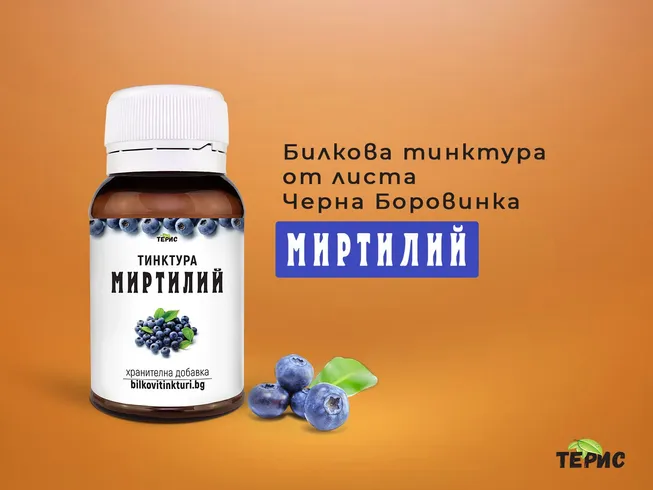
#Herbal tincture from bilberry leaves - MIRTILII
It is beneficial for the stomach and digestive tract, the mouth, diabetes and the skin.
The herbal tincture MIRTILII from bilberry leaves contains one of the oldest known medicinal plants and is known for its medicinal uses in:
- Gastrointestinal disorders
- Inflammatory processes in the mouth
The herb bilberry has an astringent, anti-inflammatory and hypoglycaemic (lowers blood sugar levels) action, and it stops vomiting.
#Herbal tincture from bilberry leaves - RUTIN
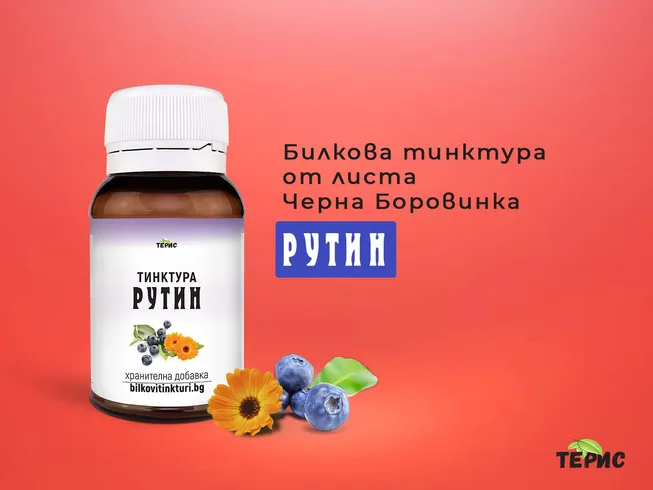
Tincture of bilberry and calendula (marigold) - RUTIN is a great aid for varicose veins, thrombosis, haemorrhoids and menstrual cramps. It supports digestive processes. It is used to thin the blood.
It is a specifically chosen selection of herbs, blended so that they acquire the properties of a remedy for influencing problems with the circulatory system.
It contains calendula flowers and bilberry leaves.
The herbs are taken in the form of a tincture, which:
- Helps with varicose veins.
- Eases thrombophlebitis.
- Helps when haemorrhoids appear.
- Eases menstrual cramps.
- Supports digestive processes.
- Is used to thin the blood.
- Improves the resilience of small blood vessels.
- Increases venous tone.
- Eases swelling or tiredness in the legs.
#How can we get bilberry leaves?
#We can pick them ourselves
If you live in an area where bilberries grow, the leaves can be gathered and dried to make tea, drying them in a cool, dry place like other herbs.
Bilberry leaves are picked when they are fully developed but still green. All this should happen in dry weather. The gathered leaves are placed in baskets, hampers and similar containers, taking great care not to crush them.
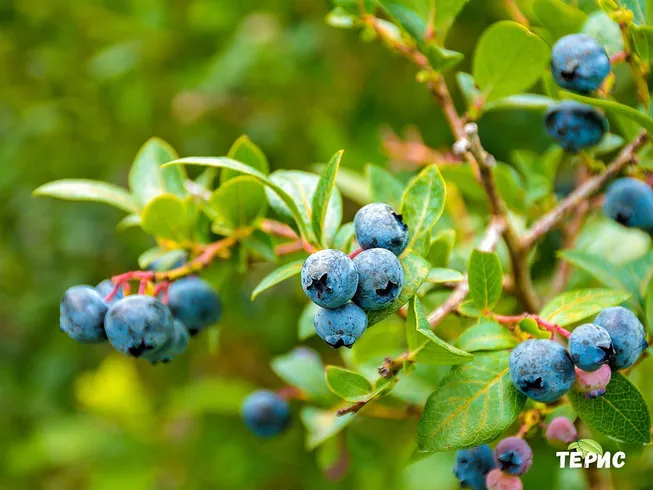
Something very important! When picking, the leaves must not be mixed up with bog bilberry — Vaccinium uliginosum L. — whose leaves have completely smooth edges and whose berries contain green rather than red-violet juice.
Otherwise, the gathered material must of course be dried. After being cleaned of impurities, the leaves are dried in well-ventilated rooms, spread in a thin layer on frames or mats, or in a dryer at temperatures up to 45°. A herb dehydrator can also be used for this purpose.
Drying should be done carefully, turning the herb at first if necessary.
#We can buy them online
Bilberry tea or capsules can be found in any health food shop or shop selling herbal food supplements, or ordered online.
Always buy organic products!
PHOTO; Always buy organic products of verified origin
Always buy organic products of known origin from a certified shop, because most herbs and foods can contain up to 6 cancer-causing chemicals, 12 hormone-disrupting chemicals and another 12 disease-causing chemicals, which is not good.
#Warnings
As with any herb or food supplement we take, care should be taken with the amount taken. Prolonged intake of large doses of bilberry leaves (over 3 weeks) can have a toxic effect.
And because the leaves lower blood sugar levels, insulin-dependent diabetics should take this herb under professional supervision. Otherwise its use can be very dangerous.
It is also known that the anthocyanidins in the plant can noticeably suppress normal blood clotting. That is why in some cases there may be an increased risk of bleeding in those who take anthocyanidin extracts of bilberry together with blood thinners.
Remember that people who take medicines such as warfarin or other blood thinners of the same class, known as anticoagulants, must be extremely cautious and careful. If they are considering using a decoction of bilberry leaves, they must be monitored by a doctor who checks their INR values (or bleeding risk ratio).

#Bilberry - an antioxidant tincture for our health
The leaves of Vaccinium myrtillus (bilberry) are traditionally used in South-East Europe to treat diabetes and stress.
"Vaccinium myrtillus" (bilberry) plants have medicinal uses in the treatment of a number of conditions such as diabetes, several eye diseases and vascular diseases.
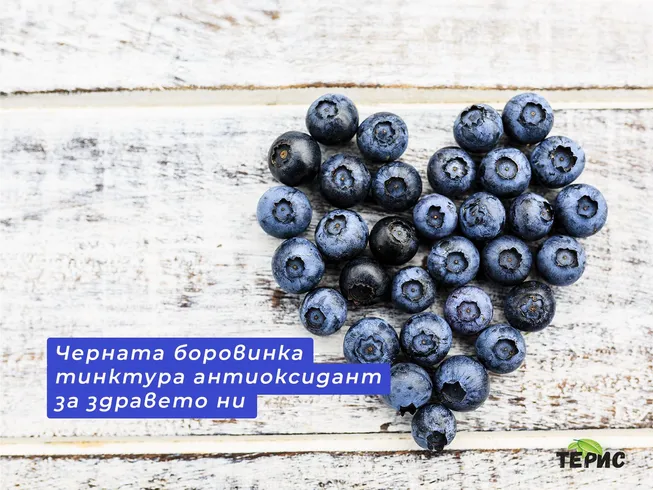
Extracts from both leaves and fruits, as well as phytochemicals, have been shown to scavenge free radicals in vitro. The flavonoids present in the extract are also reported to have antioxidant properties and to be a key ingredient for skin rejuvenation.
Preclinical studies with cultured human retinal pigment epithelium (RPE) cells show that the anthocyanins and other phenols present in bilberry up-regulate enzymes for protection against oxidative stress.
Leaf extracts also enhance the expression of the glutamate decarboxylase gene in dermal fibroblasts, leading to stimulation of cell growth and the synthesis of hyaluronic acid and glutathione.
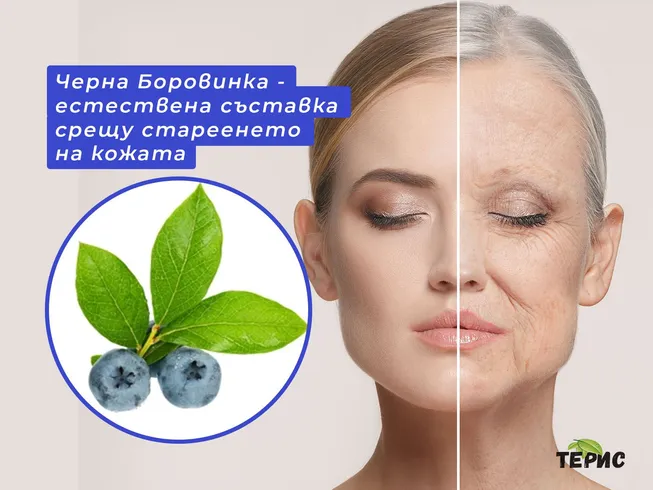
In addition, the extract also showed inhibitory activity against collagenase and elastase, enzymes responsible for sagging and wrinkled skin; it also reduces the melanin content in B16 melanoma cells and suppresses the release of histamine from mast cells. Taken together, all these observations clearly show that leaf extracts are a promising natural ingredient against skin ageing.
It has also been shown to improve cardiotoxicity from ischaemia-reperfusion injury and to modulate the expression of inflammatory molecules in people assessed and monitored as being at higher risk of cardiovascular death.
A tea or tincture of the herb has great anti-inflammatory properties and also helps with allergies and type 2 diabetes.
Bilberry leaves are full of an amazingly powerful antioxidant that will help a person become healthy.
Help yourself too and get your Herbal extract of bilberry right now - it will help you as well.
This article is for educational purposes and does not replace advice from a doctor. Food supplements are not medicines and are not intended to treat diseases. If you have a chronic condition, are pregnant or breastfeeding, or take medication, consult a specialist before use.