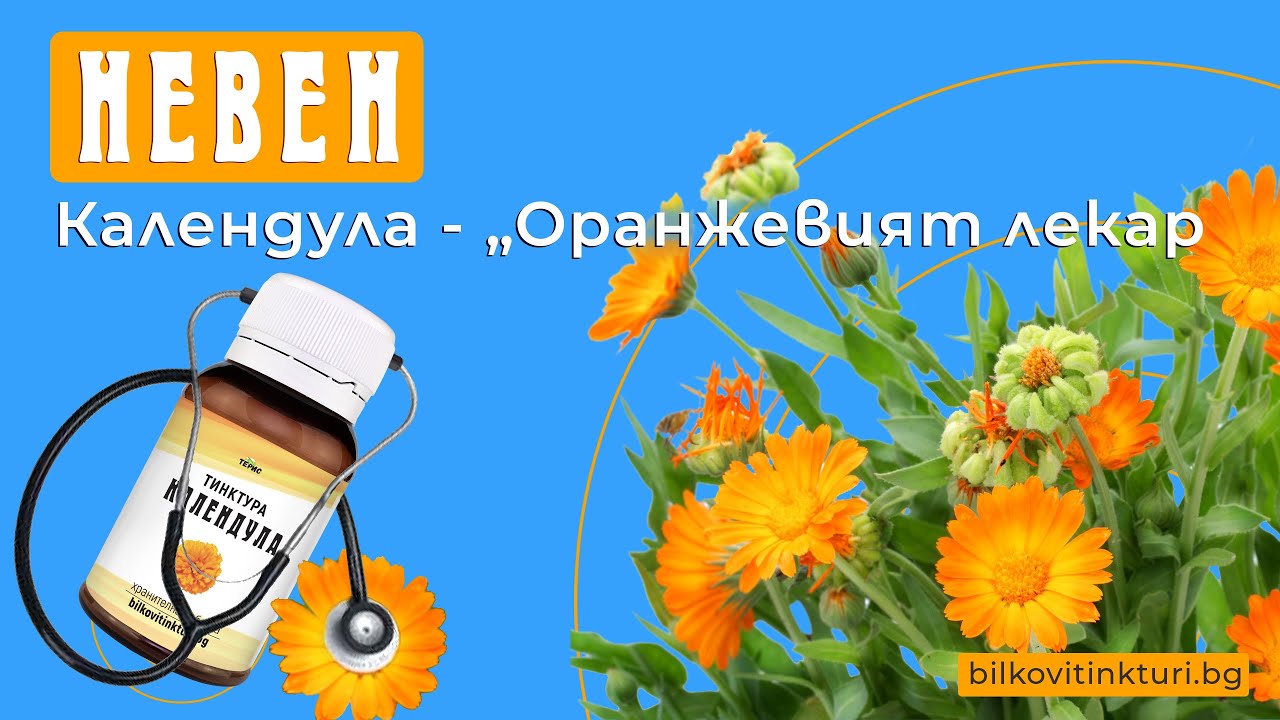
Calendula - "the orange doctor"
Table of Contents
#Calendula (pot marigold) - "The orange doctor" ➤ VIDEO
#A thousand benefits in one
The herb calendula is a particularly beautiful flower, long known for its varied garden, culinary and medicinal benefits - YES, you read that right - all of this in one!
The plant can literally come in handy for anything, and its brightly coloured orange petals make it a truly attractive addition to the garden.
Bulgarian folk tradition also calls it "Magdalene's flower", "rain flower" and "flower of the dead".
One of these names comes from the belief that if the flowers are still closed after 7 o'clock in the morning, it will rain that same day. Because of this, calendula was once regarded as a rain forecaster.
Calendula is known mainly as a remedy because of its soothing abilities. Although it is a gentle herb, the healing effects obtained from calendula petals are very powerful, which makes it an essential part of any home medicine cabinet.
The herb is also counted among the plants that help with cancer and cancer-like ulcers.
And now you probably also want to know that its medicinal properties make it a true first-aid kit.
Here is more information about "the orange doctor".

#Description and characteristics of the herb calendula
Calendula, like every herb, has its original Latin name, which is "Calendula officinalis". In fact, we are talking about a plant from the family "Asteraceae" - the daisy family.
This wonderful creature originates from the Mediterranean region of Europe. That doesn't matter much, however, because the herb can now be found all over the world.
In folk medicine the plant is gathered and used for its flowers , stems and leaves. They should, however, be picked in strong sunshine, as that is when their healing power is greatest. You can pick them fresh from the garden right up to late autumn, as long as they have not been hit by mildew. Calendula is a honey plant.
#Botanical characteristics of "Calendula officinalis"
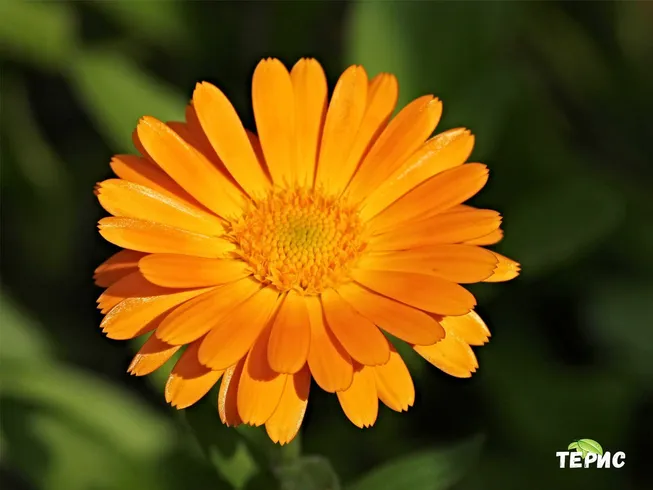
The calendula plant stands out with its bright petals, usually yellow or orange. They are narrow and form a sun-like shape.
The herb belongs to a genus of annual or perennial flowering plants numbering more than 50 members, in the aster family (Asteraceae). The homeland of this beautiful plant, so beneficial for our body, is South America, more precisely Mexico. In the 16th century it was brought to Europe and, thanks to its unusually bright and beautiful flowers, it quickly found a place in people's hearts. Today it can be seen almost everywhere, from the garden in front of a house to the green space outside a block of flats.
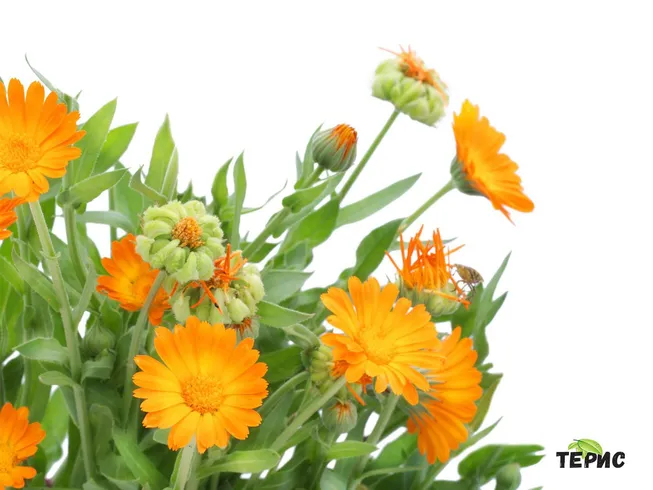
Calendula is a light green herbaceous plant with a simple or branched, hairy stem up to 50 cm tall and a spindle-shaped root.
The flower heads are yellow to orange, consisting of a thick capitulum or flower head 4-7 cm in diameter. It flowers from June to October.
The leaves are oblong-lanceolate, 5-17 cm long, hairy on both sides and with entire or occasionally wavy or slightly toothed edges. The flower heads are yellow, consisting of a thick capitulum or flower head 4-7 cm in diameter.

#Chemical composition of Calendula
The flowers of the herb contain the carotenoids carotene, lycopene, violaxanthin, rubixanthin, neolycopene, citroxanthin, flavochrome, flavoxanthin and chrysanthemaxanthin, as well as essential oil, resins, mucilage, fruit acids, a small amount of alkaloids, phytoncides and more.
The stems contain the bitter substance calendin, the triterpenes arnidiol and faradiol, tannins and more.
Inulin has been found in the roots, and fats and alkaloids in the seeds .

#Part of calendula used for medicinal purposes
The flower heads and the aerial part, picked during flowering in July-August. They are dried in the shade or in a dryer at a temperature of up to 40 °C. The dried herb has yellow-orange flower heads and a green aerial part. It has a faint characteristic smell and a slightly bitter taste. Permissible moisture content is 13%. It is packed in bales and kept in a dry, well-ventilated room.
#Health benefits of the herb calendula
Besides being a culinary ingredient, calendula is especially well known for its medicinal uses.
The flower is widely used as a medicinal plant whose antibacterial, antifungal and anti-inflammatory properties make it a powerful ingredient for treating various health problems.
In addition to using whole petals, the flowers of the herb can be made into herbal extracts (tinctures), or ground into powder and made into oils, creams and ointments.

Calendula supports:
- wound healing and the growth of new tissue
- it has anti-inflammatory, nerve-calming and antimicrobial actions
- it lowers blood pressure
- and strengthens the work of the heart
- it is used for various kinds of injuries and wounds (traumatic)
For stomach ulcers, ulcers resulting from varicose veins and hardening of the blood vessels, heart conditions, pyorrhoea, inflammation of the gums and more.
In Bulgarian folk medicine the herb is also used for:
- headache, complaints during a woman's menopausal years, jaundice, diseases of the spleen, scanty and painful menstruation, to help sustain a pregnancy, skin tuberculosis, inflammation of the lymph nodes, cancer of the uterus and breast, skin cancer and more.
An infusion of the flower heads in olive oil (1:10) is applied to wounds that are slow to heal.
#Calendula - a true first-aid kit
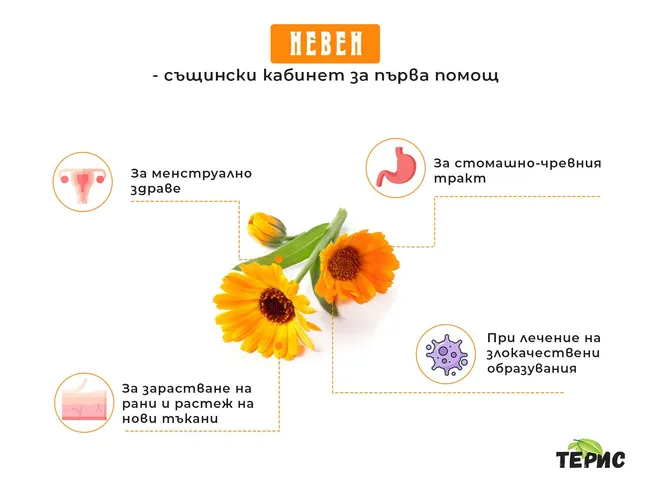
- For problems of the gastrointestinal tract (colitis and gastritis)
- Ulcers
- Poor digestion
- Chronic constipation
- For wound healing and the growth of new tissue
- Cancer of the breast and female reproductive organs
- Treatment of malignant growths
- Conditions leading to blood in the urine
- Diseases of the pancreas
- Irregular menstrual cycle
- Scanty and painful menstruation
- Menopause (complaints during a woman's menopausal years)
- Lowers blood pressure
- Strengthens the work of the heart
- Jaundice
- Headache
- Diseases of the spleen
- To help sustain a pregnancy
- For skin tuberculosis
- Inflammation of the lymph nodes, skin cancer
#Calendula heals wounds
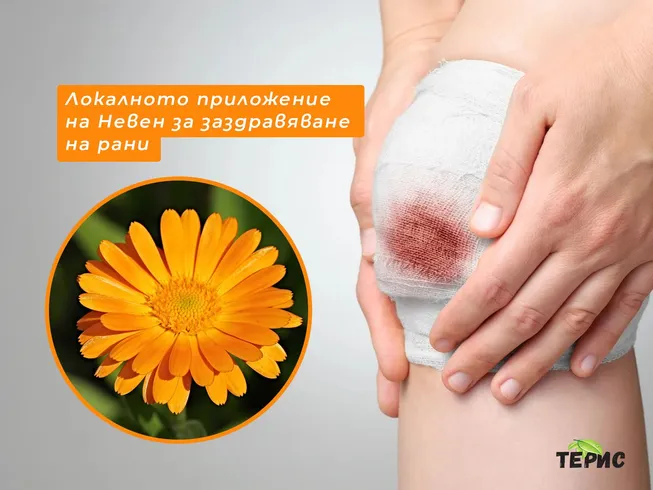
The plant is useful for healing wounds from insect bites, bruises, blisters, cuts and cold sores.
Calendula is applied topically to keep wounds clean and help new tissue grow. It is often used to support wounds that are slow to heal.
#Calendula for sunburn and sun protection
The medicinal herb is also effective in treating minor burns, including sunburn . It boosts protection from the sun and can therefore be included in sun-protection skin products.

#Calendula for reducing scars
One of calendula's remarkable advantages is its ability to reduce scarring when used to treat wounds. The properties that favour wound healing also apply to the process of fading scars.
Calendula increases blood flow to the injury, encourages a fast and healthy healing process free of infection and also supports the growth of healthy new tissue. In cases of skin problems such as chickenpox and acne, the herb softens and soothes the skin, preventing inflammation and boosting the immune response, which allows wounds to heal quickly and as cleanly as possible.

#Calendula helps with problems of the gastrointestinal tract
Just as calendula can deal with external wounds and burns, it also soothes internal wounds such as ulcers, heartburn or irritable bowel syndrome.

#Calendula helps with poor digestion
The orange herb has a protective effect on the stomach, improving digestion, restoring the gut wall and at the same time easing discomfort.

#Calendula helps the immune system
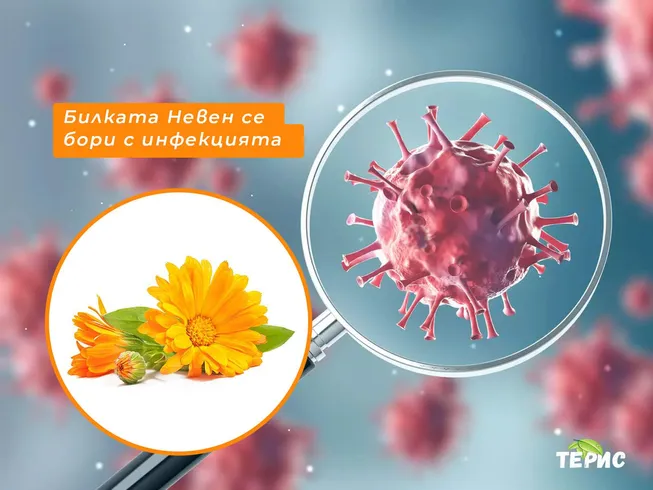
The herb has been shown to strengthen the ability of the immune system to fight infection. This is probably because the plant is antimicrobial, meaning that it slows down or kills an infection to prevent it from spreading.
Its antibacterial properties give it the power to fight a lingering cough or phlegm that you cannot get rid of.
#Calendula is good for brain activity
Some research has found a link between gut health and mental health, including cases of depression. Given calendula's ability to restore and improve gut function, it is no wonder that it also has a positive influence on brain activity.

#Calendula for jaundice
As a blood-cleansing plant, it is our best helper in infectious jaundice.
Calendula has cleansing, circulation-stimulating and wound-healing actions.
#Calendula is good for the female reproductive system
The medicinal herb can be used for menstrual complaints.
If your periods are painful, taking calendula as a tincture or tea is a wonderful solution
#Calendula - for bacterial vaginosis and vaginal yeast infections
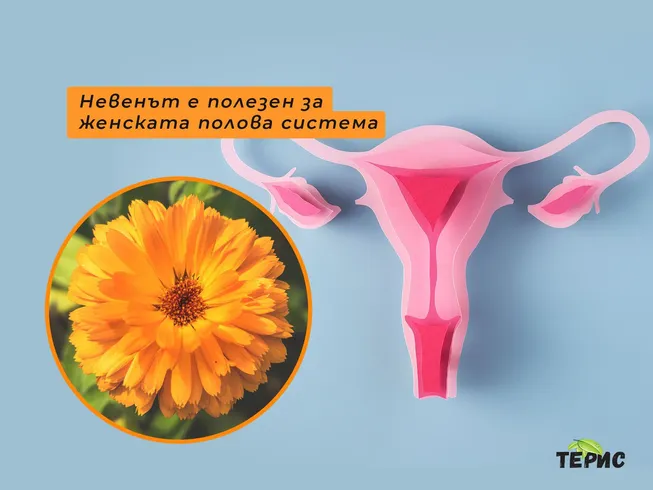
Researchers showed that, after using calendula ointment for one week as an intervention, groups of women were cured of their bacterial vaginosis and none of them experienced side effects.
They concluded that for women who wanted to avoid taking medicines to treat bacterial vaginosis, the herbal ointment could be a suitable option.
As for its effectiveness in treating yeast infections, another study found that calendula cream is effective in treating vaginal yeast infections but has a delayed effect compared with a standard medicine.

#Topical use of calendula
Calendula cream, ointment or healing balm can be applied to wounds to reduce swelling, thanks to their antimicrobial components, in particular their antifungal agents. This prevents secondary infection, which leads to faster healing.
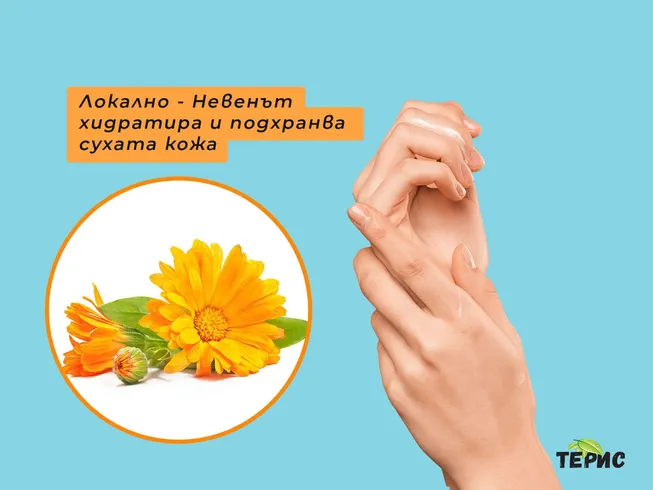
#Topically - calendula moisturises and nourishes dry skin
The plant can be used to relieve many kinds of skin conditions that can cause dry, itchy or irritated patches. It soothes the skin with symptoms of eczema, dermatitis and dandruff.
By encouraging the production of collagen, a key protein for radiant skin, calendula helps keep skin calm and hydrated. Although strong in effect, the herb's gentleness often makes it part of skincare.
As we know, nobody has more sensitive and delicate skin than babies. Parents tend to be careful when applying products to rashes or irritation, but calendula is so safe and effective that it appears in many products for newborns and young children. As a natural remedy, it is often preferred for preventing and treating the rashes and irritation that babies experience.
#Calendula ointment for breast cancer
The ointment and the residue left over from preparing it are used for breast ulcers, even when they are malignant in nature (breast cancer).
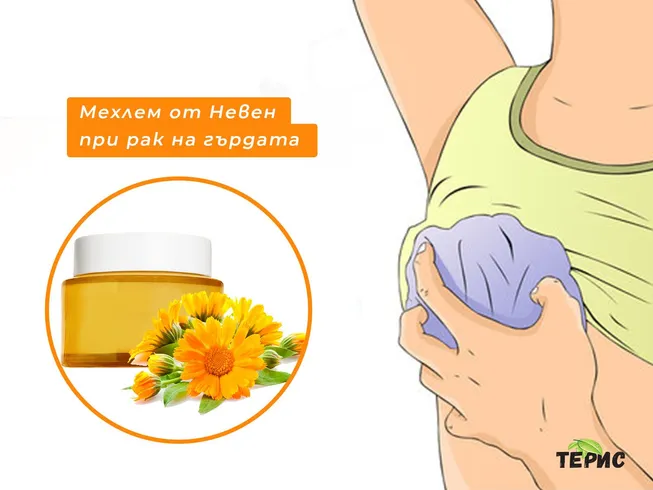
You can also apply the ointment after breast cancer surgery, onto the large wound, and the tremendous tension in it will quickly disappear. You can also go on applying it to the affected area in future to fade the surgical scars.
CALENDULA FOR BEAUTY:
#Applied topically - calendula slows the development of wrinkles
All of calendula's powerful healing aspects can also be a secret weapon in a beauty and healthy anti-ageing routine!
Calendula oil (the herb's properties in a carrier oil of your choice) is a wonderful choice for the skin. It can speed up cell repair, adds antioxidants to fight free radicals and tackle fine lines and wrinkles, and heals dry skin too!
It has been shown that calendula helps slow the development of wrinkles. The antioxidants and anti-inflammatory compounds in the herb are thought to significantly protect against oxidative stress in human skin cells.
Oxidative stress is an imbalance between damaging atoms and antioxidants. It plays a major role in the ageing process, as well as in the development of a number of diseases. Calendula helps keep the skin hydrated and healthy, which makes the herb a great ingredient for everyday lotions or lip balm.

#Calendula oil for thicker, healthier hair
If you want thicker, healthier hair, look no further - use the herb's oil for this too! Calendula can hydrate the scalp, reduce dandruff and improve hair follicles while strengthening them against free-radical damage.
#Topically - calendula ointment for varicose veins
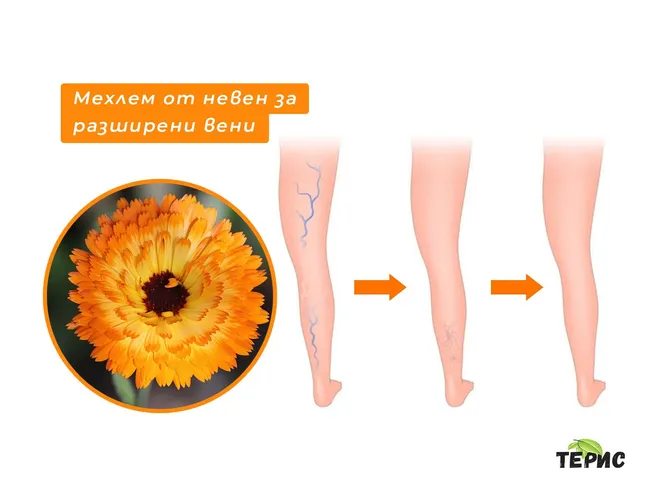
Pick flowers of the herb and prepare an ointment. You can apply the residue straight to your calves (it can be used 4 to 5 times). Then every day spread the ointment on a linen cloth (in a layer as thick as the back of a knife) and wrap your calves with it. Within a few weeks your varicose veins will disappear. You will have smooth, lovely skin again.
#Calendula ointment for fungal infections
The herbal cream is also a great helper for fungal infections of the feet. A decoction of fresh calendula can also help with this condition.
If a fungal infection has also affected the vaginal area, then douches and sitz baths should be used.

#Calendula in cooking
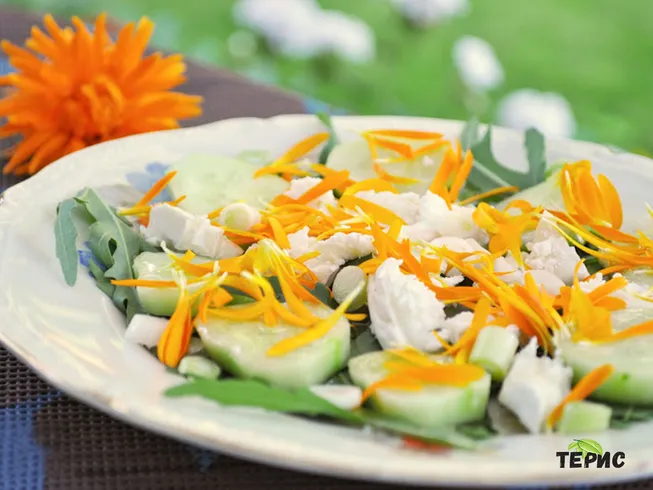
The petals of this wonderful flower can be added to a jar of good-quality cold-pressed olive oil so you can enjoy the flavours of this olive oil infusion.
The finished mixture can be used as a salad dressing or spread on warm bread.
#Using and growing calendula
If you are interested in using "the orange doctor" in your daily life, you can always buy dried flowers. That way you can easily take advantage of all the benefits the plant has to offer. And if you happen to have a passion for gardening, you should know that calendula is a wonderful addition to your garden. It is also extremely well suited to young gardeners!
Calendula is a plant that thrives even with minimal care and needs very little maintenance. It is not fussy about soil type and needs limited watering - depending on the season, of course. It is drought-tolerant and survives even frost.
The plant really needs no special care. It can grow in sun or shade, in an outdoor garden or in a pot indoors. So many options!
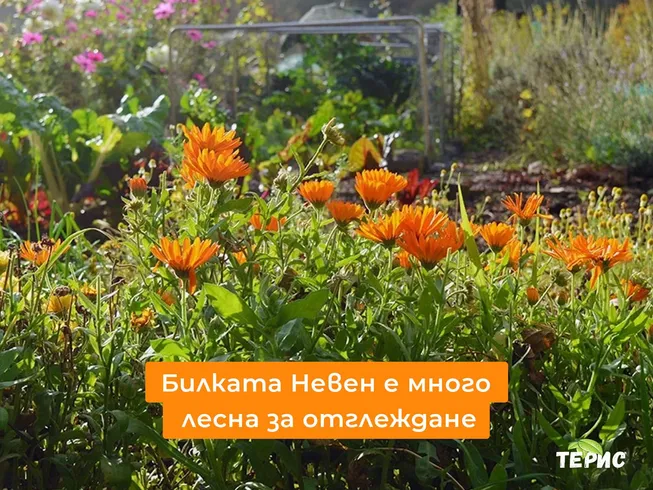
Once calendula starts flowering, you can pick the flowers every 2-4 days. Remember that the more you pick the flowers, the more they will bloom.
In a mild climate the herb can be a perennial (living for more than two years). Although it can withstand light frost, in places with harsher winters calendula is usually regarded as an annual. When it is perennial, however, it is able to self-seed for the following year.
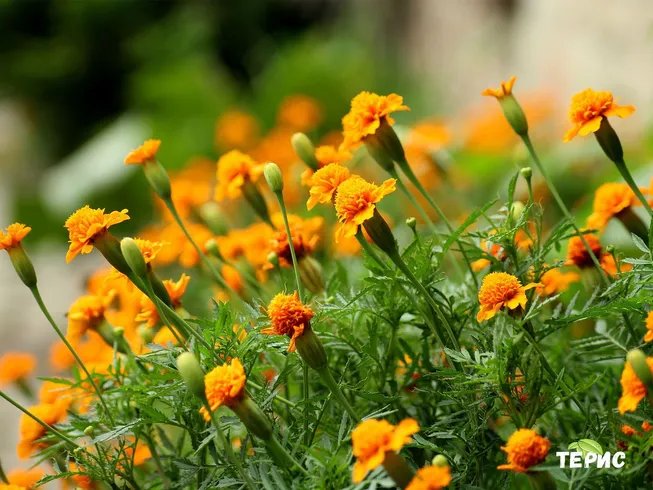
#Ways of taking the herb calendula
#Calendula - as a tea
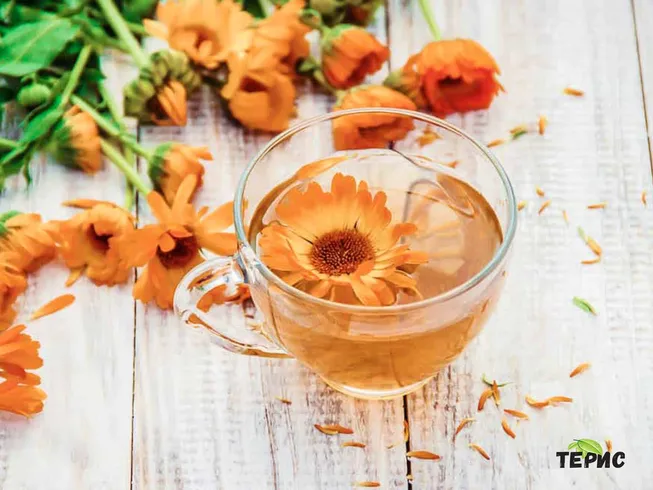
One of the most common ways of getting many of the benefits calendula has to offer is to prepare it as a tea. This calls for powdered or dried calendula, which is then steeped in boiling water for 10-20 minutes. This tea can be used for drinking or as a gargle or mouthwash to treat a sore throat or mouth sores.
#Calendula as a compress
Calendula tea can also be used as a warm healing compress for eye infections.

#Calendula oil for topical use
Calendula oil is a common method of topical application for a number of complaints a person may have.
It is a super-effective remedy for treating various skin conditions and an excellent base for making an ointment, which is often found in baby products; it is non-irritating and has a cooling effect on the skin. After a shower, calendula cream applied to sensitive skin will soothe it.
If you are going to make just calendula oil, make sure the flowers are dry before adding them to the oil, because too much moisture in the petals can make the oil go rancid.
#Calendula as a herbal extract
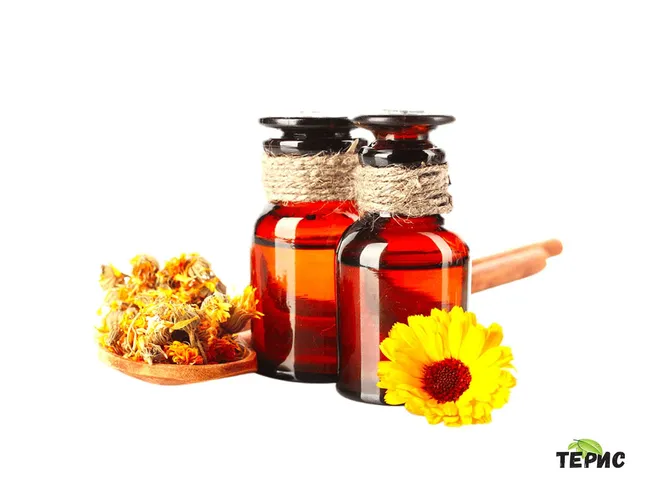
Calendula flower extract can also be used as a soothing ingredient in the formulas of many everyday products such as deodorant and body lotion. These products help bring the herb's healing properties into your daily routine.
A tincture of the orange medicinal plant diluted with water is a great solution for many problems in your body.
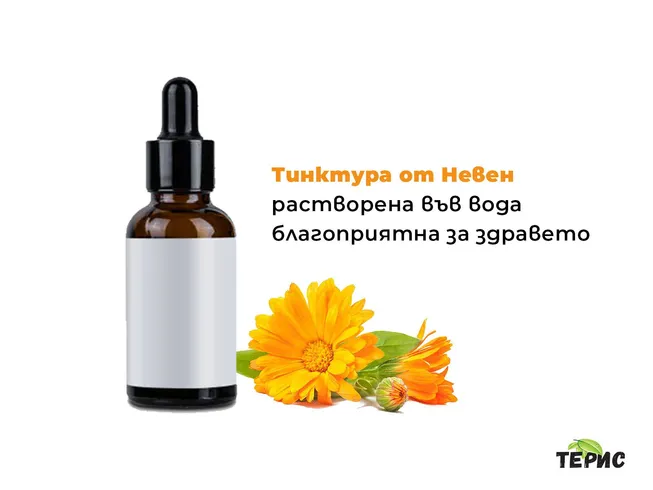
What are herbal extracts? Concentrated herbal extracts contain the highest concentration of a given herb or herbs. In this form you can feel their effect the fastest.
#Calendula herbal tinctures
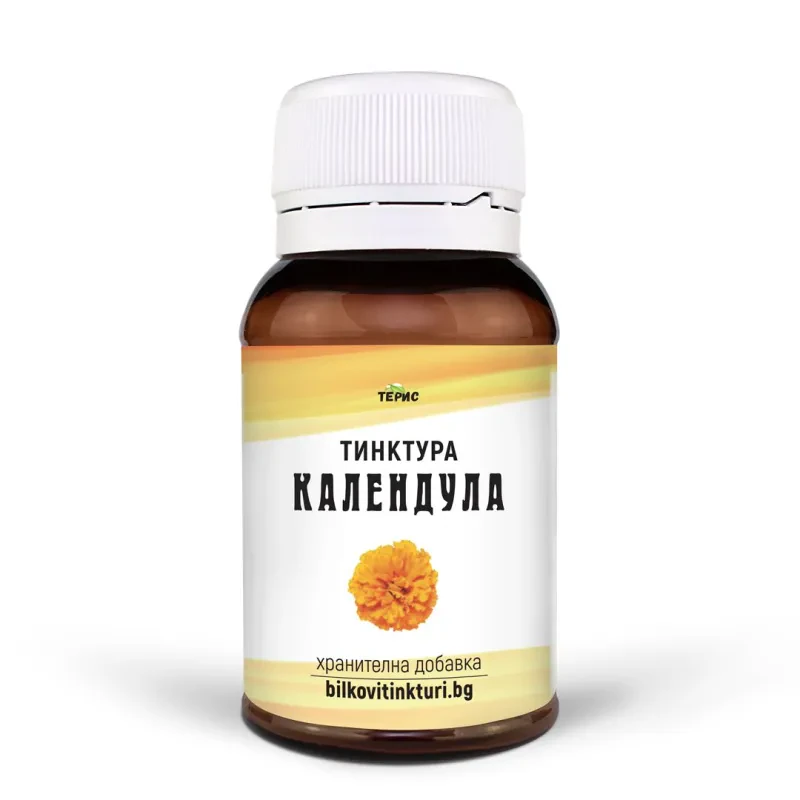
#Herbal extract of calendula - KALENDULA
Herbal tincture KALENDULA is a concentrated extract of the flower known as "the orange doctor", and it has a powerful, many-sided action on the body.
The tincture is beneficial for:
- Gastrointestinal disorders
- Chronic constipation
- Kidney and urinary tract stones
- Liver diseases
- Poor digestion
- Conditions leading to blood in the urine
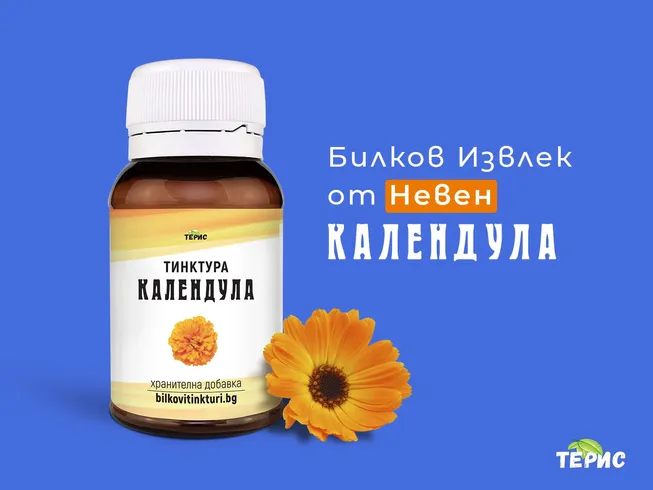
#Calendula - one of the herbs in the "Diuretitsi" (Diuretics) package
Herbal tincture KALENDULA, made from calendula flowers, is included in our group of herbal tinctures - NATURAL diuretics - herbal products aimed at people with various problems of the cardiovascular and genitourinary systems.
- They stimulate the production of urine and the excretion of electrolytes and water
- They are used for fluid retention, which can be a symptom of various ailments of the body
- The herbs we have selected for this group are yet another natural solution to many problems
Each of the tinctures in this package, taken daily, will help you with fluid retention and other ailments of the body.

#What should we look for?
Choosing products from a reputable source is important because it prevents adulteration or the addition of any heavy substances or chemicals. Look for organic products whenever possible, or products with third-party certification.
You can also choose to grow your own calendula at home. If you decide to do this, you can buy your own seeds and use the calendula flowers to make tea, tincture or oil infusions.
#Potential health risks
Some people with sensitivities or allergies to pollen, such as ragweed or calendula, may experience allergic reactions to the herb as a side effect of their underlying allergy. This is something to watch out for!
Also, liquid preparations of this herb may contain sugar and/or alcohol. This should be kept in mind if you have diabetes, alcohol dependence or liver disease.
Ask your doctor or pharmacist about the safe use of any herbal product you want to include in your daily routine!

#How is calendula oil / ointment made?
It is made by adding calendula flowers to warmed oil for several weeks, stirring daily. Some oils to consider using are: a carrier oil, olive oil or jojoba oil.
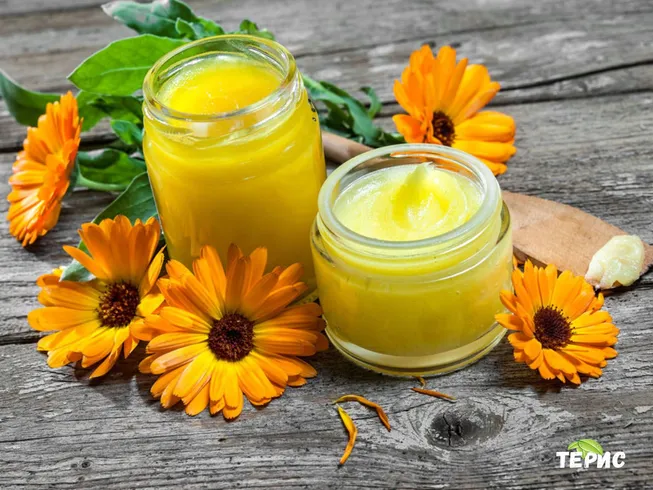
Once you have made the oil, you may be interested in also preparing a calendula cream or ointment for easy topical use. This can be done by combining the oil with additional ingredients such as beeswax and some extra essential oils.
#Calendula - garden, culinary and medicinal benefits in one
Calendula holds a significant place among Bulgaria's native herbs.
It has antimicrobial, anti-inflammatory and regenerative actions.
The medicinal properties of calendula have been recognised and used for centuries. In medicine and cosmetics all the aerial parts of the medicinal plant are used, with the flowers the most popular for widespread use. Some people use them fresh, others dried.
The anti-inflammatory and antiseptic compounds in the oil are simply fantastic for healing wounds and helping with the skin conditions we mentioned.
In addition, the resulting oil can be used in formulas for sun-protection products to bring in the plant's natural protective and healing benefits.
Calendula is used to treat various conditions affecting the skin, as well as infections and fungal problems. Research shows that the herb may be effective in treating nappy rash, wounds, vaginal yeast infections and other skin conditions. Calendula is also used as a means of reducing pain and inflammation. It is also used as an aid in cancer treatment - specifically for treatment-related side effects (such as from radiation).
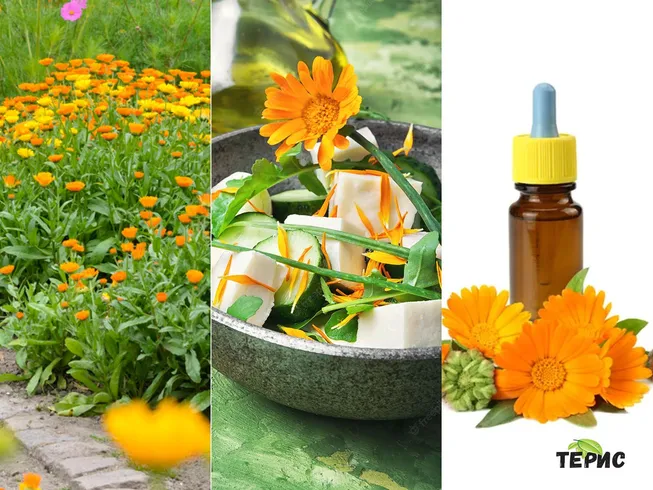
We can grow this beautiful flower in a pot or in our garden. As a tasty seasoning, we can use it in our culinary creations. An ointment made from the medicinal plant helps with many skin problems.
But calendula extracts are the best thing you can choose for your health.
Draw strength from nature through the healing action of herbs, and stay healthy.
This article is for educational purposes and does not replace advice from a doctor. Food supplements are not medicines and are not intended to treat diseases. If you have a chronic condition, are pregnant or breastfeeding, or take medication, consult a specialist before use.
Calendula - "the orange doctor"
Click to play video