Lingonberry - an antioxidant superfruit
Table of Contents
#SUPERFRUIT - THE LINGONBERRY ➤ VIDEO
#There is no one who has not heard of the lingonberry
There is hardly anyone who has not heard that the lingonberry helps with cystitis and urinary tract infections.
Thanks to it, we can treat ourselves effectively, naturally and safely. And not only that… it is a superfruit - an antioxidant from which we can benefit in many ways, from the delicious treat for the palate to the numerous health benefits it offers us.
The fruits of the lingonberry plant have long been known for the many medicinal properties they bring to human health.
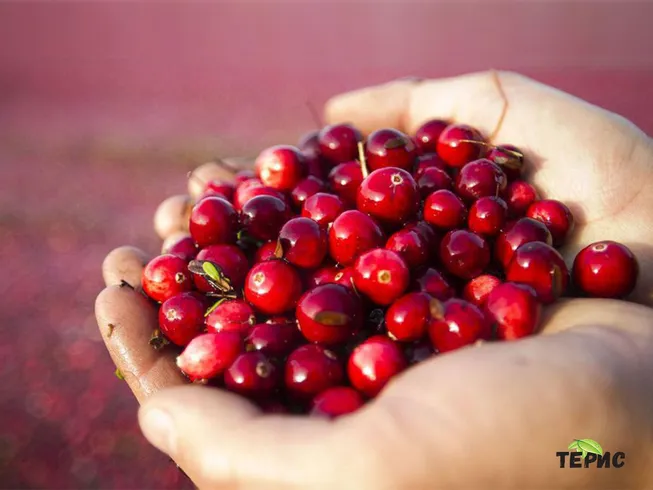
Happily, we can enjoy its medicinal properties, because the plant is one of the most widespread herbs in Bulgaria.
#Lingonberry “Vaccinium vitis-idaea”
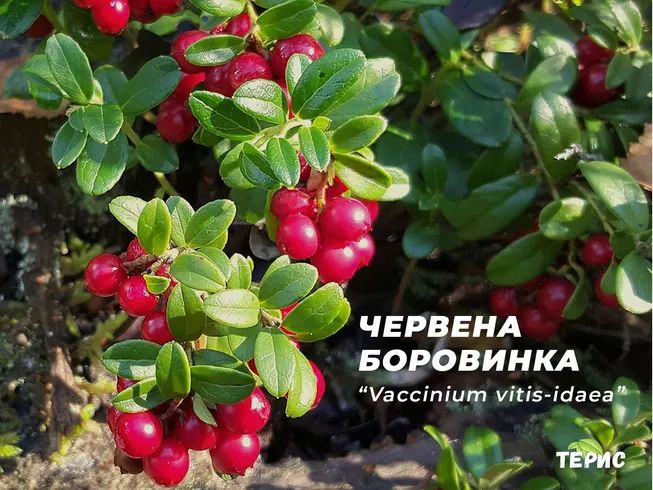
The lingonberry is also known by its Latin name “Vaccinium vitis-idaea L.”.
The leaves and small berries of the lingonberry have been the subject of numerous studies because of their antioxidant properties, which have a positive influence on health and potential use in the prevention and treatment of chronic diseases.
#Botanical characteristics
The lingonberry plant is a small evergreen subshrubthat usually reaches a height of up to 40 centimetres. When ripe, the fruits are red and juicy.

The lingonberry (Vaccinium vitis-idaea L.) is an evergreen shrub of the Ericaceae Juss. family. It is one of the most popular fruits in the Scandinavian countries, as well as in the Baltic states, Russia and Canada.
Raw material from the berry is collected mainly in natural habitats. In Lithuania, the area and productivity of natural lingonberry populations are decreasing, and they are also unevenly distributed. Studies assessing natural resources are relevant, as anthropogenic factors have a negative impact on the plant's populations.
The sustainable use of natural resources is becoming crucial. Cultivating introduced and locally selected lingonberries may be the best option for meeting the growing demand for this plant material.
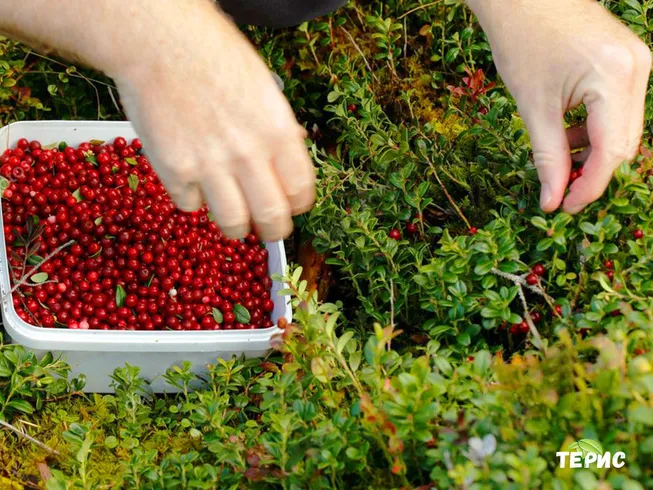
The lingonberry grows during the first half of the summer. The parts most often used for medicinal purposes are the leaves. They are collected before or during flowering, by cutting off the leafy above-ground part with a knife.
Lingonberries are widely used in the everyday human diet because of their nutritional benefits; in addition, the leaves of this plant can be used for the prevention and treatment of urinary tract infections, stomach complaints, rheumatic diseases and hypercholesterolaemia.
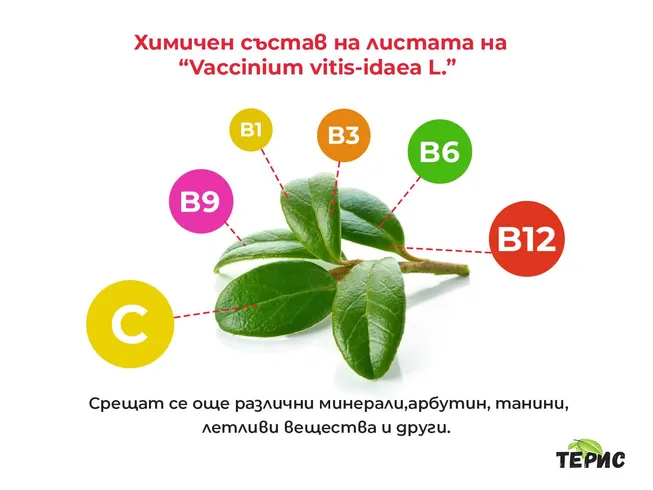
#Chemical composition of the leaves of “Vaccinium vitis-idaea L.”
Lingonberry leaves contain a number of vitamins from the B group (such as vitamins B1, B3, B6, B9 and B12). They also contain various minerals, vitamin C, arbutin, tannins, volatile substances and more. Naturally, each of these elements offers a whole range of medicinal properties.
A number of studies have been carried out on the radical-scavenging, reducing and chelating activity and on the phenolic composition of leaves of lingonberry cultivars. The antioxidant activity of the individual phenolic compounds found in the plant's leaves has been analysed, and the structure-activity relationship has been determined.
The wide range of different biological properties of lingonberry leaves, including antioxidant activity, is linked to their phenolic constituents.

The lingonberry cultivars “Kostromskaja rozovaja”, “Rubin” and the taxa “Vaccinium vitis-idaea” and “leucocarpum” are low in phenolic compounds and antioxidant activity.
The leaves of lingonberry cultivars are rich in arbutin, flavonol glycosides and proanthocyanidins, the latter being considered the main contributor to the antioxidant properties of the leaves.
It is known that phenolic compounds can transfer an electron or a hydrogen atom from the phenolic group to reactive free radicals and thus act as reducing agents or free-radical scavengers. In addition, they are able to form σ bonds and can therefore chelate transition metals, which are powerful pro-oxidants.
Owing to several mechanisms of action, phenolic compounds provide an effective protective mechanism against potentially harmful radical species, thereby helping to prevent or delay the onset of various human degenerative and chronic diseases.
Differences in the predominant mechanism of action and in the antioxidant properties of phenolic compounds are due to the number and positions of hydroxyl groups, the sugar moiety and other features of the chemical structure.
#The greatest benefits of the lingonberry for the body
The beneficial properties of lingonberry leaves are countless, and everyone who has tried them has become convinced of this. This herb has a unique, very rich chemical composition.
Generally speaking, the leaves:
- strengthen the body's defences
- relieve inflammation
- have antiseptic and bactericidal properties
- The herb is a natural antiseptic substance, which also has a diuretic effect
Among its most important properties is also its anti-inflammatory effect.

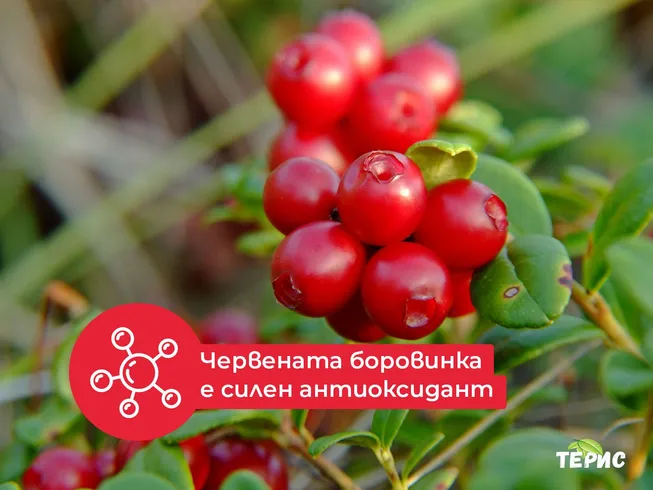
#The lingonberry is a powerful antioxidant
Nutritionally, the berries are most remarkable for their antioxidants and other plant compounds.
A 3/4-cup (100-gram) serving of the berries provides 139% of the reference daily intake (RDI) for manganese, a mineral that is a component of one of the main antioxidant enzymes of your body - superoxide dismutase.
In addition, one serving of the berries provides 10% and 12% of the RDIs for vitamins E and C respectively - both of which also function as antioxidants.
What is more, like many wild berries, lingonberries are rich in plant compounds, including anthocyanins and flavonoids.
In fact, the plant's red colour comes from anthocyanins, which may have antioxidant and anti-inflammatory benefits.
The berries also supply quercetin, a flavonoid that acts as an antioxidant and anti-inflammatory agent. It may help reduce the risk of high blood pressure, heart disease and other conditions.
#Lingonberry leaves strengthen the body's defences
Because of all of the above, the leaves of this superfruit are often used as an immunomodulating remedy, and not infrequently as a cardiotonic. Their astringent effect has also been proven by science.
These leaves tone and soothe, and support the immune system. They also have the power to increase the effectiveness of antibiotics.

#The lingonberry has an anti-inflammatory effect
And since it has recognised anti-inflammatory and antiseptic properties, the herb is very useful in complications such as:
- Cystitis
- Pyelonephritis
- And prostatitis
In traditional medicine, lingonberry leaves are also used for urolithiasis, as they help a great deal in dealing with excess salt deposits.

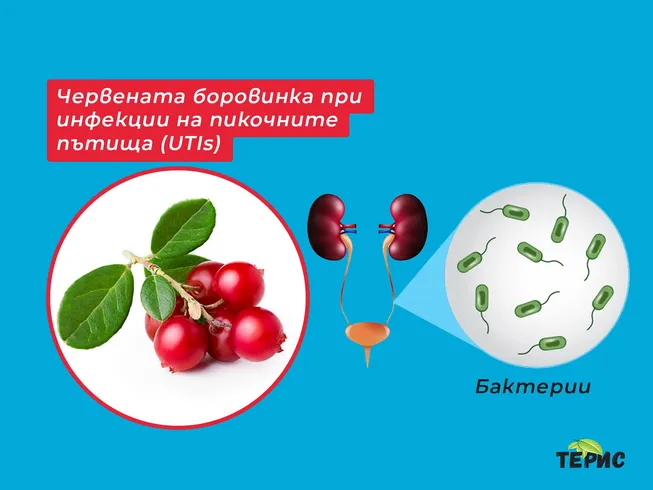
#The lingonberry for urinary tract infections (UTIs):
Cranberry (Vaccinium macrocarpon) juice and extracts are widely used and recommended as a folk remedy for the prevention of urinary tract infections (UTIs). The proposed mechanism is an anti-adhesive effect that prevents bacteria from docking onto the host's tissues. The anti-adhesion quality is attributed to A-type proanthocyanidins (PACs), a group of polyphenols with limited distribution in cranberry and a few related plants.
Women who drank a combination of cranberry concentrate, juice or extract for six months had a 20% lower risk of recurrent UTIs.
Berry extract strongly inhibits the growth of bacteria that commonly cause food poisoning.
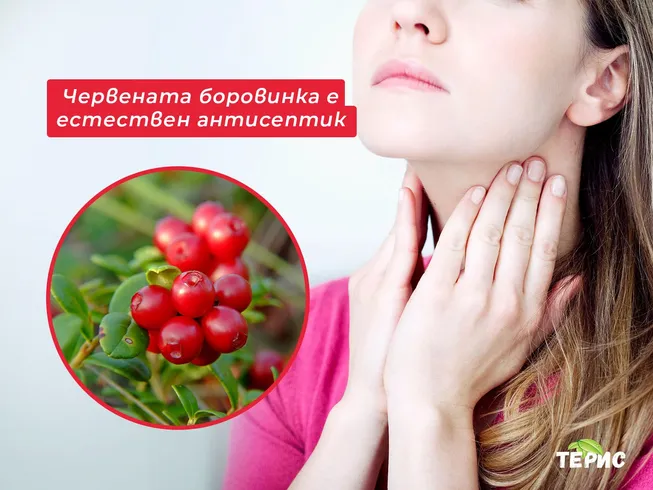
#The lingonberry is a natural antiseptic
And that is not even all, because this herb brings a great deal of health to people in all sorts of ways! For example, it is an effective treatment for diseases of the throat and oral cavity, as it has an antiseptic effect.
Rinses and gargles with a solution of lingonberry leaves are used successfully for inflamed tonsils, periodontal disease, stomatitis and mouth ulcers.
It also relieves the symptoms of some degenerative diseases such as arthritis, gout and rheumatism.
#Potential side effects
So far no side effects of lingonberry leaves have been found, but of course any herb should be consumed with care. Before use, it is essential that the user reads the leaflet of the product and consults their doctor or pharmacist about it.
The fact is that, although very beneficial and usually safe, natural remedies can interact with certain other medicines being taken or with specific health problems.
That is why it is worth remembering that it is always wise to be careful and to approach every herb sensibly.

#Medicinal uses of the lingonberry plant
And now that we have looked specifically at the leaves, here are the benefits that the lingonberry itself brings!
#The lingonberry may help with weight control
The large amount of fibre in this plant has exceptional benefits for people who want to reduce their body weight. For example, one cup of whole berries contains a full 16 per cent of the recommended daily amount of fibre, which is about 4 grams.
This fibre will help you stay fuller for longer and prevent large swings in your blood sugar - which in turn may help stop overeating.
Like other wild berries, lingonberries are an easy food for weight loss, providing only 54 calories per 3/4-cup (100-gram) serving.
However, there may be more to it than a low calorie count when it comes to their potential role in weight control.
In a three-month study on a high-fat diet, those who got 20% of their calories from lingonberries weighed 21% less and had significantly less body fat than those who ate an equally calorific high-fat diet without berries.
What is more, those who ate lingonberries also maintained their weight and a slimmer body better than those on high-fat diets containing other berries.
The reasons for the visible anti-obesity effects of these little berries may be due to changes in gut bacteria that favour “leanness”.
Another study found that lingonberry intake reduced the abundance of Firmicutes bacteria in the gut, which are associated with higher body weight. This may be because Firmicutes are better able to extract energy from undigested food particles.
In addition, another study suggests that lingonberries may inhibit the action of an enzyme needed to absorb fat from food. If you do not absorb the fat, you will not get its calories.

#The lingonberry has a diuretic effect
What is more, fibre usually keeps the digestive tract moving, which is really effective for bloating (as well as for constipation). The herb is a natural diuretic.

#The lingonberry supports a healthy digestive system
Another significant plus of this superfruit: the fibre mentioned above is a type of prebiotic - a nutrient that feeds the gut bacteria and helps them thrive in the human body.
A 2018 study found that prebiotic fibre has a significant positive impact on the health of the digestive system.

The bacteria and other microbes in your digestive tract - called your gut microbiota - may be a key factor when it comes to your health. What you eat has a great influence on the composition of your gut microbiota.
Studies show that eating this antioxidant fruit can cause changes in the composition of your gut microbiota that could help protect against low-grade inflammation.
Feeding a high-fat diet with lingonberries for 11 weeks helped prevent inflammation and increased the numbers of Akkermansia muciniphila, bacteria which in turn help keep the gut lining healthy.
Chronic inflammation plays a role in many conditions, including heart disease, type 2 diabetes, non-alcoholic fatty liver disease and dementia.
In this way, adding lingonberries to your diet may have anti-inflammatory and gut-health-promoting effects.
#The lingonberry for blood sugar control
Lingonberries themselves are among the fruits with the lowest sugar content - only four grams per cup of whole berries, specialists remind us. Combine this quality with the high fibre content and you get a fruit that will not lead to high blood sugar!

Juice made from lingonberries and dried lingonberries, however, are almost always sweetened, so be careful with them.
Lingonberry extract promotes healthy blood sugar levels.
Studies show that this may be partly due to their content of polyphenols and fibre.
Preliminary studies support these findings.
When healthy men ate sweetened yoghurt with 1/3 cup (40 grams) of lingonberry powder, their blood sugar and insulin levels were the same as when they ate yoghurt without lingonberry powder - despite the extra carbohydrates from the fruit.
Similarly, when healthy women ate 2/3 cup (150 grams) of puréed lingonberries with about 3 tablespoons (35 grams) of sugar, their peak insulin after the meal was 17% lower compared with a control group that ate sugar without lingonberries.
Managing insulin levels and minimising insulin spikes may help preserve your body's response to insulin, reducing the risk of type 2 diabetes and obesity.

#The lingonberry protects against colds
During the cold season, regularly eat lingonberries - one cup contains about 19 per cent of the recommended daily intake of vitamin C. And, as we know, this vitamin is important for immune health and may also shorten the duration of the common cold.
So it is not only lemons and other citrus fruits that are important in winter - quite the contrary.

#The little berries are full of antioxidants for fighting cancer
The delicious little berries contain polyphenols and isoprenoids, both of which may contribute to cancer prevention, health specialists believe. A number of studies show that eating this type of berry in diseases such as breast cancer, colon cancer and ovarian cancer may be beneficial.

- This superfruit may reduce the risk of cancer
Fruits - including lingonberries - provide fibre, plant compounds and vitamins that may reduce the risk of cancer.
In a 10-week study of individuals predisposed to intestinal tumours, those fed 10% (by weight) of their high-fat diet as frozen, powdered lingonberries had 60% smaller and 30% fewer tumours compared with the control group.
In addition, another study found that fermented lingonberry juice inhibits the growth and spread of oral cancer cells.
An alternative option may be supplements with lingonberry extract, with ginger, oregano and garlic, which concentrate the beneficial components.
Studies show that lingonberry extracts may promote the death of human leukaemia cancer cells and inhibit the growth and spread of human breast, colon and cervical cancer cells.
Although these results are encouraging, further research is needed.
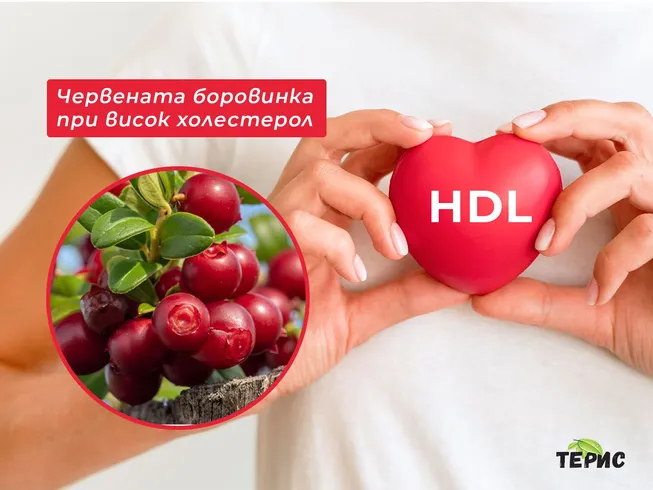
#The lingonberry lowers cholesterol
The little berries are rich in anthocyanins (a type of antioxidant), which give them their characteristic colour and have protective cardiovascular effects, including cholesterol-lowering ones.
They also contain the antioxidant proanthocyanin, which has powerful anti-inflammatory effects and may protect your blood vessels.
#The lingonberry for oral health
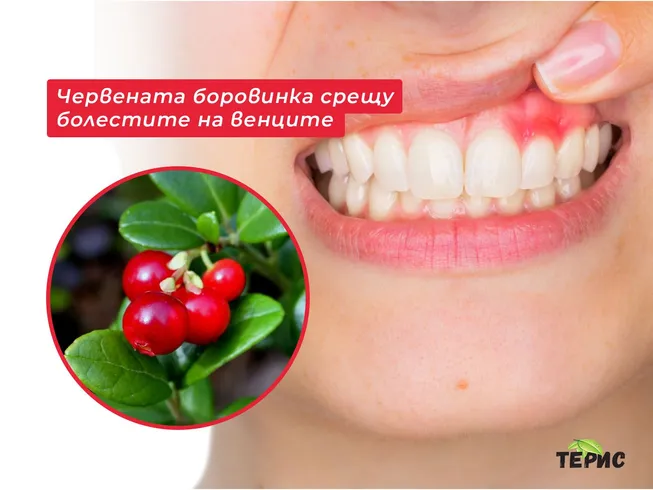
According to studies, lingonberries help against gum disease,.
The health benefits of these “super berries” extend even to the mouth, because the fruits help prevent gum disease, according to experts, as they contain plant compounds that can repel the bacteria that promote disease in the mouth and the build-up of plaque on the teeth.
This is because certain compounds in the plant prevent bacteria from sticking to surfaces such as the teeth and gums, thereby reducing the chance of an infection developing.
This claim is supported by a 2008 review and a 2010 review, although the latter warns that drinking lingonberry juice with added sugar will essentially cancel out these benefits. The reason is that sweets, as everyone knows, damage the teeth and the health of the whole mouth.
#The lingonberry supports heart health
Many types of wild berries - including lingonberries - may promote heart health. This benefit may be due to their content of polyphenols and fibre.
Studies show that lingonberries may help relax the arteries of your heart, in order to maintain blood flow, slow the progression of atherosclerosis, lower triglycerides and protect heart cells from oxidative damage.
A high-fat diet with 20% of calories from lingonberries for three months led to total cholesterol levels 30% lower than those on an equal-calorie high-fat diet without berries.
In addition, there was significantly less fat accumulation in the liver. This suggests that the fruits may have a protective effect against non-alcoholic fatty liver disease - a potential risk factor for heart disease.

#The lingonberry may protect eye health
Light can cause free-radical damage in your eyes.
Your retina – which converts light into nerve signals that your brain interprets as vision – is particularly vulnerable to ultraviolet A (UVA) light from the sun and blue light, such as from sunlight and digital devices like smartphones and computers.
Studies show that lingonberry extract may protect retinal cells from free-radical damage caused by both blue light and UVA light. This protection comes from plant compounds, including anthocyanins.
Earlier studies found that consuming berry anthocyanins raises blood levels of these protective plant compounds, which can be transported to your eyes.
The long-standing recommendation for maintaining eyesight is to eat plenty of antioxidant-rich fruits and vegetables – which can include lingonberries.

#Other potential health benefits of the lingonberry
Scientists are investigating many other potential benefits of these antioxidant berries, including:
Brain health:
Studies suggest that lingonberries or their extract may improve brain function, including memory under stress. Test-tube analyses show that the berries' antioxidants protect brain cells.
Kidney protection:
Feeding lingonberry juice daily for three weeks before kidney damage protected the kidneys from loss of kidney function. The juice's anthocyanins reduced damaging inflammation of the kidneys.
#The lingonberry refreshes your diet
These red berries can add vivid colour and a sweet-and-sour taste to countless dishes.
Fresh lingonberries are available only in certain regions. You are most likely to find them in Sweden, Norway, Finland and nearby countries, as well as in the Pacific Northwest and a few states in the north-eastern USA. They can also grow wild in eastern Canada. In Bulgaria they are a seasonal fruit.
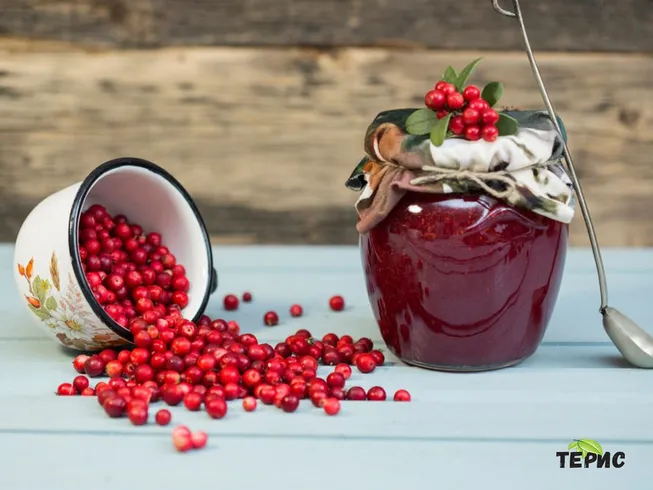
Besides fresh, you can buy lingonberries frozen or powdered. You can also find them dried or in juices, sauces, jams and preserves - but these are often sweetened with sugar, which makes them less healthy.
If you want to take them as an accompanying food supplement in your daily routine, you can find them in the form of teas, capsules or herbal tinctures, both offline and online.
#How to pick lingonberry leaves
It is very important not to collect reddened or blackened leaves! Otherwise, when harvesting, the whole leafy above-ground part of the herb is cut off. It is best to do this in early spring, before flowering.
According to experts in the field, it is much more practical to cut off the whole leafy above-ground part and dry it. The idea is then to separate the leaves from the stems with just a light beating and to clean them of twigs and any other impurities that may appear.
Picking should also be organised in dry, preferably sunny weather, but after the dew has gone. That is why mornings are the most suitable time for this.
It is also very important not to pick leaves that are damaged by insects, yellowed, reddened or blackened.
#Method of drying lingonberry leaves
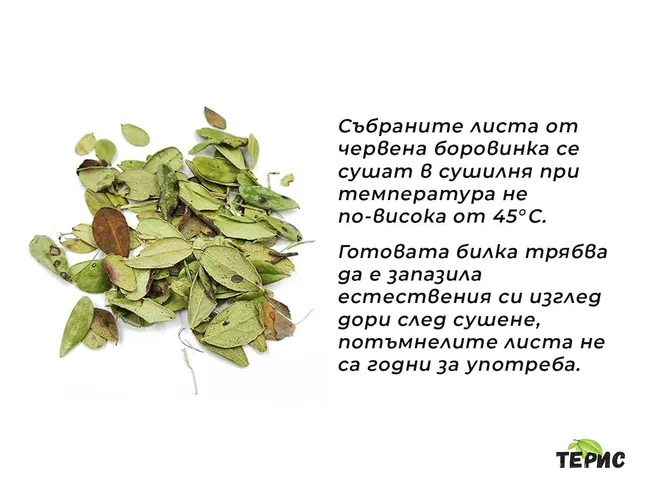
Once you have the collected and cleaned material, it should be laid out to dry in well-ventilated rooms. This can also be done in a dryer, at a temperature no higher than 45 °C.
Remember that the finished herb must have kept its natural appearance even after drying. If the leaves have darkened after drying, they are unfit for use.
Otherwise the smell of the leaves is unremarkable, and their taste is bitter and astringent.
#How to consume the leaves
The fresh fruits are often used as an ingredient in recipes loaded with an overly generous sprinkling of sugar. Not exactly a healthy option.
If you are not a fan of the naturally tart taste of lingonberries and also want to avoid adding too much sugar to your diet, how can you get your dose of the goodness of this little berry?
If this sounds like you, food supplements are a great alternative.
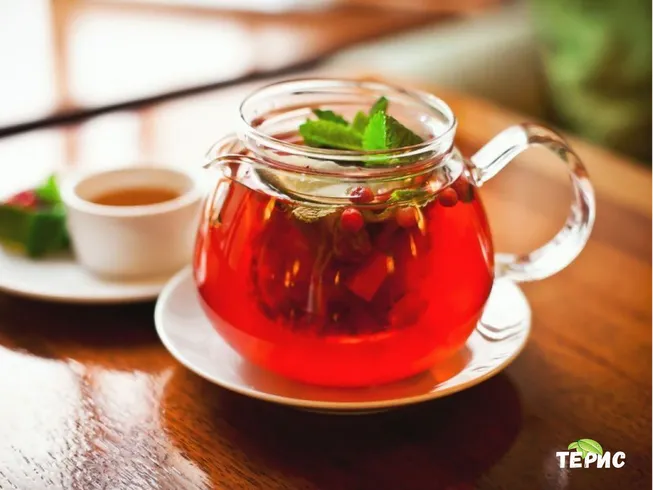
#Lingonberry as an infusion
Steep 2 teaspoons of crumbled lingonberry leaves in 350 millilitres of boiling water for 20 minutes at room temperature. Then strain the mixture through gauze.
It is important to point out that the shelf life of the infusion is about twelve hours, and only if it is stored in a refrigerator at 2 to 8 °C. The infusion itself is drunk in portions of 100 millilitres throughout the day.
#In the form of capsules / herbal tablets
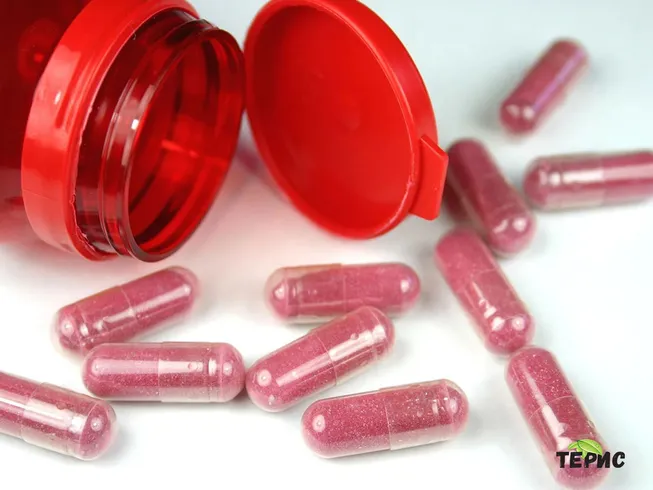
Lingonberry capsules or tablets are a concentrated, natural source of lingonberry extract. They are made from berries that have been dried, ground and bound into tablets or capsules. You may also find some supplements enriched with other ingredients, such as vitamin C.
Taken in this form, these delicious little berries are packed with antioxidants and may help reduce the frequency of urinary tract infections in some people. In addition, they may promote heart health, improve blood sugar control, boost immunity and protect against cancer, tooth decay and stomach ulcers.
#In the form of a lingonberry herbal extract
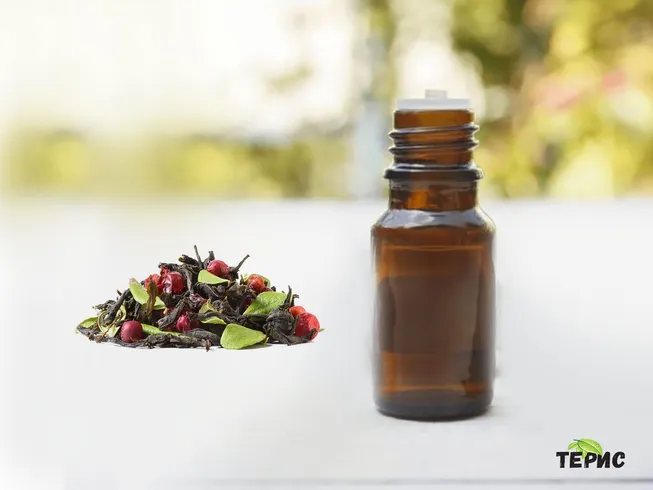
Twenty or so drops of tincture in a glass of water or tea take only a second.
Tinctures are the most potent form in which you can take herbs.
Tinctures are easily absorbed by the body and offer a stronger concentration of medicinal properties than dried herbs.
Herbal extracts contain the highest concentration of a given herb or herbs. In this form, you can feel their effect most quickly.
Herbs, taken in any form, work by accumulating in the body, so patience is sometimes needed before you feel their beneficial influence.
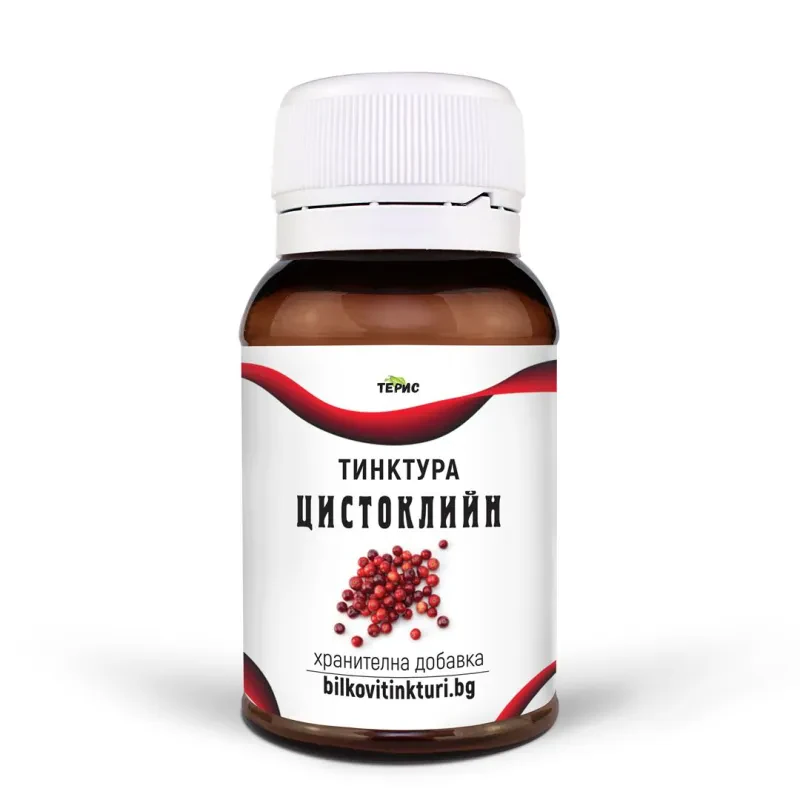
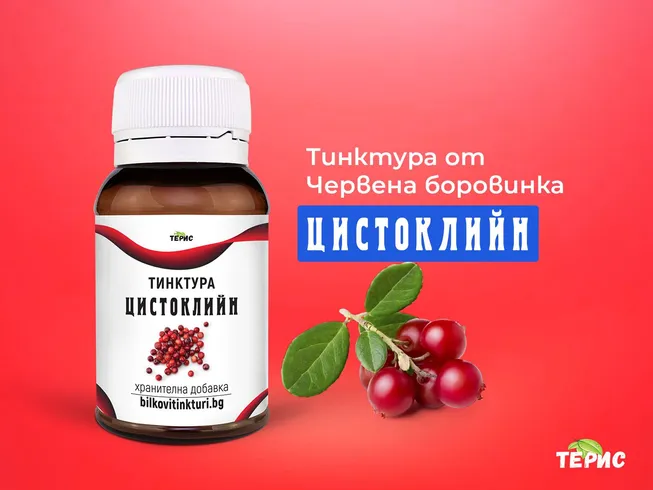
#Lingonberry tincture - TSISTOKLIYN
The herbal extract of the plant is beneficial for:
- The female reproductive system (cystitis, Helicobacter pylori)
- Kidneys and bladder
- Liver
- Pancreas
- High cholesterol
The beneficial properties of lingonberry fruits and leaves also lie in the fact that they help eliminate toxins and even heavy-metal salts. It is beneficial at any age, especially for the fairer sex. Take health from nature with the herbal lingonberry tincture - TSISTOKLIYN.
#Here are a few ideas for using lingonberries:
Add lingonberry powder to yoghurt, smoothies or protein shakes.
Sprinkle fresh or frozen lingonberries over leafy green salads.
Top/drizzle pancakes or waffles with homemade lingonberry sauce sweetened with stevia.
Add the sweet little berries to buns, muffins and other baked goods.
Stir lingonberries into oats or cold cereals.
Combine fresh or frozen lingonberries with other fruits to make a fruit salad.
Add powdered lingonberries to hot or cold tea.
You can use them in most recipes - both sweet and savoury.
Add these uniquely flavoured and beneficial little berries to drinks, baked goods or yoghurt. Remember to keep sweetening them with sugar or honey to a minimum, so that you get the most out of their beneficial qualities.

#The superfruits - lingonberries
Lingonberries are small red fruits called superfruits because of their nutritional profile and antioxidant content.
Although more research is needed, studies show that they may promote healthy gut bacteria, weight control, heart health and blood sugar control - among other benefits.
It has long been known that fruits of all kinds are good for you, so if you can find lingonberries in unsweetened forms - such as fresh, frozen or powdered - enjoy them as often as you like.

#Lingonberries are for body and soul
The medicinal plant has great benefits for both body and soul - most of which you can get by eating the berries in their whole, unsweetened form. The good thing, however, is that the plant, from root to tip, is truly irreplaceable, and every part of it offers many, many health benefits.
Whenever you can, pick or buy this herb and this amazing fruit. You will not regret it!
Lingonberry fruits lower the level of bad cholesterol in the blood, have anti-ulcer and other medicinal properties. The beneficial properties of lingonberry fruits also lie in the fact that the plant helps to eliminate toxins and even heavy-metal salts.

It is beneficial at any age, but brings the greatest benefit to older people, as well as to patients suffering from chronic fatigue, low immunity and to healthy people who are overworked.
For medicinal purposes, use is made of both the fruits of the lingonberry and its twigs and leaves. Moreover, the leaves contain all the beneficial substances found in the berries, and add some of their own. It strengthens the walls of the blood vessels and the heart muscle, and should be eaten by patients with hypertension, coronary heart disease and rheumatism.

If you cannot get them fresh or frozen, you can always benefit from their medicinal properties in the form of a tincture - lingonberry herbal extract, for easy and convenient intake. Stay healthy with help from nature.
This article is for educational purposes and does not replace advice from a doctor. Food supplements are not medicines and are not intended to treat diseases. If you have a chronic condition, are pregnant or breastfeeding, or take medication, consult a specialist before use.

Lingonberry - an antioxidant superfruit
Click to play video
Products from this article