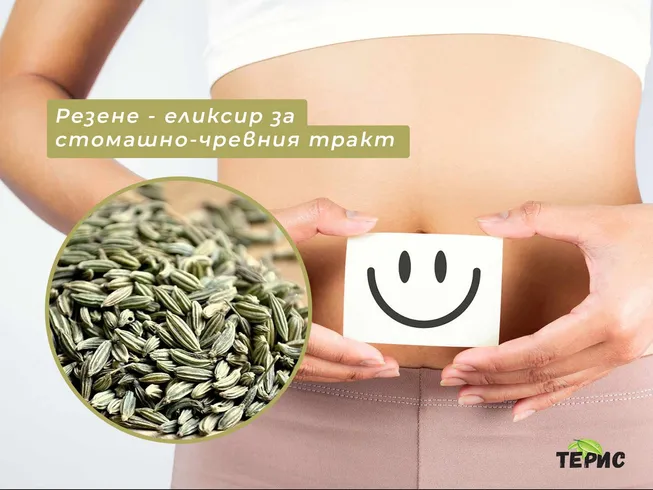
Fennel - elixir for the stomach and digestive tract
Table of Contents
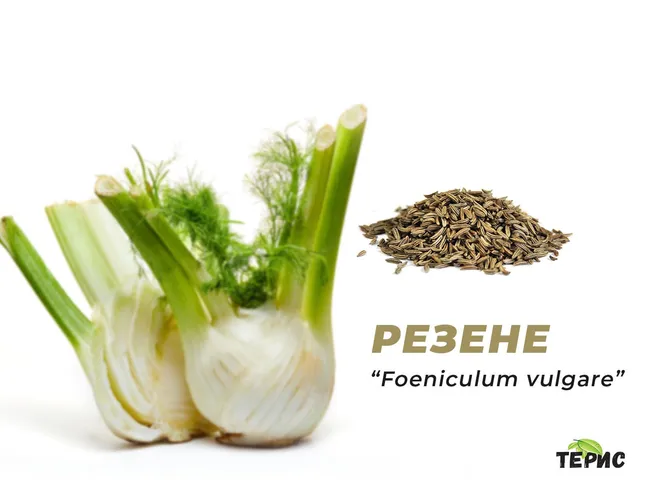
#Fennel - "Foeniculum vulgare" - "wild dill"
"Foeniculum vulgare" - fennel, also known as wild dill, is an aromatic culinary herb and medicinal plant. The herb is also called "apothecary's dill" and is a true healing elixir for the stomach and digestive tract.
Fennel has been highly valued in medicine for centuries. It helps with constipation, insufficient breast milk in young mothers, kidney stones and kidney inflammation, colitis, wind, loss of appetite and coughs.
The seeds, in the form of a tincture taken by mouth, relieve wind and stomach pain and have a diuretic and anti-inflammatory effect.
As an infusion they act as a purgative and relieve abdominal distension.
Applied externally, the oil of the plant relieves muscular and rheumatic pain.
Water extracts can be used successfully as an eye wash.
It is recommended for everything from colic to conjunctivitis.
#Description and characteristics
The herb, also known in Bulgarian as "wild dill", "field dill", "apothecary's dill", "koprets", "fenel", "morach", "fenhel", "smind", "false fenugreek" and many other names, is a plant of the genus called "Foeniculum" in Latin. Many scientists working in botany consider this genus to consist of a single species of its kind.
Curiously, fennel belongs to the same family as both parsley and carrot - the Apiaceae. The dill we all know is from the same family, but fennel belongs to a different genus.
It is known to be grown in the southern parts of Europe, mostly in the Mediterranean region. It is also common in south-west Asia.
#Botanical characteristics of "Foeniculum vulgare"
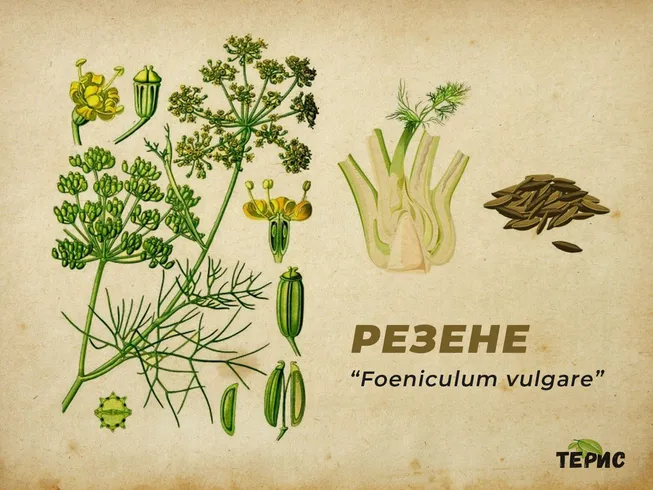
As for its botanical characteristics, it is a strong and particularly aromatic herbaceous plant, perennial by nature, upright and blue-green in colour.
It often reaches a full 2 metres in height.
The leaves are not small either - they reach up to 40 centimetres in length. They are finely divided, with thread-like end segments about 0.5 mm wide.
The flowers form at the top in compound umbels 5 – 15 cm wide, with each section of the umbel containing 20 – 50 tiny yellow flowers on short stalks.
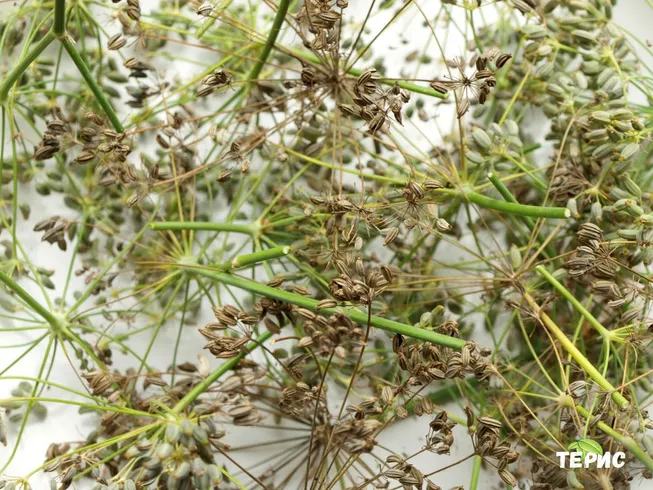
The fruit is an oblong dry seed, 4 – 9 mm long and half as wide or less, with a groove.
Fennel flowers from July to September.
#Composition of the fennel plant
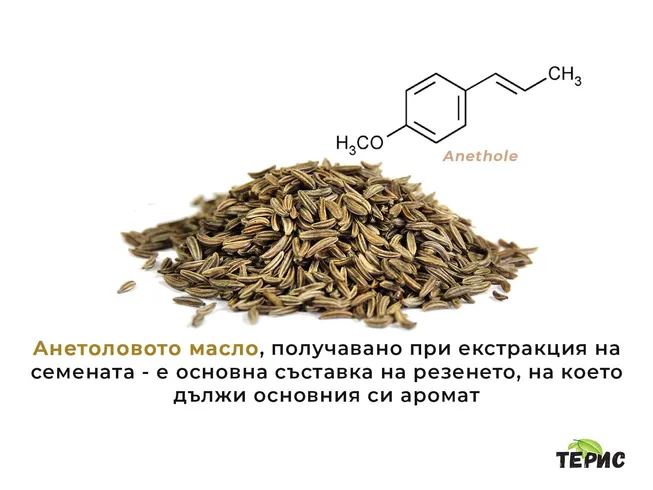
A very important fact is that the fruit of the herb contains about 3-5% essential oil with 60-80% anethole, as well as 14 – 18% ordinary vegetable oil.
Interestingly, the so-called anethole oil, obtained from the seeds, is the main ingredient of the drink mastika. It is to this that the alcoholic drink owes its main aroma. This oil is also one of the ingredients of Greek ouzo, which is quite close to Bulgarian mastika.
It is no small matter that this plant is food for the larvae of some species of butterflies and moths, such as Amphipyra tragopoginis and Papilio zelicaon. In this sense it is also of great benefit to the planet's ecosystem.
#Uses of the medicinal plant
The herb is often used in Bulgarian, Greek, Italian and Spanish cooking to season fish dishes and various soups. When dried, it is used as an addition to pickles. The spice can be used either together with dill or as a substitute for it.
Fennel is also one of the main ingredients of the herbal blend for mastika.
An essential oil is also obtained from the herb.
In folk medicine, in the form of a herbal extract, it is a powerful remedy for the stomach and digestive tract.
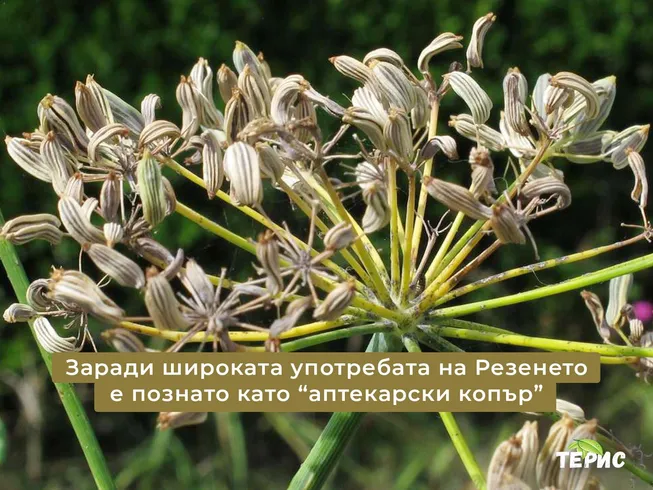
Because of its wide use as a herb it is known as "apothecary's dill".
#Health benefits of fennel
When we think of fennel or dill, we often don't think about the health benefits of the seeds of this plant. Instead, we think of an Indian restaurant and a little dish of the herb's sweet seeds, or a shot of digestif after a meal.
The crunchy sweetness with a hint of anise is a wonderful way to finish a meal and freshen your mouth, but there are many more reasons to add fennel to your kitchen cupboard at home.
The plant has truly holistic health benefits - one of the main ones is as a healing food after surgery, for recovery and for strengthening immunity.
"And whatever way it is eaten, it makes people happy and gives warmth, good digestion… and suppresses unpleasant breath…"
It is green and white, with feathery leaves and yellow flowers.
Both the crunchy bulb and the seeds of the plant have a mild flavour similar to liquorice. Even so, the aroma of the seeds is stronger because of their potent essential oils.
Besides its many culinary uses, fennel and its seeds offer a wide range of health benefits and can provide antioxidant, anti-inflammatory and antibacterial effects.
Here are the benefits of fennel and fennel seeds, all based on science:
#Fennel is highly nutritious
Both the plant and its seeds are packed with nutrients. They are low in calories but provide many important nutrients.
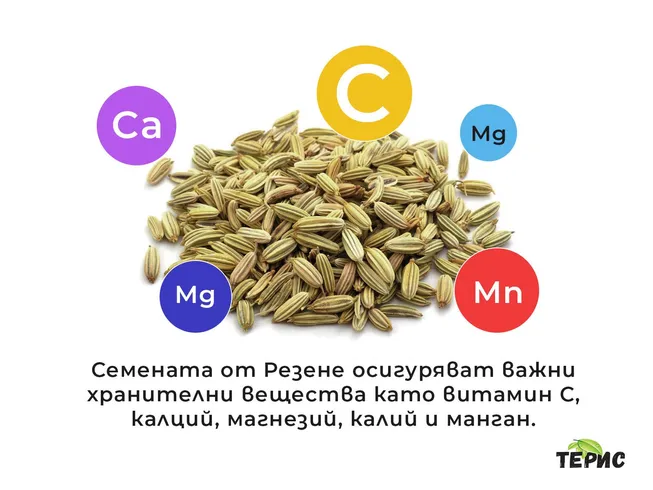
Fresh seeds are a good source of vitamin C, a water-soluble vitamin important for immune health, tissue repair and collagen synthesis.
Vitamin C also acts as a powerful antioxidant in our body, protecting against cell damage caused by unstable molecules called free radicals.
Both the bulb and the seeds contain the mineral manganese, which is important for enzyme activation, metabolism, cell protection, bone development, blood sugar regulation and wound healing.
Besides manganese, fennel and its seeds contain other minerals vital for bone health, including potassium, magnesium and calcium.
#Contains powerful plant compounds
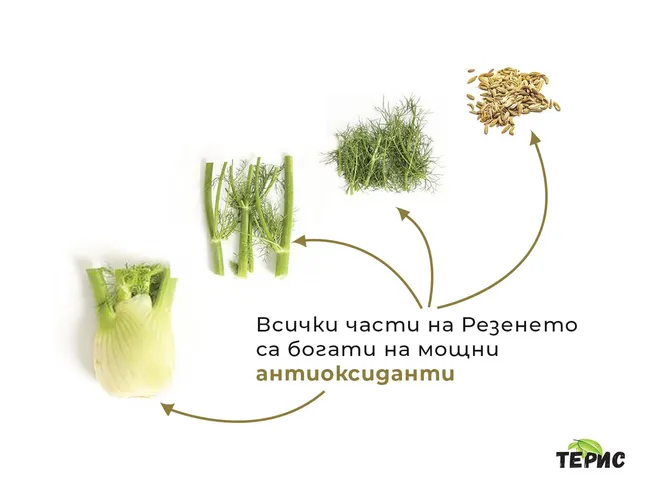
Perhaps the most impressive benefits of the medicinal seeds come from the antioxidants and powerful plant compounds they contain.
The essential oil of the plant has been shown to contain more than 87 volatile compounds, including the polyphenol antioxidants rosmarinic acid, chlorogenic acid, quercetin and apigenin.
Polyphenol antioxidants are powerful anti-inflammatory agents that have a strong effect on your health.
Studies show that people who follow diets rich in these antioxidants have a lower risk of chronic diseases such as heart disease, obesity, cancer, neurological diseases and type 2 diabetes.
What's more, over 28 compounds have been identified in fennel seeds, including anethole, fenchone, methyl chavicol and limonene.
#Fennel for a gastrointestinal effect
According to herbalists, the seeds of the herb are extremely effective at supporting digestion. They can help the smooth muscles of the gastrointestinal system relax and reduce wind, bloating and stomach cramps.
In fact, tinctures or teas made from fennel seeds can be used to treat stomach muscle spasms caused by irritable bowel syndrome, ulcerative colitis, Crohn's disease and other conditions affecting the gastrointestinal system.
Apothecary's dill can also be used in combination with other herbal remedies to modify the side effects of herbal formulas used as laxatives, or of other treatments for digestive problems.
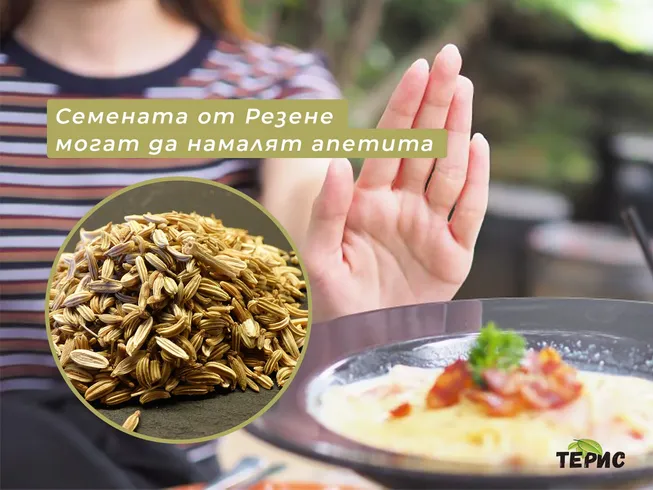
#Fennel seeds can suppress appetite
These seeds can not only add depth and flavour to your recipes but also help curb your appetite.
A study in healthy women showed that those who drank fennel seed tea or extract before lunch felt significantly less hungry and consumed fewer calories during the meal than those who drank some other tea or tincture.
Anethole, a main component of the herb's essential oil, may be behind the plant's appetite-suppressing qualities.
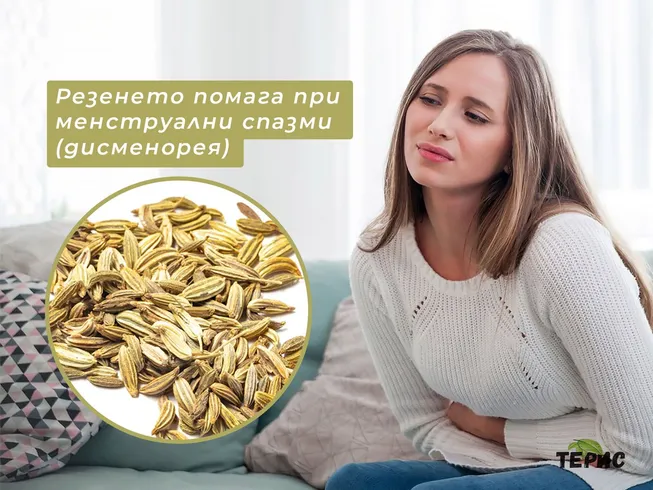
#Helps with menstrual cramps (dysmenorrhoea)
Taking fennel oil or extract by mouth improves pain in people with menstrual cramps, because of its effect on pain.
Painful periods, or dysmenorrhoea, are a common problem for many women, who often use over-the-counter medicines to treat the pain.
However, approximately 10-20 per cent of women who suffer from severe cramps and discomfort during their cycle do not find relief this way. Instead, many turn to alternative or complementary treatments, and studies suggest that fennel may be helpful in this respect.
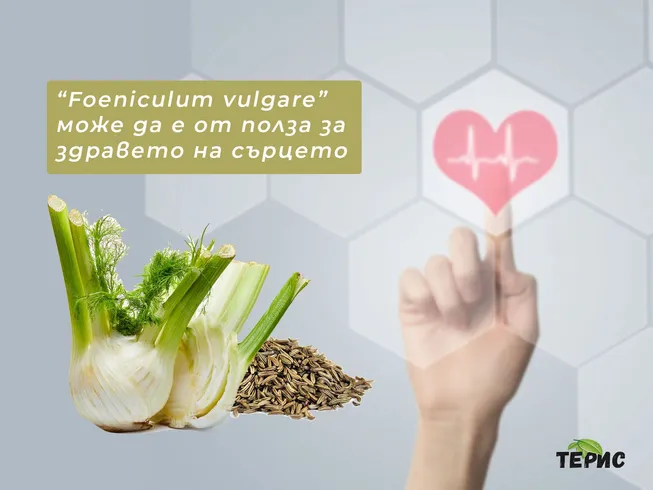
#"Foeniculum vulgare" may benefit heart health
Taking the herb and its seeds may benefit heart health in a number of ways, as they are packed with fibre - a nutrient shown to reduce certain risk factors for heart disease, such as high cholesterol.
A 1-cup (87-gram) serving of raw fennel contains 3 grams of fibre - 11% of the daily reference value (DRV).
High-fibre diets are associated with a reduced risk of heart disease.
For every additional 7 grams of fibre eaten per day, the risk of heart disease falls by 9%.
Wild dill also contains nutrients such as magnesium, potassium and calcium, which play an important role in keeping your heart healthy.
For example, including rich sources of potassium in your diet can help lower high blood pressure, a risk factor for heart disease.
#May have positive properties in fighting cancer
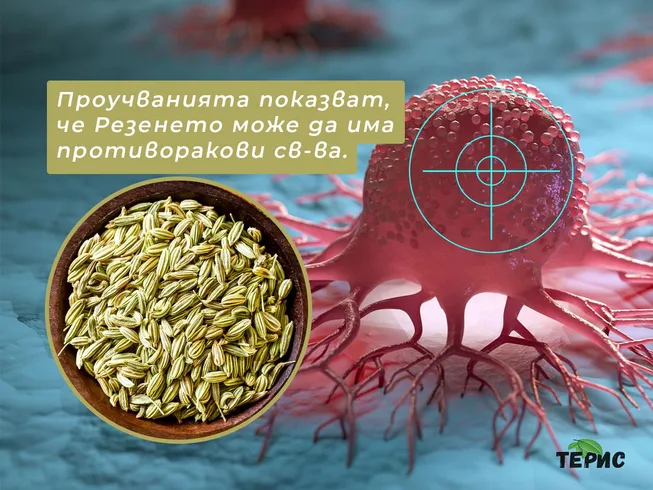
The wide range of powerful plant compounds in "apothecary's dill" may help protect against chronic diseases, including some types of cancer.
For example, anethole - one of the main active compounds in the herb - has been found to show cancer-fighting properties.
One study showed that anethole suppressed cell growth and induced apoptosis, or programmed cell death, in human breast cancer cells.
Another study observed that fennel extract stopped the spread of human breast and liver cancer cells. Although these results are promising, research is needed before the seeds can be recommended as an alternative cancer treatment.
#Fennel may benefit breastfeeding women
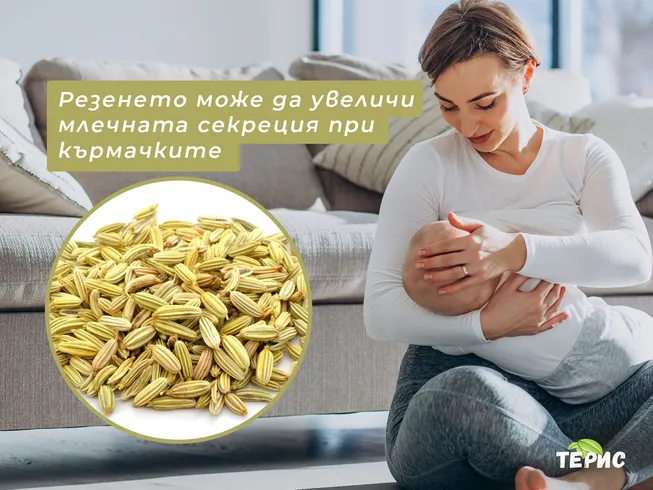
The herb has been shown to have galactagogue properties, which means that it helps increase milk secretion. Research shows that specific substances found in anethole, such as dianethole and photoanethole, are responsible for the plant's galactagogue effects.
Fennel can increase milk secretion and blood levels of prolactin – the hormone that signals the body to produce breast milk.
However, breastfeeding women should always consult their health adviser before using this plant to stimulate milk production.
- For colic:
One of the significant advantages of medicinal wild dill is its antispasmodic quality. Because of this, some people believe that a tea or tincture of it may also play a role in reducing colic symptoms in infants.
Besides the benefits mentioned above, the herb and its seeds may improve our health in the following ways:
#May have antibacterial properties
Studies show that fennel extract inhibits the growth of potentially harmful bacteria and yeasts, such as Escherichia coli, Staphylococcus aureus and Candida albicans.
#May reduce inflammation
The powerful antioxidants contained in the herb, such as vitamin C and quercetin, may help reduce inflammation and levels of inflammatory markers.
#May benefit mental health
Animal studies have found that extract of the plant may reduce age-related memory deficits.
#May relieve menopausal symptoms
A review of 10 studies noted that fennel may improve sexual function and satisfaction in menopausal women, as well as relieve hot flushes, vaginal itching, dryness, pain during sex and sleep disturbances.
It is important to note that many of these studies used concentrated doses of the plant, and eating small amounts of fennel or its seeds is unlikely to offer the same benefits.
#Harvesting and storing the herb
Fennel fruits ripen unevenly, so they are harvested when 50% of them are ripe. Harvesting is done in two stages, which reduces yield losses. This is followed by drying, which is done in bundles under canopies.
#Dosage
Fennel and its seeds are available in many different types of products, including essential oils, seed extracts, seed powder, teas and creams.
There is no exact dosage; it all depends on the form in which you take the herb and on the individual case. That is why it is always advisable to consult a specialist before taking it.
PHOTO: It is always advisable to consult a specialist before taking fennel
#Contraindications
It is important to know that if the prescribed dose is not followed, fennel seeds can cause food poisoning. This can lead to gastrointestinal upsets or more serious health problems.
Naturally, this herb, like most herbs, is not recommended for pregnant women.
Remember to follow the relevant instructions on product labels and consult a medical professional before use.
#Quick facts about fennel:
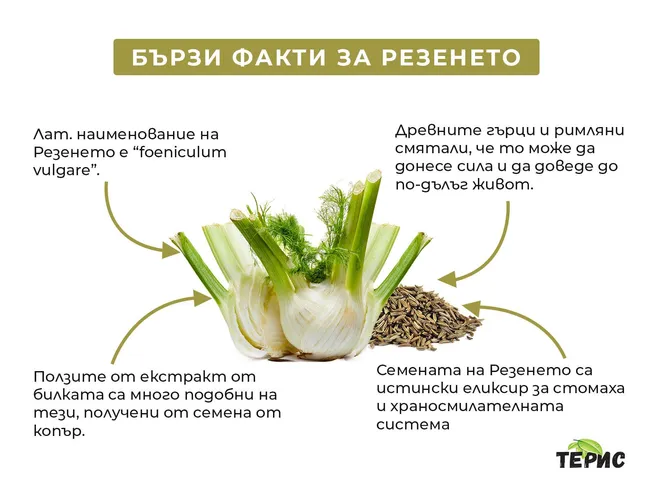
The Latin name of fennel is "foeniculum vulgare".
The ancient Greeks and Romans believed that it could bring strength and lead to a longer life.
The benefits of the herb's extract are very similar to those obtained from dill seeds
Fennel seeds are a true elixir for the stomach and digestive system
#Fennel herbal extract
Medicinal plants taken in the form of herbal extracts contain the highest concentration of a given herb or herbs. This way you can feel their healing action on your body fastest.
At Bilkovi Tinkturi Bg we did not overlook this unique herb as an ingredient in our tinctures.
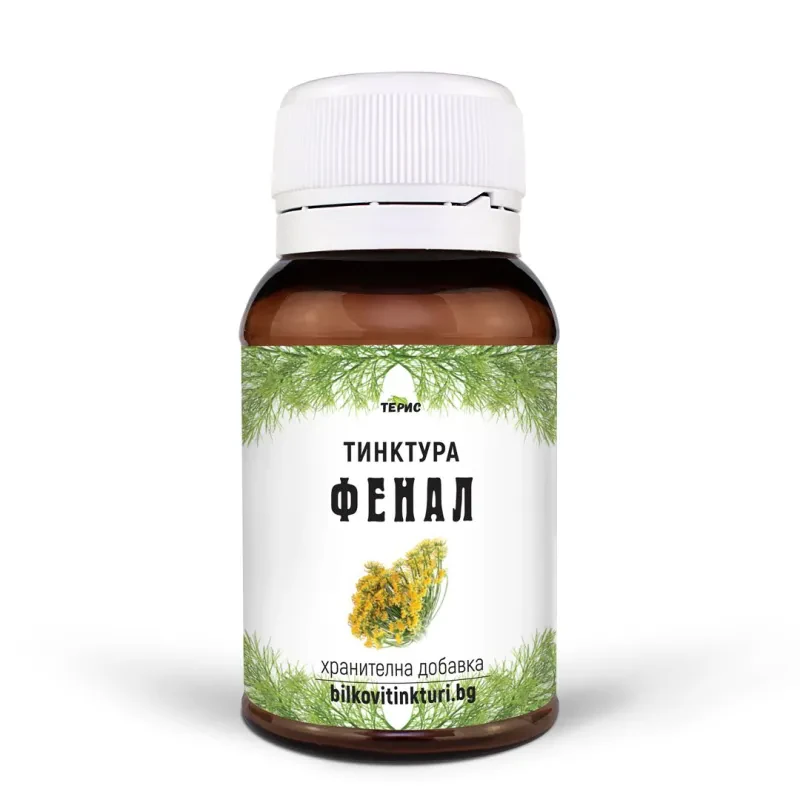
#Fennel herbal tincture - FENAL
The herbal fennel seed tincture - FENAL offers the benefit of its medicinal uses:
- For problems with the digestive system
- To ease colitis.
- To prevent the formation of wind.
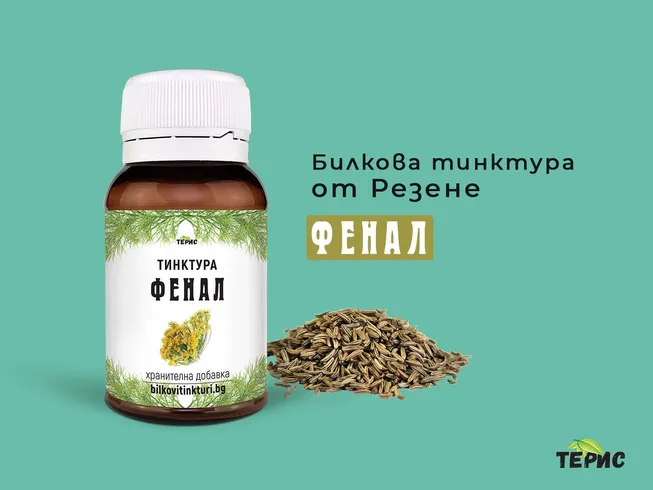
The herb is an excellent remedy that eases colitis and the formation of wind while at the same time stimulating digestion and appetite.
Like mustard, it has a relieving effect on bronchitis and coughs. Fennel increases milk in breastfeeding mothers.
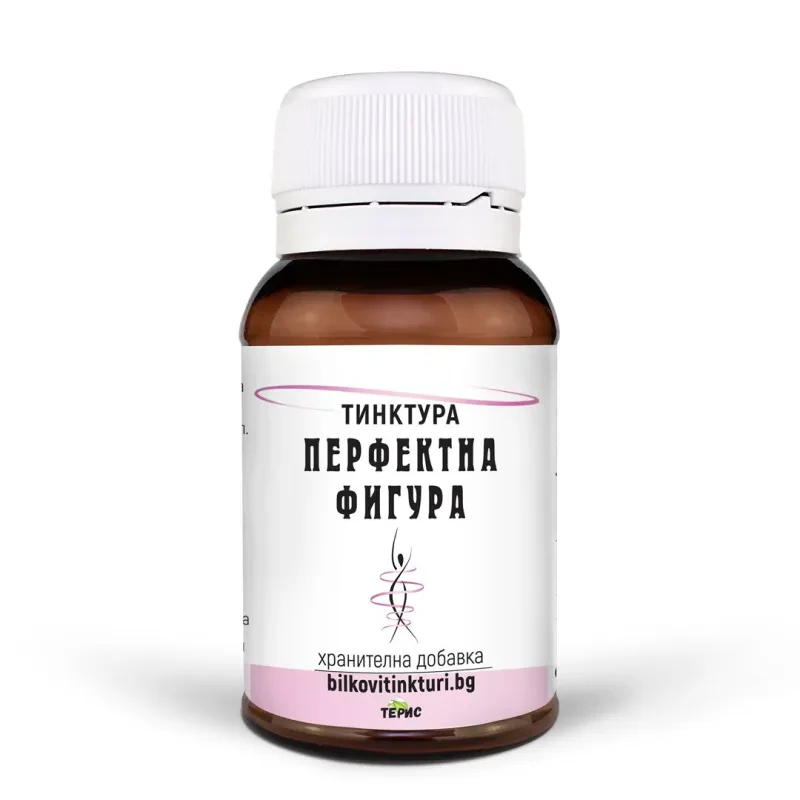
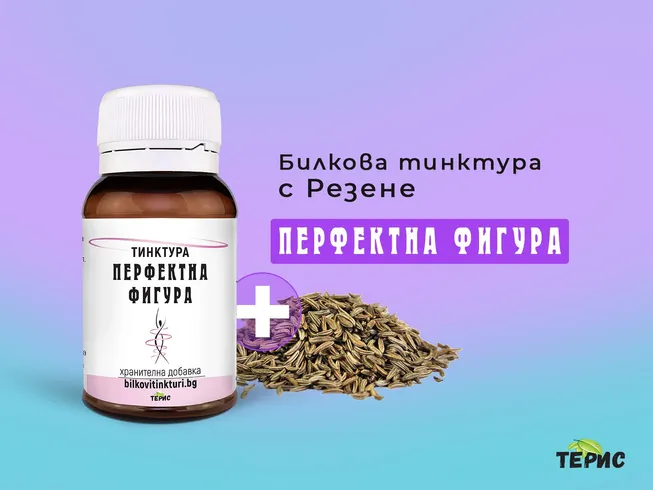
#Herbal tincture with fennel - PERFEKTNA FIGURA
Because of their impressive appetite-suppressing effect, fennel seeds are included in the formula of our herbal tincture for maintaining a healthy body weight - PERFEKTNA FIGURA.
It contains ginger root, fennel seed, dandelion leaf, green walnut hulls and rosemary leaves.
The herbs are taken in the form of a tincture:
- It supports the body's detoxification.
- Regulates a sluggish metabolism.
- Maintains good peristalsis
- Helps keep weight within normal limits over the long term, without a yo-yo effect.
- Helps break down fats.
- Acts as an antioxidant.
- Revitalises the body.
- Helps maintain normal blood sugar levels.
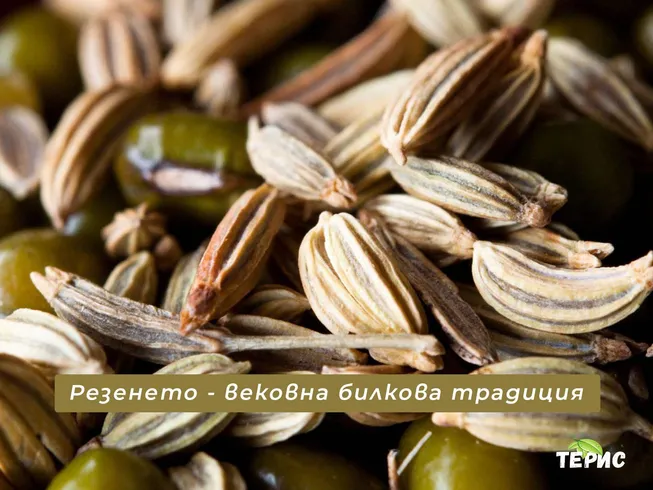
#Fennel - a centuries-old herbal tradition
Fennel was well known to the ancients and continues to be a culinary and medicinal plant enjoyed all over the world.
Nowadays you can easily find it in most large grocery shops in fresh form, or in herbal shops and pharmacies, as well as online.
But even better would be to consider adding it to your garden next time, because both the aromatic, crunchy bulb and the fragrant seeds of the plant are very nutritious and can offer an abundance of impressive health benefits.
Adding them to your diet may improve heart and stomach health, reduce inflammation, suppress appetite and even provide anti-cancer effects.
To take advantage of the benefits of fennel and its seeds, try including it as an ingredient in your salads, using the seeds to flavour soups, broths, baked goods and fish dishes or, for the best and fastest effect, taking it in the form of a concentrated herbal extract - a herbal tincture.
This article is for educational purposes and does not replace advice from a doctor. Food supplements are not medicines and are not intended to treat diseases. If you have a chronic condition, are pregnant or breastfeeding, or take medication, consult a specialist before use.
Products from this article