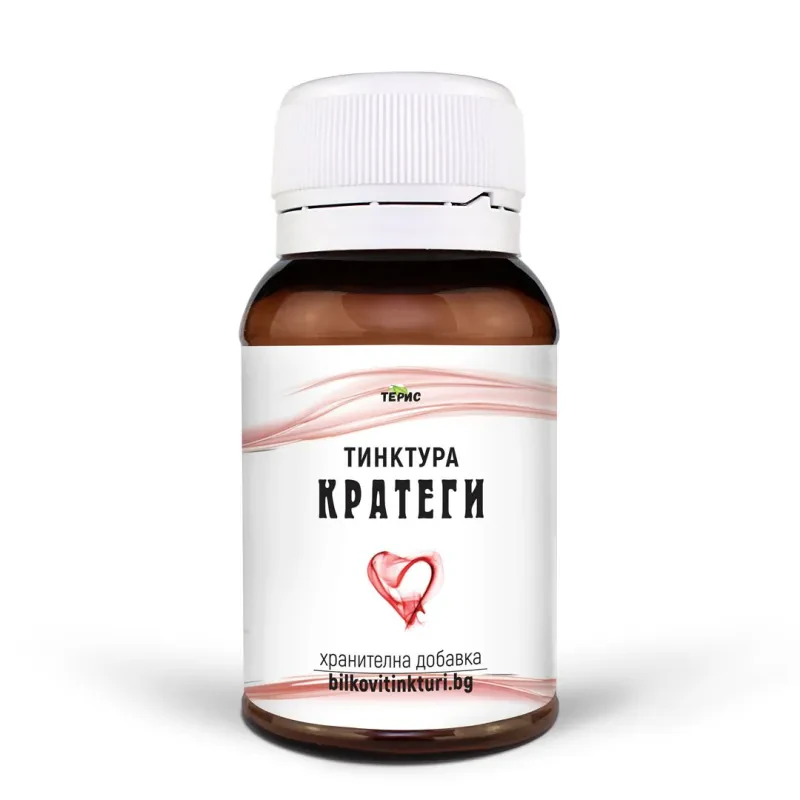
Hawthorn - strength for the heart
Table of Contents
#Hawthorn - "Crataegus"
"Crataegus", often called hawthorn, thornapple, May-tree, whitethorn and other names, is a genus of several hundred species of shrubs and trees in the rose family, native to the temperate regions of the Northern Hemisphere in Europe, Asia, North Africa and North America.
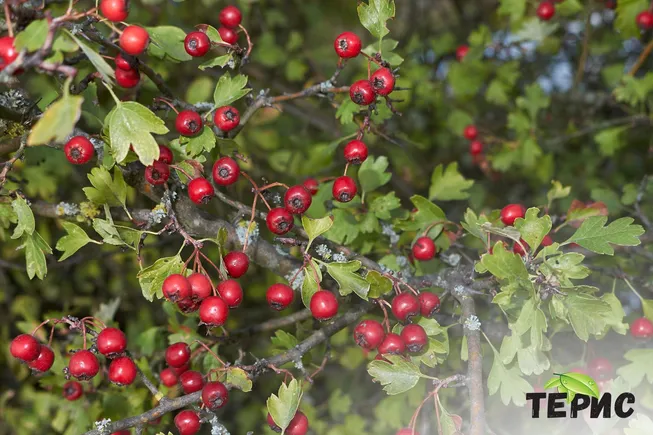
The name "hawthorn" originally referred to the species native to northern Europe. The name Crataegus comes from the Greek word kratos, meaning "strength", because of the great toughness of the plant's wood, and akis, meaning "sharp". The second word refers to the thorns of some species.
In France hawthorn is known as l'epine noble (the noble thorn), as it is believed to be the plant from which Jesus' crown of thorns was made.
#Botanical characteristics
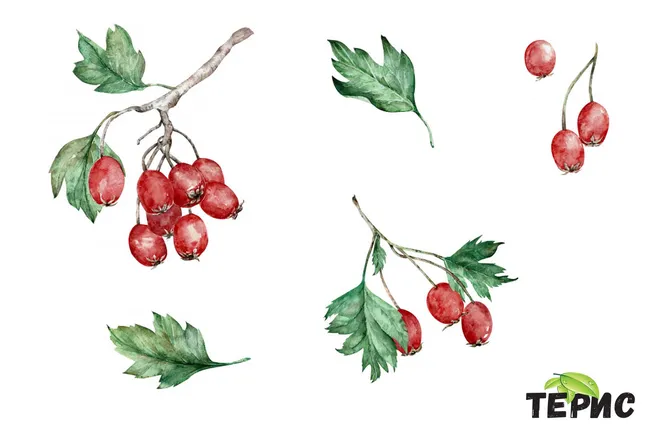
The plant is a thorny shrub or small tree up to 10 m tall, although it often reaches 2-6 m, with smooth, pale grey bark. The branches are straight and thorny. The leaves vary in shape and are 1.5-3.5 cm long. The flowers of hawthorn are white and pink, and the fruits are single-seeded red berries, 1.25 cm in diameter.
#Distribution of the plant
These small shrubs are often grown as hedges in Europe. They are found mostly in temperate regions, including North Africa, West Asia, India, China and North America.
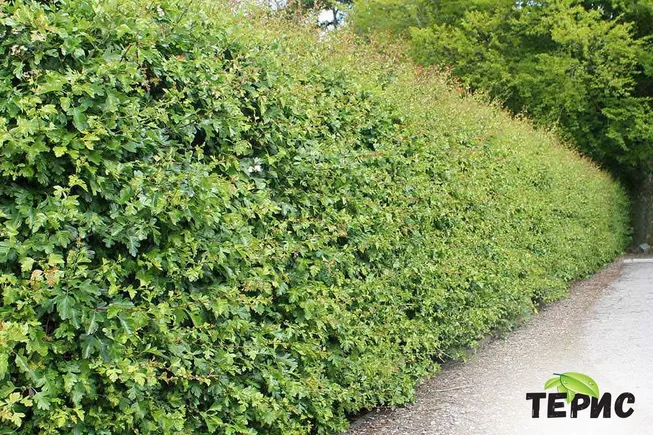
In the 1800s British settlers introduced the plant to Tasmania and other parts of Australia as a hedge, and it now grows wild in Victoria, Tasmania, the Adelaide Hills and the plains of New South Wales.
Crataegus is an aggressive coloniser that is persistent and difficult to remove.
In many Australian states it has even been declared a noxious weed.
In India it occurs in the temperate Himalayas, Kashmir and Himachal Pradesh, at altitudes of 1,800-3,000 m.
#Traditional use
Crataegus (hawthorn) species have been used traditionally since ancient times.
The plant offers significant antioxidant constituents and many beneficial therapeutic effects.
For example, a decoction of the leaves and unripe fruits of Crataegus aronia is used to treat cardiovascular disease, cancer, diabetes and sexual weakness in Arab traditional medicine.
In Mexico diabetes is treated with hawthorn extracts. Such treatment may be of considerable benefit, especially in the early stages of the disease.
In folk medicine several species of hawthorn are used mainly for:
#Treating cardiovascular conditions
These include Crataegus pinntiflda (Chinese hawthorn), C. pubesens (Mexican hawthorn), C. cuneata (Japanese hawthorn), C. laevigata and C. monogyna (Europe), C .xycantha and C. aronica (Middle East), C. phaenopyrum (American hawthorn) and C. ambigua (Russian hawthorn).
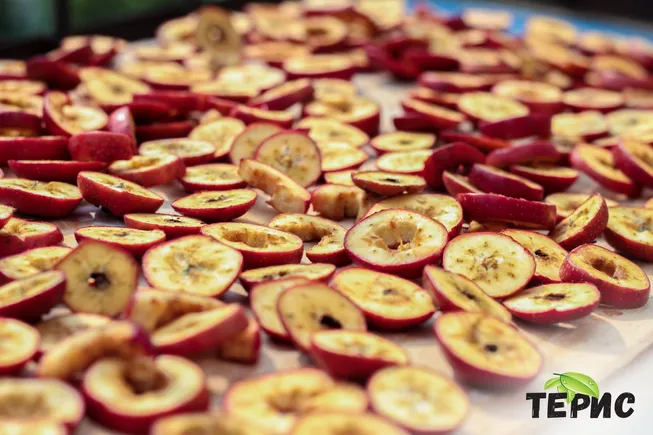
Hawthorn is also an edible fruit used in traditional Chinese medicine to lower plasma lipids. The dried fruits are used for medicines and local soft drinks in Taiwan.
#Chemical composition of the herb
The leaves, flowers and fruits of hawthorn contain a variety of bioflavonoid complexes, which appear to be mainly responsible for
- the plant's beneficial effects on the heart
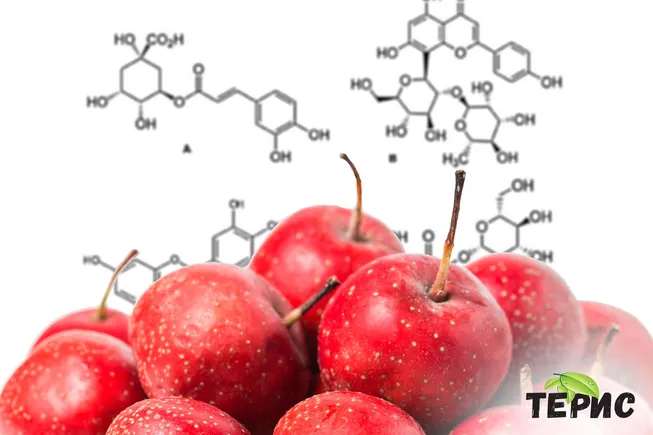
The bioflavonoids found in the plant include oligomeric procyanidins (OPCs), vitexin, quercetin and hyperoside.
The action of these compounds on the cardiovascular system has led to the development of leaf and flower extracts
, which are widely used in Europe.
Other chemical constituents include:
- vitamin C, saponins, tannins, cardiotonic amines (phenylethylamine, tyramine, isobutylamine, O-methoxyphenylethylamine, choline and acetylcholine), purine derivatives (adenosine, adenine, guanine, caffeic acid, amygdalin acids (triterpene acids).
#Pharmacological activities
Crataegus species have enormous medicinal applications, but only a few species have been screened for their biological effects.
It is believed that hawthorn may improve:
- coronary blood flow and heart muscle contractions,
which is why it is widely used in
- cardiovascular disorders such as arrhythmia,
- myocardial infarction,
- heart failure and others.
Crataegus extracts also prevent the elimination of plasma lipids such as total cholesterol, triacylglycerides and the LDL and VLDL fractions.
The plant can be used as
- an anti-inflammatory,
- gastroprotective,
- antimicrobial agent,
- and also as a hepatoprotective agent.
It also inhibits angiotensin-converting enzyme (ACE) and reduces the production of angiotensin II, a powerful blood-vessel-constricting substance, which is why
- it acts as a hypotensive and diuretic agent
- hawthorn slightly lowers blood pressure in some people with high blood pressure
but it should still not be considered a substitute for medication for this problem.
In a number of studies Crataegus
- has shown high antioxidant and immunostimulating activity.
The plant is also used
- for central nervous system (CNS) disorders, in anxiety and mild depression.
#Species used around the world
More than twenty species of hawthorn are used as herbal food supplements around the world.
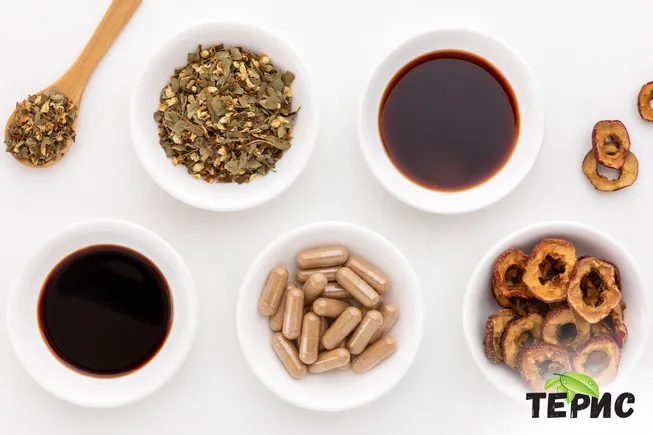
This wonderful and wholesome herb can be used as a tincture, decoction and powder. Pharmacies also offer capsules, tablets and syrups. Hawthorn flowers and leaves are extremely useful, and people can always turn to them for various minor ailments.
#Herbal tinctures with hawthorn
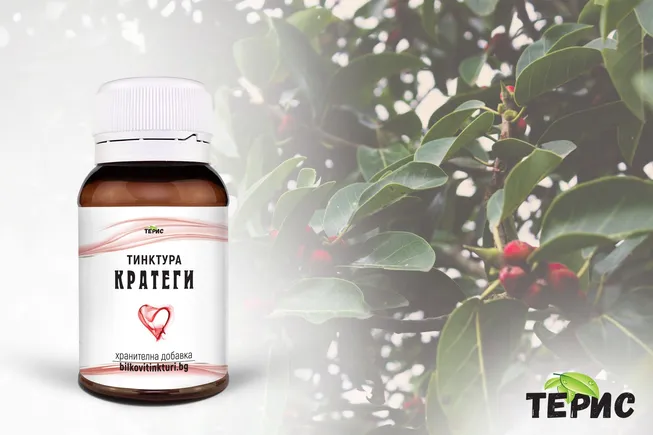
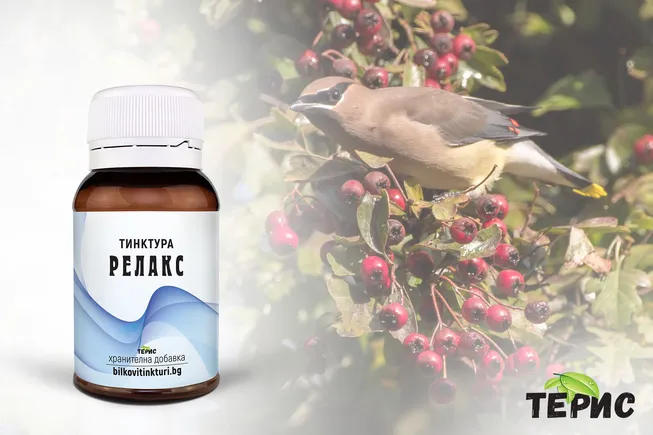
Hawthorn - this exceptional herb is included in our herbal tinctures "KRATEGI" and "RELAKS":
#Herbal tincture with hawthorn - Krategi
Hawthorn is known for its healing uses:
- it increases blood flow to the heart and limits the risk of heart attack
- it improves the contractility of the heart and its ability to pump blood
- it lowers peripheral vascular resistance (reduces the load on the heart)
- it stabilises the heart rhythm and has an excellent effect in arrhythmias
- it supports the heart's endurance when oxygen is short during stress or illness
The substance proanthocyanidin, found in hawthorn, is responsible for the plant's healing properties on the cardiovascular system. Proanthocyanidin helps to strengthen heart activity by dilating the coronary vessels and increasing blood supply. The coronary arteries work better and the heart muscle receives more oxygen. Hawthorn is also rich in antioxidants, vitamin C, carotene, tannins, flavonoids and other useful elements.
#Herbal tincture with hawthorn - Relaks
RELAKS tincture is an aid for:
- calming the central and peripheral nervous system
- physical and mental strain
- stress
- groundless fears
- tension
- hyperactivity
"Herbal tincture RELAKS" is a specifically selected blend of herbs known for their sedative action, without causing dependence.
It contains mint leaves, valerian root and hawthorn leaves.
The herbs are taken in the form of a tincture, which:
- soothes tension and stress caused by an overloaded central and peripheral nervous system;
- helps with physical and mental strain;
- helps with feelings of groundless fear;
- reduces built-up tension;
- controls signs of hyperactivity;
#Dosage
Doses of Crataegus extracts vary depending on the concentration.
The therapeutic dose of an extract standardised to contain 1.8 per cent vitexin-4-rhamnoside is 100-250 mg three times a day.
20 drops, 3 times a day, dissolved in a glass of water.

#Contraindications
Hawthorn has been shown to have low toxicity. The plant is generally considered completely safe.
However, there are relative contraindications in cases of hypersensitivity or a history of allergic reaction to the herb or any of its components. Health professionals have proposed an absolute contraindication for children under 12 years of age.
Side effects
Hawthorn has been well tolerated in studies lasting up to sixteen weeks. Some side effects, although rare, may be associated with hawthorn extracts. They include mild rash, headache, sweating, dizziness, drowsiness, agitation and gastrointestinal complaints.
Drug interactions
The flavonoid components of hawthorn may be responsible for its beneficial effects in the treatment of heart failure. However, these components may also affect the function of P-glycoprotein and cause interactions with drugs that are P-glycoprotein substrates, such as digoxin, which is also used to treat heart failure.
According to clinical trials, adverse effects associated with the use of hawthorn preparations are rare and mild, even at higher doses.
#Culinary use
The fruits of common hawthorn, C. monogyna, are edible, but their taste is similar to that of overripe apples. In the United Kingdom they are sometimes used to make jelly or home-made wine.
The leaves are also edible and, if picked in spring while still young, are tender and delicate enough to be used in salads. The young leaves and flower buds, which are also edible, are known as "bread and cheese" in rural England.
In the southern United States the fruits of three native species are used for jellies that are considered a delicacy. The Kootenai people of north-western North America used the fruits of red and black hawthorn as food.
The fruits of Crataegus mexicana are known in Mexico as tejocotes and are eaten raw, cooked or as a preserve in winter. They are also cooked with other fruits to make a Christmas punch.
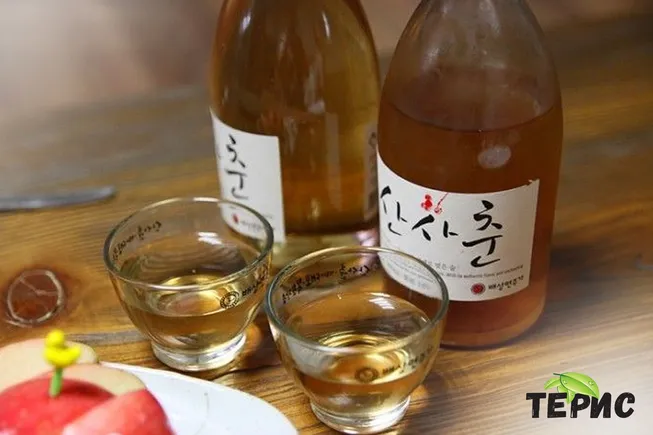
In China the plant is also used to make jams, jellies, juices, alcoholic drinks and more. These in turn can be used in other dishes. In South Korea hawthorn fruits are made into a liqueur called sansachun.
In Iran the plant is often eaten raw as a snack or made into a preserve.
#Nothing matters more than health
The medicinal properties of Crataegus species highlight the significant pharmacological effects of this genus. Scientists are clear about its potential as a cardioactive, hypotensive, cytotoxic, hypolipidaemic, gastroprotective, hepatoprotective and antiviral agent, including an anti-HIV effect. Hawthorn is also an antioxidant and immunostimulant.

When people want to look after their health, they can without doubt turn to this wonderful herb. Besides being a beautiful part of nature in our latitudes, it is also very good for addressing various problems of the body. Not to mention that the plant is clearly a wonderful addition to many alcoholic drinks, confectionery and healthy, fresh dishes for the table. It is no accident that hawthorn is so popular all over the world and so loved in every place a tourist might visit.
What matters more than health? Well, nothing. And people who add hawthorn to their daily habits and menu know this well.
#HAWTHORN - STRENGTH FOR THE HEART ➤ VIDEO
This article is for educational purposes and does not replace advice from a doctor. Food supplements are not medicines and are not intended to treat diseases. If you have a chronic condition, are pregnant or breastfeeding, or take medication, consult a specialist before use.

Hawthorn - strength for the heart
Click to play video
Products from this article