Herbs and Care for Varicose Veins
Table of Contents
#A vascular condition – varicose veins
Varicose veins are classified as a vascular conditionthat affects about a third of today's population. They are more common in women than in men. Some people do not mind having such veins, but they most likely feel uncomfortable showing them to others when wearing shorts, skirts or dresses.
Some treatments work, while others do not seem so successful. In this article we look at modern herbal treatments for varicose veins.

#What are varicose veins?
Varicose veins are classified as veins that are enlarged or bulging. They most often appear in the area of the legs, the feet and the lower parts of our body, but they can also appear elsewhere, including the arms, the upper body and the midsection.
They can start as any type of superficial vein, so practically everyone is at risk of eventually developing this conditionif preventive measures are not taken. More specifically, blood has to circulate throughout our whole body, and the arteries and veins help in this process. The arteries are responsible for carrying blood from our heart to other vital areas of the body, while the veins are responsible for transporting that blood back to our heart.
With this in mind, the veins in our legs and lower body have to work harder, because they must work against gravity to carry blood back to the heart. To do this, our veins have valves that can open and then push the blood upwards. But when these valves weaken or become damaged, they do not work properly and the blood falls back down under the force of gravity.
As a result, our veins fill with excess blood that collects inside them, which makes them look bigger and causes so-called varicose veins to form.
Varicose veins usually appear in the legs and feet, because standing and walking increase the pressure on these veins. They look like bulging, bluish cords under the surface of our skin.
Varicose veins are very similar to spider veins, since they initially form in the same way, but spider veins are smaller and closer to the surface of our skin. There are even some veins on the inner part of our legs that can also become varicose, causing swelling and pain. These are the more dangerous varicose veins, because they can lead to blood clots forming.
Many people have varicose veins – enlarged, bulging veins that do not move blood as efficiently as they should. For most people this is a cosmetic problem, but for others the condition can cause pain. In some cases serious complicationscan arise, such as phlebitis (inflammation of the veins), skin ulcers and blood clots.
We can take care of varicose veins at home with natural methods and alternative therapies, or a health professional may recommend treatment.

#Symptoms of varicose veins
- Dark purple or blue veins
Noticeable dark blue blood vessels, especially in the legs and feet (not the "spider-like" veins, which are smaller)
- Discoloration of the skin
- Itching around the veins
- Skin disorders
- Enlarged or bulging veins on the surface of the skin
- Increased pain and tenderness after we have been standing for too long
- A feeling of heaviness in the legs
- Swelling around the discolouredveins
- A burning sensation or muscle cramps in the lower legs
- Skin ulcers near the ankle, which are serious and require immediate medical attention

#Are varicose veins painful?
Most people who have varicose veins are simply bothered by them because of their appearance or other cosmetic reasons. But others are bothered by them because of the physical pain they experience.
Some varicose veins can be painful and cause a lot of discomfort, depending on their location and the severity of the condition.
Not only can they be painful or make us feel uncomfortable, but they can also worsen into a more serious conditionif nothing is done about them. Although this is rare, it can still happen in the future.
More specifically, varicose veins have the ability to turn into ulcers. These appear mostly near our ankles or in the skin close to such a vein. They also start as discoloured patches, so we should watch out for this condition when it appears.
In addition, varicose veins can also create blood clots in the body. Any part of our body with painful swelling or burning may be the result of a blood clot forming, as these signs indicate clotting of the blood.
And last but not least, if left untreated, varicose veins can also cause bleeding. This happens, for example, when they lie extremely close to the surface of our skin and burst.
Overall, any of these conditions can result from varicose veins, and all of them require medical attention if noticed.

#Causes of varicose veins
Varicose veins appear as a result of our veins being under too much pressure, and they occur mostly when the veins themselves are either damaged or weak and their valves, which stop the backflow of blood, no longer work.
We may be at risk of such a condition depending on various factors, including age, sex and a genetic predisposition in our family history. Also if we are overweight, pregnant or spend long periods sitting or standing throughout the day.
The risk of varicose veins increases with age, as our veins weaken as we get older. In general, they appear as a result of having been subjected to too much pressure for too long.
- Primary varicose veins appear when the walls of our veins become weak. Many people get them with age, as do many pregnant women.
- Secondary varicose veins are most often caused by problems with veins that lie deep among the muscles and carry about 90% of the blood back to our heart. These problems include blood clots and can be serious.

#Who is most at risk of developing varicose veins?
We are at risk if we have the following conditions or characteristics:
- Family history. If other members of our family have varicose veins, our risk is higher.
- Female sex. They are 3 times more common in women.
- Age. Veins deteriorate with age.
- Hormonal changes associated with pregnancy, the premenstrual period and the menopause
- Standing for long periods
- Being overweight
- Certain diseases
- Abnormal blood flow between the arteries and veins

#What to expect at the doctor's surgery?
If we have pain, burning or sudden swellingassociated with varicose veins, we should see a health professional immediately.
They will carry out a physical examination of our legs while we are standing. They may also do tests to see how well our veins are working and to distinguish primary from secondary varicose veins. The health consultant may also do an ultrasound test to check for blood clots.

#Preventing varicose veins
In many cases we can deal with mild to moderate pain ourselves. We should avoid long periods of sitting or standing, exercise regularly, because this helps the veins work better, lose weight if necessary, because this reduces the likelihood of blood clots forming and raise our legs up high often.

#Current medical treatments for varicose veins
#Compression treatment
Some compression treatments can effectively treat varicose veins, as they help keep the blood moving in our veins. More specifically, wearing compression / elastic stockings can help treat them and prevent negative effects from occurring.
Compression stockings help blood move through the veins by pushing it up towards the heart. They provide the greatest compression around our ankles and then apply less pressure further up the leg. We can wear them all day, and it is also recommended to raise our legs in addition to wearing these stockings.
#Over-the-counter medicines
Some over-the-counter medicines can treat the swelling as well as the pain associated with varicose veins. More specifically, anti-inflammatory medicines such as aspirin or ibuprofen can help relieve the pain or swelling associated with this condition.
Surgical and other procedures:
#Laser treatment
Some laser treatments are recommended because they involve applying light energy to the specific vein that is varicose. The laser sends a beam of light onto the vein, which eventually makes it disappear.
Laser surgery can reduce the size of the veinbecause it encourages the blood to keep circulating through our body instead of stagnating in the rest of that particular vein.
For this treatment to produce a result, we need to undergo several separate laser procedures before we see any improvement.
#Sclerotherapy
This type of therapy involves a solution injected into our vein to make its walls shrink. This chemical scars the vein and closes it, after which a compression bandage is applied. When this happens, the vein is unable to fully transport blood, so it cannot collect blood and become varicose again. This can be done in a health professional's office.
#Radiofrequency ablation
A catheter is inserted into the varicose vein to heat the vein wall, which causes it to shrink and close.
#Vein stripping
Removal of the vein through a series of small incisions.
#Vein surgery
Usually used only in severe cases involving leg ulcers.

#Complementary and alternative therapies:
A comprehensive treatment plan for varicose veins may include several complementary and alternative therapies. Usually these methods try to stop varicose veins from developing or getting worse, rather than make existing ones disappear.
#Nutrition for varicose veins
Eat foods rich in dietary fibre, such as whole grains.
The bioflavonoids found in dark berries, dark leafy greens, garlic and onionshelp keep veins healthy.
Varicose veins can be treated most naturally by changing our overall diet. More specifically, we may benefit most from increasing the amount of fibre we take in our diet, as well as from reducing the amount of sodium we consume.
We can change our diet for the better by increasing the amount of fruit, dark leafy greens, whole grains, nuts and seeds in our diet. Not only that, but we may also benefit from increasing the amount of waterwe drink, as it opens up our veins and allows blood to flow through them more easily.
It is also recommended to avoid eating foods that contain hydrogenated oils, as they dehydrate the veins and make them smaller, which restricts blood flow. We should also limit our consumption of sugars, carbohydrates, caffeine and alcohol, as they too can dehydrate the body.

#A supplement for varicose veins
Horse chestnut extract is a widely accepted supplement for leg veins that helps patients with varicose veins in the legs.
- Supplements
Supplements that may help include vitamin C, vitamin E and zinc.
- Rutin
Rutin is a bioflavonoid that can strengthen the walls of the veins and help them work better. A number of studies show that flavonoids derived from rutin relieve swelling and pain.
- Oligomeric proanthocyanidin complexes
Oligomeric proanthocyanidin complexes are bioflavonoids found in grape seeds and pine bark. Similar flavonoids are found in cranberry, hawthorn, bilberry and other plants. Several studies show that they can reduce varicose veins and swelling of the legs.
Taking grape seed extract together with a vitamin C supplement may raise blood pressure, so a consultation with a health consultant is always advisable. Grape seed extract can also increase the risk of bleeding, especially if we are also taking blood thinners such as warfarin, clopidogrel or aspirin. It can also interact with a number of other medicines, so we should seek advice from a specialist before taking it.

#Herbal treatments for varicose veins
Besides changing the foods we eat, we can also treat varicose veins naturally with natural herbs. Taking nature's remedies is beneficial for varicose veins because they strengthen, tone and restore the walls of the veins, the valves and the capillaries, which reduces the chance of varicose veins developing.
We should not forget to seek advice from our health consultant to make sure which herbs and supplements may be suitable for us.

Herbal supplements can relieve the symptoms. Herbs are usually available as dried extracts (pills, capsules or tablets), teas or tinctures (alcohol extraction unless otherwise stated).
People with a history of alcoholism should not take tinctures. The dose for teas is 1 heaped teaspoon per cup of water, steeped for 10 minutes (roots need 20 minutes). For herbal extracts, 20–30 drops dissolved in a glass of water, 2 or 3 times a day, is advisable in most cases.
#Horse chestnut – one of the best treatments for varicose veins
Horse chestnut (Aesculus hippocastanum), or wild chestnut, improves blood circulation.
It is classified as a flowering plant containing about 20% aescin. Aescin is the main active component of horse chestnut and is claimed to have clinical activity in chronic venous insufficiency, a condition associated with varicose veins, as it is able to treat vascular permeability in the veinsas well as in the capillaries. Aescin is also able to effectively reduce the degree of hyperpermeabilityof the veins.
Horse (wild) chestnut is able to reduce the amount of inflammation and oedema (fluid retention) our body experiences. In addition, the plant can not only treat varicose veins but is also a herb that may prevent them from appearing in the future, as it improves our body's venous pressure and our blood flow.
Horse chestnut also has various antioxidant properties that can help tone the veins. We can take advantage of these benefits of the herb orally or topically. More specifically, we can take it by mouth, 75 milligrams every 12 hours.
- Improves blood supply and strengthens the venous walls in the limbs
- Strengthens the circulatory system (helps the movement of blood from the limbs to the heart)
- Relieves pain in varicose veins
- Strengthens the capillary walls
- Reduces the formation of swelling and bruises
- Removes the feeling of fatigue and heaviness in the limbs
- Protects the blood vessels from free radicals
We should always make sure we are using a reliable brand of horse chestnut food supplement, because home-made preparations may contain a toxic compound. We should not take the plant if we have liver or kidney disease or are taking blood-thinning medicines, diabetes medicines or lithium. Nor should we take more than the recommended dose.

#Bilberry prevents varicose veins from appearing
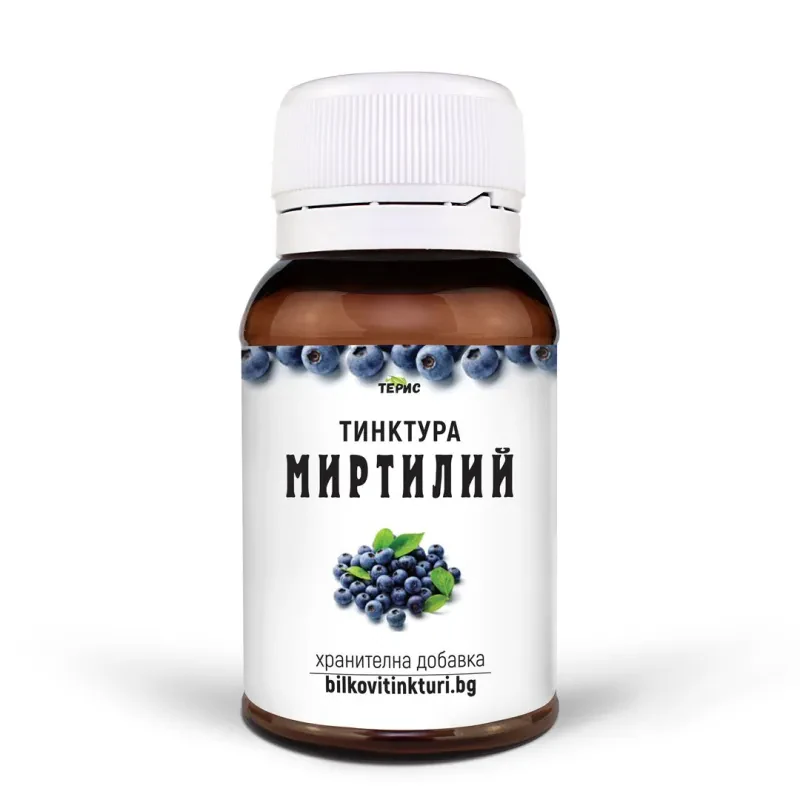
Bilberry is an antioxidant for health. It is a plant classified as a low-growing shrub, and its leaves are responsible for the presence of many different antioxidants able to dilate our blood vessels. In this way more blood can pass through our blood vessels, preventing varicose veins from appearing altogether. In particular, the antioxidants called anthocyanosides are able to strengthen and protect our blood vessels and capillaries.
In addition, bilberry may lower our blood pressure and may even increase the structure of the collagenfound in the walls of our veins.
To obtain the various benefits of the bilberry plant, it is recommended to consume 160 milligrams of bilberry extract twice every day.

#Calendula (marigold) for treating varicose veins
Calendula – "the orange doctor" is a useful herb for treating varicose veins, as it can relieve many of the symptoms associated with the condition. More specifically, calendula can relieve itchy, dry and inflamed varicose veins and help reduce the swelling and painassociated with them.
What is more, calendula restores our skin to the healthy state it was in before the varicose veins appeared. This herb can improve blood circulation in our body, which can prevent varicose veins from developing in the first place.
To obtain all these benefits, we should apply calendula herbal oil topically twice a day, with an upward motion towards the heart, or take a herbal extract – a herbal tincture.
- Relieves itchy, dry and inflamed varicose veins
- Reduces swelling as well as pain
- Restores the healthy state of our skin
- Improves blood circulation in our body

#Calendula herbal tincture for treating varicose veins
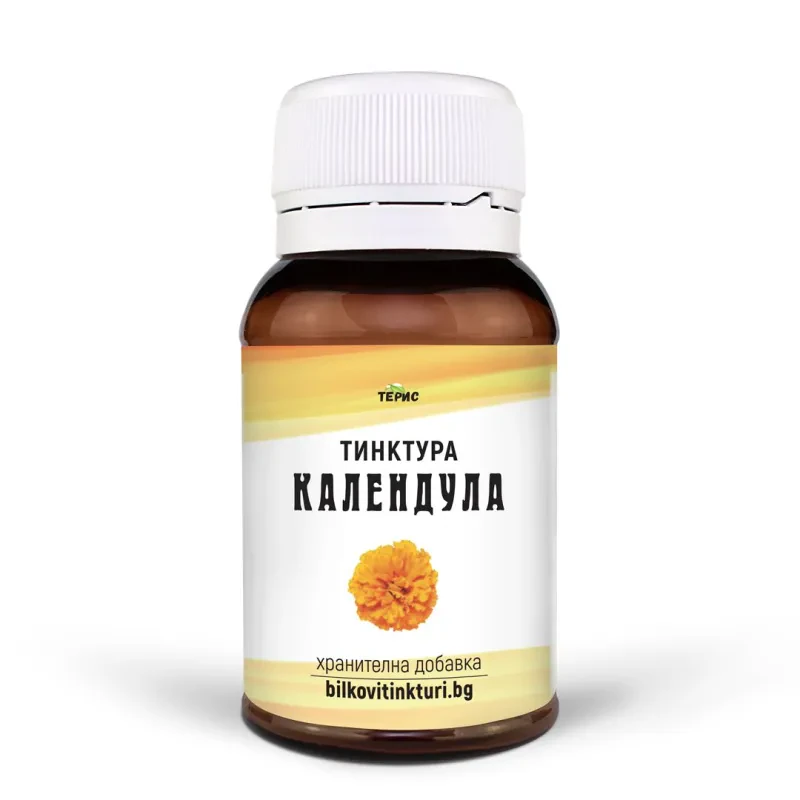
The easiest to take, with the fastest effect on our body, the healing orange plant is available in the form of herbal tincture KALENDULA.
The concentrated extract of the flower known as "the orange doctor" has a powerful complex action on the whole body.
The tincture is beneficial in:
- Gastrointestinal disorders
- Chronic constipation
- Kidney and urinary tract stones
- Liver diseases
- Impaired digestion
- Conditions leading to blood in the urine
#Calendula and bilberry herbal tincture for varicose veins
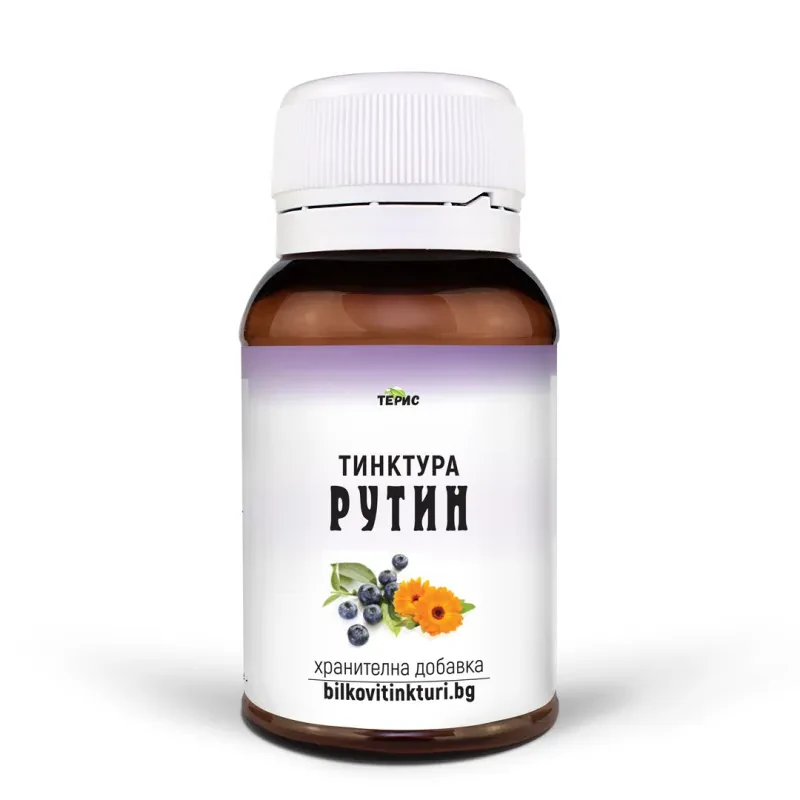
- Herbal extract RUTIN – from calendula flower and bilberry
The most powerful effect against the symptoms associated with venous insufficiency comes from the calendula and bilberry herbal tincture for varicose veins – RUTIN. It has a beneficial effect on problems with the circulatory system.
It is an extremely useful aid in:
- Varicose veins
- It is used to thin the blood
- Increases the tone of the veins
- Relieves swelling or tiredness in the legs
- Improves the resilience of the small blood vessels
- Thrombosis
- Haemorrhoids
- Menstrual cramps
- Supports digestive processes
- Has a beneficial effect on the circulatory system

#Grape seed extract for venous deficiencies
Grape seed extract is a food supplement most often used by people who have venous deficiencies. The extract is obtained from grape seeds and is able to promote the wound-healing processwhen consumed. Not only that, but it is also able to reduce inflammation in the areas where varicose veins are found.
Grape seed extract contains an antioxidant compoundknown as oligomeric proanthocyanidin, which is able to reduce swelling from oedema. In addition, this herbal extract can also lower systolic blood pressure as well as heart ratewhen consumed or applied topically.
- Promotes the wound-healing process
- Reduces inflammation and swelling in the areas where varicose veins are found
- Lowers systolic blood pressure and heart rate

#Pine bark – a natural remedy for varicose veins
Pine bark can act as a natural remedy because it contains a large amount of phenolic acids, flavonoids and even proanthocyanidins. All these elements contribute to the plant's ability to reduce the amount of inflammationwe may have from varicose veins. Some components in pine bark are able to improve blood circulation in our body, which encourages blood to flow easily through the veins.
In addition, pine bark can restore the elasticity of our veins and even strengthens their walls. This is helpful for people who have varicose veins, because it can reduce the cramps and pain we may experience as a result of them.
- Reduces inflammation
- Improves blood circulation
- Restores the elasticity of the veins and strengthens their walls
- Reduces cramps and pain

#Gotu kola – a useful herb for varicose veins
Gotu kola is able to treat various skin conditions. Studies have shown that the plant Centella asiatica can help relieve the symptoms of chronic venous insufficiency.
More specifically, this herb can promote completely healthy veinsas it contains an active component known as asiaticoside. This ingredient is known as an antioxidant, anti-ulcer and anti-inflammatory element.
Gotu kola also contains triterpenoids, which help speed up the wound-healing process and have vascular effects. In addition, the herb is able to increase the collagen in the walls of our veins, reduce hypertension in them and can even strengthen the walls of our blood vessels. With this in mind, this herb is able to improve blood flow completely.
To obtain all these benefits, we should consume at least 300 milligrams of gotu kola three times every day. We also have the option of applying an ointmentcontaining the herb twice a day.
- Speeds up the wound-healing process
- Has vascular effects
- Contains triterpenoids, which stimulate the production of collagen and elastin (particularly useful for varicose veins)
- Strengthens the walls of the blood vessels
- May improve blood flow completely
Gotu kola should not be taken if we have liver disease. The plant can interact with many medicines that are processed by the liver and may increase the risk of liver damage. The plant can also interact with sedative medicines. To be safe, we should always seek advice from our health consultant before taking gotu kola.

#Butcher's broom against varicose veins and haemorrhoids
The herb Butcher’s Broom , also known in Bulgarian as mishi tran ("mouse thorn"), bodliv zalist or "butcher's broom" (Ruscus aculeatus), is native to Europe, Asia and North Africa. The root is used to make medicines. The name Butcher's Broom comes from the fact that it was used as a broom to clean European butchers' shops right up to the 20th century. It is classified as an evergreen shrub with small green leaves.
They have vasoconstrictive effects. The chemicals in the herb can cause the blood vessels to narrow or constrict. This can improve circulation in the legs.
It is used for poor circulationand also for swelling of the hands, varicose veins and other conditions. In addition, the herb is known for its ability to strengthen the arteries. Given these benefits, this natural herb is used in people with venous insufficiency.
We should not confuse "butcher's broom" with "Scotch broom" or "Spanish broom". These are not the same plants.
To obtain all these benefits of Butcher's Broom, it is recommended to consume 50 milligrams in capsule form three times every day.
- A natural product against haemorrhoids, varicose veins and swelling
- Contributes to the normal condition of the veins and capillaries
- Improves blood circulation and relieves pain

#Witch hazel for healing, toning or shrinking varicose veins
Witch hazel is called "the golden treasure of herbs". Its name (Hamamelis) translates as "together with the fruit", a name that comes from the fact that the plant flowers at the same time as the previous year's fruits ripen.
This herb originates from North America and is known for its astringent qualities, which are helpful if we are trying to heal, tone or shrink large varicose veins. Not only that, but witch hazel is also able to restore their elasticity naturally, which can also help treat them and prevent them from appearing in the future.
Witch hazel can be useful to us if we have varicose veins, as it can reduce the painwe feel and can also reduce the itching.
To obtain these benefits, we should apply witch hazel as a toner topically with a cotton ball, using an upward motion, at least twice every day.
Witch hazel – a supporting active ingredient for:
– healing, toning or shrinking large varicose veins
– restores the elasticity of the veins
– reduces pain and itching
– haemorrhoids
– sore throat and gums
– fresh breath

#Cayenne pepper may prevent varicose veins from appearing
The seeds of hot red "cayenne pepper" are rich in vitamin C and flavonoids. Because of this, it is able to protect our blood vessels from free radicals. In addition, cayenne promotes the formation of collagen in the walls of our veins, improving their health and elasticity and even increases the anti-inflammatory propertiesto which our body is exposed.
Cayenne pepper also has analgesic and blood-thinning properties. With this in mind, it may prevent varicose veins from appearing altogether.
- Protects our blood vessels
- Promotes the formation of collagen in the walls of our veins, improving their health and elasticity
- Increases the anti-inflammatory properties of our body
- May prevent varicose veins from appearing altogether
To take advantage of the beneficial properties of cayenne, we should consume the herb as a capsule and as directed by a medical professional.

#Madder root is beneficial for varicose veins
Indian madder (brosh) / manjistha roots can be beneficial for varicose veins; they are obtained from the roots of the plant Rubia cordifolia - Madder – the red dye that benefits health. More specifically, consuming dried powder from the stem and root of this plant can act as an effective purifier of our blood , as it has detoxifying properties able to purify and thin the blood. This way it can pass more easily through the rest of our body.
Madder roots also have antioxidant and anti-inflammatory properties that can both treat the symptoms associated with varicose veinsand prevent them from appearing altogether.
- Madder is an effective blood purifier
- Treats the symptoms associated with varicose veins and prevents them from appearing altogether
We can consume the herb by mixing the dried powder, or a concentrated herbal extract – a herbal tincture from its roots – with water or another liquid.

#What contributes to healthy veins?
Light exercise that improves blood flow can help slow the worsening of varicose veins. Swimming, walking, cycling, yoga and stretching are beneficial, as they help blood circulation and work the calf muscles without risk of physical injury.
#What is the fastest way to get rid of varicose veins?
Sclerotherapy and vein ablation are quick and easy treatments for varicose veins.

#Can the body heal itself of varicose veins?
Varicose veins will not heal on their own, and delaying treatment can worsen the condition, leading to more serious diseases. To cure varicose veins once and for all, medical treatment is necessary.

#Herbal treatments successfully treat varicose veins
In general, varicose veins cannot be cured and may simply keep coming back. That is why it is important to stay informed about the causes of varicose veins, as well as about the actions that can prevent them from appearing in the future.
For example, we can avoid developing varicose veins by exercising regularly, watching our weight and diet, eating high-fibre food and avoiding sodium. We can also raise our legs regularly during the day and regularly change our sitting position.
And since varicose veins may come back, there are also treatments we can undergo – such as surgery, over-the-counter medicines, compression treatment and even laser treatment. We can have these done at various specialised centres.
But if we are looking for a more natural way to treat varicose veins, we may consider various herbal treatmentsthat are known to successfully treat the affected veins. Some of these herbs include bilberry, calendula, butcher's broom, horse chestnut, gotu kola and even cayenne.
Consuming natural herbs is beneficial for varicose veins because they strengthen, tone and restore the walls of the veins, the valves and the capillaries, which reduces the chance of varicose veins developing.

This article is for educational purposes and does not replace advice from a doctor. Food supplements are not medicines and are not intended to treat diseases. If you have a chronic condition, are pregnant or breastfeeding, or take medication, consult a specialist before use.