Herbs and Self-Care for Hemorrhoids
Table of Contents
#Natural remedies for haemorrhoids
Are you thinking of using some home and natural remedies to treat your haemorrhoids? If you want a natural remedy to help reduce the discomfort, there are a few things you should know.
Bear in mind that they usually don't hurt, but they can bleed. And if they do hurt, it may mean that they have already moved to the outside of the anal canal, and they may even get bigger. If they also develop a blood clot, they can become really very painful.
#What are haemorrhoids?
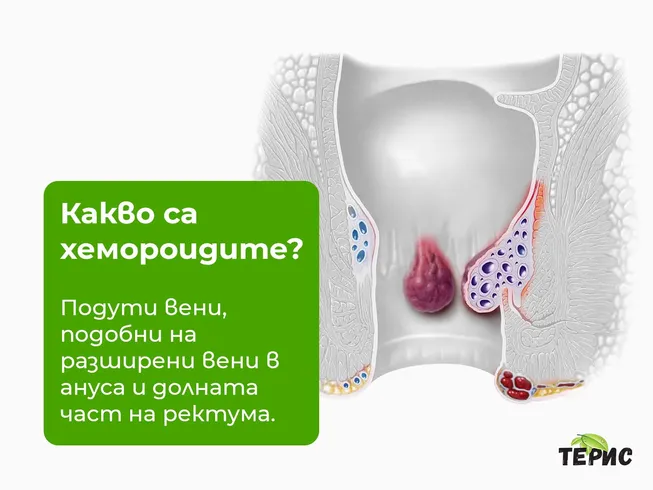
Haemorrhoids are swollen veins, similar to varicose veins, that can form in the lower part of the rectum (internal) or under the skin around the anus (external).
Haemorrhoids are one of the most common causes of rectal bleeding. They often go away on their own. Treatments can also help.
Symptoms often include: painless bleeding, itching or irritation in the anal area, discomfort, pain or soreness in the same area, lumps and swelling in the anal area, and leakage of faeces.
#Types of haemorrhoids
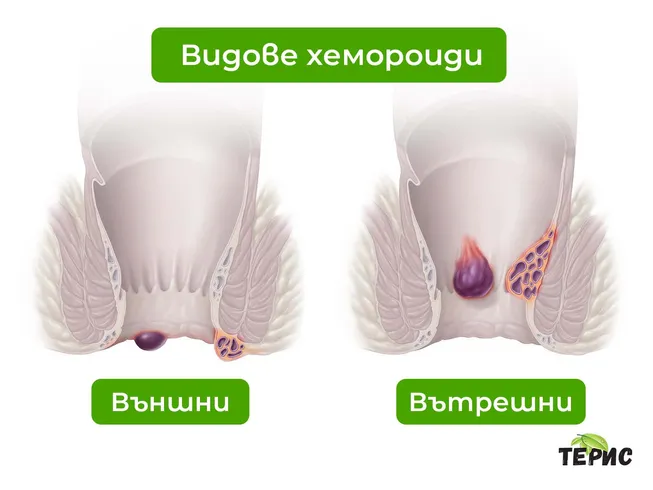
There are two types: internal and external. You can have either type on its own or both at the same time.
- Internal haemorrhoids
These develop in the rectum. They form inside the anal canal and are usually painless. However, they can cause occasional bleeding with bowel movements and sometimes a discharge of mucus. Internal haemorrhoids can also bulge out of the anus and look like small, grape-like masses.
- External haemorrhoids
These form just outside the anal opening (under the skin around the anus) and can cause swelling, lumps and discomfort.
#What are the symptoms and signs of haemorrhoids?
Symptoms include:
- Anal itching or irritation
- Discomfort
- Anal pain, especially when sitting
- Bright red blood on toilet paper, on the stool or in the toilet bowl
- Pain during bowel movements
- One or more hard, tender lumps and swelling near the anus
- Leakage of faeces

#What CAUSES haemorrhoids?
#Older age
Haemorrhoids are a type of varicose vein that appear as we get older. They are most common among people aged 45 to 65. However, this does not mean that young people and children don't get them.
#Diarrhoea
Haemorrhoids can appear after bouts of chronic diarrhoea.
#Chronic constipation
Constipation or passing large, hard stools can contribute to the development of this kind of swollen vein, because straining to pass stools puts extra pressure on the walls of the blood vessels.
#Pregnancy
Increased pressure during pregnancy can cause haemorrhoids. They are more common in pregnant women because, as the uterus grows, it presses on the vein in the large bowel, causing it to bulge.
#Sitting for too long
Spending long periods sitting down can cause this kind of discomfort.
#Lifting heavy weights
Repeatedly lifting heavy objects can cause it.
#Anal intercourse
This can cause new haemorrhoids or make existing ones worse.
#Obesity
Diet-related obesity can also be a cause.
#Genetics
Some people inherit a tendency to develop haemorrhoids.
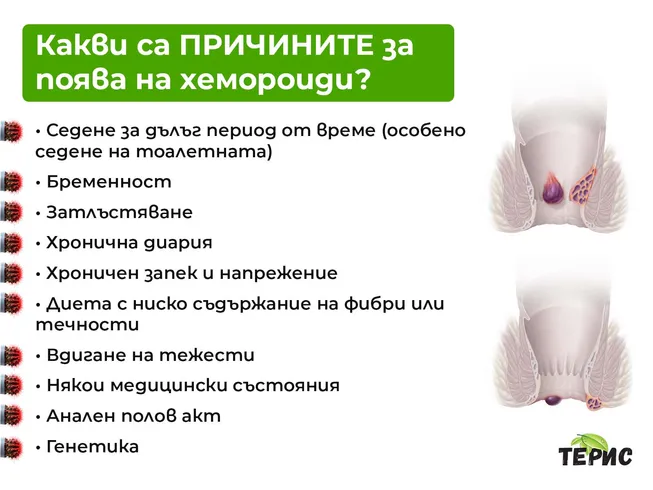
Contributing factors in general include the following:
- Certain medical conditions (such as cirrhosis – end-stage liver disease)
- Pregnancy
- Sitting for long periods of time (especially sitting on the toilet)
- Obesity
- Chronic diarrhoea
- Chronic constipation and straining
- A diet low in fibre or fluids
- Lifting heavy weights
- Anal intercourse
- Genetics
#Diagnosing haemorrhoids
Your health adviser can often diagnose external haemorrhoids with a physical examination.
For internal ones, they may carry out a rectal examination (inserting a gloved finger into the rectum).
They may also use an anoscope or sigmoidoscope to look inside the anal canal.

#Medicinal preparations
Over-the-counter corticosteroid creams, ointments or pads can help reduce pain and swelling. Creams containing lidocaine (also available over the counter) can reduce pain.
Stool softeners help reduce straining during bowel movements and prevent hard stools.
Bulk-forming laxatives help prevent hard stools and constipation.
#Surgery and other procedures for haemorrhoids
For cases that do not respond to home treatment, the treating doctor may recommend other procedures:
- Rubber band ligation
A small rubber band is placed around the internal haemorrhoid, which cuts off its blood supply and causes it to fall off.
- Sclerotherapy
Used to treat varicose veins, this procedure involves injecting a chemical solution into the vein, which causes the haemorrhoid to collapse.
- Doppler-guided haemorrhoidal artery ligation.
A relatively new procedure for safe treatment.
- Surgical intervention
If other options fail, a haemorrhoidectomy may be recommended.
- Diode laser
This laser operation takes less time, involves less pain and bleeding, and speeds up healing time.
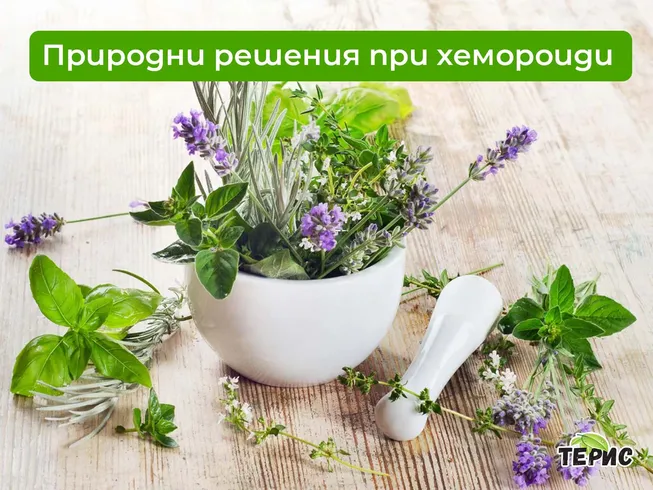
#Natural solutions for haemorrhoids
Natural and herbal treatments are the best choice in this case, especially in the 21st century, when people have moved so far away from what is natural. This kind of treatment is no less effective than using synthetic medicines, while being considerably healthier for patients with haemorrhoids.
Whatever treatment you undertake, however, discuss it with a specialist who knows your state of health well.
#Easy ways to prevent haemorrhoids
- Preventive care:
It is important to avoid constipation so that you don't strain when you go to the toilet, so adding more fibre from fruit, vegetables and wholegrains to your diet can be helpful. You might consider fibre supplements. Drink plenty of fluids, at least 8 glasses a day, and exercise regularly.
#Fill up on fibre
Haemorrhoids are more likely to appear in people who have infrequent bowel movements. One of the easiest, most natural ways to become more regular is to fill up on fibre through your diet or supplements.
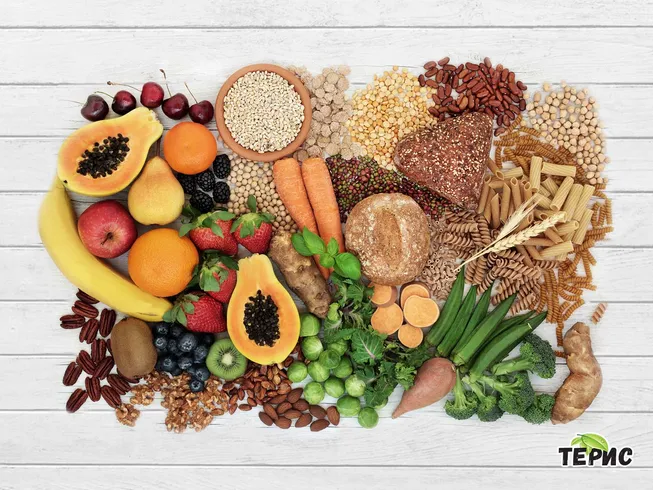
Sources of fibre are:
- Legumes
such as split peas, lentils, black beans, lima beans and baked beans
- Wholegrains
such as barley, bran flakes, oats and brown rice
- Vegetables
such as artichokes, green peas, broccoli and Brussels sprouts
- Fruit
such as raspberries, pears, apples and bananas
Taking fibre supplements will draw water into the stools and make bowel movements easier, helping to reduce bleeding and inflammation from haemorrhoids.
#Drink enough water
This strategy for preventing haemorrhoids is simple and cheap, but very few of us actually follow it.
Along with a healthy diet full of fibre, adequate hydration from water is the key to healthy bowel movements.

#Move a lot
Exercise helps keep the bowel more regular. However, engaging in activities that increase abdominal pressure and/or strain (such as weightlifting) can lead to haemorrhoids forming. Staying active reduces the time spent sitting down, which puts pressure on the veins in the lower rectum.
If you have a history of troublesome haemorrhoids, you may want to give up lifting heavy weights or other strenuous activities and choose more moderate exercise routines such as swimming or walking, to prevent them from flaring up.

#Be careful when it comes to laxatives
When you are constipated, some fibre supplements, especially psyllium capsules, can help you have more regular and painless bowel movements. As for laxatives, they can help as long as you choose the right ones. Some work by stimulating the bowel to contract to move its contents along. This can increase the pressure on haemorrhoids and cause complications.

#Don't fight the urge
When you need to go to the toilet, go. This is one of the easiest ways to prevent haemorrhoids. Ignoring the urge has its risks, and haemorrhoids are one of them.
#Avoid straining
Straining and putting more pressure on the veins in the rectum is one of the most common causes of painful or bleeding haemorrhoids. In some cases this can happen as a result of pushing too hard when trying to pass a stool. Other situations can also cause strain, such as lifting heavy objects, a chronic cough or even pregnancy.
#Ease the discomfort to prevent haemorrhoids
- Externally
Apply over-the-counter products that shrink inflamed tissue and relieve itching. Try pads soaked in witch hazel (Tucks) or soothing creams containing lidocaine, hydrocortisone or phenylephrine (Preparation H).
You can also take steps to prevent flare-ups.
- Internally
Take herbal-based food supplements; this way you will support their natural relief.

#Don't put it off
Putting off a bowel movement can lead to a build-up of stool, which leads to increased pressure and strain and a worsening of the affected area.
#Sit comfortably
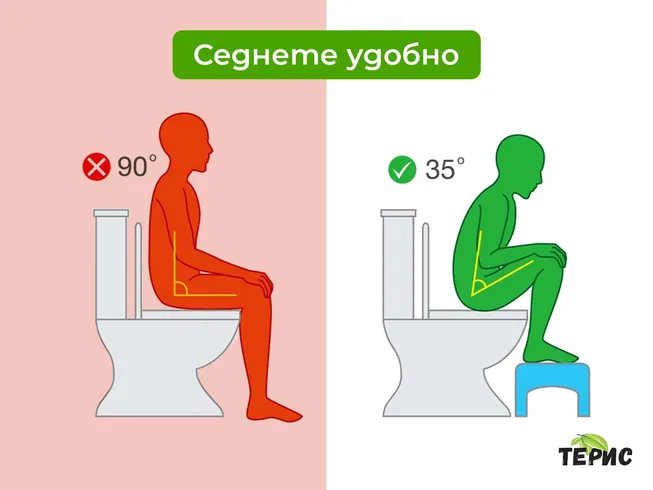
Try not to sit on the toilet for long periods of time, as this causes haemorrhoids to be pushed out and swell. One way to speed things up is to raise your feet on a stool while you sit. This changes the position of your rectum to allow stools to pass more easily. In addition, using a cushion under you when you sit on a chair or hard surface can ease the swelling.
#Keep up good hygiene
After each bowel movement, gently clean the anal area with a witch hazel pad, a soothing baby wipe or a cotton cloth soaked in warm water. If you have any irritation afterwards, apply petroleum jelly or aloe vera gel.

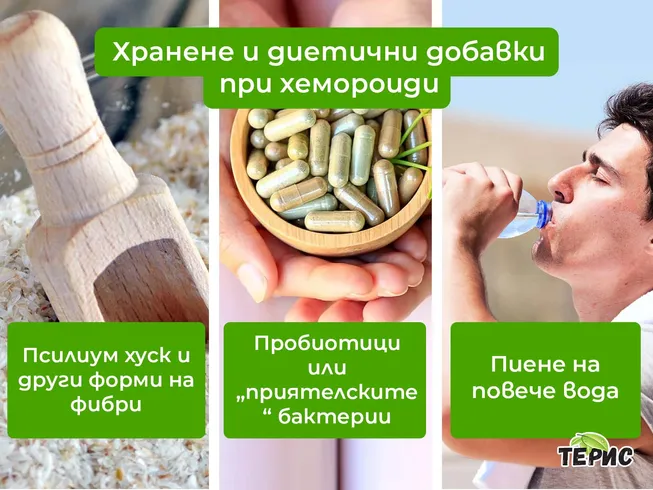
#Nutrition and dietary supplements for haemorrhoids
#Psyllium husk and other forms of fibre
These can help soften stools and reduce the pain associated with haemorrhoids.
Increase your fibre intake to 25 to 30 grams a day and drink 6 to 8 glasses of water a day. People with inflammatory bowel disease should consult their health adviser to see whether psyllium is suitable for their condition.
It is a food supplement that helps increase the fibre in your daily diet and noticeably softens stools to make them easier to pass.
Still, be careful not to take too much fibre, or to increase it too quickly, as this can also cause wind or stomach cramps.
#Probiotics or "friendly" bacteria
such as lactobacillus and bifidus may help prevent and treat haemorrhoids. People with a severely weakened immune system should talk to their doctor before taking probiotics.
#Drinking more water
can significantly reduce constipation and straining during bowel movements, which may help prevent haemorrhoids.
#Lifestyle tips for preventing haemorrhoids
- Lifestyle and treatment approach:
Medicines can relieve pain and discomfort while the haemorrhoids are being treated. In addition, certain lifestyle measures can help you feel better and even prevent haemorrhoids from coming back.
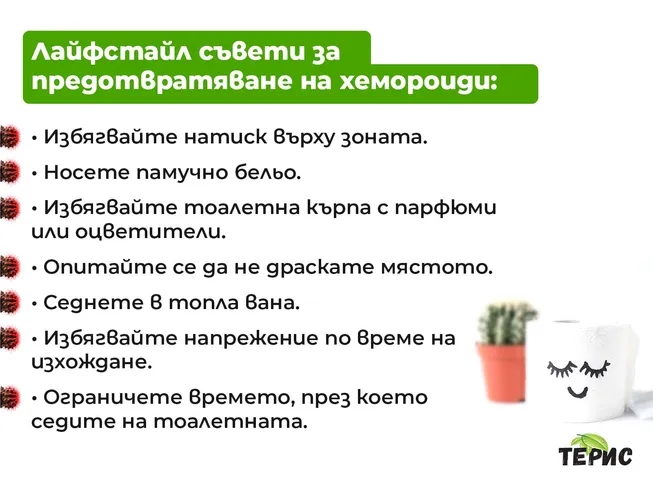
Try the following lifestyle tips to reduce the pain and itching of haemorrhoids:
- Avoid pressure on the area (for example, sit on an inflatable ring or on a soft cushion rather than on a hard chair)
- Wear cotton underwear
- Avoid toilet paper with perfumes or dyes
- Try not to scratch the area
- Sit in a warm bath (or use a sitz bath – ask your doctor) for 10 to 15 minutes, 1 to 2 times a day
- Avoid unnecessary straining during bowel movements
- Limit the time you spend sitting on the toilet, because lingering there does not help you.
- There are also dietary and other lifestyle steps you can take to prevent or treat constipation, which will help you avoid haemorrhoids.
- Try natural and herbal treatments
#Epsom salt and glycerine
This lesser-known but proven home remedy can help with painful haemorrhoids. Use these simple ingredients to make a mixture that you apply directly to the inflamed area.
#Warm bath
Specialists usually recommend that people with painful haemorrhoids sit in warm (not hot) water with their knees bent for 10–15 minutes, several times a day – especially after a bowel movement.
This will relieve itching and irritation. Gently pat yourself dry with a towel, but do not rub the area.
You can most likely find a special sitz bath at your local pharmacy. This small basin offers an extremely convenient way to moisten and soothe the problem area.
And the most important thing to remember is that getting haemorrhoids, however unpleasant, is not a life sentence. This problem does not have to stay with you for ever – quite the opposite. But once it has appeared, it needs to be dealt with properly so that it passes as quickly as possible, with the least chance of coming back.
#HERBS for treating haemorrhoids:
Natural and herbal treatment of haemorrhoids at home:
There are many ways in which people try to reduce the spread and development of painful haemorrhoids. But before you try home treatment, a correct diagnosis is crucial. It is important to see your doctor for a consultation and advice, especially if you have never had this kind of problem before.
Using herbs is a time-tested approach to strengthening the body and treating illness. However, herbs can cause side effects and can interact with other herbs, supplements or medicines. For these reasons, you should take herbs only under the supervision of a health professional and as prescribed.
-Natural treatment is the best for people and often offers longer-lasting relief from an existing problem.
The natural treatment of any illness can be beneficial and can also offer long-term relief from problems.-
Here are some remedies for the natural and herbal treatment of haemorrhoids at home:
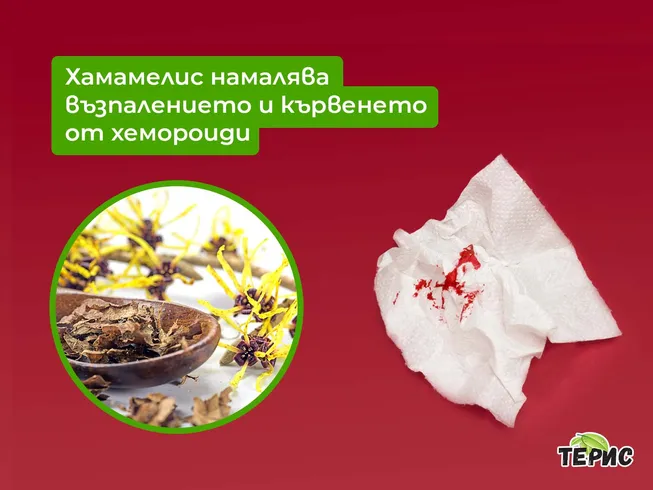
#Witch hazel reduces inflammation and bleeding from haemorrhoids
Witch hazel (Hamamelis virginiana), also called "witches' hazel", is known for being very effective at relieving the two main symptoms of haemorrhoids, pain and itching, as well as for reducing inflammation or swelling, since it is a natural anti-inflammatory herb.
Applied topically or used as a sitz bath, it can temporarily shrink haemorrhoids and relieve the symptoms again. Many of the "pads" used to treat haemorrhoids contain witch hazel.
The plant contains tannins and oils that have the power to help reduce inflammation and bleeding.
Supporters of this method of treatment say that the herb noticeably tightens the skin as a natural anti-inflammatory and quickly reduces discomfort.
*Hamamelis. For large bleeding haemorrhoids with a raw feeling.
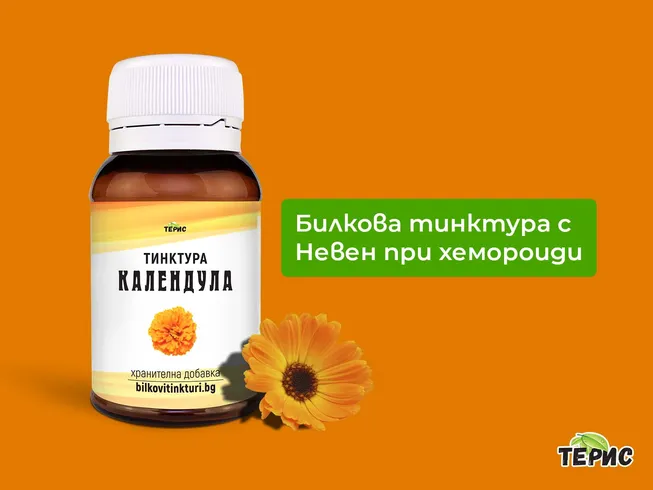
#Calendula helps when haemorrhoids appear
If you try to find calendula (marigold, Calendula officinalis) oil or cream, you will probably soon feel relief from itching, inflammation and irritation.
Taking it internally as a tincture will help you when haemorrhoids appear.

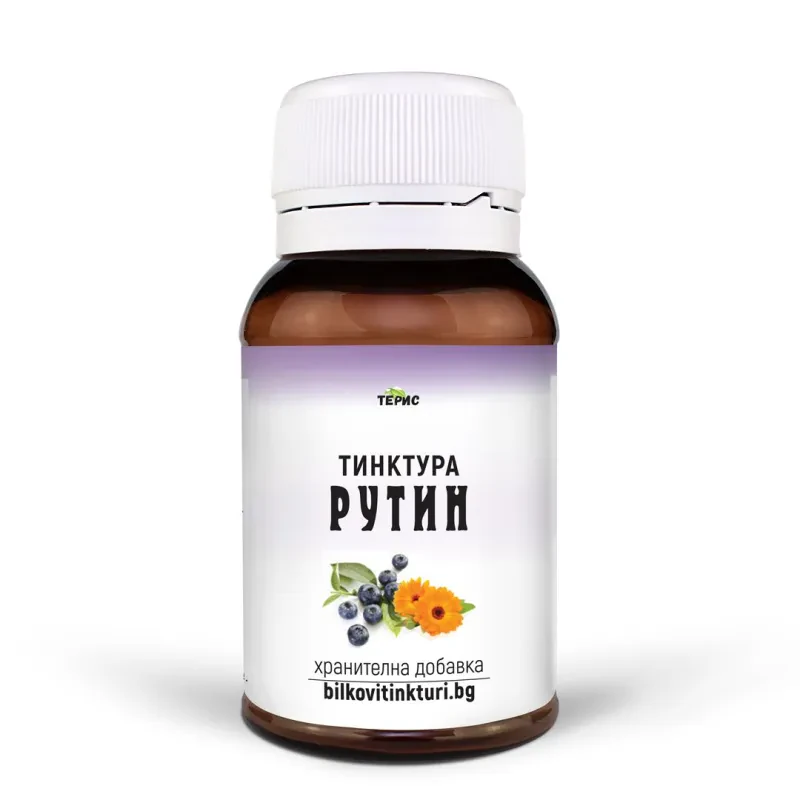
#Herbal tincture with calendula for haemorrhoids – RUTIN
A herbal extract of calendula and bilberry for haemorrhoids (varicose veins), thrombosis, haemorrhoids, menstrual cramps. An effective remedy that supports the digestive processes. It is used to thin the blood.
"Herbal tincture RUTIN" is a specifically chosen selection of herbs, blended so that together they acquire the properties of a remedy for influencing problems with the circulatory system.
It contains calendula flowers and bilberry leaves.
The herbs are taken in the form of a tincture, which:
- helps with varicose veins;
- eases thrombophlebitis;
- helps when haemorrhoids appear;
- eases menstrual cramps;
- supports the digestive processes;
- is used to thin the blood;
- improves the resilience of the small blood vessels;
- increases the tone of the veins;
- eases swelling or tiredness in the legs;
#Aloe vera soothes the inflammation of haemorrhoids
Aloe vera is one of the oldest herbs, with a great many herbal uses, and has been used for generations. The gel is also used and is effective in treating haemorrhoids. Thanks to its anti-inflammatory properties, it also helps to reduce swelling and relieve the pain and itching, as well as the irritation caused by this condition.
Although no studies are available on its use for haemorrhoids in particular, the plant has shown good results in many other inflammatory skin conditions when used topically.
Although the gel is also a main ingredient in many commercial products, medical professionals recommend using pure aloe vera rather than a cream with other ingredients. Use only natural, undiluted aloe vera gel to treat haemorrhoids, taking it from aloe vera leaves after cutting them.
*Aloe. For a throbbing sensation in the rectum with large external haemorrhoids.

#Yarrow for bleeding haemorrhoids
Because of its geographical distribution, yarrow is particularly popular in Europe, and in European folk medicine this herb has traditionally been used to treat wounds and bleeding haemorrhoids.
Yarrow may interact with lithium and blood-thinning medicines. People with ragweed allergies should use yarrow with caution.
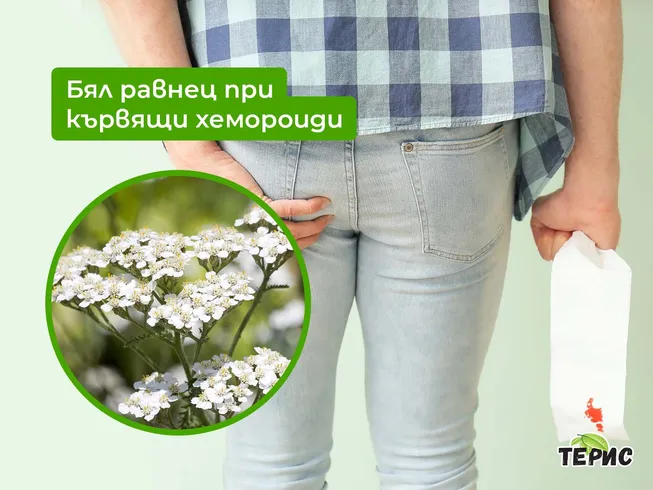
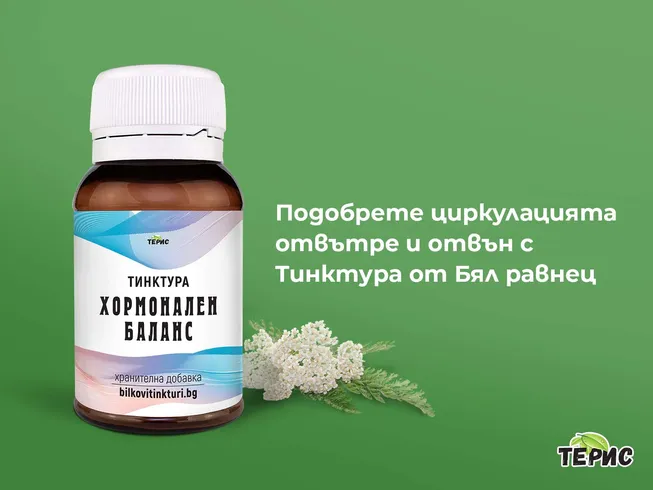
#Improve circulation from the inside and out with yarrow tincture
The herb yarrow (Achillea millefolium) improves blood circulation while toning the mucous membrane, and is used both internally and externally.
Professional herbalists may prescribe it and recommend this medicinal yarrow for haemorrhoids.
Despite the widespread use of yarrow, both internally and topically,
"It is best to use a high-quality, precisely dosed extract."
In the form of an extract, the herb has the property of effectively influencing:
- impaired blood circulation
- boosting immunity
- and protecting against seasonal flu-like illnesses
- it also has a strong toning action
#Gotu kola for haemorrhoids
Gotu kola leaves (Centella asiatica) are safe, gentle and well tolerated by people with haemorrhoids, but it may take a little longer to see results. Gotu kola improves blood circulation while gradually increasing the integrity of the lining of the blood vessels.
It is used for venous insufficiency or varicose veins. Gotu kola may interact with sedative medicines. People with a history of liver disease should use gotu kola with caution.
It can be taken internally as a standardised extract or in relatively large doses of the raw herb. Another option is to apply it topically on its own or mixed with other herbs.
It can be taken as a tincture, capsule or tea, or used in a cream or liniment.
#Tea tree oil reduces the swelling and itching of haemorrhoids
There are reports that the antiseptic and anti-inflammatory properties of tea tree essential oil can reduce the swelling and itching caused by haemorrhoids. Some studies have found that a gel made with tea tree oil reduces the unpleasant symptoms.
#Horse chestnut improves blood circulation in problem areas
The horse chestnut originates from the countries of the Balkan Peninsula. It grows up to 36 metres tall, grows very quickly and has a large, showy display of flowers, and so it is grown all over the world for its beauty.
Extract of wild or horse chestnut (Aesculus hippocastanum), taken internally or used externally, deeply and quickly tightens and tones the blood vessels and improves blood circulation in problem areas.
Use only the standardised seed extract internally, as raw herbal preparations contain toxins. Even a properly prepared extract can cause nausea and other side effects.
And don't forget that this is a kind of chestnut, which you should avoid if you are allergic to nuts.

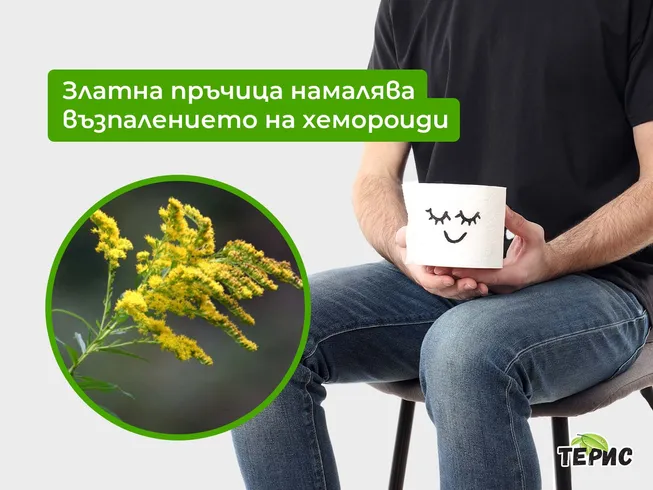
#Goldenrod for reducing the inflammation of haemorrhoids
Goldenrod (Solidago virgaurea) is used topically in traditional herbal medicine to reduce the inflammation of haemorrhoids.
#Apple cider vinegar may bring immediate relief from haemorrhoids
Some people say that apple cider vinegar can bring immediate relief from haemorrhoids, reducing itching and pain.
Doctors, however, recommend being very careful with this product, because it can burn the skin if overused and make the problem worse.

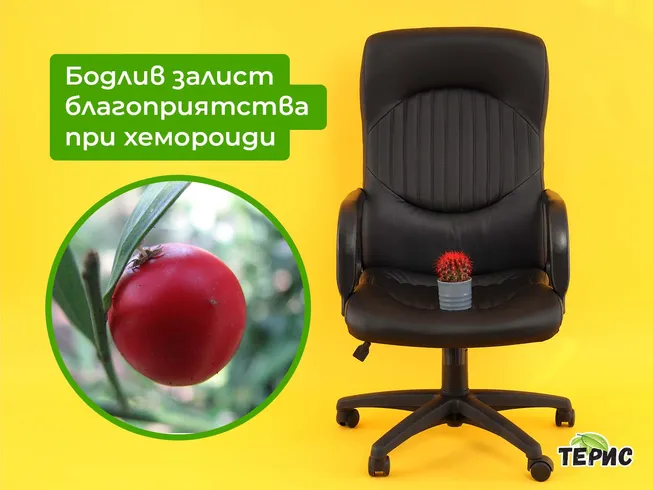
#Butcher's broom is beneficial for haemorrhoids
Butcher's broom (Ruscus aculeatus), also known in Bulgaria as mishi tran, mishi chemshir and samodivski chemshir, is an evergreen shrubby plant. It is a herb that provides similar, safer and better-tolerated benefits for haemorrhoids compared with horse chestnut.
In fact, the two herbs are often combined in formulas for haemorrhoids and varicose veins. Rich in tannins, this plant works both topically and internally, but it can upset the stomach in sensitive patients or when taken in high doses.
Take it as a tincture or in capsule form, or use it as a cream or liniment.
*Aesculus. For burning haemorrhoids with a feeling of a lump in the anus that feels worse when walking.
*Collinsonia. For chronic, itching haemorrhoids with constipation
#Herbal medicine for haemorrhoids
Professional herbalists recommend specific homeopathic therapies for treating haemorrhoids based on their knowledge and experience.
Before prescribing a remedy, herbalists take into account what type of person someone is, including their physical, emotional and psychological profile.
An experienced herbalist weighs up all these factors when deciding on the most suitable treatment for each individual. The herbalist may choose the following remedies to treat someone with haemorrhoids
#OTHER CONSIDERATIONS
- Outlook and complications
Most treatments for haemorrhoids are very effective. Talk to your health adviser if haemorrhoids are still a problem after 1 to 2 weeks.
To prevent haemorrhoids from coming back, eat a high-fibre diet and drink plenty of fluids.
This is especially important if you often get haemorrhoids.
The blood in the swollen veins can form clots, and the tissue around the haemorrhoids can die. Haemorrhoids with clots usually require surgical removal.
Heavy bleeding can also occur, although it is unusual.
#Don't forget to consult a specialist about haemorrhoids
- Follow the instructions
Always check for interactions between particular herbs and medicines – for example, yarrow can interact with blood thinners in an unfavourable way. Also, do not take these herbs internally if you are pregnant – you can, however, use fibre, juices and preparations for topical use.
Haemorrhoids should be examined by a specialist to assess their severity and to make sure that no more serious health problem is involved.

#Lifestyle changes help with haemorrhoids
Changes in diet, lifestyle and fibre intake can help a great deal with haemorrhoids, as well as prevent them from appearing in the first place. As we already know, the main causes of haemorrhoids include constipation, pregnancy, obesity, a poor vascular lining (which weakens with age) and poor circulation. Softening stools with dietary fibre relieves constipation and the pressure on haemorrhoids, reducing their severity and discomfort.
Look for psyllium husk and ground flaxseed, eat beans, bran and plenty of vegetables regularly, and take herbal-based supplements.
Start slowly, gradually increasing your intake of fibre and fluids, to give your digestive system and gut flora a chance to adjust and to keep wind and bloating to a minimum.

#The best choice for haemorrhoids – natural and herbal treatments
Haemorrhoids are painful, unpleasant and… well, hard to talk about. But in fact they are quite common: about half of people over 50 have had them. However, they are easy to treat and manage.
"Haemorrhoids can be troublesome and uncomfortable, but they often shrink on their own with simple self-care and natural herbal treatment."
Neither type of haemorrhoid is dangerous, and severe complications that require medical care are rare. Symptoms can often be relieved by trying a few natural, self-help treatments.
The herbs that can be used to treat haemorrhoids not only help reduce the excessive pain people experience but also effectively reduce inflammation.
Herbs are a gift from nature and have an extremely beneficial effect on the human body, but they should still be taken sensibly and according to individual needs. And when all these factors are taken into account, good results and relief follow.
This article is for educational purposes and does not replace advice from a doctor. Food supplements are not medicines and are not intended to treat diseases. If you have a chronic condition, are pregnant or breastfeeding, or take medication, consult a specialist before use.