Herbs and Lifestyle Support for Diabetes
Table of Contents
#What is diabetes mellitus?
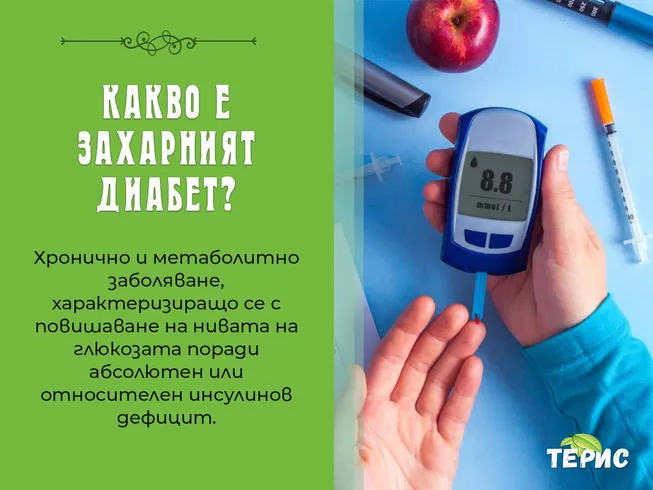
Diabetes mellitus is the most common chronic and metabolic disease, characterised by raised glucose levels due to an absolute or relative insulin deficiency.
Diabetes mellitus is a syndrome characterised by hyperglycaemia and changes in the metabolism of lipids, carbohydrates and proteins.
The disease is associated with long-term eye, kidney, cardiovascular and neurological complications. It is also associated with symptoms such as polyuria, fatigue, weight loss, slow wound healing, blurred vision and raised glucose levels in the urine , among others.
Insulin-dependent diabetes is one of the disorders of immune system regulation. Several environmental and genetic factors affect the immune system, leading to an attack by lymphocytes, particularly on the pancreas. This inflammatory reaction can cause insulitis and diabetes.
There are currently more than 422 million people with diabetes worldwide. Both the number of cases and the prevalence of the disease have been rising steadily over the last few decades.
Without appropriate treatment, heart, vascular, neurological and kidney damage may occur, as well as neuropathy.
Treatment includes diet, exercise and medication. At present the main and effective treatment for diabetes is the use of insulin and hypoglycaemic drugs, but these compounds also have many adverse side effects. This is where nature comes to help.
#Herbs have beneficial antidiabetic effects
Medicinal plants - herbs - have a long history of use to this day. They are widely used for various conditions. There are several reasons for the growing use of herbs. Many of them, from different parts of the world, have been studied for their antidiabetic effects.

In this review article we will introduce you to some of the most important medicinal plants with hypoglycaemic properties according to reliable clinical and laboratory evidence, and we will also touch on those prescribed in traditional medicine for the treatment of diabetes.
#What are the main types of diabetes?
Diabetes is a condition that causes a person's blood sugar level to be too high.
There are 2 main types of diabetes:
#Type 1 diabetes
- the body's immune system attacks and destroys the cells that produce insulin.
- What is type 1 diabetes?
Type 1 diabetes leads to too high a level of glucose (sugar) in the blood.
This happens when our body cannot produce enough of a hormone called insulin, which controls blood glucose.
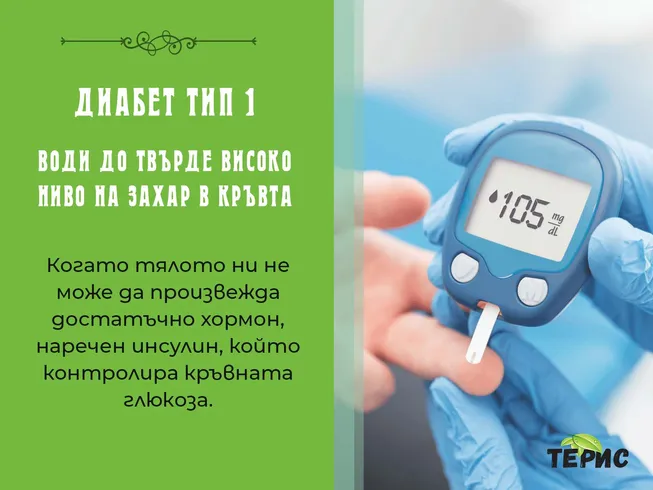
We need to take insulin every day to keep our blood sugar levels under control.
Managing type 1 diabetes can take some getting used to, but we can still do all the things we enjoy. In this article we will help you with that.
*This type is not linked to age or being overweight – those things are linked to type 2 diabetes.
#Type 1 diabetes in children
If our child is diagnosed with type 1 diabetes, they will be looked after by a children's (paediatric) diabetes team until they are about 17 or 18 years old.
The team will help us with the things needed to manage the child's type 1 diabetes, such as injecting insulin, testing blood sugar levels and diet.
They can give advice about school or nursery and talk to the child's teachers and carers.

#Type 2 diabetes
In type 2 diabetes - the body does not produce enough insulin or the body's cells do not respond to insulin.
It is caused by problems with a chemical in the body (a hormone) called insulin. It is often linked to being overweight or inactive, or to a family history.
This type is much more common than type 1. In the United Kingdom, for example, around 90% of all adults with diabetes have type 2. In Bulgaria about 425,000 people have this condition.
- What is type 2 diabetes?
It is a common condition that leads to too high a level of sugar (glucose) in the blood.
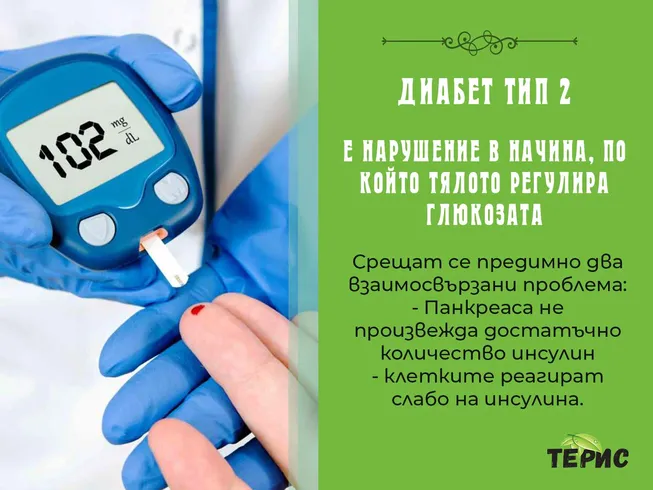
It can cause symptoms such as excessive thirst, needing to urinate very often and tiredness. It can also increase the risk of developing serious problems with the eyes, heart and nerves.
It is a lifelong condition that can affect our daily life. We may need to change our diet, take medication and go for regular check-ups.
When diet and exercise are not enough to control blood sugar, some people turn to medicines such as metformin. However, a growing body of research shows that alternative medicine may also help control blood sugar. Read on to find out more.
- Other types of diabetes:
#Gestational diabetes
During pregnancy some women have such high levels of glucose in the blood that their body is unable to produce enough insulin to absorb it all. This is known as gestational diabetes.

#What causes gestational diabetes?
Gestational diabetes is high blood sugar (glucose), which develops during pregnancy and usually disappears after giving birth.
It can happen at any stage of pregnancy, but it is more common in the second or third trimester.
It happens when your body cannot produce enough insulin – a hormone that helps control blood sugar levels – to meet your extra needs during pregnancy.

This type of diabetes can cause problems for the mother and her baby during pregnancy and after birth. But the risks can be reduced if the condition is detected early and well managed.
It is really important to attend all your check-ups for the health of you and your baby.
If you get symptoms of COVID-19 or feel unwell because of something other than COVID-19, talk to your midwife or maternity team. They will advise you what to do.
#Who is at risk of gestational diabetes?
Any woman can develop gestational diabetes during pregnancy, but you are at increased risk if:
- Your body mass index (BMI) is above 30
- You have previously had a baby who weighed 4.5 kg or more at birth
- You had gestational diabetes in a previous pregnancy
- 1 of your parents or siblings has diabetes
- You are of South Asian, Black, African-Caribbean or Middle Eastern origin (even if you were born in the United Kingdom)

If any of these apply to you, you should be offered screening for gestational diabetes during your pregnancy.
#Prediabetes
Many more people have blood sugar levels above the normal range, but not high enough to be diagnosed as diabetes.
This is sometimes known as prediabetes. If your blood sugar level is above the normal range, the risk of developing full diabetes increases.
What is prediabetes?
It is very important for it to be diagnosed as early as possible, because it is quite likely to get progressively worse if left untreated.
#Main symptoms of diabetes
- When should we see a doctor?
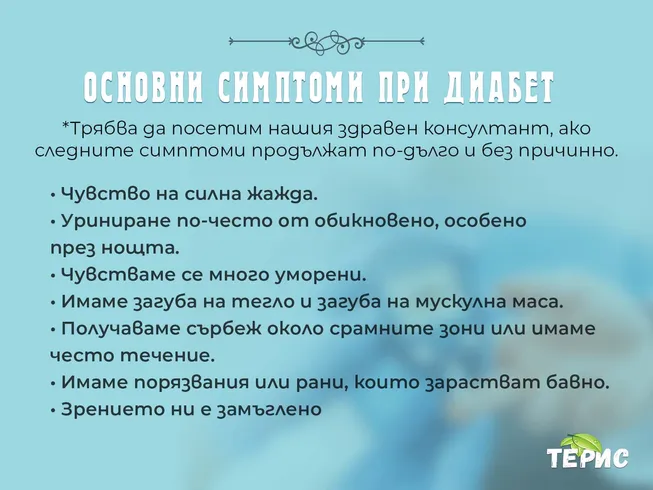
We should see our health adviser as soon as possible if we get the main symptoms of diabetes, which include:
- Feeling very thirsty.
- Urinating more often than usual, especially at night.
- Feeling very tired.
- Losing weight and muscle mass.
- Itching around the genital area (penis or vagina) or frequent discharge.
- Cuts or wounds that heal slowly.
- Blurred vision.
Type 1 diabetes can develop quickly over weeks or even days.
Many people have type 2 diabetes for years without realising, as the early symptoms are usually general.
Symptoms of type 1 diabetes can come on quickly, especially in children.
Many people have type 2 diabetes without realising.
This is because the symptoms do not necessarily make us feel unwell.
#What are the main risk factors for type 2 diabetes
People are at a greater risk of developing type 2 diabetes if they:
- Are over 40 years of age.
- Have a close relative with diabetes (such as a parent, brother or sister).
- Are overweight or obese.
- Are of Asian, African-Caribbean or African origin.
#Symptoms of gestational diabetes
Gestational diabetes usually does not cause any symptoms.
Most cases are only picked up when your blood sugar levels are tested during screening for gestational diabetes.
Some women may develop symptoms if their blood sugar levels get too high (hyperglycaemia), such as:
- increased thirst
- needing to urinate more often than usual
- a dry mouth
- tiredness
But some of these symptoms are common during pregnancy and are not necessarily a sign of gestational diabetes. Talk to your midwife or doctor if you are worried about any symptoms you are having.
#What causes diabetes?
What are the causes of diabetes?
The amount of sugar in the blood is controlled by a hormone called insulin, which is produced by the pancreas (a gland behind the stomach).
When food is digested and enters our bloodstream, insulin moves glucose out of the blood and into the cells, where it is broken down to produce energy.
However, if we have diabetes, our body is unable to break glucose down into energy. This is because there is either not enough insulin to move the glucose, or the insulin produced does not work properly.

The causes of the two main types of diabetes are, on the whole, different.
#Causes of type 1 diabetes
Type 1 diabetes is primarily hereditary, but it is further triggered by an individual susceptibility to certain infections, which is due to particular human leukocyte antigen (HLA) genotypes.

#Causes of type 2 diabetes
Type 2 diabetes is mainly due to the lifestyle we lead, as well as a certain genetic predisposition.

#Living with diabetes
There are no lifestyle changes you can make to lower your risk of type 1 diabetes, but you can help manage type 2 diabetes:
- Through healthy eating
- Regular exercise
- And reaching a healthy body weight
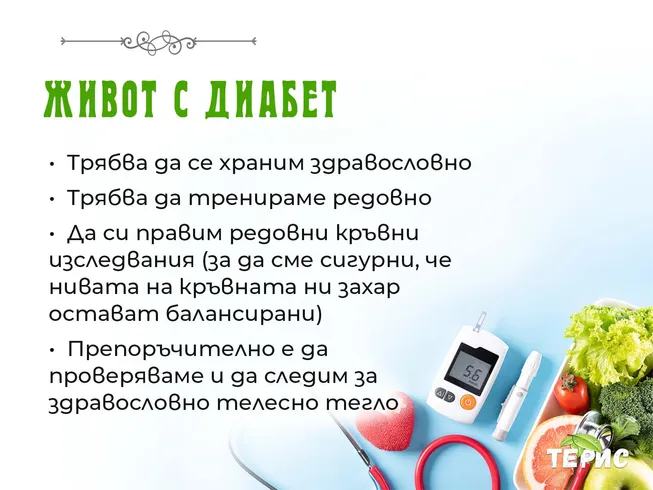
If we are diagnosed with diabetes, we need to eat healthily, do regular exercise and have regular blood tests to make sure our blood sugar levels stay balanced.
It is also advisable to check and keep track of a healthy body weight.
People diagnosed with type 1 diabetes also need regular insulin injections for the rest of their lives.
As type 2 diabetes is a progressive condition, medication may eventually be needed, usually in the form of tablets.
#How is diabetes detected?
#Diagnosing diabetes
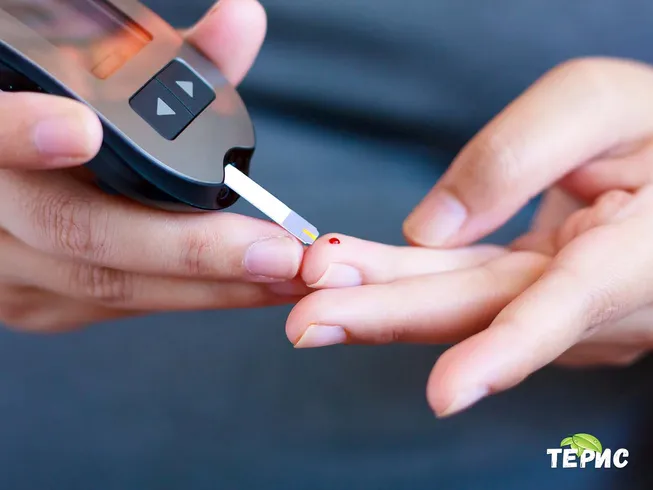
Diabetes is diagnosed through a urine check and a blood test to check blood sugar levels.
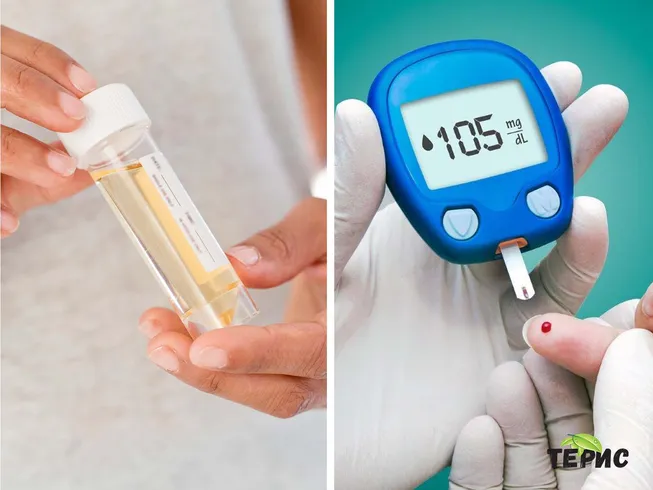
Diabetes mellitus is characterised by periodic or persistent hyperglycaemia.
We can find out whether we have diabetes by identifying any of the following signs:
- Fasting blood sugar level (if it is ≥ 7 mmol/L (126 mg/dL)).
- Glucose tolerance test (blood sugar levels ≥ 11.1 mmol/L (200 mg/dL) two hours after taking 75 g of glucose by mouth.
- Symptoms of hyperglycaemia and random blood sugar levels ≥ 11.1 mmol/L (200 mg/dL).
- Glycated haemoglobin level (Hb A1C) ≥ 6.5%.
Measuring the fasting blood sugar level is recommended, because it is easier to measure and because the glucose tolerance test takes considerably longer, normally lasting two hours.
A diagnosis of diabetes mellitus is considered when two fasting blood sugar measurements are above 126 mg/dL (7 mmol/L).
If levels are from 100 to 125 mg/dL (5.6 to 6.9 mmol/L), people are not considered to have impaired glycaemia.
People whose blood sugar levels are between 140 mg/dL (7.8 mmol/L) and 200 mg/dL (11.1 mmol/L) in a standard glucose tolerance test have impaired glucose tolerance.
A positive result for diabetes should be confirmed by repeating some of the tests described on another day.
Prediabetic states are a risk factor for developing full diabetes mellitus, as well as cardiovascular disease.
#Eye screening in diabetes?
Everyone with diabetes over the age of 12 should be advised to have an eye examination once a year.
If we have diabetes, our eyes are at risk of diabetic retinopathy, a condition that can lead to loss of sight if left untreated.
Screening involves a 30-minute check to examine the back of the eyes. It is a way of detecting the condition early so that it can be treated more effectively.

#What are the alternative treatments for diabetes?
Keeping blood sugar levels in check is part of managing diabetes. Doctors often prescribe conventional treatment, such as insulin injections, to keep these levels normal.
Before the discovery of insulin and hypoglycaemic drugs, people with diabetes were treated with medicinal plants - herbs and traditional remedies. So far the positive effects of more than 1,200 herbal remedies in reducing blood sugar levels or the complications caused by hyperglycaemia have been established.
Each plant may have its own effective component for reducing hyperglycaemia.
Herbs have been shown to have antioxidant activity.
Oxidative stress is involved in the development of diabetes and many other diseases. Therefore these plants, at least in part, exert their antidiabetic activity through this mechanism. Since oxidative stress is the cause of a wide variety of other diseases and these plants have antioxidant activity, they may therefore also have a beneficial effect on other diseases.
It should be noted that medicinal plants, thanks to their antioxidant activity and other mechanisms, are able to reduce the toxic effects of toxic agents or other drugs.
Therefore, herbal treatment may also have antidiabetic actions and/or may reduce the complications of diabetes.
Some people use complementary and alternative therapies. These therapies aim to treat the body and mind.
Alternative treatments for diabetes include:
- Herbs
- Supplements
- Diet
- Exercise
- Relaxation techniques

Supplements may be considered "all natural". But this does not mean that they will not interfere with conventional medicines. In fact, there is no legal definition of "all natural".
#Alternative treatment of diabetes through diet and exercise
Sometimes successful treatment is possible through a suitable exercise regime combined with a strict diet.
- Diet
It excludes fast-absorbing sugars and keeps animal fats to a minimum. It emphasises slow-release carbohydrates (found in wholegrain foods (about 60% of the daily calorie balance), vegetable fats (10 – 30% of the day's calories), fruit, vegetables and limited amounts of dairy products (for example 100 g of white cheese a day).
A feeling of hunger should always be present!
Such a diet should be followed for a long time. It can lead to a complete cure. Medical supervision is always advisable. Medicines are also used to control the condition, e.g. insulins, biguanides and others.
Most of us do not think of diet and exercise as "alternative medicine". But they fall into this category. They are extremely important in the treatment of diabetes. What you eat and how active you are affects your blood sugar level and your health. A healthy diet and staying active have a positive impact on diabetes.

Eating foods rich in fatty acids can be beneficial in the treatment of cardiovascular disease, a common condition that accompanies diabetes.
According to statistics, twice as many non-vegetarians are diagnosed with diabetes as vegetarians and vegans.
While people with diabetes do not need to avoid meat, they could make their diet more focused on foods such as:
- pulses
- vegetables
- whole grains
- fruit
This can help lower cholesterol, maintain blood sugar levels and promote a healthy weight.
- A suitable exercise regime
Having an exercise regime is a standard recommendation for people with diabetes.
Strength training twice a week is recommended for people without activity restrictions. Examples include lifting free weights or using resistance bands. People with type 2 diabetes should also aim for at least 150 minutes of moderate to vigorous aerobic activity every week.
Studies have found that physical activity is one of the best treatments for controlling type 2 diabetes. Exercise can lower blood pressure, improve glucose tolerance and reduce blood sugar levels that are too high.
The same recommendations apply to people with type 1 diabetes. But people with type 1 diabetes need to be careful. They are at greater risk of hypoglycaemic episodes during exercise. They should monitor their blood sugar levels carefully.
#Alternative treatment of diabetes through relaxation techniques
- Mind and body approaches
There is an increased risk of depression and anxiety in people with diabetes or other chronic conditions. According to studies, increased stress can affect the ability of people with diabetes to manage their blood sugar levels and medication. Mind-body approaches can help people with diabetes cope with these problems.
- Other relaxation techniques
Although meditation may not burn calories, it can help relieve stress. Meditation can be based on a mantra, such as repeating an inspiring thought or statement. Meditation can also include breathing techniques.
#Herbs and food supplements for diabetes
Herbs and supplements are popular alternative therapies for people with diabetes. These therapies are not considered "medicines".
It is always advisable to consult your health professional before you start taking new supplements. Some of them may interact with the medicines you are taking.
We will share with you some of the most popular supplements used for diabetes.
#Natural approaches to diabetes
Many herbs and spices have blood-sugar-lowering properties, which makes them useful for people with diabetes or at high risk of type 2 diabetes.
In recent years a number of clinical studies have been carried out that show potential links between herbal therapies used as a natural approach and improved blood sugar control, which has led to more people with diabetes using these more "natural" ingredients to help manage their condition.

#The best herbal supplements for diabetes
Herbal therapies that studies show have antidiabetic properties (reducing insulin resistance and increasing insulin sensitivity) include:
- Turmeric
- Cinnamon
- Bilberry extract
- Cloves
- Ginger
- Fenugreek
- Oregano
- Cherries
- Milk thistle
- Garlic
- Ginseng
- Magnesium
- Omega-3 fatty acids
- Psyllium
- Aloe vera
- Alpha-lipoic acid
- Rosemary
- Basil
- Nettle
- Chromium
It is extremely important to take:
- Antioxidants
to reduce oxidative stress on cells – vitamins A, C, E, coenzyme Q10, lycopene, alpha-lipoic acid and others,
- The minerals zinc and selenium
since free radicals affect the cell and cause insulin resistance, cancer and faster cell ageing.
- Silymarin
There is also a direct link between insulin resistance and fatty liver (hepatic steatosis). A positive effect on this condition comes from phosphatidylcholine, silymarin (found in milk thistle), antioxidants, N-acetylcysteine, betaine, S-adenosylmethionine, omega-3 fatty acids and others.

Herbal therapies are commonly used in Ayurvedic and Eastern medicine to treat serious conditions such as diabetes.
The herbs and plant derivatives listed below have been used traditionally by people to treat the disease.
Many suffer from an insufficient knowledge base, so stay informed about the decisions you make about your health.
Herbal supplements are promising in the treatment of diabetes, including:
#Turmeric has antidiabetic properties
The compound curcumin, found in the spice turmeric - the most studied spice on the planet (link), has been shown to improve blood sugar control and help prevent the disease.
In a nine-month study of 240 adults with prediabetes, those who took curcumin capsules (available without prescription) or a herbal extract - a turmeric herbal tincture - completely avoided developing diabetes, whereas one in six of the patients in the placebo group did develop it.
Research shows that turmeric extract may help stabilise blood sugar levels and make diabetes more manageable.
Turmeric helps with diabetes because it supports liver health.

Try turmeric, black pepper and ginger to support your circulation and stabilise your blood sugar.
#Cinnamon reduces insulin resistance
Researchers have found that it reduces cholesterol by about 18% and blood sugar levels by 24%.
Taking about half a teaspoon a day on an empty stomach can lead to a significant improvement in blood sugar, cholesterol and triglyceride levels in people with type 2 diabetes.
Cinnamon is perhaps the most pleasant herb for lowering blood sugar.

You can use it as a spice, a herbal extract / tincture or an essential oil.
Cinnamon is an aromatic spice that comes from the bark of a tree. It is a popular ingredient in sweets and baked goods, as well as in some savoury dishes.
This spice can add sweetness to a dish, limiting the need for sugar. It is popular among people with type 2 diabetes for this reason alone, but it may have other advantages too.
Research has found evidence from human studies that cinnamon may improve levels of:
- glucose
- insulin and insulin sensitivity
- lipids or fats in the blood
- antioxidants
- blood pressure
- lean body mass
- digestion
Another study concluded that taking a cinnamon supplement may lead to:
- lower fasting blood sugar levels
- less total cholesterol and "bad" low-density lipoprotein cholesterol
- higher levels of "good" high-density lipoprotein cholesterol
- a reduction in triglycerides or fats in the blood
- increased insulin sensitivity
In both investigations the researchers noted that the results may depend on:
- the type of cinnamon, as different types contain different amounts of the active ingredient
- the dosage of the supplement
- each person's individual responses
- any other current medication being taken
Cinnamon has been shown to help reduce fasting blood sugar and insulin resistance in people with prediabetes and type 2 diabetes.
Cinnamon in patients' diet would reduce the risk factors associated with diabetes and cardiovascular disease. It lowers haemoglobin. These lowering effects work by promoting insulin secretion, increasing insulin sensitivity and increasing glucose elimination.
We can use cinnamon:
- in baked goods
- in teas
- as a food supplement
Therapeutic-grade essential oil has a good effect and can grow on your taste buds, which makes it very pleasant to use several times a day.
You can put 2 or 3 drops on a tea bag or on tea leaves, then make tea as usual, and the oil will emulsify in the tea.
Once you build up a tolerance to it, you can put 1 or 2 drops under your tongue.
You can also take cinnamon as a herbal extract by adding 20 drops of it to a glass of water, tea or juice and drinking it 3 times a day.
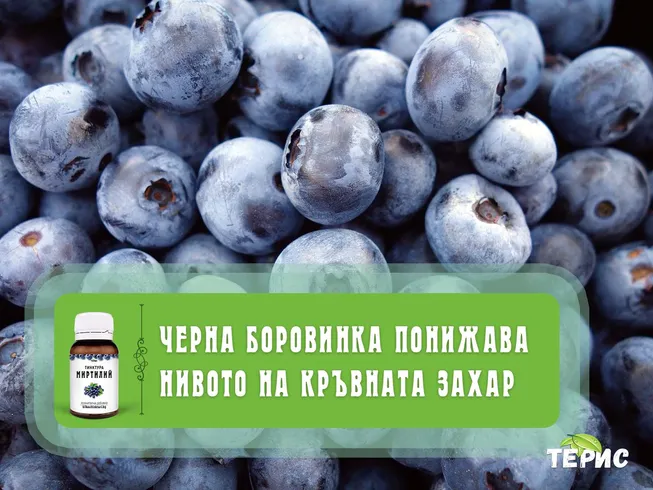
#Bilberries to lower blood sugar levels
Bilberries are among the healthiest fruits - they are an antioxidant for health that we can eat, and nutrition specialists recommend them for dealing with various health problems.
Their dark colour means they provide antioxidants and various other compounds that are useful for improving our well-being. They are also well known for improving insulin sensitivity.
The bilberry herb has astringent, anti-inflammatory and hypoglycaemic (blood-sugar-lowering) action, and stops vomiting.
A study shows that bilberry leaf tincture has such a high antioxidant content that it may prevent and possibly cure type 2 diabetes.
And clinical studies show that it may also lower blood sugar by up to 27%.
#Cloves – help cleanse the blood
Cloves are beneficial for people with diabetes. Research shows that the compounds found in them may help keep blood sugar under control. Just one teaspoon of this superstar spice is enough to reap the benefits.
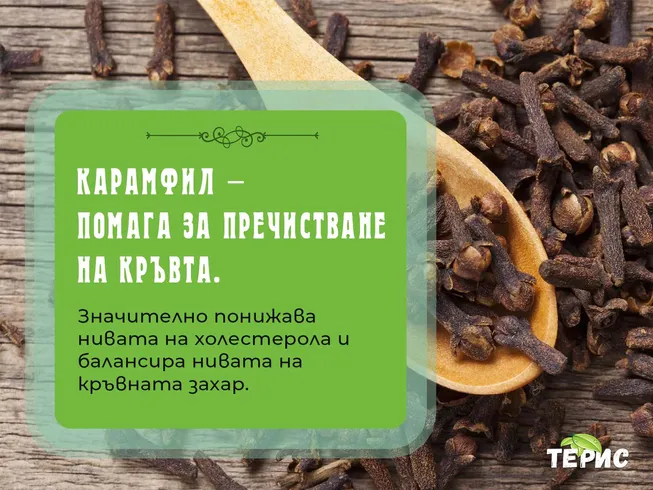
Cloves help blood sugar by being a herb that helps cleanse the blood.
Cloves are known to significantly lower cholesterol levels and balance blood sugar levels.
Cloves not only contain 30 per cent of the antioxidant phenol by dry weight, but also contain the antioxidants anthocyanins and quercetin. The benefits of consuming them have proved broad and varied, from serving as an antiseptic and bactericide to acting as an anti-inflammatory, analgesic and digestive aid.
A study found that people who took a certain amount of clove supplements every day for 30 days showed a reduction in risk factors for diabetes as well as heart disease.
Preparing a massage oil containing cloves can be helpful by improving circulation and helping with the numbing effects of oxidative stress on the feet and legs of a person with diabetes.
#Ginger – to regulate the insulin response
Ginger is another herb that people have used for thousands of years in traditional medicine. People often use the medicinal root to treat digestive and inflammatory problems.
Well known for the fact that it settles the stomach and supports digestion, ginger has also been shown to be a great option for evening out blood sugar levels and helps regulate the insulin response.
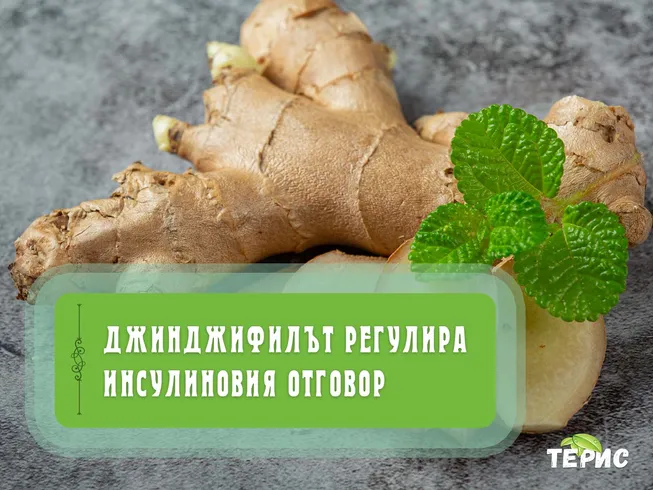
The popular kitchen ingredient may be an effective means of preventing diabetes. It can increase glucose uptake into muscle cells without the use of insulin and may therefore help manage high blood sugar levels.
As a result, it has been suggested that ginger may reduce insulin resistance in people with type 2 diabetes.
The herb of 2020 is often used in combination with cinnamon for this purpose.
And a herbal blend of ginger and turmeric boosts the body's vitality, supporting the immune system, the gastrointestinal tract and overall tone.
We can take ginger:
- By adding it powdered, or fresh and thinly sliced, to raw or cooked dishes.
- By brewing it as a tea.
- As a supplement in the form of capsules or a herbal tincture.
- By drinking it in ginger beer.

#Fenugreek - seeds for metabolic disorders
The seeds of fenugreek, Trigonella foenum graecum, and the herb itself, from the Fabaceae family, are used to treat skin and digestive problems. This herb also fights metabolic disorders. Fenugreek helps lower blood sugar levels and fights diabetes. It contains fibre and chemicals that help slow down the digestion of carbohydrates and sugar.
This herb has been used as a medicine and as a spice for thousands of years in the Middle East.
The results of a 3-year study published in 2015 note that people with prediabetes were less likely to be diagnosed with type 2 diabetes while taking powdered fenugreek seed ( about 15 grams).
The study involved 66 people with diabetes who took 5 grams of the seeds twice a day before meals and 74 healthy participants who did not take it.
The researchers concluded that taking a seed supplement led to lower blood sugar as a result of raised insulin levels. They also found that it led to lower cholesterol levels. It has been shown that the seed may help delay or prevent the onset of type 2 diabetes.
Fenugreek can be used:
- As a spice in cooking.
- Added to warm water and drunk.
- By grinding the seeds into powder and eating them.
- It can be taken as a supplement in the form of capsules or a herbal tincture.
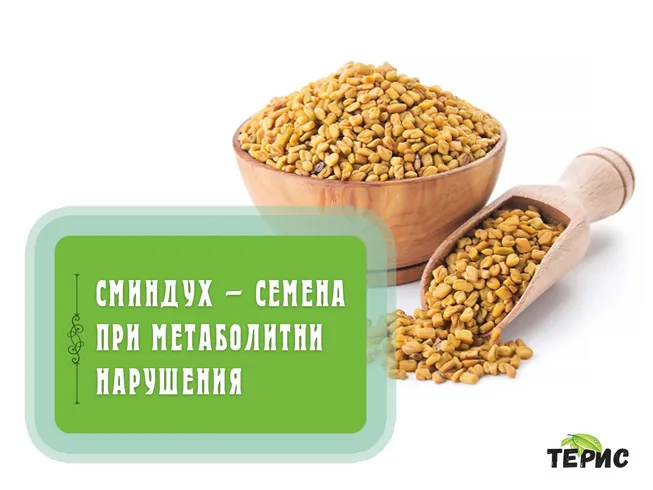
The therapeutic effect of fenugreek seeds in diabetes is due to the direct stimulation of insulin secretion from beta cells by an amino acid called 4-hydroxyisoleucine. After cell damage, the activity of the Ca ATPase and Na / K ATPase pumps decreases; eating fenugreek seeds reduces free radicals, eliminating these disorders.
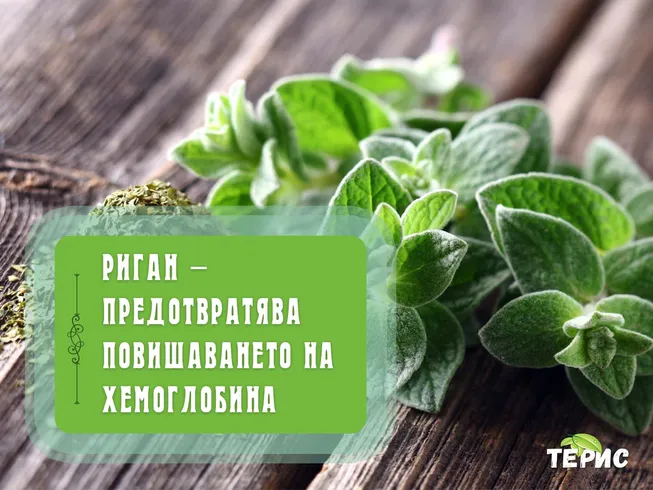
#Oregano – prevents a rise in haemoglobin
Oregano is known to increase insulin sensitivity, thereby helping to lower blood sugar by supporting the receptor sites.
Our favourite pizza herb, sometimes called marjoram, is a herb that makes its way into many Spanish and Mediterranean recipes and also serves as a natural way of managing diabetes.
Marjoram has a diuretic effect - like a "water pill", with a secondary blood-sugar-lowering effect.
From a medical point of view, oregano is believed to treat bacterial and parasitic infections. A study found that compounds in the herb mimic prescription drugs used to combat diabetes.
#Cherries improve fasting blood sugar
One of the best-loved sweets of nature, cherries can improve fasting blood sugar.
Cherries are a pleasant and nourishing addition to the summer season, thanks to their flavour and anthocyanins – versatile plant pigments responsible for the red, purple and blue hues of many foods.

A study found that women whose diets are high in anthocyanins from cherries have less systemic inflammation and improved insulin resistance.
#Milk thistle has a positive effect on insulin resistance
People have long used the herb milk thistle to treat various ailments, and especially as a liver tonic. This flowering herb is found around the Mediterranean. It has been used for its medicinal properties for thousands of years.
Silymarin - the active ingredient in milk thistle extract that has received the most attention from scientists - is a compound with antioxidant and anti-inflammatory properties. This is what may make milk thistle a useful herb for people with diabetes.
Research authors have found evidence that the plant may help lower glucose levels in people with diabetes.
It may reduce insulin resistance in people with type 2 diabetes who also have liver disease.
As with any supplement, it is best to talk to a doctor before trying it.

#Garlic to lower cholesterol levels
Garlic (Allium sativum) is a popular supplement.
It finds its way into so many dishes; full of flavour and with a pungent aroma, it is easy to tell when someone is making something containing this vegetable that is so good for you. But can garlic also be part of your blood sugar control protocol?
Some clinical studies show that garlic lowers total cholesterol levels and blood pressure.
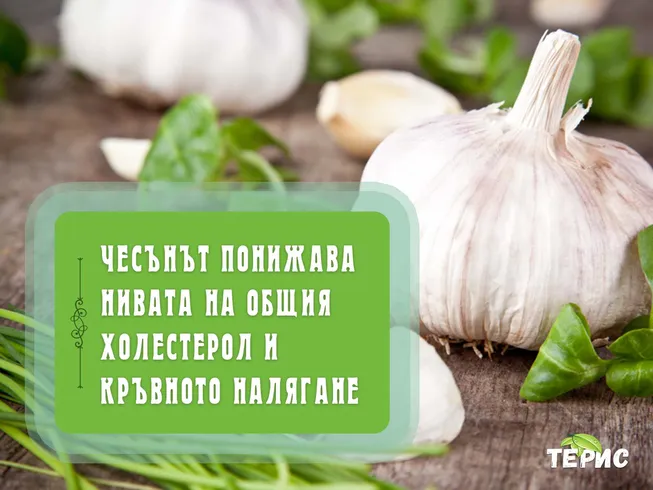
Rich in sulphur compounds, in particular hydrogen sulphide, which dilates blood vessels, garlic has been used for years to lower cholesterol levels.
Studies have found that raw garlic may reduce blood sugar levels by helping to regulate them, as well as reduce the risk of atherosclerosis.
Overall, it has been shown to improve heart health and lower cholesterol levels. It is also useful for reducing blood lipids and blood pressure.
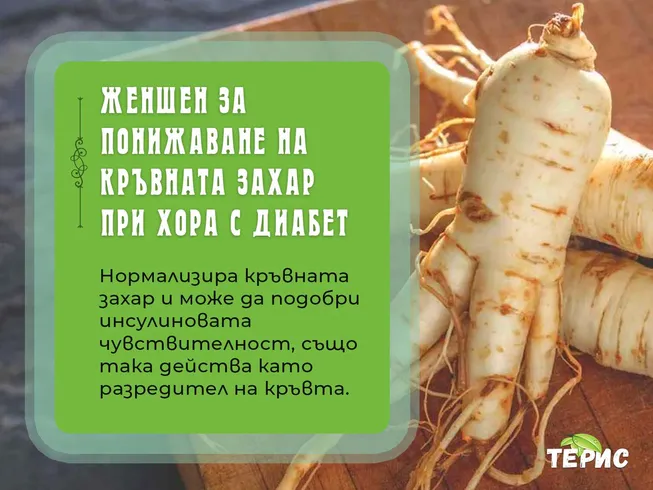
#Ginseng to lower blood sugar in people with diabetes
Ginseng - "Panax Ginseng" is a powerful herbal supplement, thanks to its active ingredients - ginsenosides. It has been used in traditional medicine for more than 2,000 years.
Studies show that both Asian and American ginseng may help lower blood sugar in people with diabetes. One study found that ginseng berry extract was able to normalise blood sugar and improve insulin sensitivity in mice bred to develop diabetes.
It interacts with several medicines, especially warfarin. This is a drug that doctors prescribe as a blood thinner.
#Magnesium for diabetes prevention
This mineral is present in many foods, including:
- whole grains
- nuts
- green leafy vegetables
A 2011 meta-analysis of research on diabetes and magnesium found that people with low magnesium levels are more likely to develop diabetes. Eating a magnesium-rich diet provides healthy foods and is risk-free.

# Omega-3 fatty acids
Omega-3 fatty acids are considered "good fats". They are found in foods such as:
- salmon
- walnuts
- soya
Supplements may help reduce heart disease and triglyceride levels. These supplements can interact with medicines used to thin the blood, so be careful.
#Psyllium
This plant fibre is found in common bulk-forming laxatives and fibre supplements. Psyllium has also been used historically to treat diabetes. Studies show that people with type 2 diabetes who take 10 grams of psyllium every day may improve their blood sugar and lower their blood cholesterol.
#Aloe vera reduces inflammation in the body and treats poor digestion
This plant has been used for thousands of years for its healing properties. The leaves of this succulent plant are an essential part of alternative medicine in India, Mexico, Australia and South America. It reduces inflammation in the body and treats poor digestion. Inflammation in the body is responsible for many chronic lifestyle-related diseases, such as diabetes.
Studies show that aloe vera juice and extract have traditionally been used to lower blood sugar in people with type 2 diabetes.
In two clinical studies, researchers found that participants who took aloe vera for six weeks had lower fasting blood sugar. The trials involved prolonged use of aloe vera. You should bear in mind the effects of aloe vera taken by mouth, namely its laxative effect.
The plant belongs to the Asphodelaceae family. It may help bring about changes in insulin levels.

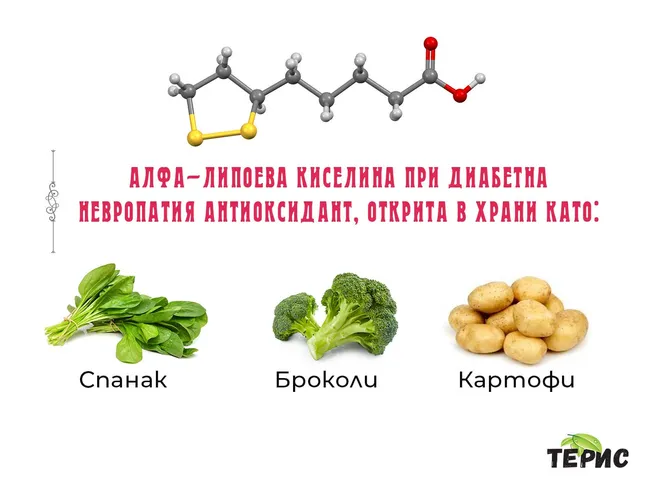
#Alpha-lipoic acid for diabetic neuropathy
Alpha-lipoic acid (ALA) is an antioxidant found in foods such as:
- spinach
- broccoli
- potatoes
ALA may reduce the nerve damage associated with diabetes (diabetic neuropathy). Some studies support the use of this supplement for neuropathy.
There is some evidence that ALA has benefits when given intravenously. Several studies show that it is not effective when taken by mouth.
There is little support that it protects against diabetic macular oedema or improves the body's response to insulin, according to the National Center for Complementary and Integrative Health (NCCIH).
#Chromium may affect insulin resistance
People with diabetes lose more chromium in their urine than the general population. This may affect insulin resistance.
One study found that people taking one type of oral diabetes medication had improved control of their blood sugar levels when they also took chromium supplements.

#Rosemary lowers blood lipids
This herb and spice works to support the lipid profile in people with diabetes.
Rosemary helps lower blood sugar as a direct result of lowering blood lipids. Very interesting…
The diuretic properties of rosemary oil are useful for reducing water retention in the body.
#Basil may increase insulin secretion
This herb is commonly used in India as a traditional remedy for diabetes.
Studies show that this herb may increase insulin secretion. A controlled study in people with type 2 diabetes showed a positive effect on fasting blood sugar and on blood sugar after meals.

#Nettle stimulates insulin secretion
Extract of the leaves of URTICA DIOICA (U. dioica) from the "Urticaceae" family improves glycaemia levels in organisms with type 2 diabetes, mediated by a central effect on the functional state of the pancreatic beta cells.
The aqueous extract of the leaves of the stinging medicinal nettle plays an important role by improving the morphology and/or function of the beta cells. Preventing damage to beta cells, restoring damaged beta cells, regenerating new cells and stimulating insulin secretion in functional cells is one of the mechanisms of action of this plant's extract.
#Herbal tinctures as a natural way to lower blood sugar
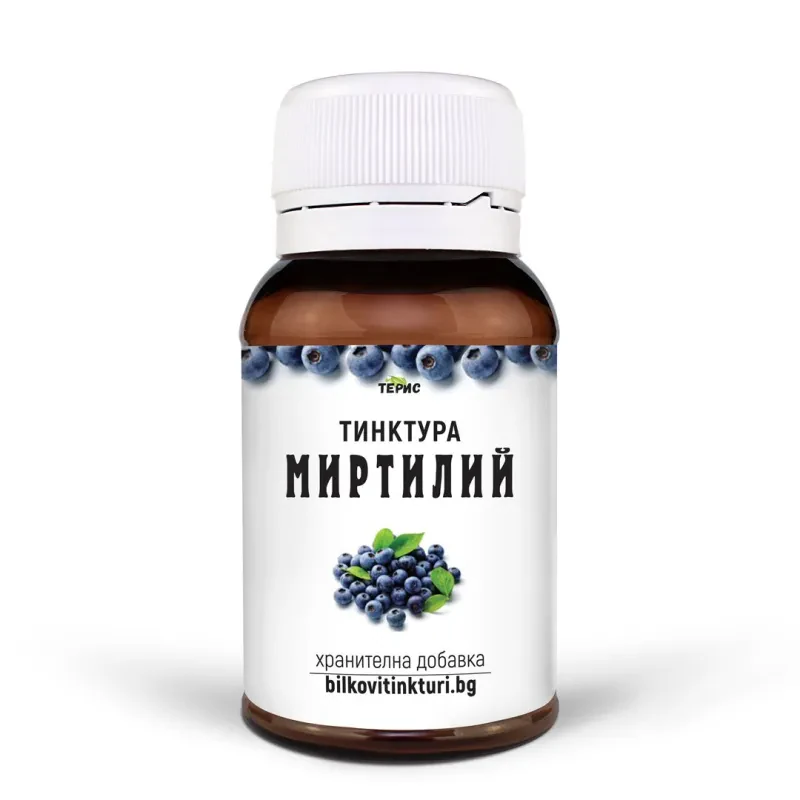
#Herbal tincture to lower blood sugar - MIRTILIY
Bilberry has been used for medicinal purposes since the Middle Ages. The fruits and leaves are the parts of the plant that are used.
The herbal tincture MIRTILIY to lower blood sugar is a concentrated extract of a wild berry that is among the richest in vitamins and whose antioxidant properties work real magic for the body, because it:
- Strengthens the immune system
- Regulates digestion
- Regulates blood sugar and blood pressure
- Eases inflammation
The tincture is an aid for:
• Raised blood sugar
• Kidney stones and gallstones
• Urinary tract infections
• Hypertension
• Hypercoagulation

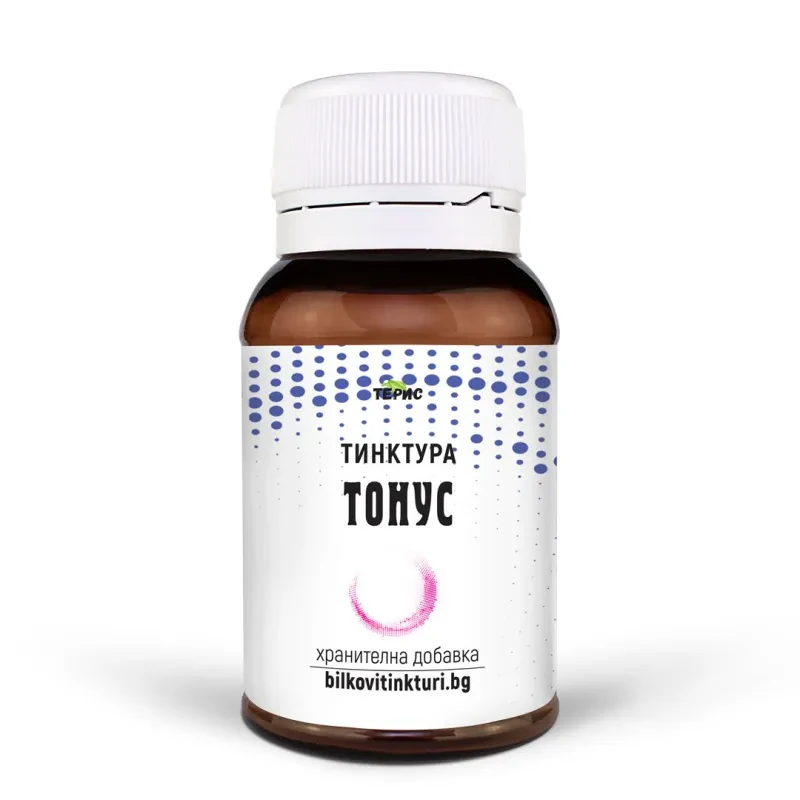
#Herbal tincture that helps with diabetes - TONUS
One of the main effects of turmeric is blood sugar control.
It has a beneficial effect in people with arthritic pain, stiffness and swelling, increases antioxidant capacity and improves brain function.
It is part of the herbal composition of our herbal extract with turmeric to help against diabetes - TONUS.
This blend of two powerful exotic herbs ➡ ginger and turmeric has an extremely strong effect and is an aid for TONING and ENERGISING the body!
The tincture is a natural antibiotic from nature, which:
- Gives energy.
- Improves tone and mood.
- Good concentration and memory.
- Physical endurance.
- Supports blood supply to the limbs and brain.
- Strengthens the immune system.
- Normalises the function of the gastrointestinal tract.
- For general strengthening of the body.

#Herbal tincture to help against diabetes - URTIKATRIN
Nettle has a general strengthening, haemostatic, diuretic, anti-arthritic and anti-rheumatic, and anti-allergic action.
A herbal extract of nettle lowers blood sugar levels, the leaves of the plant stimulate the flow of breast milk, and the roots hinder enlargement of the prostate. The dried leaves contain up to 200 mg% vitamin C, vitamin K, carotene, 2—5% chlorophyll and pantothenic acid; the roots are rich in tannins.
The tincture is beneficial for:
• A weakened immune system
• Problems of the urogenital system
• An enlarged prostate
• Hormonal imbalance
• Kidney inflammation
• Heart disorders
• Gout
• Diabetes

#Take care before use
Because some herbs, vitamins and supplements can interact with diabetes medicines (including insulin) and increase their hypoglycaemic effects, care should be taken when using natural therapies. They may lower blood sugar to dangerously low levels and increase the risk of other diabetes complications.
Whatever your reasons for planning to use these particular herbs, you should always first discuss your plans with your doctor and diabetes health team to make sure they are safe for your condition and to determine the appropriate dose.

#Warnings about using supplements
The safety and efficacy of food supplements and vitamins are generally unknown if they do not come from a certified manufacturer.
It is extremely important to obtain herbal supplements from high-quality sources, because they may not contain what the label says and may have unknown side effects.
They can have a negative effect on a person's medication, because everything depends on the individual body. You should always be careful and talk to a health adviser before starting to take them.
#Natural means of balancing blood sugar levels
Diabetes is a condition characterised by high blood sugar levels. Millions of adults are diagnosed with the disease every year, and their number continues to grow, which makes it worthwhile to take part in prevention. Research on the subject never stops.
When a person develops diabetes, insulin deficiency or the body's inability to use insulin causes sugar to stay in the blood instead of reaching the cells and producing energy. This excess sugar in the blood causes the blood sugar level to rise above normal.
Natural means of balancing blood sugar should be a focus in almost everyone's diet!

We live in an age when it is usual to rely on prescription medicines as a quick fix for various conditions, including lowering blood sugar.
But with growing concern that these synthetic options may not be the right first choice, and the question of how expensive they are to obtain, it is important to try the alternative options that can help us keep our health under control.
In this post we have introduced you to natural means of lowering blood sugar in the form of food and herbs. Tasty, isn't it!
There are many natural ways in which we can improve our chances of protecting ourselves from (or healing) diabetes by controlling blood sugar and insulin levels, including herbs, spices and various other everyday foods. Balance your blood sugar levels naturally and stay healthy.
This article is for educational purposes and does not replace advice from a doctor. Food supplements are not medicines and are not intended to treat diseases. If you have a chronic condition, are pregnant or breastfeeding, or take medication, consult a specialist before use.