Milk Thistle - Annoying Weed or Beneficial Plant
Table of Contents
#The herb "Milk Thistle"
The herb milk thistle bears the scientific name "Silybum Marianum" and has been very well known to humanity for 2,000 years.
It has been used to treat and protect against various diseases, and its exceptionally beneficial effect on the functions of the human liver has been known since ancient times.

#History of the herb
The history of milk thistle can be traced back to Ancient Rome and Ancient Greece. Even then the plant was famous as the "liver herb" and was used to treat a number of liver conditions such as:
- hepatitis
- cirrhosis
- and jaundice
- as well as to protect the liver from toxins (including snake bites, insect stings, and mushroom or alcohol poisoning)

Later the herb spread from the Mediterranean and Europe as far as China and India. Numerous historical sources show that milk thistle held, and still holds, an important place in traditional Chinese medicine, herbalism and Ayurveda, which recommend it not only as:
- a "liver tonic",
- but also for stimulating breast milk
- for depression
- and especially for death cap poisoning – the cause of most deaths following the consumption of mushrooms
#Botanical characteristics

Milk thistle (Silybum Marianum L.) belongs to the Compositae (daisy) family and is a herbaceous plant that, as a medicinal crop, has become widespread in Bulgaria because of demand from the pharmaceutical industry and traditional medicine.
"In fact, it is the seeds of milk thistle that are used"
which contain:
- 0.08% essential oil
- resins
- biogenic amines /tyramine, histamine/
- flavones
- mucilaginous substances
- and 16–18% base oil

In traditional medicine they are used in the form of herbal preparations:
- for inflammation of the liver
- the bile ducts and the spleen
- for pain from gallstones and gravel
- and for hepatitis

#When, how and where it grows
Milk thistle is found throughout the Mediterranean region of Europe and belongs to the Compositae family (Asteraceae); it has a slightly branched or unbranched stem and is annual or biennial.
It occurs up to 1,000 m above sea level throughout Bulgaria.
It is also called white thistle and can easily be confused with cotton thistle and spear thistle. They do look very similar, but they are different plants and
"only the herb milk thistle has medicinal properties and a high concentration of active biochemical elements"

The conditions in which milk thistle is grown can in fact have a huge influence on the commercial quality of the raw material. It is advisable to sow the herb on sunny, south-facing slopes, because when grown in shady places its valuable silymarin content decreases.
Milk thistle is a warmth-loving plant and the optimum temperature for germination is around 17 °C. At this temperature it germinates en masse within 2 days. Germination can begin at a temperature of 2 °C, but this greatly lengthens the phenological phase.

In addition, milk thistle is an adaptable plant, and if the need for high temperature combined with the necessary moisture is met until a rosette of 5–6 leaves forms, the herb can then withstand temperatures down to -15 degrees without snow cover. Late spring and early autumn frosts, however, are particularly dangerous for young plants.
Despite its shallow root system, the plant is drought-resistant, but for its seeds to germinate they must absorb 100–129% moisture relative to their own weight. Waterlogging, however, can kill the plants, and excess moisture can cause the seed yield to fall by 10–20 kg per decare.
#Composition
In fact, the composition of milk thistle is so rich that it is impossible to list all the components it contains. Among them, however, are
- vitamins E, D, A and F
- selenium
- iodine
- boron
- copper
- zinc
- chromium
- aluminium
- iron
- various acids
- and fatty acids (for example linoleic, oleic, stearic, behenic and others)
- carotenoids
- chlorophyll
- and many others

Only standardised milk thistle extracts can provide such consistency and content of ingredients, and it is strongly recommended that the milk thistle extract you use is a standardised one.
Experts also recommend extracts standardised to no less than 80% silymarin content, which means that the beneficial substance should make up 80% of the total weight of the product and the excipients should be no more than 20%.
#Uses
Detoxifying and antioxidant
Milk thistle is one of the most effective hepatoprotectors. Its active ingredients play a role in stabilising the biomembranes of hepatocytes and significantly increase the detoxifying and antioxidant activity of the liver, including the synthesis of glutathione. At the same time protein synthesis and regenerative processes are stimulated, which underlies the recovery of damaged liver cells.
Protective
As a preventive agent it protects undamaged hepatocytes and increases their resistance to infections and various kinds of poisoning.
It also increases bile production and speeds up its secretion, thereby normalising digestion and metabolism. That is why it is used as an aid in the treatment of acute and chronic hepatitis, cirrhosis of the liver, and also in toxic liver damage resulting from poisoning with various chemical compounds, including alcohol, poisonous mushrooms and medicinal preparations.
Milk thistle is also used for diabetes mellitus, chronic diseases of the gastrointestinal tract and varicose veins. It is worth noting, however, that it is in milk thistle oil that the concentration of beneficial substances is higher than in the dried or even fresh plant.

Preventive
Sometimes considered an annoying weed in our gardens, milk thistle's medicinal effect does not end there. Modern clinical studies show that this plant can also be used against diseases and conditions other than liver damage.
It:
- lowers cholesterol levels, which benefits the heart;
- reduces the growth of cancer cells in the breast, lung, colon, prostate and cervix;
Taken preventively, milk thistle contributes:
- to preventing Alzheimer's disease;
- improves blood sugar levels;
- has anti-ageing effects;
- reduces damage caused by radiation and chemotherapy;
- has a certain sun-protective action
- and can be used against various types of skin disease;
- is a powerful antioxidant that counteracts free radicals;
- reduces hot flushes as well as some other symptoms associated with the menopause;
- is useful for gastrointestinal problems, especially impaired digestion, and can help after death cap poisoning.
#Traditional use of Milk Thistle
The mechanisms behind many of the traditional uses of milk thistle are well documented. It is known that the flavonolignans in silymarin (and especially silibinin) stimulate protein synthesis in liver cells and help them recover after damage.
Studies also show that taking silymarin can block the action of the enzyme xanthine oxidase, which is a source of free radicals and oxidative stress in the body. There are also reports of its antiviral and anti-inflammatory properties.
Because of these characteristics, and because of mechanisms that have yet to be studied, milk thistle may have a number of uses:
- starting with the most popular herb for protecting and restoring the liver
- moving on to a food supplement for bone health
- an anti-cancer effect
- and ending with an effective method for treating acne
It is suggested that the antioxidant properties of silymarin may even have an anti-cancer effect as a complement to the main treatment. Some clinical trials in animals show that milk thistle extract can reduce the side effects of therapy.
Others suggest that it may strengthen the action of chemotherapy against some types of cancer and even destroy cancer cells on its own.
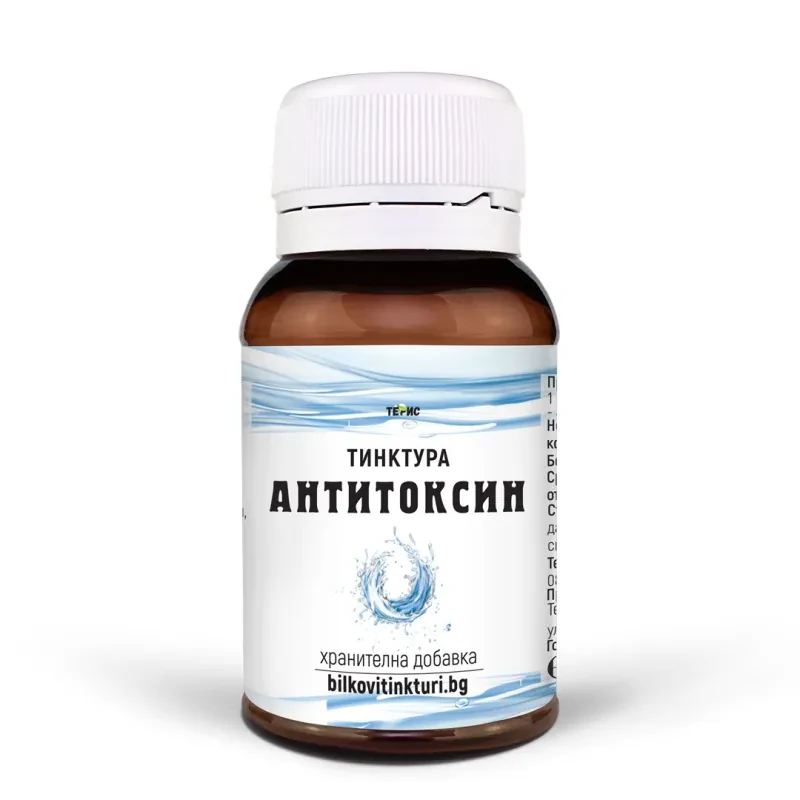
Combining milk thistle seed and dandelion leaf, Herbal tincture "Antitoksin" is a powerful aid for:
- problems with the liver and gallbladder
- the spleen
- the pancreas
- accumulation of toxins
- chemical pollution
- prolonged use of alcohol
- prolonged use of strong chemical substances

#Ways of taking it
You can find the medicinal plant in the form of capsules, tablets, tea bags or herbal extracts as oral tinctures.
The dose depends on the form in which you take the herb.

Food supplements containing milk thistle are sold in health food shops, chemists and shops specialising in herbal products, and you can also buy them online.
#Are there any side effects?
One of the great advantages of milk thistle is in fact that it acts extremely gently. Compared with many other supplements and herbal remedies supporting the liver, which may lead to side effects such as headaches, for example,
milk thistle shows no toxicity at all.
No adverse reactions are observed, apart from a mild laxative effect on the stomach, and that only in very rare cases.
Studies show that milk thistle extracts can safely be used by different groups of people, including pregnant and breastfeeding women.
#The right concentrations matter
This medicinal weed contains both active and inactive ingredients in varying concentrations. Not all of them, however, provide a useful therapeutic effect. That is why it is especially important that only those substances with a proven medicinal effect are present in the extract, and at the same time they must be dosed in the right concentration. This means that only standardised milk thistle extracts should be used, so that they provide the exact consistency and content of beneficial ingredients, and it is especially important to rely on precisely this type of extract during therapy.
#Milk thistle tincture
Milk thistle tincture is made from first-class seeds of Silybum marianum. With a long history of traditional use, it can be added to a little liquid and taken daily.
All tinctures are made from plant products of first-class quality. Browse the sections of the site to learn more about the quality, production and recommended use of this herbal tincture - Herbal tinctures - products

We recommend taking the opportunity to try the many benefits of this herb. We are available to advise you if you are unsure which herbal tincture is right for you.
We are committed to making optimal health and nutrition possible and to helping you take responsibility for your own health and well-being by giving you access to many natural medicinal plant products.
MILK THISTLE - ANNOYING WEED OR USEFUL PLANT ➤ VIDEO
This article is for educational purposes and does not replace advice from a doctor. Food supplements are not medicines and are not intended to treat diseases. If you have a chronic condition, are pregnant or breastfeeding, or take medication, consult a specialist before use.

Milk Thistle - Annoying Weed or Beneficial Plant
Click to play video