Herbs and Natural Ways to Support an Enlarged Spleen
Table of Contents
Did you know that you can have an enlarged spleen and not even suspect it? It's true. In fact, most people experience no noticeable symptoms of an enlarged spleen at all!
One more thing… studies show that around 3 per cent of healthy young people aged about 20 have this condition – enlarged spleens. In some cases people have genetically enlarged spleens, but this does not affect their overall health. For others, however, it may point to problems such as an underlying infection, a disease or a developing health issue.
So what exactly is an enlarged spleen, how can we tell whether we have one, and how can we treat it if we do?
It turns out that there are natural ways to deal with this common condition.
#The spleen – a "guardian" organ
The spleen is a crucial part of our lymphatic system and a vital "guardian" organ, which we need every day to protect our body from infections, viruses and dangerous pathogens of all kinds. It performs many important functions in the body that protect us from the impact of outside "invaders", stress and certain deficiencies.
The spleen is a brown organ about the size of a fist, oval in shape, located in the upper left part of the abdomen just below the rib cage (behind the stomach and the left ribs).
The spleen belongs to our lymphatic system and immune system. It filters our blood, removes waste products and produces white blood cells to fight infections.
Some people are born without a spleen or have to have it removed because of disease or injury.
It is an important part of our immune system, but on the whole we can survive without it.

#The spleen and digestion
In traditional Chinese medicine the spleen is linked to the stomach and helps with digesting food and extracting nutrients. The spleen then sends these nutrients to the heart and lungs, which produce vital energy (Qi) and blood. If the organ is not strong enough to send these nutrients up to the heart and lungs, Qi may flow downwards, leaving us with poor appetite, wind and diarrhoea.
#The spleen and the blood
The spleen also helps to regulate our blood, so if our spleen Qi is weak, you may notice problems such as bruising or blood in the stool. And because blood flows through our whole body, carrying nutrients, oxygen and Qi to all our main organs, the spleen affects them as well.
So good spleen health means that our brain, muscles and kidneys will also be in good shape.
#The spleen and the emotions
For people who are new to Eastern medicine, it can be confusing to understand how closely our body and our emotions are connected. Western medicine usually treats body and mind as two very different things, but traditional Chinese medicine and Ayurvedic practice emphasise how our emotions and physical health work together. When the two are in harmony, we feel healthy and strong. When they are not, we can fall ill!
Think of it this way: when we are really happy, we don't just feel the emotion in our brain – we also feel butterflies in our stomach. On the other hand, when we are really frightened, we may start to tremble, our muscles may freeze or the hair on the back of our neck may stand on end. That is why traditional Chinese medicine considers managing your emotions to be an important part of our overall health!
There is one more layer to all this – the five elements of earth, fire, water, wood and metal. Our organs, emotions and elements are connected, because we also need to be in harmony with the natural world.
As part of our digestive system, the spleen is linked to the earth element. To keep our spleen healthy, we need to keep our earth element in good balance. This means not overloading yourself – physically or mentally – and making time for the rest we need. When we feel overtired, we should try to set aside some time for rest and relaxation, or go outside and spend time in nature.

#The role of the spleen
Probably the most important thing the spleen does is to produce antibodies that fight bacteria and other microbes. In addition, the spleen's functions include keeping the blood clean, transporting and balancing fluid levels, maintaining the platelets in the blood and removing waste from muscle and joint tissue.
Ultimately, the spleen controls the level of circulating red blood cells in the blood by removing old and worn-out red blood cells that can no longer do their job. It is also very important that it fights infections by producing phagocytes and lymphocytes, two types of protective white blood cells.
Most health problems related to the spleen involve enlargement of the spleen – and when this happens, the risk of a "ruptured spleen" also rises. The spleen is particularly vulnerable to the effects of various "toxins" or parasites, chemicals we take in from medicines, and even some food supplements entering the body.
The spleen is prone to becoming easily overloaded when liver function is poor, and, surprisingly, some believe that the spleen is generally more likely to develop problems when our diet includes too many salty or sour foods. Overexertion (stress) and poor digestion also make people more susceptible to damage to the spleen and liver.
The spleen is the so-called "heart of the lymphatic system".
WHAT DOES THE SPLEEN DO?
The spleen has several important functions:
- It fights any invading microbes in the blood (the spleen contains white blood cells that fight infections)
- It controls the level of white blood cells, red blood cells and platelets (platelets are small cells that form blood clots)
- It checks the blood and removes any old or damaged red blood cells
If the spleen is not working properly:
- A malfunctioning spleen may start removing healthy blood cells as well as abnormal ones, reducing the number of healthy cells in our blood:
– a reduced number of red blood cells can lead to anaemia
– a reduced number of white blood cells increases the risk of infection
– a reduced number of platelets can cause bleeding or bruising
- It may trap too many platelets and become clogged with excess red blood cells and platelets
If the spleen has to be removed, other organs such as the liver can take over many of its functions.
This means that people without a spleen will still be able to cope with most infections, although there is a small risk that a serious infection may develop quickly.

#The spleen may be damaged, diseased or enlarged
#Damaged or ruptured spleen
The spleen can be damaged or can rupture (burst) after a hard blow to the abdomen.
A rupture can happen immediately or weeks after the injury.
The signs of a ruptured spleen are:
- Pain behind the left ribs and tenderness when you touch that area
- Dizziness and a rapid pulse (a sign of low blood pressure caused by blood loss)
A ruptured spleen can cause life-threatening bleeding, so it requires emergency medical care. We should go straight to A&E if we think we have ruptured or damaged our spleen.
#Enlarged / Swollen spleen
The spleen can swell after an infection or injury or because of a disease such as cirrhosis, leukaemia or rheumatoid arthritis.
Those most at risk are children and adults with infections, people with diseases that affect the liver and spleen, and people who live in areas where malaria is a problem.
An enlarged spleen does not always cause symptoms, but if it does, they are the following:
- Feeling full very soon after eating (an enlarged spleen can press on the stomach)
- A feeling of discomfort or pain in the upper left part of the abdomen (seek medical help immediately if this is severe or getting worse quickly)
- Anaemia and/or tiredness
- Frequent infections
- Bleeding easily
An enlarged spleen can often be felt during a routine examination. A blood test, CT scan or MRI will confirm the diagnosis.

#Enlarged spleen
Conditions affecting the spleen itself or the blood passing through it can cause swelling and enlargement.
A normal, healthy spleen is up to 12 cm long and weighs 70 g. An enlarged spleen can be up to 20 cm long and weigh over 1,000 g.

#What is an enlarged spleen – splenomegaly?
An enlarged spleen is also called splenomegaly.
It is a clear warning sign that the immune system is working hard to remove threats from the body but is not succeeding, because it cannot keep up with the heavy demands this places on it.
The enlarged organ is a symptom of an underlying condition. It may be a passing infection or something more serious.
Under normal circumstances our spleen is the size of our fist and can hardly even be felt during a physical examination. However, when we are ill or our lymphatic system is triggered for another reason, our spleen swells and can grow dramatically in size.
An enlarged spleen can sometimes be very noticeable and painful, but surprisingly most people have no symptoms at all and are not even aware of the problem they have!
Although the condition is not always a health problem, it usually points to the fact that the body is trying to protect itself more than usual – and that means it is a good idea to find out why, before it escalates into a bigger and more serious problem.
Several things can lead to our spleen becoming enlarged, including:
- Inflammation
- Build-up of fat
- Pooled blood
- Benign or malignant growths
- and overproduction of cells
Some causes are temporary, while others may indicate a chronic or progressive condition.
Our healthcare provider will manage it by treating the underlying cause.

#What are the most common causes of an enlarged spleen?
Common causes include:
#Infections
Viral infections such as mononucleosis and HIV, bacterial infections such as tuberculosis and endocarditis, and parasitic infections such as malaria and toxoplasmosis put a strain on the spleen's immune function. They can trigger overproduction of antibodies and immune cells (hyperplasia).
#Liver disease
Conditions affecting the liver, such as chronic hepatitis or cirrhosis, can cause pressure to build up in the blood vessels that run through the liver and spleen (portal hypertension). The pressure in the vessels can lead to blood pooling and enlargement of the spleen.
Other possible causes include:
#Cancer
Blood cancers such as leukaemia or myeloproliferative neoplasms, and lymphomas, can infiltrate the spleen with foreign cells that keep multiplying.
#Focal lesions
Benign growths such as a cyst or abscess, as well as metastatic cancer that has spread from somewhere else, can enlarge the spleen.
#Autoimmune diseases
Chronic inflammatory conditions such as lupus, sarcoidosis and rheumatoid arthritis can cause an overactive immune response and hyperplasia of the spleen.
#Blood disorders
Conditions such as haemolytic anaemia and neutropenia, which cause early destruction of red blood cells, can overload the spleen, whose job it is to remove them.
#Inherited metabolic disorders
Conditions that cause various substances to build up in the blood and be stored in our organs, such as Niemann-Pick disease, Gaucher disease and sickle cell anaemia, can infiltrate the spleen.
#Thrombosis
A blood clot blocking one of the vessels in the liver or spleen can cause pressure and blood pooling in the spleen.

#What are the symptoms of an enlarged spleen?
Sometimes there may be no symptoms at all, or they are minimal enough not to cause concern.
An enlarged spleen is usually first discovered during a routine physical examination, and most people are completely surprised. Normally in adults doctors cannot feel the organ when it is not enlarged, so if they press under the rib cage during an examination and notice that it is swollen, this indicates that something is wrong.
In a healthy person the normal weight and size of the spleen can vary a lot depending on factors such as age, sex, body weight and body surface area. For example, studies show that the spleen can range from 58 grams in a 79-year-old woman to 170 grams in a 20-year-old man. An enlarged spleen that is not normal for someone's body type and age may well point to a disease, a virus, cognitive disorders or other problems (although this is not always the case, so don't worry just yet!).
We may not be able to tell whether we have an enlarged spleen. But if we do have symptoms, they may include:
- Pain and tenderness in the spleen, usually in the upper left part of the abdomen
- Pain spreading from the abdomen to the left shoulder
- Pain in the spleen when breathing in deeply or moving
- Indigestion or a feeling of discomfort when eating, especially after a large meal
- A palpable spleen. Normally we cannot feel our spleen with our hand unless it is enlarged.
- Low energy levels, possibly even chronic fatigue
- Symptoms of jaundice (including yellowing of the skin)
- Symptoms of anaemia
- Unexplained weight loss
- Loss of appetite or feeling full early. Our enlarged spleen may push into our stomach from below.
- Frequent infections (such as ear, urinary tract, respiratory or sinus infections)
- Bleeding and bruising easily
Unfortunately, one of the side effects of a damaged spleen is being more susceptible to illness and feeling very tired. This is because the organ normally works as part of the body's natural "drainage network", producing protective white blood cells and carrying waste and bacteria away from the body. The spleen produces white blood cells that capture and destroy bacteria, dead cells and tissue, and other foreign particles that make their way into the body and circulate in the blood.
As blood is filtered through the spleen, it is cleaned, and threatening microbes are engulfed and filtered out. Without the spleen working properly, we cannot maintain the red and white blood cells we need for steady energy, or produce enough of the platelets needed for blood clotting.
If the spleen begins to function IMproperly, we may notice:
- Symptoms of anaemia, such as weakness and tiredness.
- More frequent colds or infections.
- Bleeding and bruising easily.

#Is an enlarged spleen a serious condition?
An enlarged spleen is a symptom of many different conditions, some more serious than others. Our health adviser will need to investigate the underlying cause to decide whether we need treatment. If it is left untreated for a long time, it may eventually start to malfunction. In rare cases a greatly enlarged spleen can rupture, which can cause internal bleeding.

#What are the possible complications of an enlarged spleen?
#Tissue death
A greatly enlarged spleen can outgrow its own blood supply. When blood cannot reach the tissues, they stop functioning or die.
#Hypersplenism
An enlarged spleen can become overactive, trapping or removing too many blood cells from the circulation. This can lead to anaemia, a low white blood cell count or a low platelet count.
#Rupture
In rare cases an enlarged spleen can burst spontaneously or rupture because of direct impact, such as a blow or a fall. A ruptured spleen can be life-threatening.

#When does the spleen need to be removed?
Surgery to remove the spleen, known as a splenectomy, may be needed if the spleen is damaged, diseased or enlarged.
The spleen is not usually removed if it is simply enlarged. Instead, we will be given treatment for the condition it is in, and it will be monitored.
Antibiotics may be prescribed if there is an infection. We will have to avoid contact sports for a while, as we will be at greater risk of rupturing the spleen while it is enlarged.
Surgery is only needed if the enlarged organ is causing serious complications or if the cause cannot be found.

#What is a splenectomy and what does it involve?
A splenectomy is the surgical removal of the spleen (lien).
If there is time, we will be advised to have a series of vaccinations before the operation.
Most splenectomies are carried out using laparoscopy (keyhole surgery). This is a minimally invasive type of surgical procedure that allows the surgeon to access the inside of our abdomen without having to make large cuts in our skin.
An open splenectomy is an operation in which a larger incision is made. It may be needed if the spleen is too large or too damaged to be removed by laparoscopy.
It is normal to feel sore and have bruising after a splenectomy, but we will be given medication to relieve the pain. We may need to stay in hospital for a few days before we can go home.
Like any operation, a splenectomy carries a small risk of complications, including bleeding and infection. Our doctor will discuss these risks with us and explain the procedure in detail.

#What are the risks of not having a spleen?
If we do not have a working spleen, we can still cope with most infections, since it is only one part of our immune system. However, there is a small risk that an infection may quickly become serious. This risk will remain for the rest of our life.
Young children are at higher risk than adults, but the risk is still small. The risk also increases if we have a medical condition such as sickle cell anaemia, coeliac disease or a condition that affects our immune system, such as HIV.
This risk can be kept to a minimum by taking simple precautions.

#DIAGNOSIS AND TESTS
#How is an enlarged spleen – splenomegaly – diagnosed?
We may go to our health adviser with symptoms of vague abdominal discomfort, or we may have symptoms related to our underlying condition.
Sometimes health professionals find an enlarged spleen by chance during a routine examination or while looking for something else. They will probably be able to feel our enlarged organ during a physical examination. It may also show up on imaging.
We may have various medical tests to confirm the diagnosis and help pinpoint the cause, including:
#Imaging tests
An abdominal ultrasound or CT scan can help confirm an enlarged spleen and can give additional information, such as how severe our condition is, whether there is a lesion or whether it is pushing into other organs. MRI can track the blood flow through the spleen.
#Blood tests
If our health adviser is not sure of the cause, they may carry out blood tests. These can test for specific diseases, cancer, blood disorders and problems with liver function.
#Bone marrow analysis
Our health adviser may carry out a bone marrow aspiration and/or bone marrow biopsy to test the blood cell content of the bone marrow tissue. This can give information about how our spleen is functioning and can reveal certain disorders.

#MANAGEMENT AND TREATMENT
#How is an enlarged spleen treated?
In many cases the spleen will return to its normal size when the underlying condition improves.
Some conditions, such as passing infections, may clear up on their own. Some can be improved and even resolved with the help of natural remedies. For others, our health adviser may treat them with medication, blood treatments or surgery. Some have no cure. In these cases healthcare providers may treat with low-dose radiotherapy to shrink the enlarged organ, or perform surgery to remove it.

#What are the side effects of having the spleen removed?
We can live well without a spleen, but we will have reduced immunity to infections. Our health adviser will recommend certain vaccines to protect us from some of the most common infections to which we may be more vulnerable. Medical professionals may prescribe stronger antibiotics when we fall ill.

#LIVING WITH AN ENLARGED SPLEEN
#How should we look after ourselves if we have an enlarged spleen?
If we have a chronically enlarged spleen, we need to take care to avoid injury to the abdomen. The enlarged organ is more prone to rupture. It is best to avoid high-contact sports. The organ may also be at risk of losing its function or of becoming overactive. We should watch out for signs of anaemia, such as paleness and tiredness. Our healthcare provider may want to check our blood levels periodically.

#Diet and lifestyle
We should avoid foods high in sugar and refined carbohydrates, as they put a heavier load on the spleen. They are harmful to our immunity and to the health of our body in general. Processed foods containing a lot of artificial or unnatural additives put extra strain on the organ and can harm its health and functioning.
We should chew our food thoroughly; every mouthful should be well mixed with saliva before swallowing, to make the processes of digestion and energy use easier.
We should always eat a good breakfast. Wholegrain foods such as oat-based muesli are good. If we prefer, we can soak them overnight in water to soften them, and we should chew them very well.
It is good to eat a teaspoon of organic molasses every day because of its rich nutrient content, its beneficial action in the lower bowel and its toning action on the spleen.
We should eat plenty of fresh or lightly cooked vegetables and fruit whenever possible, for their nutrient content and ease of digestion.
It is a good idea to include fermented foods such as sauerkraut and the like, to provide beneficial bacteria for the gut and support the immune system.
If our spleen is below par, it is best to avoid too many raw foods and very cold or very hot foods. Where possible, we should eat foods at room temperature.
#Foods that are good for the spleen
Specific foods that are good for the spleen include:
- lemons, garlic, onions, peas
- grains – such as oats, einkorn and brown rice
- green leaves such as seaweed, wheatgrass, coriander, watercress, cabbage and parsley
- chickpeas, black beans and beans, pumpkins, sweet potatoes and courgettes
- Root vegetables – such as parsnips, turnips and carrots
- Anchovies and almonds

#Are there particular foods to avoid with an enlarged spleen?
Health advisers are not sure whether diet directly affects the spleen, but it does affect our overall health. If we have an enlarged spleen, we may be considered immunocompromised.
A healthy diet is one of the easiest ways to protect our immunity. It may also influence the underlying health conditions causing our enlarged spleen, especially inflammatory conditions and liver disease.
Health advisers will always recommend that we avoid or minimise fast and processed foods, including packaged snacks, sweets and deli foods. These foods are highly inflammatory and promote LDL cholesterol, which is bad for the liver and metabolism.
An anti-inflammatory diet focuses on fresh, whole foods and unsaturated fats, such as those in fish and nuts.

#The best herbs for a healthy spleen
There are also herbs for naturally strengthening the spleen and providing a tonic, supportive effect on this functional organ.
The best herbs for a healthy spleen include echinacea (for fighting infections), astragalus (milkvetch), dandelion root, burdock root, thuja (for adverse reactions to vaccines and the like), cotton thistle, milk thistle, lemon balm, wild yam, angelica root, fennel seeds, liquorice and bayberry.
It is worth noting how many bitter herbs that act on the liver and the digestive processes are also beneficial for the health of the spleen.
The leaves of greater plantain make an excellent tea for softening a hard and enlarged spleen and provide excellent blood-cleansing properties that support the action of the spleen. As a herbal extract, a few drops of plantain tincture – Plantago are added to water up to 3 times a day.
As a tea – drink 3 cups a day. Add equal amounts of fenugreek seeds for an enhanced softening and dispersing action.
Turmeric has many beneficial properties that help to improve the health of the spleen. Add a pinch to herbal teas or juices, or add 20–30 drops of turmeric herbal tincture to your glass of water.
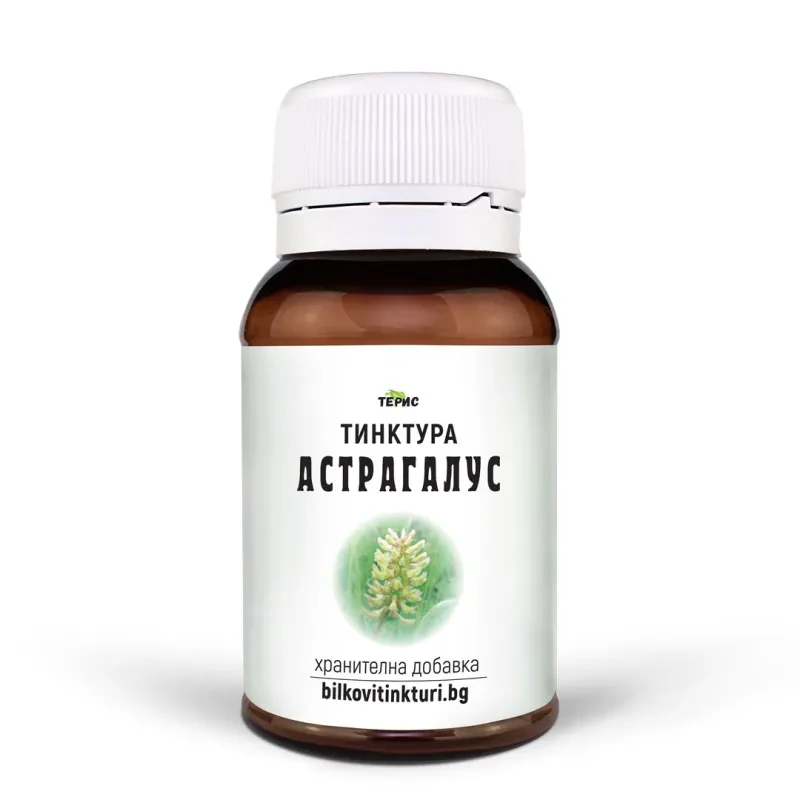
#Milkvetch – Astragalus is a tonic for the spleen
The astragalus plant is also known in Bulgarian as klinaviche, sgrabiche or orlovi nokti.
Today astragalus is used for many purposes. It is a tonic for the spleen and helps to support the proper functioning of this abdominal organ, which stores our blood and any excess red blood cells and is an important part of our immune system.
It can also be used for lack of appetite, organ prolapse, fatigue, and the syndrome of wasting and thirst (usually caused by diabetes or tuberculosis).
Astragalus is an excellent source of potassium, magnesium and selenium, essential minerals that work together for a healthy nervous system. This adaptogenic herb is often used in Chinese medicine to help the body protect itself against various stresses, whether physical, mental or emotional.
Milkvetch has been prescribed for centuries for general weakness, for chronic illnesses and to boost overall vitality. The herb is a superb tonic for invigorating vital energy.
It not only tones the spleen but is also helpful for deficiency problems of this functional organ, such as poor appetite, fatigue and diarrhoea.
(In Eastern Chinese medicine yellow is the colour associated with the spleen.)
In China, astragalus has a long history of use in traditional medicine for strengthening the "defensive energy" – or, in Western terms, the immune system.
It is also known as "huang qi" and is popular in traditional Chinese medicine for its immune-stimulating benefits. It is also used for the health of the heart, spleen and kidneys.
Astragalus root is used in traditional medicine to treat colds, flu, respiratory disorders, fatigue, poor digestion, lack of appetite, diabetes, stomach ulcers and kidney disease; it strengthens the liver and is a good heart tonic. It is also considered a powerful tonic for raising energy levels. By encouraging blood flow to the surface, this herb is effective in controlling night sweats, relieving fluid retention and reducing thirst due to spleen deficiency.

Astragalus helps to strengthen the spleen, especially if we feel very tired and have lost our appetite. We can usually find it as a ground powder you can cook with, or we can take it in a capsule or in the form of a herbal tincture of milkvetch as a tonic for the spleen . As it has almost no taste, it is usually best taken with food.

#Dandelion and milk thistle for spleen problems
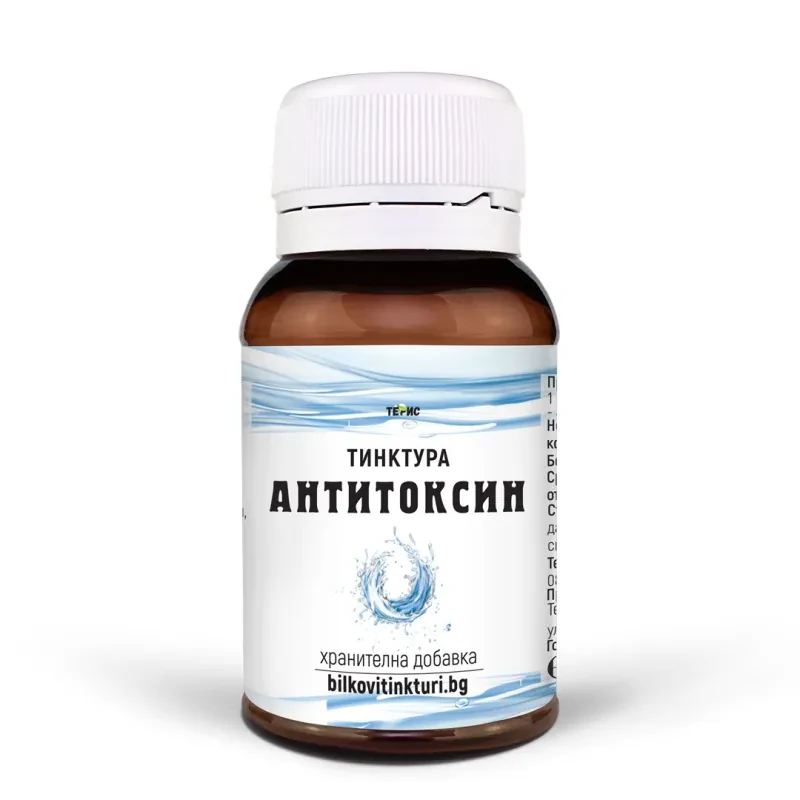
A tincture – the liquid extract of the herb we have known since childhood – dandelion is part of the formula of Herbal Tincture Antitoksin. This is the purest and most concentrated way of taking it, so the tincture is a powerful remedy against problems with the liver, gall bladder, spleen and pancreas, build-up of toxins, chemical pollution, prolonged use of alcohol and prolonged use of strong chemical substances.

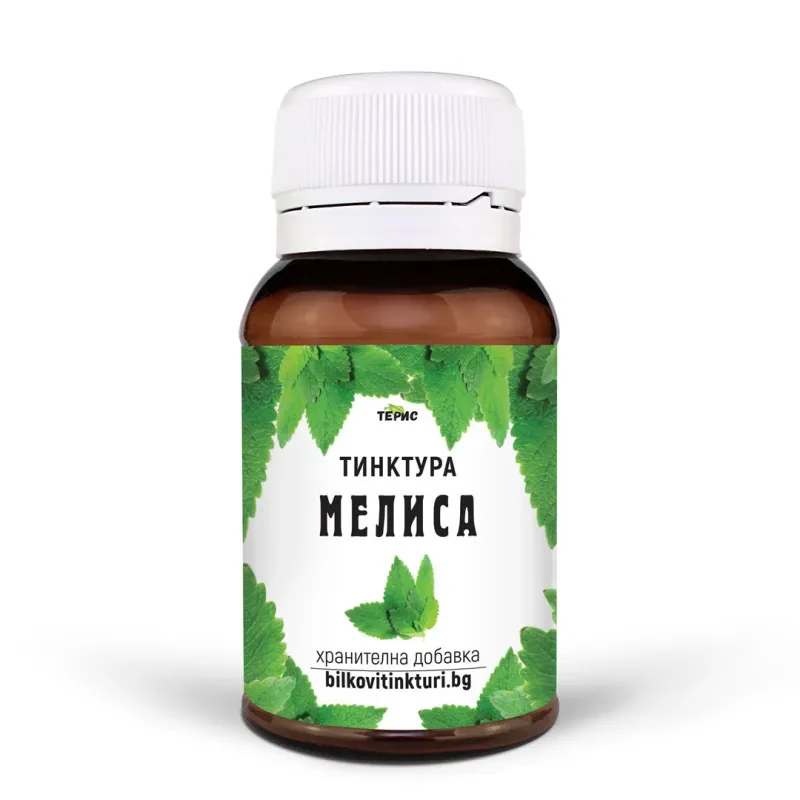
#Lemon balm for strengthening the heart and spleen
The herb lemon balm (Melissa) is the herb of calm – a key to a healthy lifestyle.
The medicinal plant Melissa has a gently soothing effect on a stressed nervous system, gladdening the heart, lifting the spirits and creating a pleasant feeling in the stomach.
"It is most effective when fresh."
In books, the lemon balm plant is described as a herb with the combined effect of fifteen herbs. It is recommended for strengthening the heart and spleen, as well as for bringing vigour and joy into life. Ancient herbalists considered lemon balm the best thing for the heart of all natural products. Melissa is also called the "heart herb" or "comforter of the heart" because it calms the heart, strengthens vitality and drives away melancholy.
What is more, the following statement is attributed to the medicinal herb: "Take Melissa if you have a heavy heart, low vitality, a knotted stomach or tired eyes."
Lemon balm has a calming effect when nervous tension plays havoc with the heart, the stomach and the mood. It relaxes a stressed heart if we cannot sleep, settles the stomach and is therefore effective for lack of appetite. The medicinal herb relieves flatulence, aids digestion, raises blood pressure slightly if it is too low, and dispels a melancholy mood.
But the plant also warms the pelvic area and gently eases menstrual pain caused by an overly hectic daily life.
Melissa works best when freshly prepared. The tea can be drunk two to three times a day after meals. While it is steeping, it is important to cover the cup so that the essential oil cannot evaporate. Those suffering from serious illnesses can choose from a herbal extract – lemon balm tincture, a spagyric essence and essential oil. A six-week course of treatment lifts the heart and calms the stomach.

#Liquorice can nourish the spleen
Liquorice root (Licorice), known as Gan Cao in traditional Chinese medicine, can nourish the spleen by clearing excess heat and toxins. Liquorice is a popular remedy for a deficiency of vital energy and acts on the spleen, stomach, heart and lungs – in fact, on all the meridians.
As far as the spleen is concerned, liquorice helps with digestion and the management of blood flow in the body. Try drinking liquorice root tea after meals – it is pleasant and sweet and will help you digest your food. If you are not a fan of tea, liquorice is also commonly available as pills and tinctures.
As it has almost no taste, it is usually best taken with food.

#Ginseng is great for spleen health
Ginseng is a popular plant in traditional Chinese medicine that is also used to make non-medicinal tea. It is great for the health of the spleen because it invigorates it and recharges it with energy.
One of the ways it does this is by calming your Shen energy. Because the spleen suffers when we are overloaded, calming this anxious energy helps the spleen recover. Ginseng also helps with digestion and the regulation of blood flow, which makes it easier for the spleen to do its job.
If you want to take ginseng for spleen health, look for "red ginseng". This means it was steamed before it was dried. It is energetically hotter than raw ginseng. If you don't tend to feel the cold, take American or raw ginseng

#Chinese yam for spleen problems
If we have problems with the spleen, lungs or kidneys, Chinese yam is a powerful ingredient that we should include in our diet. Despite its name, the herb is not related to sweet potatoes – in fact it is more like a vine. It is particularly known for its help with digestive problems such as low appetite or diarrhoea.
Chinese yam is special because it contains a substance known as allantoin, which helps our body heal much faster than normal. It also has plenty of B vitamins and vitamin C, as well as antioxidants, which makes it a super-healthy addition to our diet and health routine.
If we have digestive problems or think that the vital energy of our spleen is low, we can take Chinese yam on its own, although it is also available mixed with other healthy herbs. We can eat it raw or cooked, drink it as a tea or take it as a pill. It even works topically, which means you can apply it directly to our skin if we have problems with boils or ulcers.

#Other helpful herbs
Barberry, Oregon grape, fringe tree bark, yarrow, vervain and eyebright root can also be used with rosemary to strengthen the spleen and provide a tonic, supportive effect on it.
#St John's wort stimulates digestion and metabolism
The herb St John's wort stimulates the production of digestive juices and the motor activity of the stomach, and stimulates the appetite. Digestion usually speeds up and the absorption of nutrients is encouraged.
In addition to its pharmacological action, the plant is significant in phytotherapy in many ways. It has antioxidant and anti-inflammatory effects, regulates circulation and invigorates blood pressure. It stimulates the whole metabolism.
#Vervain for treating stress and anxiety
Vervain ("Verbena officinalis") is known to be very effective in treating stress and anxiety. It can also help to improve digestion and ease pain. In addition, the herb has anti-inflammatory properties that make it useful in treating the spleen and conditions such as arthritis and asthma.
#Barberry has a toning action on the spleen
Barberry ("sour thorn", Barberry) is one of the best herbs for liver problems, loss of appetite and an enlarged spleen. It is also laxative in small doses and purgative in large doses. It is known to regulate high blood pressure, as well as to lower temperature and help a sluggish gall bladder.

#Oregon grape for cleansing the liver and spleen
Oregon grape is beneficial for better digestion and detoxifying the body, and has a beneficial effect on the digestive system.
Oregon grape can stimulate a weakened liver and at the same time dramatically ease the symptoms it causes, such as headaches, poor digestion and toxic blood.
This versatile herb is also considered a blood purifier. Herbalists prefer to use Oregon grape for cleansing the liver and spleen and, in some cases, the blood as well.
#Fringe tree bark for supporting immune function
Fringe tree bark is commonly used in traditional medicine to support digestive health and promote overall health.
The whole tree bark is a unique and valuable natural product that has been used for centuries for its many health benefits. This bark is harvested from the fringe tree – a small tree or shrub native to the eastern United States. The bark is collected and dried, preserving its natural properties and making it an excellent addition to any herbal remedy or collection of natural health products.
The whole tree bark has a distinctive appearance, with a light brown colour and a rough, textured surface. It has a bitter taste and a mild, slightly sweet aroma that is pleasant and earthy. This bark is commonly used in traditional medicine to support digestive health and promote overall health.
It can be included in a healthy lifestyle and used to support a range of health goals, from promoting digestive health to supporting immune function and reducing inflammation.

#Eyebright root for a spleen detox
Eyebright root (eyebright ) is used for eye infections, disorders and irritations. It fights allergic rhinitis, post-nasal drip, middle ear infections, catarrh, sinusitis and hay fever.
It provides increased resistance to colds and flu. It can soothe a sore throat. It has a beneficial effect in the treatment of oversensitive eyes, conjunctivitis and blepharitis.
It helps in the treatment of crystals in the urinary tract and kidney stones, as well as in detoxing the kidneys, liver, pancreas and spleen.
#Rosemary helps with an enlarged spleen
Rosemary helps the spleen when it becomes enlarged, filled with blood or congested, as do violet leaves.

#When should we seek help for an enlarged spleen?
If we notice increased pain in the area of the spleen or the left shoulder, especially if it gets worse when breathing in, we should seek medical help immediately. A rupture is more likely to happen after a blow to the abdomen, but sometimes it happens on its own. Even a small tear and slow bleeding can suddenly become an emergency if not treated in time. Earlier treatment may also prevent the need for surgery.

#The spleen is recognised as an important organ with many functions for health
Recognised as an important organ with many functions for health, the spleen is a fist-sized organ located high in the upper left part of the abdomen, under the ribs near the stomach. It has a rich blood supply from the splenic artery and lymphatic vessels, and in structure it resembles a large lymph node.
When the spleen is removed, a person becomes particularly susceptible to infections.
The organ has many functions, including filtering the blood, storing platelets (blood-clotting factors) and white and red blood cells, breaking down old red blood cells, digestive functions, recycling iron, and clearing the blood of pathogenic organisms such as viruses and bacteria. When the spleen is directly enlarged or overloaded, this may show up as pain in the upper left part of the abdomen, under the left breast. When it is a little weaker or less functional, we may experience symptoms such as tiredness, dizziness, pale skin, palpitations, nausea, bloating (especially after meals), poor appetite, food sensitivities, diarrhoea, being overweight even though we do not overeat and exercise regularly, or being unable to gain weight even though we eat a lot.
The spleen is also important during a fever (blood flow to it increases then), because it produces more immune cells to fight pathogens.
Problems with the spleen include enlargement (due to infection, blood supply, anaemia, malaria and leukaemia) and rupture (due to physical injury or congestion); malfunctions of the pancreas, liver and stomach put extra strain on the spleen, and high blood pressure can also have an adverse effect.
Some digestive problems, such as gluten sensitivity, are linked to weakness of the organ, as are weaknesses such as chronic fatigue and persistent infections.
In the philosophies of traditional medicine the spleen is associated with the emotion of melancholy and with problems of the lymphatic and immune systems. It is also considered responsible for extracting energy from the food we eat and is particularly vulnerable to damp conditions in the body. If spleen health is compromised, conditions may arise such as food cravings (especially for sugar), chronic fatigue and compulsive addictions (gambling, cigarettes, alcohol, etc.).
The healing goals are to provide good, nourishing food for the body and to establish and maintain healthy digestive function.

#A note from Bilkovi Tinkturi BG
An enlarged spleen is a symptom that health advisers need to investigate. Whether or not it causes us discomfort, it points to an underlying condition that may need treatment.
When it is temporary, an enlarged spleen will not harm our overall health. But chronic swelling can damage and endanger our body. Here, once again, nature and the power of herbs come to our aid.
#The natural approach to relieving the spleen
In traditional Chinese medicine everything is connected: our body, your emotions and the elements. So when one organ has problems, we may notice pain or discomfort popping up in other parts of our body, or even in our mind!
And although we probably don't think about it much, the spleen is an important part of our digestion and blood flow, so we need to take good care of it. If we think it may be struggling to do its job, we should give it a little more of the herbs listed above, and we may notice relief in areas we never even suspected were connected!
Regular moderate exercise helps to keep the spleen healthy.
Deep breathing, through breathing techniques or through exercise, helps the health of the spleen.
We need to learn how to relax. Constant mental activity and anxiety weaken the activity of the spleen.
We should use natural remedies – herbs – because the power of nature is boundless and we should make the most of it.

#To keep our health – we need to take care of it
An enlarged, malfunctioning spleen can lead to frequent infections, low energy, symptoms of anaemia, changes in appetite, body weight, digestion and blood flow, and more. If we want to keep a strong immune system, avoid falling ill and keep our muscles and joints healthy into later life, then we need to pay attention to and take good care of our whole lymphatic system – including, of course, the spleen!
And what better way to do this than with help from nature, thanks to herbs.

This article is for educational purposes and does not replace advice from a doctor. Food supplements are not medicines and are not intended to treat diseases. If you have a chronic condition, are pregnant or breastfeeding, or take medication, consult a specialist before use.