Broadleaf plantain - nature's treasure
Table of Contents
#The "five-vein" herb
Herbs are an integral part of human life and should be present in every home. There are countless plants that help with all kinds of problems, but among the most outstanding is broadleaf plantain "Plantago major" - a true treasure of nature.
#The history of "Plantago major"
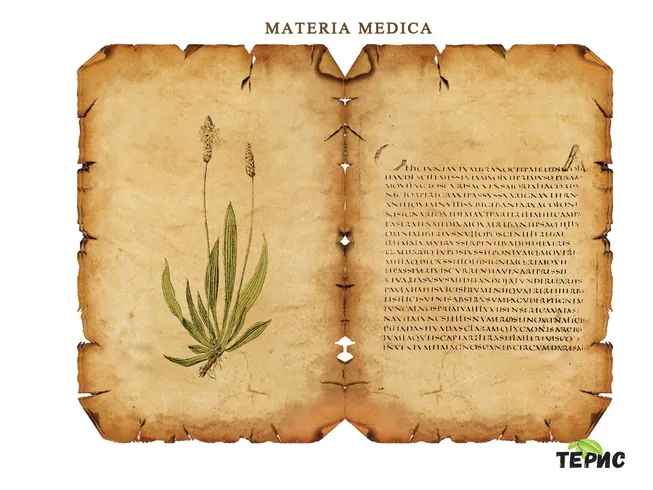
The use of plantain to treat various ailments dates back thousands of years. The earliest known account of the herb is in "Materia Medica", or "Hashayesh" in Arabic, written by Pedanius Dioscorides (40–90 AD), a Greek botanist. His book is an encyclopaedia of herbal medicine and pharmacopoeia from all over the world.
A particularly curious fact is that as far back as antiquity, Pliny described the positive effect of this herb on snake bites and bites from rabid dogs.
#Broadleaf plantain "Plantago major"
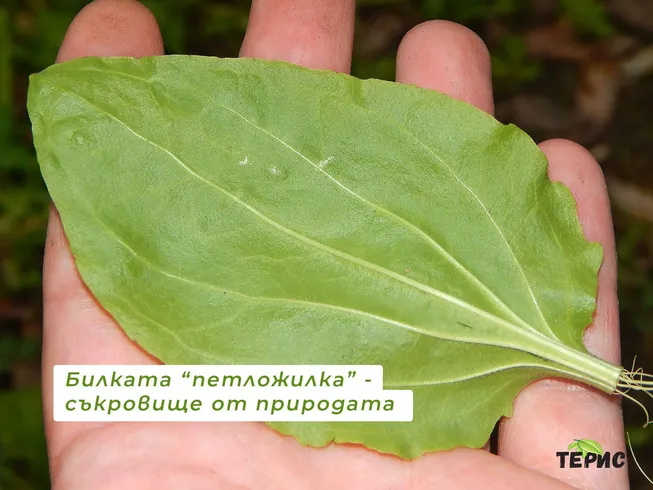
This is a herbaceous plant, well known in traditional medicine, with broad elliptical leaves.
It grows as a native plant in Asia, Europe and America and in almost all parts of Iran. It is widespread throughout continental Europe and is available to consumers in Bulgaria. It belongs to the "Plantaginaceae" (plantain) family and is also known by the Bulgarian folk names "petlozhilka", "zhilavets" and "barda".
To date, 275 species of Plantago have been identified worldwide.
#Botanical characteristics of "Plantago major"
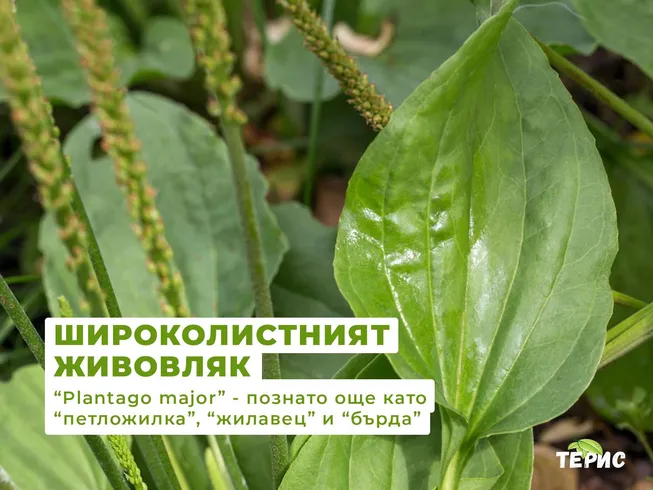
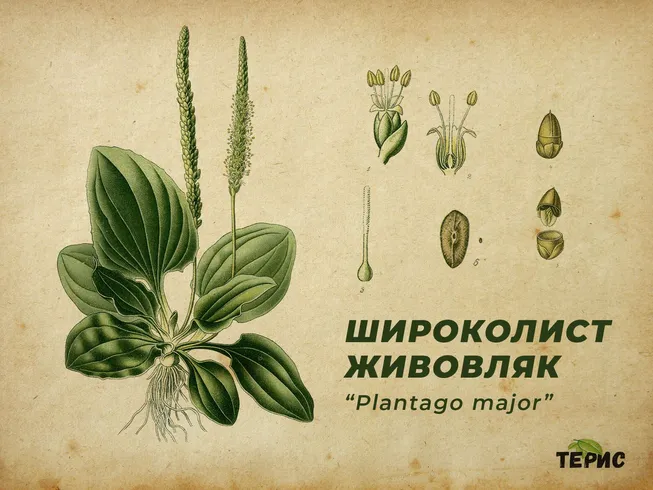
Morphologically, "Plantago major" is a hairless, small, perennial plant with a single rosette.
The plant has a short rhizome, and its leaves are broadly ovate and grow in a rosette 15 to 30 centimetres in diameter. The herb's flowers are small and greenish-brown, with beautiful purple stamens, borne in a dense spike. They reach 5-15 centimetres in length and grow from May to September.
The stem itself is 13-15 centimetres tall, and in some rare cases reaches up to 70 centimetres.
The sepals are green and 1.5–2.5 mm long. The seeds are two-celled, tiny, dark and ovoid, with a fruit length of 2–4 mm.
Broadleaf plantain is pollinated by the wind and spreads mainly by seed. These seeds develop in the fruit of the plant; they are very small and oval, with a noticeably bitter taste.
#Chemical composition of the "treasure herb"
So what does this amazing plant owe its remarkable properties to?
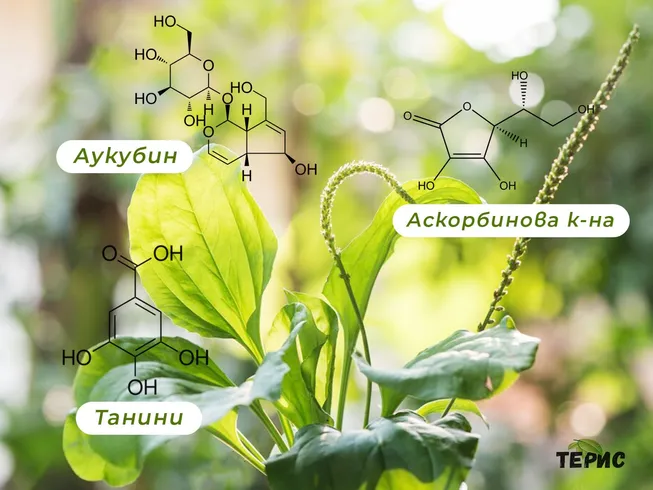
To ingredients such as the glycoside aucubin, various bitter substances, tannins, ascorbic acid, flavonoids, vitamin K and numerous minerals.
It is thanks to them that the plant has astringent, anti-inflammatory, diuretic and expectorant action, as well as a strong haemostatic effect.
According to a number of studies of various leaf extracts (petroleum ether, methanol, ethyl acetate, n-butanol and aqueous solution), 51 components have been isolated.
Most of the components in the petroleum ether extract are phytol, benzofuranone, pentanediol and benzenepropanoic acid, while in the methanol extract the diglycerol and glycol group contains organic acids such as fumaric acid, syringic acid, vanillic acid, p-hydroxybenzoic acid and ferulic acid. p-Coumaric acid, gentisic acid and traces of salicylic acid, benzoic acid and cinnamic acid have also been found.
Glycerol, benzene and dibutyl phthalate have been isolated from the ethyl acetate extract, while the n-butanol extract contains phthalic acid, benzenepropanoic acid and phenol groups.
Finally, ethnophenol, diathiapentene, naphthalenone and glycerol have been found in the aqueous extract. In addition, all five of these extracts contain phenolic groups.
#Properties and health benefits of broadleaf plantain
Traditional medicine uses the roots, leaves and flowers of broadleaf plantain.
#Internal use of broadleaf plantain
All of them are widely used for diseases and conditions:
- epilepsy, headache
- intestinal problems, diarrhoea, dysentery, stomach and intestinal ulcers
- bladder inflammation, kidney diseases, obstruction of the renal tubules
- intermittent fever, jaundice, blocked bile ducts
- worms, various parasites
- women's problems - increases fertility, speeds up sexual maturation
- asthma, bronchitis, clears mucus, colds, coughs, lung problems in children, lung ulcers, malignant ulcers, neutralises poisons,
- obstructive diseases of the liver and spleen
- toothache, sores in the mouth and throat, vomiting
Isn't this list more than impressive?
#Effects of Plantago on the lungs
"Plantago major" inhibits mast cell degranulation and can be used to treat asthma and allergic diseases. It protects against pneumococcal infection and is used to treat chronic bronchitis.
The herb can treat haemoptysis, asthma, tuberculosis, and pulmonary and multiple lesions and is used as a decoction. The leaf extract is suitable for treating pulmonary and multiple lesions.
Taken as a tincture by mouth, or with honey by mouth, it is the most desirable dosage form for treating lung diseases.

#Gastrointestinal effects of Plantago major
The plant is very effective for bleeding from the upper and lower gastrointestinal tract, haematemesis, dysentery, haemorrhoids, stomach pain, intestinal ulcers, dyspepsia and constipation.
It is used as the leaf extract taken by mouth or as an enema of the extract.
Because of its anti-inflammatory effect, the plant can be used to treat endoparasites and stomach problems.
The polyholoside fraction isolated from the leaves and seeds of some Plantago species (Plantago major, media, lanceolata) explains its gastroprotective action, and a laxative effect is obtained at higher doses of Plantago major.
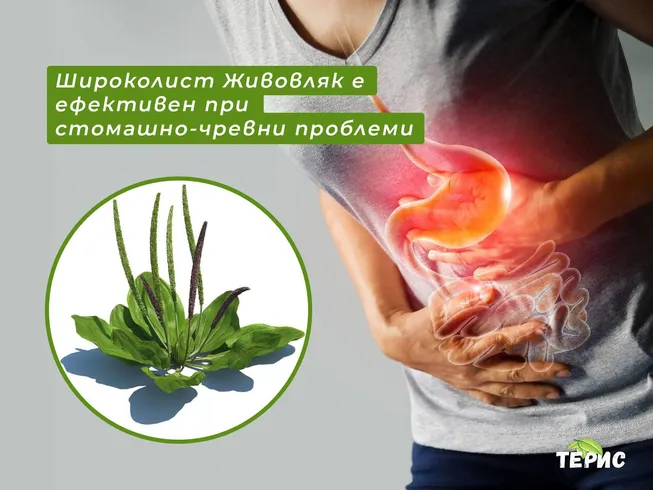
The plant extract has the ability to inhibit ulcers. Acidity and gastric fluid are significantly reduced by the extract, which may be due to inhibition of gastric acid secretion and an increase in the protective factors of the mucosa.
On the other hand, Plantago leaf extract reduces the motility of the duodenum and also has an anti-diarrhoeal effect when taken by mouth. Plantago seeds are recommended for inflammatory bowel disease.
Although oral use of the leaf extract can reduce stomach ulcers, the seed extract has no effect. But seed and leaf extracts can also reduce total acidity.
#Plantago has beneficial effects on the liver and spleen
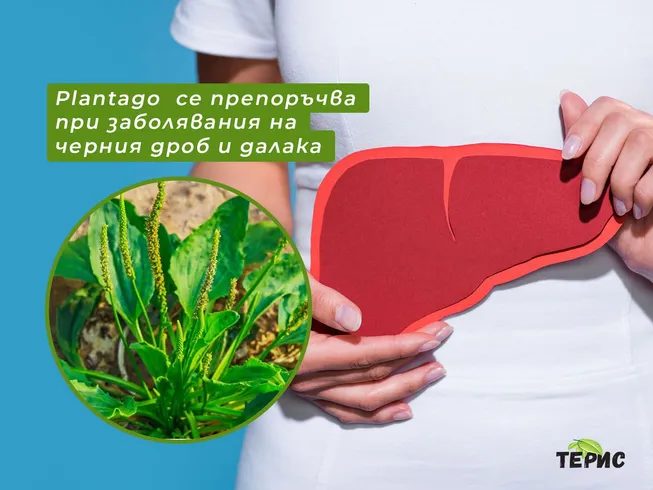
Extract of the seeds or root of Plantago major is widely used as a liver tonic and is recommended for obstructive diseases of the liver and spleen. Also for intermittent fever, jaundice and blocked bile ducts.
Hepatoprotective effects
In recent years liver disorders have been a leading cause of death worldwide. In one research model, Plantago major seed extract showed hepatoprotective activity, with levels of alanine aminotransferase (ALT) and aspartate aminotransferase (AST) showing a decrease.
#Urogenital effects of "Plantago major"
- Bladder inflammation, kidney diseases, obstruction of the renal tubules
Because of the diuretic effect of Plantago major, it is also recommended for urinary retention, haematuria and pain in the bladder and kidneys.
- Effects on urine
Plantago major has a diuretic effect and can also inhibit the activity of angiotensin-converting enzyme. Another study of Plantago major extract showed that it was more effective than allopurinol and potassium citrate at inhibiting the size of calcium oxalate crystals in vitro and can be taken to improve urolithiasis.
#Broadleaf plantain for women's problems
- increases fertility, speeds up sexual maturation
The herb is also prescribed for uterine warts, uterine ulcers, menometrorrhagia and polymenorrhoea, taken by mouth or applied vaginally.

#Anti-infective, antibiotic, antifungal, antiviral, antimalarial and anti-giardial action
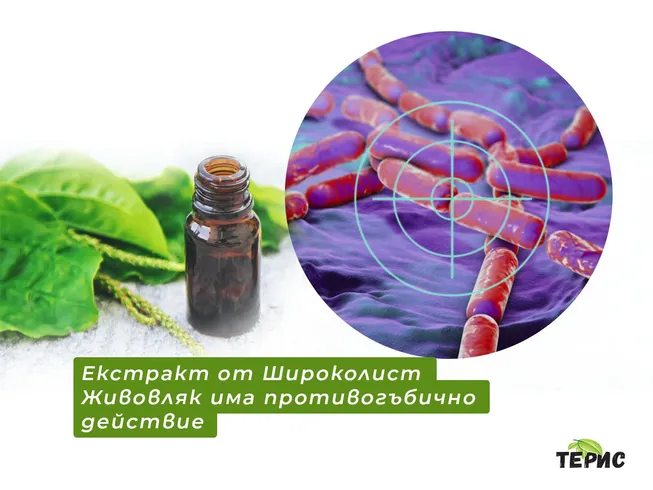
Some types of "Plantago major" extract are effective in treating fungal, bacterial and viral infections. The antimalarial and anti-giardial effects of the plant have also been demonstrated. However, the aqueous extract of "five-vein" plantain has mild anti-herpes virus activity compared with caffeic acid, which shows the strongest activity against HSV-1, HSV-2 and ADV-3. Chlorogenic acid, however, has the strongest anti-ADV-11 activity.
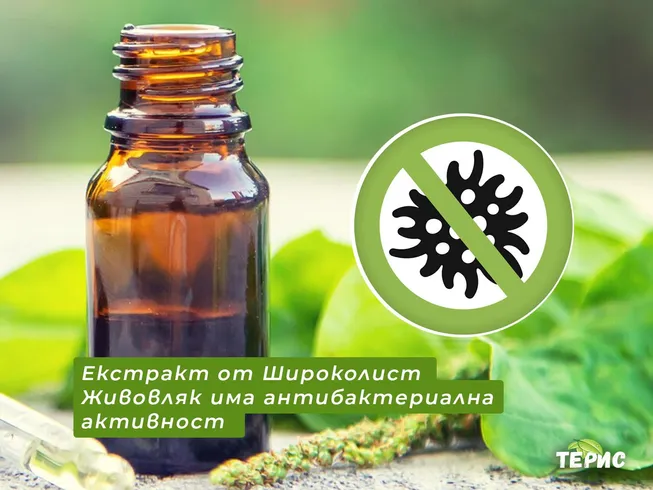
The ethyl alcohol extract shows antibacterial activity against E. coli and Bacillus cereus, while the acetone extract is effective against bacterial species (Bacillus cereus, Bacillus subtilis, Staphylococcus aureus, Staphylococcus epidermidis, Escherichia coli, Klebsiella pneumonia, Pseudomirabilis enterteus, Pseudomosabilidis a) at various concentrations.
Plantago extract also showed acceptable potency against C. albicans (ATCC 66027), comparable to synthetic antifungal agents.
#Broadleaf plantain for boosting immunity
Methanol leaf extracts of P. major increase the formation of nitric oxide and tumour necrosis factor-alpha and stimulate lymphocyte proliferation, so that activated macrophages are produced with various cytotoxic agents, such as nitric oxide, TNF-α and lymphokines.
As a result, it may prevent the development of tumours and infections.
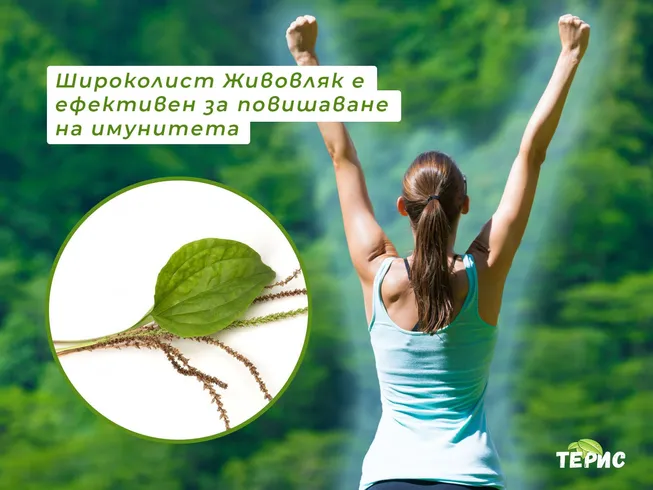
Plantago major shows immunomodulating activity, increasing lymphocyte proliferation and interferon-γ secretion at low concentrations (< 50 μg/ml), but at high concentrations it may inhibit this property (< 50 μg/ml). Hot-water extracts of Plantago major may help improve leukaemia, carcinoma and viral infections.
#Antioxidant and free-radical-scavenging properties
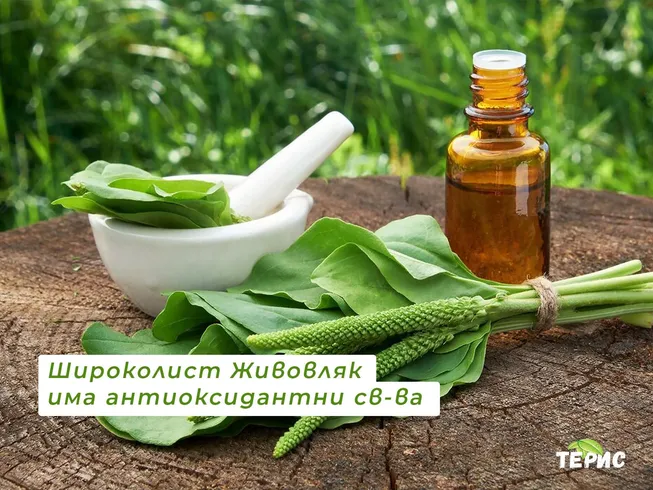
Ethanol, hot-water and cold-water extracts of broadleaf plantain leaves and seeds have antioxidant action. This treasure herb from nature contains flavonoids such as luteolin, apigenin, hispidulin and baicalein, which can induce the death of carcinoma cells.
In addition, Plantago extracts have inhibitory and cytotoxic effects on breast adenocarcinoma and melanoma cell lines, and these preliminary results may be explained by the cytotoxic activity of the flavone luteolin-7-O-β-glucoside, the main flavonoid in Plantago species.
#Anti-hypercholesterolaemic, anti-atherosclerotic and hypoglycaemic effects
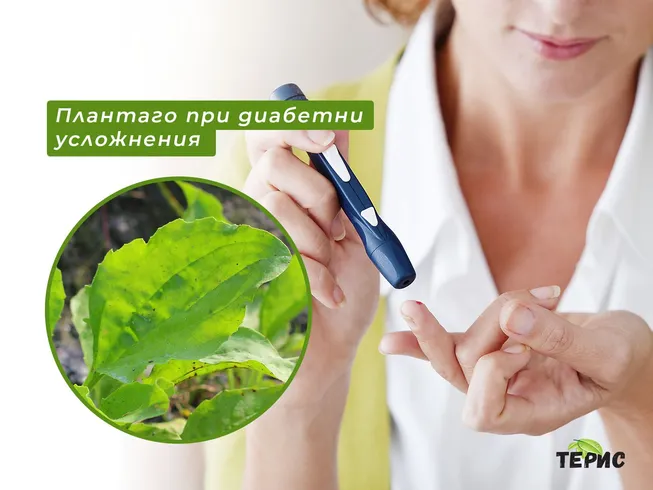
Plantago leaves can inhibit the progression of atherosclerosis and hypercholesterolaemia. The plant's seeds have a hypoglycaemic effect. Plantagoside and its aglycone in the seeds inhibit protein cross-linking glycation and have potentially useful applications for preventing diabetic complications.
#Antinociceptive effects
Methanol extracts of the leaves and seeds, or an aqueous extract of the plant, show anti-inflammatory and analgesic actions by inhibiting prostaglandin synthesis.
#Plantago has anti-cancer and cytotoxic activity
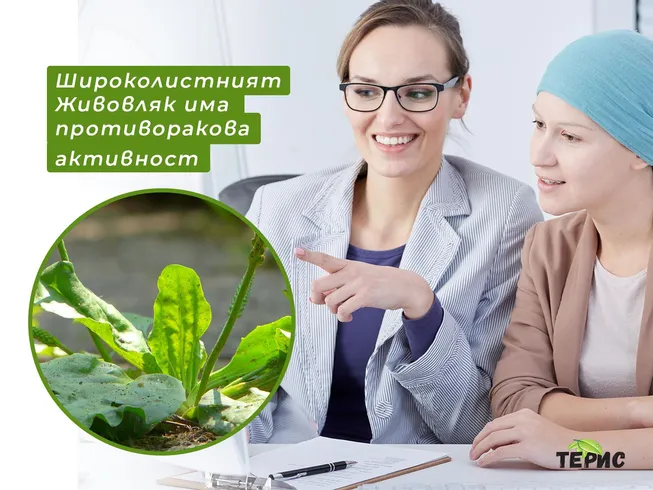
A methanol extract of the broadleaf herb has been evaluated for cytotoxic activity against three human cancer cell lines, including human renal adenocarcinoma (TK-10), human breast adenocarcinoma (MCF-7) and human melanoma (UACC-62). Flavonoids, flavones and luteolin are the main factors in the cytotoxic activity.
Plantago major may be partly effective in preventing carcinogenesis. The cytotoxic activity of methanol Plantago major extract on transformed human cells has also been evaluated: HCT-15 (colon carcinoma), SQC-UISO (cervical carcinoma), OVCAR (ovarian carcinoma) and KB (nasopharyngeal carcinoma).
Aqueous and methanol extracts of Plantago major also stimulate cell proliferation in bone marrow and spleen cell cultures. Although the same number of cells was cultured in both types of tumour, the cell population was significantly higher in the spleen cultures than in the bone marrow cultures. In fact, oleanolic acid and ursolic acid stimulate splenocyte proliferation and improve recovery of the haematopoietic system.
#External use of broadleaf plantain
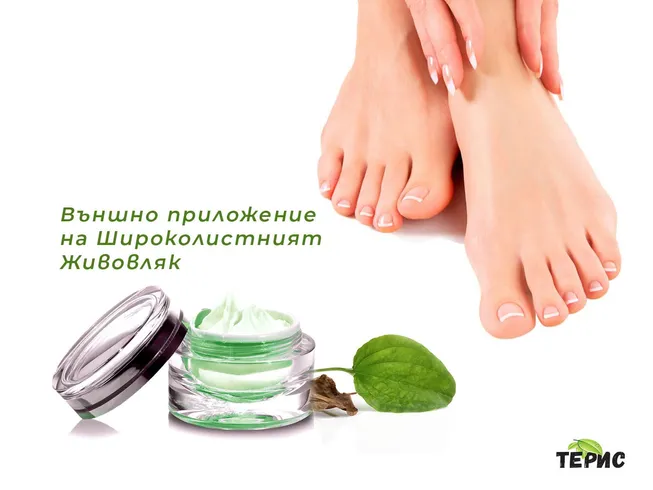
The herb's medicinal uses listed so far do not end here, which is why phytotherapists call it nature's treasure! Broadleaf plantain is also used externally:
- for all kinds of bruises
- burns
- eye inflammation
- earache
- haemorrhoids
- skin inflammation
- worms
- herpes zoster (shingles)
- stings and bites
Experts explain that the herb can be rubbed into the skin of the arms and legs for pain caused by arthritis and gout.
Women can also use extracts of the plant as a wash for vaginal discharge in the intimate area.
#Neurological uses
This plant is used to treat epilepsy, alone or in combination with other herbs. It also helps relieve nerve pain, such as headache, and earache, by using drops, massage with the herb's mucilage, or nasal inhalation.

#Ophthalmological effects
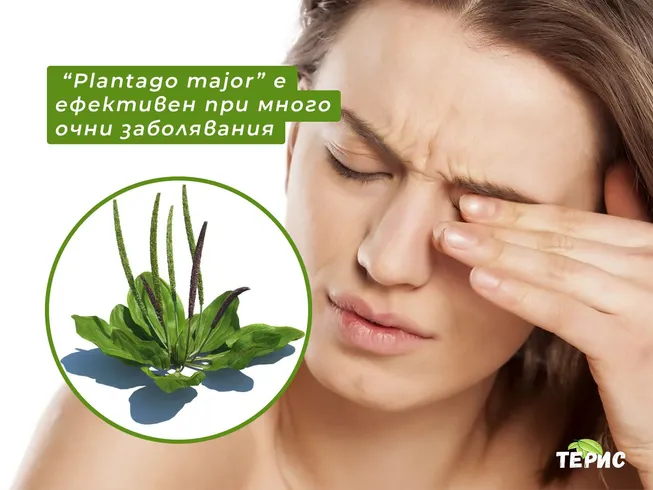
"Plantago major" is effective in treating many eye diseases, including diseases of the choroid of the eye, day blindness, conjunctivitis and eye ulcers.
The juice of the leaves is used as drops with other herbs or alone, in addition to the oral form.
#Ear, nose and throat (ENT) effects
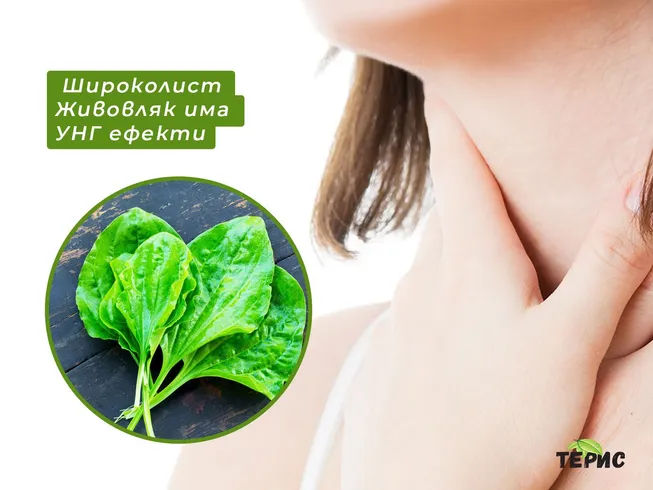
Plantago is recommended for toothache, earache, halitosis, oral lesions, mouth ulcers, epistaxis, haemoptysis, loose teeth, gingivitis and tonsillitis, by gargling with the juice of the leaves or its decoction, by dropping it into the warm ear, or by applying the leaves to the area.
#Dermatological effects of broadleaf plantain
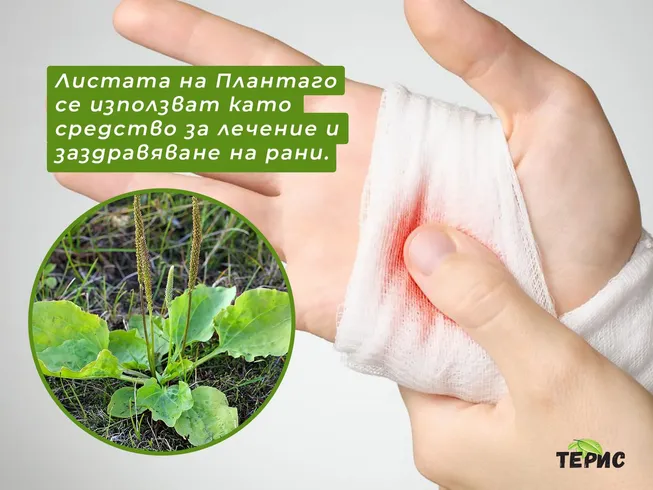
- Wound-healing effects
"Plantago major" is used for various types of injuries and skin diseases - such as deep wounds, purulent wounds, chronic and progressive wounds, malignant wounds, fire burns, erysipelas, progressive blisters, itching, irritating urticaria and fistulas - by sprinkling dissolved plant powder onto the wound, or as an ointment with salt or on its own. It is used in the same way for ulcers on the skin of the head and face.
The anti-inflammatory action works through a complex event associated with tissue damage, whether from bacteria, physical trauma, chemicals, heat or another phenomenon.
The inflammatory response is also the critical protective reaction to these kinds of injuries, marked by redness, fever, oedema (swelling) and pain in the affected tissue.
In one study, aqueous Plantago major extract was recommended as a suitable substitute for silver sulfadiazine, especially when applied at a 50% concentration for wound healing. Polyphenols, especially plantamajoside, are considered the main compounds important for wound healing.
- for acute urticaria
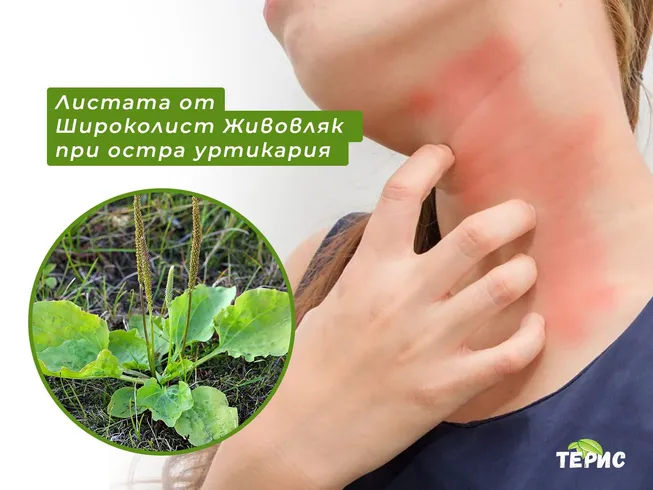
Plantago major is an effective herb for treating acute urticaria. Ursolic acid, oleanolic acid and α-linolenic acid are three main components of Plantago that show inhibitory effects on COX-2-catalysed prostaglandin production. Luteolin (one of the flavonoids) also has the ability to suppress leucocyte migration and inhibit mast cell degranulation, all of which together can be regarded as strategies for treating urticaria.
#Are there any adverse reactions to "Plantago major"
In general it is a safe plant, but some adverse reactions such as nausea, vomiting, diarrhoea, anorexia, bloating, hypersensitivity and dermatitis can occur after treatment. Life-threatening anaphylaxis can occur in more serious cases of overdose.

#Safety and toxicity
The daily dose is 3–5 g of the powdered herb 1–3 times a day, but the most common dose as an infusion is 150 ml (one cup) 3–4 times a day.
Plantago major is not among the most toxic plants. Analysis of anti-nutritional and toxic components showed a low content of oxalic acid (6736 mg) and erucic acid (3.45%) in Plantago major extract.
#Use of "Plantago major"
Broadleaf plantain can be prepared either dried or as an extract before being packaged and distributed in a form suitable for oral use, including capsules, pills, coated pills, tablets and dragées.
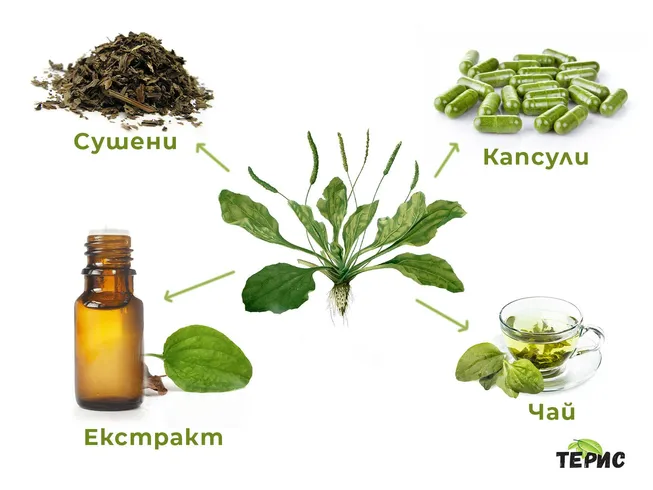
To obtain the benefits of broadleaf plantain, it is mainly the leaves that are used. They are gathered from May to October, preferably in dry weather and after the dew has lifted.
It is important to know that the leaves are cut and should not be crushed.
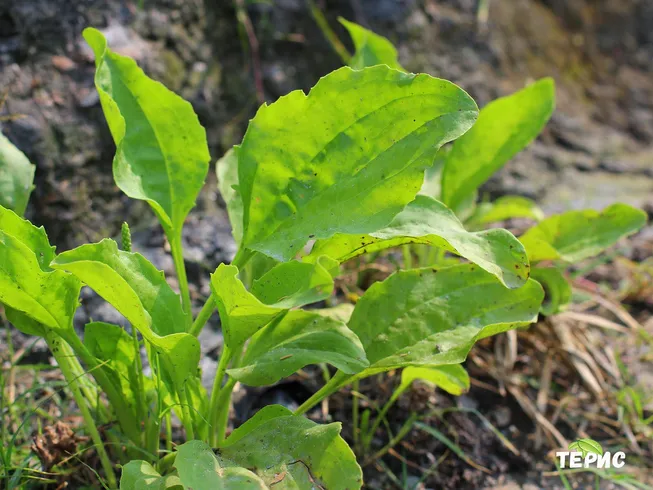
They are then dried in the shade or in a special dehydrator made for the purpose.
After that, a remedy is prepared, which can be:
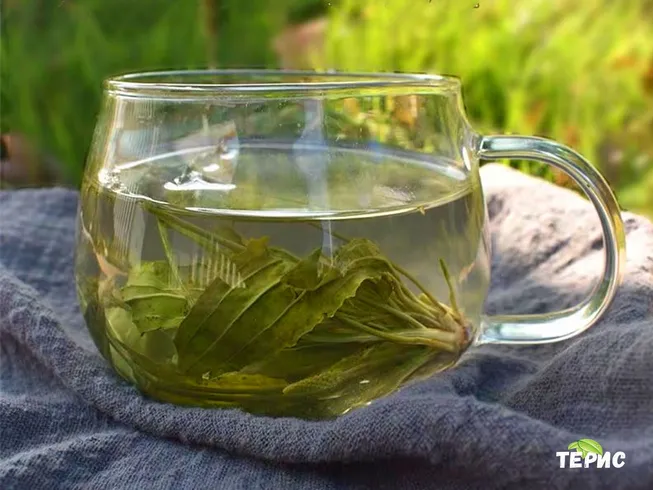
#Plantago as an infusion/tea
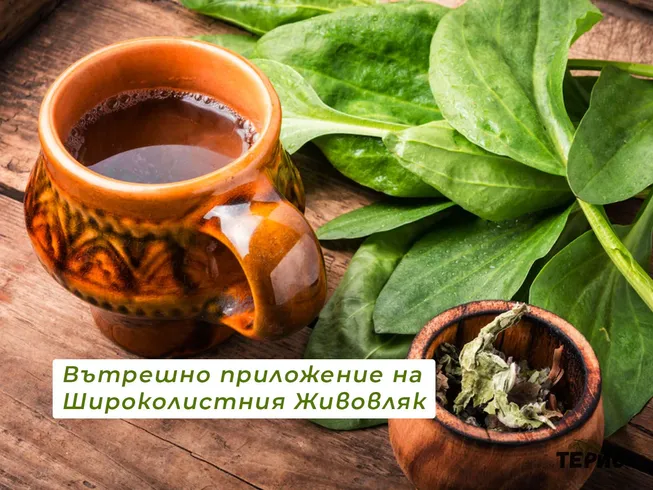
- 1 tablespoon of dried leaves is steeped in 400 ml of water. Leave to stand for 20 minutes. Drink 1 coffee cup three times a day, before meals;
The seeds are used as a harmless laxative.
#Plantain ointment
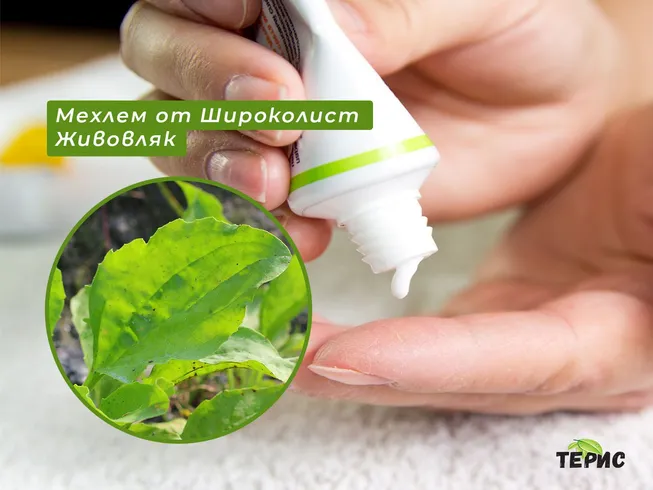
- the chopped herb is fried in lard over a low heat. It is strained, and the resulting ointment is used for burns, insect bites, rashes, all kinds of wounds, and as a night cream for wrinkles.
#As a broadleaf plantain herbal extract
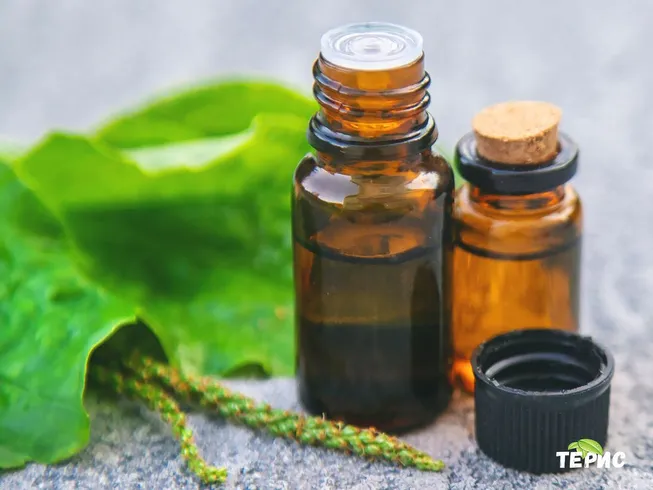
The roots, leaves and flowers of the plant are used medicinally. In medicine it is used as a mucolytic. Plantain leaves are part of many herbal combinations and biologically active supplements.
In the form of a herbal extract, broadleaf plantain has its strongest and most effective action on the body. In this form it contains the greatest amount of its beneficial constituents.
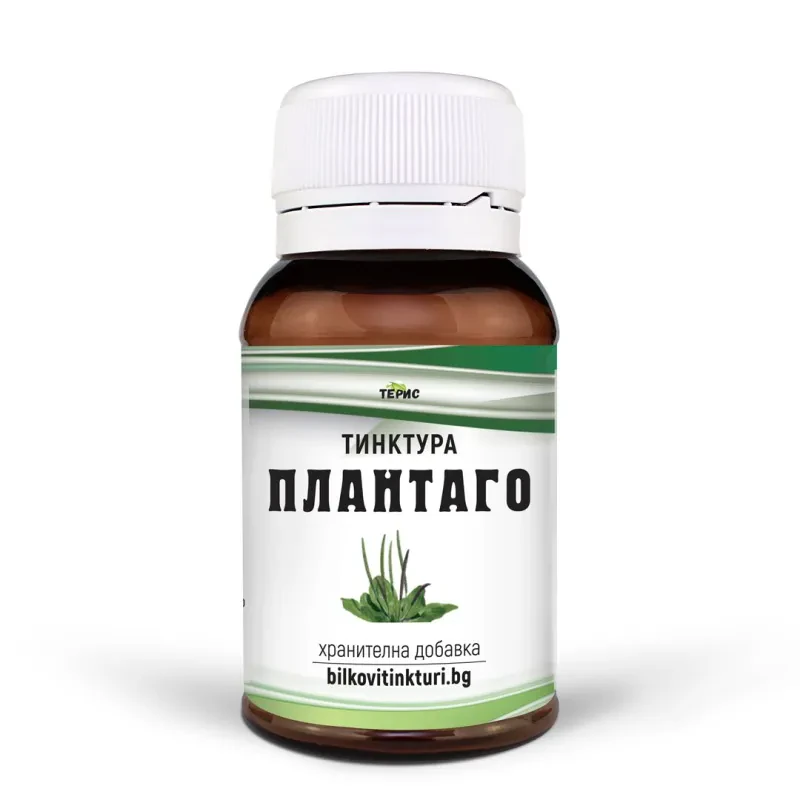
#Broadleaf plantain herbal extract - PLANTAGO
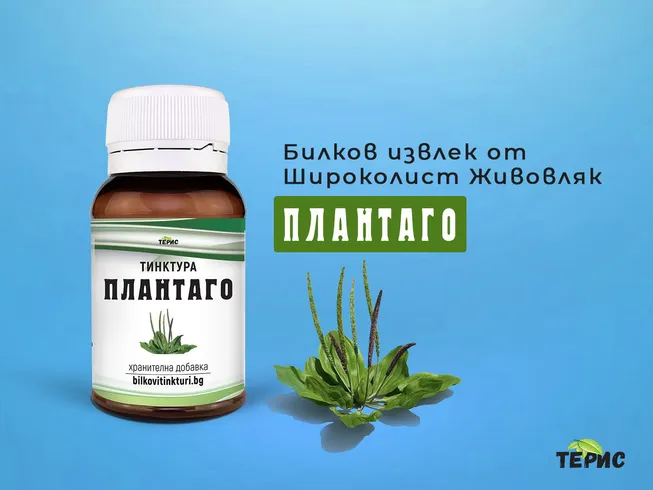
Our herbal broadleaf plantain tincture - PLANTAGO is beneficial for:
- the nervous system – epilepsy, headache
- the digestive system – intestinal problems, diarrhoea, dysentery, stomach and intestinal ulcers
- the urinary system – bladder inflammation, kidney diseases, obstruction of the renal tubules
- liver conditions – intermittent fever, jaundice, blocked bile ducts
- parasitic diseases – worms, various parasites
- the reproductive system – women's problems, increases fertility, speeds up sexual maturation
- the respiratory system
This tincture is a true treasure of nature, supporting clear bronchi.
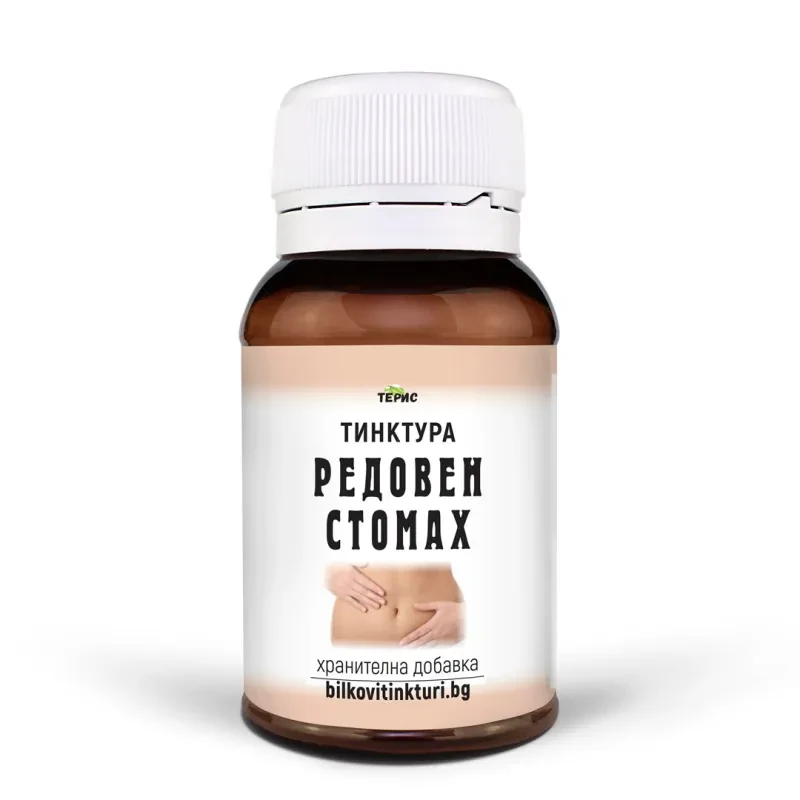
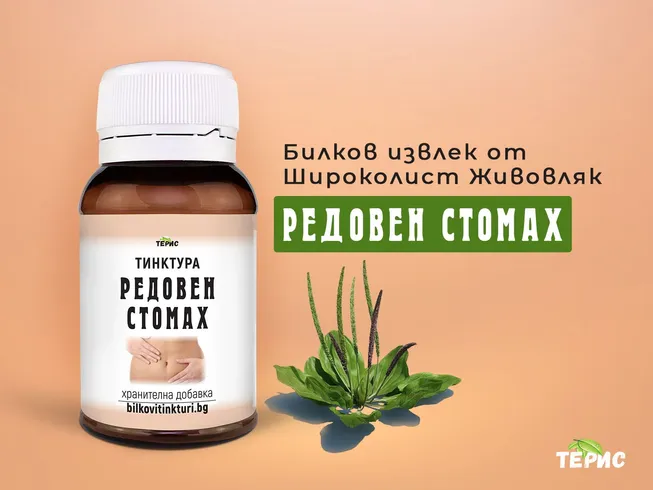
#Broadleaf plantain herbal extract - REDOVEN STOMAH
Because of the herb's beneficial effects on the gastrointestinal tract, we have combined it in a powerful tandem with the herb that is "happiness in a bottle". This combined tincture REDOVEN STOMAH - made from broadleaf plantain leaves and St John's wort flowers - helps the stomach.
It is recommended for:
- Sluggish bowels
- Constipation
- Irregular bowel movements
- Fluid retention
- It supports the normal functioning of the gastrointestinal tract.
#Use of broadleaf plantain in cooking
Interestingly, the herb also has its place in cooking. The leaves are edible as a green salad when they are young and tender, while older leaves are better added to various stews.

#The herb recommended by phytotherapists
The scientific name of broadleaf plantain is "Plantago major". This exceptional plant has been widely recommended by phytotherapists in various forms for over 1,000 years.
The prescription of different products from different parts of this plant shows the accuracy of scholars from centuries ago.
For example, a roasted form of P. major seeds was used extensively in patients with gastrointestinal bleeding and ulcerative colitis, and Balakhnina et al. have shown that plantain reduces the amount of heavy metals in this plant.
On the other hand, the combination of this plant with other plants (polyherbal compounds) is used to treat dysentery and other stomach upsets.
The likely reason for using a polyherbal compound is usually to modify the effects (synergists) or the side effects of the primary and secondary metabolites of P. major.
"Plantago major" is an important medicinal plant with various pharmacological properties, including anti-inflammatory, analgesic, wound-healing, antipyretic, antitussive, anti-infective, anti-haemorrhagic, laxative, astringent, haemostatic and diuretic action.

The plant's wide range of biological activities includes antimicrobial, anti-asthmatic, anti-inflammatory, antitussive and immunomodulating actions.
In this article we have tried to list the uses of plantain in modern phytotherapy, whose properties have been confirmed in modern phytotherapy.
#Nature's treasure - broadleaf plantain
Based on research and modern medicine, this plant has many medicinal uses, taken by mouth or applied locally, without serious side effects.
Because this plant is available in many countries and has therapeutic benefits, it is recommended that various medicinal products from it be produced and made available to patients and used as a complementary medicine alongside conventional treatments.
You can get this medicinal plant both in herbal shops and online. Always look for a certified producer with products of proven origin, and remember that it is always advisable to consult a healthcare professional before use so that you are sure of the dose and your individual needs.
Herbs are the most effective and safe way to maintain our health. Don't miss out on their healing action. Stay healthy and draw strength from nature with pure herbal extracts from https://bilkovitinkturi.bg/.
This article is for educational purposes and does not replace advice from a doctor. Food supplements are not medicines and are not intended to treat diseases. If you have a chronic condition, are pregnant or breastfeeding, or take medication, consult a specialist before use.
Products from this article