Lemon Balm - Tranquility is the Key to Health
Table of Contents
#Calm - the key to a healthy lifestyle
Besides the familiar parts of a healthy life - food, environment and relationships - the most important thing is to eliminate stress, because calm is what matters most for the well-being of our body and mind.
We can achieve balance in our daily lives, not only on our own but also with help from nature.
Lemon balm is the herb of calm; it can help you reach your goal - a healthy lifestyle.

#Say goodbye to frayed nerves
The plant has been shown to soothe the symptoms of stress very quickly and easily, to help you relax and to lift your mood.
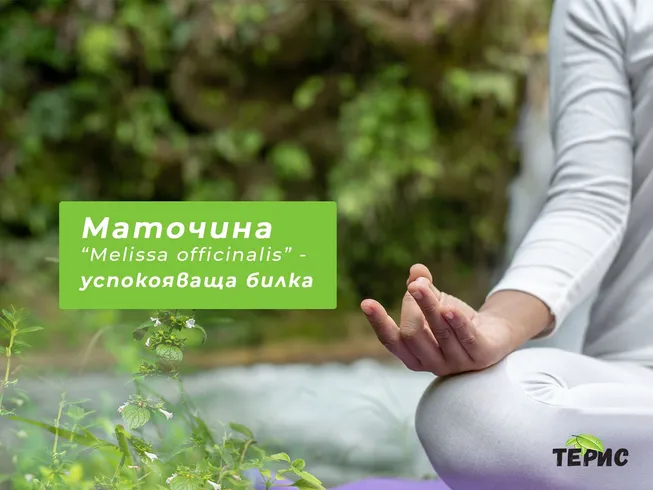
#Lemon balm - “Melissa officinalis”
Lemon balm (“Melissa officinalis”) - a member of the mint family, is considered a calming herb. It was used as far back as the Middle Ages to reduce stress and anxiety, promote sleep, improve appetite and ease the pain and discomfort of poor digestion (including gas and bloating, as well as colic).
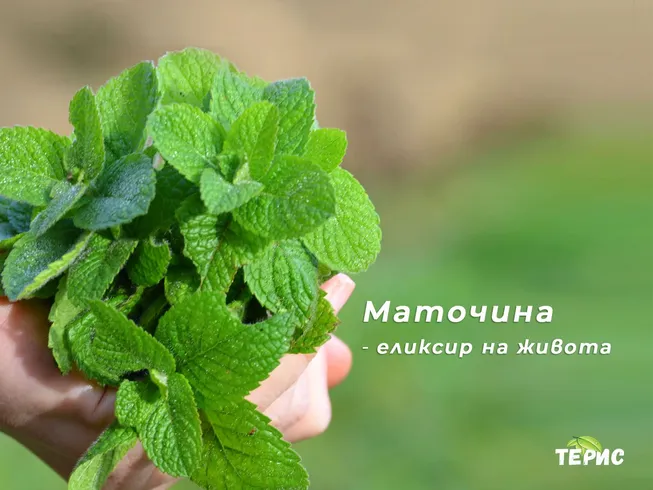
Other names for the herb are: “Limonche”, “Matorka”, “Pchelinak”
#History of the herb's use
Sources speak of the medicinal use of lemon balm more than 2,000 years ago by the Greeks and Romans. The herb is mentioned by Theophrastus in Historia Plantarum, dated to around 300 BC, as “honey leaf” (μελισσόφυλλον).
Lemon balm was officially introduced into Spain in the 7th century, from where its use and domestication spread throughout Europe. Its use in the Middle Ages was noted by herbalists, writers, philosophers and scholars, and the Swiss physician and alchemist Paracelsus considered it “the elixir of life”.
It grew in John Gerard's herb garden in 1596. It was introduced into North America with the arrival of the early colonists and is recorded as being among the herbs grown in Thomas Jefferson's garden.
The above-ground part of lemon balm was used by the ancient Greeks and Romans for its pleasant, refreshing scent, reminiscent of that of lemon peel.
The herb is native to Europe, North Africa and West Asia, but is grown all over the world. The plant has been cultivated since at least the 16th century.
Traditionally in Bulgaria it is used to make tea or tincture, and separately to make cordials and liqueurs.
The leaves of the herb are used in herbal food supplements, and also as a flavouring. The plant is used to attract bees for honey production. It is grown as an ornamental plant, as well as for its oil (for use in perfumery).
Lemon balm is traditionally used to improve mood and cognitive function, but the potential benefits do not stop there. Read on to learn more about the possible healing powers of this plant.
#Botanical characteristics of lemon balm
Lemon balm “Melissa officinalis” is a perennial herbaceous plant of the mint family, the labiates “Lamiaceae”.
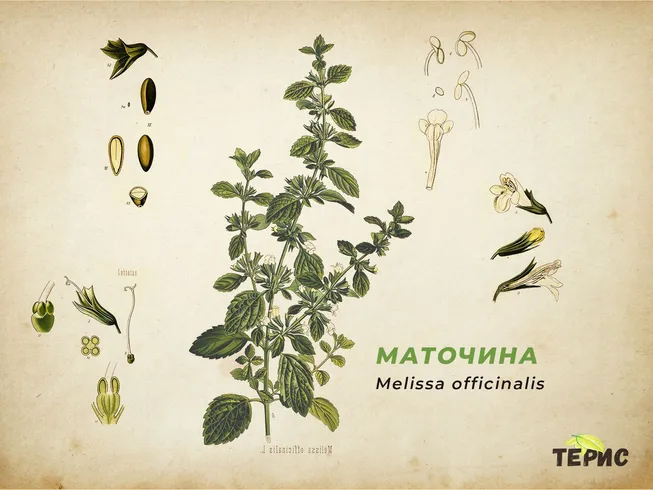
It grows to a maximum height of 70–150 cm.
It has a four-sided, branched stem, covered with sparse hairs.
The rhizome is well developed.
The leaves have a light lemon scent, similar to mint. They are opposite, ovate, bluntly toothed, dark green and hairless above, and light green with glandular hairs beneath.
The flowers are grouped in 3 - 10 in one-sided false whorls in the axils of the upper leaves and are whitish or pink, with a tubular two-lipped 5-toothed calyx, a 5-lobed two-lipped corolla and 4 stamens.
The fruit is dry, splitting into 4 light brown nutlets. When rubbed between the fingers, the whole plant gives off a pleasant lemony smell. It is a honey plant, because in summer small white flowersfull of nectar appear.
#Growing lemon balm
Melissa officinalis is native to Europe, Central Asia and Iran but, as we have already said, it is widely naturalised all over the world.
Lemon balm seeds need light and at least 20 °C to germinate.
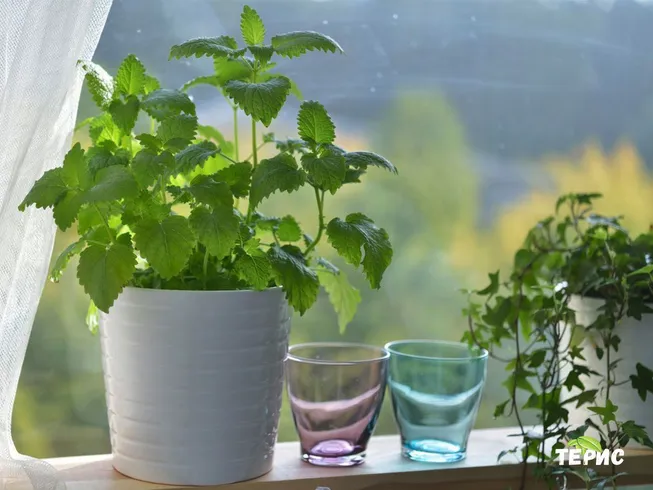
The herb spreads vegetatively as well as by seed. In mild temperate zones the stems of the plant die back at the beginning of winter but revive again when spring arrives.
Good old lemon balm grows vigorously. It is not advisable to plant it where it can spread into other plantings.
If you want to buy the herb and its essential oil, you will notice that the main products are of Hungarian, Egyptian, Italian and Irish origin. These countries are the main producers.
#Chemical characteristics of melissa
The herb has also been shown to have antiviral, antispasmodic and antitumour properties. It also successfully fights microbes.
The composition, pharmacology and potential uses of lemon balm have been widely studied, especially with regard to its traditional uses. However, randomised, double-blind clinical trials in humans are limited.
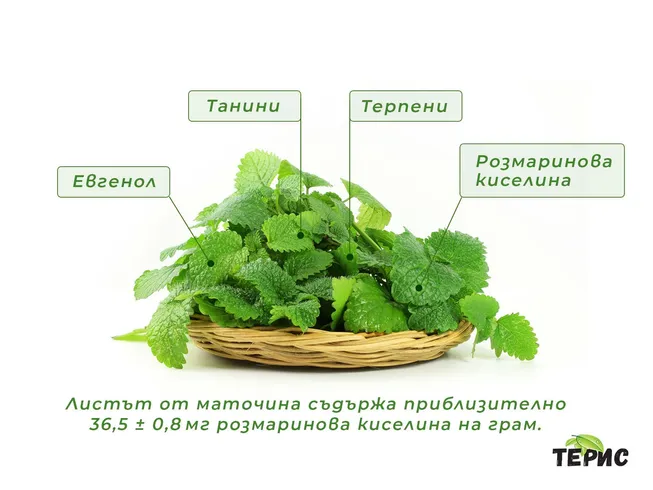
The herb lemon balm contains eugenol, tannins and terpenes. And the rosmarinic acid it contains appears to be the most important active component, but the interaction of the chemicals in lemon balm with each other and with the chemicals in other herbs it is often used with in traditional medicines has been little studied.
Lemon balm leaf contains approximately 36.5 ± 0.8 mg of rosmarinic acid per gram.
The aroma is due to the terpenes citronellal, citronellol, citral and geraniol. It grows in thickets and sparse woodland in grassy and rocky places throughout the country.
#Uses
Besides medicinal purposes, the plant is used to attract bees for making honey. It is grown and sold as an ornamental plant. The essential oil is used as a perfume ingredient, but the plant also has other culinary and medical purposes. Lemon balm is used in some toothpastes.
#In cooking
Lemon balm is used as an aromatic essence in ice cream and herbal teas, both hot and cold, often combined with other herbs such as mint. It is a frequent addition to mint tea, mainly because of its complementary flavour.
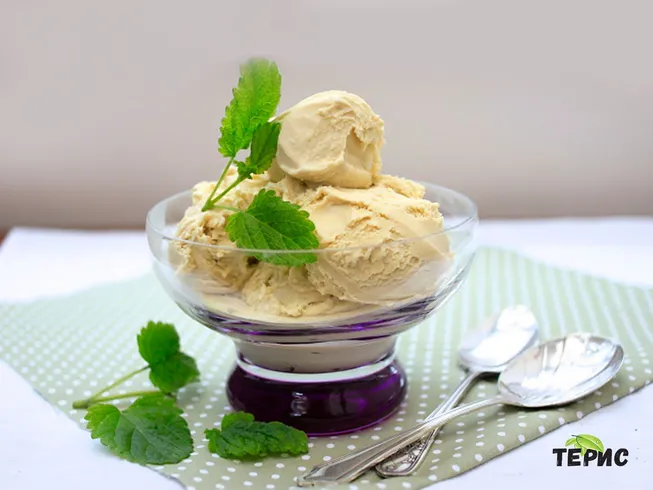
The medicinal plant also pairs well with fruit dishes or sweets. In addition, it can be used in fish dishes and is the main ingredient in lemon balm pesto.
The aroma of the herb comes from geraniol (3-40%), neral (3-35%), geranial (4-85%), (E)-caryophyllene (0-14%) and citronellal (1-44%).
It is also one of the ingredients of Spreewald gherkins.
#Folk medicine practices
In long-standing Austrian traditional medicine, the leaves of M. officinalis were prescribed for internal use - as tea or tincture - or for external application - as essential oil - to treat disorders of the gastrointestinal tract, the nervous system, the liver and the bile. Lemon balm is the main ingredient of Carmelite water, which is still sold in German pharmacies.
In alternative medicine it is also offered as an aid to sleep and digestion.
And the (essential) oil of the herb is quite popular in aromatherapy. It is usually co-distilled with lemon oil, citronella oil or other oils.
#Folklore and traditional uses
Nicholas Culpeper believed that lemon balm is ruled by Jupiter in Cancer and suggested it be used for weak stomachs, to aid digestion and to drive melancholy vapours from the heart and arteries.
The herbalist John Gerard considered the plant particularly good for feeding and attracting bees. The alchemist Paracelsus believed that lemon balm had the power to restore health and vitality. Traditionally, the alchemical tincture of lemon balm is the first tincture made by a novice alchemist.
#THE MEDICINAL HERB - the key to calm
According to reports, the plant calms a person's mind and body very quickly and easily.

A 2004 study found that taking lemon balm eased the negative mood effects of induced psychological stress. Taking the herb was associated with an increased sense of calm and a reduced sense of alertness.
How to use:
- In capsule form
Take 300 mg capsules twice a day. You can take a single dose of 600 mg during an acute bout of stress.
- In tincture form
Dissolve 20/30 drops in a glass of water and take 2-3 times a day.
#To boost cognitive function
A 2014 study also looked at the effects of lemon balm on improving cognitive function.
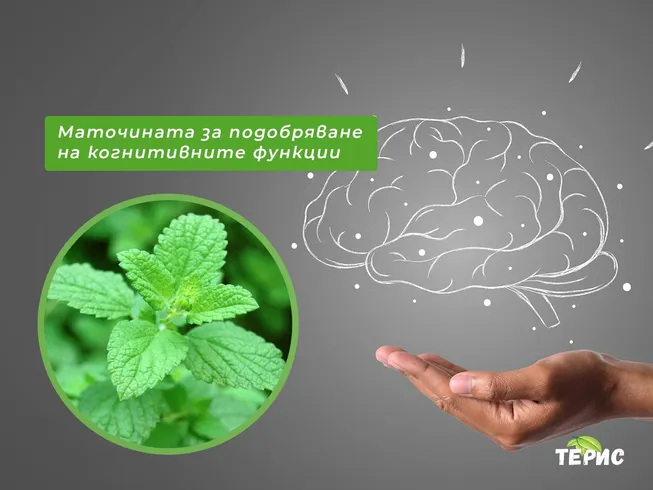
Participants were asked to perform cognitive tasks involving memory, maths and concentration. The results of these computerised tasks showed that those who had taken the plant beforehand performed better than those who had not.
#For insomnia and sleep disorders
Combining melissa with the herb valerian , for example, may help ease restlessness and sleep disturbances or rather the lack of sleep.
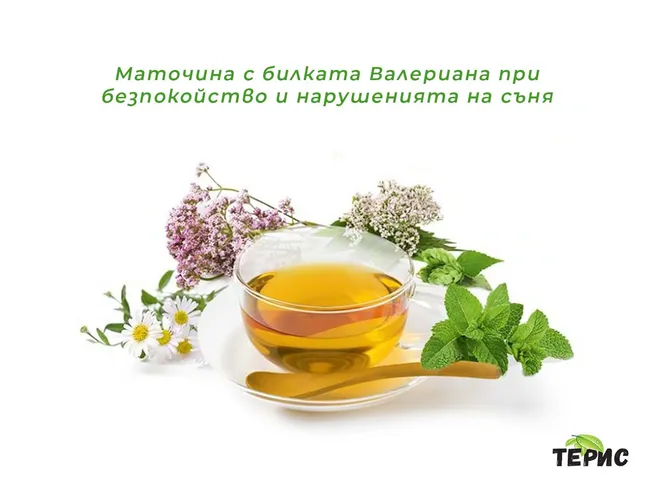
Researchers in 2006 found that children who took a combined dose had a 70 to 80 per cent easing of symptoms. Both the researchers and the parents considered the herb a good or even very good therapy for this purpose.
How to use:
Drink a cup of tea made with valerian and lemon balm before bed, or take capsules or tincture of the herb.
#For headaches
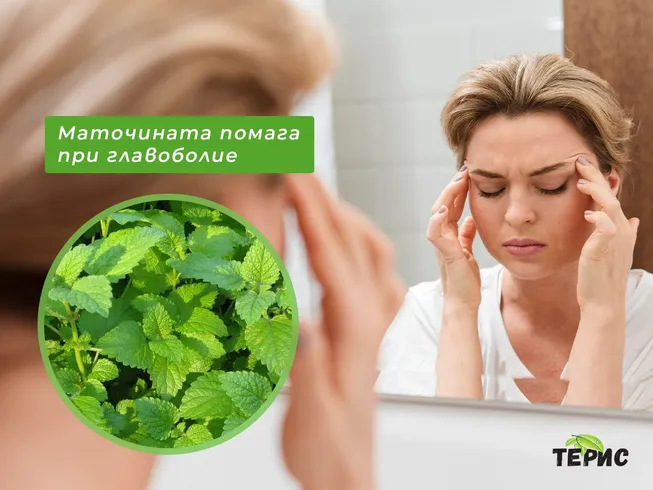
This amazing herb is of great benefit for headaches, especially if they are due to stress.
Its relaxing properties can help you unwind, release tension and relax your muscles. In addition, taking the herb may help open and relax tight blood vessels, which can contribute to headaches.
How to use:
If you experience recurring headaches, you may benefit from taking 300 to 600 mg of the medicinal plant up to three times a day. This will allow the herb to enter your system well before a headache develops. You can also take a higher dose if you feel a sudden pain in your head.
#Melissa helps with poor digestion
If you experience frequent abdominal pain and discomfort, lemon balm may have a positive effect on your digestion.

One study assessed the effects of a cold dessert (sorbet) containing lemon balm, eaten after a meal, on functional dyspepsia (a condition that is actually caused by stress or anxiety and can affect the stomach and inflame the stomach lining).
How to use: Add 1 teaspoon (tsp) of powdered lemon balm or 20 drops of lemon balm tincture to a bowl of ice cream or a smoothie and enjoy.
#Lemon balm helps with nausea
Given its potential effect on your digestive system, the herb may also help ease feelings of nausea.
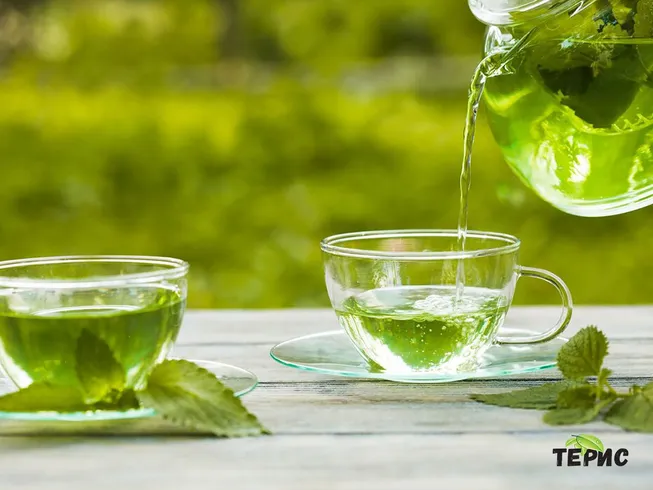
Results from several studies on lemon balm have found that the herb is useful in treating gastrointestinal symptoms like this one.
Many of the studies look at the plant used together with other herbs as well.
How to use:
Drink a cup of tea or water with lemon balm tincture at the first signs of nausea.
You can find melissa tincture or loose leaves or tea bags at your local grocery shop or online.
#It may help minimise menstrual cramps
There is research suggesting that lemon balm can be used to ease menstrual cramps and premenstrual syndrome (PMS).
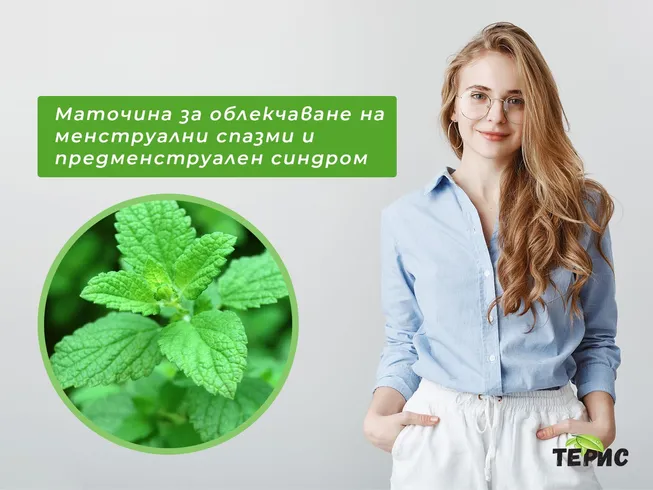
A 2015 study from a trusted source examined the effect of the herb on reducing the intensity of cramps in 100 secondary-school girls. The girls took either lemon balm essence or a placebo for three consecutive menstrual cycles. The intensity of PMS symptoms was analysed before and one, two and three months after the trial. The group that took the herb reported a significant reduction in symptoms.
How to use:
Take 1,200 mg of lemon balm daily for optimal results - in the form of tea or tincture. This will allow the herb to enter your system well before PMS symptoms are due to appear. Long-term use is thought to reduce your symptoms over time.
#TOPICAL use of lemon balm
#Melissa ointment helps treat cold sores
You can apply lemon balm topically at the first signs of a cold sore.
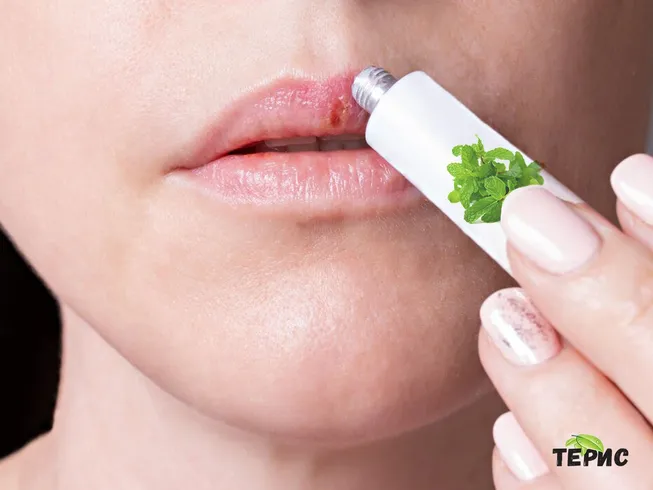
Apply lemon balm, or a lemon balm cream/ointment, to the affected area four times a day for five days. This will reduce the symptoms and help you heal faster.
It is also suggested that using a cream made from the herb may help lengthen the intervals between cold sore outbreaks.
How to use:
Apply a cream or lemon balm ointment to the affected area several times a day. Remember to test the cream on the inside of your forearm before applying it to the cold sore. If you experience no irritation or inflammation within 24 hours, it should be safe to use.
#Lemon balm oil reduces toothache pain
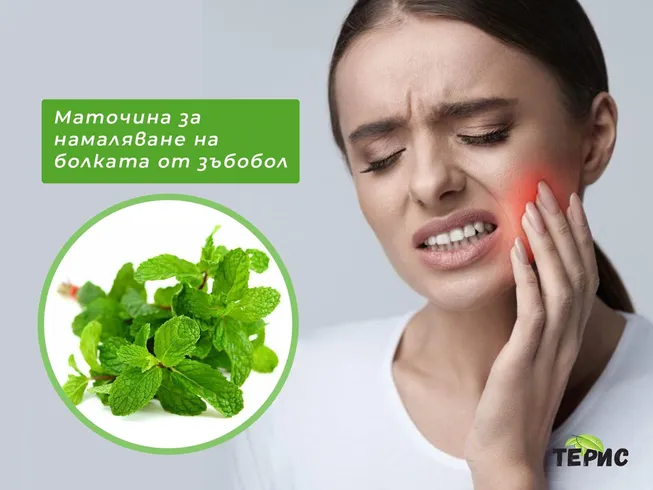
The pain-relieving properties of the herb may make it an ideal choice for easing the pain of toothache. Besides drawing on its relaxing properties, this home remedy is thought to target inflammation in the body.
How to use:
Use a cotton bud to apply lemon balm oil to the affected area as needed. Remember to choose an oil that is already diluted with a carrier oil, such as jojoba. If you buy pure lemon balm oil, you must dilute it. Essential oils should not be applied directly to the skin until they have been diluted in a carrier oil.
#Lemon balm during pregnancy
Herbal tea is a preferred option for pregnant women, as many teas contain no caffeine and sometimes have natural health benefits.
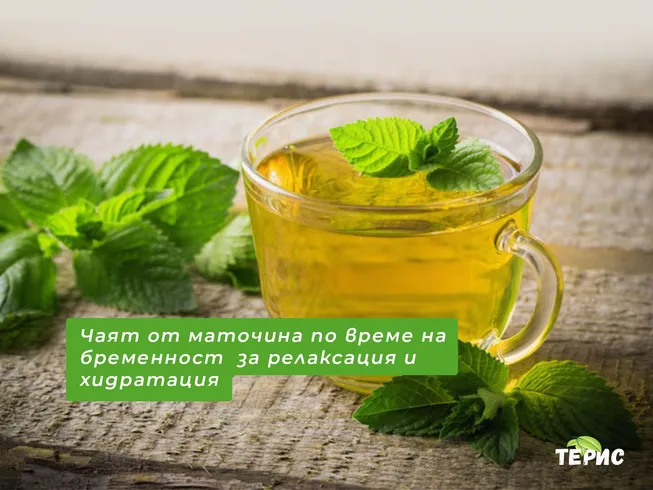
Lemon balm tea is a popular choice during pregnancy as a way to relax and stay hydrated, but is it safe?
#Is lemon balm tea safe during pregnancy?
Lemon balm tea is generally accepted as safe to drink for pregnant women. It contains no caffeine and may have other health benefits. Pregnant women should stick to commercial blends and culinary amounts of lemon balm tea.
#When is lemon balm tea not safe for pregnant women?
The important thing to remember about herbal tea during pregnancy is that it should only be consumed in “culinary amounts”. This simply means regular amounts of the herb, usually produced commercially in tea bags or in measured doses of loose tea.
The American Pregnancy Association lists lemon balm as “likely safe” for pregnant women when taken in these usual culinary amounts.
A 2005 study also points out that there is a lack of evidence on whether lemon balm is safe during pregnancy, but notes that the US FDA includes it in its list of “likely safe” herbs when taken only in food amounts (sources: ResearchGate, FDA). This is also because lemon balm appears quite often in foods, as a flavouring.
The only thing you need to be careful about isthat you should avoid non-commercial, excessive amounts of the herb – for example, taking an extract or concentrate. This is known as a “medicinal amount” and should be avoided during pregnancy.
Sometimes custom-ordered herbal tea blends, such as lemon balm, may contain a larger amount of the herb or be mixed with other ingredients such as extracts (covered later in this article). Always check the ingredients when choosing a lemon balm tea to drink during pregnancy.
Overall, it is advisable to limit herbal teas during this period to a total of 4 cups a day or, correspondingly, 2 cups a day.
#Lemon balm tea in its purest form
It should be made only from the leaves of the lemon balm plant (Melissa officinalis), which is a member of the mint family.
Sometimes lemon balm tea is a combination of leaves of lemon balm and mint, which is also fine during pregnancy if you drink it in ordinary culinary amounts.
If you buy loose leaf tea, check the recommended amount to steep. Do not exceed the stated dose or stick to ready-made tea bags.
If you have an underactive thyroid, avoid lemon balm tea. The herb may act as a thyroid suppressant, but its exact interaction is not yet known.
Lemon balm tea and caffeine during pregnancy
Always check the ingredients list of the lemon balm tea you have chosen. If other tea leaves are mixed in with it, it may contain caffeine or other herbs that are not safe during pregnancy.
During this period it is best to stick to pure, commercially prepared teas, which are usually made with a single listed ingredient.
#What are the benefits of drinking lemon balm tea during pregnancy?
One study found that taking the herb helps reduce stress and anxiety and brings a greater sense of calm.
However, the participants took a medicinal amount of lemon balm (which is not recommended during pregnancy).
A more in-depth review found anecdotal evidence of the plant's benefits (such as reduced anxiety, better sleep or reduced stress).
If lemon balm tea helps you, you can still drink it in small and moderate amounts, as it is very important to stay well hydrated during pregnancy.
#Is lemon balm tincture (extract) or oil safe during pregnancy?
During pregnancy, lemon balm should only be taken in regular food amounts. This means drinking it in moderation as a tea - a commercially packaged, measured amount of the herb's leaves.
The safest and most reliable way to do this is to buy good-quality tea bags, as these are already measured by weight.
Extracts and tinctures are potent, because they contain a high concentration of a given herb and may contain many times the recommended amounts of lemon balm, and they are not recommended for pregnant women.
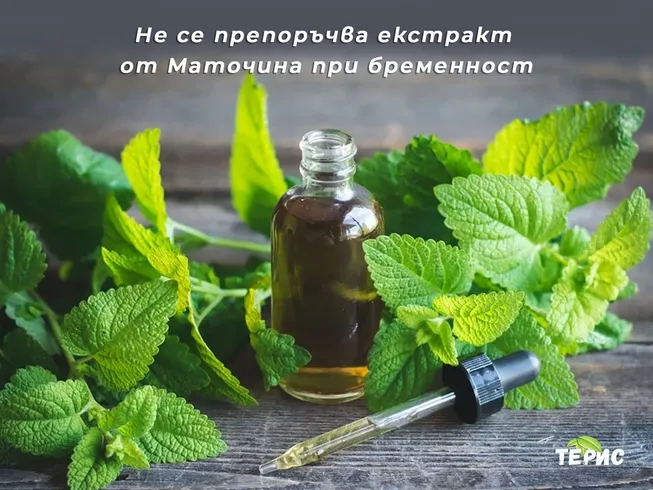
If you want to use the herb as a supplement, extract, oil or tincture, consult a midwife or doctor beforehand. Otherwise, stick to small, culinary amounts of the herb as a tea in moderation during pregnancy.
#Potential risks
In rare cases, lemon balm has the potential to cause the following side effects:
- headache;
- painful urination;
- raised body temperature;
- nausea;
- vomiting;
- stomach pain;
- dizziness;
- wheezing;
- skin irritation;
- allergic reaction.
You may be able to minimise side effects, such as an upset stomach, by taking the herb with food. You can also reduce the risk of adverse reactions by consuming less than 2 grams of lemon balm a day.
The herb should only be used for a short period of time. A general rule is to take a one-week break after every three weeks of use. Under no circumstances take it for more than four months at a time without a break.
You should talk to your health professional before use if you are taking:
- medicines for glaucoma;
- thyroid preparations;
- barbiturates;
- medicines that affect serotonin.
You should also talk to your doctor before use if you:
- are pregnant;
- are breastfeeding;
- want to give lemon balm to a baby or a child under 12 years of age;
- have surgery scheduled.

Lemon balm cannot replace a doctor-approved treatment plan that you are currently following, but it can be an effective complementary therapy. Talk to your health adviser about your individual case and the potential benefits and risks involved.
#Does lemon balm contain caffeine?
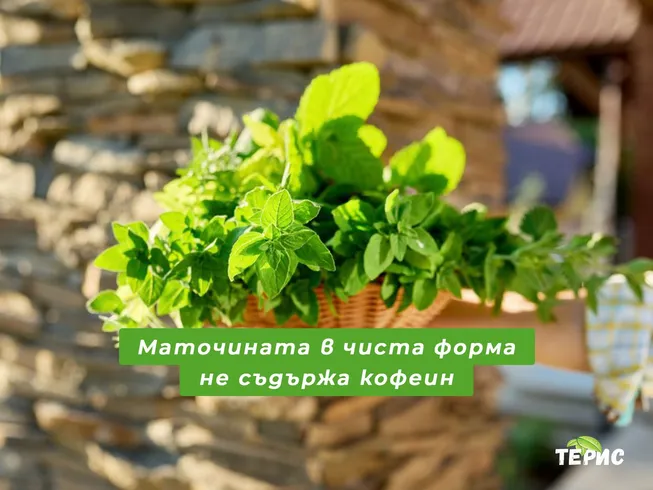
Unless it is combined with other herbs, such as green tea leaves, melissa in its pure form contains no caffeine.
#Lemon balm herbal tincture
In the form of a herbal extract - a tincture - medicinal plants are at their most concentrated and act most quickly and effectively on our health.
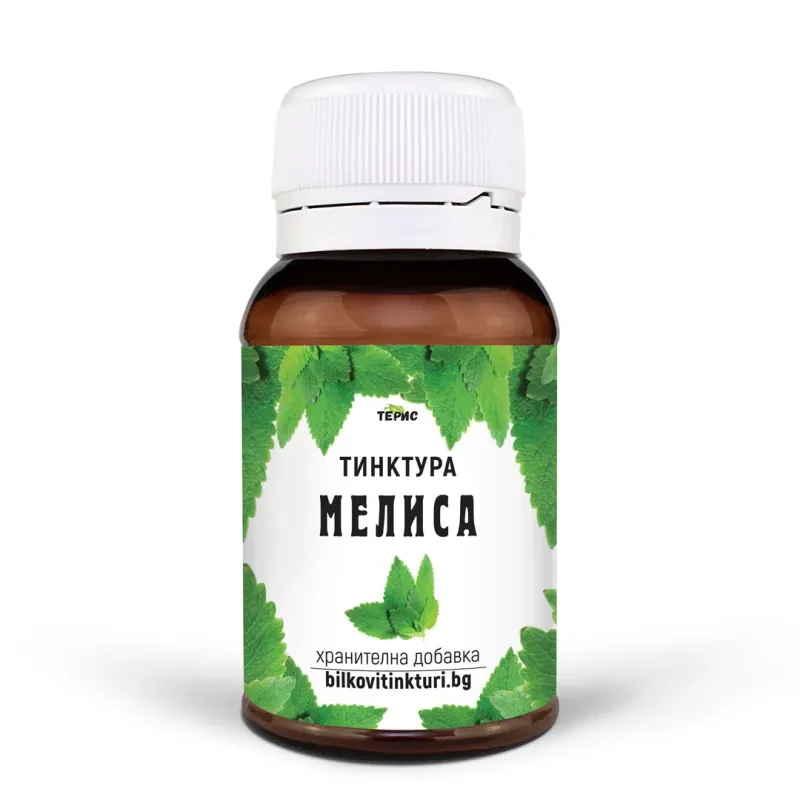
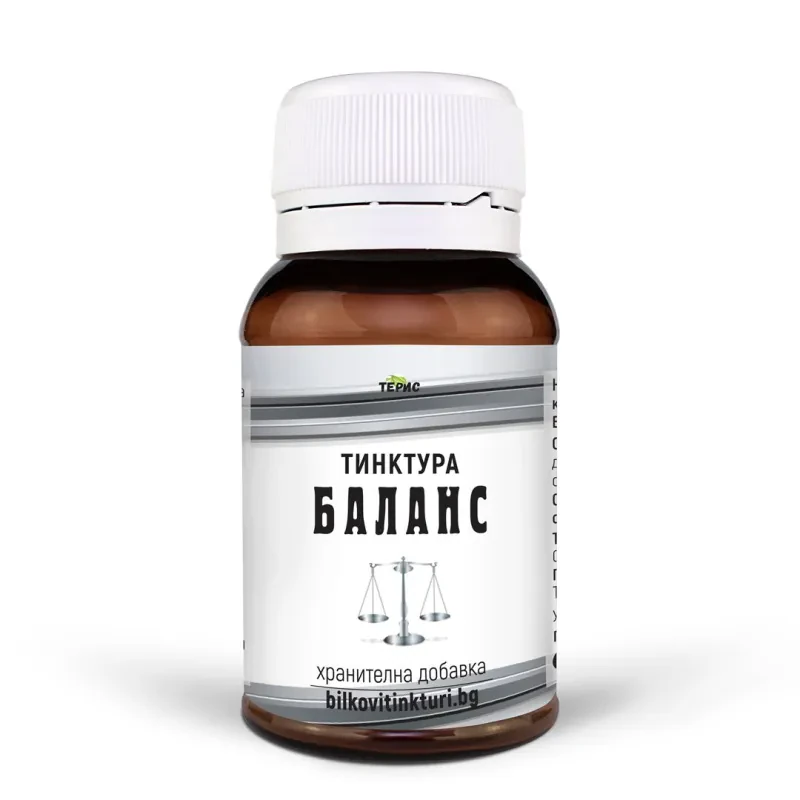
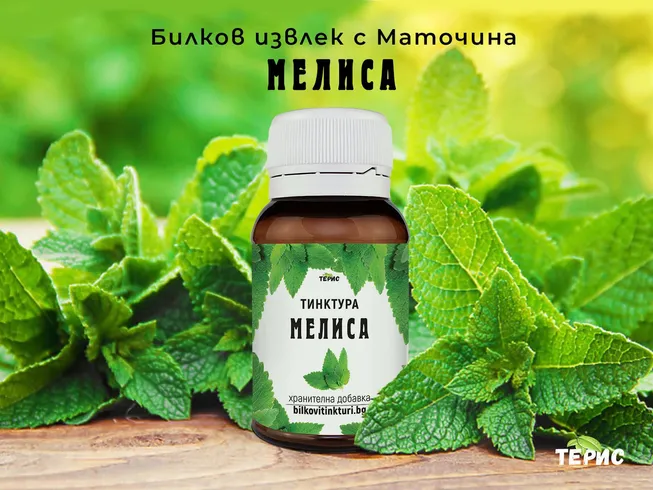
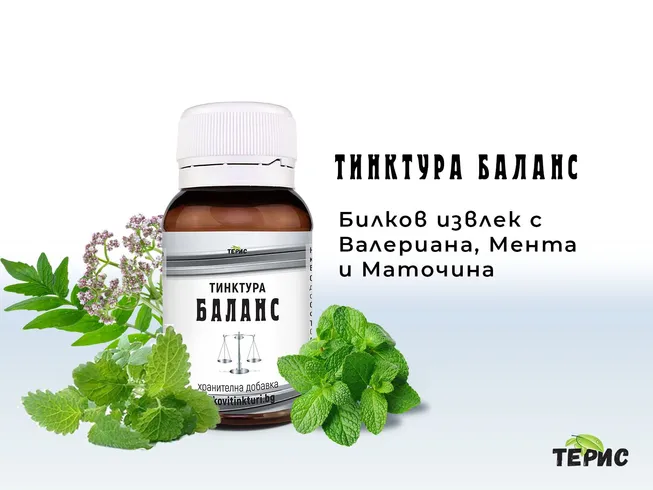
At bilkovitinkturi.bg we have gathered the beneficial properties of this exceptional plant in the concentrated herbal extract MELISA, and in combination with mint and valerian - in the herbal tincture BALANS.
#Lemon balm herbal extract - MELISA
Thanks to its composition rich in bioactive substances, the herbal tincture MELISA successfully fights stress, anxiety and mental strain, and at the same time will balance the functions of the whole body.
It is beneficial for:
- nervous disorders
- depression and anxiety
- insomnia
- disorders of the cardiovascular system
- high blood pressure
- disorders of the female reproductive system
Calm is the key to a healthy lifestyle, and the herbal tincture Melisa will help you achieve it.
#Herbal extract with lemon balm - BALANS
Herbal tincture BALANS - a multi-component extract of the herbs valerian, mint and lemon balm.
It will bring balance to the functioning of all organs and systems in the face of a stressful daily life.
The tincture will help you with:
- states of stress and anxiety
- disorders of the nervous system
- insomnia
- headache
- digestive upsets
- irritable bowel syndrome
#The herb of calm
If you grow your own fresh herb at home or use dried leaves to make tea, there is little risk of side effects. But if you take capsules, powder or a concentrated herbal extract, or other commercial food supplements or herbs, choose to buy them from a reputable company.
If you start adding lemon balm to your daily routine, it will be very useful to keep a diary of your experiences. You should note any improvements you notice, or any side effects. It may also be helpful to keep track of when you take lemon balm, the amount taken and the way you take it.

Lemon balm tea, essential oil and extract are used in traditional and alternative medicine, including aromatherapy - because the herb is a key to a healthy lifestyle.
Take the herb Melissa officinalis L. to ease the effects associated with stress, and enjoy a calm and happy life.
This article is for educational purposes and does not replace advice from a doctor. Food supplements are not medicines and are not intended to treat diseases. If you have a chronic condition, are pregnant or breastfeeding, or take medication, consult a specialist before use.
Products from this article