Mint - a drop of freshness, a drop of health
Table of Contents
#One of the most aromatic herbs
Mint is a perennial plant with very aromatic, toothed leaves and tiny purple, pink or white flowers. It has a strong aroma and a fruity taste.
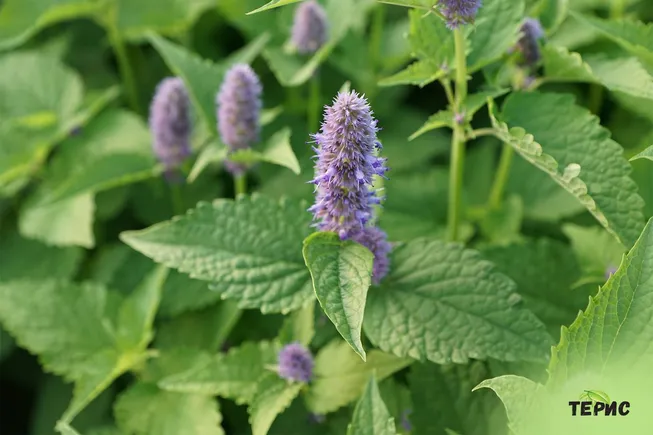
There are many varieties of mint - all of them aromatic. However, you can always recognise a member of the mint family by its square stem. Rolling it between your fingers, you will notice a sharp aroma and immediately start daydreaming about sweets, sweet teas and other treats.
#History and distribution
Mint is a plant that is sown everywhere in Bulgaria.
The species that make up the genus "Mentha" are widespread and can be found in many environments. Most grow best in moist environments and damp soils.
In Bulgaria there are 7 species of the mint genus.
The genus has a sub-cosmopolitan distribution across Europe, Africa, Asia, Australia and North America.
Because of their tendency to spread uncontrollably, some varieties are considered invasive.
The taxonomy of the genus is difficult because many species hybridise easily or are themselves derived from possible ancient hybridisation events. Seeds from hybrids produce variable offspring, which can spread through vegetative propagation.
#Botanical characteristics
Mint - "Mentha" is a perennial herbaceous plant belonging to the mint family - "Lamiaceae".
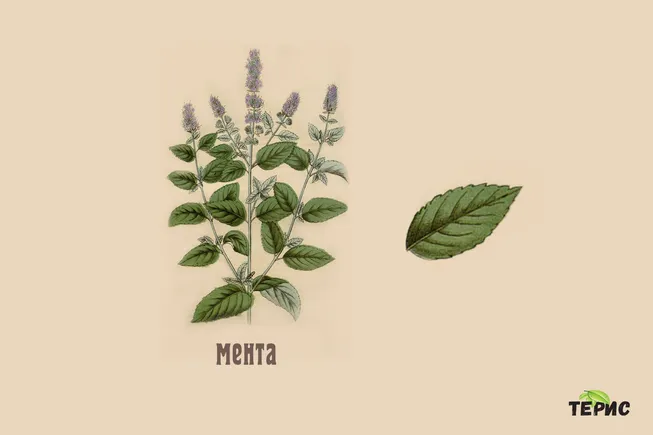
The plants reach a height of 10-100 cm and can spread over an indefinite area thanks to their well-developed horizontal rhizome.
They are widely branched, with upright, four-sided stems. The leaves are arranged in opposite pairs, have toothed margins and are covered with fine hairs.
The flowers are small, purple-pink or white, gathered in clusters at the tips of the stems.
"Mentha" is a member of the tribe "Mentheae" in the subfamily "Nepetoideae". The tribe contains about 65 genera, and the relationships within it remain unclear.
More than 3,000 names have been listed in the genus Mentha, at ranks from species to forms, most of which are considered synonyms or unofficial names.
#Cultivation
All mint plants thrive near bodies of water, lakes, rivers and cool, damp places in partial shade. In general they tolerate a wide range of conditions and can also be grown in the sun.
The herb grows all year round.
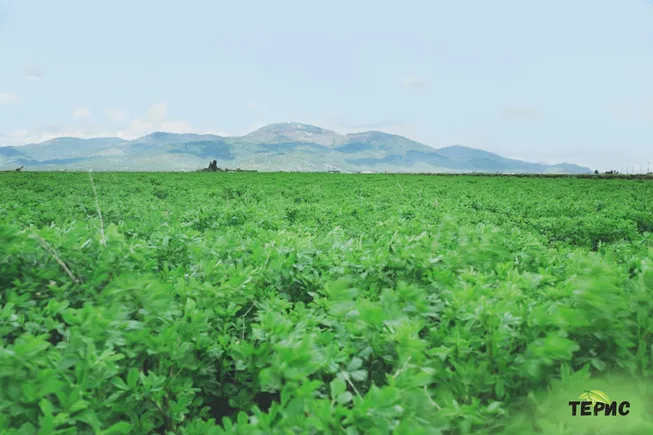
Because it grows so fast, one plant of any type of mint, with a little care, will provide more than enough for home use. Some types of mint are more invasive than others. Even with the less invasive ones, care should be taken when mixing any mint with other plants.
To keep plantings in the open under control, they should be planted in deep, bottomless containers sunk into the ground, or planted above ground in pots.
Some mint varieties can be propagated from seed, but growing from seed can be an unreliable way of cultivating mint for two reasons: the seeds are highly variable, and some varieties of the herb are sterile. It is more effective to take and plant seedlings directly.
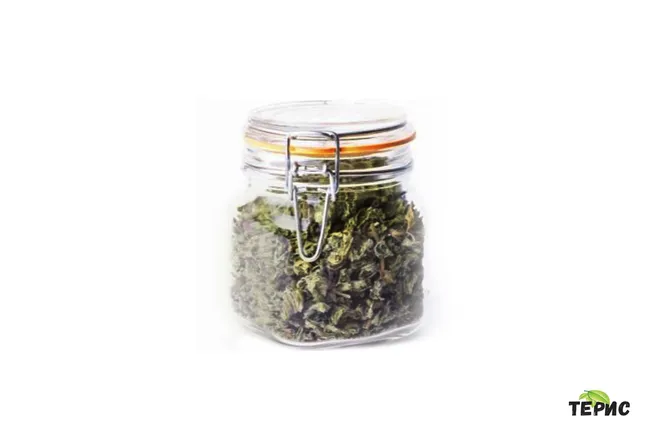
Mint leaves can be harvested at any time. Fresh leaves should be used immediately or stored for up to a few days in plastic bags in the fridge. If desired, the leaves can be frozen in ice cube trays. Dried mint leaves should be stored in an airtight container kept in a cool, dark, dry place.
#Part of the plant used
The leaves, picked at the start of flowering - July - August. Mint is cut in the morning, after the dew has lifted, in calm and sunny weather, after which the leaves are stripped and dried in the shade or in a dryer at a temperature of up to 30 degrees.
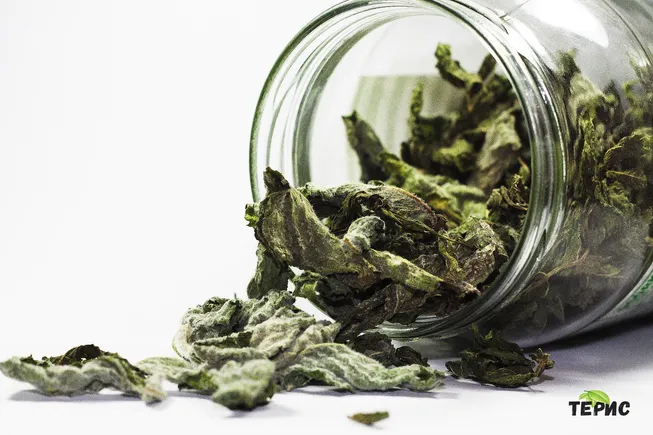
The dried leaves are dark green on top and lighter green underneath, with a pungent, cooling taste and a pleasant smell. Permissible moisture content is 13%. They are packed in plywood crates and stored in a dry, well-ventilated room.
#Types of mint
The exact distinction between the species is unclear. It is estimated that there are between 13 and 24 species. Hybridisation occurs naturally where some species overlap. Many hybrids and cultivars are known.
#The most common types of mint
The most common and popular species for commercial cultivation are peppermint (Mentha × piperita), spearmint (Mentha spicata), Scotch mint (Mentha x gracilis) and, more recently, apple mint (Mentha suaveolens). These species are thought to be good at repelling pests and attracting beneficial fauna around them.
#USES OF MINT
#Culinary use
The leaves, fresh or dried, are a superb culinary ingredient. Fresh mint is usually preferred to dried when storage is not a problem. The leaves have a warm, fresh, aromatic, sweet flavour with a cool aftertaste and are used in teas, drinks, jellies, syrups, sweets and ice creams.
In Middle Eastern cuisine mint is used in lamb dishes, while British and American cooking use mint sauce and mint jelly respectively. Mint is also a staple of Indian cuisine, where it is used to flavour curries and other dishes.
The herb is also an essential ingredient in Touareg tea, a popular tea in North Africa and the Arab countries. That is the popular way of drinking tea there.
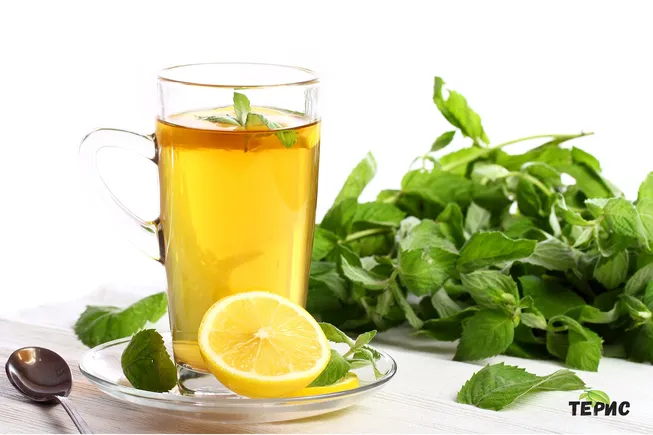
Alcoholic drinks sometimes contain mint for flavour or garnish, such as the mojito. And crème de menthe is a mint-flavoured liqueur used in a number of drinks.
#Use in aromatherapy
Mint essential oil and menthol are widely used in aromatherapy, as flavourings, in drink fresheners, antiseptic mouthwashes, toothpastes, chewing gum, desserts and sweets, such as mint sweets and mint chocolate.
The substances that give the mints their characteristic aromas are MENTHOL (the main aroma of peppermint and Japanese mint) and pulegone. The compound mainly responsible for the aroma and flavour of spearmint is L-carvone.
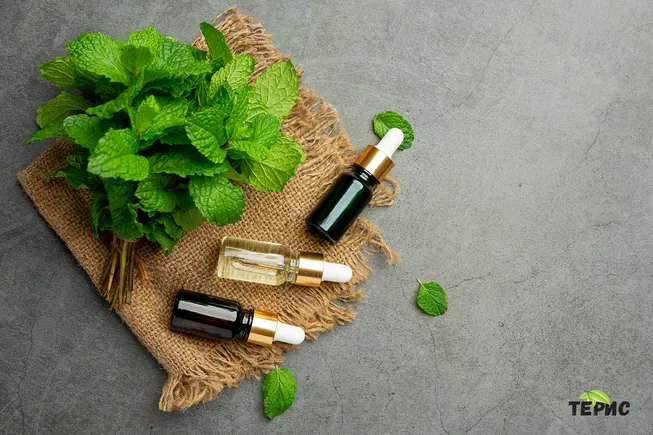
Menthol from peppermint essential oil (40–90%) is an ingredient of many cosmetic products and some perfumes. Menthol and peppermint essential oil are also used in aromatherapy, which may have clinical use for relieving nausea after surgery.
Known in Greek mythology as the herb of hospitality, one of the first known uses of mint in Europe was as a room deodoriser. The herb was strewn across floors to mask bad smells.
Today the herb is more often used for aromatherapy through the application of essential oils.
The plant is used as food by the larvae of some species of Lepidoptera, including moths. It is also eaten by beetles such as Chrysolina coerulans.
#Medicinal action and uses of mint
The leaves are where most of mint's active ingredients are concentrated, and they are the part used most often.
The herb has a wide range of proven medicinal uses.
The plant has pain-relieving, antispasmodic and disinfectant action and causes reflex dilation of the coronary vessels.
It is used for itching, nettle rash and eczema.
In Bulgarian folk medicine mint is also used for wind and pain in the stomach and intestines, upset stomach, bronchial catarrh, gallbladder and liver disorders, dizziness, insomnia, bad breath, melancholy, epilepsy, apoplexy and more.
- EXTERNAL use:
Externally, a mint infusion is recommended as a mouth rinse for toothache and inflamed gums, and for compresses on skin inflammation.
Mint oil is used to apply to haemorrhoids.
#Improves digestion:
It has several uses in traditional medicine, and there is research into its effect in treating irritable bowel syndrome.
The ancient Greeks rubbed mint on their arms, believing it would make them stronger. Mint was originally used as a herb for treating stomach aches and chest pains.

Known as a "soothing" herb and used for thousands of years, mint is used above all to improve digestion and for an upset stomach.
It is thought to increase bile secretion and encourage bile flow, which helps speed up and ease the digestion of food. At the same time it helps maintain healthy cholesterol levels.
Another exceptional property of this aromatic plant is that it relieves the pain and discomfort of wind and bloating.
Mint tea or herbal tincture is the most effective remedy for flatulence.
#Relieves pain
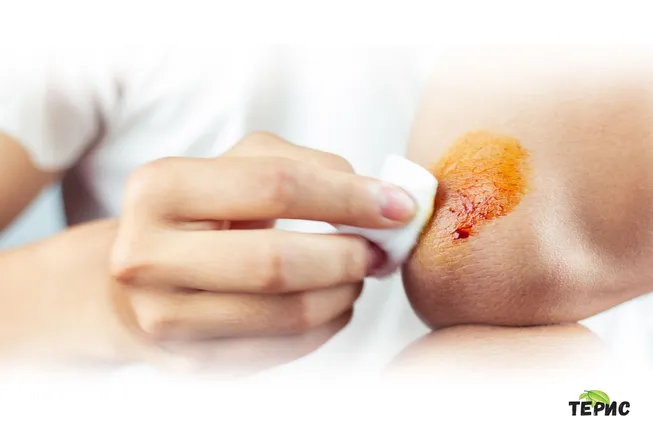
Applying mint extract externally leads to a higher pain threshold in people.
#Improves oral health
We most often associate mint with freshness and a menthol aroma. Besides being an ingredient in toothpastes for fresh breath, the plant is also a natural antimicrobial agent.
Peppermint oil extract is known to help against the formation of the surface biofilm on teeth caused by Streptococcus mutans bacteria, which are proven to cause tooth decay.
Bad breath is caused by a build-up of bacteria under the gums, so mint, besides contributing to fresh and pleasant breath, helps keep teeth and gums healthy.
In the past, powder from the herb's leaves was used to improve breath and whiten teeth.
The natural antibacterial nature of menthol and other organic compounds may also help prevent infections in the mouth and throat.
#Beneficial for the nervous system
The aroma and intake of mint have been shown to have a positive effect on memory and mental sharpness, to increase alertness and to help us feel calm.
The plant is able to improve the oxygen saturation of the blood, which leads to a state of physiological arousal. The blood delivers oxygen to the brain, so if mint increases the total amount of oxygen in the blood, this also leads to higher oxygen levels in the brain. The more oxygen reaches the brain, the better memory and concentration will be.

#MINT HERBAL TINCTURES
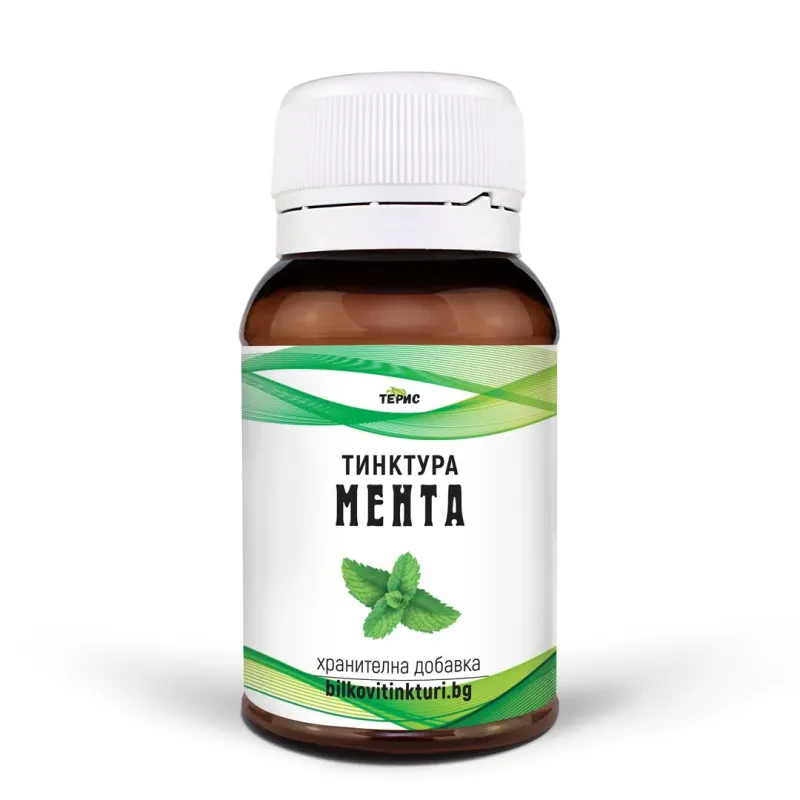
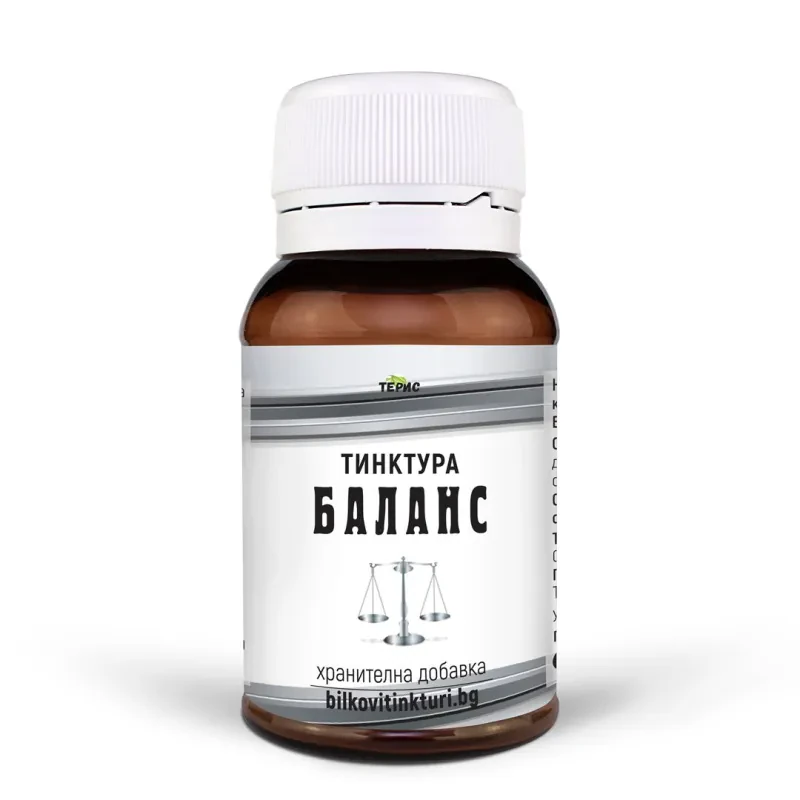
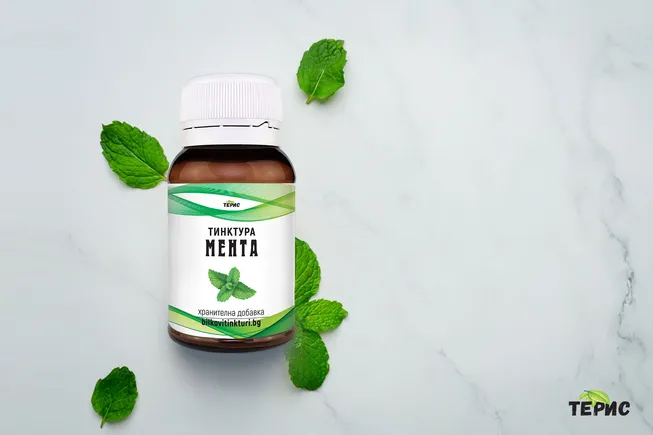
Mint is included in the formula of our herbal tinctures - MENTA, RELAKS and BALANS
#Mint herbal tincture - "MENTA"
This herbal extract is beneficial for the stomach and digestive tract and the nervous system.
Mint is known for its medicinal uses for:
- disorders of the digestive system
- gastrointestinal and colicky pain
- angina
- flatulence
Contains:
mint - leaves
Recommended daily intake:
- Herbal tincture MENTA - 50 ml is taken by mouth, 20 drops (about 1 ml) dissolved in a glass of water - 3 times a day.
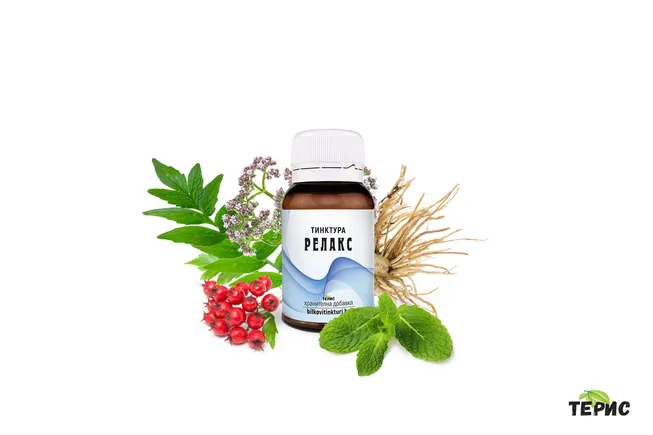
#Mint herbal tincture - "RELAKS"
Contains:
- mint leaves, valerian root and hawthorn leaves
The herbs are taken in the form of a tincture, which:
- soothes tension and stress caused by an overloaded central and peripheral nervous system
- helps with physical and mental strain
- helps with feelings of unexplained fear
- reduces built-up tension
- controls signs of hyperactivity
Recommended daily intake:
- Herbal tincture RELAKS - 50 ml is taken by mouth, 20 drops (about 1 ml) dissolved in a glass of water - 3 times a day.
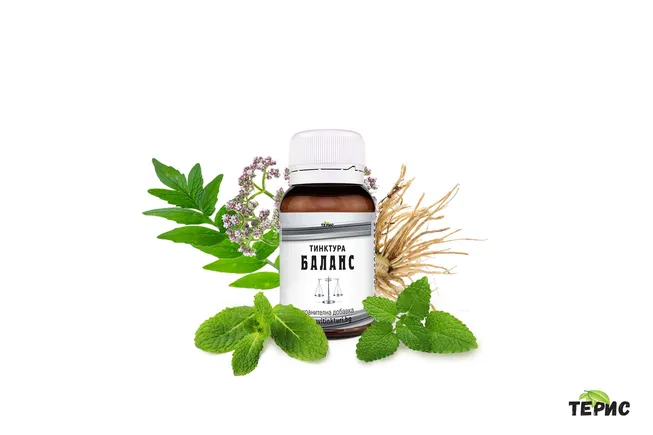
#Mint herbal tincture - "BALANS"
Contains:
- mint leaves, valerian root and lemon balm leaves
The herbs are taken in the form of a tincture. It is used for:
- impaired function of the central, autonomic and peripheral nervous system
- neurosis
- heightened and unexplained irritability
- insomnia
- unexplained bouts of fear
- panic attacks
Recommended daily intake:
- Herbal tincture BALANS - 50 ml is taken by mouth, 20 drops (about 1 ml) dissolved in a glass of water - 3 times a day.
#Ways of taking mint
#Mint tea
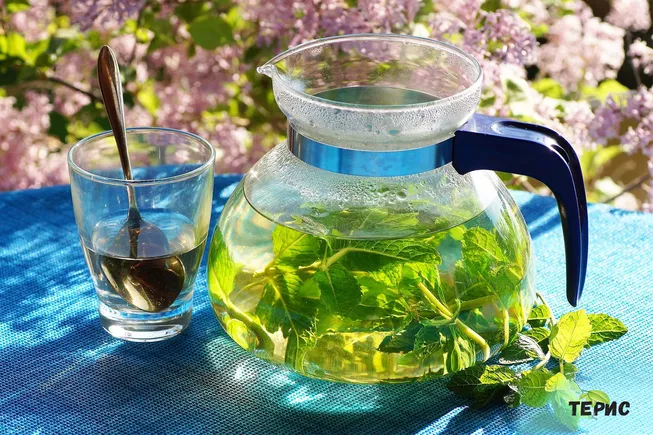
Pour 0.5 l of boiling water over 1 tablespoon of the plant's leaves and leave to steep for 1 hour.
Drink 1 teacup of the infusion before meals 4 times a day.
#Mint infusion
Externally, a mint infusion steeped in red wine in a ratio of 1:10 is recommended for rinsing the mouth and drinking (1 tablespoon at a time) for bad breath.
A decoction with vinegar - for stomach bleeding.
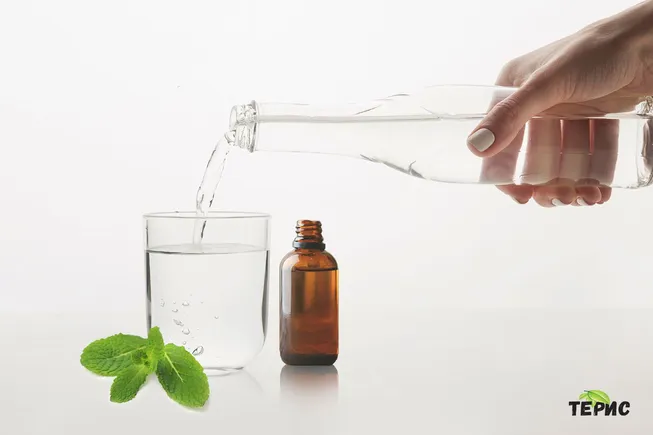
#Herbal extract (herbal tincture)
The herbal tincture is taken by mouth, 20 drops (about 1 ml) dissolved in a glass of water - 3 times a day.
#Allergic reactions
Although it is used in many consumer products, mint can cause allergic reactions in some people, leading to symptoms such as abdominal cramps, diarrhoea, headache, heartburn, tingling around the mouth, anaphylaxis or contact dermatitis.
#Insecticides
Mint oil is also used as an environmentally friendly insecticide because of its ability to kill some common pests such as wasps, hornets, ants and cockroaches.
#Harvesting and storing the plant
Frequent harvesting is the key to keeping mint plants at their best. Young leaves have more flavour than old ones, and mint can be harvested as soon as it comes up in spring.
Although it is best to keep the fresh plant and sprigs in water for a few days, mint leaves can be frozen or air-dried.
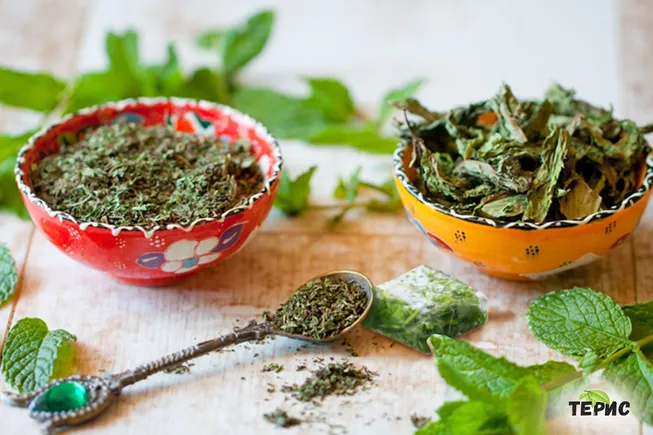
You can also simply pick the leaves whenever you need them.
Another option is to grow the plants indoors for fresh leaves all winter. If you want to dry them, it is best to cut the leaves just before flowering. Store the dried leaves in an airtight container.
#Possible side effects
Like many herbs, mint can affect some people adversely. People with gastro-oesophageal reflux disease (GORD), for example, should not use mint in an attempt to soothe digestive problems. According to a 2019 review, mint generally has a poor effect on GORD symptoms.
Taking peppermint oil in large doses can be toxic. It is essential to stick to the recommended doses of peppermint oil.
Pure menthol is poisonous and not for internal consumption. People should only apply it to the skin or a nearby surface, such as a pillow, so that the vapours disperse.
Do not apply peppermint oil to the face of a baby or young child, as this can cause spasms that obstruct breathing.
Talk to your doctor, pharmacist or health adviser to find out whether any of your medicines might interact with mint or peppermint oil.
#A drop of freshness… a drop of health
As you can see, mint is an amazing plant that offers a number of benefits for human health. What's more, the herb has a wonderful taste and smell, which makes it a great addition to all kinds of drinks and dishes.
If you need an immunity boost and help with stomach problems, this is the plant for you. If you fancy a tasty dessert – it is too!
And best of all, the herb is very easy to obtain and store. And so it makes life even better.
This article is for educational purposes and does not replace advice from a doctor. Food supplements are not medicines and are not intended to treat diseases. If you have a chronic condition, are pregnant or breastfeeding, or take medication, consult a specialist before use.

Mint - a drop of freshness, a drop of health
Click to play video