Balans or Relax: Which Herbal Blend to Choose and When
Table of Contents
Pressure at work, jobs at home, a phone that never stops buzzing – for many people stress is a constant background throughout the day. It affects attention too: our thoughts scatter, we struggle to finish what we have started, and by the evening we are drained. Our range includes two blends created for periods like these – Balans and Relax. Their names sound similar and we are often asked which one to choose. Here is a comparison of their ingredients, when each is preferred and which daytime habits do more than any herb.
#How daily stress affects attention
With short-term stress the body mobilises – the heart beats faster and attention sharpens. The problem comes when this state lasts for weeks. Then irritability, restless sleep, tiredness in the morning and difficulty keeping your attention on one task often appear. Concentration is not just a matter of willpower – it depends on sleep, rest and your level of tension.
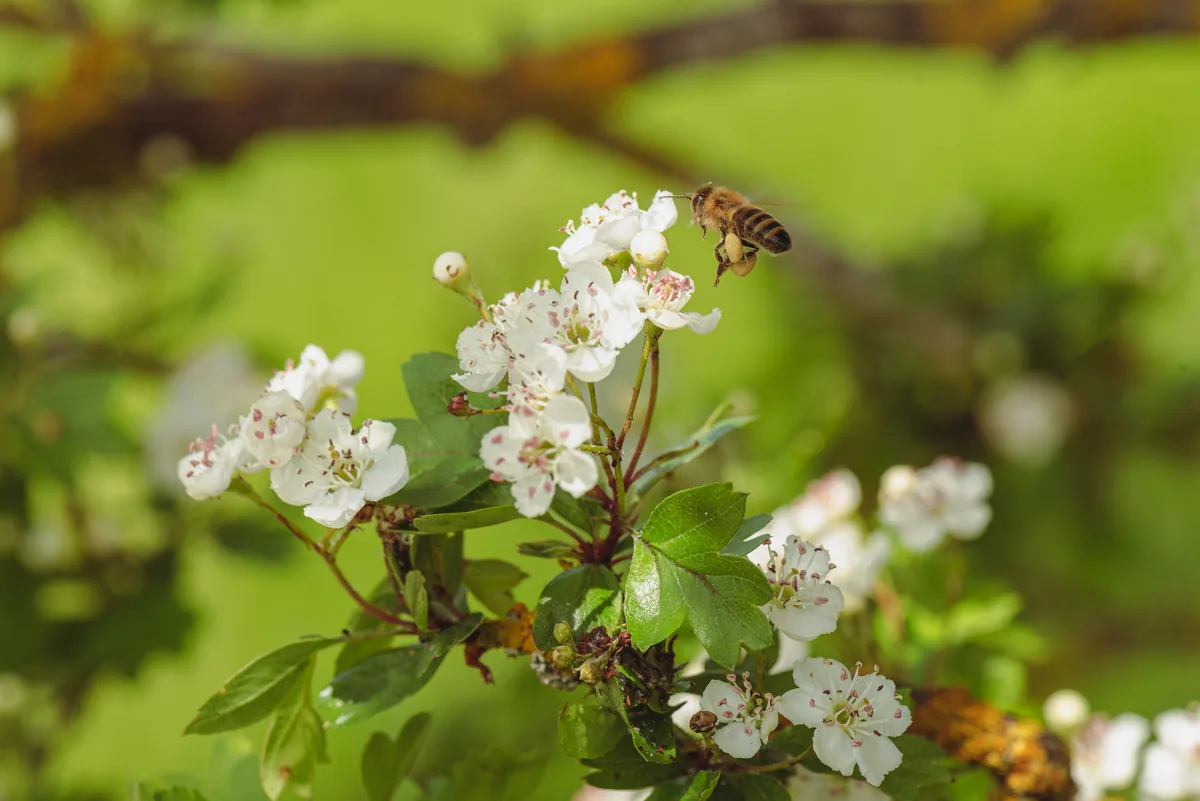 Photo: Flocci Nivis, CC BY 4.0, via Wikimedia Commons
#Balans and Relax – what they contain
Both tinctures are blends of three herbs, and both contain mint and valerian (Dilyanka). The difference lies in the third ingredient.
| Balans | Relax | |
|---|---|---|
| Ingredients | mint, lemon balm, valerian | mint, valerian, hawthorn |
| Traditional focus | anxiety, nervous tension, restless sleep | physical and mental strain, stress, tension |
| Children | only after consulting a paediatrician | only after consulting a paediatrician |
#Balans – with lemon balm
Balans combines mint, lemon balm and valerian. Lemon balm (melissa) is one of the best-loved "calming" herbs in Europe, and valerian is traditionally used for restful sleep. This blend is a good choice when anxious thoughts and restlessness accompany you during the day and do not leave you in the evening either.
#Relax – with hawthorn
Relax contains mint, valerian and hawthorn leaves. Hawthorn is traditionally associated with caring for the heart, and in combination with valerian and mint it is used in periods of strain – a tense working week, an exam period, a lot of physical and mental activity at the same time.
#Which one when – in brief
- Balans – when the main issue is anxiety and worrying thoughts during the day, which also get in the way of sleep.
- Relax – when the main issue is strain and tension during the day, which also take their toll on the body.
Both products are taken according to the product instructions. Do not combine them with each other, as both contain valerian and mint.
#St John's wort – a separate story
Hiperikum is a St John's wort tincture. You will find more about the plant in the article St John's wort – the sunny herb.
St John's wort, however, requires special care:
- It interacts with many medicines – among them antidepressants, hormonal contraceptives, anticoagulants, some heart and HIV medicines, immunosuppressants and others. It can reduce their effect or lead to adverse reactions.
- It is not intended for people under 18 and should not be taken during pregnancy and breastfeeding.
- It is not recommended for prolonged use if you have high blood pressure.
- It can make the skin more sensitive to the sun.
If you take any medicine at all, consult a doctor or pharmacist before starting St John's wort.
#Daily habits for less stress and more focus
Herbs work best as a complement to changes in your daily routine.
#In the morning
Start the day without your phone for the first 20–30 minutes. Drink a glass of water, get out into daylight for a short while and write down the three most important tasks for the day.
#During the day
Work in blocks of 45–50 minutes with short breaks. Turn off notifications while you are doing a task that requires attention. A 10-minute walk after lunch helps more than yet another coffee.
#At the end of the working day
Draw a clear line between work and home: close the laptop and write down on a sheet of paper the unfinished tasks and what you will do tomorrow. This way you "unload" your mind and the evening is left for rest. If your main problem is falling asleep, see the article Herbs for restful sleep when the days grow shorter – there we talk about the evening ritual with valerian and lemon balm.
#Breathing
One of the simplest exercises is slow breathing out: breathe in for 4 seconds, breathe out for 6. Repeat for a few minutes. You can do it anywhere – at your desk, in the car, before an important conversation.
#Frequently asked questions
#Will they make me drowsy during the day?
Valerian causes mild drowsiness in some people but not in others. So for the first few days watch how it affects you before driving or doing work that requires your full attention.
#Can I take them with coffee?
Caffeine works in the opposite direction to calming herbs. If you feel tense during the day, try replacing your second or third coffee with water or herbal tea – this alone often helps.
#How long can I take them for?
Follow the product instructions and take breaks. If after a few weeks you notice no change or the tension is getting worse, that is a signal to see a specialist, not to increase the amount.
#Safety
- Tinctures are water-alcohol extracts (about 20% alcohol) and each dose contains a small amount of alcohol. Bear this in mind if you drive, operate machinery or avoid alcohol.
- Valerian may cause drowsiness in some people. Check how it affects you before driving.
- Do not combine calming tinctures with sleeping pills, sedatives or alcohol without consulting a doctor.
- Relax contains hawthorn. If you take medicines for your heart, heart rhythm or blood pressure, consult a doctor before use.
- The products are not used during pregnancy and breastfeeding.
- Do not give tinctures to children without advice from a paediatrician; many products are not intended for people under 18.
- If you have a chronic condition or take medicines regularly, consult a doctor or pharmacist.
Read more about valerian in Valerian – a drop of calm from nature, and you will find the full range for the nervous system in the Nervous system category.
#When to see a doctor
Stress is part of life, but sometimes it is a sign of something more. See your GP, a psychiatrist or a psychologist if:
- anxiety or low mood lasts more than two weeks;
- insomnia happens every day and is wearing you out;
- you have episodes of palpitations, shortness of breath or intense fear for no obvious reason;
- difficulties with concentration are getting in the way of work or study;
- you notice that you are reaching for alcohol more and more often in order to relax;
- you have thoughts of self-harm – in this case seek help immediately, including by calling 112.
#A different emphasis, shared habits
Balans and Relax are similar blends with a different emphasis: the first is aimed more at anxiety and worrying thoughts, the second at strain during the day. Whichever you choose, the biggest difference will come from your habits: sleep, breaks, exercise and time away from screens. Herbs are a good companion along the way, but they do not walk the path for us.
Photo: Forest & Kim Starr, CC BY 3.0, via Wikimedia Commons (cover)
This article is for educational purposes and does not replace advice from a doctor. Food supplements are not medicines and are not intended to treat diseases. If you have a chronic condition, are pregnant or breastfeeding, or take medication, consult a specialist before use.