Herbs for Restful Sleep When the Days Grow Shorter
Table of Contents
When it gets dark shortly after five in the afternoon in November, many people notice a change: they find it harder to fall asleep, they wake during the night, or they get up in the morning more tired than when they went to bed. The switch to winter time, less sunlight and more hours in front of screens on dark evenings confuse our internal clock. The good news is that a few changes to your daily routine often improve sleep. We start with the habits that carry the most weight and finish with the two herbs that traditionally accompany winding down in the evening – valerian and lemon balm.
#Why autumn affects sleep
Our sleep is governed by an internal clock that takes its cues mainly from light. Morning light tells the body that the day has begun, while darkness in the evening stimulates the release of melatonin – the hormone that prepares us for sleep.
In autumn this balance is upset in several ways:
- we leave home and come back in the dark and get too little daylight;
- in the evening we spend more time in front of the television, phone or computer;
- we move about outdoors less, and physical activity helps us sleep more deeply;
- the clock change shifts our rhythm by an hour, and the body needs a few days to adapt.
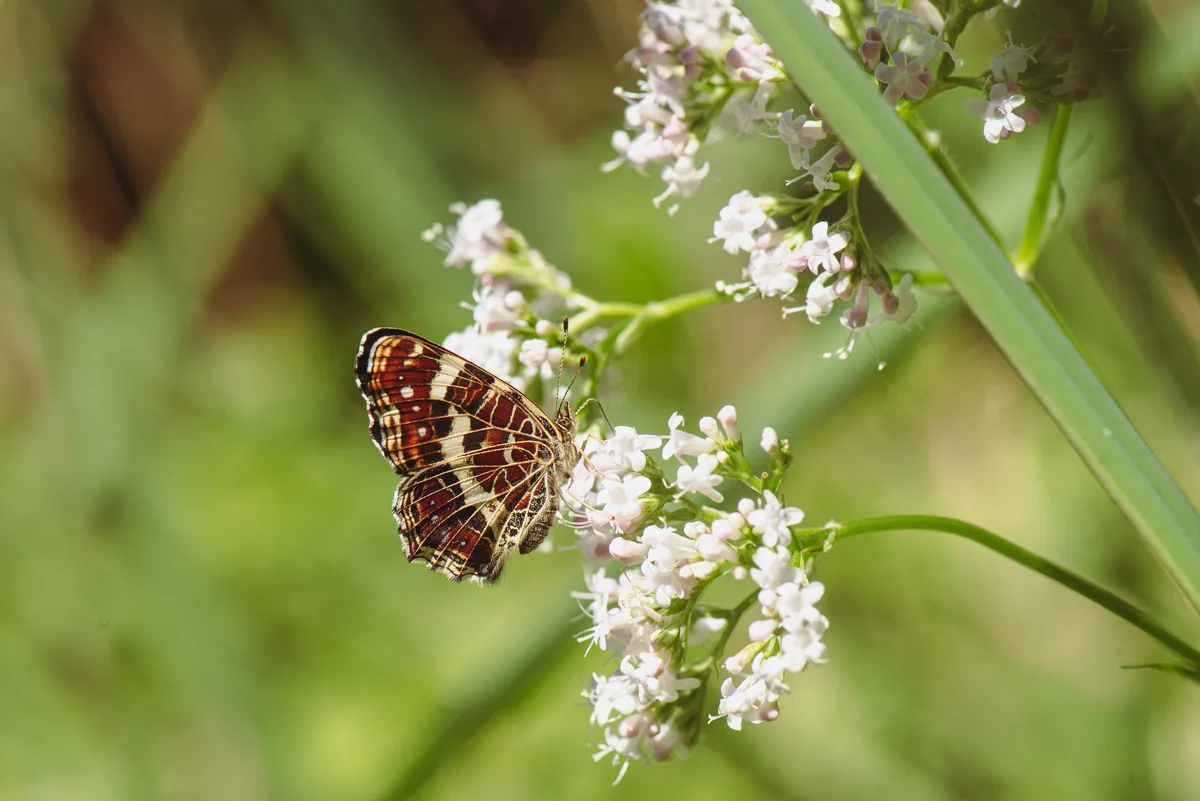 Photo: Flocci Nivis, CC BY 4.0, via Wikimedia Commons
#Sleep hygiene: the basics that work
Before looking to herbs for help, try these habits for at least two to three weeks. They are the foundation of any good night's sleep.
#A consistent schedule
Go to bed and get up at the same time, including at weekends. The internal clock loves predictability. If you get up at 7:00 during the week and sleep until 11:00 on Saturday, by Monday you will feel as if you have travelled across a time zone.
#Light in the morning, darkness in the evening
Go outside for at least 15–20 minutes in the first half of the day – even on a cloudy day the light outdoors is much stronger than the light indoors. In the evening dim the lights and choose lamps with a warmer light.
#Screens and the news
Put your phone and laptop away at least an hour before bed. The problem is not just the light but also the content – the news, work emails and social media keep the brain on alert.
#Caffeine, alcohol and late dinners
Coffee, black and green tea and energy drinks can keep you awake for hours – limit them to the early afternoon. Alcohol may help you fall asleep faster, but it makes sleep shallower and more broken in the second half of the night. A heavy dinner just before bed also gets in the way of restful sleep.
#The bedroom
A cool (around 18–20 °C), dark and quiet room is the best environment for sleep. Use your bed for sleeping, not for working or watching series.
#Herbs for sleep or herbs for nerves?
We often search for "herbs for sleep and nerves" together – and not by chance. Difficulty falling asleep is very often linked to tension that has built up during the day: your thoughts keep spinning, your body is tired, but your mind will not switch off. That is why the same plants are traditionally used both for calm during the day and for winding down in the evening. If tension stays with you all day, read the comparison Balans or Relax: which herbal blend to choose and when. If the only problem is falling asleep, focus on the evening ritual described here.
#Herbs for restful sleep
Bulgarian herbal tradition has its favourite plants for winding down in the evening. Two of them are particularly suited to an evening ritual.
#Valerian (Dilyanka)
Valerian is the classic "evening" herb in Europe. Its root is used, and it has a strong, distinctive smell. It is traditionally taken in periods of nervous tension and when you have trouble falling asleep. Herbal tincture Dilyanka is made from valerian root. For the history of the plant, read the article Valerian – a drop of calm from nature.
Valerian can cause drowsiness – do not drive or operate machinery if you do not know how it affects you.
#Lemon balm (melissa)
Lemon balm has a pleasant lemony scent and is among the gentlest calming herbs. It is traditionally used to help you unwind during stress and mental strain and for restful sleep. Herbal tincture Melisa is made from lemon balm leaves. You will find more about it in the article Lemon balm – calm is the key to health.
#The Relax blend in brief
If you prefer a ready-made blend, herbal tincture Relax combines valerian, mint and hawthorn. When it is the better fit and when the Balans blend is, we explain in detail in our comparison of the two blends. Relax contains hawthorn. If you take medicines for your heart, heart rhythm or blood pressure, consult a doctor before use.
You will find more products in the Insomnia category.
#How to include herbs in your evening ritual
Tinctures are taken diluted in a glass of water, according to the product instructions. You can make taking them part of your evening ritual: switch off the main lights, make yourself a cup of warm water or herbal tea, and set aside a few minutes for reading or calm breathing.
Bear in mind that the effect of herbs is usually gentle and felt gradually. They are not a "sleeping pill" and work best together with the good habits described above.
#Safety
- Tinctures contain alcohol. They are water-alcohol extracts (about 20% alcohol) and each dose contains a small amount of alcohol. If you avoid alcohol or take medicines that are incompatible with it, choose a herbal tea instead.
- Do not combine calming herbs with sleeping pills, sedatives or antidepressants without consulting a doctor – the effect may be intensified.
- They are not recommended during pregnancy and breastfeeding.
- Do not give tinctures to children without advice from a paediatrician; many products are not intended for people under 18.
- With prolonged use of lemon balm, some people may experience headache or dizziness – if this happens, stop taking it.
#When to see a doctor
Insomnia is sometimes a sign of another problem. See a doctor if:
- you have trouble sleeping three or more nights a week for several weeks;
- the people close to you say that you snore loudly or stop breathing in your sleep;
- you are so sleepy during the day that you fall asleep at work or at the wheel;
- the insomnia comes with persistent low mood, anxiety or loss of interest in the things you enjoy;
- you wake up with pain, palpitations, shortness of breath or heavy sweating.
A doctor can rule out health causes – such as thyroid problems, sleep apnoea or depression – and suggest suitable treatment.
#Sleep starts in the morning
Shorter days do not necessarily mean worse sleep. More light in the morning, a consistent schedule, fewer screens in the evening and a cool, dark bedroom are the foundation. Herbs such as valerian and lemon balm can be a pleasant addition to your evening ritual – as long as you choose them carefully and follow the instructions.
This article is for educational purposes and does not replace advice from a doctor. Food supplements are not medicines and are not intended to treat diseases. If you have a chronic condition, are pregnant or breastfeeding, or take medication, consult a specialist before use.