Medicinal Herbs and Natural Remedies for Anemia
Table of Contents
#What is anaemia?
Anaemia is a condition in which the body does not have enough healthy red blood cells to supply oxygen to the body's tissues.

Anaemia is a condition in which the number of red blood cells, or the concentration of haemoglobin in them, is lower than normal. Haemoglobin is needed to carry oxygen, and if we have too few or abnormal red blood cells, or not enough haemoglobin, the blood's capacity to carry oxygen to the body's tissues will be reduced. This leads to symptoms such as fatigue, weakness, dizziness and shortness of breath, among others.
The optimal concentration of haemoglobin needed to meet physiological needs varies with age, sex, the altitude at which a person lives, habits such as smoking, and pregnancy.
There are sex differences in the normal values of blood parameters. In men, the red blood cell count, haemoglobin and haematocrit are higher than in women for two main reasons: the influence of sex hormones and the menstrual cycle in women.
Other health conditions that interfere with the production of healthy red blood cells, or that increase the rate at which these cells are broken down or lost, can cause anaemia.
Anaemia can be regarded both as a disease in its own right (a separate nosological entity) and as a symptom of other diseases.
The most common causes of anaemia include nutritional deficiencies, particularly iron deficiency, although deficiencies of folate and vitamins B12 and A are also important causes; haemoglobinopathies; and infectious diseases such as malaria, tuberculosis, HIV and parasitic infections.
The main types of anaemia include:
- Anaemia due to vitamin B12 deficiency.
- Anaemia due to folate (folic acid) deficiency.
Anaemia can lead to symptoms including fatigue, shortness of breath and dizziness.
Anaemia is a serious global public health problem that particularly affects young children and pregnant women. The World Health Organization (WHO) estimates that 42% of children under 5 years of age and 40% of pregnant women worldwide are anaemic.
In this article we explain the types, symptoms and causes of this condition, as well as the treatments available and, above all, natural ways of dealing with it.
#Types of anaemia
There are many forms of this condition, and each type has telltale symptoms. Some common types of anaemia include:
#Iron-deficiency anaemia
The most common form of anaemia, iron-deficiency anaemia involves the production of too few red blood cells due to a lack of iron in the body.
It can develop as a result of:
- A diet low in iron
- Heavy menstruation
- Frequent blood donation
- Endurance training
- Some digestive conditions, such as Crohn's disease
- Medicines that irritate the lining of the gut, such as ibuprofen
It can cause symptoms including:
- Fatigue
- Dizziness
- Cold hands and feet

#Vitamin B12 deficiency anaemia
Vitamin B12 is essential for the production of red blood cells. If a person does not consume or absorb enough B12, their red blood cell count may be low.
Some symptoms include:
- Difficulty walking
- Confusion and forgetfulness
- Vision problems
- Diarrhoea
- Glossitis, which is a smooth, red tongue

# Aplastic anaemia
This rare blood condition occurs when the bone marrow cannot produce enough new red blood cells. It is most often the result of an autoimmune disease that damages stem cells. This happens despite normal iron levels.
It can cause symptoms such as:
- Fatigue
- Frequent infections
- Skin rashes
- Bruising easily

#Haemolytic anaemia
This type occurs when red blood cells are destroyed faster than the body can produce new ones. Various conditions can cause this, such as autoimmune diseases, infections, bone marrow problems and inherited conditions such as sickle cell anaemia and thalassaemia.
Haemolytic anaemia can cause symptoms including:
- Dizziness
- Weakness
- Jaundice
- Dark urine
- Fever
- Abdominal pain

#Thalassaemia
Thalassaemia is an inherited form of anaemia.
It occurs when red blood cells do not grow and mature as they normally would.
#Causes of anaemia
The body needs red blood cells to survive. They transport haemoglobin, a complex protein that binds to iron molecules. These molecules carry oxygen from the lungs to the rest of the body.
Various health conditions can lead to low levels of red blood cells and cause anaemia.

There are many types of anaemia, and there is no single cause!
In some people it can be difficult to determine what is causing a low red blood cell count.
The three main causes of anaemia are:
#Blood loss
Iron-deficiency anaemia is the most common form of the condition, and the cause is often blood loss. It can lead to low levels of iron in the blood, causing anaemia.
When the body loses blood, it draws water from tissues outside the bloodstream to keep the blood vessels full. This additional water dilutes the blood, reducing the number of red blood cells.
Blood loss can be acute (short-term) or chronic (long-term).
Some causes of acute blood loss include surgery, childbirth or trauma. However, chronic blood loss is more often responsible for anaemia. It can result from conditions such as stomach ulcers, endometriosis, cancer or another type of tumour.
Other causes of anaemia due to blood loss include:
- Gastrointestinal conditions such as haemorrhoids, cancer or gastritis
- The use of non-steroidal anti-inflammatory drugs such as aspirin and ibuprofen
- Heavy menstrual bleeding

#Reduced or damaged red blood cells
Bone marrow is the soft, spongy tissue in the centre of the bones, and it plays an essential role in creating red blood cells. Bone marrow produces stem cells, which develop into red blood cells, white blood cells and platelets.
A number of diseases can affect the bone marrow. One of them is leukaemia, a type of cancer that triggers the production of excessive and abnormal white blood cells. This disrupts the production of red blood cells.
Bone marrow problems can also cause anaemia. Aplastic anaemia, for example, occurs when there are few or no stem cells in the bone marrow.
In some cases anaemia occurs when red blood cells do not grow and mature as they normally would. This happens in people with thalassaemia, an inherited form of anaemia.

#Destruction of red blood cells
Red blood cells normally have a lifespan of 120 days. However, the body may destroy or remove them before they complete their natural life cycle in the blood.
Autoimmune haemolytic anaemia is caused by the destruction of red blood cells. This happens when the immune system mistakes red blood cells for a foreign substance and attacks them.

#Risk factors for developing anaemia
Anaemia can occur in people of any age, sex and ethnicity. However, the following factors increase the risk of developing a form of the condition:
- Premature birth
- Age 6-24 months
- Menstruation
- Pregnancy and childbirth
- A diet low in vitamins, minerals and iron
- Taking medicines that inflame the stomach lining
- A family history of inherited anaemia
- Having a bowel disorder that affects the absorption of nutrients
- Blood loss
- A chronic disease such as AIDS, diabetes, kidney disease, cancer, rheumatoid arthritis, heart failure or liver disease

#Diagnosing anaemia
There are various ways of diagnosing anaemia, but the most common method involves a blood test called a full blood count. This test measures a number of components, including:
- Haematocrit levels, which involves comparing the volume of red blood cells with the total volume of blood
- Haemoglobin levels
- Red blood cell count
A full blood count can give an indication of a person's overall health. It can also help a health professional decide whether to check for underlying conditions such as leukaemia or kidney disease.
If the levels of red blood cells, haemoglobin and haematocrit fall below the typical ranges, the person probably has some form of anaemia.
However, it is possible for a healthy person's levels to fall outside this range. A full blood count is not conclusive, but it is a useful starting point for a health professional to make an accurate diagnosis.

#Is anaemia very serious?
The outlook for a person with this condition depends on its cause.
Sometimes people can prevent or manage anaemia with dietary changes alone. Other types of the condition require more serious treatment, and some can be life-threatening without treatment.
If a person feels constantly weak and tired, they should contact a health professional to be tested.

#What are the symptoms of anaemia?
Anaemia can cause a number of symptoms such as fatigue, weakness, dizziness and drowsiness.
The most common symptom is fatigue. Other common symptoms include:
- Pale skin
- A fast or irregular heartbeat
- Shortness of breath
- Chest pain
- Headache
- Light-headedness
However, the symptoms vary from person to person. Some people with mild anaemia may experience few or no symptoms.
Children and pregnant women are particularly vulnerable, with an increased risk of maternal and child mortality. The prevalence of the condition remains high worldwide, especially in low-income settings, where it can be assumed that a significant proportion of young children and women of childbearing age are anaemic.
It has also been shown that iron-deficiency anaemia affects cognitive and physical development in children and reduces productivity in adults.
Anaemia is an indicator of both poor nutrition and poor health!
This is problematic in itself, but it can also affect other global nutrition problems such as stunting or wasting, low birth weight, and childhood overweight or obesity due to a lack of energy for exercise. Poorer school performance in children and reduced work productivity in adults due to anaemia can have further social and economic impacts for the individual and the family.

#How can we deal with anaemia?
While the most common form, iron-deficiency anaemia, is relatively easy to treat through dietary changes, other forms require health interventions that may be harder to carry out.
Accurately characterising anaemia is crucial for understanding the burden and epidemiology of this problem, for planning public health interventions and for the clinical care of people throughout their lives.
The World Health Organization (WHO) oversees several programmes across all its regions to help reduce the prevalence of anaemia through treatment and prevention. Its guidelines, policies and interventions aim to increase dietary diversity, improve infant feeding practices and improve the bioavailability and intake of micronutrients through fortification or supplementation with iron, folic acid and other vitamins and minerals.
Social communication strategies are used to change nutrition-related behaviour. Interventions to address the underlying causes of anaemia deal with issues such as disease control, water, sanitation and hygiene, reproductive health, and root causes such as poverty, lack of education and gender-related norms.

#Treatment of anaemia
There is a range of treatments for the condition. Each aims to increase a person's red blood cell count, which increases the amount of oxygen in the blood. The treatment needed depends on the type of anaemia a person has.
Treatments for common forms of the condition include the following:
#Treatment of iron-deficiency anaemia:
Iron supplements and dietary changes can help, and a health professional will identify and address the cause of any excessive bleeding, if there is any.
#Vitamin-deficiency anaemia:
Treatment may include food supplements and vitamin B12 injections.
#Thalassaemia:
Treatments include folic acid supplements, iron chelation and, for some people, blood transfusions and bone marrow transplantation.
#Anaemia due to chronic disease:
A health professional will focus on managing the underlying condition.
#Aplastic anaemia:
Treatment for this form includes blood transfusions or bone marrow transplantation.
#Sickle cell anaemia:
Health professionals treat this with oxygen therapy, pain-relief medicines and intravenous fluids. They may also prescribe antibiotics, folic acid supplements, blood transfusions and a cancer drug called hydroxyurea.
#Haemolytic anaemia:
The treatment plan may include immunosuppressants, treatment of infections and plasmapheresis, which filters the blood.

#Herbs and natural ways of dealing with anaemia:
#Nettle for anaemia
Nettle (Urtica dioica, Urtica urens) has a long medical history. In medieval Europe it was used as a diuretic (to rid the body of excess water) and to treat joint pain.
Nettle has fine hairs on its leaves and stems that contain irritating chemicals, which are released when the plant comes into contact with the skin. The hairs, or stings, of the nettle are usually very painful to the touch. When they come into contact with a painful area of the body, however, they can actually reduce the original pain. Scientists believe nettle does this by lowering levels of inflammatory chemicals in the body and by interfering with the way the body transmits pain signals.
Description of the plant:
Nettle is the name given to the common stinging nettle, the small nettle and hybrids of this plant. Originally from the colder regions of northern Europe and Asia, this herbaceous shrub now grows all over the world. Nettle grows well in nitrogen-rich soil, flowers between June and September and usually reaches 60 to 120 centimetres in height.
The stems are upright and rigid. The leaves are heart-shaped, finely toothed and pointed at the tips, and the flowers are yellow or pink. The whole plant is covered in small stiff hairs, mostly on the underside of the leaves and on the stem, which release irritating chemicals when touched.
A herb that helps the body absorb iron?
Nettle leaves are rich in many vitamins and minerals. Not only is nettle a good source of easily absorbed iron, it also contains vitamin A, vitamin C, magnesium, calcium and potassium, as well as antioxidants. The stinging herb helps raise haemoglobin levels.
Drink tea made from nettle, or a nettle herbal tincture, every day, but remember that nettle is also great for making all kinds of soups and dishes, which makes it even easier to include in your daily diet.

# Medicinal uses of nettle
Nettle has been used for hundreds of years to treat sore muscles and joints, eczema, arthritis, gout and anaemia. Today many people use it to treat urinary problems during the early stages of an enlarged prostate (called benign prostatic hyperplasia, or BPH). It is also used for urinary tract infections and hay fever (allergic rhinitis), or in compresses or creams to treat joint pain, sprains and strains, tendinitis and insect bites.
Nettle for anaemia
Nettle has a remarkably beneficial effect in anaemia that responds well to iron. The plant helps to increase the number of red blood cells naturally.
Iron is essential for the formation of haemoglobin in the blood. A major cause of anaemia is iron deficiency. That is why it is important for people who suffer from it to consume enough of the mineral.
Benign prostatic hyperplasia (BPH)
Nettle root is widely used in Europe as one of the herbs for a healthy prostate. Studies in humans show that nettle combined with other herbs (especially saw palmetto) may be effective in relieving symptoms such as reduced urine flow, incomplete emptying of the bladder, dribbling after urination and a constant urge to urinate.
These symptoms are caused by the enlarged prostate gland pressing on the urethra (the tube that empties urine from the bladder). Some studies show that nettle is comparable to finasteride (a drug commonly prescribed for BPH) in slowing the growth of certain prostate cells. Unlike finasteride, however, the herb does not reduce the size of the prostate. Scientists are not sure why nettle root reduces symptoms. It may be because it contains chemicals that affect hormones (including testosterone and oestrogen), or because it acts directly on prostate cells. It is important to consult a health professional about treating BPH and to make sure you have the correct diagnosis, in order to rule out prostate cancer.
Osteoarthritis
Nettle leaves and stems were used in the past to treat arthritis and relieve muscle pain. Many people find relief from joint pain by applying nettle leaves topically to the painful area. Other studies show that taking an oral nettle extract together with non-steroidal anti-inflammatory drugs (NSAIDs) helps people reduce the dose of these medicines.
Hay fever
One preliminary study in humans suggests that pure herbal extracts or capsules of nettle help reduce sneezing and itching in people with hay fever. In another study, 57% of patients rated nettle as effective in relieving allergies, and 48% said it was more effective than the allergy medicines they had used before. Researchers believe this may be due to nettle's ability to reduce the amount of histamine the body produces in response to an allergen. More research is needed to confirm nettle's antihistamine properties. Some doctors recommend taking a freeze-dried nettle preparation well before the start of the hay fever season.
Other
Preliminary animal studies show that nettle may lower blood sugar and blood pressure. However, more research is needed to determine whether this is also true in humans.
Nettle products are usually made from the leaves and stems, and sometimes from the roots. Root preparations are used to relieve the symptoms of BPH.

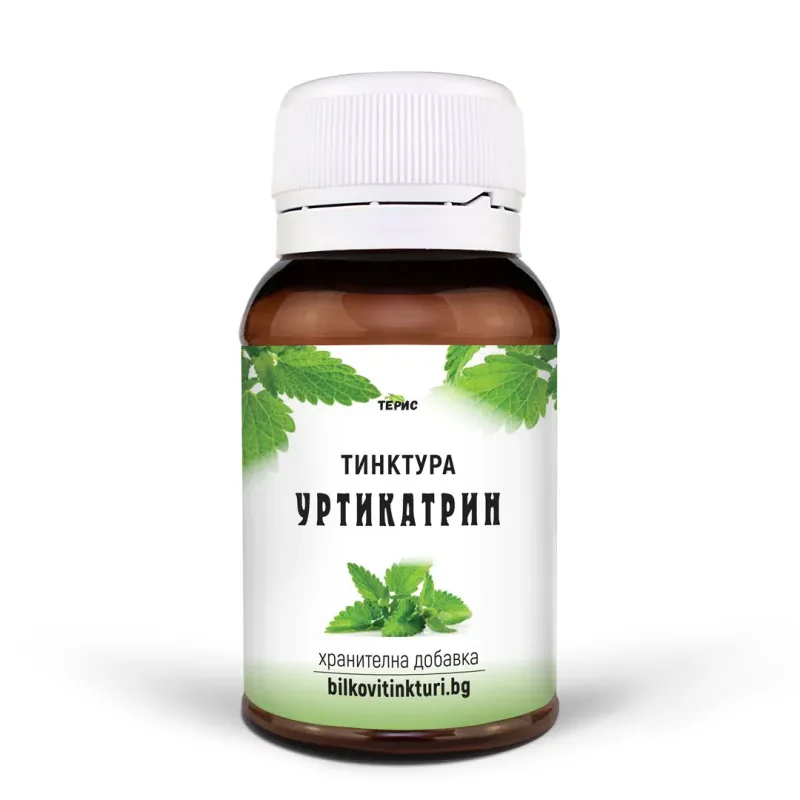
#Nettle herbal tincture Urtikatrin for anaemia
Nettle is available as dried leaves, freeze-dried leaves, extract, capsules, tablets and as a root tincture (a herbal extract of nettle), juice or tea. It is also available as an ointment or cream that can be applied to the skin.
The root has different pharmacological effects from the leaves.
The medicinal herb has its fastest and most positive effect in the form of a herbal extract - a tincture!
Herbal tincture Urtikatrin is an extract of nettle leaves. It is used medicinally for:
- Arthritic conditions
- Skin conditions
- Liver diseases
- Problems with the skeletal system
- Anaemia
Nettle has general strengthening, haemostatic, diuretic, anti-arthritic and antirheumatic, and anti-allergic actions. It lowers blood sugar levels, nettle leaves stimulate the flow of breast milk, and the roots inhibit enlargement of the prostate.
The dried leaves of the plant contain vitamin C, vitamin K, carotene, chlorophyll and pantothenic acid, while the roots are rich in tannins.
Nettle herbal extract for anaemia is in most cases taken as 20-30 drops dissolved in a glass of water, 2 or 3 times a day.

#Dandelion for anaemia
Dandelion leaves not only contain high levels of iron, they also improve the body's ability to absorb this important mineral. They contain vitamin C and bioflavonoids.
This herb can be combined with others to increase its benefits - for example, dandelion and nettle against anaemia.
Rich in extremely valuable iron, dandelion root (Taraxacum officinale) is a remedy that has been used for centuries to manage anaemia.
This wonderful, familiar herb from childhood deserves special attention for its complex effect and wide range of action. The secret lies in its composition. It is such an accessible and simple, yet extremely effective, remedy for many problems in our body.

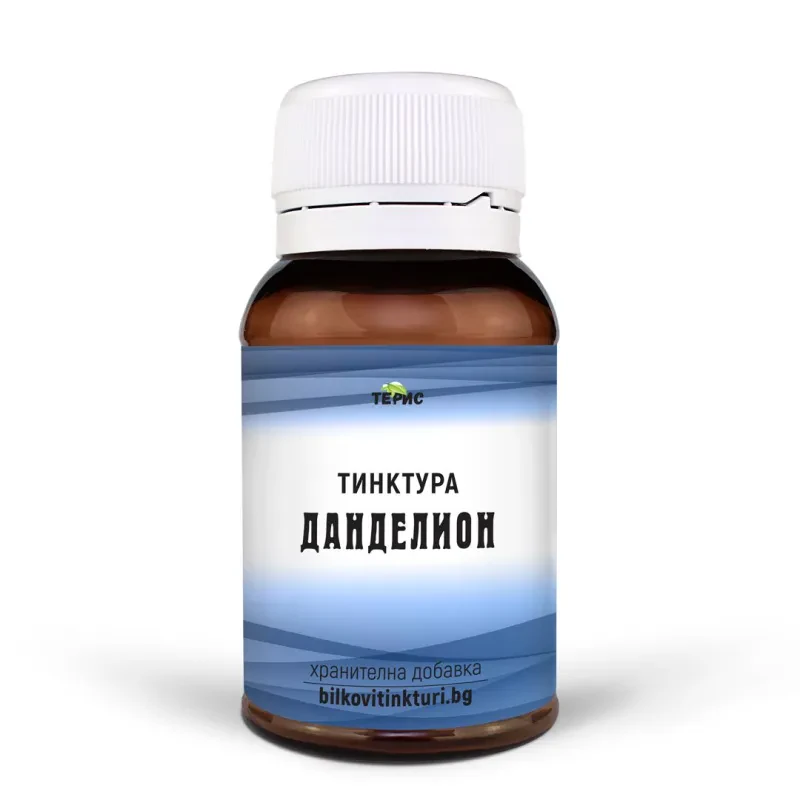
#Dandelion herbal tincture for anaemia
A tincture - the liquid extract of this beautiful herb loved by children, the dandelion - is part of the composition of Herbal tincture Dandelion for anaemia. This is the purest and most concentrated way of taking it. The herbal extract is a powerful natural aid that tackles problems with the liver, gallbladder, spleen and pancreas, the build-up of toxins, chemical pollution, long-term alcohol use and long-term use of strong chemical substances. It stimulates the immune system.
The remarkable dandelion:
- Supports detoxification
- Stimulates the immune system
- Supports weight loss
- Has a whole arsenal of vital trace elements
- Has an anti-inflammatory action
- Activates the processes of liver function
- Contributes to healthy, radiant skin
Every part of the flower is medicinal.
Whether you brew tea, make a salad or take it in some other form, an abundance of health benefits comes from the plant!
Herbal tincture of dandelion, Dandelion, is taken as 20-30 drops diluted in a glass of water, 2 or 3 times a day.

#Iron for anaemia
Iron is an essential mineral necessary for human life. Iron is found in the body's red blood cells, which carry oxygen-rich blood to every cell in it. Iron is also involved in the production of adenosine triphosphate (ATP), the body's energy source. Additional iron is stored in the liver, bone marrow, spleen and muscles.
Not having enough iron can lead to anaemia!
Its most common symptoms are weakness and fatigue. One reason people with iron deficiency tire easily is that their cells do not get enough oxygen. Pregnant women, young women of reproductive age and children are usually at the highest risk of iron deficiency.
Iron-deficiency anaemia in children is associated with poor neurological development. It can be mild, moderate or severe. It can be caused by blood loss, such as from a bleeding ulcer, menstruation, severe trauma, surgery or a malignant tumour. It can also be caused by an iron-poor diet, failure to absorb enough iron from food, pregnancy, and the rapid growth that occurs during early childhood and adolescence.
On the other hand, too much iron in the body can lead to a condition known as haemochromatosis, which can cause diabetes, liver damage and discoloration of the skin. Unlike other nutrients, excess iron cannot be excreted from the human body. For this reason, you should not take iron supplements without asking your health professional whether you need them.
According to the World Health Organization (WHO), iron deficiency is the number one nutritional disorder in the world. Up to 80% of the world's population may be iron deficient, and 30% may have iron-deficiency anaemia.
Iron supplements - mainly for anaemia:
The most important use of iron supplements is to treat iron-deficiency anaemia, a condition characterised by low levels of iron in the blood. Iron is important because it is a key component of haemoglobin, which carries oxygen throughout the body. Other conditions can also cause fatigue, and taking iron supplements if you do not need them can be dangerous.
#Food sources of iron
There are 2 types of iron we can get from food: haem and non-haem. Haem iron is more easily absorbed by the body.
The best food sources of haem iron are:
- Red meat
- Poultry
- Fish; shellfish (especially oysters)
- Liver
- and other kinds of meat
Sources of non-haem iron include:
- Beans and peas, legumes
- Nuts and seeds
- Whole grains
- Blackstrap molasses
- Green leafy vegetables
Some nutrients help the body absorb this type of iron better. For example, vitamin C helps the absorption of non-haem iron, while calcium (including all dairy products), bran, tea and unprocessed whole grains block its absorption.
In the USA, grain products such as bread and cereals are fortified with iron to help increase the amounts in our diet. Studies show that cooking food in iron pots can significantly raise iron status among vulnerable groups of the population, including pregnant women and children.
#Available forms of iron:
Ferrous sulphate is the most common type of supplement. Other available forms include ferrous fumarate, ferrous succinate, ferrous gluconate, ferrous lactate, ferrous glutamate, ferric ammonium citrate and ferrous glycine.
Of course, the best way to get iron is naturally. Natural herbal supplements such as herbal tinctures, herbal capsules or tea are the most effective and safe way of obtaining this important element for our body.
We all know that the queen and king of herbs when it comes to iron content are NETTLE and DANDELION!
In severe cases of anaemia caused by low iron levels, or if there is rapid blood loss leading to iron deficiency, iron and blood are given intravenously in hospital.

#The herb astragalus (Klinaviche) for anaemia
Astragalus (known in Bulgarian as Klinaviche) has been used in traditional Chinese medicine for thousands of years. It is often combined with other herbs to strengthen the body against disease.
Astragalus is also called an adaptogenic herb, meaning that it helps protect the body against various stresses, including physical, mental or emotional stress. It is a plant that is a complete herbal complex for the body.
Astragalus may help protect the body from diseases such as cancer and diabetes. It contains antioxidants that protect cells from damage. It has antiviral properties, which is why the plant is used to protect and support the immune system, prevent colds and upper respiratory tract infections, lower blood pressure, treat diabetes and protect the liver.
Astragalus has antibacterial and anti-inflammatory properties. People sometimes use it on the skin for wound care.
In the United States, researchers have looked at astragalus as a possible treatment for people whose immune systems have been weakened by chemotherapy or radiation. In these studies, astragalus supplements seem to help people recover faster and live longer.
Recent research in China shows that because astragalus is an antioxidant, it may help people with severe forms of heart disease by relieving symptoms, lowering cholesterol levels and improving heart function. At low to moderate doses astragalus has few side effects. However, it interacts with a number of other herbs and prescription medicines.
Astragalus can also be a mild diuretic, meaning that it helps rid the body of excess fluid.
Parts of astragalus used:
The dried root is used for treatment.
Astragalus root may be available in various forms:
- Tincture (liquid alcohol extract)
- Standardised and non-standardised capsules and tablets
- Injectable forms for use in hospital or clinical settings in Asian countries
- Topically, for the skin

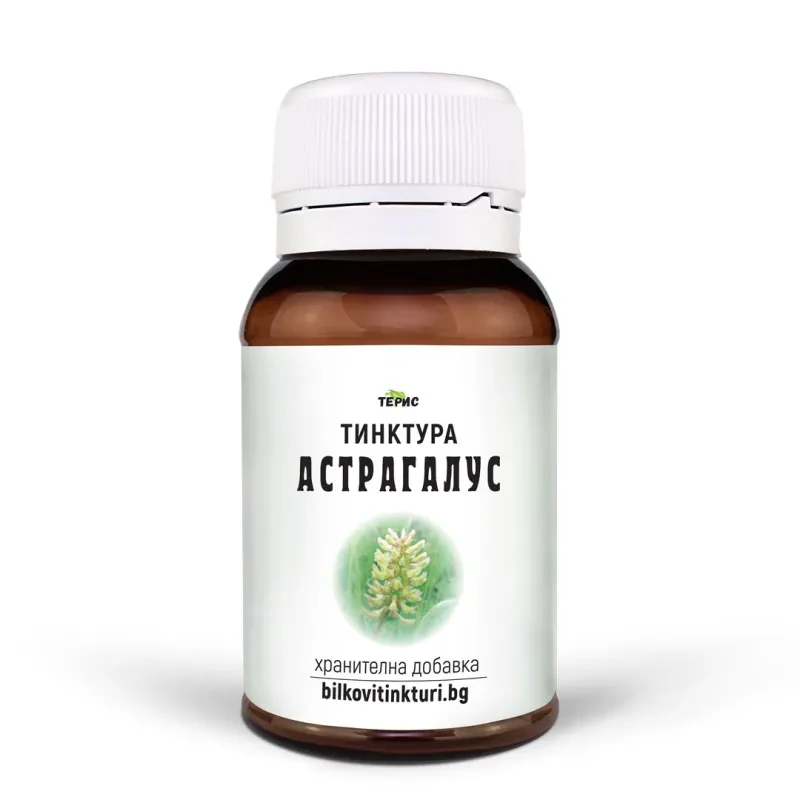
#Astragalus herbal tincture for anaemia
A herbal astragalus tincture for immune stimulation can influence our body quickly and effectively. The plant grows in forests and forest clearings, in thickets and rocky places, in the foothills and the mountains.
Astragalus is known for its medicinal uses for:
- menstrual disorders
- cardiovascular tone
- immune stimulation
- laxative support and strengthening of the liver and gastrointestinal tract

#Medical uses and indications of astragalus
The herb astragalus may help when used for the following conditions:
Adaptogenic herb.
It protects the body from stress and disease.
Anaemia.
Studies show that astragalus may improve blood counts in people with aplastic anaemia.
Colds and flu.
The medicinal plant is used as part of a herbal combination to prevent or treat colds.
Diabetes.
Astragalus seems to lower blood sugar.
Fatigue or loss of appetite from chemotherapy.
Some studies show that the plant may help reduce the side effects of chemotherapy.
Heart disease.
Several studies show that astragalus may act as an antioxidant and help in the treatment of heart disease. Other studies show that it may also help lower cholesterol levels.
Hepatitis.
Several studies have used a combination of herbs containing astragalus to treat hepatitis. The results are mixed.
Kidney disease.
Preliminary research shows that astragalus may help protect the kidneys and treat kidney disease.
Seasonal allergies.
One study found that the herb may help reduce symptoms in people who have allergic rhinitis or hay fever.
Cancer.
Preliminary studies show that astragalus may have anti-tumour effects, particularly against melanoma and leukaemia.

#Parsley for anaemia
Its presence in so many recipes is no accident. Parsley improves the function of the immune system and has a beneficial effect in anaemia. Use it as an addition to dishes and salads, but without cooking it. Eating it raw, often and in larger amounts helps protect against a number of diseases.
Parsley is a wonderful aromatic herb that we can eat if we suffer from anaemia or low haemoglobin and iron. It has a high concentration of the mineral.
Add it to salads and dishes, or make yourself a parsley tea to drink every day.

#Yarrow for anaemia
With yarrow you can also make up for the iron deficit in your cells.
The herb yarrow, known in Bulgarian folk tradition as "haydushko bile" (outlaw's herb), is renowned for its strong immunostimulating and antibacterial action.
Its active substances are tannins, choline, flavonoids, alkaloids, salicylic acid, and vitamins of groups C and K.
Take this "outlaw's" herb as a herbal extract for the fastest and most beneficial effect.
#Yarrow herbal tincture for anaemia
Many specialists in natural medicine hold the undisputed view that yarrow is an extremely beneficial herb. The medicinal properties of the plant led us to create a product whose effect is undisputed.
Immunostimulating tincture "Hormonalen Balans" is beneficial:
- For viral and flu-like conditions
- For gynaecological problems
- For anaemia
- For stimulating regenerative processes in ulcers
- For speeding up the healing of wounds
- For inflamed gums

In general it is taken as 20-30 drops dissolved in a glass of water, 2 or 3 times a day.
#Vitamin B12 for anaemia
#(H3) Vitamin B12 - one of the 8 B vitamins
Vitamin B12, also called cobalamin, is one of the 8 B vitamins.
All B vitamins help the body convert food (carbohydrates) into fuel (glucose), which is used to produce energy. These B vitamins, often called B-complex vitamins, also help the body use fats and protein. B-complex vitamins are needed for healthy skin, hair, eyes and liver. They also help the nervous system function properly.
All B vitamins are water-soluble, which means the body does not store them.
Vitamin B12 is especially important for maintaining healthy nerve cells, and it helps produce DNA and RNA, the body's genetic material. Vitamin B12 works closely with vitamin B9, also called folate or folic acid, to help produce red blood cells and help iron work better in the body. Folic acid and B12 work together to produce S-adenosylmethionine (SAMe), a compound involved in immune function and mood.
Vitamins B12, B6 and B9 work together to control blood levels of the amino acid homocysteine. High homocysteine levels are associated with heart disease. However, researchers are not sure whether homocysteine is a cause of heart disease or simply a marker indicating that someone may have heart disease.
It is rare for young people to be deficient in vitamin B12, but it is not unusual for older people to be mildly deficient. This may be because their diet is not as healthy, or because they have less of the stomach acid the body needs to absorb B12.
Low B12 levels can cause a number of symptoms, including:
- Fatigue
- Shortness of breath
- Diarrhoea
- Nervousness
- Numbness
- A tingling sensation in the fingers and toes
Severe B12 deficiency causes nerve damage.
#Others at risk of B12 deficiency include:
- Vegans and vegetarians who do not eat dairy products or eggs, as vitamin B12 is found only in animal products
- People with problems absorbing nutrients due to Crohn's disease, pancreatic disease, weight-loss surgery or medicines
- People infected with Helicobacter pylori, a microorganism in the gut that can cause ulcers. H. pylori damages the stomach cells that produce intrinsic factor, a substance the body needs to absorb B12
- People with an eating disorder
- People with HIV
- People with diabetes
- Older people
Folic acid (vitamin B9), especially when taken in high doses, can mask the symptoms of vitamin B12 deficiency. The danger is that, without symptoms, someone with a vitamin B12 deficiency may not know it and may be at risk of developing nerve damage. You should talk to your health professional first if you plan to take more than 800 mcg of folic acid, to make sure you are not deficient in B12.
#Vitamin B12 for pernicious anaemia
Pernicious anaemia is a type of the condition that occurs when the stomach cells are unable to produce intrinsic factor. Without intrinsic factor our body cannot absorb vitamin B12.
The symptoms include:
- Weakness
- Pale skin
- Diarrhoea
- Weight loss
- Fever
- Numbness in the hands and feet
- Loss of balance
- Confusion, memory loss and mood changes
High-dose vitamin B12 supplements, given as injections or by mouth, are prescribed to treat pernicious anaemia. It can be a dangerous condition and should always be treated by a doctor.
#Food sources of vitamin B12
Vitamin B12 is found only in animal foods. Good food sources include:
- Fish
- Mussels
- Dairy products
- Organ meats (especially liver and kidney)
- Eggs
- Beef
- Pork

#(H2) Vitamin B2 for anaemia
#(H3) Vitamin B2 - riboflavin, one of the 8 B vitamins
Vitamin B2, also called riboflavin, is one of the 8 B vitamins. All B vitamins help the body convert food (carbohydrates) into fuel (glucose), which is used to produce energy.
These B vitamins, often called B-complex vitamins, also help the body metabolise fats and protein. B-complex vitamins are needed for a healthy liver, skin, hair and eyes. They also help the nervous system function properly.
All B vitamins are water-soluble, which means the body does not store them.
In addition to producing energy for the body, riboflavin acts as an antioxidant, fighting damaging particles in the body known as free radicals. These can damage cells and DNA and may contribute to the ageing process, as well as to the development of a number of health conditions such as heart disease and cancer. Antioxidants such as riboflavin can fight free radicals and reduce, or help prevent, some of the damage they cause.
Riboflavin is also needed to help the body change vitamin B6 and folate into forms it can use. It is also important for growth and for the production of red blood cells.
Most healthy people who eat a well-balanced diet get enough riboflavin. However, older people and alcoholics may be at risk of riboflavin deficiency because of a poor diet.
#Symptoms of vitamin B2 (riboflavin) deficiency include:
- Fatigue
- Slowed growth
- Digestive problems
- Cracks and sores around the corners of the mouth
- A swollen, magenta-coloured tongue
- Eye fatigue
- Swelling and soreness of the throat
- Sensitivity to light
#Food sources of vitamin B2:
The best sources of riboflavin include:
- Brewer's yeast
- Almonds
- Organ meats
- Whole grains
- Wheat germ
- Wild rice
- Mushrooms
- Soya beans
- Milk
- Yoghurt
- Eggs
- Broccoli
- Brussels sprouts
- Spinach
Flours and cereals are often fortified with riboflavin.
Riboflavin is destroyed by light, so food should be stored away from light to protect its riboflavin content. Although riboflavin is not destroyed by heat, it can be lost in water when foods are boiled or soaked. Roasting and steaming foods preserves more vitamin B2 than frying or blanching our food.

#Vitamin E for anaemia
Vitamin E is a fat-soluble vitamin found in many foods, fats and oils. It is also an antioxidant, a substance that can help prevent damage to the body's cells. Antioxidants may provide protection against serious diseases, including heart disease and cancer.
Vitamin E is also important for helping our body produce red blood cells and it also helps it absorb vitamin K, which is why it is extremely beneficial in anaemia.
People who cannot absorb fat properly may develop a vitamin E deficiency.
#Symptoms of serious vitamin E deficiency:
- Muscle weakness
- Loss of muscle mass
- Abnormal eye movements
- Vision problems
- Unsteady walking
Long-term deficiency can also cause liver and kidney problems. Although most people do not have a serious vitamin E deficiency, many have slightly low levels.
#Uses of vitamin E:
Supplementing this vitamin may be necessary for people who have digestive disorders, including chronic bowel diseases, or who have had gastrointestinal surgery, as their bodies are less able to absorb fat-soluble vitamins.
#Food sources of vitamin E:
The richest source of vitamin E is wheat germ.
Other foods that contain significant amounts of vitamin E include:
- Liver
- Eggs
- Nuts - almonds, hazelnuts and walnuts
- Sunflower seeds
- Corn oil margarine
- Mayonnaise
- Cold-pressed vegetable oils, including olive, corn, safflower, soya, cottonseed and rapeseed
- Dark green leafy vegetables such as spinach and cabbage
- Cereal grains
- Greens - beet, red radish, mustard and turnip
- Sweet potatoes
- Avocado
- Asparagus
#Available forms of vitamin E:
There are natural and synthetic forms of the vitamin. Healthcare providers usually recommend natural vitamin E (d-alpha-tocopherol) or natural mixed tocopherols. Some prefer mixed tocopherols because they most closely represent whole foods. The synthetic form is called dl-alpha-tocopherol. Dosages are usually given in international units (IU).
Most vitamin E supplements are fat-soluble. However, people who have problems absorbing fat, such as those with pancreatic problems or cystic fibrosis, can take water-soluble vitamin E.
Vitamin E is available as softgels, tablets, capsules and oils for topical use.

#The mineral copper for anaemia
Copper is a mineral found throughout the body. It helps our body produce red blood cells and keeps nerve cells and our immune system healthy. It also helps form collagen, a key part of bones and connective tissue. Copper can also act as an antioxidant, reducing free radicals that can damage cells and DNA. It also helps the body absorb iron. Our body also needs copper to produce energy.
Many people do not get enough copper through their diet, but it is rare to have a true deficiency. The body does not need much. Signs of a possible copper deficiency include anaemia, low body temperature, bone fractures and osteoporosis, a low white blood cell count, irregular heartbeat, loss of pigment from the skin, and thyroid problems.
People who take large amounts of zinc, iron or vitamin C may need more copper, but a health professional should be consulted before taking copper supplements. Too much of it can be dangerous.
#Foods that contain the mineral copper
- Oysters
- Liver
- Wholemeal bread and cereals
- Mussels
- Dark green leafy vegetables
- Dried legumes
- Nuts
- and chocolate

#Uses of the mineral copper
Anaemia.
Taking copper supplements may help people who have anaemia due to copper deficiency. Copper works together with iron to form red blood cells.
Osteoarthritis.
Studies show that taking copper by mouth may help prevent and slow arthritis. Copper bracelets are often sold to people with osteoarthritis and rheumatoid arthritis as a way of relieving symptoms.
Osteoporosis.
There is some weak evidence that taking copper together with zinc, manganese and calcium may help slow the rate of bone loss in postmenopausal women.
#Food sources of the mineral copper
Copper is found in the following foods:
- Seafood such as oysters, squid, lobster, mussels, crab and clams
- Organ meats such as beef liver, kidneys and heart
- Nuts and nut butters such as cashews, lentils, macadamias, pecans, almonds and pistachios
- Legumes such as soya beans, lentils, beans and peanuts
- Chocolate such as unsweetened or semi-sweet chocolate and cocoa
- Fortified cereals such as bran flakes, shredded wheat and raisin bran
- Fruit and vegetables such as dried fruit, mushrooms, tomatoes, potatoes, sweet potatoes, bananas, grapes and avocado
- Refined caramel
- Black pepper
#Available forms of the mineral copper:
Multivitamins that include minerals usually contain copper. Copper is also available as a separate oral supplement and can be found as a topical gel and in topical solutions.
How should we take it?
The best way to get enough copper is through our diet. For our body to use it, we need a balance of zinc and manganese.
Copper vessels:
Storing drinking water in a copper vessel is highly recommended. It not only raises iron levels but also restores the body's natural minerals. It is also well known as a treatment for hair loss. All we have to do is store our water in copper vessels and drink it!

#Spirulina for anaemia
Spirulina for iron deficiency is used successfully by many patients with anaemia. With just 6-10 grams of spirulina a day you can get five times more vitamin B12, four times more vitamin A and 80% of the iron you need.
Spirulina is a filamentous, multicellular green alga capable of reducing inflammation and showing antioxidant effects. It may improve anaemia and immunosenescence in older people with a history of this condition.
This cyanobacterial blue-green alga, commonly used as a food supplement, is among the most "nutrient-packed" food supplements available.
In terms of immunity, it modulates the production of cytokines by human peripheral blood mononuclear cells, which is not surprising given its rich content of flavonoids and sulfolipids.
Spirulina products contain bioactive proteins with the ability to stimulate the intestinal immune system, improving responsiveness to vaccines and improving allergic rhinitis.
An experiment was carried out with 40 volunteers of both sexes aged over 50 who had no history of serious chronic disease. The participants took a spirulina supplement for 12 weeks and were given detailed dietary questionnaires to determine their diet during the study.
At the start, and in the 6th and 12th weeks of taking the supplement, the complete cell count and the enzyme activity of indoleamine 2,3-dioxygenase (IDO) were measured as a sign of immune function. Thirty of the participants completed the whole study, and the data obtained were analysed.
Over the 12-week study period there was a steady rise in mean haemoglobin values in subjects of both sexes. These values also rose in the male participants, but the older women seemed to respond faster to spirulina supplements.
Similarly, most people showed increased 2,3-dioxygenase activity and white blood cell counts at 6 and 12 weeks of taking spirulina.
Based on the available data, spirulina food supplements may improve anaemia. Its effects suggest an improvement in immune function, especially in older people.

#Plantain for iron deficiency
The herb plantain can help us quickly make up for an iron deficit in our cells.
The herb "petlozhilka" - greater plantain can be taken as a medicinal mixture - an infusion - or as herbal tincture Plantago for iron deficiency.
The healing liquid is prepared by putting a spoonful of the dried herb into a pot with six hundred millilitres of water in which half that amount of honey (300 ml) has been dissolved. The pot is placed in a water bath, or on the hob at the lowest setting, and left there until the water has reduced by half. This remedy is taken before meals, three spoonfuls a day.
As a herbal tincture, it is taken as 20-30 drops dissolved in a glass of water, 2 or 3 times a day.
#Diet for anaemia
Anaemia and immune dysfunction (i.e. immunosenescence) are common in older individuals, and nutritional approaches to counter them are being sought.
If a nutritional deficiency is responsible for the anaemia, eating more iron-rich foods may help.
Some foods high in iron include:
- Iron-fortified cereals and bread
- Leafy green vegetables such as cabbage, spinach and watercress
- Pulses and beans
- Brown rice
- White or red meat
- Nuts and seeds
- Fish
- Tofu
- Eggs
- Dried fruit, including apricots, raisins and prunes
- Beetroot
Beetroot is loaded with plenty of iron, copper, magnesium, phosphorus and vitamins B1, B2, B6, B12 and C. The wealth of nutrients in this vegetable makes it great for stimulating the production of red blood cells in the body and improving haemoglobin levels in our blood.
A tip on how to take beetroot:
Put about a cup of chopped beetroot in a blender and strain the juice. Mix it with a teaspoon of lemon juice and drink this regularly. The lemon juice will increase the vitamin C content, thereby improving the absorption of iron.
- Black sesame seeds
Believe it or not, sesame seeds are full of iron, zinc, copper, selenium and vitamins B6, B7 and E. Regularly adding black sesame seeds to our diet has been shown to improve haemoglobin levels and encourage iron absorption.
A tip on how to take sesame seeds
1. Take a tablespoon of dry-roasted black sesame seeds
2. Mix with a tablespoon of honey
3. Roll it into a ball and take it regularly to increase iron levels
- Dates and raisins
Dates and raisins make an amazing dried-fruit combination! They are rich in iron, copper, magnesium and vitamins A and C. Add these dried fruits to your meal plans to strengthen your immune system and encourage iron absorption.

#Anaemia and ageing of the immune system
Ageing is physiologically associated with a variable decline involving several changes in the haematopoietic system, including anaemia and immunosenescence. The latter term was coined to describe the ageing of the immune system and is characterised by reduced activity against infections. Both the innate and the acquired parts of the immune system are affected, including immune-specific cells, cell signalling, cytokine production and cell-surface marker expression, and this is clinically significant, with enormous healthcare costs.
Strategies to stimulate the immune system and improve vaccine effectiveness in older people are of paramount importance, as a more robust immune response may lead to lower rates of infection, and of morbidity and mortality from infectious diseases, in this susceptible and vulnerable population.
Varying degrees of reduced haemoglobin levels (i.e. anaemia) are also common in older people, significantly affecting patients' quality of life.
Adequate nutritional intake is physiologically necessary for the normal production of red blood cells, and even in the absence of clinically significant anaemia, red blood cell defects may indicate a person at nutritional risk associated with poor food choices.
The study of the influence of nutrition on anaemia and the immune system is an area of growing interest for dietitians, food scientists, haematologists and immunologists, because the cells of the immune system in the digestive tract are an accessible and ideal target for stimulating immunity and possibly improving the production and function of red blood cells. This is also based on the significant and dynamic interaction between luminal nutrients and overall immune function.
#Anaemia and great natural remedies for dealing with it
Anaemia occurs when a low number of red blood cells circulate in the body. This lowers a person's oxygen levels and can lead to symptoms such as fatigue, pale skin, chest pain and shortness of breath.
Anaemia can be caused by many conditions, including blood loss during heavy menstruation, pregnancy, blood donation, bleeding ulcers, chronic heart failure and surgery (before and after).
There is also another type, called anaemia of chronic disease, which can occur in people with chronic kidney failure and those undergoing chemotherapy.
The treatment of anaemia should be guided by your health professional. If you feel tired and suspect you may have anaemia, it is important to see them so that they can make a diagnosis.
They can use a blood test (full blood count) to detect it. Treatment varies depending on the type, but may include dietary changes, herbal supplements, medicines, blood transfusions and bone marrow transplantation.
Feeling tired all the time is no fun. Anaemia is a condition that should not be ignored. Fortunately, we can treat it with many of the things we already have in our kitchen! If you are anaemic, we recommend trying these great natural remedies to raise your iron levels and reach an optimal level of health!
No single food can cure anaemia. But eating an overall healthy diet rich in dark leafy vegetables, nuts and seeds, seafood, meat, beans, and fruit and vegetables rich in vitamin C can help us get the iron we need to manage the condition.
Once we understand the cause of our anaemia, we can take steps to deal with any underlying condition we may have and make positive changes towards better health, such as taking herbs and eating iron-rich foods.
Whether we have a dietary iron deficiency or a condition that causes anaemia, it is recommended that we eat more iron-rich foods and take the most effective herbal elixirs - a gift from nature.

This article is for educational purposes and does not replace advice from a doctor. Food supplements are not medicines and are not intended to treat diseases. If you have a chronic condition, are pregnant or breastfeeding, or take medication, consult a specialist before use.