Tips and Medicinal Herbs for a Healthy Prostate
Table of Contents
#The prostate: a small gland of enormous importance!
There are several things you can do to keep your prostate healthy and reduce the risk of prostate cancer, prostate enlargement or prostatitis.
Prostate cancer is the most common non-skin cancer among men. In Bulgaria it ranks second in frequency among all malignant diseases. It is found mainly in men over the age of 50. Prostate cancer claims more than 2,000 lives a year in Bulgaria, and the American Cancer Society estimates that more than 180,000 new cases are diagnosed in the United States every year.
Besides the threat of cancer, an enlarged or infected prostate can also lead to complications.

We offer you these tips to keep this small but enormously important gland healthy.
#What is the prostate and what does it do?
The prostate gland is part of the male reproductive system.
The prostate is a gland - the size of a walnut - located below the bladder. It is found in the lower abdomen (in men only) and surrounds the upper part of the urethra, the thin tube that carries urine from the bladder to the penis. Its main function is to produce a fluid that carries, nourishes and protects sperm so that it can reach and fertilise the egg in the woman.
It is a specialised muscle that works automatically.

#What prostate problems can occur?
#Enlarged prostate - BPH
An enlarged prostate, called benign prostatic hypertrophy (BPH), can press on the urethra and obstruct the flow of urine.
Eight out of 10 men are at risk of this benign enlargement of the prostate, which comes with advancing age.
It leads to a weak flow or an inability to empty the bladder of urine completely. It can also increase the frequency and urgency of urination – which can be especially inconvenient at night, when repeated trips to the toilet may be needed.

#Prostate cancer
Prostate cancer is a malignant tumour affecting the prostate gland of the male reproductive system.
The likelihood of developing prostate cancer increases with age. Approximately 1 in 7 men develop prostate cancer by the age of 75. This jumps to 1 in 5 among men aged 85 and over.
In Bulgaria it is found mainly in men over the age of 50. The disease rarely develops before the age of 40.

Symptoms of prostate cancer:
- Frequent urination
- A weak or interrupted stream of urine, or the need to strain to empty the bladder
- Blood in the urine
- Blood in the semen
- An urgent need to urinate frequently at night
- Onset of erectile dysfunction
- Pain or burning during urination, which is less common
- Discomfort when sitting, caused by an enlarged prostate
*Benign prostatic hyperplasia or an enlarged prostate can sometimes cause similar symptoms. That is why it is important to see a specialist if you have any of these symptoms or complaints.

#Prostatitis - inflammation of the prostate
Prostatitis is another common prostate-related condition in which the gland becomes inflamed because of a serious bacterial infection.

#➤ Useful TIPS for keeping the prostate healthy:
> Some of these risk factors cannot be prevented, but there are changes that can be made to reduce the risk of prostate enlargement and prostate disease.
Here are some very useful tips that will help you keep your prostate healthy.

#Watch your weight - and start early
Since the prostate is a muscle, the best way to keep your prostate healthy is with a muscle-friendly diet and exercise. And although many men do not worry about prostate health until their later years, specialists recommend making healthy choices earlier.
"A healthy diet, regular exercise and weight control help maintain blood flow to the muscles and allow the prostate to function at its best".
It is important to work on a healthy lifestyle when you are younger so that you keep the benefits as you age.
Maintaining an unhealthy weight or leading a sedentary lifestyle can lead to obstructed blood flow. This can lead to hypoxia, a lack of oxygen, and can increase the risk of erectile dysfunction and prostate cancer.
When blood cannot travel effectively to and from the prostate, there is an increased risk of genetic mutations and prostate cancer. Walking is a great form of exercise for longevity and can create new blood vessels. The rule is that "what is good for the heart is also good for the prostate."

#Stop smoking
Smoking is a major risk factor for prostate cancer and should be avoided completely.
Tobacco use remains the biggest preventable cause of death and disease. While avoiding tobacco is important for overall health, it is especially important for prostate health.
The carbon monoxide in tobacco attaches to red blood cells until the cell dies. This reduces the capacity of red blood cells to carry oxygen and makes it harder for oxygen to travel around the body, and to the prostate in particular.
Smoking also increases the risk of hypoxia and the amount of free radicals in the body. Free radicals are atoms with an odd number of electrons that are very reactive and can cause chain reactions, including gene mutations and the development of cancer cells in organs - including the prostate.

#Be more sexually active
Frequent use of the prostate through sexual activity may actually reduce the risk of prostate cancer.
Studies show that ejaculation frequency, together with exercise, leads to better prostate health. The prostate is used during ejaculation, and this use may help keep the gland healthy. In fact, a Harvard study found that men with more frequent ejaculations had a 33% lower risk of prostate cancer compared with men who reported fewer ejaculations over their lifetime.

#Get out in the sun
Do not give up sunscreen products, but do not hide from the sun either. Too little sun exposure can actually increase the risk of getting prostate cancer. We get very valuable vitamin D from the sun, and this is a great way to reduce the risk of prostate cancer.
Vitamin D helps us stay healthy in other ways too. It is beneficial for the health of the heart, bones and gut microbiome, and it keeps the kidneys and pancreas healthy.

#Research your family history
If the men in your family have a history of prostate cancer, you are much more likely to develop it. Research your family history and be sure to pass on as much information as you can to your doctor. Early detection is very important!

#➤ Add these things to your daily routine:
#Maintain a balanced diet for a healthy prostate
While improving your diet will help your overall prostate health, there are specific nutrientsyou should add if you are taking extra precautions.
What can I eat to reduce the risk of developing prostate cancer?
This is one of the most common questions doctors hear from men concerned about their prostate health.
Here are some of the foods associated with a reduced risk of prostate cancer.

- Eat plenty of fruit and vegetables
Making sure your diet is well balanced is one of the most important factors for optimal prostate health. Maximise your intake of fruit and vegetables – they are an excellent source of antioxidants, vitamins, minerals and fibre, all of which have fantastic anti-inflammatory and anti-cancer properties.
- Lycopene - in various fruits and vegetables
Lycopene is a chemical found in various fruits and vegetables. It is a powerful antioxidant and may improve prostate health.
Interestingly, research shows that sulforaphane, which is found in cruciferous vegetables such as broccoli and cabbage, may suppress the development of prostate cancer cells.
- Green leafy vegetables
Probably not your favourite part of your diet, but green leafy vegetables are a good first step towards a healthy prostate. They are full of important vitamins and antioxidantsthat keep you - and your prostate in particular - healthy.
So look up and cook some healthy recipes that include lettuce, spinach, kale and broccoli, to make your prostate-friendly dinner delicious.
- Foods rich in selenium, zinc and essential fatty acids
Increase your intake of zinc, essential fatty acids and selenium, all of which are crucial for male reproductive health. Seafood, seeds and vegetables are excellent sources of these nutrients – do some research and start integrating them into your diet.
Foods rich in selenium – such as wheat germ, tuna, mussels, liver and kidneys – are good for your prostate.
- Soya
Studies also show that soya may improve prostate health and reduce the risk of prostate cancer. Although research into the benefits or risks of soya is ongoing, eating one or two servings of soya a day is considered healthy.
- Avoid frozen foods, takeaways and processed foods
These foods often contain high levels of sodium, trans fats and saturated fats – all of which should be limited as much as possible as part of a healthy diet.
- Avoid charred meats
While you fill your plate with those leafy greens, avoid charred meats. There is thought to be a link between PhIP, a chemical compound released when meat is charred, and an increased risk of cancer.
#Stay active to maintain prostate health
In addition to eating healthily, you should be active. Regular exercise reduces the risk of developing some deadly problems, including heart disease, stroke and some types of cancer.
Studies have concluded that, for the most part, exercise is beneficial. For example:
Based on questionnaires, health professionals found a direct link between physical activity and BPH symptoms. Simply put, men who were more physically active were less likely to suffer from BPH. Even low- to moderate-intensity physical activity, such as regular walking at a moderate pace, brings benefits.
Using data from the Health Professionals Follow-up Study, researchers also examined the link between erectile dysfunction (ED) and exercise. They found that men who run for an hour and a half or do three hours of vigorous outdoor work a week are 20% less likely to develop ED than those who do not exercise at all.
More physical activity brings greater benefit. Interestingly, regardless of the level of exercise, overweight or obese men had a greater risk of ED than men with an ideal body mass index, or BMI.
*Interesting:
In a study, Italian researchers randomly assigned 231 sedentary men with chronic prostatitis to one of two exercise programmes for 18 weeks: aerobic exercise involving brisk walking, or non-aerobic exercise involving leg lifts, sit-ups and stretching. Each group exercised three times a week. At the end of the trial, the men in both groups felt better, but those in the aerobic exercise group experienced significantly less discomfort, anxiety and depression and improved their quality of life.

#Take HERBAL food supplements
Herbal medicine has soared in popularity in recent years, but despite its broad appeal, it sometimes overlooks the unique needs of men.
We offer you herbs with an overview of their specific benefits for the male system, along with a variety of suggested uses and preparation tips. At Bilkovi Tinkturi BG we are known for our wealth of herbal knowledge and inventive recipes - personalised and effective formulas for men.

#Nettle for a swollen and inflamed prostate
Nettle is used to improve urogenital symptoms and conditions. It has been shown to inhibit the production of testosterone, and it also contains antioxidant and anti-inflammatory compounds. It is known to work well in combination with saw palmetto.

Nettle comes from the plant Urtica dioica, which has fine hairs that release chemicals that irritate the skin on contact. This plant grows in North America, Africa, Asia and Europe and is used as a herbal remedy for various health problems because of its antioxidant, anti-inflammatory, anti-infective and antiproliferative properties.
A nutritional and pharmacological review of nettle explains that the leaves of this stinging herb can be used to treat conditions such as arthritis, rheumatism and allergic rhinitis. Nettle root, meanwhile, can be used to treat BPH problems.
A healing nettle formula is an excellent remedy for treating a swollen, inflamed prostate.
It can be taken as a tea or a tincture.
Studies show that nettle extract helps people with BPHwith short-term and long-term urination problems - without side effects.
- As a tea:
Prepare it as an infusion. Drink 3 to 4 cups a day.
- As a tincture:
Take 20/30 drops dissolved in a glass of water 2 - 3 times a day.

#Bearberry - an effective remedy for prostatitis
Bearberry is another excellent remedy, a medicinal herb for inflammation or enlargement of the prostate.
For a long time bearberry - a natural remedy among the rocks has been favoured by herbalists for bladder and kidney complaints, and it is effective at removing excessive abdominal bloating due to water retention. Cell culture studies show that Uva ursi has antibacterial and astringent properties and is particularly effective against the types of bacteria that cause prostatitis (an inflammatory infection of the prostate), as well as urinary tract infections.

- You can take it as a tea:
Prepare it as a decoction. This tea does not taste particularly good, but it will do the job!
- You can take it as a tincture:
Add 20-30 drops of bearberry tincture to a glass of water and take 2-3 times a day!
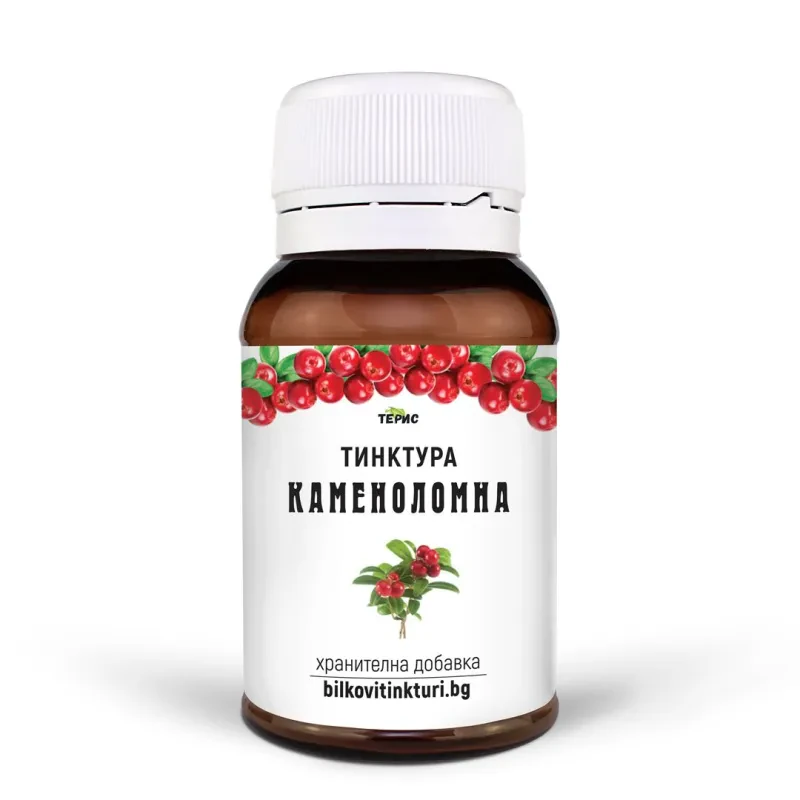
KAMENOLOMNA tincture is beneficial for the prostate and reduced potency, and for the kidneys and bladder. It is used for problems with the prostate gland.

#Pumpkin seeds support prostate health
They are rich in carotenoids, including lutein, carotene and beta-carotene.
Pumpkin seeds contain an enzyme that helps improve the metabolism of fatty acids in the prostate gland, and they have been shown to improve the function of the bladder and urinary tract by improving flow and reducing the amount of urine left in the bladder after urination, thereby relieving some symptoms of benign prostatic hypertrophy (BPH).
Pumpkin seeds also inhibit the conversion of testosterone into dihydrotestosterone, which is responsible for the enlargement of the prostate gland, and they are used in the treatment of an inflamed bladder and an irritable bladder.
Herbal supplements containing pumpkin seeds have been found to support prostate health in several different ways. Like green tea extract, pumpkin seed extract also inhibits the growth of prostate cancer cells.
In combination with saw palmetto oil, this ingredient may help treat BPH.

#Pollen extract
Benign prostatic hyperplasia (BPH) is a condition characterised by an enlarged prostate. It can lead to a frequent urge to urinate, but also to difficulties with the process of urination, such as trouble starting, a weak stream and dribbling of urine.
In a 2022 study, 25 male patients experiencing lower urinary tract symptoms due to BPH received an intervention containing pollen extract. After three months, the participants had a statistically significant improvement in symptoms.

#Green tea extract for prostate health
Green tea is obtained from the leaves of the Camellia sinensis plant. Its extract is a concentrated form of this ingredient and is known to provide antioxidant properties, mainly from the plant's flavonoids and polyphenols.
Green tea extract is among the herbs for prostate healththat help by inhibiting the growth of human PC-3 prostate cancer cells.

#Red clover for prostate cancer
Red clover belongs to the legume family. This perennial herbaceous plant can be found in the wild in Europe and Asia, but it is also grown in some parts of North America. Red clover contains isoflavones, which are compounds with antioxidant properties.
A 2022 study compared sprouts of red clover, white clover, crimson clover and Persian clover for their chemopreventive potential for prostate cancer. Red clover was found to have the richest isoflavone content of the four, with researchers noting that its isoflavone content is comparable to soya and significantly higher than alfalfa sprouts. This type of clover is also reported to have a high safety profile for normal prostate cells.

#➤ Herbal tinctures for the PROSTATE and REDUCED POTENCY
Healing tinctures for the prostate and reduced potency.
#Herbal tincture for inflammation of the prostate and the urogenital system
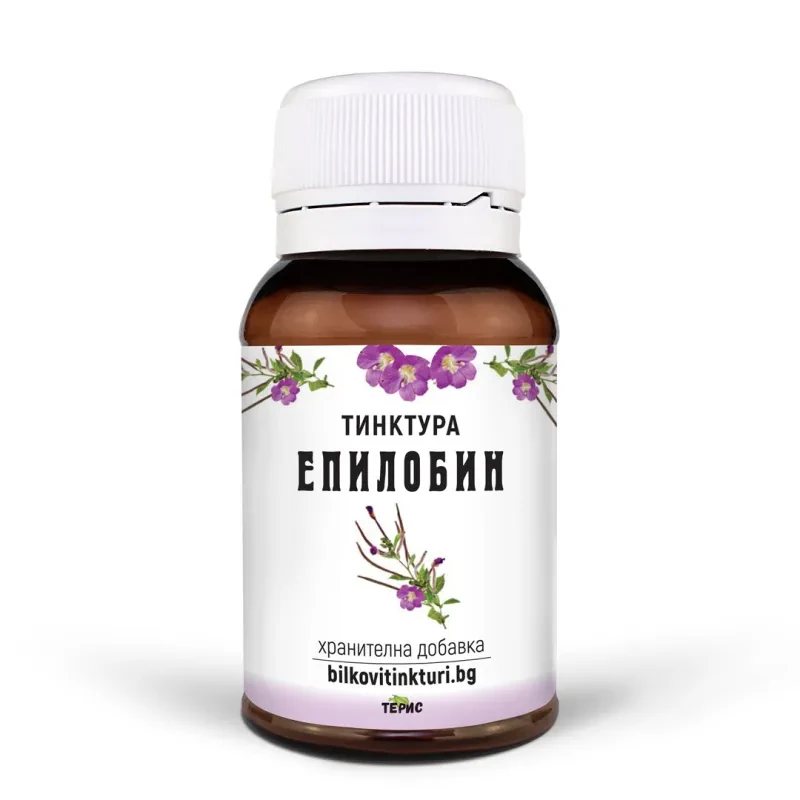
The herbal extract EPILOBIN - from small-flowered willowherb has an anti-inflammatory and pain-relieving action. The plant is known for its medicinal uses in:
- inflammation of the prostate and the urogenital system
- inflammation of the stomach and intestines
- stomach ulcers
Take the herbal EPILOBIN tincture for inflammation of the prostate and for the urogenital system, 20-30 drops dissolved in a glass of water, 2 or 3 times a day, according to your recommended intake.

#Herbal tincture for problems with the prostate gland
The herbal extract KAMENOLOMNA - the leaves of bearberry are used to treat inflammation of the urinary tract. It helps fight infection by reducing inflammation.
Because of its anti-inflammatory properties, KAMENOLOMNA tincture is used for problems with the prostate gland.
PHOTO: Herbal tincture for problems with the prostate gland
#Herbal tincture for inflammation of the prostate
The herbal extract of the medicinal plant cat's foot (wild basil) is known for its beneficial uses:
- For gynaecological problems.
- For skin problems.
- For inflammation of the prostate. Prostatitis.
- For supporting the body's restorative powers.
Herbal KOTESHKA STAPKA tincture for inflammation of the prostate (prostatitis).

#Herbal tincture for the prostate and reduced potency
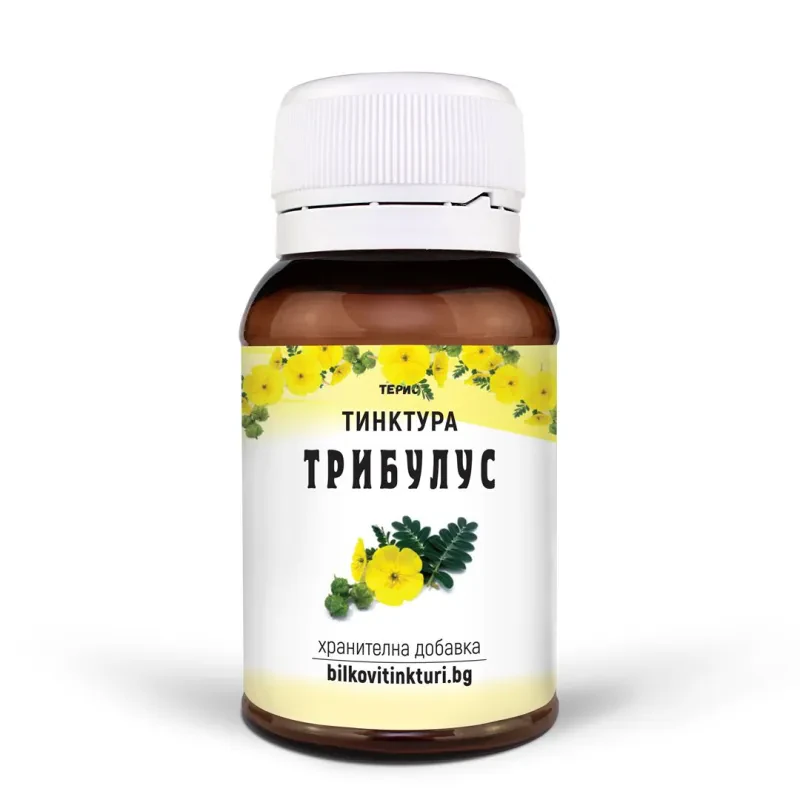
And of course the herbal extract of puncture vine (Tribulus terrestris) - TRIBULUS. It is beneficial:
- for boosting libido
- for improving metabolism
- for raising testosterone levels
TRIBULUS tincture for the prostate and reduced potency, and for the kidneys and bladder.

#A set of tinctures - care for the stronger half
At Bilkovi Tinkturi BG, we have selected the best medicinal herbs for a set of herbal extracts called "ZA MAZHA" (For Men).
A set of 8 herbal tinctures - created especially for men and based entirely on herbal products - daily care for the stronger half.
It supports the functions of the entire male reproductive system.
Issues related to male confidence are a common problem these days, which is why we have created a special set of herbal extracts to support typical male problems.
Each of the tinctures in this set, taken daily, will support men's health care.
The "ZA MAZHA" set contains 8 bottles of herbal tinctures that will support the natural male strength of the stronger sex.

#Be informed and get checked
Depending on your risk group, regular prostate cancer screening is very important. If you are over 40, you can have a single PSA blood test to see your future risk of prostate cancer. If you have a family history, you should have an annual check from the age of 40. Without a family history, you can have an annual blood test and prostate examination from the age of 50.

#When should you get checked?
Men at increased risk - who either have a family history of breast or prostate cancer, or are African American - should start prostate cancer screening between the ages of 40 and 54.
Those at average risk should start screening at 55 with a prostate-specific antigen (PSA) test, although there is no definitive recommendation on how often you should be tested.
To reduce the risk of false positives and overdiagnosis, you can wait longer - two or more years - between checks when the PSA level is low enough to allow a longer interval between PSA tests.
"It is important to discuss your options with your health adviser so that you can make a well-informed decision about when to start PSA tests and how often to have them".
The PSA test can detect prostate cancer five to seven years before it can be palpated or felt in the prostate. Together with the PSA blood test, an annual digital rectal examination can detect conditions.
These tests are sensitive to prostate disease. If we can identify cancer earlier, then we can treat it most effectively.

In short:
The recommendations for prostate cancer screening differ depending on whether you are in a high-risk or an average-risk group. If you are in a high-risk group, you should consider prostate cancer screening starting at the age of 40. Men at normal risk are encouraged to consider screening starting at the age of 55.
Screenings may include a digital rectal examination and a prostate-specific antigen (PSA) blood test. If your PSA test shows a result above normal and you have had a normal digital rectal examination, you may be a candidate for the Prostate Health Index test. This blood test is similar to the PSA test but gives results with higher specificity.
There are advantages and disadvantages to some prostate cancer screenings, and the decision to start screening should be made with your doctor.
#Prostate health should always be a concern
No matter how old you are, prostate health should always be a concern. While these conditions usually affect older men, you can start taking steps to prevent them at a much younger age.
A healthy diet, regular exercise to stay fit and active, and taking natural food supplements are important for maintaining good health. All of this will help you reduce the risk of various types of disease – including of the prostate.

If you have further questions about how to look after your prostate health, please do not hesitate to contact us at Bilkovi Tinkturi BG. The power of herbs is boundless, and we know how to use it.
This article is for educational purposes and does not replace advice from a doctor. Food supplements are not medicines and are not intended to treat diseases. If you have a chronic condition, are pregnant or breastfeeding, or take medication, consult a specialist before use.