Herbs for Travel Sickness and When Not to Reach for Them
Table of Contents
Nausea is one of those complaints that can ruin a whole day – whether you are in the car on the way to the seaside, on a ferry or simply after a heavy festive dinner. Many people reach for a cup of mint tea or a piece of ginger because that is what their grandmother and mother did. Tradition has its place, as long as we know which herbs are used for feelings of nausea, how to include them sensibly and – no less important – in which situations nausea is not a reason for herbs but for a conversation with a doctor.
#Why do we feel sick?
Nausea is not a disease in itself but a signal. Behind it there may be something entirely harmless or something that needs attention. The most common everyday causes are:
- a mismatch between what the eyes see and what the balance organ in the inner ear senses – typical when travelling by car, coach, boat or plane;
- overeating, very fatty food or eating in a hurry;
- stress and tension;
- strong smells, a stuffy room, lack of sleep.
When the cause is clear and temporary, simple measures and a little patience are often enough. When it is not clear, keeps coming back or is accompanied by other symptoms, herbs are not the answer.
#Travel sickness – habits first
Before we get to the herbs, here are a few things that help many people when travelling:
#Where you sit and where you look
In the car, sit in the front and look at the horizon. On a coach, choose a seat near the front axle, and on a boat, sit in the middle and on deck where there is fresh air. Reading and looking at your phone while moving usually make the feeling worse.
#Food and fluids
Do not set off either hungry or too full. A light snack – a slice of bread, a rusk, a banana – is a better choice than a heavy, fatty meal. Drink water in small sips and avoid fizzy drinks and alcohol before and during the journey.
#Fresh air and breaks
An open window, a break every hour or two on a long journey and a few minutes' walk work wonders for passengers who are prone to nausea.
#Herbs traditionally used for nausea
#Ginger
Ginger is the herb we most often associate with nausea. In many cultures it is traditionally used for discomfort while travelling and for heaviness in the stomach. Its pungent taste comes from the natural oils in the root, the best known of which is gingerol. The herbal tincture Dzhindzhar is a water-ethanol extract of ginger root and is taken according to the product instructions, diluted in water.
An important note: in larger amounts ginger can affect blood clotting. If you take blood-thinning or antiplatelet medicines, consult a doctor or pharmacist before including it. You can read more about the herb itself in the article Ginger – the herb of 2020.
#Mint
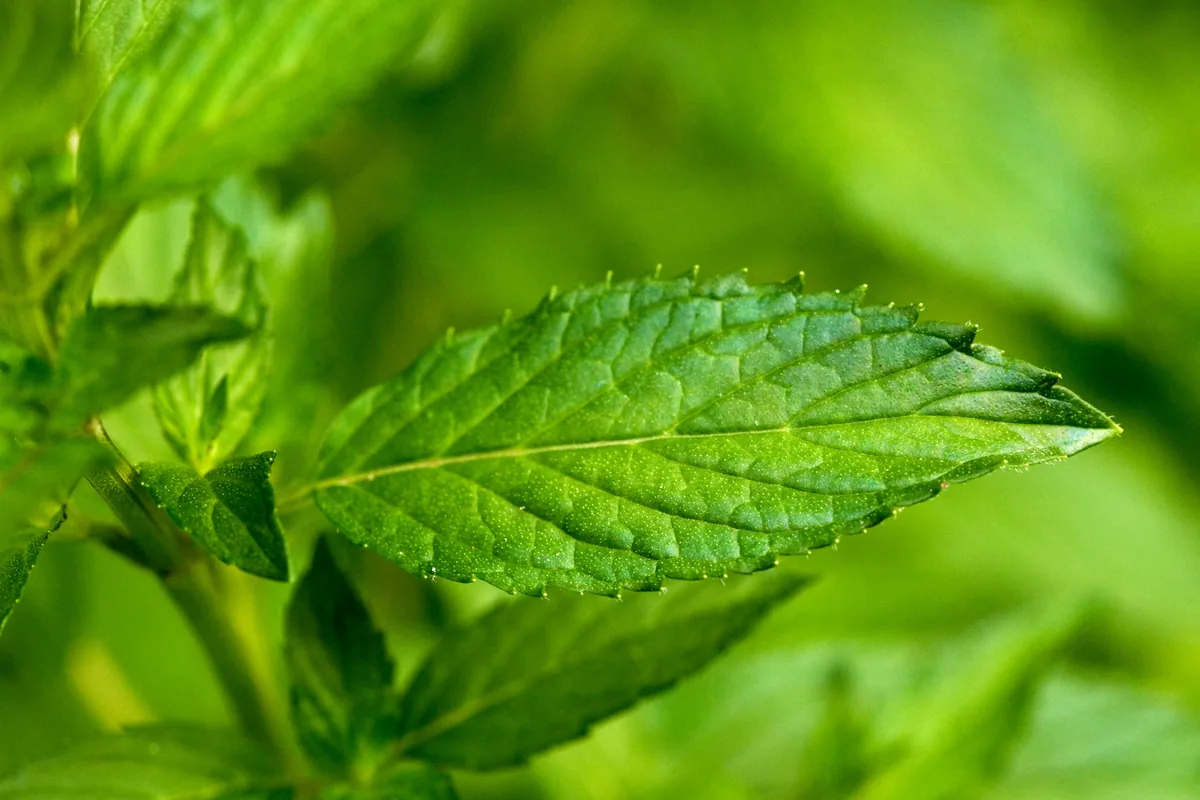
Mint is a classic of Bulgarian cooking and folk tradition. It is traditionally used to support normal digestion and for a feeling of freshness when the stomach feels heavy. The tincture Menta contains an extract of mint leaves. People with a sensitive stomach and heartburn should bear in mind that in some of them mint can make the burning behind the breastbone worse. With prolonged use an allergic reaction is also possible. If you would like to learn more about the herb, see Mint – a drop of freshness, a drop of health.
#Anise
Anise is known for its characteristic sweetish aroma and has long been used to support digestion, especially with bloating and wind. The tincture Anisum contains an extract of aniseed. It is a suitable choice when nausea is linked more to heavy, slow digestion after a large meal than to travelling. Anise belongs to the carrot family (Apiaceae) – if you are allergic to fennel, dill, celery or carrots, be careful.
You can browse all the products traditionally used for this purpose in the Nausea category.
#How to include herbs sensibly
Herbal tinctures are food supplements, not medicines. They do not replace a healthy routine and do not "switch off" the cause of the nausea. Here are a few practical tips:
- Take the tincture according to the instructions for the specific product and do not exceed the recommended daily amount.
- Dilute it in a glass of water – this makes the taste milder and easier on the stomach.
- If you have a journey coming up, try the product at home beforehand so that you know how it affects you.
- Do not combine several tinctures at once "to be on the safe side". Less often means clearer.
Remember that tinctures are water-alcohol extracts (about 20% alcohol) and each dose contains a small amount of alcohol. Take this into account if you are driving, if you do not tolerate alcohol or if you have a reason to avoid it.
#When not to reach for herbs
#Nausea during pregnancy
Morning sickness is one of the most common complaints in early pregnancy, and many women look for a "natural" solution. Here the rule is simple: no herbs or herbal tinctures without advice from a doctor or midwife. Dzhindzhar, Menta and Anisum, like most of our tinctures, are not intended for pregnant and breastfeeding women – this is stated explicitly on the product pages. Tinctures also contain alcohol. Even herbs that seem harmless in tea can act differently in concentrated form. Tell your doctor or midwife what you are experiencing – they will advise you on what is safe in your case.
#Nausea in children
Children become dehydrated faster than adults, and tinctures contain alcohol. If a child feels sick or is vomiting, see a paediatrician first. Do not give tinctures to children without advice from a paediatrician; many products are not intended for people under 18.
#Nausea that is not "from the journey"
If nausea appears for no obvious reason, recurs every day or lasts more than a day or two, it is a signal that deserves an examination. Herbs should not delay that examination.
#When to see a doctor
See a doctor or seek emergency help if the nausea is accompanied by:
- severe or increasing abdominal pain, chest pain or shortness of breath;
- vomiting that will not stop, or signs of dehydration – a dry mouth, passing urine rarely, severe weakness;
- blood in the vomit or black stools;
- a high temperature, severe headache, stiff neck, confusion or blurred vision;
- nausea after a blow to the head;
- nausea during pregnancy, especially if you cannot keep food and fluids down;
- nausea that lasts more than a few days or keeps recurring.
Also consult a doctor before taking herbal products if you have a chronic condition, take medicines (especially blood thinners), are pregnant or breastfeeding, or if the product is intended for a child.
#Simple things first
For travel sickness or after a big meal, the simple things help most – the right seat in the car, fresh air, light food and water in small sips. Ginger, mint and anise are herbs with a long tradition and can be a pleasant addition to these habits when taken sensibly and according to the instructions. But when the nausea occurs during pregnancy, in a child or for no clear reason, the first step is a conversation with a specialist.
This article is for educational purposes and does not replace advice from a doctor. Food supplements are not medicines and are not intended to treat diseases. If you have a chronic condition, are pregnant or breastfeeding, or take medication, consult a specialist before use.