Herbs for Memory and Concentration as the Years Go By
Table of Contents
"Where did I put my keys?" – a question we ask ourselves at any age, but after 50 it suddenly starts to worry us. A slight delay in recalling names or words is part of natural ageing and in itself is no reason to panic. The brain, however, like the muscles, needs looking after – and much of that care is in our own hands: the habits that keep the mind sharp, the herbs traditionally associated with memory, and a timely check-up when the changes are not just "absent-mindedness".
#Normal ageing or a reason for a check-up
Over the years the brain processes information a little more slowly. We may find it harder to recall names, get distracted more easily or need more time to learn something new. This is normal if it does not interfere with daily life and if, given a little time or a prompt, the information does come back.
It is different when a person forgets recent conversations and events, asks the same questions over and over, gets lost in familiar places or struggles with sums and tasks that until recently were routine. Changes like these require an examination – we discuss them in detail at the end of the article.
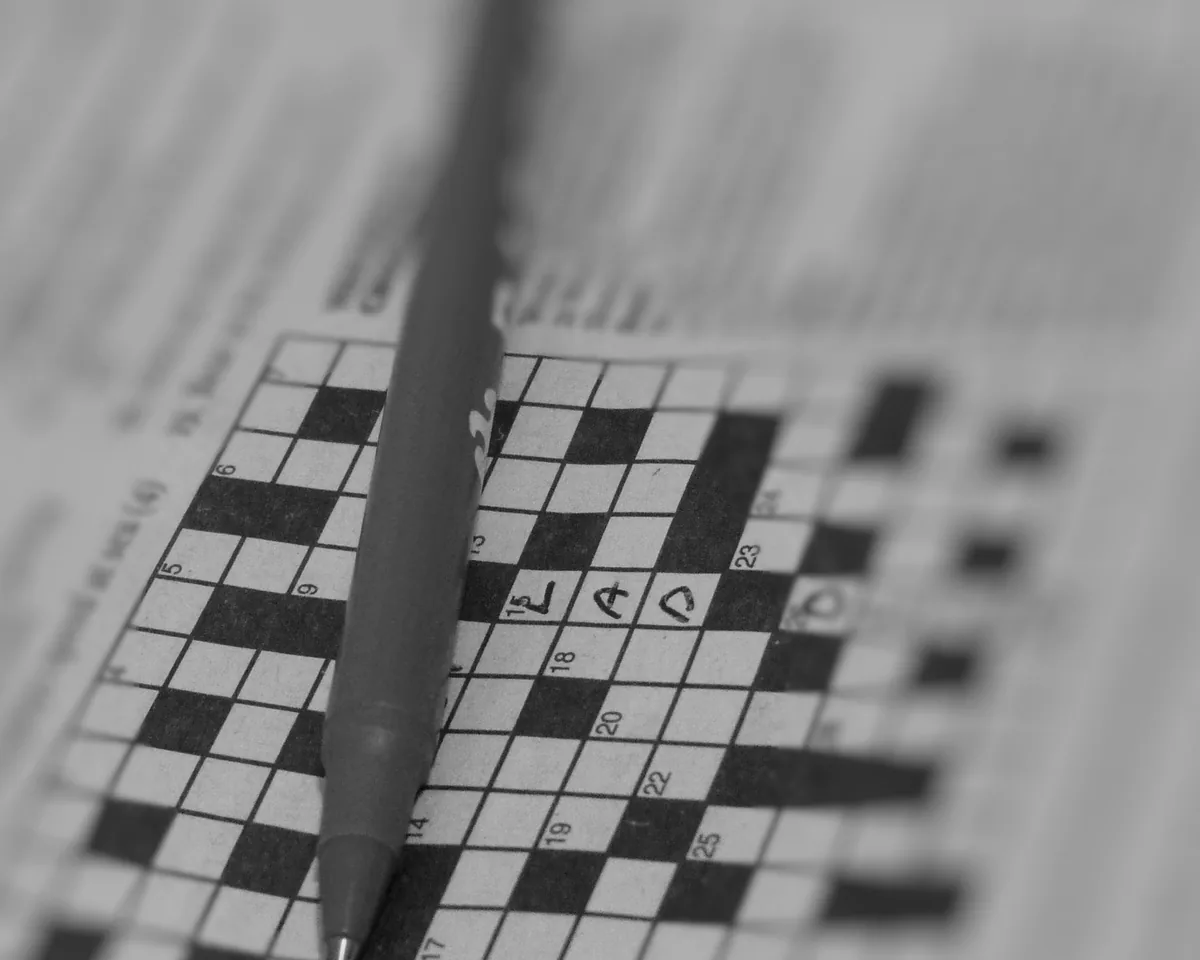 Photo: Craig Sunter, CC BY 2.0, via Wikimedia Commons
#Habits that keep the mind sharp
The surest way to look after the brain is through lifestyle. Many of these habits are also good for the heart – and that is no coincidence, because the brain depends on a good blood supply.
#Exercise
Regular physical activity is among the habits of greatest interest to researchers of brain health. Brisk walking, swimming, cycling, dancing or gardening – what matters is that it is regular, ideally at least 150 minutes a week.
#Sleep
During sleep the brain "sorts out" what you experienced during the day. Chronic lack of sleep and undiagnosed sleep apnoea affect memory and attention.
#Diet
The Mediterranean pattern of eating – vegetables, fruit, pulses, wholegrain products, fish, nuts and olive oil – is often recommended for both the heart and the brain. Spices such as rosemary and turmeric can naturally enrich your meals.
#A mind in action
Learning something new – a language, an instrument, a game, a craft – keeps the brain active. Crosswords are useful, but it is even better to vary the challenge.
#Social contact
Conversations, meeting friends, volunteering and taking part in clubs are no less important than "mental exercises". Loneliness is a factor increasingly discussed in the context of brain health.
#Check-ups with the doctor
Blood pressure, blood sugar, cholesterol, hearing and eyesight all matter for memory. A neglected hearing problem, for example, makes conversation and concentration harder. Regular preventive check-ups are part of looking after the mind.
#Herbs traditionally associated with memory and concentration
#Rosemary
It is said that in ancient Greece students wore garlands of rosemary during exams – the plant has long been a symbol of memory. The tincture Rozmarin is traditionally used for a feeling of alertness and good mood. Studies show interest in rosemary's constituents and aromatic compounds, but they do not prove that the herb can stop or delay a memory disorder. Read more about the plant in Rosemary – spice or herb?.
Caution: rosemary can raise blood pressure and is not suitable for people with hypertension.
#Lemon balm – Melisa
A calm mind concentrates more easily. Melisa contains lemon balm – a herb traditionally used for a sense of calm and better sleep. With prolonged use some people may experience headache or dizziness, so take breaks. Read more about the herb in Lemon balm – calm is the key to health.
All products are taken according to the product instructions. You will find other products in the Nervous system category.
#Safety for older people
With age, people often take several medicines at the same time, and the liver and kidneys process substances more slowly. Therefore:
- always consult a doctor or pharmacist before adding a herbal product to your medicines – especially medicines for blood pressure, the heart, blood thinning, diabetes or depression;
- remember that tinctures are water-alcohol extracts (about 20% alcohol) and each dose contains a small amount of alcohol – important when driving, when taking medicines that are incompatible with alcohol and if you are prone to falls;
- do not exceed the recommended daily dose;
- the products are not used during pregnancy and breastfeeding.
- Do not give tinctures to children without advice from a paediatrician; many products are not intended for people under 18.
Herbs do not replace treatment prescribed by a doctor. If you or someone close to you has been diagnosed with a memory-related condition, do not stop or change the treatment without a consultation.
#When to see a doctor
Book an appointment with your GP or a neurologist if you or someone close to you:
- forgets recent events and conversations, not just names;
- asks the same questions repeatedly within a short time;
- gets lost in familiar places;
- struggles to manage money, bills or medicines;
- notices changes in personality, mood or judgement;
- has family members expressing concern about their memory.
Seek emergency help (112) in case of sudden confusion, difficulty speaking, a drooping face, weakness in an arm or leg or a sudden severe headache – these can be signs of a stroke.
Many causes of memory problems – vitamin B12 deficiency, thyroid problems, depression, side effects of medicines – can be identified and treated by a doctor. An early check-up is always worthwhile.
#Care that comes back to you
Memory looks after us all our lives and deserves the same in return. Exercise, sleep, good food, social contact and learning new things are the most powerful tools we have. Herbs such as rosemary and lemon balm can be a pleasant part of this care, but they do not replace an examination and treatment when changes in memory become worrying.
Photo: Christian Ferrer, CC BY 4.0, via Wikimedia Commons (cover)
This article is for educational purposes and does not replace advice from a doctor. Food supplements are not medicines and are not intended to treat diseases. If you have a chronic condition, are pregnant or breastfeeding, or take medication, consult a specialist before use.