Coughs and the Respiratory Tract: Traditional Herbs
Table of Contents
A cough is one of the most common reasons for reaching into the home medicine cabinet. In the cold months it accompanies the ordinary cold, and in some people it lingers for weeks afterwards. In fact, a cough is a protective reflex – the body's way of clearing the airways. So the aim is not always to "stop" it, but to keep the throat and breathing comfortable while the body deals with the problem. Below are simple home measures, the herbs traditionally used for the respiratory tract and the warning signs that mean a cough should be seen by a doctor.
#Dry and chesty coughs
Broadly speaking, there are two kinds of cough:
- dry (tickly) – with no mucus, often tickling in the throat, worse in the evening;
- chesty (productive) – with phlegm, as the body tries to clear the mucus.
One often turns into the other over the course of a cold. Telling them apart helps you choose the right measures and describe your symptoms accurately if you see a doctor.
#Home measures for more comfort
#Fluids and air
Warm drinks keep the mucous membranes moist and the mucus thinner, while dry air from the heating irritates the throat. We describe in detail how to organise care at home – from honey in your tea to airing the room and humidity – in the article Autumn colds and flu: herbs and teas to keep at home.
#Rest and sleep
The body recovers better when it rests. A pillow raised slightly higher can help with a night-time cough.
#No smoke
Tobacco smoke, including passive smoking, irritates the airways and prolongs a cough. If you smoke, a cold is a good reason to stop.
#Herbs traditionally used for the respiratory tract
#Anise – Anisum
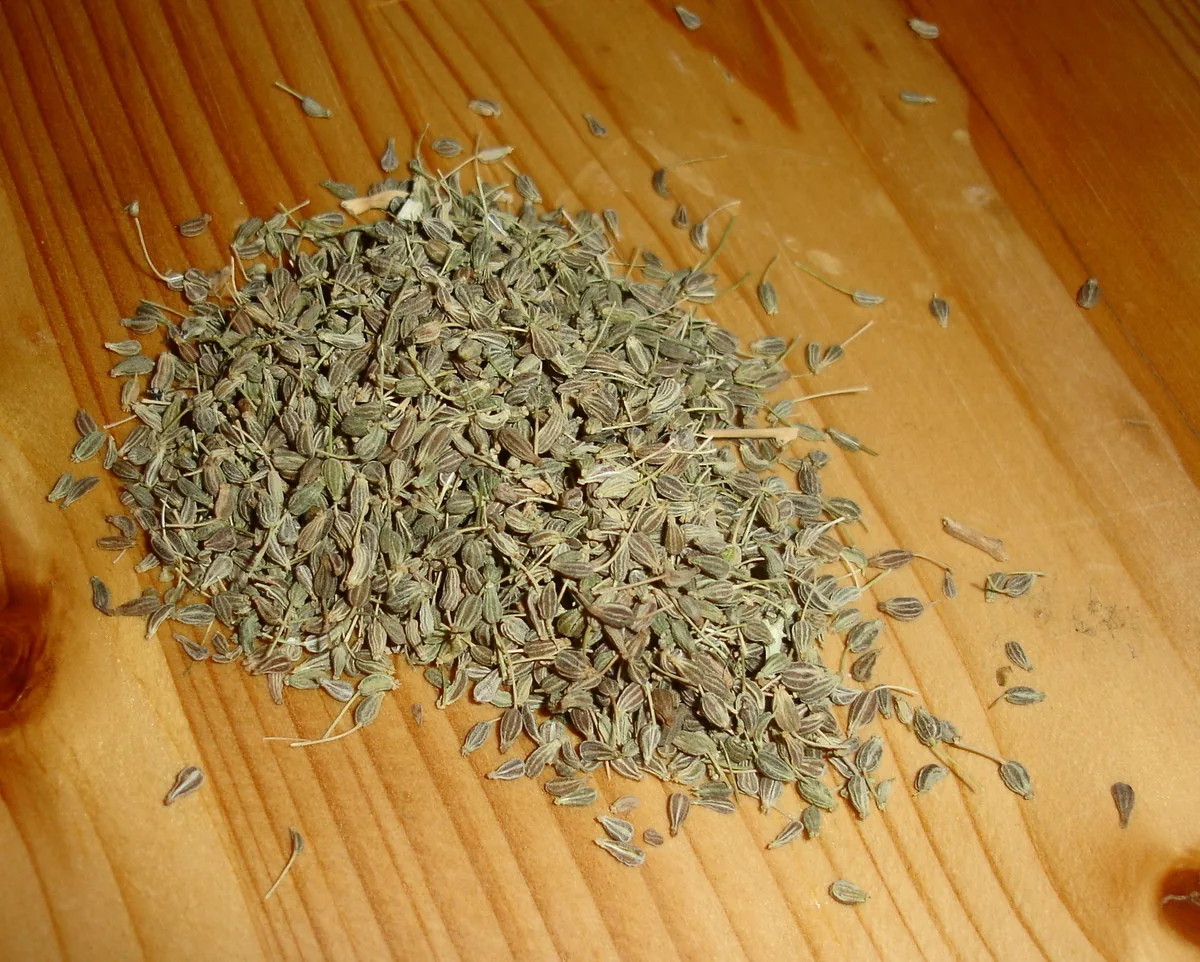
Anisum is a tincture made from aniseed – one of the oldest known aromatic plants. Anise is traditionally used to support the respiratory system and the comfort of the throat, and also digestion. It belongs to the carrot family (Apiaceae) – if you are allergic to fennel, dill, celery or carrots, be careful. For its history, see the article Anise – a star in looks and in practice.
#Cowslip – Primulina
Primulina contains cowslip flowers – the spring flower that folk medicine traditionally associates with the respiratory tract. Read more about it in Cowslip – the healing name of spring. The product is not suitable for people with a stomach or duodenal ulcer.
#Greater plantain – Plantago
Plantago is a tincture made from the leaves of greater plantain – the humble plant by the footpath that we have known since childhood. In folk tradition its leaves are used to support the respiratory tract and the comfort of the throat, as well as digestion. The product should not be taken during pregnancy and breastfeeding.
#Wild pansy – Viola
Viola contains wild pansy flowers. This delicate field flower is traditionally used to support the respiratory tract and the body's resilience in demanding months. The product is not intended for people under 18 and should not be taken during pregnancy.
#How to use them
All products are taken according to the product instructions. Choose one tincture suited to your needs rather than combining several at once. You will find the full range in the Lungs and respiratory system category.
#Coughs in children and older people
In young children the airways are narrow and their condition can change quickly. A cough in a baby or young child, especially with a temperature or rapid breathing, should be seen by a paediatrician. Do not give children products that are not intended for their age, and do not use essential oils near their face.
In older people a cough is sometimes less pronounced, even when the condition is serious. Weakness, confusion, loss of appetite or breathlessness in an elderly person are reasons for an examination, even if the cough seems mild.
#Frequently asked questions
#Can I take the tincture in hot tea?
Tinctures are usually diluted in a glass of water according to the product instructions. If you prefer a hot drink, make sure it is warm rather than boiling.
#When should I expect an improvement?
A cough with a cold goes away gradually, often over two or three weeks, even with good care. If you notice no improvement at all or your condition gets worse, do not wait – see a doctor.
#Do herbs help with an allergic cough?
An allergic cough has a different mechanism and needs to be investigated by a doctor or allergist. Herbal products can themselves cause an allergic reaction in sensitive people.
#Safety
- Tinctures are water-alcohol extracts (about 20% alcohol) and each dose contains a small amount of alcohol. Bear this in mind if you drive, avoid alcohol or take medicines that are incompatible with it.
- The products are not used during pregnancy and breastfeeding.
- Do not give tinctures to children without advice from a paediatrician; many products are not intended for people under 18.
- If you have asthma, COPD, allergies or a chronic condition, or take medicines regularly, consult a doctor or pharmacist before use.
- Do not combine herbal products with cough medicines without asking a pharmacist.
#When to see a doctor
An ordinary cough with a cold can last up to two or three weeks. See a doctor if:
- the cough lasts more than three weeks;
- you have a temperature above 38.5 °C for more than three days, or the temperature comes back after an improvement;
- your phlegm contains blood or is rust-coloured;
- the cough comes with chest pain;
- you start coughing after choking on food or an object, especially in a child;
- you have a chronic lung or heart condition and your symptoms are getting worse.
Seek emergency help (112) if:
- you are short of breath or breathing rapidly or noisily;
- your lips or nails turn blue;
- in a young child you see the skin between the ribs sucking in with each breath, severe weakness or refusal to drink.
#Patience and attention to the signals
A cough is often just part of a cold and goes away with rest, warm drinks and moist air. Herbs such as anise, cowslip, plantain and wild pansy have traditionally had a place in the winter medicine cabinet and can contribute to a feeling of comfort. Listen to your body and do not put off an examination when the cough lingers or warning signs appear.
Photo: Flocci Nivis, CC BY 4.0, via Wikimedia Commons (cover)
This article is for educational purposes and does not replace advice from a doctor. Food supplements are not medicines and are not intended to treat diseases. If you have a chronic condition, are pregnant or breastfeeding, or take medication, consult a specialist before use.