Anise – a Star in Both Looks and Practice
Table of Contents
#One of the most beautiful plants
One of the most beautiful herbs, distinguished by its star shape, is without doubt anise. All the more so because it is also extremely useful.
Let us tell you some interesting facts about it.
#Anise (Pimpinella anisum)
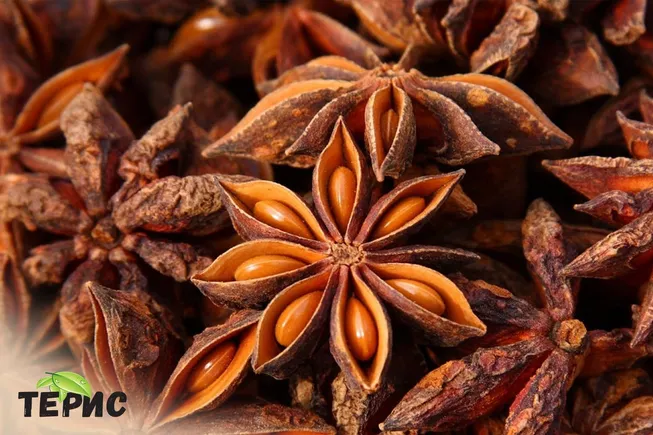
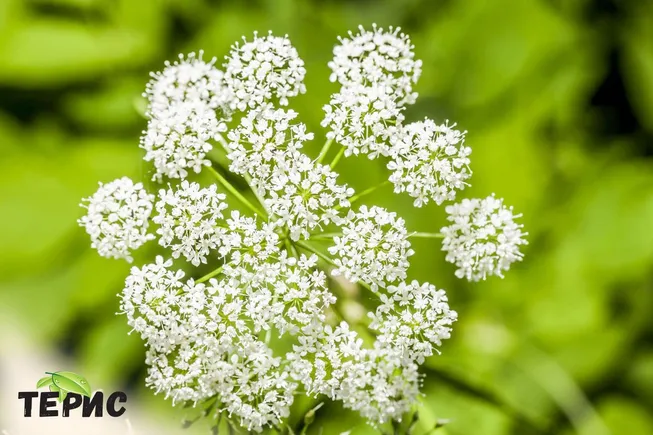
The plant, also known as Pimpinella Anisum, comes from the same family as carrots, celery and parsley. It can grow up to 1 metre tall and produces flowers and small white fruits known as aniseed.
It has a distinctive liquorice-like sweet taste and is often used to add an exotic flavour to all kinds of desserts and drinks. It is also known for its powerful health-supporting properties.
In addition, it acts as a natural remedy for a wide variety of ailments.
#History and characteristics
Anise was first cultivated in Egypt and the Middle East and was brought to Europe for its medicinal value. It was grown in Egypt around 4,000 years ago.
Anise plants grow best in light, fertile, well-drained soil. The seeds should be sown as soon as the ground warms up in spring. Because the plants have taproots, they do not transplant well once established, so they can only be moved while the seedlings are still small.
Western cuisines have long used anise to flavour food and drinks.
#The many uses of this aromatic plant
It can be used in all sorts of ways, both in production and at home:
Culinary
Anise is sweet and very aromatic, with a characteristic flavour. The seeds, whole or ground, are used to make teas and other drinks, as well as in a wide variety of regional and ethnic confectionery.
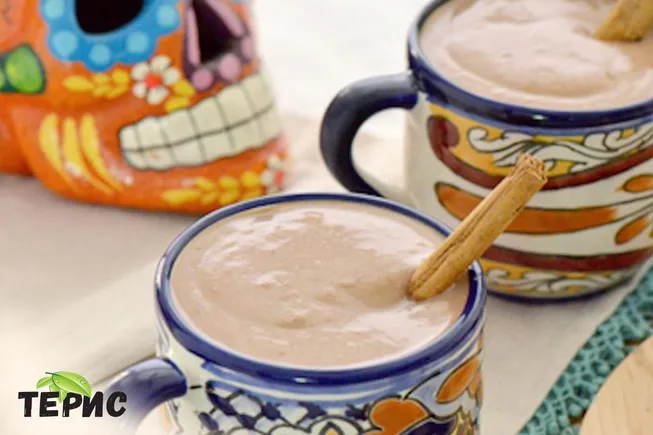
The plant is a key ingredient in Mexican atole and champurrado.
The ancient Romans often served anise-spiced cakes at the end of dinner to aid digestion.
Each of us can come across the herb in many drinks. Among them are: Greek ouzo, Italian sambuca, Bulgarian mastika, French absinthe, anisette, pastis, the Turkish drink raki, Lebanese, Egyptian, Syrian, Jordanian and Israeli arak, and others.
In combination with other herbs and spices it is also used in some beers.
Folk medicine
The main use of anise in traditional European herbal medicine is for its carminative effect. This means that the plant helps a great deal with all kinds of digestive tract complaints.
It is effective for:
- abdominal pain
- diarrhoea
- leucorrhoea in women
- all kinds of digestive tract complaints
- and many other uncomfortable conditions

According to the ancient Roman scholar and historian Pliny the Elder, anise was used as:
- a remedy for sleeplessness
- a breath freshener
- and an aid for bites
In Turkish folk medicine its seeds were used as:
- an appetite stimulant
- a tranquilliser
- or a diuretic
Taken as a tea, herbal capsules, oil or a herbal tincture, anise will certainly have a beneficial effect on our health.
Other interesting uses
An interesting fact is that steam locomotive builders in Great Britain used capsules of aniseed oil so that the plant's characteristic smell would warn them in case of overheating.
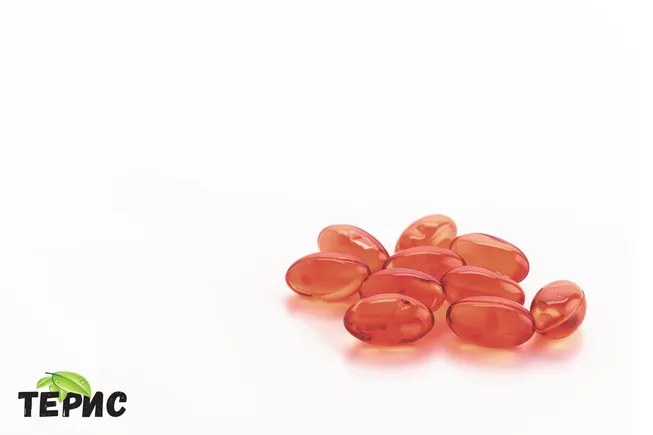
It is also used in fishing baits to attract the catch.
#Benefits of anise
For poor digestion (dyspepsia)
Some studies show that taking anise powder or tincture daily for 4 weeks reduces stomach discomfort, bloating and pain after meals in people who suffer from poor digestion.
Long-term disorder of the large intestine
- which causes stomach pain (irritable bowel syndrome).
Taking one capsule containing aniseed oil daily is thought to reduce pain and bloating in people with this problem.
For respiratory tract infections
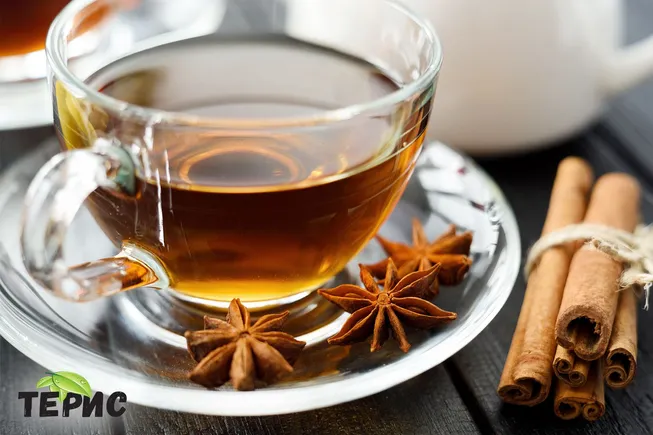
Earlier studies show that drinking one cup of tea containing anise and a number of other ingredients reduces coughing and sleep discomfort in people with allergic asthma.
For gastrointestinal complaints - gastritis, colitis and flatulence (wind), constipation
A number of studies suggest that drinking a herbal tea containing anise, fennel, elder and senna daily for 5 days helps some people deal with constipation.
For depression
It is suggested that taking one capsule containing aniseed oil every day for 4 weeks eases feelings of depression in people with irritable bowel syndrome. It is believed that
"The herb improves overall mood"
For diabetes
Using powder from the seeds of the star plant daily for 2 months lowers blood sugar levels in people with diabetes.
Lice
Using a spray containing aniseed oil, coconut oil and ylang-ylang oil on the scalp has been shown to help people get rid of lice. The effect of such a combined spray appears comparable to that of a spray containing chemicals. Of course, the natural treatment is preferable.
Menopause symptoms
According to research, taking anise seed extract every day for 4 weeks reduces menopause symptoms such as hot flushes.
For migraine
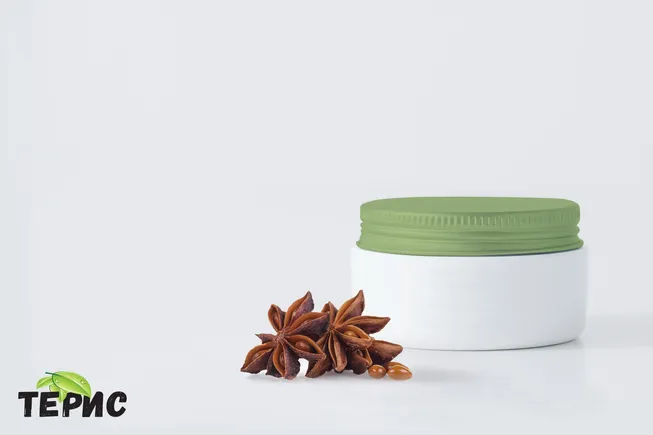
Specialists advise that applying a cream containing aniseed oil to the forehead area when a migraine starts may relieve the headache quickly and effectively.
And more problems the beautiful and aromatic plant can help with:
- Discomfort during menstruation;
- Increasing breast milk;
- Inflammatory conditions of the urinary tract and kidneys
- Increasing sexual desire;
- Scabies;
- Psoriasis;
- Cough;
- Cramps;
- And many others.
#Possible side effects
Anise is generally safe when consumed in the amounts found in food and drinks. On the contrary, it is usually very beneficial for most people.
However, pregnant and breastfeeding women should avoid medicinal use of anise.
Anise may have oestrogen-related effects, so it is also not recommended for people with hormonal disorders. Effects of this kind may be risky in conditions such as breast cancer, uterine cancer, ovarian cancer, endometriosis and uterine fibroids.
The plant may also interact with certain medicines, including contraceptive pills, oestrogen supplements and tamoxifen. That is why a consultation with a specialist is needed before consuming anise while taking any of these medicines.
Another important point is that some people may have an allergic reaction to anise if they are allergic to related plants such as asparagus, caraway, celery, coriander, cumin and dill.
Anise is also thought to possibly lower blood sugar levels. There is some concern among medical professionals that this could interfere with blood sugar control during and after surgery. Patients should therefore stop using anise at least 2 weeks before a scheduled operation.
#Choosing, preparing and storing
#Where can we find the "star herb"?
- As a spice/herb/plant
Any of us, as an ordinary consumer, can find it in almost any grocery shop, usually in the spice section. Aniseed is sold whole or ground and has a distinctive flavour.
- As an extract or oil
Anise extract or aniseed oil for medicinal use can be bought in many health food shops and shops specialising in food supplements, as well as online. It is important, however, to read the label carefully.
Star anise oil is also sold in quite a few outlets. It should be stored according to the label on the packaging.
- As a herbal tincture
In this form we can also find it in specialised shops or online shops for food supplements or organic herbal products. It is very important that they are certified manufacturers of herbal products or food supplements, and again to read the label carefully.
#How should we store the "star herb"?
The herb should be stored in the same way as other herbs and spices are stored - in an airtight container away from heat and light.
- Whole seeds usually keep for three to four years.
- Ground aniseed usually keeps for two to three years.
- The shelf life of herbal tinctures after opening is usually 2 months, unless stored in an airtight container.
#The medicinal plant is a help
To pets too
This wonderful plant can help not only people but also their pets. For example, Microsporum canis is a fungal infection that affects cats. Italian researchers two years ago used a mixture that included essential oils of star anise - along with other plants. These turned out to be extremely successful in treating 4 out of 7 infected cats.
And to people
Meanwhile, in people - especially women - one of the most widespread and troublesome fungal infections is the overgrowth of so-called candida. The list of unwanted effects is long, including digestive problems such as abdominal cramps, wind and bloating, skin problems, headaches and much more. Vaginal infections are also a big problem in these cases.
Researchers from Korea University in Seoul wanted to see whether any of the medicinal herbs used in their culture showed antifungal properties. They concluded that extracts of the spice could be a candidate for a new antifungal agent against candidiasis and other fungal conditions.
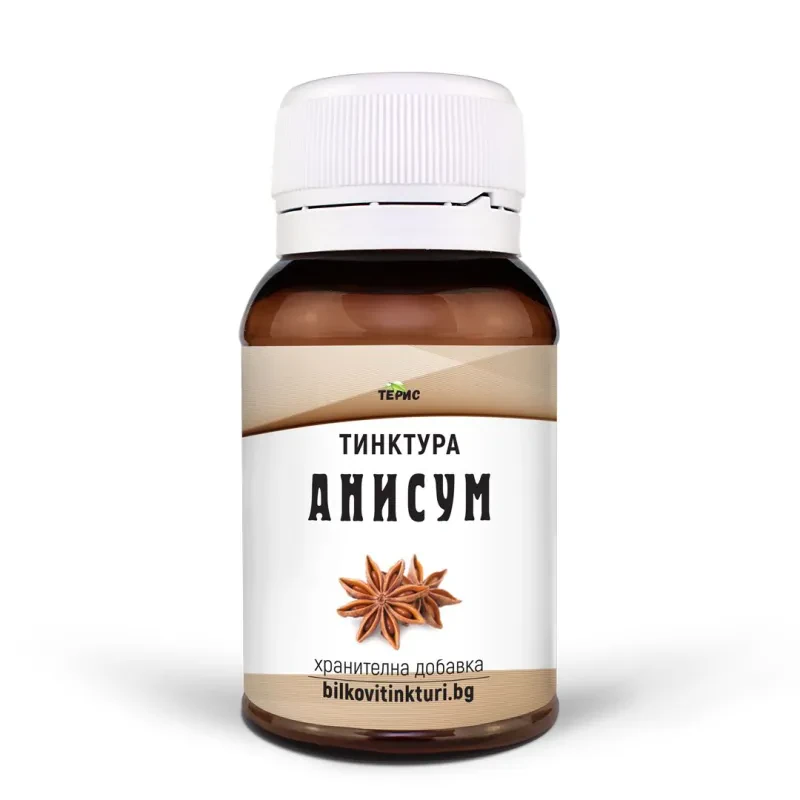
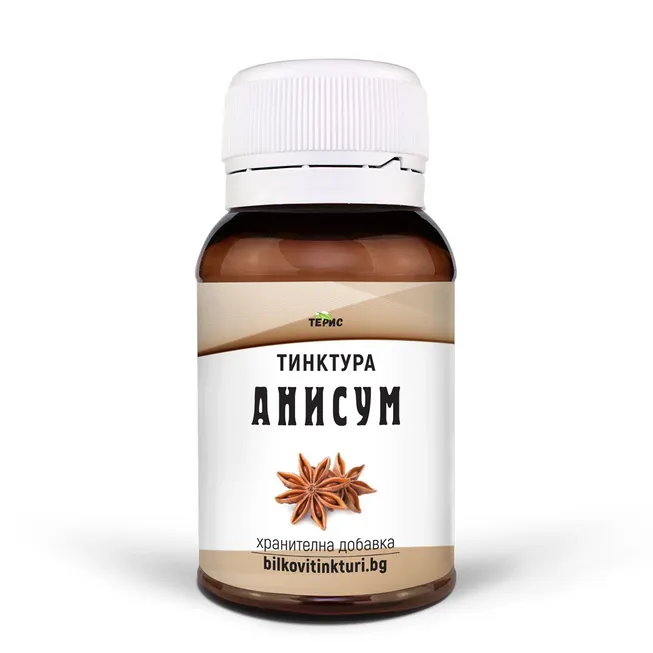
Herbal tincture of anise - "Herbal tincture ANISUM" in addition to all the properties listed, also helps:
- with respiratory tract infections - persistent cough, bronchitis, bronchial asthma
- with gastrointestinal complaints - gastritis, colitis and flatulence (wind)
- with inflammatory conditions of the urinary tract and kidneys
#The powerful plant
Anise has long been known for its medicinal properties and is therefore a highly favoured remedy in alternative medicine and herbalism. Aniseed is a powerful plant that is rich in many nutrients and boasts a wide range of health benefits.
It has antifungal, antibacterial and anti-inflammatory properties and can fight stomach ulcers, keep blood sugar levels under control and reduce the symptoms of depression and severe menopause. Combined with a good diet and a healthy lifestyle, aniseed can improve a number of aspects of human health.
Of course, this herb, like any other, must be used with great care, because any plant could have a negative effect on some people – especially if those people suffer from chronic illnesses or are taking medicines that are risky in the situation.
The important thing is that anise, besides being a wonderful spice for many dishes and drinks, brings many benefits to human health. That is why a person who includes it in their daily menu is certainly not making a mistake and certainly gains a whole list of the plant's great advantages.
Especially on the eve of winter and the coming holidays, a lovely idea for lifting the mood with anise is to add it, in the form of little stars, to home-made mulled wine. Together with other spices and fruit, this divine drink definitely makes everyone feel much better, especially against the backdrop of cold winter days.
And the best news is that anise can be found in almost any shop or pharmacy, in every form, so getting hold of this useful herb is child's play. And it is time for each of us to get some today!
#Anise – a star in both looks and practice ➤ VIDEO
This article is for educational purposes and does not replace advice from a doctor. Food supplements are not medicines and are not intended to treat diseases. If you have a chronic condition, are pregnant or breastfeeding, or take medication, consult a specialist before use.

Anise – a Star in Both Looks and Practice
Click to play video
Products from this article