Primrose - The Healing Name of Spring
Table of Contents
#The favourite balcony flower
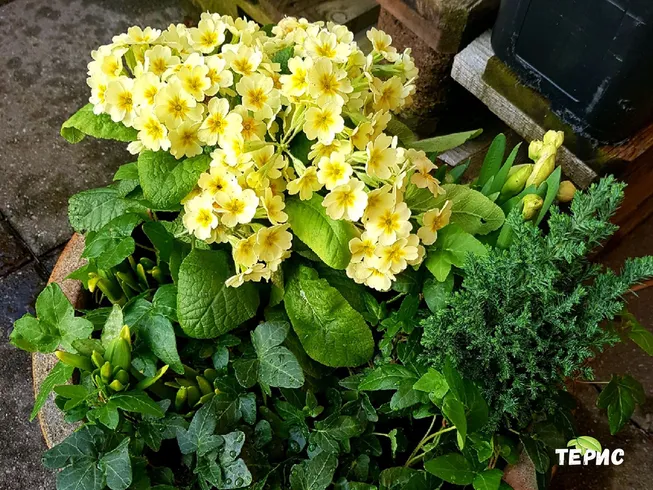
Cowslip (primrose) - not just a beautiful flower but also a remarkable herb.
"Primulaceae" - widely known as the primrose family, is a family of herbaceous and woody flowering plants, including some favourite garden plants and wild flowers. Most are perennial, although some species are annual.
Part of this family is the cowslip - a flowering perennial herbaceous plant.
#Other names for the cowslip:
The Latin name of the plant is "Primula officinalis L” " or "Primula veris L". In Bulgaria you may come across the herb under the names: aglika, yellow primrose, true primrose, healing primrose, medicinal primrose, egliche, Christ's flower, klyuchanka (little key), cuckoo flower, samodiva (fairy) flower and petoprastnitsa (five-finger).
#History and distribution
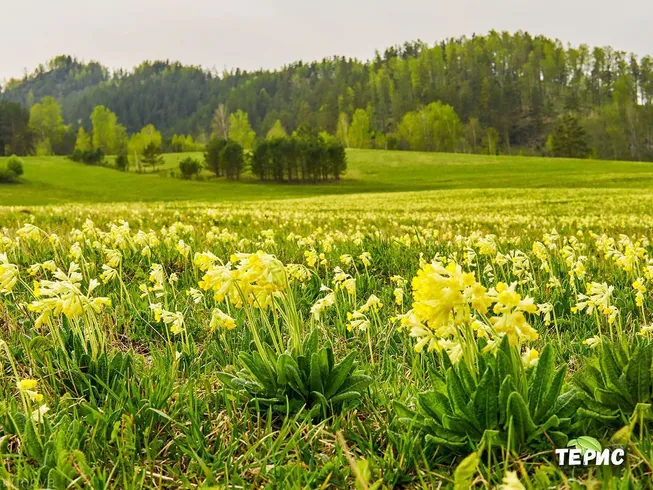
The cowslip inhabits meadows and sparse scrub, with three different subspecies, over a large area from East Asia and Central Asia to Central Europe. It is absent from the far north. In Bulgaria it grows at altitudes of up to 2,500 m.
It can be found in forest clearings, hedgerows, roadsides, along railway lines and in open pastures. The plant prefers moist, clay soils.
The best time to gather it is in spring.
#The botanical name of the cowslip
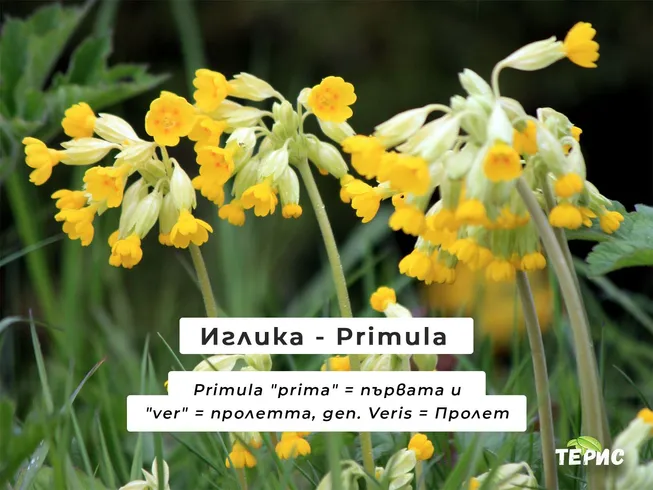
It comes from the Latin Primula, from "prima" (= first) and "ver" (= spring, gen. veris = of spring), and means "the first little fruits of spring". It reflects the fact that the cowslip is the first plant to flower in spring.
#Botanical characteristics
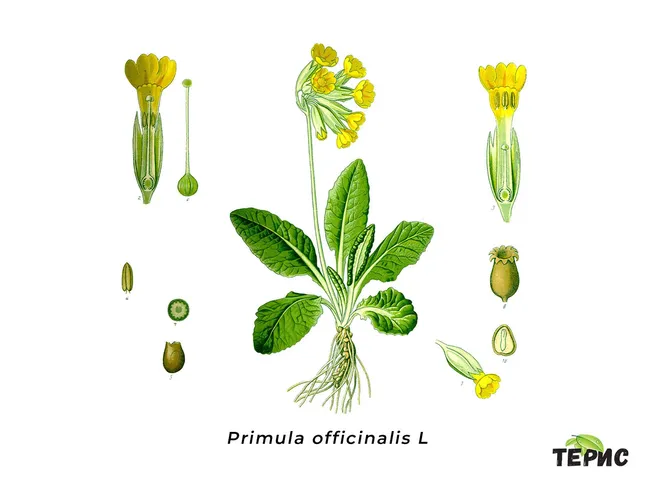
The cowslip is a perennial herbaceous plant, 15-30 cm tall, with a short, unbranched rhizome.
"Primulaceae" are mostly herbaceous plants, without woody stems, except that some form cushions (spreading mats a few centimetres high) and their stems are stiffened by lignin.
One or more stems rise from the middle of the rosette, each ending in a drooping umbel-like inflorescence that is wrapped at the base by several small green leaves.
The stems may grow upright or spread horizontally.
The leaves are simple and are attached directly to the stem by a stalk, but unlike the leaves of most flowering plants they have no stipules.
The stalk is short, and the leaves gradually narrow towards the base. They are usually arranged alternately, but some are opposite, and there is usually a rosette at the base of the stem.
The flowers are small (9-15 mm wide) and bright yellow. A single stem may bear 10-30 flowers.
Each flower is bisexual, with stamens and carpels. They have radial symmetry. The petals may be separate or partly or fully fused together to form a tube-shaped corolla that opens out into a bell shape, or a flat-faced flower.
The fruit is a many-seeded capsule that starts as an ovary, inside which the future seeds (ovules) are found. They are attached to a central axis without any partitions between them.
#Gathering and storing the sunny flower
The roots are used of two- or three-year-old plants, dug up in autumn.
The roots should be cleaned well in cold water with a brush, leaving them in the water for as short a time as possible.
All the smaller fibres are cut off. Large roots can be split lengthwise to make drying easier, but as a rule this is not necessary with the roots of this herb.
#Gathering
The roots and rhizome are gathered before flowering begins and after the seeds ripen, while the leaves are gathered during flowering.
The flowers are picked without the stalks at the beginning of flowering - March-April, and the leaves in April-May (the end of flowering).
The rhizomes are dug up early in spring (February-March) or in autumn, when the seeds ripen and the leaves start to turn yellow.
All parts of the herb are kept dry in airy, shady rooms. Once properly dried, they can be packed in bales or bags. It is important to note that if you dry the flowers correctly they turn orange-yellow; otherwise they turn green.
#Composition of the medicinal plant
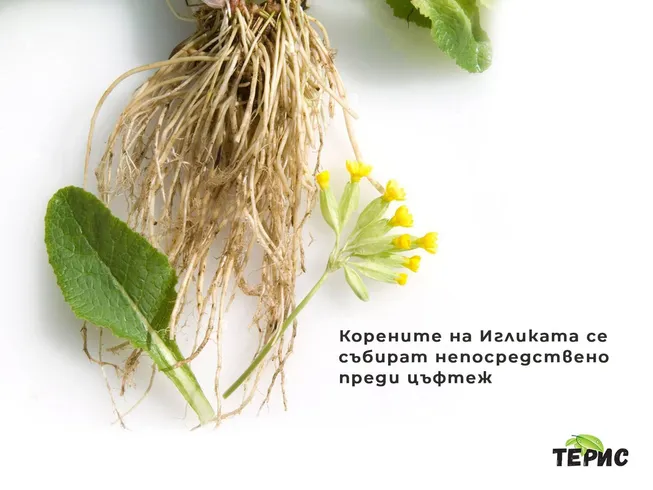
The root and flowers of the cowslip contain aromatic oil and primulin.
Cowslip flowers are rich in saponins, flavonoids, essential oil and vitamin C.
The leaves contain a large amount of vitamin C (up to 6%) and provitamin A.
The rhizomes contain up to 10% saponins, essential oils, vitamins and primulic acid.
The plant has antispasmodic, vermifuge, emetic and astringent actions.
The roots contain a triterpenoid and a phenolic glycoside. The flowers of the plant (primulas) also contain a triterpenoid.
#Properties and uses of the cowslip
#In the early days of medicine
In the past the cowslip was considered an important remedy for muscular rheumatism, paralysis and gout. Pliny already spoke of it almost as a panacea for all these complaints.
The whole plant is calming and today a tincture of the fresh flowering plant is used for extreme sensitivity, restlessness and insomnia. It also has somewhat expectorant qualities.
#In modern herbal medicine
Today the infusion or, above all, cowslip root tincture is generally taken as a good remedy for nervous headaches.
A teaspoon of the powdered dried root serves as a remedy against vomiting.
#Plant parts used medicinally
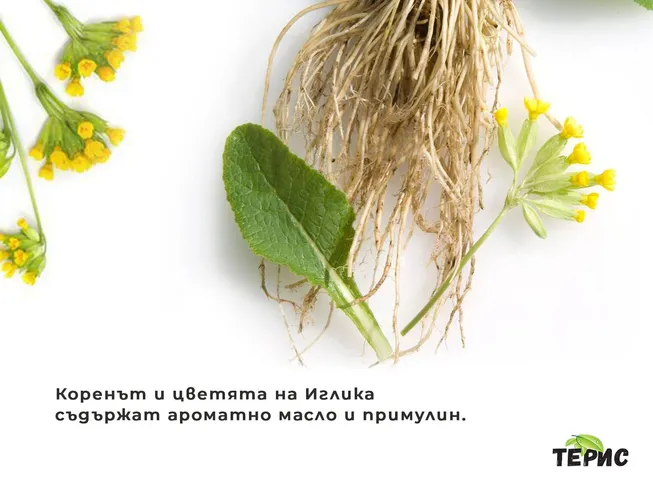
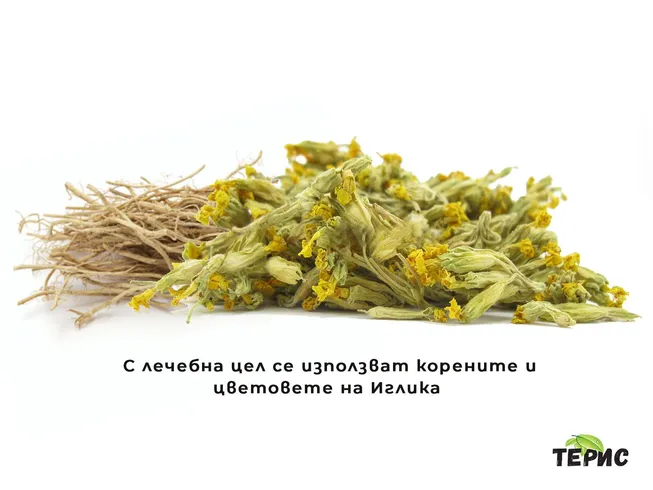
The usable parts of the cowslip are the flowers, leaves and rhizomes, without the stalks.
For medicinal purposes both the dried rhizome and the attached long roots, 1 mm thick, are used, together with the dried flowers and calyx.
#Medicinal action and uses of the cowslip
#Reduces upper respiratory tract infections
When the herb is taken at the first signs of a cold or flu-type viruses, it may reduce their severity and duration. This may be due to its content of vitamin C, which helps reduce upper respiratory tract infections.

#For headaches and migraines
The herb is traditionally used as a herbal remedy for headaches, especially when accompanied by a high temperature due to a cold or flu-type viruses.

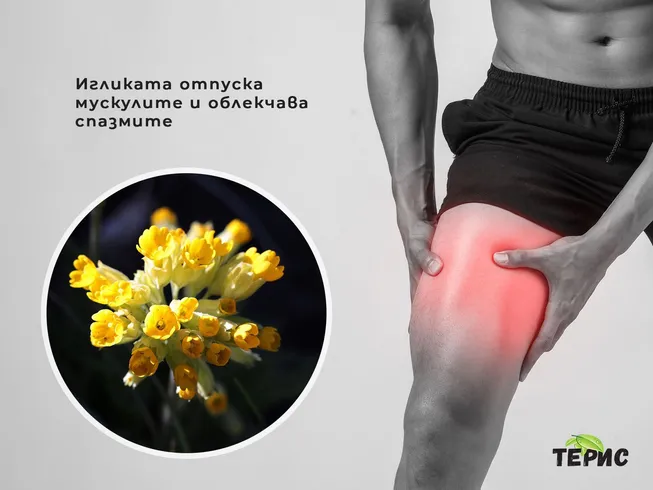
#Relaxes muscles and relieves spasms
The cowslip is a source of potassium and magnesium, which help relax the muscles. It also helps relieve spasms.
#For constipation and digestive problems
This herb is useful for dealing with constipation thanks to its high content of dietary fibre (pectin). This combination helps encourage regular bowel movements and soothe digestive problems such as abdominal pain or discomfort along with diarrhoea.

#For insomnia - calms the nerves and muscles
The cowslip has a calming effect on the nerves and muscles, easing insomnia. It also helps bring on sleep if taken before bedtime. It can also be used for hysteria.

#Externally - as an ointment for skin problems
An ointment made from the roots of the plant can effectively relieve skin problems such as psoriasis, eczema, dermatitis or other chronic dry skin conditions, by healing irritated tissue and restoring the elasticity of ageing skin cells.

#Regulates heart rhythm
The herb contains potassium, which helps regulate heart rhythm while easing high blood pressure, angina symptoms and nausea associated with heart disturbances such as palpitations.

#Eases asthma
The cowslip may help ease asthma symptoms when taken as a tea or tincture, thanks to its content of bioflavonoids and quercetin, which inhibit the inflammatory response, together with other plant components such as saponins, flavones and coumarins, which have anti-inflammatory properties.

#For self-esteem
The herb is said to play an important role in preventing mania and depression by strengthening self-esteem while supporting mental clarity – this may be due to the high content of vitamin B12 from the cyanocobalamin goitrogens found in its roots.

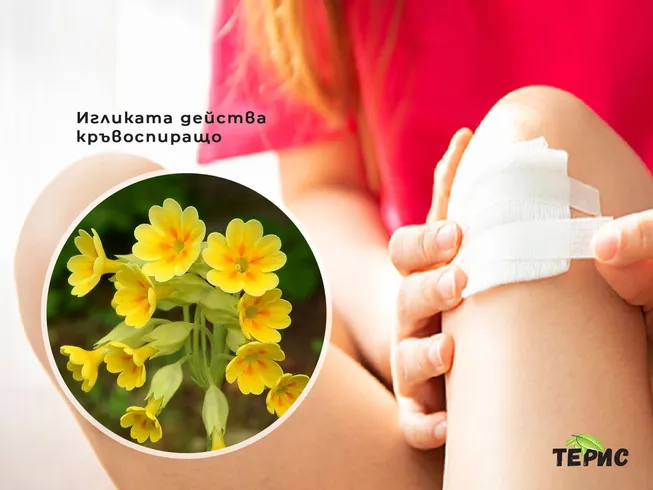
#Stops bleeding
It is traditionally used for haemorrhages or bleeding disorders, such as heavy bleeding during menstruation or after childbirth, nosebleeds and excessive blood loss from wounds.
#How and in what amount the cowslip can be taken
#As a tea
Drink 1 cup of warm tea made from the herb, which can be sweetened with honey.
Take every 2 to 3 hours as an expectorant. Recommended daily dose of the root: 0.5 to 1.5 grams of the drug; daily dose of the flower: 2 to 4 grams.
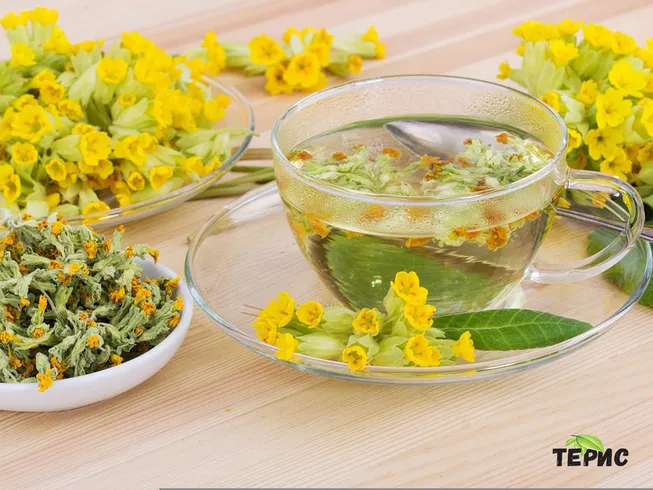
Preparing a tea infusion
Root of the plant: 0.2 to 0.5 grams, finely chopped, is mixed with 150 millilitres of cold water, the mixture is brought to the boil, taken off the heat and strained after 10 minutes.
Flowers of the plant: Pour 150 millilitres of boiling water over 1.3 grams (1 teaspoon) of the herb and strain after 10 to 15 minutes.
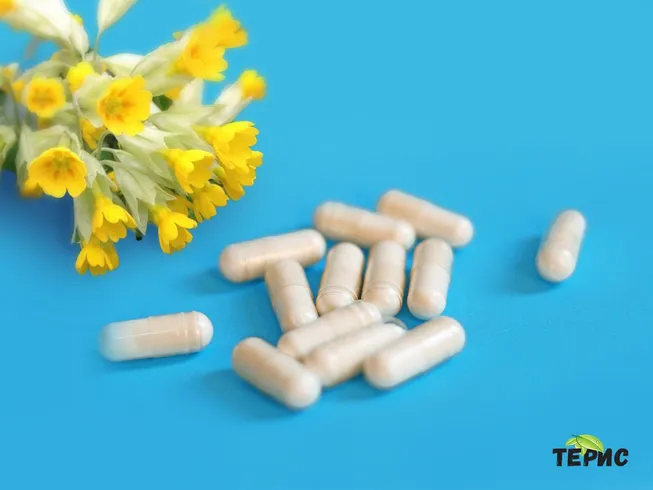
#As capsules
Cowslip can also be taken as capsules. It is always advisable to consult a health professional before taking the herb.
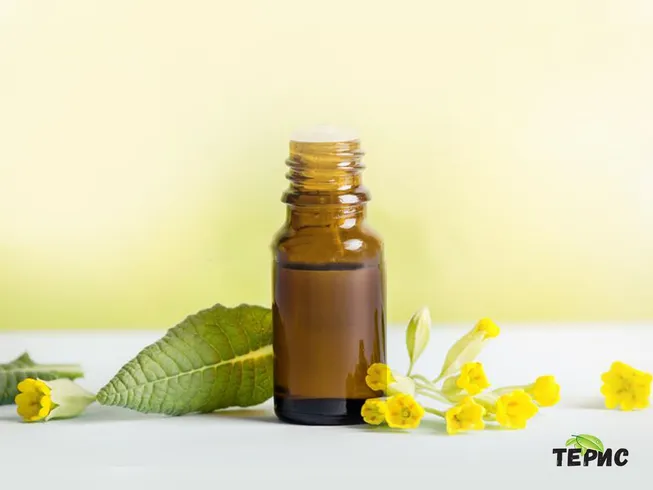
#As a herbal extract of cowslip
The herb acts fastest and most strongly in the form of a herbal tincture - a herbal cowslip extract, because this form contains the highest concentration of the herb's beneficial substances.
#Ointment from cowslip leaves
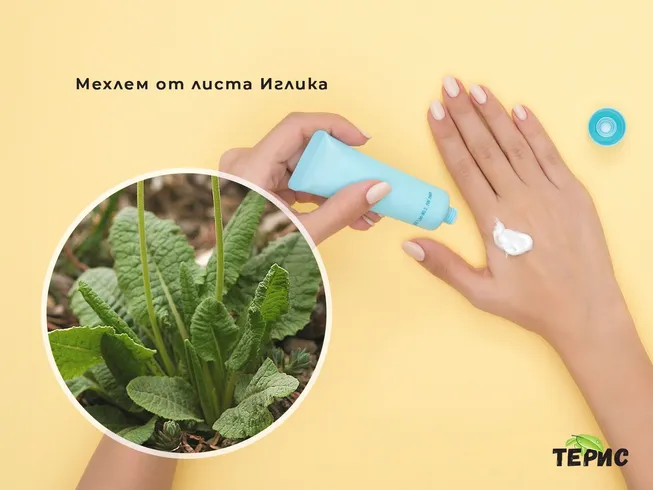
The leaves of the cowslip are also used to make a very fine wound-healing ointment. It is also said that the leaves are eaten by the common silkworm.
Its unique cleansing properties are said to remove impurities and open the pores of the skin, allowing a fresher and smoother appearance.
#Culinary use
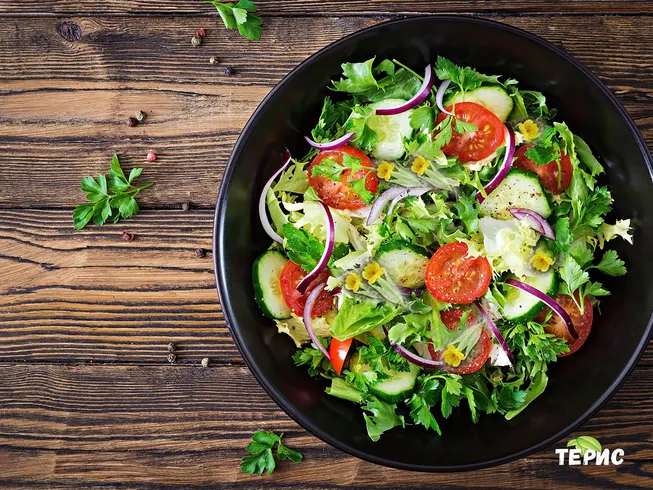
In old cookery the cowslip was the main ingredient in several dishes.
Super-vitamin salad:
Chopped leaves of the herb, sorrel, onion, grated apples, salt, soured cream or mayonnaise and green herbs.
Omelette:
Young Primula leaves, 4 eggs, a little fat, 60 g of cream. First the leaves are braised, then the eggs beaten with the cream are poured over them and baked.
#Cowslip herbal tincture
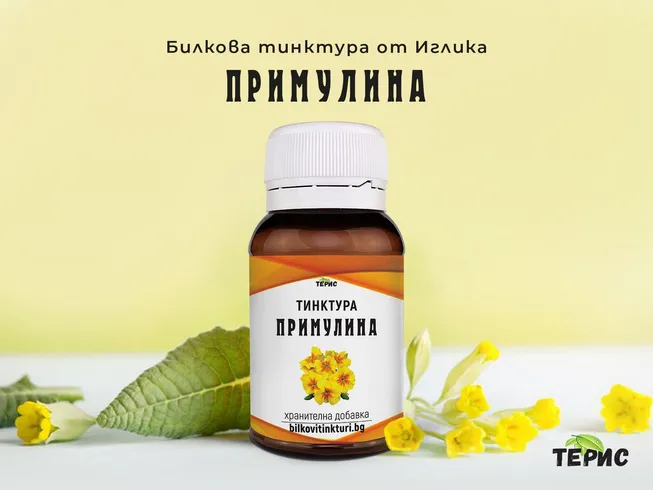
The cowslip - the honey-scented "firstborn daughter" of spring - is a true gift of nature, whose healing properties people discovered hundreds of years ago.
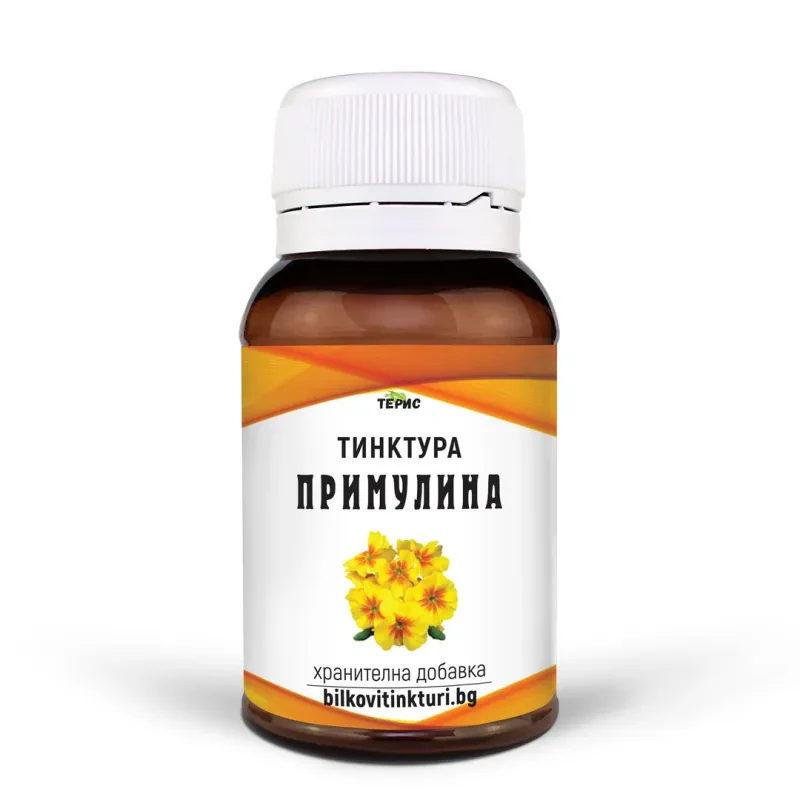
At bilkovitinkturi.bg we have concentrated its benefits in our herbal cowslip tincture - PRIMULINA
It is beneficial for:
- neuroses
- insomnia
- gout
- migraine
- hyperactivity
- acne and other skin problems
On the whole it also has exceptionally favourable effects on women's health as a whole.
Give yourself health from nature with pure herbal extracts.
#Advice for safe use
If a person suffers from asthma, the root and flowers of the plant should not be used; the same applies to children with obstructive laryngitis. Care is also needed in patients with gastritis and peptic ulcer.
There are currently no studies on the safety of cowslip root and flowers during pregnancy and breastfeeding. It is best not to take any herbs during this period unless prescribed by a specialist.
Using the herb for coughs in children under 4 years of age is not recommended, as this symptom should be treated by a trained medical professional.

#Possible side effects
In people with a sensitive stomach the plant may cause stomach discomfort and allergic reactions.
#Remedies with the cowslip herb
Flower infusion:
Pour a teacup of boiling water over 3 level tablespoons of dried flowers, strain after 15 min; this is the daily dose, sipped slowly, for vitality and health.
Root decoction:
Boil 2 level tablespoons of ground roots for 15-20 min in 2 teacups of water, strain and drink ½ cup 3 times a day, 20 min before meals, as an expectorant and diuretic.
For rheumatism and arthritis:
Pour 100 g of boiling water over one teaspoon of crushed dried leaves, cover and leave to steep for 25-30 min, then strain the infusion. This is the dose for 1 day and is drunk in several portions.
For insomnia:
50 g cowslip, 25 g lavender flowers, 10 g St John's wort, 15 g hop cones, 5 g valerian root.
Pour 250 ml of water over one heaped cup of this mixture and leave to steep for 3 minutes. Drink the tea very warm, in sips, immediately before going to bed. It can be sweetened with a little honey.
To ease migraine and headache:
Drinking cowslip tea is an excellent strengthening remedy for the nerves and heart. The tea also eases migraine and headache, and has a beneficial effect in dropsy and in a predisposition to stroke.
Passing stones
A decoction of the roots of the herb mixed with honey helps with passing bladder stones.
For respiratory infections:
A cowslip syrup is made to the following recipe – a handful of fresh roots is finely chopped and covered with honey diluted with a little water. The mixture is left to stand for 2 or 3 weeks, and one spoonful is taken every day.
IMPORTANT:
The herb has its most effective action on the body in the form of a herbal extract.
The recipe is simple: add 20/30 drops of the tincture to a glass of water and drink 2-3 times a day.
We should all know what herbal tinctures are and make use of their healing power.
#Did you know that...
19 April is "Primrose Day" in Great Britain. This date is the anniversary of the death of former British Prime Minister Benjamin Disraeli. The reason is that the primrose was his favourite flower.
It is believed that Queen Victoria regularly sent him this flower. To this day, every year these flowers from Westminster Abbey are placed on his statue.
It is also interesting that the primrose flower will be red, if you plant it upside down , according to an old superstition. However, this is hardly an effective way to grow any plant.
It is the county flower of Devon, Great Britain.
And in the language of flowers the primrose symbolises early youth, fears, a feeling of abandonment, inconstancy, innocence and the doubts of lovers.

Another curious fact is that the primrose family is remarkable for the number of hybrids it produces.
#The spring healer for everything
The cowslip is a hardy perennial flowering plant that has been used for centuries to treat skin conditions such as acne, eczema and psoriasis.
It has anti-inflammatory properties that may help with arthritis, headaches and other joint pain.
Traditional herbal medicine uses the roots of Primula veris to treat coughs, and its flowers as a remedy for headaches.
The honey-scented plant is also said to work wonders when it comes to heart problems.
Knowledge of the healing powers of this sunny herb has existed for a long time. As early as the Middle Ages the universal scholar Hildegard of Bingen recommended placing a warm compress containing the sun-yellow flowers over the heart to ward off melancholy or even delusions. Later, followers of Rudolf Steiner's anthroposophical teachings combined the warming primula with cotton thistle and hyoscyamus to correct abnormal heart rhythm.

The cowslip – the healing name of spring and its first symbol. A true herbal remedy for health that everyone should make use of!
This article is for educational purposes and does not replace advice from a doctor. Food supplements are not medicines and are not intended to treat diseases. If you have a chronic condition, are pregnant or breastfeeding, or take medication, consult a specialist before use.
Products from this article