Cat's Foot - A Small Undiscovered Universe
Table of Contents
#Every herb is a small undiscovered universe
Every herb is a small undiscovered universe that amazes the outside observer with its miraculous healing properties. Today we have chosen to tell you about the action of the herb cat's foot (wild basil), which is not very popular with most people and is hardly the first plant that comes to mind when you wonder what to make a tea from, yet it is full of healing properties.
Even so, we are willing to bet that you have all seen it while walking in nature and conquering various eco-trails with family, friends or a hiking group.

You can find out more about the benefits of using it and its characteristics as a plant in this text.
#Traditional methods of treatment
Approximately 80% of the world's population relies on traditional healing methods and herbs for primary health care and wellness. About 25% of all prescription medicines are derived from plant sources, and most of these were discovered because of their earlier use by traditional healers.
That is why plants from folk medicine are promising sources for the development of new effective medicines. Among such plants is cat's foot - "Clinopodium vulgare” (Lamiaceae), which is still widely used in Bulgarian traditional medicine today.
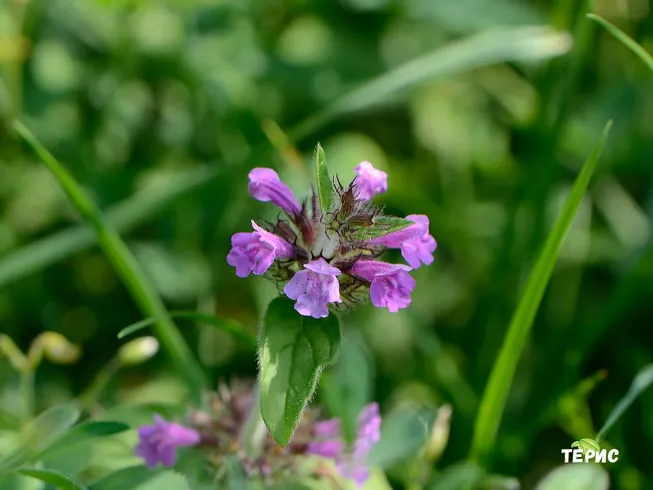
There are promising studies on Clinopodium vulgare suggesting that it is a herb with potential for treating conditions ranging from calluses and eczema to cancer.
#Cat's foot "Clinopodium vulgare"
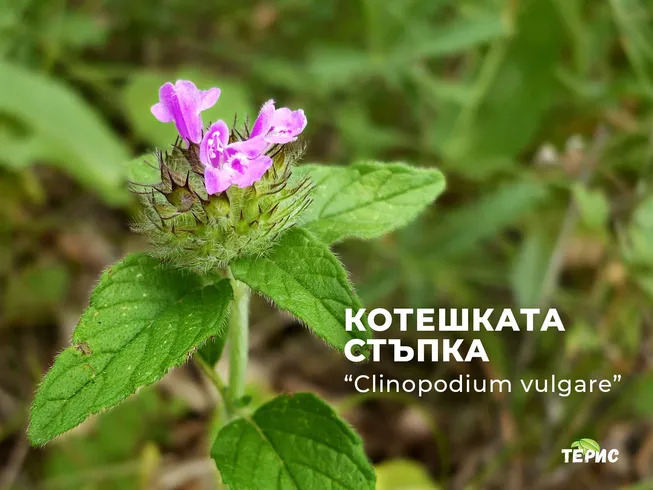
The Latin name of the plant Cat's foot is "Clinopodium vulgare" ; in folk tradition it is also called "Chernovrah" (black top), "Div bosilek" (wild basil), or "Haydushka bilka" (the outlaws' herb), and it belongs to the aromatic mint family.
It is called "Levski's herb", because when he was a priest he used it to treat people for various ailments.
#Distribution of cat's foot
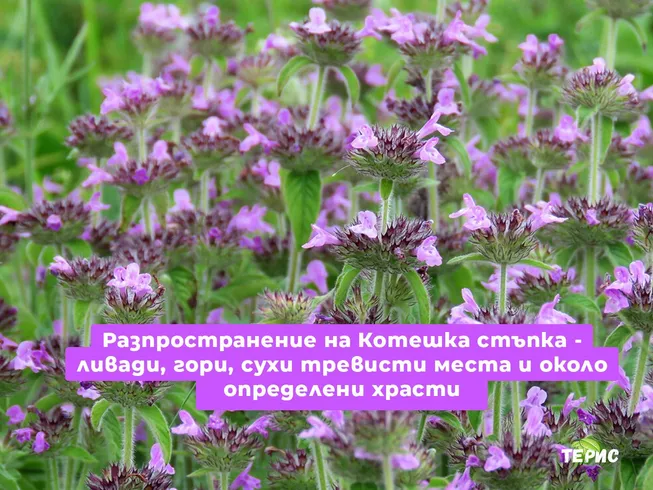
The species thrives in dry grassy places on banks and hedgerows and in open woodland, and is widespread in Europe, Western Asia and North Africa. It is also found in Canada and has been introduced to the United States. The plant grows in light woodland, scrub, shady meadows and limestone terrain; in all Carpathian territories.
Cat's foot is found everywhere, especially in the large Bulgarian mountains such as the Balkan Mountains (Stara Planina) and the Rhodopes.
Its traditional growing places are meadows, forests, dry grassy places and around certain shrubs. It usually flowers from July to August, depending on the climatic conditions and the particular geographical region in which it grows.
#Botanical characteristics of Clinopodium vulgare L.
Cat's foot is a herbaceous wildflower of the "Lamiaceae" family (mint).
Like its close relatives, it is a perennial plant with an oily green stem, tall from 15 to 40 cm.
It is easy to recognise by its distinctive square, downy stem.
The leaves are oval and slightly toothed, resembling box leaves, only larger. They are opposite and short-stalked, ovate to elliptical, with entire margins or shallow blunt teeth, and hairy on both sides.
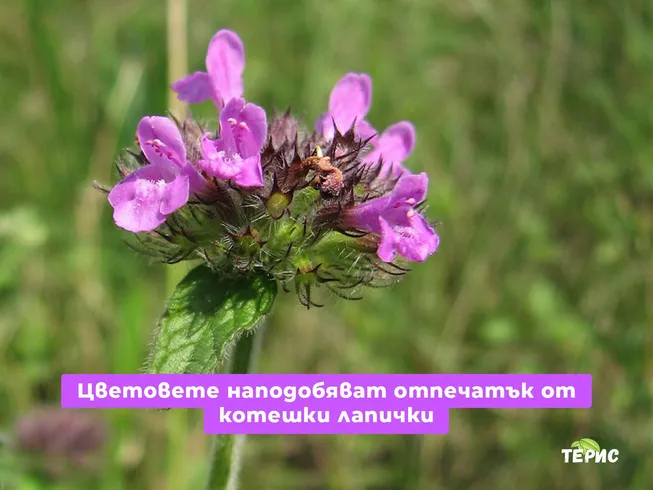
The flower head consists of little cells arranged in a circle that resemble the print of a cat's paw, which is where the herb gets its name.
The flowers vary in shade from deep purple to bright violet to delicate pink. Each has five petals forming a loose bell shape and five graceful stamens that add to the herb's unique and striking appearance.
The corolla is irregular, 10 to 20 mm (0.4 to 0.8") long, fused, with long tubes, and the upper part is hairy. The upper lip is flat, with notched tips; the lower lip is 3-lobed, the central lobe slightly larger than the lateral lobes, with notched tips – 2-lobed.
The flowers have four stamens, 2 long and 2 short.
It usually flowers from the end of June to the end of August, depending on the geographical location.
#Chemical composition of the outlaws' herb
The cytotoxic activity of a methanol extract of raw Clinopodium vulgare has been determined.
Two of the main components of the essential oil fraction of the herb, the oxygenated monoterpene thymol and the monoterpene hydrocarbon γ-terpinene, show significant antioxidant activity.
The compounds present in the aqueous extractinvolve pro-inflammatory cytokines.
A study demonstrated the broad-spectrum antibacterial activity of Clinopodium vulgare ethanol, ethyl acetate and acetone extracts against tested pathogenic bacteria.
The significant amount of phenols and flavonoids contributes to the overall biological activity of this plant.
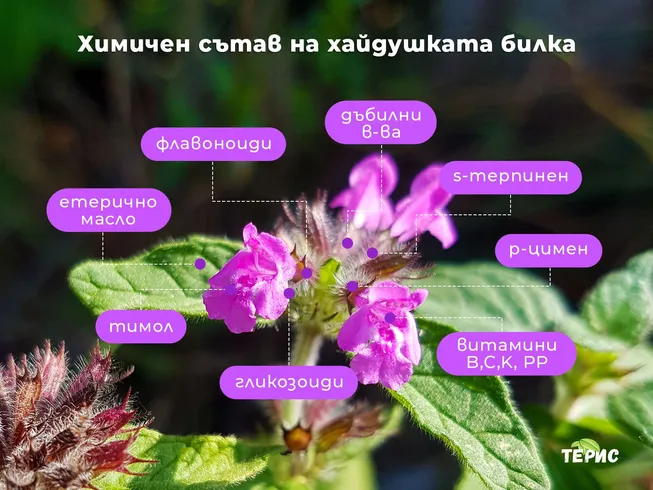
The chemical composition of the outlaws' herb includes around 40 compounds, among them essential oil (mainly germacrene-D, β-caryophyllene and β-caryophyllene oxide), thymol, γ-terpinene and p-cymene.
A study published in 1999 observed the antibacterial activity of the plant based on its phytochemical characteristics. Ethanol and propylene glycol extracts of Clinopodium vulgare L. show that the plant has a strong inhibitory action on bacteria. Its effects are seen on both gram-positive and gram-negative microorganisms. These results are the work of a Bulgarian scientific working group and are key to further research into the possibilities of using the antibacterial properties of the herb in pharmacy.
Species of the genus Clinopodium contain a number of triterpenes and triterpenoid saponins. Several saikosaponin homologues, called clinoposaponins, have been isolated from C. vulgare. Saikosaponins are known to have anti-hepatotoxic activity. Species of the genus have proved useful as a source of saikosaponins.
#Beneficial substances contained in cat's foot
The plant is rich in vitamin C, dicarboxylic acids and phenols, triterpenes, flavonoids, fluorine and many other substances that have not yet been identified.
It is known, however, to contain an ingredient that is an exceptionally effective emollient, which stimulates the regenerative properties of the human body, improves its resistance to external influences and has a favourable effect on the circulatory system.
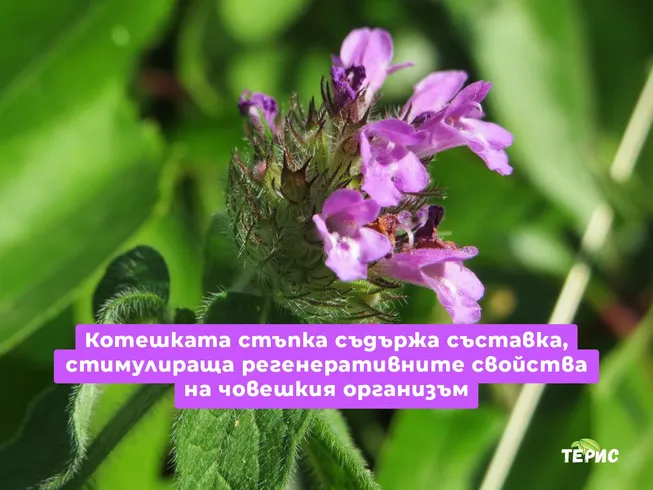
The extremely diverse and rich chemical composition of the herb is the basis for a number of its beneficial actions, some of which are:
- A calming effect
- Exceptional regenerative qualities
- Stimulating the optimal functioning of the cardiovascular system.
- Overall strengthening and improvement of immunity.
#How to store cat's foot herb
Once collected, cat's foot herb should be stored in a specific way that preserves as much of its beneficial substances, properties and effects as possible.
The stems are processed by cutting them into pieces about 20-25 centimetres long, tying them into bundles of between 20 and 50 and leaving them to dry in a sunny, dry and well-ventilated place. Once they are dry enough, the stems should be put away in a dark cupboard that is not exposed to direct sunlight and has a normal temperature. Before actual use, they should be cut into small pieces or ground in a mortar (or alternatively in a coffee grinder).

#Uses of the herb cat's foot
- In herbal medicine
Like many species of mint, "Clinopodium vulgare" has many healing qualities. The plant is aromatic, astringent, cardiotonic, carminative, diaphoretic and expectorant.
- In cooking
Besides herbal medicine, which we will look at in detail, cat's foot herb is also used in cooking, mainly as a seasoning or garnish.
Besides the herb itself, the leaves are also edible, and they are often used to flavour cooked foods or fresh to flavour salads.
- As a dye
In addition, a dye with a yellow or brown colour can be extracted from the plant.
It is made from the leaves; although the plant's flowers have a purple hue, the dyes it produces are usually brown or yellow.
- Classic herbal tea
Or the classic use - in the form of an aromatic herbal tea made from the fresh leaves.

#The herb - as a medicinal plant
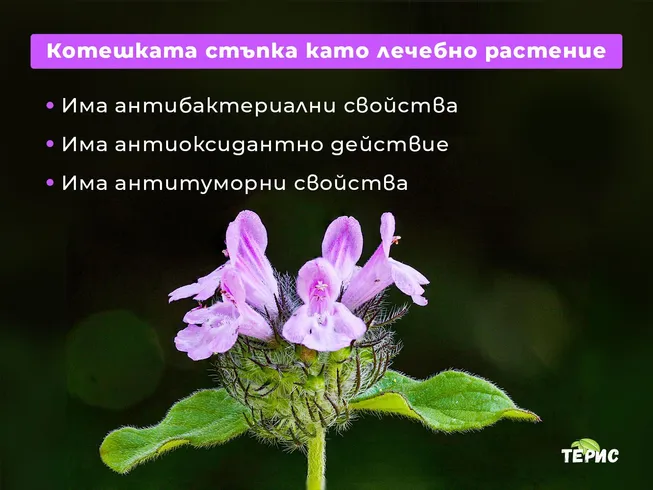
3 advantages of the small undiscovered universe - cat's foot - that we should keep in mind:
- 1. It has antibacterial properties
- 2. It has an antioxidant action
- 3. It has antitumour properties
The medicinal use of the plant is associated with supporting the following body systems:
- Digestive
- Integumentary system
Medicinal labels list it as an astringent and carminative agent.
Common use includes the herb in the form of an ointment for skin irritation, probably partly because of its anti-inflammatory action.
Most of the information on its traditional use comes from Bulgaria. It is unusual to see plant use so localised.
#Health benefits of cat's foot
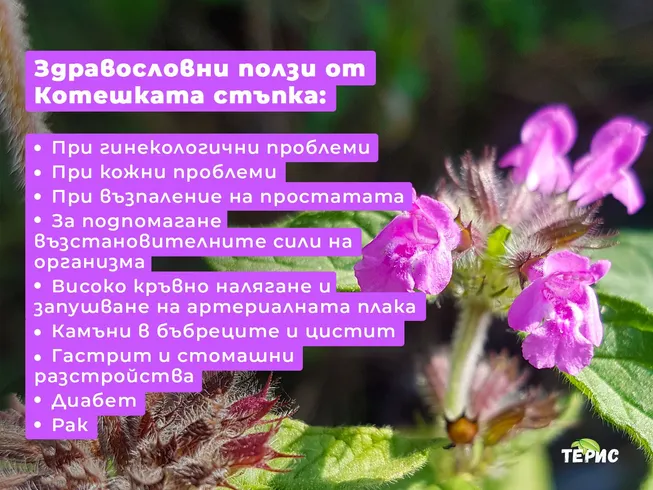
The medicinal plant is known for its beneficial uses:
- For gynaecological problems.
- For skin problems
- For inflammation of the prostate.
- For supporting the body's restorative powers.
The "catalogue" of diseases and conditions that are subject to treatment and positive influence by cat's foot is quite large and wide-ranging. Besides those listed above, some of the other areas it covers are:
- High blood pressure and clogging of arteries with plaque
- Kidney stones and cystitis
- Gastritis and stomach upsets
- Diabetes
Chinese medicine attaches even greater importance to the herb, describing it as useful also for sore throats resulting from coughing, red eyes, joint pain, swelling and even snake bites.
#Cat's foot for gynaecological problems
The plant can be used for women's conditionssuch as uterine fibroids, mastopathy of the mammary gland and other gynaecological conditions.
#Cat's foot for skin problems
The plant is beneficial for skin conditions and milder cosmetic imperfections such as moles, eczema, warts, dandruff and others.
In Bulgaria, Clinopodium vulgare L. is a well-known medicinal plant, used mainly for healing wounds and treating warts caused by viral infection.
Based on its ethnopharmacological use, a gel containing a 20% ethanol extract of the plant was developed by the pharmaceutical company for the treatment of skin conditionsassociated with inflammation and for preventing skin ageing.
#Cat's foot for inflammation of the prostate
The herb is widely used in Bulgarian traditional medicine to treat skin irritation and swelling and to relieve symptoms associated with mastitis and prostatitis.
For inflammation of the prostate:
You can use a decoction or a tincture of the herb (for a faster and greater effect).
For a decoction:
Take no more than 10 cat's foot flower heads and boil them in half a litre of water for about 5-10 minutes. Then strain the decoction and drink it during the day instead of water. In the evening, the urge to urinate will not wake you from sleep. To avoid getting up during the night, do not eat yoghurt before going to bed.
For a tincture: Dissolve 20-30 drops of cat's foot herbal extract in a glass of water and take 2 or 3 times a day. The duration and amount of intake depend on the recommendations of your treating specialist.
After preventive use of the herb, you will feel incredible relief.
Cat's foot is extremely beneficial for the prostate and reduced potency.
#"Clinopodium vulgare" for supporting the body's restorative powers
The herb has a very good calming action; in addition, it stimulates the body's defences and regenerative processes.
It helps with lowered immunity and general weakening of the body.
#Cat's foot has a haemostatic action
And yet the main and most popular use of cat's foot remains stopping bleeding, for which it has been known since ancient times.
The ingredients in the herb have a very good effect on the circulatory system.
#Other potential benefits of cat's foot
The herb is also useful for kidney stones, gastritis, warts and high blood pressure, because it cleans arterial plaque.
It may also have a positive effect in stomach ulcers, diabetes and cancer.
Yes, you read that correctly. One of the more unconventional and unexpected diseases that cat's foot herb is supposed to be able to treat is cancer.
It turns out that the aqueous extract of Clinopodium vulgare L. is active in vitro against human metastatic melanoma, epidermoid carcinoma of the human larynx and mouse lymphoma. A 2002 study claims that irreversible lysis of the cancer cells begins after 6 hours.
According to a Bulgarian scientific team, in future this disease, otherwise so difficult and specific to treat, will be fully curable, and the decisive factor will prove to be special ingredients contained in the plant that destroy cancer cells without affecting healthy ones.
The aqueous extract of Clinopodium vulgare L. shows strong antitumour activity when tested in vitro on cell lines.
The saturated hydrocarbon hentriacontane, extracted with chloroform, has been shown to have antitumour properties.
#Possible side effects of cat's foot
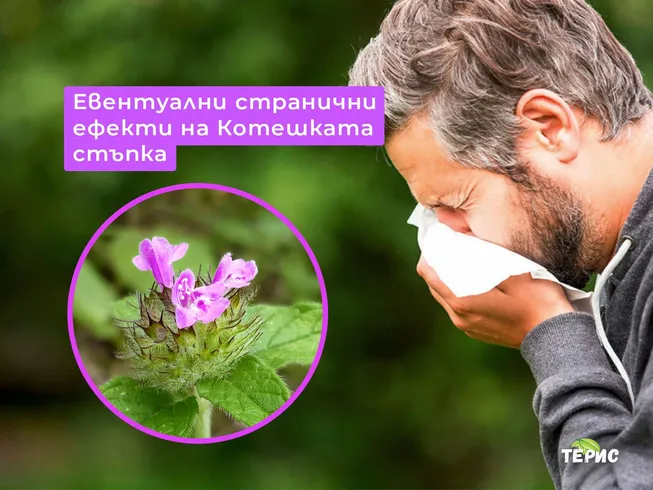
The cases in which the herb is not recommended as a remedy are people with multiple allergies, because of the wide range of essential oils it contains, as well as pregnant or breastfeeding women. It is also contraindicated for children under 8 years of age.
If you are in doubt about how and how often to take cat's foot herb, be sure to consult a doctor or a specialist herbalist, who can give you the necessary recommendations for safe and healthy intake.
#Classic ways of preparing and taking cat's foot
#Cat's foot tea
The study provides evidence for the traditional use of plant infusions or tea as an anti-inflammatory medicine.
For an infusion or tea - pour 400 ml of hot water over 1 tablespoon of the herb and leave it to stand for 30 minutes under a lid. Drink three times a day before meals, and do not exceed the dose.

#Cat's foot decoction
To prepare a decoction you need 1 tablespoon of cat's foot herb, which is placed in 500 ml of water and left to stand for 2 hours.
It is recommended to take 150 ml 3 times a day, 15 minutes before meals.
#Cat's foot tincture
20 - 30 drops of herbal extract - a tincture of the herb's stems - are dissolved in a glass of water.
The dosage is 2-3 times a day, according to the recommended intake. Tinctures are the most concentrated form of taking herbs and act most quickly on the body.

#Herbal tincture of cat's foot
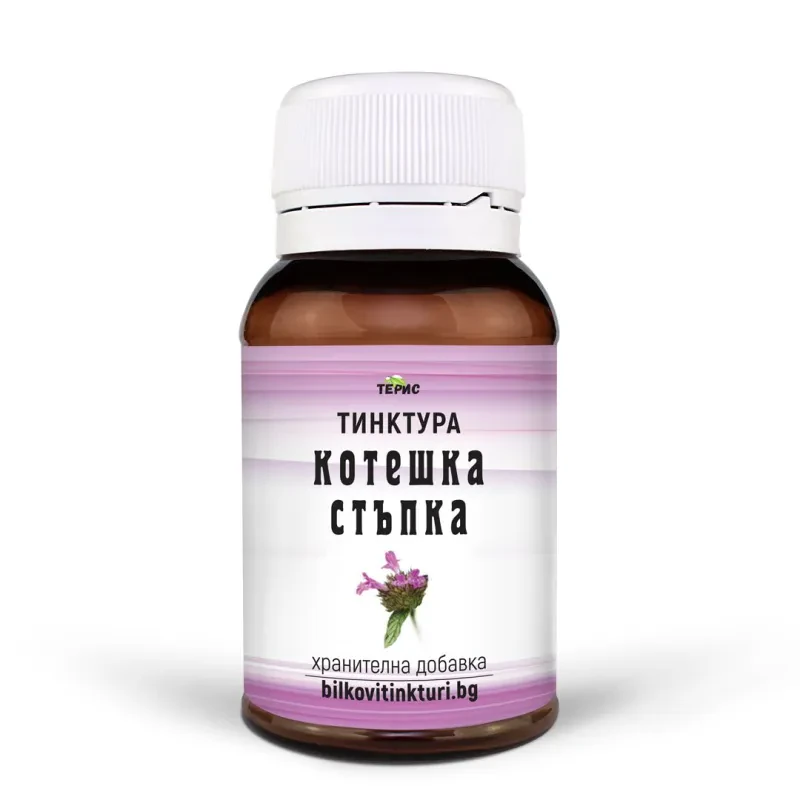
At Bilkovi Tinkturi Bg we have gathered the healing action of this promising, amazing plant in one bottle - Herbal tincture KOTESHKA STAPKA.
It is beneficial
- For inflammation of the prostate.
- Gynaecological and skin problems.
- It supports the body's restorative powers.
The herb has a very good calming action; in addition, it stimulates the body's defences and regenerative processes. The ingredients in cat's foot have a very good effect on the circulatory system. The plant can be used for women's conditions such as uterine fibroids, mastopathy of the mammary gland and other gynaecological conditions. Clinopodium vulgare is useful for kidney stones, gastritis, warts and high blood pressure, because it cleans arterial plaque, as well as for diabetes and skin conditions.
Take advantage of the healing action of the tincture of cat's foot stems from Bilkovi Tinkturi Bg.

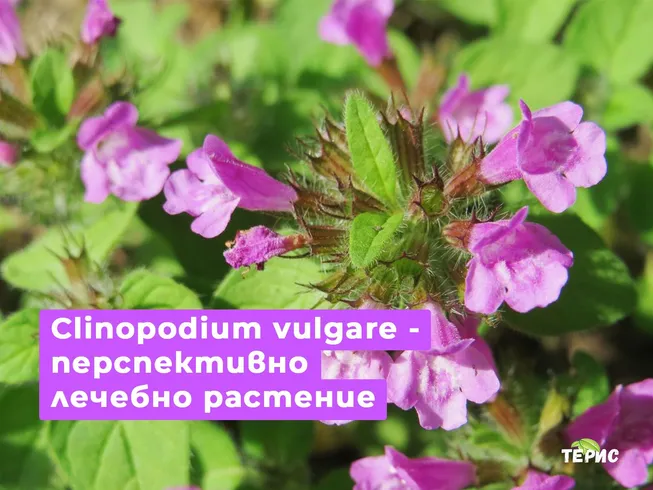
#Clinopodium vulgare - a promising medicinal plant
Given the sufficient resource base for the plant and the data presented on its powerful cytotoxic, anti-inflammatory and antioxidant effects, it can be concluded that Clinopodium vulgare deserves considerable attention for the development of new, promising phytopharmaceuticals that include this valuable medicinal plant
Cat's foot - this small undiscovered universe of beneficial properties - contains a substance with a calming action, strongly stimulates the regenerative processes of the human and animal body, has a favourable effect on the circulatory system and strengthens the body's defences.
Because nature has already worked it out... we just need to know how to use it...!
This article is for educational purposes and does not replace advice from a doctor. Food supplements are not medicines and are not intended to treat diseases. If you have a chronic condition, are pregnant or breastfeeding, or take medication, consult a specialist before use.
Products from this article