Astragalus and Milkvetch: Traditional Use and Contraindications
Table of Contents
In recent years astragalus has become one of the most talked-about herbs in the world of natural products. But behind the popular name lies a whole genus of plants, and in Bulgaria one of its local members has been used for centuries – liquorice milkvetch, known here as klinaviche. In this article we look at what astragalus actually is, how the Chinese and Bulgarian varieties differ and how each of them is traditionally used during the cold months.
#What is astragalus?
Astragalus is a large genus of plants in the legume family (Fabaceae), comprising hundreds of species found across Europe, Asia and North America. Two of them are of most interest to us.
#Chinese astragalus
Astragalus membranaceus is one of the key plants in traditional Chinese medicine, where it is known as "huang qi". The root is used, and in the Chinese tradition it is considered tonifying and strengthening. Most of the information you will come across in international articles, and in the studies exploring interest in the plant, relates to this species. In popular literature Chinese astragalus is often called an "adaptogen", but there is no approved health claim using this term in the EU.
#Astragalus in Bulgaria: milkvetch
In Bulgaria, klinaviche most often means liquorice milkvetch (Astragalus glycyphyllos). It grows in woods and woodland clearings, in scrub and on stony ground in the foothills and mountains. Unlike the Chinese species, Bulgarian folk tradition mainly uses the aerial part – the herb. Herbal tincture Astragalus is made precisely from the aerial parts of liquorice milkvetch.
This is an important distinction: the two plants are relatives, but they are not the same. When you read about astragalus, always check which species and which part of the plant is being discussed. You will find more about the Bulgarian plant in the article Milkvetch – a complete herbal complex for the body.
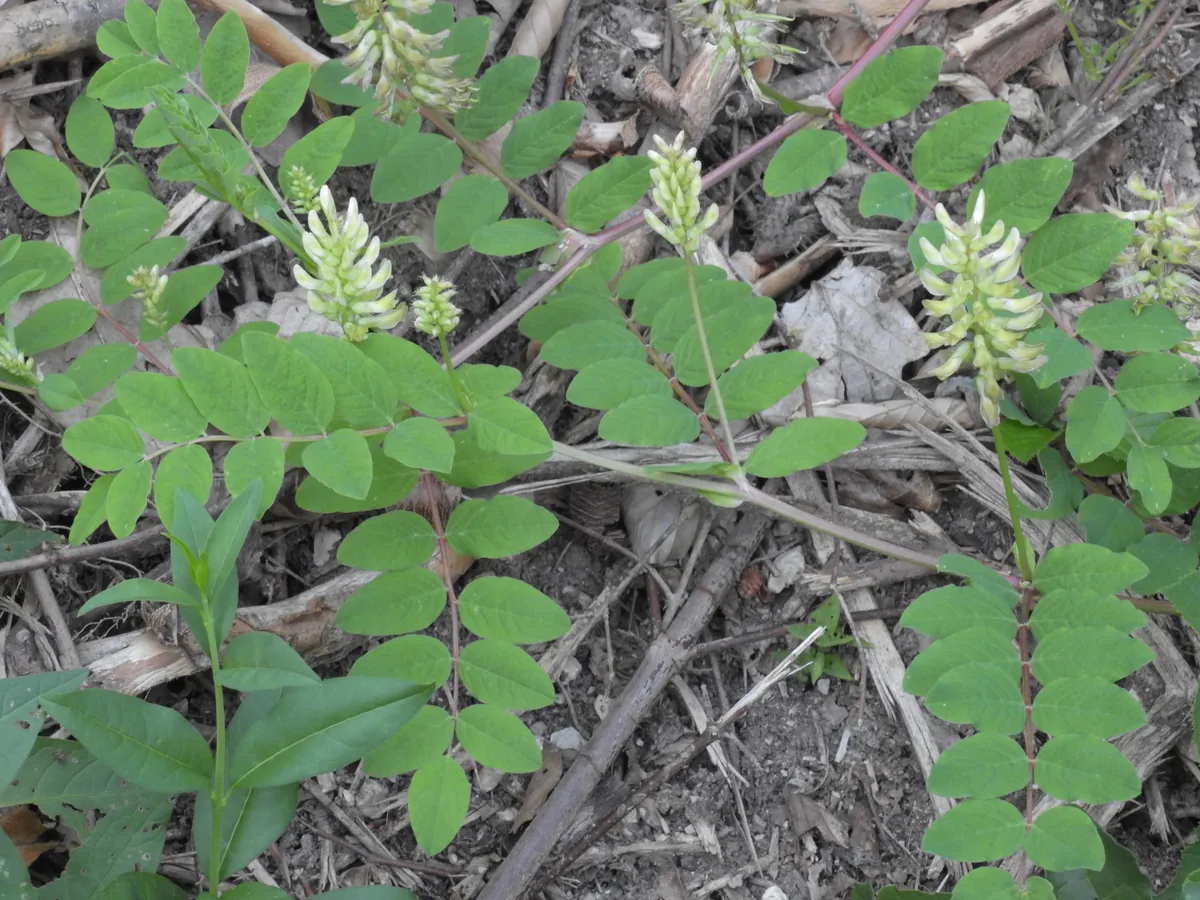 Photo: Robert Flogaus-Faust, CC BY 4.0, via Wikimedia Commons
#How milkvetch is traditionally used
In Bulgarian folk medicine milkvetch has a variety of uses. It is traditionally used:
- for general strengthening of the body;
- for general strengthening in periods of tiredness and strain;
- to support digestion;
- to support women's health and a normal menstrual cycle.
Its use in support of immunity comes mainly from the Chinese tradition and relates to the root of a different species.
The interest of modern researchers is focused mainly on the Chinese species and on substances such as polysaccharides, flavonoids and saponins, which occur in various species of astragalus. Research continues, but for now these results cannot be transferred directly to a particular product or plant.
#When to include milkvetch
Autumn and winter are the seasons when we most often think about the body's resilience. Milkvetch is traditionally included in an autumn and winter routine – as part of a broader approach rather than as a stand-alone solution.
#The foundation is your daily routine
No herb can make up for chronic lack of sleep, an unbalanced diet and constant stress. The immune system relies on:
- enough sleep – at least 7 hours for adults;
- a varied diet with plenty of vegetables, fruit, pulses and wholegrains;
- regular exercise, preferably outdoors;
- looking after your mental health and making time to rest.
For more ideas, read our article How to look after your immunity.
#Choose one product
Rather than combining several tinctures at once, choose one product and take it according to the instructions. That way it is easier to see how you tolerate it, and you will not burden your body with many ingredients at the same time. If you prefer a warming taste, herbal tincture Tonus contains ginger and turmeric – two spices traditionally used for tone and energy. Tonus contains turmeric: if you have gallstones or a disease of the bile ducts, do not take it without consulting a doctor. If, on the other hand, you are drawn to the Rhodope classic, herbal tincture Mursalski tea is traditionally used to support the respiratory system on cold days.
You will find more products in the Immunity category.
#Tea, capsules or tincture?
Astragalus is available in various forms. The Chinese species is most often found as sliced dried root for a decoction or as capsules with an extract. In Bulgaria, milkvetch is traditionally prepared as a tea from the aerial parts or as a tincture.
Each form has its advantages. Tea is the gentlest and most traditional option, but it takes time to prepare. Capsules are convenient, but their content depends on the plant species and the extraction method – so read the label carefully. A tincture is a concentrated water-alcohol extract that is easy to measure out and keeps for a long time. Whichever form you choose, check which species of astragalus and which part of the plant the product contains.
#How to take the tincture
The tincture is taken diluted in a glass of water, according to the product instructions. Do not exceed the recommended daily dose. Herbs usually work gradually – so it is a good idea to take them regularly for a set period and then take a break. If you are not sure how long to continue, ask a pharmacist or doctor.
#Contraindications and safety
- Pregnancy and breastfeeding – the tincture should not be taken during these periods.
- Tinctures contain alcohol – they are water-alcohol extracts (about 20% alcohol) and each dose contains a small amount of alcohol, so they are unsuitable for people who must avoid it.
- Autoimmune diseases – plants traditionally associated with supporting the immune system require particular care in autoimmune conditions (for example rheumatoid arthritis, lupus, multiple sclerosis). Consult your doctor.
- Medicines – if you take immunosuppressants, anticoagulants, or medicines for blood pressure or diabetes, ask your doctor before adding herbs.
- Children. Do not give tinctures to children without advice from a paediatrician; many products are not intended for people under 18.
#When to see a doctor
See a doctor if:
- you fall ill unusually often or infections last longer than usual;
- you feel constantly tired and it does not go away after rest;
- you are losing weight for no reason or have night sweats;
- you have a temperature that lasts more than a few days;
- you have a chronic condition and want to add herbal products to your treatment.
Frequent infections and prolonged tiredness can have various causes – from iron or vitamin D deficiency to thyroid problems. A doctor can order tests and find the real cause.
#In conclusion
Astragalus is an interesting example of how one herb can have different faces in different traditions. Chinese astragalus is the star of international articles, while our milkvetch has its own long history in Bulgarian folk medicine. If you decide to include it in your autumn and winter routine, do so as part of a healthy lifestyle, follow the instructions and consult a doctor whenever you are in doubt.
This article is for educational purposes and does not replace advice from a doctor. Food supplements are not medicines and are not intended to treat diseases. If you have a chronic condition, are pregnant or breastfeeding, or take medication, consult a specialist before use.