Herbs and Lifestyle to Support a Healthy Heart Rhythm
Table of Contents
Arrhythmia or an irregular heartbeat is a problem with the rate or rhythm of our heartbeat.
Our heart may beat too fast, too slowly or with an irregular rhythm. It is normal for our pulse to speed up during physical activity and to slow down while we rest or sleep.
#Has your heart ever skipped a beat?
If your heart is beating too fast, too slowly or with an irregular rhythm, you may have an arrhythmia.
Most of us have felt our heart pound or skip a beat
during exercise or strong emotion. This type of arrhythmia is usually no cause for concern. However, arrhythmias that occur often or that accompany other heart problems can be more serious and should be discussed with a health consultant.

#Cardiovascular diseases
Cardiovascular diseases (CVD) are considered a major global health challenge of the modern era. Despite advances in diagnostic and therapeutic methods over recent decades, they remain the most common cause of illness and death.
Deaths due to CVD are estimated to exceed 24 million worldwide by 2030. Cardiac arrhythmias are one of the leading causes of death from CVD and are responsible for at least half of sudden, sometimes temporary, stoppages of heart function.

#What is arrhythmia?
Arrhythmia is a disorder of the heart rate (pulse) or heart rhythm.
The heart may beat too fast (tachycardia), too slowly (bradycardia) or irregularly.
An arrhythmia may be harmless, a sign of other heart problems or an immediate danger to our health.

#Cardiac arrhythmias
Cardiac arrhythmias are disturbances in the electrical activity of the heart involving an irregular rate or rhythm, which can appear as tachycardia or bradycardia.
A normal heart rate is 65 to 100 beats per minute.
Arrhythmias can occur with normal heart activity or with slower activity, called bradycardia (fewer than 60 beats per minute), while excessively fast activity is called tachycardia.
#The main cardiac arrhythmias
Supraventricular arrhythmias:
- such as premature atrial contraction (PAC), atrial flutter (A-Fl), atrial fibrillation (irregular heart rhythm) (AF), paroxysmal atrial tachycardia (PAT) and so on.
Ventricular arrhythmias:
- such as premature ventricular contraction (PVC), ventricular tachycardia (VT), ventricular fibrillation (VF) and others.
Heart blocks:
- such as first-, second- and third-degree blocks, bundle branch blocks and others.
In general, the mechanisms that cause cardiac arrhythmias can be classified into two categories:
- Abnormal impulse generation
- Abnormal impulse conduction
- or a combination of the two
An important part of the treatment of cardiac arrhythmias are antiarrhythmic drugs. They work mainly by influencing membrane ion currents, changing the speed of electrical conduction or blocking triggered activity.
#What are the most common heart rhythm disorders?
Some of the more common heart rhythm disorders are:
- Atrial fibrillation / irregular heart rhythm - or flutter.
Atrial fibrillation (A-Fib) is the most common persistent cardiac arrhythmia and is located in the atria.
- Atrioventricular nodal re-entrant tachycardia (AVNRT)
- Heart block or atrioventricular block
- Multifocal atrial tachycardia
- Paroxysmal supraventricular tachycardia
- Sick sinus syndrome
- Ventricular fibrillation or ventricular tachycardia
- Wolff-Parkinson-White syndrome

#What causes arrhythmia? Causes
Normally, the heart works like a pumpthat delivers blood to the lungs and the rest of the body.
To help this happen, our heart has an electrical systemthat makes sure it contracts (squeezes) in an orderly way.
- The electrical impulse that signals our heart to contract begins in an area of the heart called the sinoatrial node (also called the sinus node or SA node). This is our heart's natural pacemaker.
- The signal leaves the sinoatrial node and travels through the heart along a set electrical pathway.
- Various nerve messages signal our heart to beat more slowly or faster.
Arrhythmias are caused by problems with the heart's electrical conduction system.
- Abnormal (extra) signals may appear.
- Electrical signals may be blocked or slowed down.
- Electrical signals travel along new or different pathways through the heart.
#Common causes of arrhythmia
Some common causes of abnormal arrhythmia are:
- Abnormal levels of potassium or other substances in the body – an electrolyte imbalance in the blood
- Changes in the heart muscle – a heart attack or heart muscle damaged by a previous heart attack
- Heart disease present at birth (congenital) – ischaemic heart disease
- Heart failure or an enlarged heart
- An overactive thyroid gland
They can be caused by various factors, including:
- Damage from a heart attack
- The healing process after heart surgery
Arrhythmias can also be caused by some substances or medicines, including:
- Alcohol, caffeine or stimulants
- Heart or blood pressure medicines
- Smoking cigarettes (nicotine)
- Medicines that mimic the activity of our nervous system
- Medicines used for depression or psychosis
Sometimes medicines used to treat one type of arrhythmia will cause another type of disturbed heart rhythm.

#Conditions associated with arrhythmia
- Alcoholism
- Myocardial infarction
#Symptoms of arrhythmia
When we have an arrhythmia, our heart rhythm may be:
- Too slow (bradycardia)
- Too fast (tachycardia)
- Irregular, uneven or skipped beats
An arrhythmia may be present all the time or it may come and go. We may or may not feel symptoms while the arrhythmia is present. Or we may notice symptoms only when we are more active.
With some types of arrhythmia we may have no symptoms, but if we do, they will depend on the type and severity of the arrhythmia.
Symptoms can be very mild or they can be severe or even life-threatening.
Common symptomsthat can occur with an arrhythmia include:
- Palpitations (a feeling of a fast or irregular heartbeat)
- Chest pain
- Fainting or collapse
- Dizziness, light-headedness
- Pallor
- Shortness of breath
- Sweating
- Fatigue
- Confusion
- Pulmonary oedema – fluid in the lungs

#Atrial fibrillation – A-Fib
The most common arrhythmia, atrial fibrillation (A-Fib) – an irregular heart rhythm, creates a disorganised electrical signal that disturbs the upper and lower chambers of the heart and prevents them from working together.
A-Fib can damage the heart's electrical system, leading to
an increased risk of stroke, heart attack or heart failure.
#Diagnosing A-Fib
Because A-Fib can be symptomless, it can often be
detected during a routine physical examination. We should not forget to mention any symptoms we may have and to discuss risk factors with our health consultant.
If A-Fib is found, treatment options include
medicines, medical procedures and lifestyle changes.
We should consult a health professional about the best options for us.
#How is arrhythmia diagnosed?
Our health consultant will listen to our heart with a stethoscope and take our pulse.
Our blood pressure may be low or normal.
The first test carried out will be an ECG.
Heart monitoring devices are often used to identify the rhythm problem, for example:
- A Holter monitor (a device we wear that records and stores our heart rhythm for 24 hours)
- An event monitor or loop recorder (worn for 2 weeks or longer, recording our heart rhythm when we feel an unusual one)
An echocardiogramis often ordered to examine the size or structure of our heart.
Coronary angiographyto see how blood flows through the arteries of the heart.
A special test called an electrophysiology study (EPS) is done to take a closer look at the heart's electrical system.

#Treatment of arrhythmia
When the arrhythmia is serious and we have a marked deviation from the norm, we may need emergency treatment to restore a normal rhythm.
This may include:
- Electric shock therapy (defibrillation or cardioversion)
- Implantation of a short-term cardiac pacemaker – an artificial stimulator of heart activity that sends weak electrical impulses.
- Medicinesgiven into a vein or by mouth
Sometimes better treatment of angina or heart failure will reduce our chance of having an arrhythmia.
Medicines called antiarrhythmic drugs:
- To prevent an arrhythmia from coming back.
- To keep our heart rhythm from being too fast or too slow.
Some of these medicines can have side effects. We should take them only when prescribed by a health professional!
We must NOT stop taking the medicine or change the dose without talking to them first!
Other treatments to prevent or treat arrhythmias include:
- Cardiac ablation, used to destroy areas in our heart that may be causing heart rhythm problems
- An implantable cardiac defibrillator, fitted in people at high risk of sudden cardiac death
- A permanent pacemaker, a device that senses when the heart is beating irregularly, too slowly or too fast. It sends a signal to our heart that makes it beat at the correct pace.

#Herbs and plants with an antiarrhythmic effect
This article aims to give information about plants or their compounds that have shown an antiarrhythmic effect, their efficacy, potency and potential interactions with conventional heart medicines.
Research results show that herbs or their derivatives may be effective in the treatment of arrhythmias.
It should be noted that the consumption of some herbal agents for cardiovascular (e.g. hawthorn and ginseng) or other (e.g. ginseng and liquorice) therapeutic purposes may increase the proarrhythmic effect of current cardiovascular medicines such as cardiac glycosides.
#Therapeutic approaches to managing cardiac arrhythmias
Plants continue to play a vital role in healthcare and are a rich source of medicines.
Estimates show that a large number of people in many developing countries rely heavily on traditional herbs and traditional healers to meet their primary health needs.
In developed countries too, despite the availability of modern medicines, the trend towards alternative therapies is on the rise.
In addition, many modern medicinesavailable in pharmacies, such as morphine, ephedrine, paclitaxel, digitoxin, aspirin, pilocarpine, reserpine and vinblastine, are derived from plants directly or indirectly.
Some herbal medicines such as quinidine have antiarrhythmic effects, while some, such as opium, can have arrhythmogenic effects.
These lines of the article highlight plants or herbal compounds showing antiarrhythmic properties and also point out some plants or herbal components with effects on arrhythmogenesis and their potential interactions with cardiovascular medicines.
The herbal tinctures from bilkovitinkturi.bg – we offer the best combination of effective herbal extracts for the treatment of abnormal heart rhythms (arrhythmia). Our herbal tinctures are made from the highest-quality, specially selected herbs!
All Bilkovi Tinkturi BG products are 100 per cent pure, natural and vegetarian. They are free from chemicals, additives and preservatives.

#Which herbs help with arrhythmia?
Let's read on to learn which herbs to use for a healthy heart!
#The herb lemon balm has an antiarrhythmic effect
"Melissa officinalis" – lemon balm is a perennial herbaceous plant of the Lamiaceae family. Melissa has both cardioprotectiveand suppressive effects on ventricular arrhythmiasinduced by ischaemia and reperfusion of the heart.

#Lemon balm herbal tincture for arrhythmia
Lemon balm also has a calming actionthat successfully normalises the heart rhythm if we have been through stress and strong emotions.
In arrhythmia, the leaves of the medicinal plant neutralise muscle spasms of the blood vessels and internal organs. This returns the cardiovascular system to normal levels of functioning. The herb helps relax the blood vessels and contributes to lowering arterial blood pressure.
Melissa is an excellent natural remedy for lowering blood pressure and coping with arrhythmia. If you need to normalise your heart rate, this medicinal herbal tincture can help you.
The lemon balm plant is an aid in:
- insomnia, stress, anxiety, mental strain, arrhythmia, hypertension, disorders of the cardiovascular and female reproductive systems.
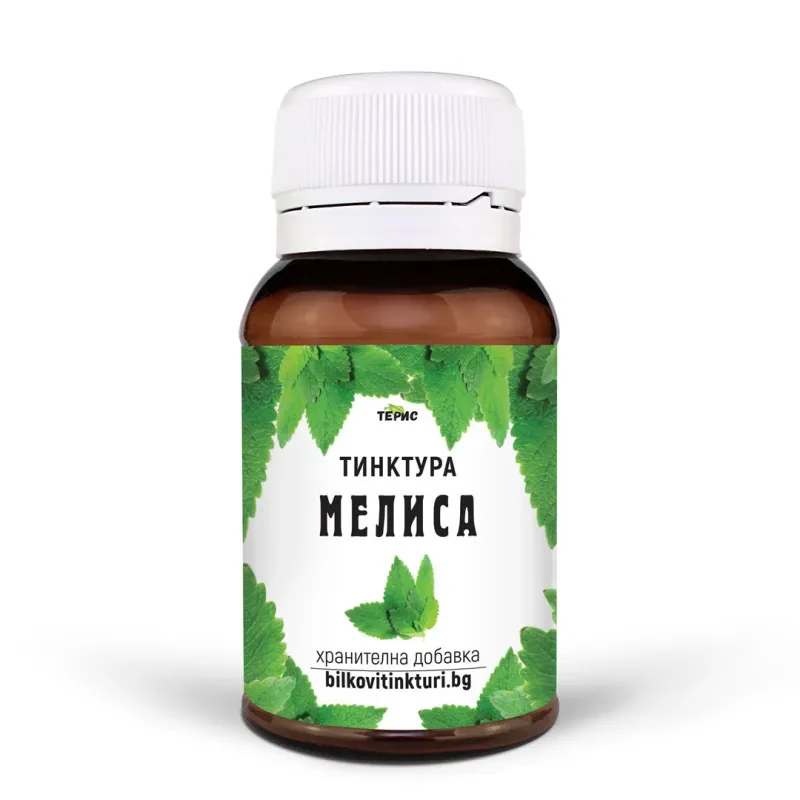
Get the herbal lemon balm tincture for normalising the heart rate from Bilkovi Tinkturi BG.

#Hawthorn for treating palpitations
Which plant helps regulate the heart rhythm?
Hawthorn – the tonic, of course.
No discussion of plants for patients with arrhythmias would be complete without mentioning the best heart tonic – Crataegus laevigata – hawthorn. This herb is so safe that there is no known overdose level.
Hawthorn – also known as the herb of "strength for the heart", is often used by people to treat palpitations. This herb was prominent in ancient Roman rituals and has been used since the Middle Ages to treat various conditions, including heart disease.
Today some people use it to treat congestive heart failure and it may help with arrhythmia.
Hawthorn is believed to improve coronary blood flow and heart muscle contractions, which is why it is widely used for:
- Cardiovascular disorders such as arrhythmia
- Myocardial infarction
- Heart failure and others

#Hawthorn herbal tincture for arrhythmia
Hawthorn has a very long history of use in the traditional treatment of cardiovascular problems. Its use over the years has established that it supports almost all normal cardiovascular functions, be it oxygenation or circulation and rhythm.
While hawthorn supplements can be great for treating arrhythmia, you can also choose blends that contain all parts of the plant – the leaves, flowers and berries – to improve all cardiovascular functions.
Hawthorn is known for its medicinal uses:
- It stabilises the heart rhythm and has an excellent effect in arrhythmias
- It increases blood flow to the heart and limits the risk of a heart attack
- It improves the contractility of the heart and its ability to pump blood
- It lowers peripheral vascular resistance (reduces the load on the heart)
- It supports the endurance of the heart during oxygen shortage under stress or in illness
The substance contained in hawthorn – proanthocyanidin – is responsible for the plant's medicinal properties on the cardiovascular system.
Proanthocyanidin helps strengthen heart activity by dilating the coronary vessels and increasing blood supply. The work of the coronary arteries improves and the heart muscle receives more oxygen. Hawthorn is also rich in antioxidants, vitamin C, carotene, tannins, flavonoids and other beneficial elements.
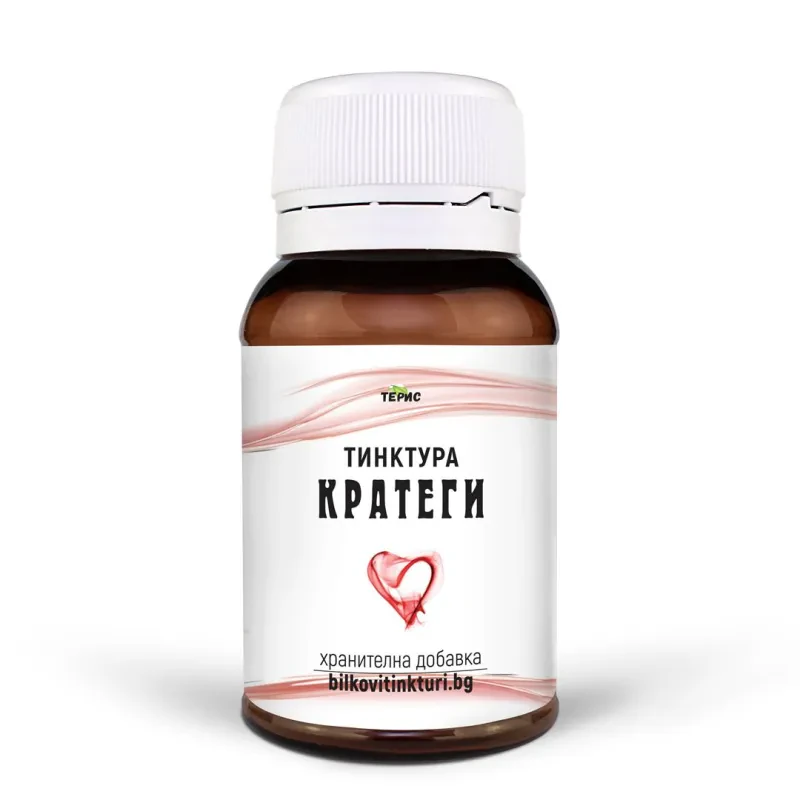
Take the herbal extract KRATEGI from hawthorn for arrhythmia and stabilising the heart rhythm.

#Ginger root for heart conditions
There is evidence that ginger extract may help with cardiovascular diseases.
Traditionally used in Chinese and Indonesian medicine, ginger root has been used for a very long time to treat various heart conditions.
Zingiber officinale – ginger – is a perennial herbaceous plant of the Zingiberaceae family. It is one of the ingredients of Zhigancao, a cardioprotective decoction with a long history in traditional Chinese medicine.
A study shows that oral pre-treatment with ginger for 15 days (100 mg/kg/day) has a cardioprotective effect against arrhythmia.
Intermittent fasting every other day enhances the antiarrhythmic effect of ginger.

#Ginger herbal tincture for arrhythmia
Daily consumption of the root may help reduce the risk of very serious conditions such as high blood pressure and even stroke. The use of ginger root has also been shown to prevent the risk of heart attack and to keep cholesterol levels under control.
The ginger herbal tincture for arrhythmia "DZHINDZHAR":
- Is beneficial for digestive problems.
- Helps reduce the risk of high blood pressure and even stroke.
- Helps with vomiting, morning sickness and diarrhoea.
- Has an anti-inflammatory action.
- Helps with arthritis, muscle spasms, rheumatism.
- Cleanses the body (especially the intestines and kidneys) of accumulated toxins.
- Stimulates blood circulation.
- Nourishes the skin.

#Motherwort (dyavolska usta) for heart complaints
"Leonurus cardiaca", known as motherwort, is a herbaceous perennial plant of the mint family, Lamiaceae. Other common names include dyavolska usta ("devil's mouth") and throw-wort, lion's ear and lion's tail.
Native to Asia and south-eastern Europe, motherwort or lion's tail holds a central place among herbal remedies for non-pathological arrhythmias.
This upright, prickly shrub with dark green leaves and hairy purple or pink flowers has been hailed as a remedy for functional heart complaintsdue to autonomic imbalance. While the herb may work partly simply by reducing the fast or irregular heart rhythm caused by stress or anxiety, it is also widely used to treat it.

#Garlic stabilises the heart rate
If we care about the health of our heart, we cannot go wrong with garlic, which so many of us find delicious.
Studies have found that garlic has a significant antiarrhythmic effect, stabilising an irregular heart rhythm.
In people with such a rhythm, which is associated with an increased risk of blood clots, stroke and heart failure, among other cardiovascular problems.
Garlic can regulate the heart rate!
A 2016 article reviewing 20 earlier studies showed that garlic significantly lowers blood pressure. Another study involving 2,300 people showed that it lowers total and LDL cholesterol by up to 10% in those who had high cholesterol levels at the start.
We can take it by adding it to soups, stews and casseroles, or by sautéing it in olive oil with vegetables such as spinach or cabbage. We can also take a garlic supplement.

#Saffron has a cardioprotective effect
Crocus sativus (saffron)
Saffron crocus (Crocus sativus) is a perennial stemless herbaceous plant of the iris family (Iridaceae). Its cardioprotective effect against isoproterenol-induced heart damage has been studied, along with the effect of saffron on arrhythmias caused by ischaemia-reperfusion.
In an experimental study, saffron showed a significant reduction in the incidence and duration of VF, the incidence of VT/VF, the duration of VT and VT/VF, as well as in the severity of lethal arrhythmias and mortality.
The antiarrhythmic effects of saffron at a dose of 100 mg/kg are comparable to amiodarone. In a study, oral administration of an aqueous saffron extract for one week significantly reduced cardiac conduction, especially at a dose of 200 mg/kg/day.

#Healthy eating for a healthier heart
Healthy eating is the first step towards a healthier heart. Eating plenty of vegetables, fruit, beans, whole grains, healthy fats such as olive oil and lean proteins such as fish and chicken cannot be beaten for preventing heart attacks and strokes.
But the way you prepare these foods also matters a great deal.
It has been shown that various herbs give an extra boost to the health of our heart!

Here is a good selection:
#Cinnamon for coping with an abnormal heart rhythm
This plant, widely used in our everyday life, maintains optimal blood pressure levels, reduces cholesterol levels and helps strengthen the heart muscles. It is therefore a very useful herb for coping with arrhythmias.
Cinnamon helps the heart in several ways. Studies have found that a small daily dose of cinnamon lowers levels of total cholesterol, "bad" LDL cholesterol and triglycerides, a harmful type of blood fat. It also lowers blood sugar, protecting against diabetes, which increases the risk of heart attacks and strokes.
We can use it easily by sprinkling it on porridge oats, adding it to smoothies or mixing it into a meat-free or turkey chilli, or simply on our morning coffee.

#Cardamom for maintaining good heart health
Elettaria cardamom helps maintain good heart health.
One study found that cardamom, an intense spice often found in Indian dishes, can lower blood pressure. Research also shows that it helps reduce the risk of blood clots forming.
We can find this herb ground or as pods on the spice shelves. We can add the ground seed to any Asian or Mexican dish or eat the whole pods as a light snack. First toast them in a pan over a medium heat until fragrant, then drizzle them with heart-healthy olive oil.

#Types of alternative treatments for arrhythmia
Arrhythmias and other heart conditions are linked to oxidative stress and inflammation.
#Acupuncture for an irregular heart rhythm
A review of several studies found that 87 to 100 per cent of participants showed normal heart rhythm function after acupuncture.
Another study suggests that acupuncture may help prevent abnormal heart rhythms after cardioversion for atrial fibrillation.
Acupuncture has been practised in other parts of the world for centuries and carries almost no risk. Research shows that targeting a point on the inner wrist may help with arrhythmia.
Acupuncture is safe when you go to a trained, certified practitioner. Some styles use pressure instead of needles.

#Yoga for improving the heart rate
The combination of gentle exercise, breathing and meditation does more than improve our happiness. One hour a day, three times a week, may be enough to lower blood pressure, heart rate and arrhythmia after 3 months. Yoga may even reduce the inflammation that can lead to A-Fib.

#Omega-3 fatty acids for preventing arrhythmias
A trusted source from the American Heart Association (AHA) shows that eating oily fish and other foods with omega-3 fatty acids may reduce the risk of heart disease and also help prevent arrhythmias. The AHA recommends eating two portions of oily fish a week, such as:
- Salmon
- Mackerel
- Herring
- Sardines
- Albacore (white) tuna
One portion is equal to about 100 grams of cooked fish
Oily fish:
Salmon, mackerel and some tuna contain both vitamin D and heart-healthy omega-3 fatty acids. Too little vitamin D has been linked to heart problems, and one study found a link between low levels and A-Fib not related to the heart valves.
A heart-friendly diet such as the Mediterranean diet – with foods low in cholesterol and in saturated and trans fats, such as fish, chicken and other lean proteins – may reduce our chance of A-Fib complications such as stroke.

#Vagal manoeuvres slow a very fast heart rhythm
These are simple actions that can quickly slow a heart rhythm of more than 100 beats per minute.
Doctors call this type supraventricular tachycardia. Vagal manoeuvres work by engaging our body's automatic reflexes.
Types you can try for A-Fib include:
• Close your nose and mouth and try to blow out to create pressure in your chest. This "Valsalva" technique can be very effective.
• A strong cough
• Gagging with a finger or a tongue depressor
• Squatting

#Vitamin C may also help with arrhythmia
Arrhythmias and other heart conditions are linked to oxidative stress and inflammation. Antioxidants such as vitamin C and vitamin E appear to be effective in reducing them.
We can use vitamin C to treat colds and flu, and it may also help with arrhythmia.
In heart surgery, an irregular heart rhythm (atrial fibrillation)is a problem for 25 to 40 per cent of people. In one study, vitamin C was shown to reduce the occurrence of postoperative atrial fibrillation by up to 85 per cent.
In another study, the arrhythmia returned in only 4.5 per cent of people who received vitamin C after cardioversion for persistent atrial fibrillation. It recurred in 36.3% of those who did not receive vitamin C.

#Magnesium and potassium for a regular heart rhythm
Magnesium and potassium help us keep our heart steady.
If our body does not have enough magnesium, this can cause arrhythmia, muscle weakness and irritability.
Too much magnesium can cause:
- bradycardia
- dizziness
- blurred vision
- difficulty breathing
Most diets are low in magnesium. Ageing and some medicines, such as diuretics or "water pills", can deplete magnesium and potassium. In addition, low potassium can cause arrhythmia and muscle weakness.
Magnesium and potassium, together with sodium and calcium, are examples of electrolytespresent in the blood. Electrolytes help trigger and regulate electrical impulses in the heart, and low levels of magnesium and potassium can lead to an electrolyte imbalance that may contribute to arrhythmia. Taking magnesium and potassium supplements may help reduce symptoms, but we should consult a health consultant so that they can monitor our blood levels.

#Gluten-free?
Researchers in Sweden found that some people who are intolerant to gluten have a higher risk of developing A-Fib. But the reverse is not necessarily true: when we have A-Fib, we are no more likely to have problems with gluten. Go ahead and enjoy wholemeal bread and pasta (in the right portion sizes, of course!). Fibre is good for our heart.
#Coenzyme Q10
In a study, people with A-Fib and heart failure who took this supplement had a quarter fewer episodes after 12 months.
But CoQ10 can make the blood thinner warfarin (Coumadin) less effective. Medicines called statins, which lower cholesterol, can also lower CoQ10 levels. So we should consult our health consultant before we start taking it.
#Other supplements recommended for arrhythmia
These other supplements are sometimes recommended for arrhythmia:
Calcium
Corydalis
Valerian
Skullcap (tyubeteyka)
Scutellaria (shlemnik)
#Supplements to avoid with arrhythmia
The following supplements can cause arrhythmia and are best avoided:
- kola nut
- guarana
- ephedra
- Creatine

#A healthy weight for a regular heart rhythm
Excess weight can affect arrhythmia in several ways. We should work on losing excess weight through exercise and a good diet.
We should not resort to over-the-counter weight-loss medicines. For example, the herb ma huang, an ingredient in some of them, contains ephedrine, which can cause arrhythmia.

#We should be careful when taking supplements for arrhythmia
We should talk to our health consultant before taking any supplements. Some of them are powerful and can cause adverse reactions with certain prescription or over-the-counter medicines we may be taking. Although the right amounts of these substances can be beneficial, the wrong amount can be harmful or even fatal.
Docosahexaenoic acid and eicosapentaenoic acid, which are present in fish oil, can cause bleeding if taken with warfarin (Coumadin). They should be stopped at least two weeks before any surgery.
We should not take magnesiumif we have kidney failure or myasthenia gravis (a chronic autoimmune neuromuscular disease that causes weakness in the skeletal muscles).
Potassium can cause:
- Rash
- Nausea
- Vomiting
- Diarrhoea
We should not take it if we have hyperkalaemia, or high potassium in the blood. Even if we are potassium deficient, we should consult a health professional before taking a potassium supplement.
Vitamin C can be toxic if we have:
- Haemochromatosis
- Thalassaemia
- Sideroblastic anaemia
- Sickle cell anaemia
- Glucose-6-phosphate dehydrogenase deficiency
In addition, we should not take vitamin C if we have kidney stones or kidney failure.
Vitamin E can cause bleeding if we take it with warfarin. It can also cause problems if we have:
- Vitamin K deficiency
- A history of liver failure
- A blood clotting disorder, such as haemophilia
- Peptic ulcer
- Haemorrhagic stroke
It is advisable to stop taking vitamin E one month before surgery.
In general, we should be careful and always consult a specialist before taking a food supplement!

#Outlook for arrhythmia
The outcome depends on several factors:
- The type of arrhythmiawe have. (Some heart rhythm disorders can be life-threatening if they are not treated immediately or do NOT respond well to treatment.)
- Whether we have coronary artery disease, heart failure or valvular heart disease.

#When should we contact a medical professional?
We should call our health consultant if:
- We develop any of the symptoms of a possible arrhythmia.
- We have been diagnosed with an arrhythmia and our symptoms get worse or do NOT improve with treatment.

#Preventing an irregular heart rhythm
Reducing the risk of developing an arrhythmia or slowing its progression.
Taking steps to prevent coronary artery disease can reduce our chance of developing an arrhythmia.
What we SHOULD do:
• Drink plenty of water
• Follow a heart-healthy diet
• Eliminate unnecessary stress
• Exercise regularly
• Maintain a healthy weight
• Visit our health consultant regularly
What we should NOT do:
• We should not smoke or expose ourselves to passive smoking
• We should not drink excessive amounts of alcohol, caffeine or sugary drinks
• We should not ignore our symptoms, which may signal heart problems

#We should take an interest in and learn about our condition
We should talk to our family about our concerns. We should learn more about our condition through websites, support groups and visits to our health consultant. A good support system and a sense of control over our illness will help us get rid of anxiety and depression.

#Making time for fun
We should plan enjoyable activities and then stick to that plan, even if we are not sure we want to.
A healthy lifestyle – eating well, exercising and getting enough sleep – will also help us improve our mood and control our stress. We will be less likely to trigger an arrhythmia.

#Herbs can support the heart naturally
One of the many wonders of the human body is that the upper chambers of the heart beat in perfect coordination with the lower chambers. But when these chambers quiver out of rhythm, this causes a medical condition known as arrhythmia.
An arrhythmia can be an unusually slow heart rhythm or an unusually fast one. In some cases it can be fatal.
Obvious symptoms of an irregular heart rhythm include breathlessness, palpitations and weakness. Other internal symptoms, such as blood clotting, can eventually lead to a stroke.
Cardiovascular complications are serious health conditions that can often be life-threatening. But the good news is that they are also largely preventable.
Fortunately, we do not always need to turn to medicines when some amazing herbal supplements can support the heart naturally.
At Bilkovi Tinkturi BG we have great blends and formulas that contain the best herbs for heart health. The top choices from our collection include herbal tincture MELISA, herbal tincture KRATEGI or Package "ZDRAVO SARTSE" (Healthy Heart) – a heart tonic of 8 tinctures. We also offer other quality herbal supplements to nourish not only your heart and strengthen its functions but your whole body.

This article is for educational purposes and does not replace advice from a doctor. Food supplements are not medicines and are not intended to treat diseases. If you have a chronic condition, are pregnant or breastfeeding, or take medication, consult a specialist before use.
Products from this article