Energy and Vitality Without Caffeine: Habits and Herbs
Table of Contents
Morning coffee is a ritual for many of us, but when it becomes three or four cups a day and the tiredness still does not go away, it is time to ask what is really going on. Caffeine does not give you energy – it temporarily masks the feeling of tiredness. Real vitality comes from enough sleep, good food, exercise and health that runs without a hitch. So before you reach for the next cup, check three things: which causes of tiredness it is wise to rule out, which habits bring your energy back and which herbs are traditionally used to support vitality.
#First: where tiredness comes from
Before looking for something to "perk you up", it is worth thinking about the cause. Tiredness is a signal, not a diagnosis.
#Causes a doctor can check
Some of the most common medical causes of prolonged tiredness can be identified with ordinary tests:
- iron deficiency or anaemia;
- an underactive or overactive thyroid;
- vitamin B12 or vitamin D deficiency;
- raised blood sugar;
- sleep apnoea – especially if you snore and wake up tired;
- depression and prolonged stress;
- side effects of certain medicines.
If tiredness lasts more than a few weeks with no clear cause, start with your GP and a blood test. That way you will not miss something that needs medical treatment.
#Causes in daily life
Much more often, tiredness comes from lifestyle: going to bed late, screens until midnight, skipped breakfast, too little water, a lot of sitting and constant tension. The good news is that these things are within our control.
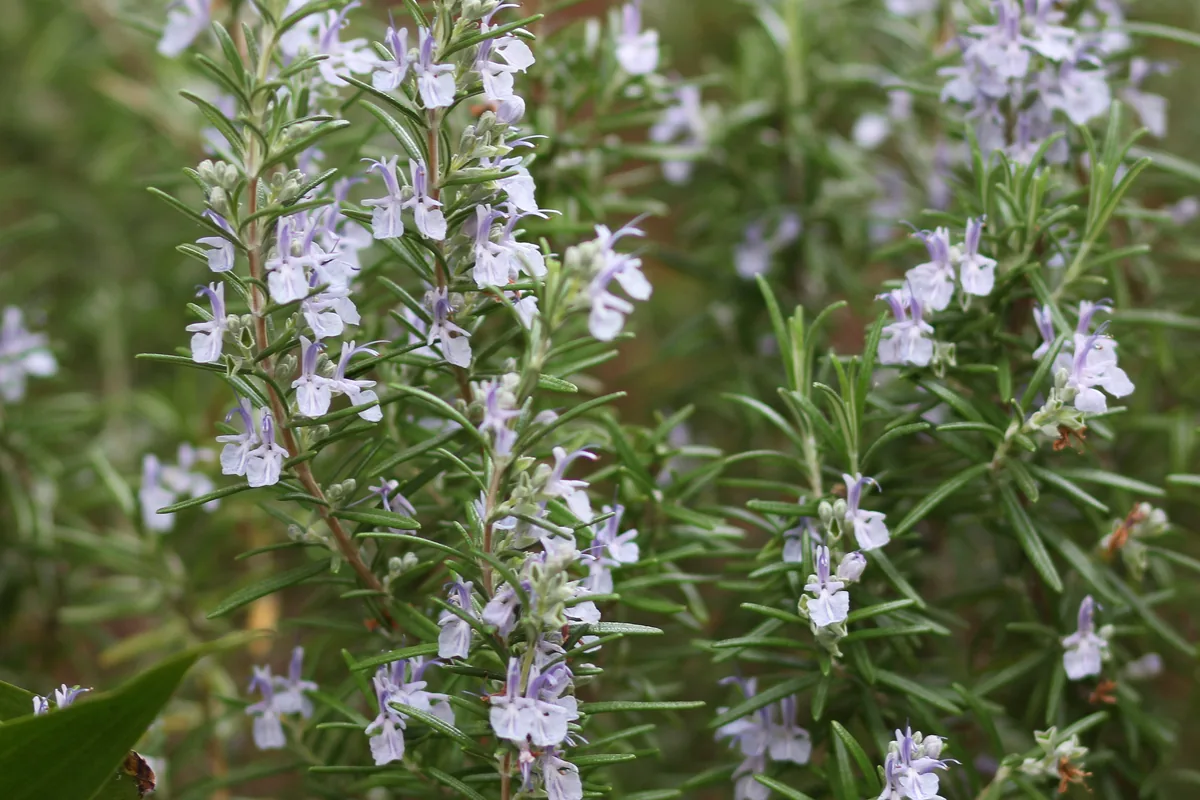 Photo: Maja Dumat, CC BY 2.0, via Wikimedia Commons
#Habits that bring your energy back
#Sleep comes first
Adults need 7 to 9 hours of sleep. Rhythm is no less important – going to bed and getting up at the same time. The bedroom should be dark, quiet and cool.
#Light in the morning
Go outside in the first hour after waking, even for 10 minutes. Daylight helps the internal clock understand that the day has begun.
#Water and food
Mild dehydration often feels like tiredness and weakness. Drink water steadily throughout the day. A breakfast with protein and fibre – eggs, yoghurt with nuts, porridge oats – keeps your energy steadier than a white bun and a sweet coffee.
#Exercise
It sounds paradoxical, but exercise gives you energy. A brisk 20–30-minute walk, the stairs instead of the lift or a short warm-up between tasks wakes the body up better than yet another dose of caffeine.
#Caffeine – in moderation
There is no need to give up coffee. Try drinking it after the first hour of being awake and no later than the early afternoon, so that it does not interfere with sleep. If you decide to cut down, do it gradually to avoid headaches.
#Herbs traditionally used for vitality
In folk medicine there is a whole group of plants called "tonic" herbs. They contain no caffeine and do not act as stimulants; they are traditionally used to support general vitality and liveliness.
#Tonus – ginger and turmeric
The tincture Tonus combines ginger root and turmeric – two spices that have featured for centuries in Asian traditions for vitality and warmth. The blend was created to support vitality, the immune system and digestion. Tonus contains turmeric: if you have gallstones or a disease of the bile ducts, do not take it without consulting a doctor. You can read more about turmeric in the article Turmeric – the most researched spice on the planet.
In high doses ginger can affect blood clotting, so people taking blood-thinning medicines should consult a doctor first.
#Rosemary
Rozmarin (rosemary) is known for more than just cooking. It is traditionally used for a feeling of alertness. Caution: rosemary can raise blood pressure, so it is not suitable if you have hypertension.
#Mursalski tea
The Rhodope Mursalski tea is one of the best-loved Bulgarian herbs. It is traditionally used as a general tonic plant, especially during the cold months. You will find its story in Mursalski tea – the treasure of Bulgaria.
All products are taken according to the product instructions. You will find more tonic herbs in the Tonics category.
#A sample day with more energy
- 7:00 – get up, a glass of water, 10 minutes of daylight.
- 7:30 – the herbal tincture according to the product instructions, 10–15 min before breakfast; then a breakfast with protein.
- 9:00 – coffee, if you feel like one.
- 12:30 – lunch and a short walk.
- 15:00 – water and a piece of fruit instead of a second coffee and something sweet.
- 22:30 – screens off, room darkened.
You do not have to do everything at once. Choose one or two changes and keep them up for at least two weeks.
#Frequently asked questions
#Do tonic herbs replace coffee?
Not in the literal sense. They contain no caffeine and do not give the "boost" that coffee does. They are traditionally used to support general vitality, not as a quick stimulant. Many people include them in their morning ritual while gradually cutting down on coffee.
#When is the best time to take them?
According to the product instructions. Most labels recommend taking them before meals, diluted in water. Tonic herbs are usually taken in the first half of the day, not in the evening.
#Do they help with tiredness after an illness?
After a viral infection the body often needs weeks to recover. Rest, food and a gradual return to exercise are the foundation. If the weakness does not go away, discuss it with a doctor.
#Safety
- Tinctures are water-alcohol extracts (about 20% alcohol) and each dose contains a small amount of alcohol. Bear this in mind if you drive or avoid alcohol.
- The products are not used during pregnancy and breastfeeding.
- Do not give tinctures to children without advice from a paediatrician; many products are not intended for people under 18.
- If you have high blood pressure, heart disease or gallstones, or take medicines – especially blood thinners – consult a doctor or pharmacist before use.
- Do not exceed the recommended daily dose.
#When to see a doctor
See a doctor if:
- the tiredness lasts more than 3–4 weeks despite rest;
- it comes with unexplained weight loss, a temperature or night sweats;
- you get out of breath with little effort or have palpitations;
- you are pale, your hair is falling out and your nails are breaking;
- you snore loudly and wake up tired;
- the tiredness comes with low mood, loss of interest and thoughts that worry you.
#Energy does not come in a cup
Energy cannot be bought in a cup. It is built from sleep, light, water, food and exercise – and sometimes from one timely check-up. Herbs can be pleasant support along the way, especially in difficult periods, but they work best when the foundation is solid.
Photo: formulatehealth, CC BY 2.0, via Wikimedia Commons (cover)
This article is for educational purposes and does not replace advice from a doctor. Food supplements are not medicines and are not intended to treat diseases. If you have a chronic condition, are pregnant or breastfeeding, or take medication, consult a specialist before use.