Colitis - Herbs and Eating Habits to Support the Gut
Table of Contents
#Colitis - a chronic digestive disease
Colitis is a chronic digestive disease characterised by swelling or inflammation of the inner lining of the large intestine (colon), where digested food is turned into stool.
The large intestine is the last stage of our food's journey through our digestive system. Inflammation of it can affect our bowel movements, causing pain, diarrhoea and sometimes blood in the stool. Inflammation is our body's response to infection or injury. It causes swelling and tenderness in the tissues.
Colitis occurs as a result of other diseases of the digestive system – gastritis, ulcers – or as a result of prolonged antibiotic treatment.
It can be acute or chronic (long-term) and temporary (from an infection).
"Colitides" are a group of diseases that affect the lining of the gastrointestinal tract, in particular the large and small intestines.
"Colitides" fall into the category of inflammatory bowel conditions, but should not be confused with irritable bowel syndrome.

#How does a person get colitis?
Why does colitis occur? In general, the inflammation arises as a result of other diseases of the digestive system – gastritis, ulcers – or as a result of prolonged antibiotic treatment. This is because antibiotics destroy the normal gut flora, which prevents nutrients from being fully broken down and absorbed, and this leads to irritation and inflammation.
The main causes of an inflamed colon include:
Infections caused by a virus or a parasite. Loss of blood supply to the colon, inflammatory bowel disease (IBD) and invasion of the colon wall by collagen or lymphocytic white blood cells. Food poisoning due to bacteria. Crohn's disease.

#Inflammatory bowel diseases
Inflammatory bowel diseases (IBD) are a group of conditions that cause chronic inflammation in the colon.
They include ulcerative colitis, microscopic colitis and Crohn's disease.
These conditions have no direct cause. Doctors believe they are a type of autoimmune disease, which means they cause your immune system to malfunction and attack its own tissues. Autoimmune diseases appear to be partly genetic and triggered by environmental factors.
Crohn's disease and ulcerative colitis are chronic idiopathic inflammatory bowel diseases (IBD) involving the colon, or the small and large intestines, in which patients need both induction and maintenance treatment.

#Types and possible causes of colitis
Different types of colitis have different causes:
By "colitis" people often mean ulcer-type colitis - ulcerative colitis.
#Ulcerative colitis
Ulcerative colitis is a type of colitis, an inflammatory disease of the digestive systemcharacterised by inflammation and bleeding, pus-filled ulcers of the lining of the colon. It is often accompanied by bloody diarrhoea.
It can be acute or chronic.
The inflammation does not pass through the entire wall of the intestine and therefore does not lead to fistulas. However, extensive inflammation may eventually require surgery to remove the affected area.

#Crohn's disease
Crohn's disease is a chronic inflammatory disease of unknown cause that can affect any part of the digestive tract. The inflammation can spread right through the intestinal wall, often leading to diarrhoea, strictures (narrowing), fistulas (abnormal openings), malabsorption and the need for surgical resection of parts of the digestive tract.

#Infectious colitis
Infectious colitis is caused by a viral, parasitic or bacterial infection. Common culprits are Salmonella and E. coli.
Most people get it from eating or drinking contaminated food or water. It is usually temporary, but some people may need antibiotics to treat certain infections.

#Microscopic colitis
Microscopic colitis is a medical condition that a doctor can only identify by examining a tissue sample from the colon under a microscope. The doctor will look for signs of inflammation, such as lymphocytes, which are a type of white blood cell.
Doctors sometimes classify microscopic colitis into two categories: lymphocytic and collagenous colitis.
Lymphocytic colitis is when the doctor identifies a significant number of lymphocytes. The tissues and lining of the colon, however, are not abnormally thickened.
Collagenous colitis occurs when the lining of the colon becomes thicker than usual because of a build-up of collagen under the outermost layer of tissue.
Doctors do not know exactly what causes microscopic colitis. They do know, however, that some people are at greater risk of the condition. People at higher risk include:
- Current smokers
- Women
- People with an autoimmune disease
- People over the age of 50
- People taking certain medicines (for example: non-steroidal anti-inflammatory drugs such as aspirin, etc.)
The most common symptoms of microscopic colitis are:
- Chronic watery diarrhoea
- Abdominal bloating
- Abdominal pain

#Pseudomembranous colitis
This type of colitis is caused by an overgrowth of a specific bacterium known as C. diff (Clostridium difficile).
This type of bacteria normally lives in the gut but does not cause problems because it is balanced by the presence of "good" bacteria.
Ironically, people often get pseudomembranous colitis after taking antibiotics. The C. diff bacterium usually already lives in our gut, but some antibiotics kill the healthy bacteria that help keep it under control, causing an overgrowth of C. diff. This is how the inflammation occurs.

#Allergic colitis
Allergic colitis affects breastfed babies. It is caused by a food intolerance, often to dairy products (lactose intolerance) or soya milk (soya allergy). The proteins that breastfeeding mothers consume reach the babies through breast milk.
This type of condition can usually appear in the first months after birth in infants. It can cause symptoms such as:
- Reflux
- Excessive spitting up
- Fussiness
- Possible flecks of blood in the baby's stool
Health professionals cannot say with certainty what causes allergic colitis, but one of the most popular theories is that infants with it have an allergic or hypersensitive reaction to certain components in breast milk. Studies from 2020 show that an allergy to proteins - through breast milk, cow's milk or formula - may contribute.
Health professionals often recommend an elimination diet for the mother, which involves slowly removing certain foods known to contribute to allergic colitis, such as cow's milk, eggs and wheat. If the baby stops having symptoms of allergic colitis, these foods were probably the cause of the problem.

#Ischaemic colitis
Ischaemic colitis is a side effect of intestinal ischaemic syndrome, which is when our intestines do not get enough blood supply (when blood flow to the colon is suddenly cut off or restricted). Ischaemia is usually caused by a blockage of the blood vessels, such as a blood clot, an aneurysm or atherosclerosis (a build-up of plaque).
Atherosclerosis, or the build-up of fatty deposits in the blood vessels that supply the colon, is usually the cause of recurring ischaemic colitis.
This type of colitis is often the result of underlying conditions.
- Vasculitis, an inflammatory disease of the blood vessels
- Diabetes
- Colon cancer
- Dehydration
- Blood loss
- Heart failure
- Blockage of blood vessels
- Trauma or injury

#Other causes of colitis
Additional causes include infection by parasites and viruses, and food poisoning from bacteria. We can also develop this condition if our colon has been treated with radiotherapy.
Radiation colitis
Radiation colitis is a side effect of radiotherapy, which is used to treat some types of cancer. It is usually temporary, but some people develop long-term symptoms.

Diversion colitis
Diversion colitis is a side effect that can occur in people who have had a colostomy. It happens in the part of the colon that is no longer in use. Doctors believe that diverting your stool away from this part of the bowel may deprive it of certain nutrients the tissues need to stay healthy. It causes symptoms in only a small number of people.

#Is colitis very serious?
There are different types of colitis with different causes. Some are short-lived and easy to treat, such as when you have a bacterial infection from food poisoning.
Other types - called inflammatory bowel diseases - are more chronic and difficult to treat. Colitis is more serious when it does not go away. Severe cases can cause serious damage to the colon over time. It also affects our quality of life.
Example: Although ulcerative colitis is not usually fatal, it is a serious disease. In some cases ulcerative colitis can cause life-threatening complications.

#What are the possible complications of colitis?
Complications usually result from severe, prolonged, chronic colitis. They may include:
#Perforation
Chronic inflammation weakens the walls of the colon, making them more likely to tear. An ulcer in the colon can wear a hole all the way through. This can allow bacteria from the colon to infect your abdominal cavity (peritonitis) and possibly your bloodstream (septicaemia), which would be particularly dangerous. Septicaemia can lead to sepsis.
#Toxic megacolon
Severe inflammation can cause the walls of the colon to dilate and interfere with the natural muscle contractions (peristalsis). This can trap food and gas in the colon (bowel obstruction). The obstruction leads to painful abdominal distension and an increased risk of rupture.
#Increased risk of colon cancer
Long-term inflammation is associated with cellular changes in the wall of the colon, which can sometimes progress to cancerous changes. The risk rises rapidly after the first decade of chronic colitis.
#Increased risk of other inflammatory diseases
People with inflammatory bowel disease are more likely to have other inflammatory diseases in other parts of their body. Some examples include osteoarthritis (inflammation of the joints) and primary sclerosing cholangitis (inflammation of the liver and bile ducts). It seems that uncontrolled inflammation in one area can trigger a similar process somewhere else.

#When should we see a health adviser about colitis?
Although anyone can have complaints such as diarrhoea and abdominal cramps from time to time, we should talk to a health adviser if we have diarrhoea that does not seem to be related to an infection, a fever or other known contaminated foods.
Other symptoms that indicate it is time to see a health adviser include:
- Joint pain
- Rashes with no known cause
- A small amount of blood in the stool (with slight red streaks)
- Stomach pain that keeps coming back
- Unexplained weight loss
We should seek immediate medical help if we see a significant amount of blood in our stool

#Diagnosis of colitis?
Our health adviser will ask us about our symptoms, when they started and what we ate and drank at that time; also what our current medicines are and any health conditions we have recently been treated for. They will examine us physically and then move on to medical tests. These will probably include blood tests, stool tests and imaging tests to examine the colon.
Blood tests involve drawing a small amount of blood through a needle and sending it to a laboratory for analysis. Stool tests involve taking a sample of our stool and sending it to the laboratory. Proteins in the blood and stool can show signs of inflammation and sometimes indicate a particular type of infection. Imaging tests can confirm the inflammation and give more detailed information about our condition.

In particular, endoscopic tests, which visualise the inside of the colon with a lighted scope, can be useful in diagnosing the type of colitis we have.
Endoscopic examinations, including colonoscopy and flexible sigmoidoscopy, allow health advisers to take tissue samples from the inside of the colon (biopsy). Health advisers can learn important information by examining tissue samples in the laboratory.

#How is colitis detected?
The most common tests for colitis areX-rays of the colon, stool tests for blood and pus - sigmoidoscopy and colonoscopy.
Colonoscopy involves inserting a camera on a flexible tube through the anus to view the rectum and colon.
Sigmoidoscopyis similar, but shows only the rectum and the lower part of the colon.
Additional tests are:
Stool samples.
Blood tests, including blood biochemistry.
A high erythrocyte sedimentation rate (ESR) - a measure of how long it takes red blood cells to settle in a blood sample - is typical of acute colitis.
Abdominal imaging such as an MRI or CT scan
Ultrasound, which can be useful depending on the area being scanned
Barium enema, an X-ray of the colon after barium has been injected, which helps make the images more visible.

#Who is at risk of colitis?
Different risk factors are associated with different types of colitis.
We are at greater risk of UC (ulcerative colitis) if:
- We are aged (most commonly) between 15 and 30 or between 60 and 80
- We have a family member with UC
With PC (pseudomembranous colitis) we are at greater risk if:
- We take antibiotics long-term
- We are in hospital
- We are having chemotherapy
- We take immunosuppressants
- We are older
- We have had PC before
We are at greater risk of IC (ischaemic colitis) if:
- We are over 50
- We have or are at risk of heart disease
- We have heart failure
- We have low blood pressure
- We have had abdominal surgery

#What are the warning signs of colitis?
Warning sign: Abdominal pain
Abdominal pain and diarrhoea with blood or pus may be warning signs of ulcerative colitis. Some people have mild symptoms from time to time, while others have more severe ones more often.

#Symptoms of colitis
Depending on the condition, we may have one or more of the following symptoms of colitis:
- Severe abdominal pain or cramps
- A swollen stomach
- Depression
- Rapid weight loss
- Joint pain
- Loss of appetite
- Weight loss
Changes in bowel habits (increased frequency)
Swelling of the colon tissue
Erythema (redness) of the surface of the colon
Ulcers of the colon (in ulcerative colitis), which may bleed
Mucus and/or blood in the stool and rectal bleeding
Diarrhoea, which may occur (although some forms of colitis involve constipation, so the stool and bowel movements may look normal.)
Acute cases can cause:
- Nausea and vomiting
- Fever
Chronic cases can cause:
- Fatigue
- Anaemia
- Dehydration
- Malabsorption and malnutrition
In general, symptoms may include wind, bloating, indigestion, heartburn, gastro-oesophageal reflux disease, cramps, urgent bowel movements and many other unpleasant pains in the gastrointestinal system.

#Does colitis go away?
Ulcerative colitis is a lifelong condition that can have mild to severe symptoms. For most people, symptoms come and go. Some people have only one episode and recover. Others develop a non-stop form that progresses quickly.
Treatment usually involves either drug therapy or surgery. The type of medicines we take will depend on the severity of our condition. Medicines that work well for some people may not work for others.
Acute colitiscaused by a temporary infection, a food intolerance or exposure to radiation usually goes away on its own. Infections take about a week, while radiation colitis takes several months. Some types of infection may need antibiotic treatment to clear up, especially parasitic infections. Allergic colitis goes away once the substance we were allergic to has cleared from our body.
Colitis that is an acute reaction to a chronic disease needs treatment to go away.
Ischaemic colitis resulting from intestinal ischaemic syndrome will not go away until blood flow to the colon is restored. Diversion colitis in people with a colostomy will not go away until the colostomy is reversed and full use of the colon is restored (anastomosis surgery). In some people these solutions are not possible.
Chronic colitiscaused by inflammatory bowel disease is a lifelong condition. It will not go away for ever, but it may go away for a while. This is called remission.
Treatment of IBD aims to improve our symptoms and keep remission going for as long as possible. This is also true if our colitis is caused by another disease that cannot be cured. In some cases surgery can make it go away.

#Treatment of colitis according to the cause
The approach to treatment depends on what is causing the colitis. Many cases require little more than symptomatic care, including clear fluids for bowel rest and medicines or food supplements for pain control. Patients who have become more seriously ill often need intravenous fluids and other intervention.
#Infection:
Infections that cause diarrhoea and colitis may potentially require antibiotics, depending on the cause. Viral infections require fluids and time. Some bacterial infections, such as Salmonella, do not need antibiotic therapy; the body is able to get rid of the infection on its own. Other bacterial infections, such as Clostridium difficile, require antibiotic treatment.
#Inflammatory bowel disease (IBD):
Medicines are often used to control IBD. Initially anti-inflammatory medicines may be used and, if necessary, medicines that suppress the immune system can be added. Surgery may be an option in severe cases, including removal of the large and small intestines.
#Ischaemic colitis:
Treatment of ischaemic colitis begins with intravenous fluids to rest the bowel and prevent dehydration. If sufficient blood supply is not restored, surgery may be needed to remove parts of the intestine that have lost it.
#Diarrhoea and abdominal pain:
Diarrhoea and abdominal pain are the main symptoms of colitis. Initial treatment at home may include a clear liquid diet for 24 hours, rest and a painkiller. If the symptoms go away quickly, no further care is needed.

#Prevention of colitis
The only definitive way to prevent a colitis flare-up is surgery.
But if we want to avoid it, there are ways to reduce the likelihood of it with the following tips:
- Keep a food diary to track which foods may cause symptoms to increase.
- Ask our health adviser whether we should change our fibre intake and how much to eat.
- Consult them on whether eating small portions more often will help us.
- Increase our activity levels if we can.
- Learn and practise ways of coping with stress, such as meditation, yoga and mindfulness exercises.
- Take our medicines as prescribed and tell the doctor if we are not doing so.
- Tell our health adviser about all our other medicines and supplements, including vitamins.
- Always consult them before changing our diet or adding new supplements.
- Help ourselves with nature's natural gifts - herbs

#What foods trigger colitis?
One or more of the following foods can trigger symptoms, including:
- Alcohol
- Caffeine
- Fizzy drinks
- Dairy products (in lactose intolerance)
- Fatty foods
- Spicy foods
- Foods high in sugar
As well as:
- Dried beans, peas, legumes, dried fruit or berries
- Fruit with pulp or seeds
- Foods containing sulphur or sulphate
- High-fibre foods (including wholegrain products)
- Hot sauces
- Meats
- Nuts and nut butters
- Popcorn
- Products containing sorbitol (sugar-free chewing gum and sweets)
- Raw vegetables
- Refined sugar
- Seeds

#What kind of diet is helpful for living with colitis?
- Eating tips for inflammatory bowel diseases
Inflammatory bowel disease (IBD) is a term used for two specific and separate diseases: Crohn's disease and ulcerative colitis. Dietary recommendations differ for each disease and for each individual patient. It is important to discuss the treatments that are right for us with a registered dietitian and with our health professional.
Our health adviser may suggest one or more of these diets, depending on the type of colitis we have and the condition we are in:
#Low-residue diet
A low-residue diet is easy on the digestion when our symptoms are acute or severe. It limits fibre and fat and emphasises soft, well-cooked foods. If we have a temporary infection or radiation colitis, our health adviser may recommend a low-residue diet./small residues from digestion/
#Anti-inflammatory diet
To keep chronic inflammation low, our health adviser may recommend that we avoid highly inflammatory foods, especially fast and processed foods high in sugar and fat. They may suggest more healthy, unsaturated fats to soothe inflammation, such as olive oil, avocado, nuts and oily fish. (The Mediterranean diet is naturally anti-inflammatory.)
#Elimination diet
If we have inflammatory bowel disease, our health adviser will probably recommend an elimination diet to isolate the foods that cause your symptoms to flare up. An elimination diet removes certain types of food and then adds them back systematically, so that we can observe how our gut reacts to them. After the temporary elimination diet, we can use what we have learned to create a personalised, long-term maintenance diet.

#How is colitis treated?
Treatment of colitis depends on the type and the cause. It aims to reduce symptoms and may vary depending on factors such as:
- Type of colitis
- Age
- Overall physical condition
Treatment may include:
#Bowel rest
Limiting what we take by mouth can be helpful, especially if you have IC. During this time, fluids and other nutrition may need to be given intravenously.
#Medicines
Our health adviser may prescribe various medicines to manage the symptoms of colitis - antibiotics to treat infections, corticosteroids to treat inflammation, immune modifiers to suppress our autoimmune response and aminosalicylates to treat IBD.
These medicines may include:
- Anti-inflammatory medicines such as 5-aminosalicylates or corticosteroids to treat swelling and pain
- Immune system suppressants
- Biologics
- Antibiotics to treat infection
- Pain medicines
- Anti-diarrhoeal medicines
- Antispasmodic medicines
- Supplements for nutritional deficiencies
#Diet
If we have temporary, acute colitis, we may benefit from a low-fibre diet that is easy to digest.
If we have chronic colitis, we may need a personalised eating plan. We may need to avoid foods that trigger colitis attacks and include other foods or supplements to make sure we are eating adequately.
Although the causes remain unknown, chronic colitis is becoming increasingly common nowadays. A diet high in harmful processed foods and saturated fats contributes to chronic low-grade inflammation in the gut. We can protect our gut by emphasising anti-inflammatory whole foods and unsaturated fats in our diet.
#Surgery
People with certain types of colitis, including necrotising enterocolitis, ischaemic colitis and IBD, may need surgery to treat complications. Surgery does not always cure these conditions, but it may be needed to stop bleeding, repair a perforation or remove a blockage.
Surgery for colitis may involve removing part or all of your colon or rectum. This may be necessary if other treatments have not worked.
#Natural treatment for colitis
The use of herbal therapy in inflammatory bowel diseases (IBD) is growing worldwide.
There are a number of studies on the efficacy of herbal therapy in patients with IBD, on treatment response and on remission rates. The relevant clinical studies show that the efficacy of herbal therapies in IBD is promising.

#Herbal therapy in patients with inflammatory bowel diseases
Natural products (derived from plants and herbs) are increasingly used by patients with IBD (inflammatory bowel disease).
They are an alternative method of treatment for induction or maintenance treatment of colitis.
Herbal therapies exert their therapeutic benefit through various mechanisms, including immune regulation, antioxidant activity, inhibition of leukotriene B4 and nuclear factor-kappa B, and antiplatelet activity.
The most important clinical trials on the wellbeing of the intestinal tract conducted so far concern the use of natural substances such as: fennel, oregano, ginger, mastic, turmeric, cumin, cinnamon, the herb wormwood, aloe vera, angelica, chicory, pellitory, dandelion leaves, rosemary, juniper, elecampane, liquorice, chamomile, lady's mantle (Alchemilla) and hops.
Try selected beneficial plants to counteract the formation of intestinal gas, soothe abdominal pain and encourage proper function of the colon.

#Herbs we should add to our diet straight away if we have colitis
Here is a list of herbs that help with a healthy balanced dietwithout putting the digestive tract at risk.
When we have inflammatory bowel disease (IBD), such as Crohn's disease, dietary changes are often recommended as part of the treatment plan. A specialist dietitian can help us determine which foods to avoid, and we should keep a food diary to record anything that may irritate our digestive tract. But we should not feel that we have to sacrifice flavour while working out the best diet for us. There are a number of different herbs and spices we can take or sprinkle on our dishes to improve our food.
Herbs add flavour and aroma to dishes without adding unwanted fat, calories or sodium, and like other plant foods they are anti-inflammatory, according to specialist dietitians. Our gut will also thank us for adding these particular herbs.
Natural herbs and spices keep the gut bacteria - the key workers in digesting our food and promoting an anti-inflammatory state in the body - healthy and happy. But it is important to choose the right ones. Some, such as crushed red pepper, can upset our gastrointestinal tract.
So here are some that may help soothe symptoms while adding flavour to our food, or as a sip of freshness in a glass of water.

#Fennel seed is beneficial for colitis
Fennel seeds, taken orally in the form of a herbal extract, relieve gas and stomach pain and have a diuretic and anti-inflammatory effect.
The herb fennel is an excellent remedy that relieves colitis and gas formation while stimulating digestion and appetite.
Like mustard, the medicinal "wild dill" has a relieving action on bronchitis and coughs. Fennel increases milk in breastfeeding mothers. Fennel seed is an elixir for the digestive tract.
The fruits contain up to 6% essential oil and 20% protein; coumarins: 5-methoxypsoralen, bergapten, 7-hydroxycoumarin (umbelliferone). The main component of the essential oil is anethole (up to 50%), accompanied by the bicyclic ketone fenchone (10–12%), pinene, camphene, dipentene and phellandrene. Other aromatic compounds besides anethole are also present: methyl chavicol and anisaldehyde.

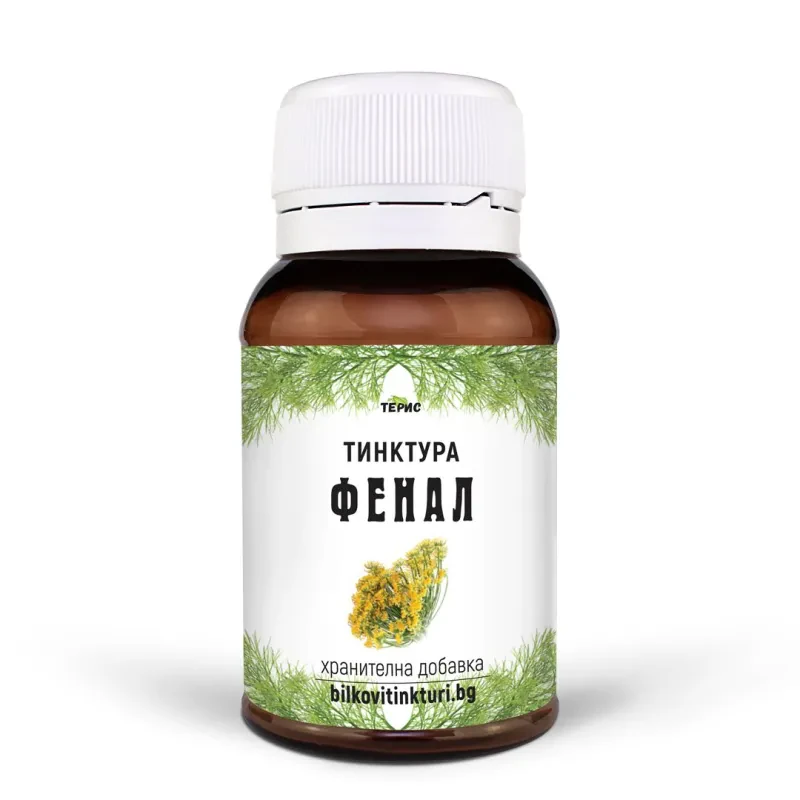
#Herbal tincture with fennel for colitis - FENAL
The herbal tincture FENAL contains the seeds of one of the oldest known medicinal plants - fennel. The herb, also known as "wild dill", is known for its medicinal uses:
- For problems with the digestive system
- It relieves conditions in colitis
- It prevents the formation of gas
Take the herbal fennel extract for colitis to relieve symptoms.

#Oregano is good for gastrointestinal health
According to studies, oregano extract and oregano oil may help reduce the inflammatory markers that trigger inflammation in the gastrointestinal tract.
"Oregano oil supplements are used to help fight bacterial overgrowth in the small intestine, a condition often found in people with Crohn's disease and inflammatory bowel disease."
As a seasoning, dried or fresh, it also goes well with chicken, lamb and egg dishes.

#Ginger for gastrointestinal symptoms
Ginger may help relieve many gastrointestinal symptoms, including nausea, vomiting and gas – all of which are common in people living with Crohn's disease or ulcerative colitis.
Many people say that ginger helps them cope with their symptoms. We can make some ginger tea by adding a few slices of fresh root to boiling water and then letting it simmer for 10 minutes. We can grate the pungent root over rice, use it in baking, or add it to sautéed or roasted vegetables (it is especially tasty on roasted carrots). For the quickest and most effective intake, we can add 20-30 drops of ginger herbal tincture to our glass of water.

#Ginger herbal tincture for colitis
The root has anti-inflammatory, antibacterial, antiviral and a number of other health-promoting properties.
Ginger has been known since times past, when it was used as a remedy for seasickness.
Its healing properties, however, extend to many more aspects, such as relieving nausea; it destroys parasites, which makes it an effective remedy against worms; it helps with quick recovery from a cold or flu; it reduces muscle pain caused by exercise or training; it reduces dysmenorrhoea - pain just before or during menstruation; it has strong anti-inflammatory properties; ginger is an excellent source of antioxidants; it is used against hangovers, including nausea, vomiting and diarrhoea; it lowers cholesterol, and more.
But most important of all, it is an exceptionally helpful aid for improving digestion. It helps food pass through the digestive tract and has a favourable effect on the enzymes trypsin and pancreatic lipase, which are important for digestion.
Take ginger herbal tincture for colitis and for digestive problems in general. It is beneficial for:
- an impaired digestive and immune system
- inflammation of the intestines, stomach and kidneys
- coughs
- colds
- nausea

#Turmeric protects against chronic inflammation in the gut
Turmeric is a common ingredient in curry and other Asian foods. It is also called the most researched spice on the planet , and its main component, curcumin , reduces inflammation when in contact with the intestinal wall. According to a 2019 study, curcumin has anti-inflammatory and antimicrobial properties that protect against chronic inflammation in the gut.
How much turmeric do we need to get its benefits?
Even a small amount of turmeric can help us, so people with Crohn's disease can benefit from it without making the dish too spicy. So next time you are wondering how to flavour a pot of rice, consider adding ¼ teaspoon of turmeric, or you can also sprinkle turmeric over vegetables, meat, fish and beans.
Fortunately, you can also take a concentrated herbal extract of turmeric - a herbal tincture - by adding about 20-30 drops dissolved in a glass of water, for the fastest absorption and effect.

#A tincture with turmeric reduces inflammation of the gut
For the fastest and most effective action, take turmeric herbal tincture.
Take the herbal blend, an extract of ginger and turmeric for colitis, because it normalises the function of the gastrointestinal tract.
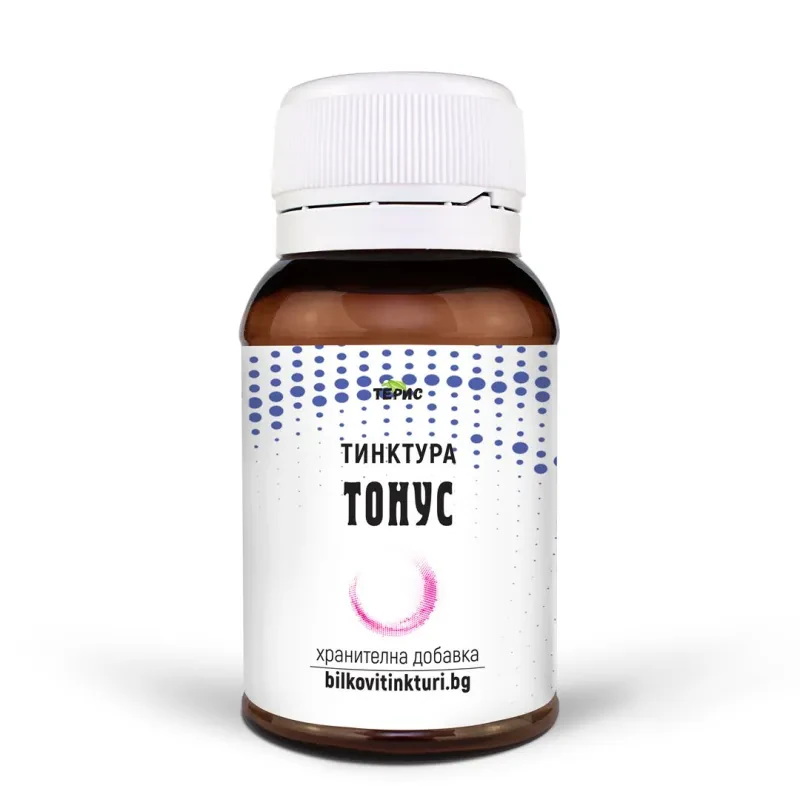
Herbal tincture TONUS.
- It gives energy.
- It improves tone and mood.
- It supports good concentration and memory.
- It helps physical endurance.
- It supports blood supply to the limbs and the brain.
- It strengthens the immune system.
- Overall, it has a general strengthening action.

#Cumin has anti-inflammatory effects in colitis
Cumin is a spice made from the seeds of a plant in the parsley family. According to research, cumin has antioxidant properties that help protect our cells from damage. It has also been shown that cumin essential oil has anti-inflammatory effects. Cooking with ground cumin helps you absorb its vitamins and minerals better, including vitamin B1, iron, calcium and magnesium. Try adding cumin as an extra earthy note to taco seasoning or guacamole.

#Cinnamon for gastrointestinal problems
Cinnamon is a spice with antimicrobial and anti-inflammatory properties and is a great source of antioxidants.
It has long been part of Eastern medicine to help treat colds, indigestion and gastrointestinal problems. Although there are many varieties of this spice, cassia cinnamon is the one we are most likely to find on supermarket shelves.
Add this spice to your daily routine. At breakfast, consider porridge or yoghurt with cinnamon instead of sugar. At lunch, sprinkle it over roasted pumpkin or sweet potatoes, which are usually well tolerated even during a Crohn's flare-up. And for dinner you can add cinnamon sticks to sauces and stews.

#Listening to our body is important for staying healthy
In all cases, early detection is crucial for recovery. Early detection of colitis can help prevent other serious complications.
If we think something is wrong with our stomach, it is best to consult our health adviser. Listening to our body is important for staying healthy.
There is no cure for UC colitis, but remission is possible with the right treatment and management.
The first step towards this is finding the right treatment regimen. Many people turn to alternative therapies and natural remedies to help manage colitis alongside conventional treatments.
These natural remedies, management strategies and treatment options can help anyone.

This article is for educational purposes and does not replace advice from a doctor. Food supplements are not medicines and are not intended to treat diseases. If you have a chronic condition, are pregnant or breastfeeding, or take medication, consult a specialist before use.