Agrimony: The Noble Herb for Health
Table of Contents
#The priceless qualities of herbs
With such an enormous variety of herbs as our country is blessed with, it is hardly possible to name the most useful, the best or the most all-round in its actions. Each one has its own priceless qualities and can be indispensable in certain conditions.
#A herb - a noble tonic for health
In Bulgaria there is a herb that herbalists say cures 100 diseases. A herb known from the past to the present day - which is a noble tonic for health, a king for the immune, respiratory and digestive systems.
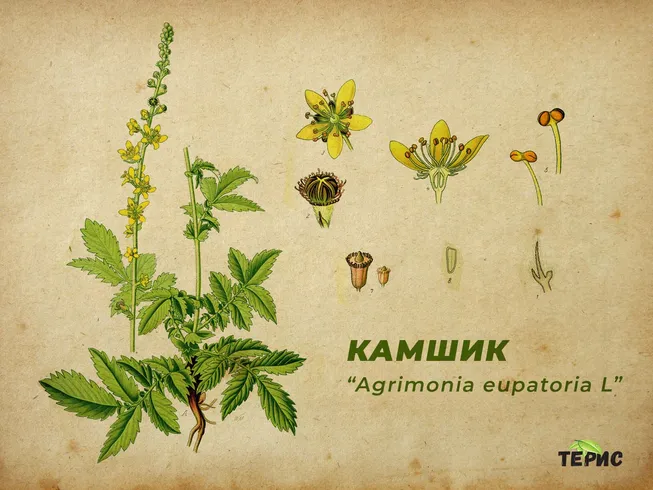
This is agrimony "Agrimonia eupatoria L." or, as it is more widely known in Bulgaria, Kamshik. It comes from the family: Rosaceae – the rose family.

Agrimony is known all over the world, on every continent. For example, in Chinese medicine it is popular as a remedy for menstrual disorders.
Back in time – in the Middle Ages, it was used as a remedy to encourage sleep.
Agrimony even has roots among Native Americans, who until the end of the 19th century used it to treat skin diseases, coughs, sore throats and diarrhoea.
#Folklore and history of agrimony
What is agrimony?
Agrimony is the name given to a genus of approximately 15 flowering species that can be found throughout the Northern Hemisphere. These perennials can also be found in some parts of Africa and have been celebrated for their medicinal uses for hundreds of years. While many of the potential benefits are still somewhat disputed, hundreds of years of tradition and countless confirmations of its effects have made it an important element of many herbal practices and treatments.
The botanical name of the plant - "Agrimonia eupatoria" refers to Mithridates Eupator, King of Pontus, who is remembered by early herbalists for creating a "universal antidote" to protect him from all earthly poisons.
The famous Roman philosopher and naturalist Pliny described agrimony as "a herb of princely authority".

Agrimony has long been considered powerful magic, and one of its earliest common names is "fairy's wand". In an 18th-century Scottish witch trial, agrimony is mentioned as a witch's cure for people who had been "elf-shot" or had suffered from an unexplained illness.
Written accounts of the beneficial effects of agrimony date from the 4th to 5th centuries. The herb is also mentioned in the Old English Herbarium of the 10th century.
As it is abundant in the United Kingdom, the noble plant has been used in herbal medicine for hundreds, if not thousands, of years. The Anglo-Saxons, who called it garclive, identified its healing properties and used it widely for wounds, snake bites and warts. In later times it was used to treat gunshot wounds because of its coagulant effect.
It has also traditionally been used as an aid for digestive complaints, a diuretic and to improve respiratory conditions such as coughs, colds and bronchitis.
Agrimony was once considered a panacea or "cure-all" for illnesses.

#In the language of flowers agrimony means gratitude
The name of the herb - Agrimony also comes from the Greek Argemone. This means a plant that is "healing for the eyes", although the herb is not often used in this capacity.
In the language of flowers agrimony means gratitude.

In Bulgaria the plant can be found under many names - Belila, Butrak, Zhalt chichek, Izsipniche, Kamenen koren, Lecheben kamshik, Mastika, Ohtivche, Presechena treva, Tsarska trevichka, Chernodroben repey, Chernodrobna detelina, Chernodrobnik, Chichak.
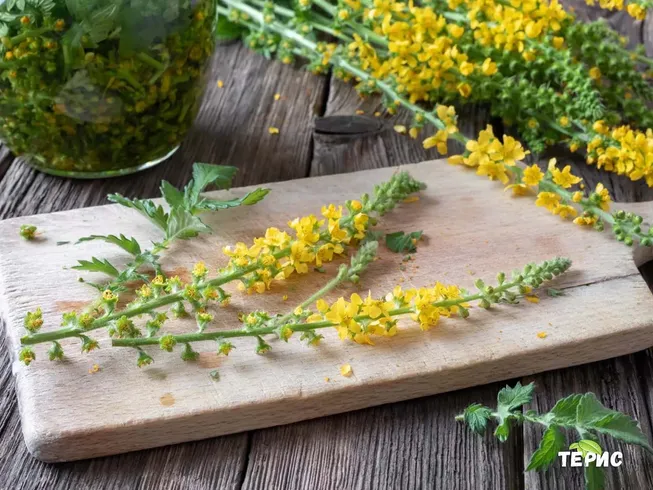
The best way to identify this species is by the yellow flowers that spring from the plant's long, single, feathery stems.
In ancient times "the herb of princely authority" was often used in various drinks, solutions and tonics. The leaves and flowers contain a unique chemical composition that can act on the body as a detoxifying, astringent, coagulating and anti-inflammatory substance. For this reason it has been used for the direct or secondary treatment of a wide variety of ailments over time.
In this article we will take a closer look at the health benefits of agrimony.
#Botanical characteristics of agrimony
This herb prefers sunny, dry places. It has an upright stem covered with soft hairs. These are what help the plant's seeds stick to any animal or person that comes into contact with the plant.
The flower spikes have a spicy scent reminiscent of apricot.
It grows up to 1 metre tall.
The large feathery leaves and beautiful little yellow flowers form a long raceme.
The plant's leaves differ along the length of the stem. At the base they are simple, scale-like and brown, and higher up they become compound, odd-pinnate, made up of a varying number of alternating larger (5 to 11 pairs) and smaller (6 to 12 pairs) coarsely toothed leaflets, covered underneath with silky hairs. At the base there is a rosette of sharply toothed bracts.
The flowers of the "tsarska trevichka" (royal herb) are bisexual. They have an inverted-cone, bell-shaped receptacle with a regular double perianth. The calyx and corolla each have 5 parts, there are 15–20 stamens, and the one or two pistils have short styles and rounded stigmas.
The fruit is a nutlet. It is enclosed in an enlarged, woody, inverted-cone receptacle called a hypanthium.
Flowering of the herb lasts from June to August. The seeds ripen between August and September. It has both male and female organs (hermaphrodite), and it is pollinated by bees and flies. The plant is self-fertile.
#Distribution of agrimony
Agrimony can be found on several types of soil - light (sandy) as well as medium and heavy clay soils. In terms of pH, acidic, neutral and basic (alkaline) soils are the most favourable for its growth.
The herb occurs mainly in Europe. It is most widespread around the Mediterranean, but it can also be seen in the Caucasus and in South-West Asia.
In Bulgaria the noble plant grows throughout the country.
In Bulgaria there are all the conditions for agrimony to spread, which is why it is so common here. It usually grows in meadows, pastures and scrub. It is found in forests, along roads and in fields. It likes light and moderately moist and dry soils.

#Composition of "Agrimonia eupatoria L."
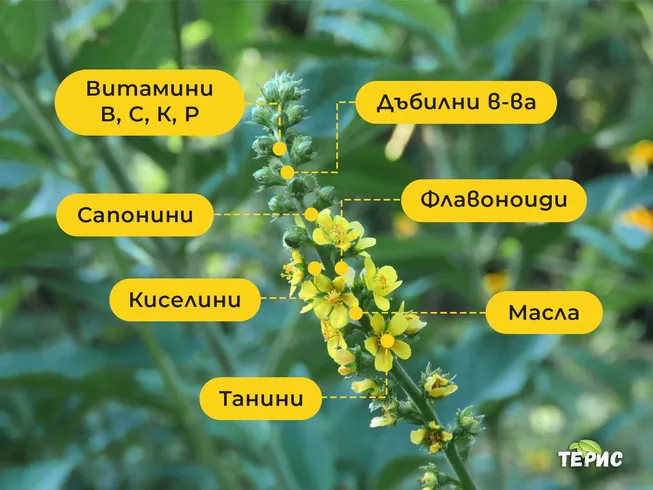
In terms of vitamin content, agrimony contains vitamins of the B group, C, K and P, mucilaginous substances, silicates, coumarins, bitter and tanning substances, steroid saponins, essential oil, tannins, volatile oils , flavonoids, apigenin, luteolin, quercetin, kaempferol, tiliroside, triterpene glycosides including euscaphic acid and tormentic acid, and phenolic acids.
Agrimony contains: bitter substances, mucilage, phytosterols and tannins, palmitic acid, salicylic acid, silicic acid and stearic acid; flavonoids (such as apigenin, glycosides, kaempferol, luteolin-7-glucoside, quercetin and quercitrin); tannins (3-21%) such as agrimoniin, ellagitannin and gallotannin.
#Uses of the agrimony plant
- As a remedy for various conditions
The herb has many uses and is used as a noble remedy for various conditions; it is notable for its astringent and anti-inflammatory action.
It is often called "a spring tonic". As a gargle - it is particularly useful for a sore throat, hoarse voice and laryngitis, mouth ulcers and coughs.
- In crafts
The herb is also used in crafts for tanning hides and for producing a yellow dye.
Young agrimony stems, its leaves and flowers have been used to prepare (by isolating the flavonoid quercitrin) a yellow pigment and to extend the storage life of beer.
Agrimony is one of the 38 Bach flower remedies. 4 kg of fresh sprigs yield 1 kg of dried herb.

#HEALTH benefits of the herb - agrimony
The main properties of agrimony are to regulate the activity of the gallbladder and liver and to treat inflammation of the mouth and throat, including chronic inflammation.
In alternative medicine and herbal medicine agrimony is used for tuberculosis (including the skin form), gravel in the bladder and kidneys, heart weakness, bedwetting, coughs, hoarseness, acne, gout, hives, haemorrhoids and coughing up blood.
- Agrimony in traditional medicine
Common agrimony - "Agrimonia eupatoria L." is a perennial herbaceous plant of the rose family with small yellow star-shaped flowers, a short rhizome and a tough, hairy stem, which grows in pastures throughout Europe.
The plant helps the digestive system and boosts liver secretion. It is also used for diarrhoea and as a treatment for irritable bowel syndrome.
Agrimony is considered a very valuable plant in the early stages of appendicitis and in colitis, cystitis, heavy uterine bleeding, blood in the urine, dysentery and intestinal parasites, and for treating boils.
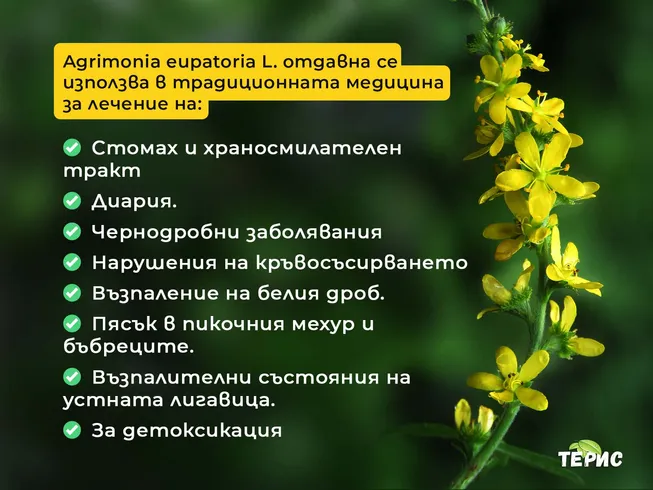
Agrimonia eupatoria L. has long been used in traditional medicine to treat:
- Stomach and digestive tract
- Diarrhoea
- Liver diseases (regulates the function of the liver and gallbladder)
- Blood clotting disorders (for wound healing and menstrual discomfort)
- Inflammation of the lung
- Gravel in the bladder and kidneys
- Inflammatory conditions of the oral mucosa.
- For detoxification (helps the body get rid of toxins)
#Agrimony - digestive health
Agrimony is classed as a bitter herb. This bitterness stimulates the production of enzymes and stomach acid, preparing the digestive system for optimal absorption of nutrients from the food eaten - for a well-functioning digestive system.
As an anti-inflammatory, the plant as a whole is often used to relieve digestive and gastrointestinal problems, especially diarrhoea and the symptoms of irritable bowel syndrome.
By reducing irritation and inflammation in the membranes and tissues of the intestines, it can soothe the stomach considerably. In this way it supports digestion.

#Agrimony for liver health
The active ingredients of agrimony are also useful in treating increased bile production, stones in the bile ducts and gallbladder and liver pain.
In fact, a 2018 study showed that it protects against liver damage thanks to its lipid-lowering and antioxidant activity. In this way agrimony can be taken as a tonic to strengthen and protect the liver.
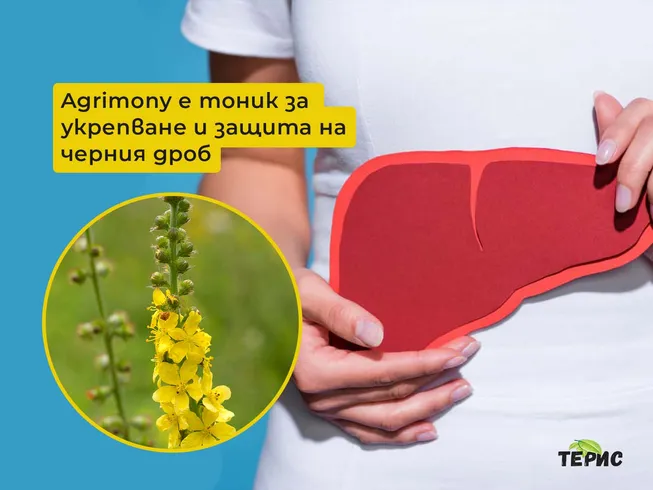
- Agrimony regulates the function of the liver and gallbladder
The herb's bitter principles regulate the function of the liver and gallbladder - it is used to treat gallstones and cirrhosis of the liver. It also has a positive effect in gallbladder disease associated with stomach hyperacidity.

#Agrimony for diarrhoea
The high tannin content of agrimony, combined with its anti-inflammatory effects, makes it particularly useful for various gastrointestinal complaints, especially mild cases of diarrhoea. It is believed to reduce swelling of the soft tissues of the gastrointestinal tract and intestines. Its tannins tone the mucous membranes, improving their secretion and absorption.

#Agrimony for wound healing
Also known as the "weapon herb", agrimony has been used since the Middle Ages to speed up wound healing and stop bleeding.
It is an excellent coagulant (a substance that makes blood or another liquid clot) and as such was used to treat wounds on the battlefield.

#Agrimony for skin health
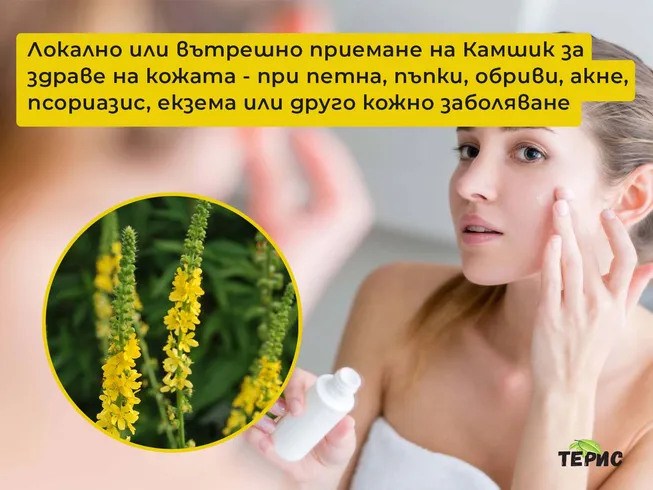
When you suffer from blemishes, spots, rashes, acne, psoriasis, eczema or another skin condition, you can apply agrimony topically to the affected area, and this may help ease the problem.
The noble herb is applied directly to the skin as a mild drying agent (astringent) and for mild skin redness and swelling (inflammation). Some chemicals taken from it are used to fight viruses.
It can also be taken by mouth for the same effect. It works on irritation as well as on blood eruptions that occur under the skin, such as blotches and easy bruising, thanks to its astringent properties.
#Agrimony eases menstrual discomfort
Today this effect makes agrimony useful for reducing bleeding in the body, including heavy menstrual bleeding. Its anti-inflammatory properties also help ease the menstrual discomfort caused by heavy periods.
This is also one of its best-known uses - as a coagulant that can reduce bleeding in the body and help wounds heal. Although menstruation itself is not a "wound", agrimony can be taken by mouth to reduce heavy menstrual bleeding and inflammation, to make those difficult periods a little more bearable.

#Agrimony for detoxification
Agrimony is rich in beneficial plant compounds that support the body's ability to get rid of waste. These include tannins, flavan-3-ols, flavonols, flavones and phenolic acids, which have a powerful healing antioxidant effect.
In addition, these compounds have been shown to have anti-inflammatory and analgesic action.
The active ingredients - thiamine, quercitrin and catechins - are directly linked to the health of the liver and gallbladder. By optimising the function of the liver and gallbladder, the body can more easily eliminate accumulated toxins, thereby preventing more serious health problems and promoting overall metabolic efficiency.

#Agrimony has diuretic properties
Above all, agrimony has diuretic properties that help the kidneys continuously flush out toxins while increasing urination. This helps cleanse the system of excess fluid and stimulates the kidneys, making the body excrete uric acid and excess crystals, which can cause many problems, including gout, arthritis and kidney stones.
- Improves bladder control
The astringent quality of agrimony is said to be the reason it makes bladder control easier. Since it is not toxic and has shown no signs of any negative effect on health, it has been given to children for generations without side effects or problems.
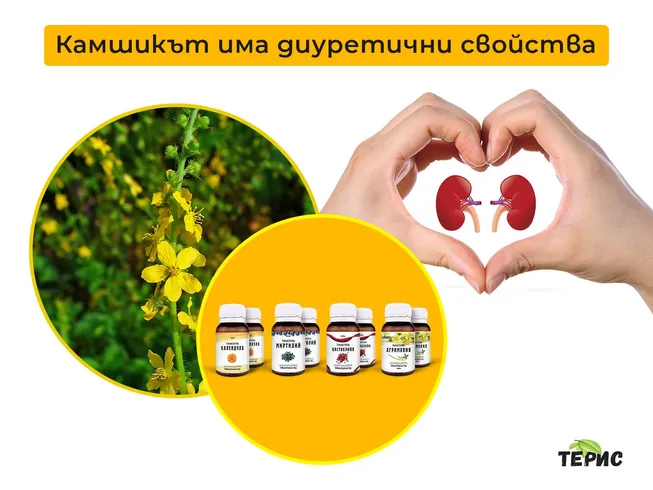
This herb is included in our DIURETITSI package - a herbal formula of natural diuretics made up of 8 tinctures - aimed at people with problems of the cardiovascular and urogenital systems, entirely herb-based.
This group of herbal products stimulates the production of urine and the excretion of electrolytes and water. They are used for fluid retention, which can be a symptom of various disorders of the body.
Our natural diuretics:
- Stimulate the production of urine and the excretion of electrolytes and water.
- Are used for fluid retention, which can be a symptom of various disorders of the body.
- The herbs we have selected for this group are yet another natural solution to many problems.

#Agrimony for respiratory health
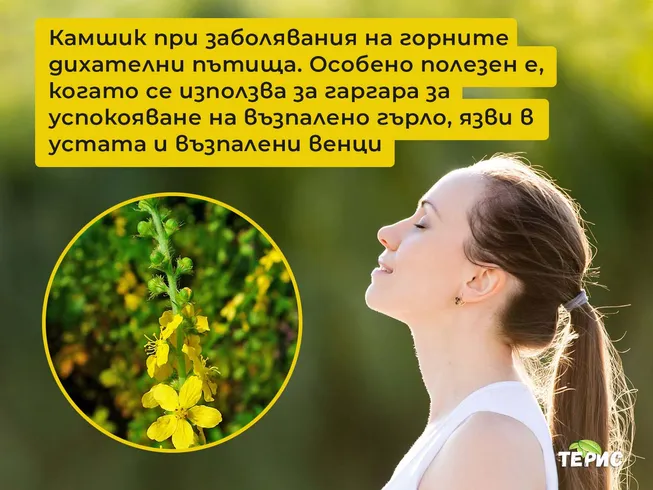
Agrimony has long been used to relieve upper respiratory tract conditions.
In a similar way to reducing inflammation in the gut, agrimony is also widely used to improve respiratory conditions that may involve inflammation, such as sore throats, chronic coughs, bronchitis and other sinus problems. For colds, coughs and flu it can be an effective way to speed up recovery and healing.
It is especially useful when used as a gargle to soothe sore throats, mouth ulcers and inflamed gums.
It is often used by performers and speakers to relax the throat and strengthen the voice.
#Agrimony for managing diabetes
Agrimony has long been studied for its potential antidiabetic properties, which would be a huge step forward in solving one of the great medical mysteries of our generation.
Apparently its active components slow down the body's glucose and insulin uptake processes better than many other natural diabetes treatments.

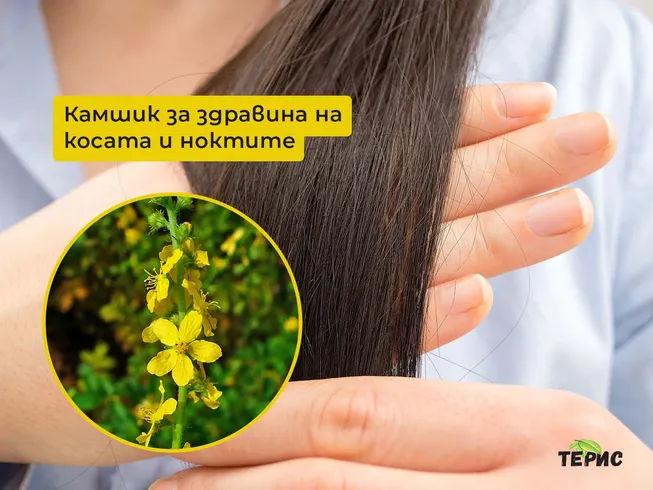
#Agrimony for strong hair and nails
Silicic acid is also found in agrimony. This unique compound is known to considerably improve the strength, appearance and overall health of the nails and hair, preventing them from breaking easily or looking dull.
#How can we take the herb?
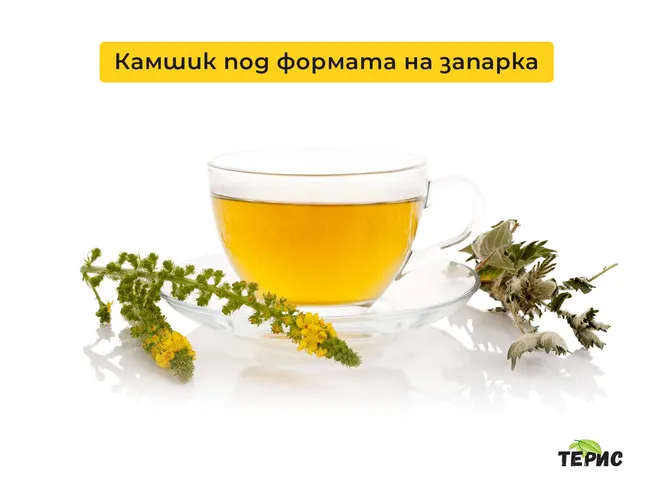
#Agrimony as an infusion
You can make an infusion of the herb. This is the most common and quickest method for most people.
To make it: steep about 2 tablespoons of the herb in 400 ml of water, leave to stand for 1 hour, strain, and drink 1 small cup three times a day before meals.
#Agrimony as an extract / tincture
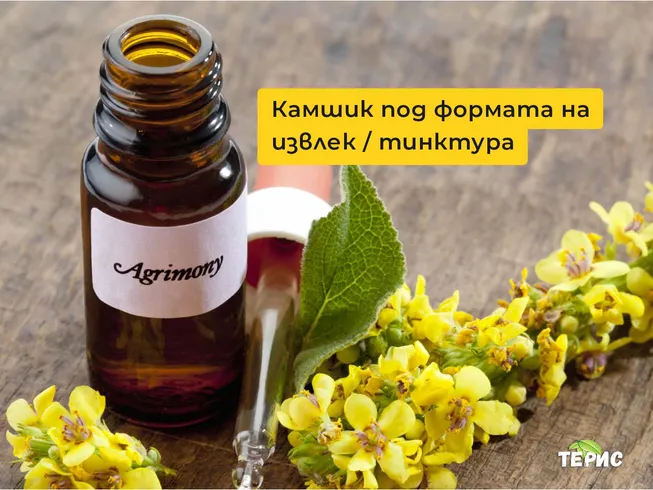
A herbal extract of agrimony is the fastest and most powerful way to take it, because in this form the herb's valuable qualities are absorbed most quickly.
Agrimony tincture is used as an expectorant, for bronchitis, cystitis, urinary tract inflammation and heavy menstruation.
It can be added to water or fruit juice and taken as needed.
Traditional intake: 2-3 ml 2-3 times a day or as directed by a herbalist.
#Agrimony as a decoction
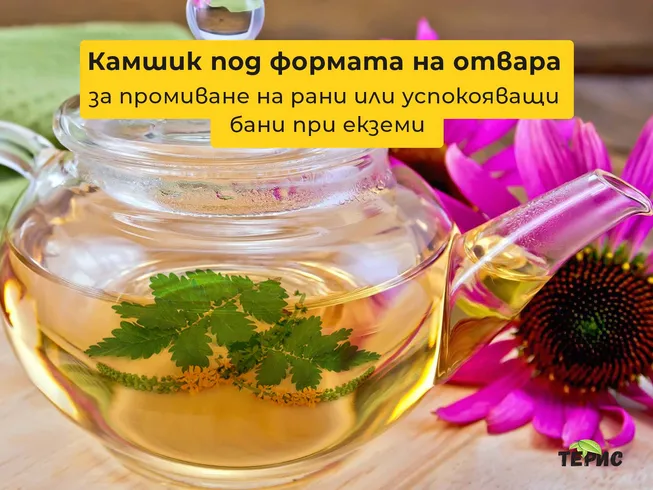
One of its uses is washing wounds with a decoction of the herb, and soothing baths with it for eczema.
To make a decoction, add 1-3 teaspoons of the chopped herb to 200 millilitres of boiling water, boil for 3 minutes and then leave to steep for 20 minutes. The strained decoction is divided into three equal parts, each taken 15 minutes before a meal, or you can use it for a wash or a bath.
#Gargling with agrimony
For the treatment of laryngitis, it helps to gargle with the plant.
Take 100 grams of dried leaves and boil them in 1 litre of water. Boil until the amount is reduced to 1/3. Add honey to the strained liquid. The liquid can also be drunk.

#External use of agrimony - as an ointment
The herb also has external uses as an ointment. It is a wonderful remedy for treating wounds and bruises, varicose veins and eczema. It is also used for eye inflammation, as well as for leucorrhoea.

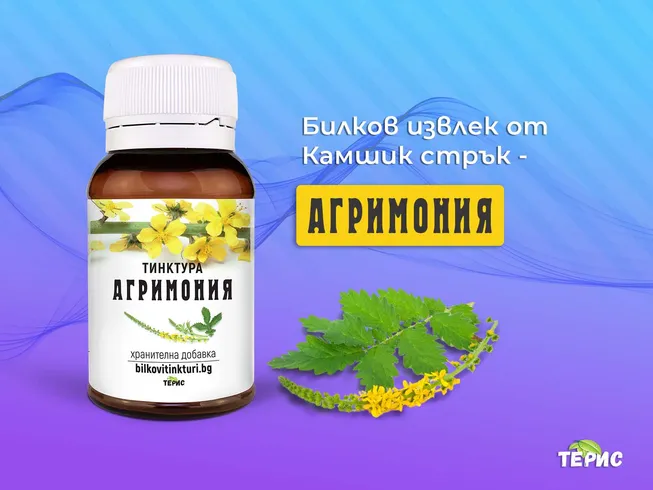
#Herbal tincture of agrimony herb - AGRIMONIYA
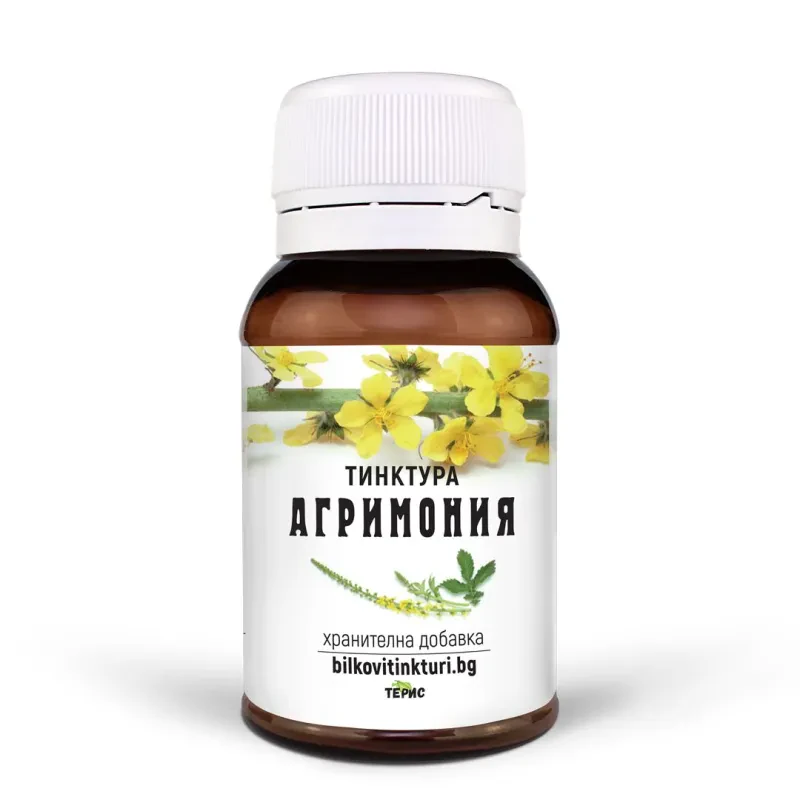
The herbal tincture AGRIMONIYA contains one of the oldest known medicinal plants - the noble herb for health - agrimony "Agrimonia eupatoria L."
The herbal extract of agrimony herb - AGRIMONIYA is a concentrated tincture of a herb that has been used since the distant past in traditional and alternative medicine for its healing benefits in inflammation and conditions of the:
- throat
- mouth
- liver
- wounds
- stomach and digestive tract
- rheumatism
- lumbago, spleen
- lungs and respiratory system
- heart and circulatory system
- gastrointestinal tract
- kidneys and bladder
- venous system
- excess weight
The main properties of the plant are to regulate the activity of the gallbladder and liver and to treat inflammation of the mouth and throat, including chronic inflammation.
In alternative medicine and herbal medicine agrimony is used for tuberculosis (including the skin form), gravel in the bladder and kidneys, heart weakness, bedwetting, coughs, hoarseness, acne, gout, hives, haemorrhoids and coughing up blood.
#Does agrimony have side effects?
It should not be taken by people with constipation, because of its binding action.
In general there is no information about the herb causing any side effects or contraindications, and it is not toxic, but still seek advice before giving it to children or taking it during pregnancy or breastfeeding.
But as with most herbs, always consult a health professional before adding new herbal remedies to your daily or weekly health routine.

#Interactions of agrimony with other herbs
The noble plant can strengthen the action of drugs that treat diabetes, antibiotics, and anticoagulant drugs and herbs (such as devil's claw, sage, garlic, eleuthero, ginger, horse chestnut, saw palmetto, ginkgo biloba, Chinese ginseng, red clover, papain), because their properties are incompatible, and the same applies to aspirin. Taking both – the herb and the relevant medicine – has been shown to lead to uncontrollable bleeding. The herb may strengthen the effects of medicines that can lower blood pressure.
Agrimony is photosensitising, so after topical application or internal use there should be no exposure to direct sunlight, as it can increase the skin's sensitivity.
People who pick and process the herb may experience itching and rashes, especially those who are allergic to members of the rose family. Agrimony belongs to the same family.
To avoid a drastic drop in blood sugar, the plant should not be taken together with herbs that lower blood sugar levels, such as Siberian ginseng, ginger, kudzu, fenugreek and Chinese ginseng.
#Agrimony - a herb with a broad spectrum of action
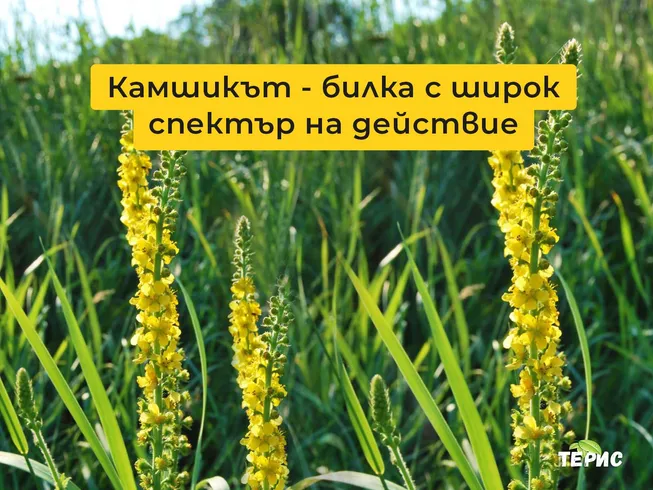
"Agrimonia eupatoria L." - the noble herb for health has a broad spectrum of action.
The results of experiments published to date demonstrate its antimicrobial, antiviral, antioxidant, anti-inflammatory, hepatoprotective, neuroprotective, anticancer and antidiabetic actions, as well as a beneficial effect on wound healing.
The most impressive health benefits of agrimony include its ability to reduce inflammation, improve digestive function, improve bladder control, reduce menstrual problems, clear up skin problems, detoxify the body and improve the health of the hair and nails.
In addition, Agrimonia eupatoria L. exerts an immunoprotective effect, lowering the levels of pro-inflammatory cytokines while raising those of anti-inflammatory cytokines.
The herb helps ease liver damage.
It has been found to exert a cytostatic effect on tumour cells without affecting normal cells.
Extracts of the herb inhibit thrombus formation and the intrinsic pathway.
The data currently available on Agrimonia eupatoria L. and herbs of the same genus Agrimonia represent an interesting and accessible source of bioactive compounds with remarkable potential for therapeutic purposes.
The noble herb for health, with its broad spectrum of action, is a remedy that everyone should make use of when needed.
This article is for educational purposes and does not replace advice from a doctor. Food supplements are not medicines and are not intended to treat diseases. If you have a chronic condition, are pregnant or breastfeeding, or take medication, consult a specialist before use.
Products from this article