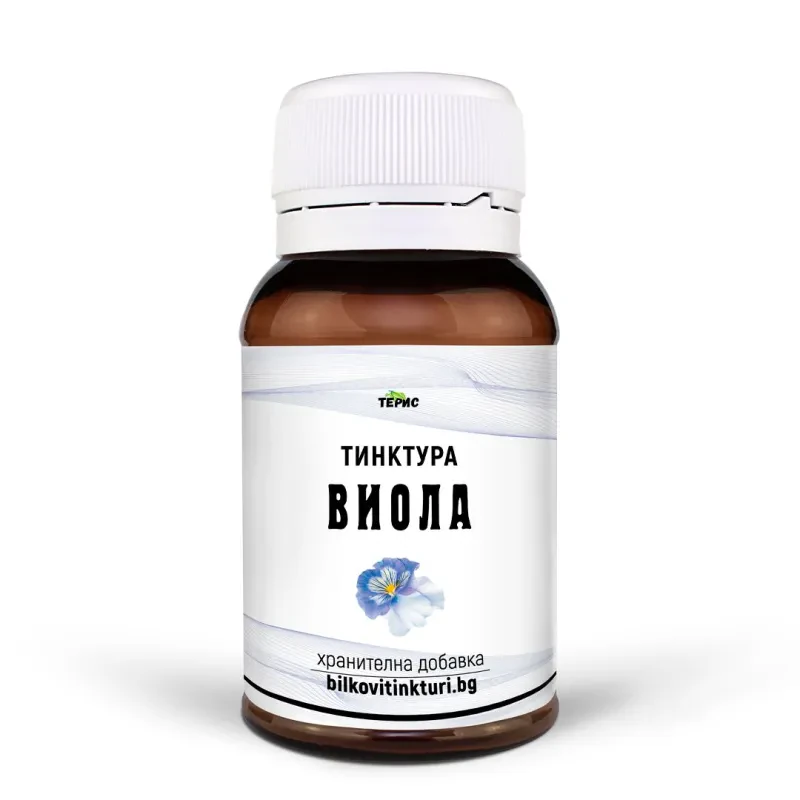
Wild Pansy - Love Elixir or Herbal Remedy?
Table of Contents
#Wild pansy – "Viola tricolor"
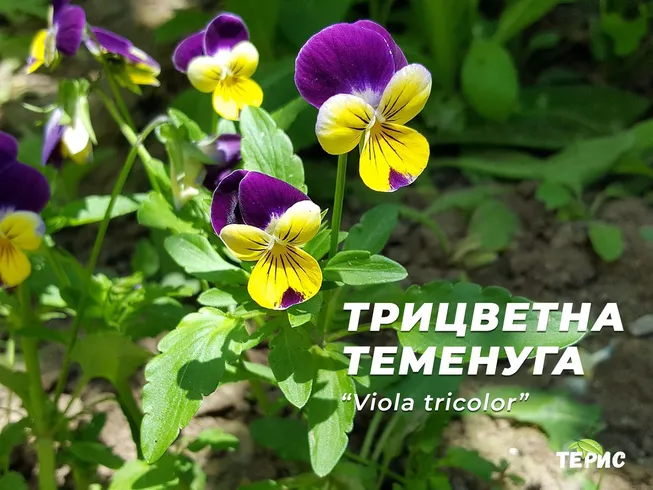
“Viola tricolor” is a flower of the violet genus (Viola), family "Violaceae", and has no scent. It flowers in spring and summer. It grows in dry grassy and stony places, in fields, stubble fields, meadows and among shrubs all over Bulgaria.
Other names are: "Heartsease", "Wild Pansy", "lyubika"
The wild pansy (or three-coloured violet) is a common European wildflower that grows as an annual or perennial plant. It is the ancestor of the cultivated pansy and is therefore sometimes called the wild pansy.
The wild pansy has antiseptic, expectorant, anti-inflammatory, emetic, sweat-inducing, secretolytic, urine-promoting and mildly sedative action. It calms the central nervous system.
The ancient Greeks regarded "lyubika" as a symbol of fertility and love and used it in love potions.
With its delicate and beautiful flowers, the wild pansy was most often associated with love and represented Cupid, the god of love. It was also believed that the pansy awakened amorous desire, and it was often used as a love elixir. The plant was also frequently celebrated by Shakespeare in works such as "Hamlet", "A Midsummer Night's Dream" and "The Taming of the Shrew".

Long before cultivated pansies were put on the market in 1839, "V. tricolor" was associated with thought in the "language of flowers", often under its alternative name pansy (from the French pensée, "pensée" – "thought").
What is more, in the past the wild pansy was used in folk medicine to treat a number of ailments.
#Botanical characteristics
It is a flowering hybrid plant, usually cultivated for its colourful flowers.
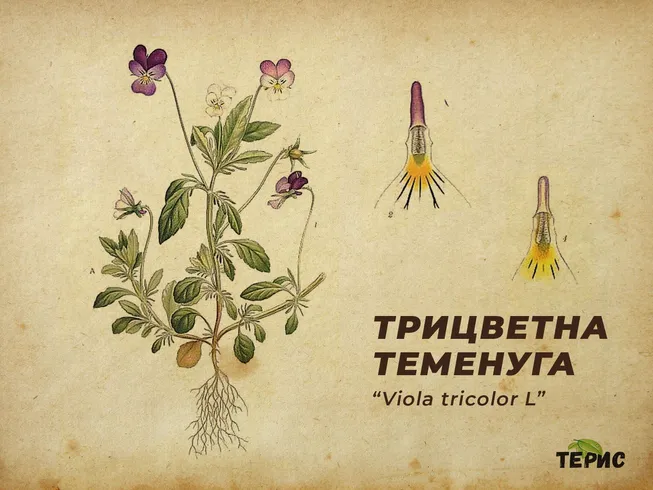
It is a small plant, reaching at most 15 cm in height, with flowers about 1.5 centimetres in diameter. It grows in pastures and on farmland, mainly on acidic or neutral soils. It is usually found in partial shade.
The root is fine.
The stem is sometimes branched.
The plant has no leaf rosette at the base, unlike some other violets such as Viola hirta.
The leaves are alternate. They are oval or oblong, more or less toothed.
The plant's flowers are three-coloured: violet, yellow and white.
The plants are hermaphrodite and self-fertile, pollinated by bees.
Interestingly, it can produce up to 50 seeds at a time.
#Habitat
It is common almost everywhere on the Eurasian continent, including near the sea, at altitudes from 0 to 2,700 metres. It is also found on shores and in alluvial deposits, in regions such as Europe and Western Asia.
The wild pansy flowers from April to September in the Northern Hemisphere.
#Chemical composition of Viola
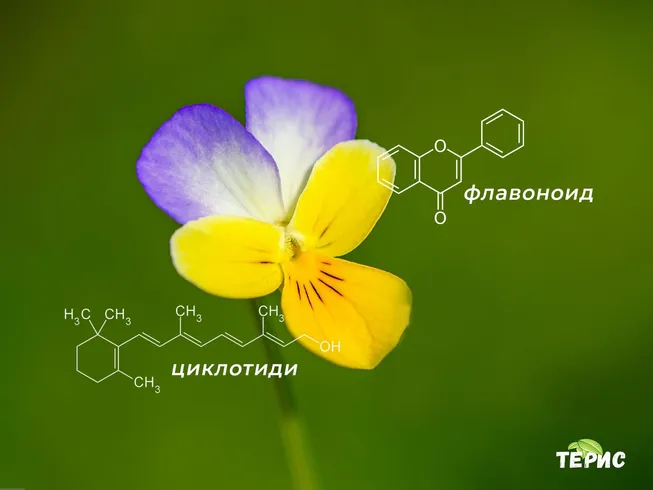
"V. tricolor" is one of the many Viola plant species that contain cyclotides. These small peptides are proving very useful in drug development because of their size and structure, which give them high stability.
Many cyclotides found in the plant are cytotoxic. This property means that they could be used for cancer treatment. In addition, extracts of the plant are antimicrobial.
The plant, especially the flowers, contains antioxidants and is edible.
The herb also contains flavonoids (such as quercetin, luteolin and rutin), colourless crystalline compounds shown to be useful in the prevention and treatment of cardiovascular disease, diabetic complications, inflammation, immune disorders and liver problems.
The herb contains 10 per cent mucilage, consisting of glucose, galactose, arabinose and rhamnose, as well as tannins, salicylic acid and its derivatives.
Anthocyanidins and coumarins, such as umbelliferone, can also be found in the plant. Contrary to earlier theories, wild pansy contains not saponins but haemolytically active peptides. There are also aglycones: apigenin, chrysoeriol, isorhamnetin, kaempferol, luteolin, quercetin and rutin.
#Uses and benefits of wild pansy
The extract obtained from the whole plant and flowers has mainly anti-inflammatory and antioxidant properties.
Compounds such as flavonoids, carotenoids and anthocyanins can act as antioxidants.
Antioxidants mainly protect the skin from the damaging effect of free radicals in the environment. The antioxidant molecule is exchanged with a skin protein when it is threatened by a free radical. Because a free radical can change the structure and function of skin proteins such as collagen and elastin, as a result the skin may develop fine lines, wrinkles and uneven skin tone.
So when pansy extract is used in any preparation, it helps the skin to recover from all kinds of damage and can provide an anti-ageing effect.
Salicylic acid, one of the constituents, belongs to a category of agents for relieving acne; it usually clears clogged pores and helps remove dead skin cells or bacteria from them. It also exfoliates the skin and makes it look more even.
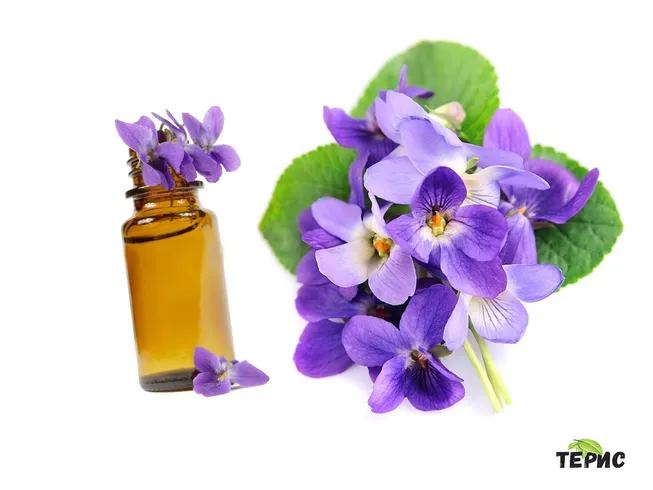
The extract has a soothing effect on the skin. It is used to treat various skin conditions such as eczema and acne. It also has an emollient property that helps keep the skin hydrated. It reduces moisture loss from the skin and also improves the skin's ability to retain water. It is used in formulations of creams, lotions, eye contour products, sunscreens and other skin and hair care products.
#What is Viola / wild pansy extract?
Pansy extract is obtained from the plant "Viola tricolor", also called "garden pansy". Whole plants and flowers are used to obtain the extract. The extract contains valuable compounds such as flavonoids, carotenoids, salicylic acid, coumarin and anthocyanins.
Flavonoids and especially rutin have an anti-inflammatory action and strengthen capillaries and small vessels.
Salicylates are anti-inflammatory.
Saponins and mucilage have a soothing effect, especially on the upper respiratory tract.
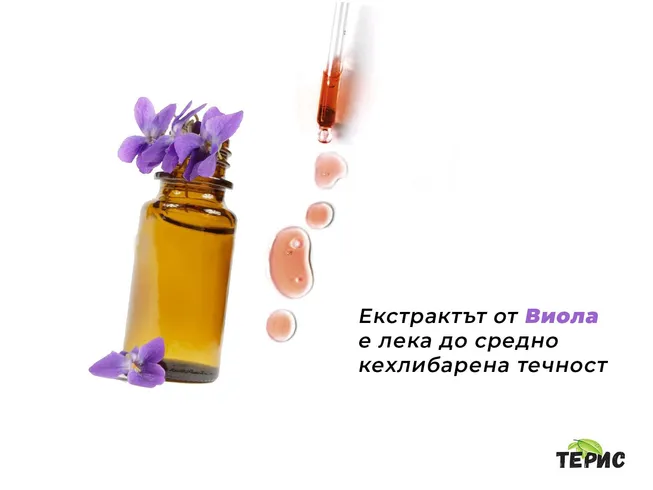
The extractsold on the market, which you can also find online, is a light to medium amber liquid.
#Traditional uses of wild pansy
As some of the herb's names suggest, "V. tricolor" has a long history of use in herbalism and folk medicine, both for epilepsy, skin conditions and eczema, and for respiratory problems such as bronchitis, asthma and cold symptoms.
Wild pansy is also a diuretic and is regularly used for rheumatism and cystitis.
The flowers are also used to make yellow, green and blue-green dyes, while the leaves can be used as an indicator of acidity.
#Therapeutic use:
The plant also has therapeutic applications besides its ornamental use.
- dermatosis (acne, impetigo, psoriasis, itching, ulcers, cradle cap)
- rheumatic diseases
- urinary system disorders
- allergies
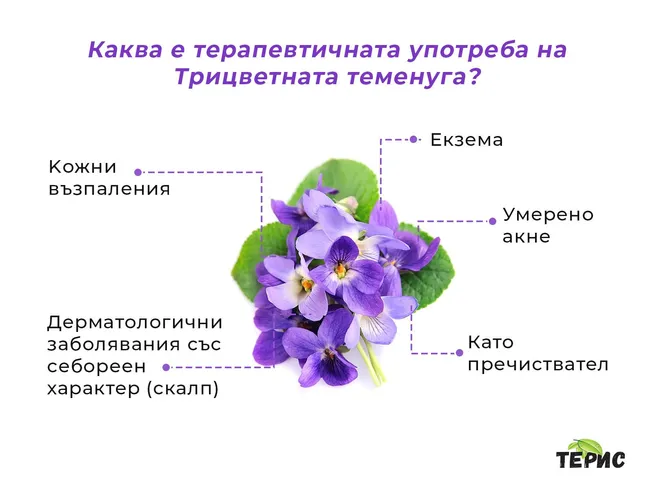
Experts report the following therapeutic indications: skin inflammation, seborrhoeic skin conditions (scalp), eczema; moderate acne; as a cleanser.
#Wild pansy in the treatment of skin conditions
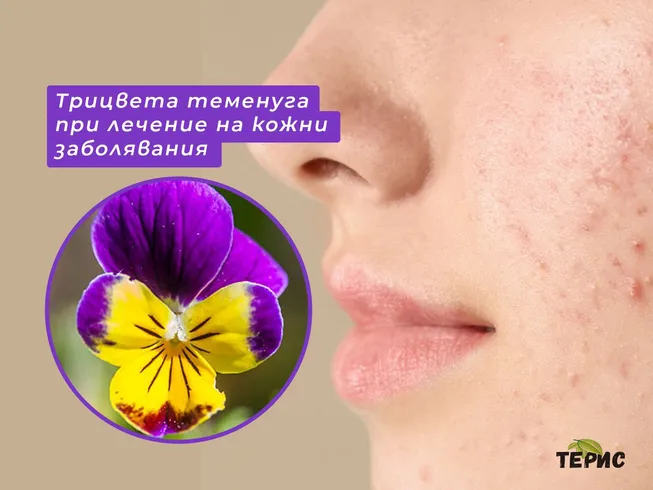
Again because of the presence of flavonoids, its long-known diuretic, cleansing, emollient and anti-itch properties make the plant particularly effective in treating skin conditions such as eczema, acne, psoriasis and others.
Infusions of this beautiful herb are effective for treating eczema – an acute and chronic inflammation of the skin characterised by itching, redness and swelling.
#Wild pansy for cleansing the skin and blood
The flowers, rich in flavonoids and anthocyanins, are characterised by their ability to help improve microcirculation in the tissues.
It is well known that, to combat the biological and metabolic disorders accompanying certain skin conditions, it is extremely important to encourage the elimination of toxins from the body. Thanks to its efficacy in the body, Viola tricolor is particularly good because it is able to boost liver activity, bile secretion and diuresis, as well as counteract excessive secretion by the sebaceous glands.
These characteristics make wild pansy a particularly suitable plant for drainage: it is no coincidence that popular medicine regards the plant as a "blood purifier", able to stimulate the metabolism beyond recognition.
#Anti-inflammatory action
This action is mainly due to the salicylic acid and gaultherin contained in the plant. It is also a valuable additional aid in the treatment of rheumatic diseases and arteriosclerosis, which go hand in hand with dermatosis.
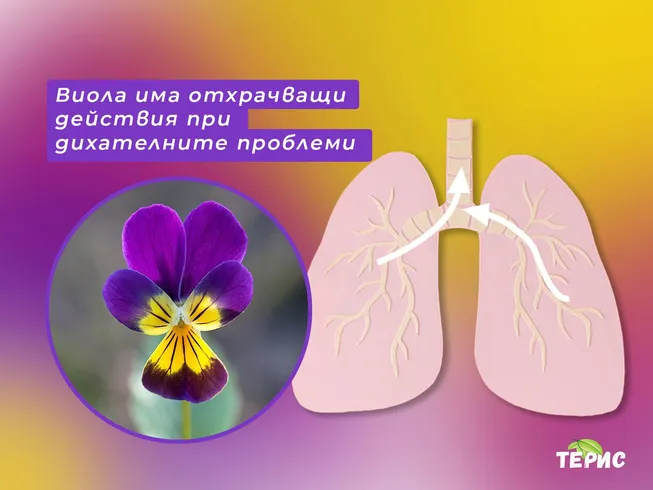
#Viola contributes to increased bronchial tone
#It has expectorant action in respiratory problems
The plant is useful for treating sore throats, relieving the problem and reducing the symptoms of whooping cough.
The expectorant effect makes it easier to clear secretions from the airways. It is also used to treat asthma and bronchitis.
Its expectorant properties are useful in treating respiratory conditions such as bronchitis and whooping cough. The plant clears phlegm from the body during colds and coughs.
#Wild pansy is rich in diuretic properties
#The plant is useful for dealing with constipation
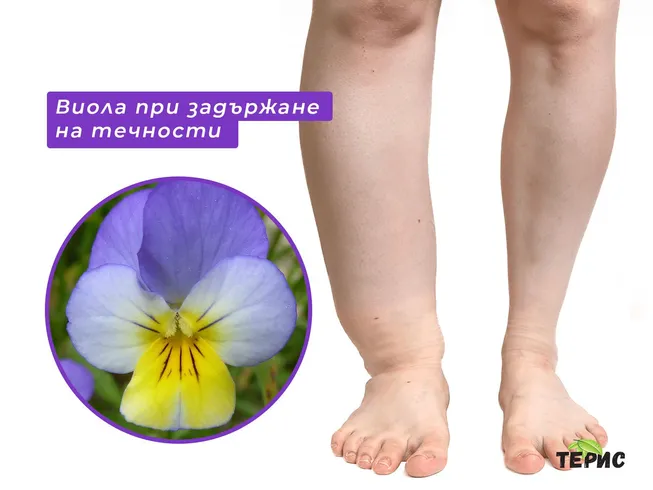
#Viola for fluid retention
Thanks to its diuretic properties, as already mentioned, it eliminates excess water by stimulating the excretion of urine. At the same time it combats the swellingthat occurs with fluid retention.
#Wild pansy for the urogenital system
#For cystitis
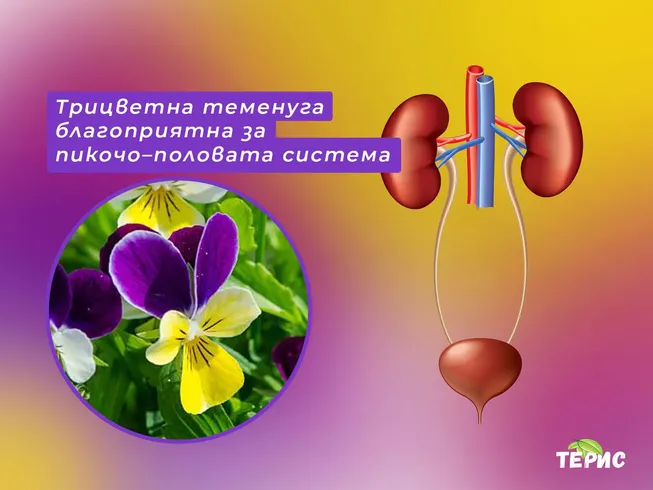
The diuretic properties of this beautiful herb are an effective way of treating cystitis – inflammation of the bladder that causes symptoms such as a constant urge to urinate, burning when urinating, blood in the urine, discomfort in the pelvic area, pressure in the lower abdomen and a low-grade fever.
#Culinary uses of Viola
The flower buds or young leaves are eaten raw or cooked. You can add the herb to soups to thicken them.
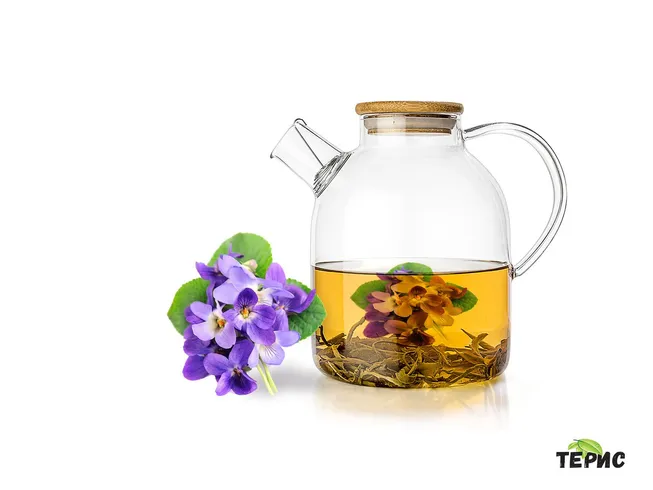
Make a tea from the leaves too – it is really delicious! Or add the small, attractive flowers to salads or use them as a garnish.
It is very important to note that edible flowers are now a significant part of the menu in many leading restaurants around the world. The reason is that they not only bring originality to the dish but also nutrients that are good for us.
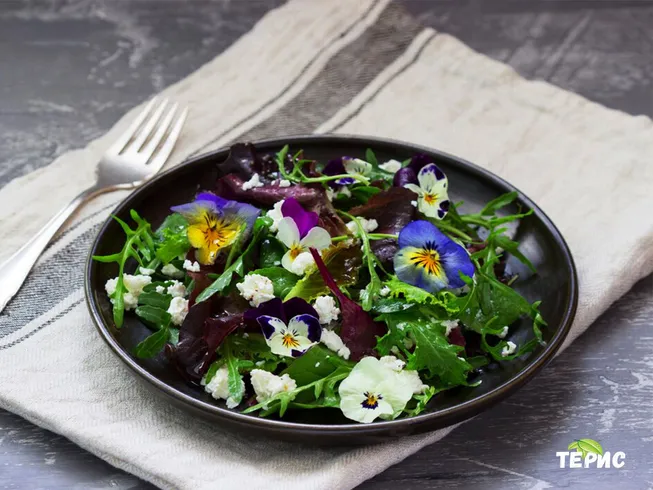
Make a tea from the leaves too – it is really delicious!
Not only beautiful but also nutritious, this plant is edible in its entirety. You only need to be careful with the quantity of roots you eat, because too much leads to nausea and vomiting.
Wild pansy has a mild flavour, unlike dandelion (bitter) or sorrel (sour). You can eat the leaves and flowers raw or cooked. You can add it to salads, as a garnish for a dish or to soup.
#Ways of using it
#Viola – as an infusion
Pour 300 millilitres of boiling water over 2 teaspoons of the plant. Strain and drink 1 tablespoon three times a day.
#Viola – as a decoction of the herb
Add 2 tablespoons of wild pansy to 500 millilitres of hot water. Boil for five minutes. Then take the resulting decoction in a dose of 1 coffee cup, 4 times a day before meals.
#Viola – as a herbal extract
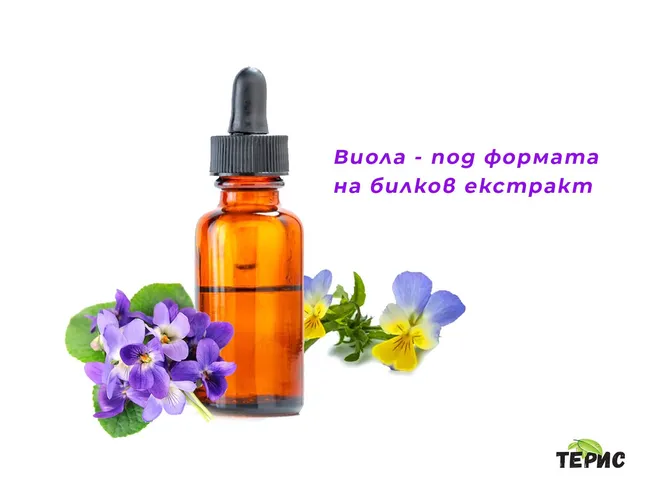
A tincture of the herb is used for urinary problems, allergies, digestive disorders, weak capillaries and other similar problems, with the aim of stimulating the immune system and blood circulation.
Add 20–30 drops of the herbal extract to a glass of water and take 2–3 times a day, according to your recommended intake.
#And an insanely delicious syrup recipe
The ingredients you need for an incredibly delicious wild pansy syrup:
- one and a half cups of water
- one and a half cups of sugar
- one cup of flowers from this beautiful plant
- and one tablespoon of freshly squeezed lemon juice
In the next step, the flowers are placed in a glass jar and covered with boiling water. The jar is then closed and left to stand for 24 hours. After that the water is strained, and the beautiful purple flowers are squeezed out as much as possible.
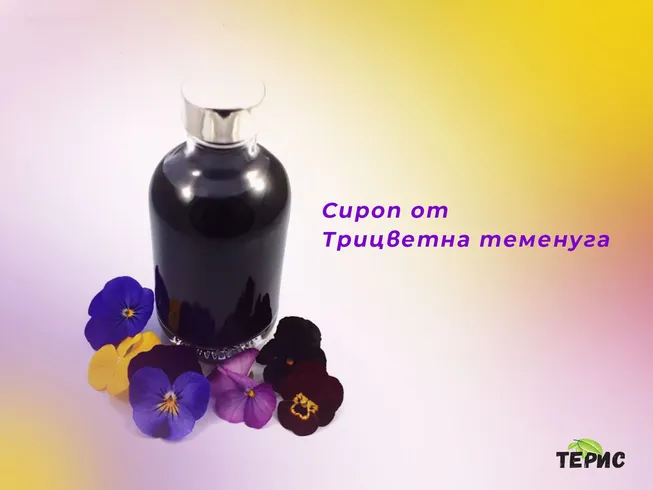
You will certainly notice that the water has turned an irresistible violet colour. The sugar is added and the mixture is warmed over a moderate heat until it thickens to the consistency you want. Bear in mind that once it cools, the syrup will thicken even more and resemble real jam, like the kind your grandmother used to make – or the kind sold in shops and pharmacies, only much, much better!
The lemon juice is added too, and the finished syrup can be kept in the fridge for up to 6 months.
#Viola is most concentrated in the form of a tincture
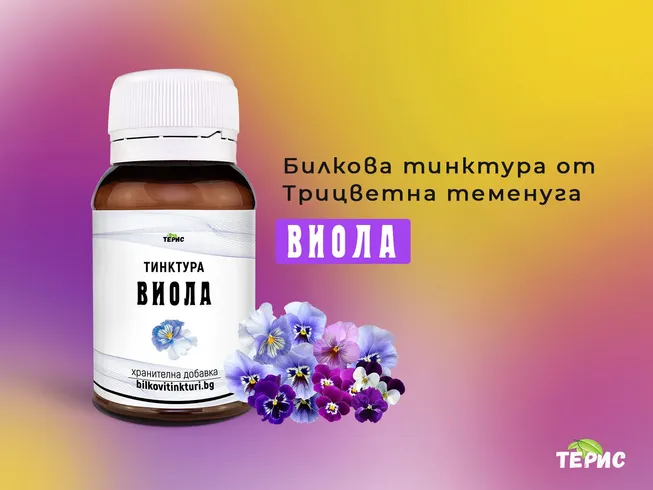
#Herbal tincture of wild pansy – VIOLA
This tincture has many useful applications:
It contributes to increased bronchial tone.
- It supports the body's resistance to allergens.
- It is recommended for symptoms of gout, pain and discomfort in the joints and the urogenital system.
- It is beneficial for skin complaints.
- It helps with fluid retention.
Don't miss the chance to benefit from the healing action of the herbal extract of wild pansy – VIOLA
#Dosage and potential side effects
- When taken by mouth (orally):
Wild pansy is completely safe for most people when taken appropriately by mouth. The same applies when it is applied to the skin .
- Pregnancy and breastfeeding:
There is not enough reliable information to know whether the herb is entirely safe to use during pregnancy or breastfeeding. It is therefore best to avoid using it.
#Viola dosage
- Tincture – take 2–4 ml three times a day.
- Dried herb: 2–4 g, three times a day.
- Infusion: 1 tablespoon per cup, steep
The right dose depends on several factors, such as the user's age, state of health and several other aspects. At present there is not enough scientific information to determine an exact appropriate dose range for this kind of violet, so always consult a specialist before taking it.
Bear in mind that natural products are not always necessarily safe and that dosages can be extremely important. Be sure to follow the relevant directions on product labels, make sure they come from a certified food supplement manufacturer and consult your pharmacist, doctor or other healthcare professional before using such a supplement.
#Harvesting and storage
Pick wild pansy on a sunny, dry morning, one centimetre above the ground.
To dry it, place it on a flat surface in a dark, well-ventilated room or use a herb dehydrator.
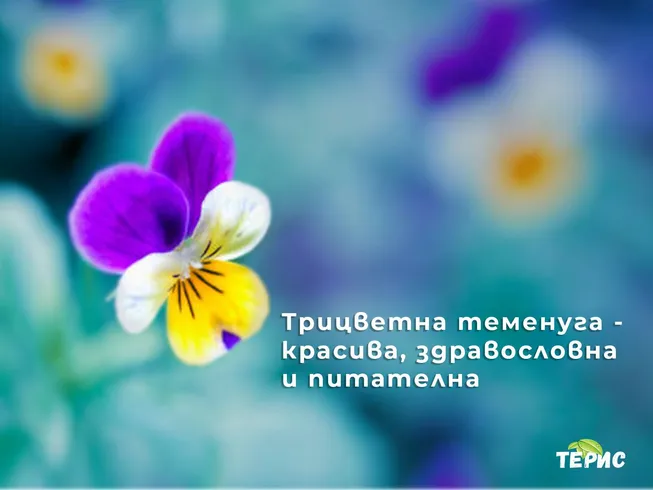
#Wild pansy – beautiful, healthy and nutritious
"Heartsease" has a long history of use as a herb and once had a high reputation as a treatment for epilepsy, asthma, skin conditions and a wide range of other complaints.
In modern herbalism it is regarded as a cleansing herb and is taken internally in the treatment of skin complaints such as eczema.
The herb is analgesic, anti-asthmatic, anti-inflammatory, cardiac, sedative, pain-relieving, sweat-inducing, diuretic, emollient, expectorant, laxative and vulnerary.
Because of its expectorant abilities, it is used to treat various chest complaints such as bronchitis and whooping cough, while its diuretic action makes it useful in treating rheumatism, cystitis and difficult urination.
It is also used as an ointment to treat eczema and other skin complaints, and it is also helpful for rheumatism, bedwetting and more.
Homeopathic food supplementsare made from the whole plant. As a tincture it is the easiest and most convenient to take and will act most quickly on what you need.
This article is for educational purposes and does not replace advice from a doctor. Food supplements are not medicines and are not intended to treat diseases. If you have a chronic condition, are pregnant or breastfeeding, or take medication, consult a specialist before use.
Products from this article