Yarrow – a Traditional Herb for Many Occasions
Table of Contents
YARROW – RELIEF FROM ALL TROUBLES ➤ VIDEO
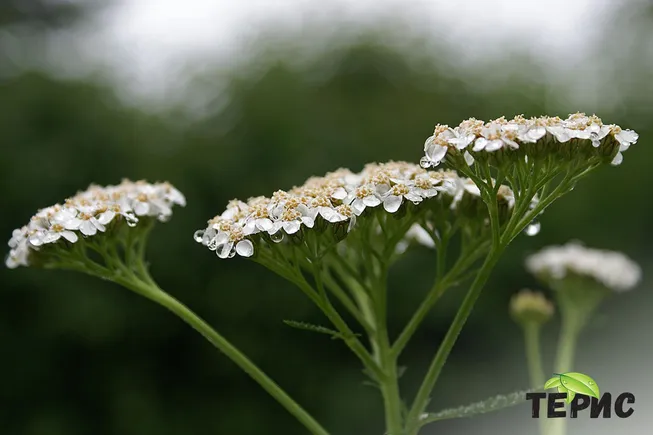
The herb yarrow – also known as "Achillea millefolium", is typical of the Northern Hemisphere and has many uses.
#Yarrow – for both women and men
On the one hand, yarrow is called a men's herb, because in the past soldiers used it to stop bleeding and as a painkiller; on the other hand, it is called a women's herb, because of its marked positive effect on uterine bleeding, menstrual pain, menopause and much more.
This herb is also renowned for its strong immune-stimulating and antibacterial action!

#History of the herb
Yarrow actually originates in Europe, but it gradually came to be grown in North America as well.
The name "Achillea" comes from the mythical hero Achilles, who was the bravest and strongest of all the Greeks who took part in the Trojan War. The myths say that he used yarrow for himself and his soldiers to strengthen their health and gain more strength.

The other part of its botanical name, "Millefolium", means "the one that comes from a thousand leaves" and refers to the plant's numerous fine, feathery leaflets. For this reason it is very often also called "thousand-leaf yarrow".
Yarrow was also used by the Greeks as long as 3,000 years ago for:
- treating minor external wounds.
From its flowers and leaves they made a tea:
- for general strengthening of the body
And the fresh leaves were used:
- to stop bleeding,
- to treat stomach problems,
- fever,
- to reduce menstrual bleeding and pain,
- as well as for better circulation.
Another very well-known use of yarrow leaves at that time was:
- to relieve toothache
In Chinese medicine yarrow is regarded as a very effective natural remedy for relieving problems with:
- the kidneys,
- the spleen
- and the liver.
Even today the Chinese use an extract of this herb for:
- general toning of the body
- and boosting energy
Numerous modern studies confirm the ability of yarrow:
- to disinfect
- and to reduce bleeding from various kinds of injuries
Natural medicine specialists are of the opinion that this herb is also the most suitable for:
- improving circulation in the uterus
- the menstrual cycle
- and reducing uterineBotanical characteristics
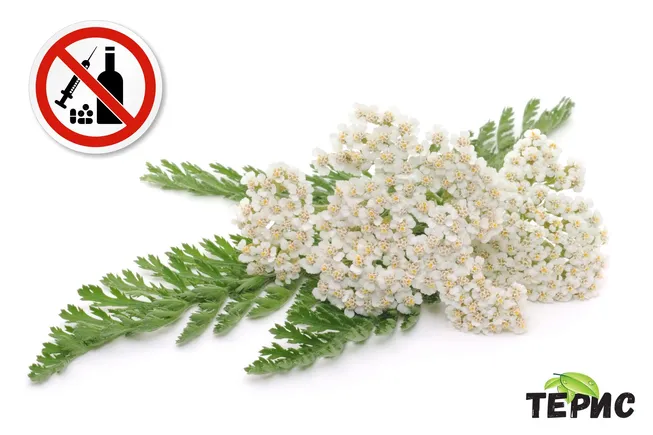
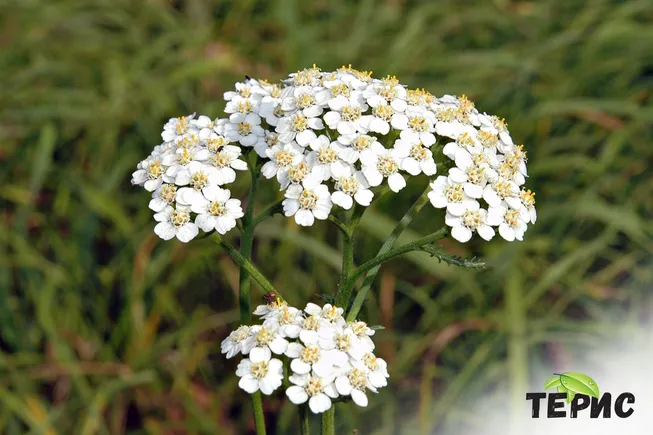
Yarrow is a perennial herbaceous plant with a thin, horizontally branched, creeping rhizome.
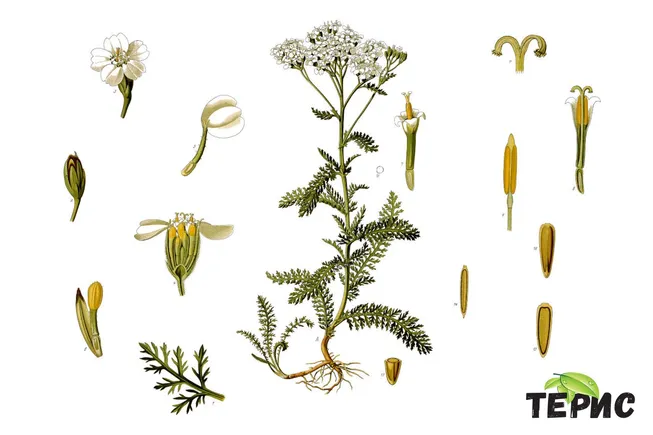
Its stems are erect, unbranched, hairy and about 60–100 cm tall. The leaves are alternate, up to 10 cm long, feathery and hairy.
The flowers of this herb are gathered into flower heads and terminal corymb-like inflorescences.
Its fruits are whitish, oblong seeds about 2 mm long, flattened lengthwise and without a pappus; each plant produces about 25,000 seeds, and 1,000 seeds weigh 0.13–0.15 grams.
The usable parts of yarrow include the leafy flowering stems, also known as Herba Millefolii, and its flower heads – Anthodium-Flos, Achilleae millefolii, which are collected for processing.
#Composition of the herb
In terms of chemical composition, yarrow contains mainly essential oils, at 0.25% during flowering. They consist of monoterpenes and sesquiterpenes, and their main component is chamazulene. The most sought-after varieties are those containing up to 35% chamazulene in the oil extracted from them.
#When and how it grows
Yarrow is a drought-resistant and cold-hardy herbthat thrives in lowland, foothill and mountain areas and can withstand temperatures down to –30 degrees. It is not demanding in terms of soil and air moisture or the nutrients in the soil, but it does prefer light, humus-rich soil. A specific feature of yarrow is that it does not tolerate very heavy, wet soils and prefers a pH of 6.9–7.5. The plant lives longer on poor and chalky soils.
On the other hand, yarrow tolerates dense planting because it is not demanding about light, but excessive density leads to a reduction of chamazulene in the plants. Because it is not affected by shade, yarrow can even be grown in orchards. It does not require heavy fertilising. At the same time as deep autumn ploughing to a depth of 25–30 cm, 1 tonne of well-rotted manure per decare is added. The soil is then harrowed or rotary-tilled to a shallower depth, and furrows 35–40 cm apart are formed, in which the yarrow is sown.
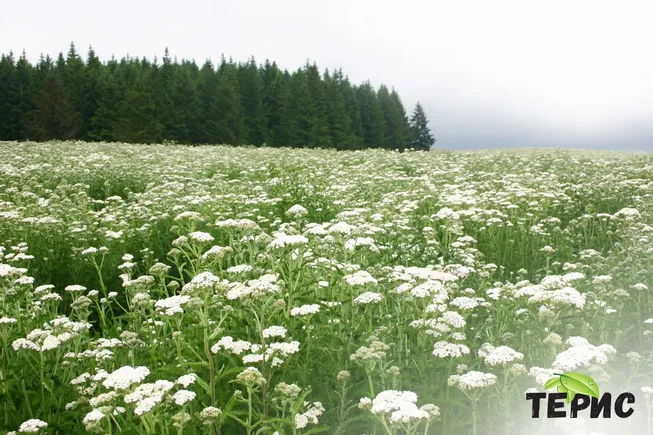
Harvesting of the plants actually begins in the second year, because in the first year after planting out they do not flower. That is why autumn planting is recommended, so that the plants start forming flowering stems the following spring. Otherwise, with spring planting, you will have to wait until the following year for flowering.
#Uses of yarrow
Because of its strong antiseptic action, yarrow is able to destroy various bacteria and viruses. The bitter components of this herb and its fatty acids support the flow of bile.
Yarrow can:
- improve digestion (reducing the risk of gallstone formation)
- help the secretion of enzymes and gastric juice (which in turn increases appetite and improves digestion)
- it is also a strong decongestant (because it reduces nasal congestion and helps with a heavy cold)
- it can soothe a cough
- suppress sinus infections
- and reduce the production of phlegm
The herb is helpful:
- in relieving various allergies (because it reduces the discharge from the nose and eyes caused by mould, dust and so on)
- it induces sweating during a cold or flu infection
- it has a soothing effect on skin with eczema
- it can be of great benefit even in the treatment of arthritis (because it has a strong anti-inflammatory effect)
Nowadays yarrow is used both in folk medicine and in cosmetics. Some people chew fresh leaves to relieve their toothache .
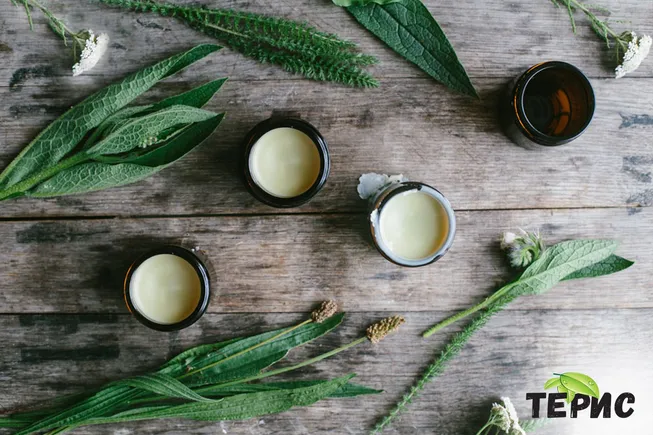
The herb is also applied to the skin – to stop bleeding from haemorrhoids, wounds and so on.
The herb also has blood-purifying power and is an ideal means of detoxifying the body.
In combination with other herbs, yarrow is used:
- for bloating
- flatulence
- and other gastrointestinal complaints
#Possible side effects
Yarrow is safe for most adults. In some people, however, it may cause drowsiness and increased urination when taken orally. When it comes into contact with the skin, it may cause some irritation.
You should not take yarrow orally if you are pregnant, as it is thought that it may affect the menstrual cycle and even cause miscarriage. Also avoid using it if you are breastfeeding, because there is not enough information about its safety.
The herb can cause an allergic reaction in people who are sensitive to the Asteraceae/Compositae family. Members of this family include ragweed, chrysanthemums, marigold, chamomile and many others. If you have allergies, be sure to consult your doctor, health adviser or herbalist before taking yarrow.
On top of all this, yarrow may slow blood clotting, and there are concerns that it may increase bleeding during and after surgery. You should therefore stop taking yarrow at least 2 weeks before a planned operation. Also do not use yarrow if you are taking anticoagulant medicines (anticoagulants, antiplatelet drugs).
Large amounts of the herb can slow blood clotting, and taking them together with medicines that also slow clotting may increase the likelihood of bruising and bleeding.
However, yarrow should not be taken for too long, because its active constituents increase your skin's sensitivity to sunlight.
#The herb – "relief from all troubles"
With its rich history as a herb used in medicine from ancient times to the present day, yarrow ranks among the most useful.
Perhaps that is why the plant is also called "relief from all troubles", with belief in its magical ability to help even where there is no hope of healing.
Nevertheless, its use should be carefully considered and dosed, after consulting a health adviser and following all safety instructions.
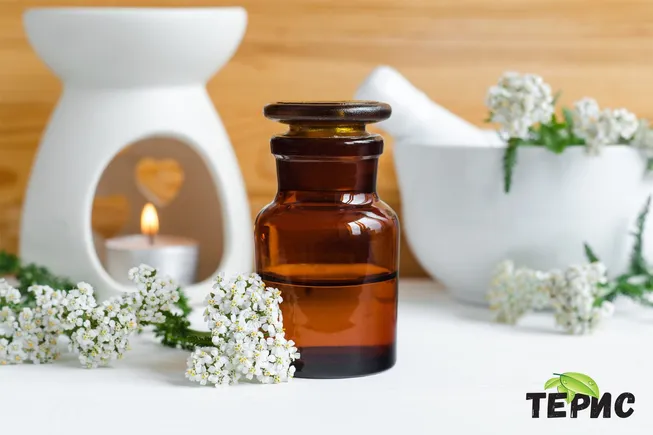
Fortunately, nowadays we don't need to grow yarrow in our garden to benefit from its many medicinal properties, because it is available in most pharmacies, organic shops or online. >> All herbal tincture products.
#Herbal tincture of yarrow
Despite the widespread use of yarrow, both internally and topically,
"It is best to use a high-quality, precisely dosed extract."
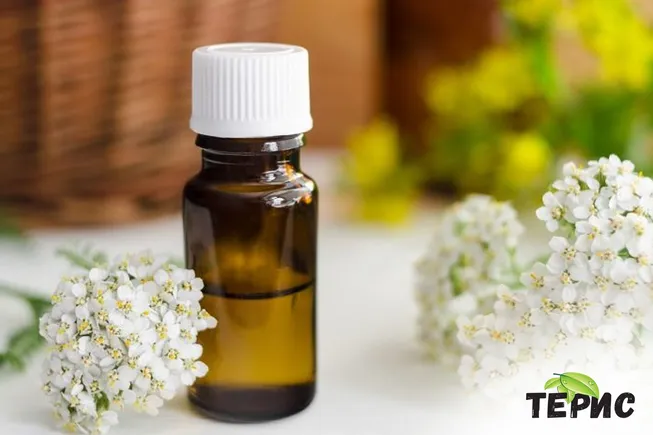
As an extract, the herb can effectively influence:
- poor blood circulation
- boost immunity
- and protect against seasonal flu.
- it also has a strong tonic effect
Taking it is especially beneficial in the autumn and winter.
The exceptional medicinal properties of the herb led us to create a product whose effect is beyond doubt.
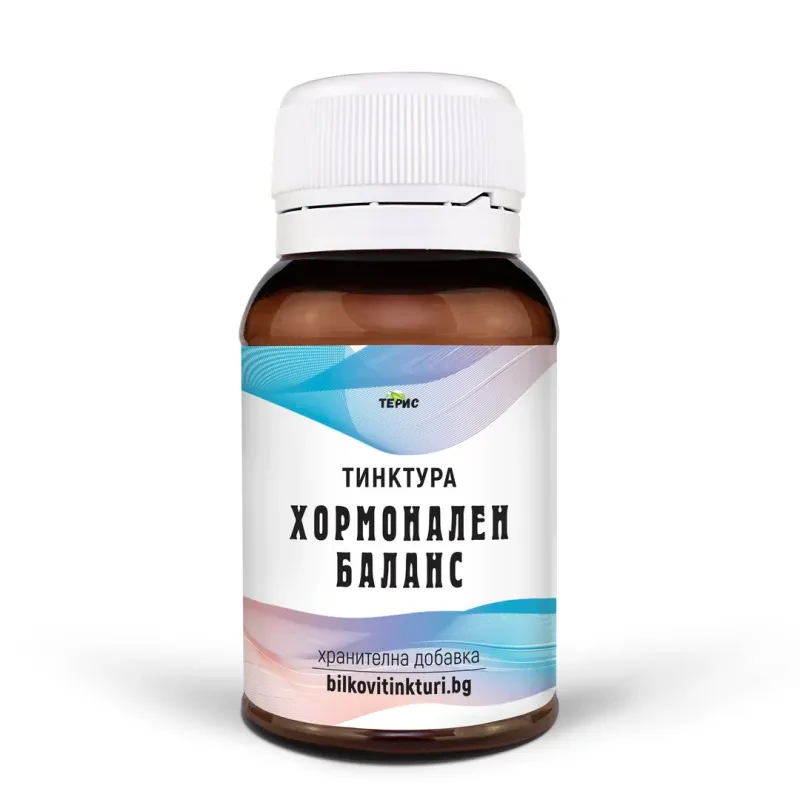
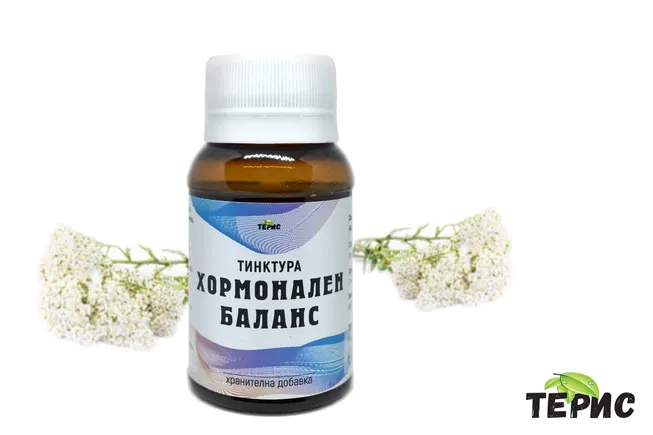
The herbal tincture "HORMONALEN BALANS" (Hormonal Balance) is beneficial for:
- the proper functioning of the female reproductive system
- colds
- and for speeding up the healing of wounds
#Recommended by folk medicine
Many natural medicine specialists are of the opinion that yarrow is the most suitable herb for improving circulation in the uterus, supporting the menstrual cycle and reducing uterine cramps. The reason for these beneficial properties is the large amount of essential oils, tannins, organic acids, resins, vitamins C and K and β-carotene it contains.
This article is for educational purposes and does not replace advice from a doctor. Food supplements are not medicines and are not intended to treat diseases. If you have a chronic condition, are pregnant or breastfeeding, or take medication, consult a specialist before use.

Yarrow – a Traditional Herb for Many Occasions
Click to play video
Products from this article