The walnut hull - a remedy passed down from generation to generation
Table of Contents
#Herbs - a familiar remedy
Herbs have been a well-known means of treating various ailments since ancient times, but some of them stand out as having been especially revered by our ancestors. Their properties are so distinctive and useful that they were quickly recognised as a tool in the medicine of the time, and the tradition of using them has been passed down from generation to generation, right up to the present day.

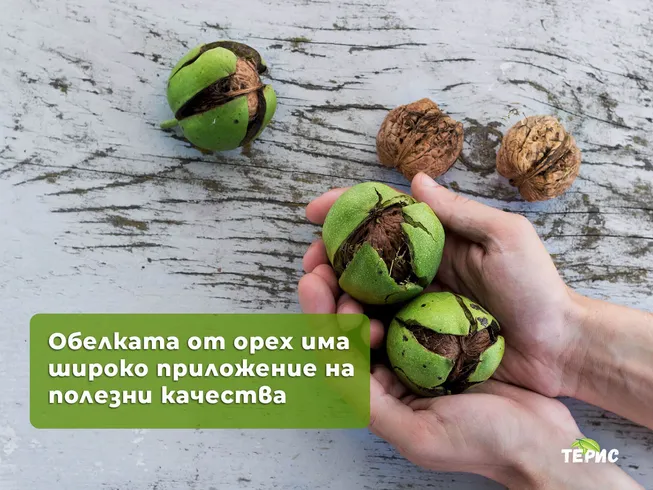
One of these wondrous and magical plants is precisely the walnut hull. Yes, that same green husk that gradually turns black over time and leaves coloured stains on our hands, thanks to the phenols it contains, if we are not careful and come into direct contact with it. Every one of us remembers it, whether from treasured childhood memories of the village or from some green space between blocks of flats that has stayed relatively wild and natural.
Although we cannot define the walnut hull as a herb in the classic sense of the word, its beneficial qualities and wide range of uses make it an irreplaceable health helper for many of us in all kinds of everyday situations.
#Walnut - "Juglans regia"
The word "walnut" comes from the Old English "wealhhnutu", literally "foreign nut", where wealh means "foreign". The walnut was so called because it was introduced from Gaul and Italy. The earlier Latin name of the walnut was "nux Gallica" - "Gallic nut".
The walnut "Juglans regia" is a valuable tree belonging to the family "Juglandaceae".
The fruit has four main parts: the kernel, the skin, the shell and the green hull.
It is widely cultivated for its edible kernel. In walnut-growing centres, large quantities of hulls are produced and discarded as a waste product of agroforestry. It has been shown, however, that the walnut's green hull can be valued as a source of various natural bioactive compounds with excellent antioxidant and antimicrobial properties.
In this respect, a number of studies have been carried out in support of this - scientific knowledge of the antioxidant and anti-radical activity, the various individual chemical constituents identified and isolated, and the functional applications of the walnut hull.
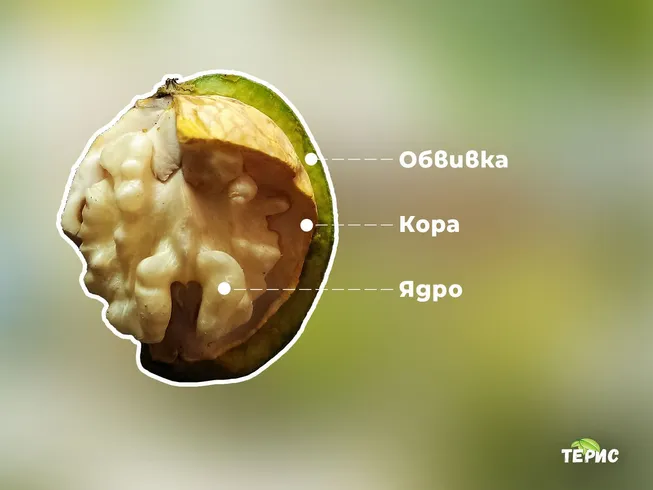
#Botanical characteristics of Juglans regia
The walnut tree (Juglans regia L.) is a fast-growing deciduous tree reaching a height of around 30–40 metres, with a straight trunk, dark grey bark and a rounded, dense crown.
The trees develop broad canopies reaching 18 m in width and 30 m in height. It is a light-demanding species that needs full sun to grow well.
The buds break dormancy in mid-April to late May (depending on the variety), and leaf fall occurs in early November.
The large compound leaves give off a lemon/lime scent, especially when crushed. They are large and have long stalks.
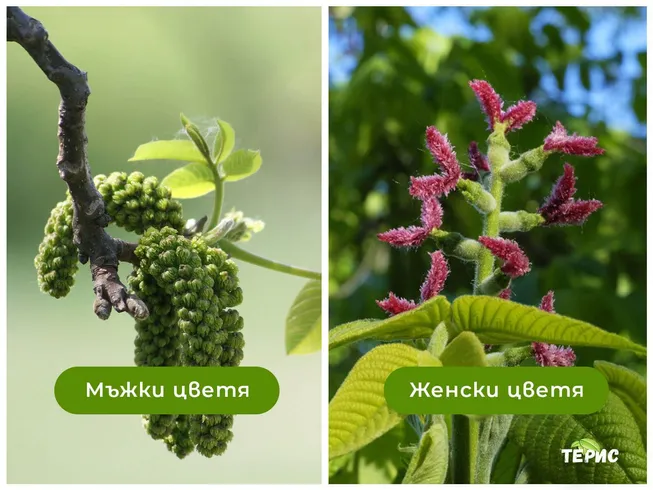
The flowers open before or at about the same time as the leaves, and you can find both male and female flowers on the plant (monoecious) - they are unisexual. The male flowers are larger and the female flowers smaller, often found at the tips of the branches.
The male flowers are in drooping catkins 5–10 cm (2 to 4 inches) long, while the female flowers are terminal, in clusters of two to five, and ripen in autumn into a fruit with a green, semi-fleshy hull and a brown, corrugated nut.
Pollination is by wind.
The walnut is the fruit of trees of the genus Juglans, commonly Juglans regia. The edible part is the seed, wrapped in a woody part called the endocarp (the shell). The shell in turn is protected by an inedible fleshy layer, the hull (called the mesocarp), covered with a skin (the exocarp).
Walnut is known for the unripe green fruit being a laxative tonic (M. Tierra, Planetary Herbology), while the leaves are astringent and have an antidiabetic, hypoglycaemic, lymph-draining and antiseptic action (Francesco Perugini Billi, Fitotherapy Manual).
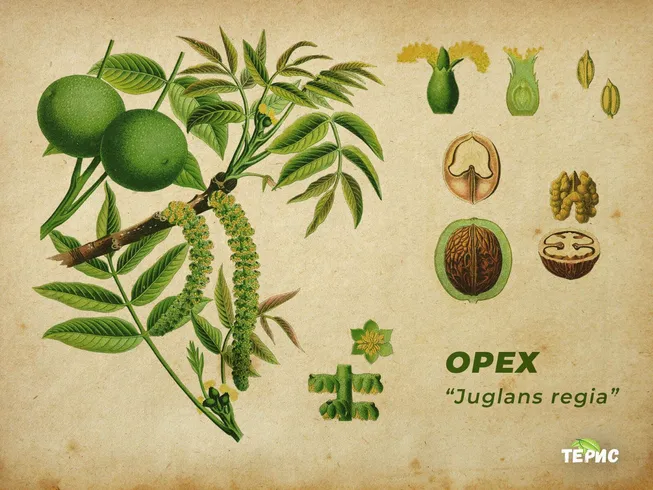
"Juglans regia" is known by several common names, including Persian walnut, common walnut, English walnut, Carpathian walnut and Madeira walnut.
#The nuts - walnuts
Walnuts are the rounded, single-seeded drupes of the walnut tree, usually used for food after full ripening between September and November; removing the hull at this stage reveals the darkening, wrinkled walnut shell usually found in shops. During ripening the hull stays brittle and the shell hard. The shell encloses the kernel or meat, which usually consists of two halves separated by a membranous partition.
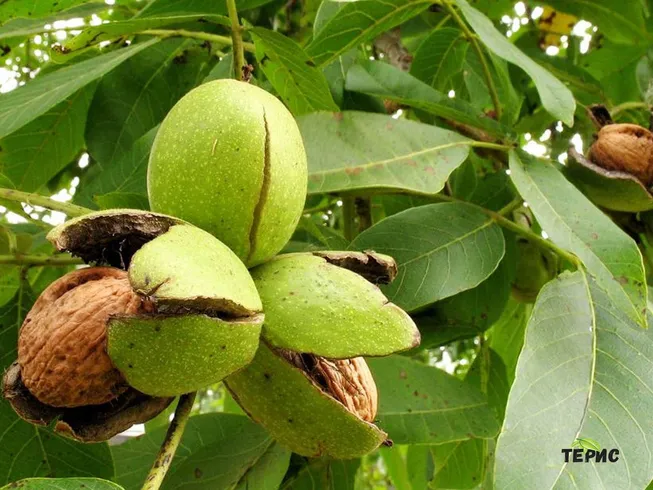
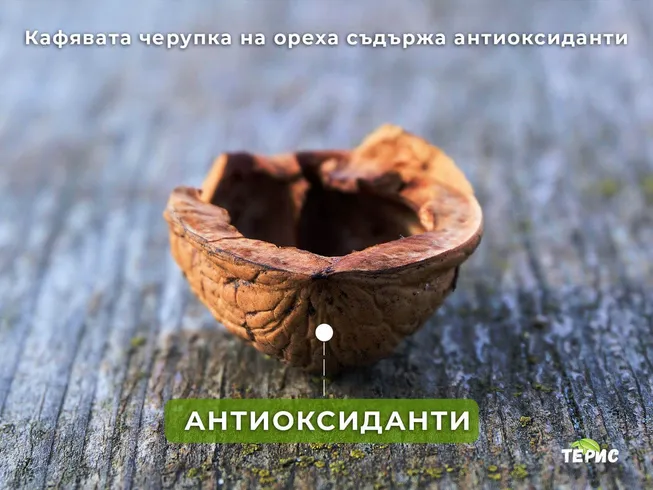
The seed kernels – usually sold as shelled walnuts – are enclosed in a brown seed coat that contains antioxidants. The antioxidants protect the oil-rich seeds from atmospheric oxygen, thereby preventing rancidity.
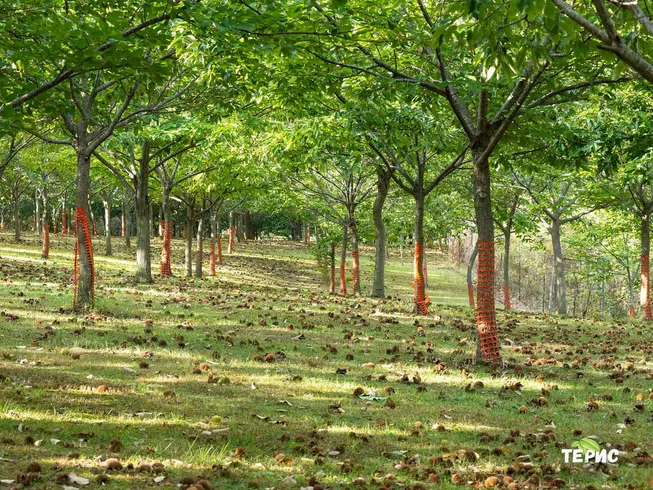
Walnut trees come into leaf late, usually not until more than halfway through spring. They release chemicals into the soil to prevent the growth of competing vegetation. For this reason, sensitive plants should not be planted near them.
#The walnut tree
The family "Juglandaceae" includes between 7 and 10 genera and about 60 species, distributed mainly in the Northern Hemisphere of the Old and New Worlds. Juglans is a genus of plants in the family Juglandaceae whose seeds are known as walnuts. This genus includes 21 species from South-East Europe to Japan.
Although it is considered a "nut" in cooking and is used as such, it is not a true botanical nut. After full ripening, the shell is discarded and the kernel is eaten. Nuts of the eastern black walnut (Juglans nigra) and butternuts (Juglans cinerea) are eaten less often.
#Growing range of Juglans regia L.
It originates from Asia but has long been cultivated in the Mediterranean regions from the sea to the mountains. The natural range of this plant extends from the Carpathians through the Middle East to the Himalayas.
Walnuts from the Middle East and Persian varieties are hardy to zone 5 (-23 °C), while Carpathian ones can withstand temperatures down to -32 °C. You cannot grow these plants in lower-latitude areas without at least 500–1,500 hours a year at temperatures below 7 °C. In high-latitude climates, young shoots and flowers are susceptible to frost damage in spring, and early frosts in autumn can damage new growth.
#Green walnuts: an elegantly bitter harvest
Most of us are familiar with the taste of dried walnuts. We crack them by hand and nibble them as a snack, toast them to add to our salad, or enjoy their wonderful taste in baked brownies.
Fresh green walnuts, on the other hand, offer a taste that few people like, mainly because they are incredibly bitter.
Fortunately, we can use simple techniques to remove the tannins from these sharp green gems and turn them into something dark, exceptionally flavourful and refined.
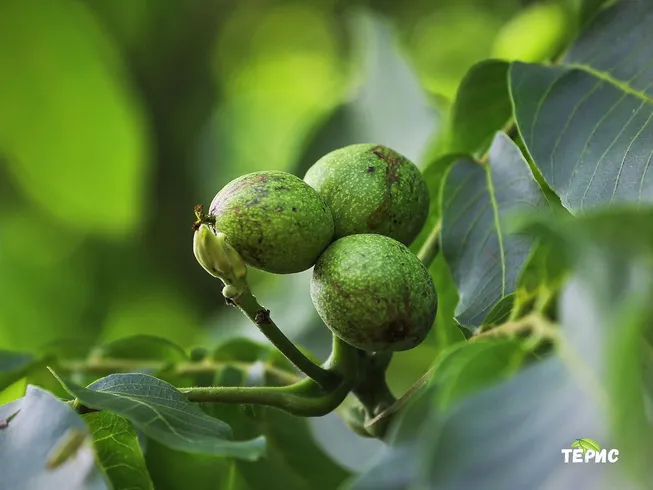
California has a native black walnut tree (Juglans californica), but the kind of walnut we are most likely to grow locally is the English walnut - Juglans regia, which is thought to originate from Persia. Most historically documented uses of the green English walnut come from Europe, where cooks have used them over the centuries to make chutneys, pickles, liqueurs and infusions. Both recipes take time, but you end up with a rich, luscious Italian liqueur and a tangy English-style pickle that are well worth the effort.
#Types of walnut - "Juglans"
The genus Juglans, of the family "Juglandaceae", is a genus of plants whose seeds are known as walnuts. This genus includes 21 species from South-East Europe to Japan.
#Juglans mandshurica Maxim. (J. mandshurica Maxim.)
is a deciduous tree that is widespread in North-East Asia. Besides its edible fruits, the green hull of J. mandshurica Maxim has also been used in folk medicine, as it has antioxidant, anti-tumour and antibacterial properties.
J. mandshurica Maxim is known to be rich in naphthoquinones, diarylheptanoids and flavonoids, as well as their glycoside forms.
#Black walnut or Juglans nigra (J. nigra)
It is a deciduous tree known as the eastern black walnut. It is native to the eastern part of North America, where it is grown in places such as South Dakota in the United States. Its fruits drop around October and consist of a hull, a hard shell and a kernel. The husk is normally discarded during processing, even though it contains phenolic compounds with antioxidant and antimicrobial properties.
#Persian, English walnut — or Juglans regia L. (J. regia L.)
It is a well-known member of the genus that is widely cultivated because of the high commercial added value of the nuts.
J. regia L. is a relatively nutritious food rich in bioactive natural products. It is an extremely important tree nut and an integral part of the Mediterranean diet. Besides its culinary use, J. regia L. is also used for medicinal purposes.
This widespread deciduous tree grows in Europe, Asia and the eastern and southern parts of the United States for two main purposes: quality timber and nuts containing an edible fleshy part.
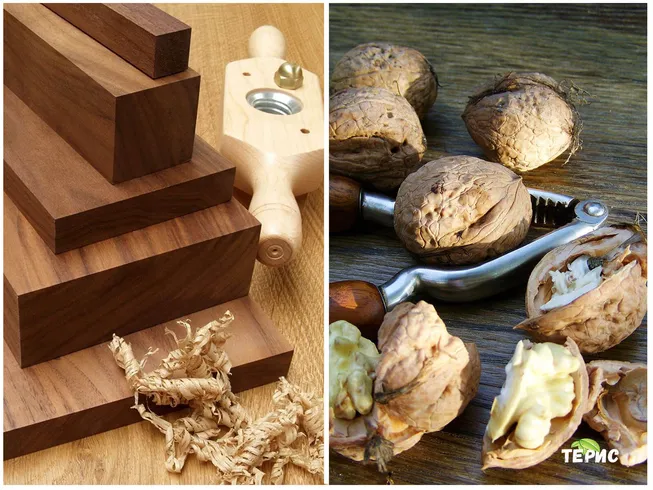
The two most widespread main species of walnut are grown for their nuts – the Persian or English walnut and the black walnut. The English walnut (J. regia) originates from Iran (Persia), and the black walnut (J. nigra) from eastern North America. Black walnut has a strong flavour, but because of its hard shell and poor hulling characteristics it is not grown commercially in orchards.
Numerous walnut varieties have been developed commercially, and almost all of them are hybrids of the English species.
#Composition of the walnut hull
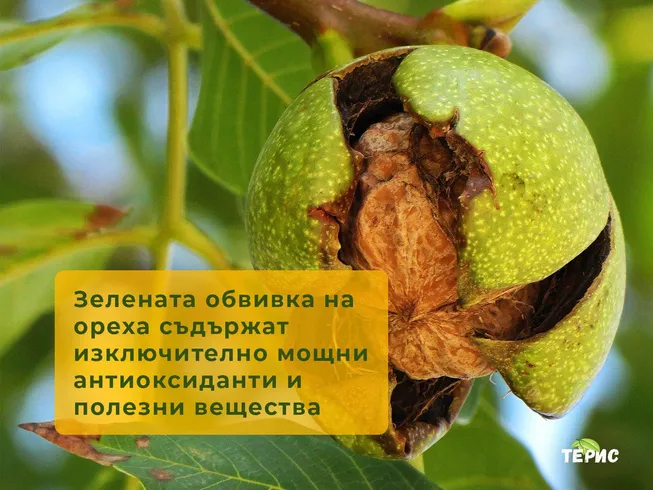
The green hull of the walnut contains extremely powerful antioxidants, as well as other beneficial substances such as quinic acid, gallic acid, p-hydroxybenzoic acid, vanillic acid, syringic acid, ascorbic acid, tannins, sugars, mineral salts, epicatechin gallate, rutin, naringin and ferulic acid.
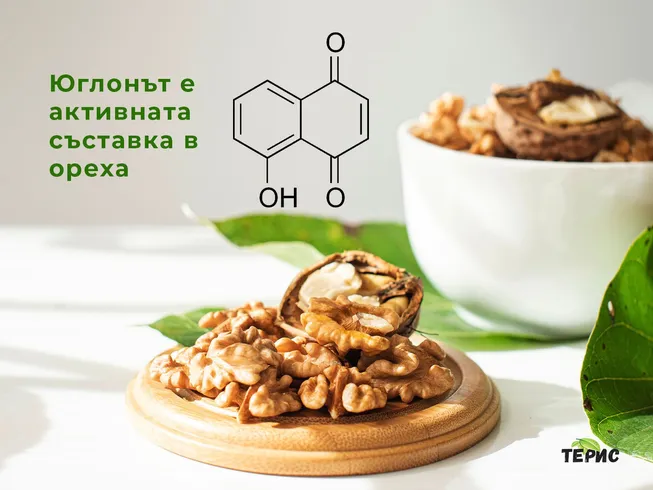
Juglone is the active ingredient in walnut that can inhibit key enzymes needed for metabolism.
Juglone is known as an important phenolic compound present in various parts of the walnut. It shows excellent biological activity, including antimicrobial effects, and has also been reported to reduce the incidence of tumours in the small intestine.
Recently juglone has also attracted interest as a potent anti-cancer agent.
Pyrogallol is known as another phenolic compound described in the Persian walnut. As potent anti-cancer agents, the interaction properties of these natural chemicals with serum albumins have been studied extensively.
Walnuts are an excellent source of anti-inflammatory omega-3 essential fatty acids. They are also rich in antioxidants and are a very good source of manganese and copper, and of molybdenum, vitamin E, B-complex vitamins, ellagitannins, catechin and melatonin. Many other minerals are supplied by walnuts in valuable amounts. These minerals include calcium, chromium, iron, magnesium, phosphorus, potassium, selenium, vanadium and zinc.
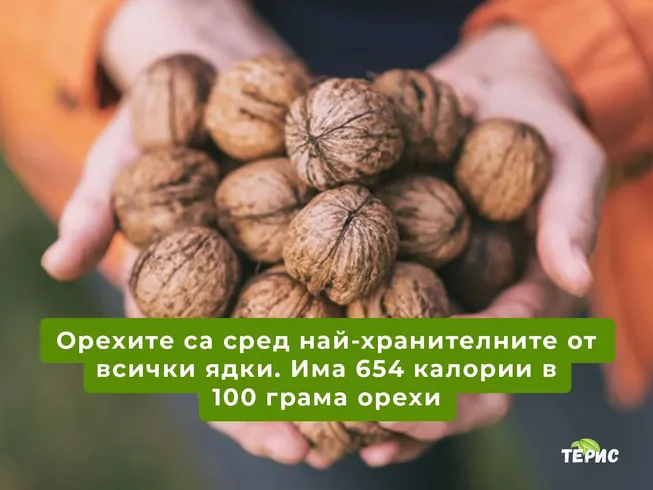
Walnuts are among the most nutritious of all nuts. There are 654 calories in 100 grams (3.5 ounces) of walnuts.
#Particular features of the walnut hull
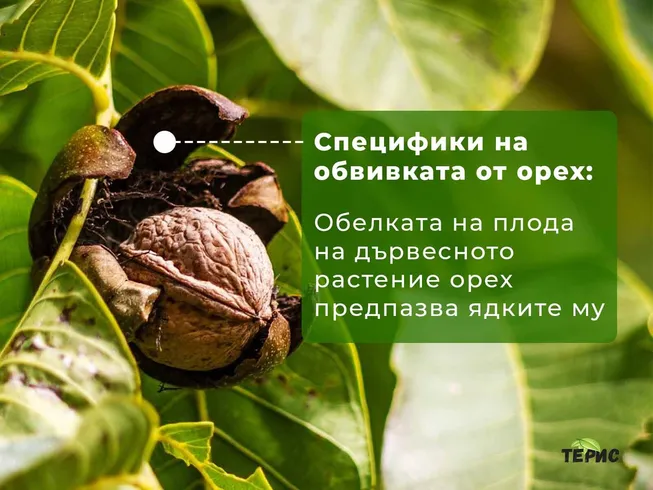
The green hull of the fruit of the walnut tree is a protective and nourishing adaptation that appears in the early stages of its development. Its main function in the animal and plant world is to protect the walnut kernels from being eaten prematurely by birds or other members of the fauna.
Gradually the hull darkens and falls away completely, indicating that the walnut kernels, and in turn the shells, have reached maturity and can be eaten. It is the splitting of the green hull that signals that the walnuts should be picked, although they are edible before then. The month of the year in which this happens depends on the climate, but it is usually September or October.
The hulls, quite naturally, should be gathered a little before that (July–August).
#Walnut hulls through history
As we have already mentioned, the medicinal properties of the hulls have been known for centuries, and more than one or two ancient civilisations have made use of their unique qualities. The ancient Greeks even considered them sacred, and at weddings, instead of the rice we know today, they threw walnuts so that the gods would bless the young couple with fertility.
In Eastern medicine, walnut hulls were used to treat gout, worms, kidney disease and ulcers, but people were well aware that the plant had to be used in moderation, as otherwise it could be dangerous and have the opposite effect on health.
In short, the hull was used by many peoples and tribes mainly as a means of treating skin problems and reducing the pain of various wounds.

In the Byzantine era the walnut was also known as the "royal nut". An article on growing walnut trees in Spain is included in Ibn al-Awwam's 12th-century Book of Agriculture. The walnut was originally known as the Welsh nut, i.e. it came through France and/or Italy to the German-speaking peoples (German Walnuss, Dutch okkernoot or walnoot, Danish valnød, Swedish valnöt). In Polish orzechy włoskie translates as "Italian nuts" (włoskie is the adjectival form of Włochy ("Italy")).
#Storing walnuts
Walnuts, like other nuts, must be processed and stored properly. Poor storage makes them susceptible to insects and fungal moulds; the latter produce aflatoxin – a potent carcinogen. A batch that contains mould-infected walnuts should be discarded entirely.
The ideal temperature for long-term storage of walnuts is -3 to 0 °C (27 to 32 °F) with low humidity for industrial and home storage. Such refrigeration technologies, however, are not available in developing countries where walnuts are produced in large quantities. There, walnuts are best stored at temperatures below 25 °C (77 °F) with low humidity. Temperatures above 30 °C (86 °F) and humidity above 70 per cent can lead to rapid and large spoilage losses. Above a 75 per cent humidity threshold, fungal moulds can form that release dangerous aflatoxin.
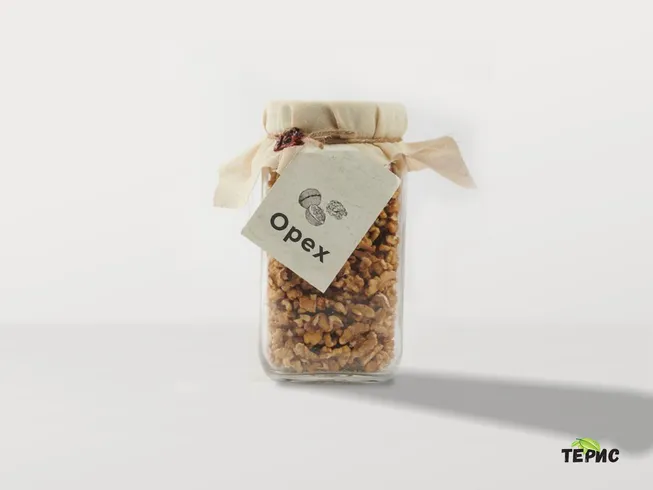
#Walnut hulls
- Walnut husks
The outer green thick layer of the fruit of the walnut is called its hull, an abundant agricultural waste product obtained when harvesting and processing the fruit. But it is considered a valuable source of natural phenolic antioxidants and other useful compounds. Recently the walnut hull has been attracting increasing interest in modern pharmacology because of its excellent antioxidant actions, since it is a waste product that is widely used in traditional medicine to treat skin diseases and relieve pain.
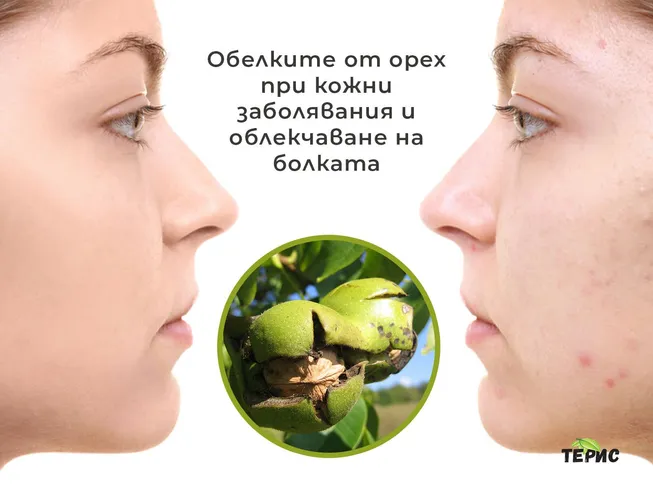
* The main by-products obtained from walnut fruits are the green walnut hull and the hard shell.
#Uses of walnuts
Besides the nutritious, tasty nuts, other parts of the walnut plant can be used for various purposes.
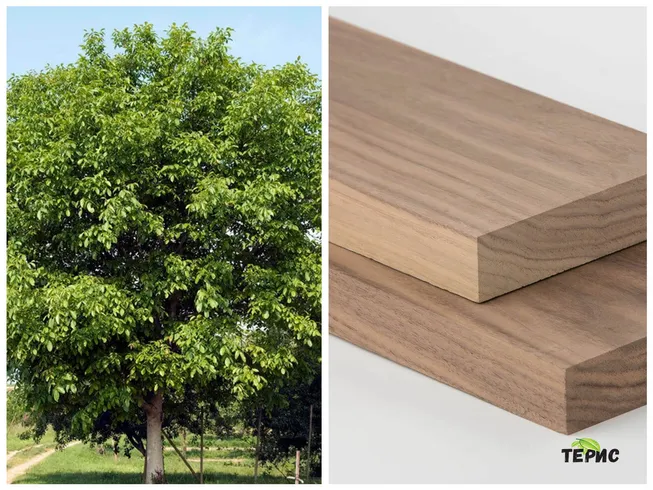
#Walnut timber
The wood of this tree is very stable, hardly warps and, after proper seasoning, swells very little. The wood is straight-grained, fairly durable, slightly coarse (silky) in texture, holds firmly with ease, is of medium density and can withstand considerable impact. It is easy to work and holds metal fittings with little wear or risk of splitting. The heartwood is streaked with mixed brown, chocolate, black and light purple colours. Some of the most attractive wood comes from the root crown area, from which fine walnut veneers can be obtained.
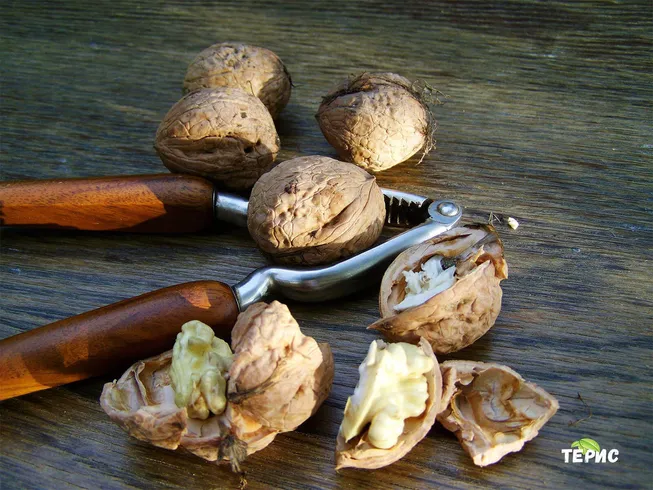
#Walnut kernels are edible
The nuts can be eaten raw, salted or pickled. They must have an oil content of at least 50% to store successfully; those with 30–50% oil content have a higher moisture level and tend to shrivel in storage, so they should be eaten straight away or preserved.
#Walnut oil
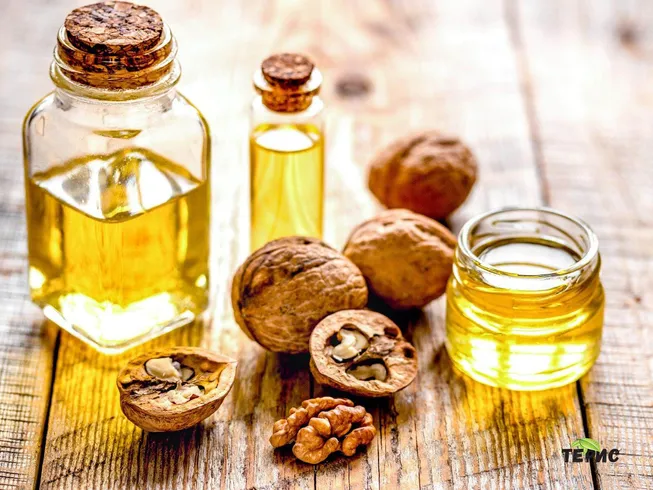
Walnut oil is available commercially and is used mainly as a food ingredient, especially in salad dressings.
Oil can be pressed from the ripe nuts (sometimes over 50% of the weight of the nuts). The oil can be used raw, for cooking or as a substitute for butter. It is also used to make varnishes, to polish wood, in soaps and as lamp oil.
#Wine from walnut leaves
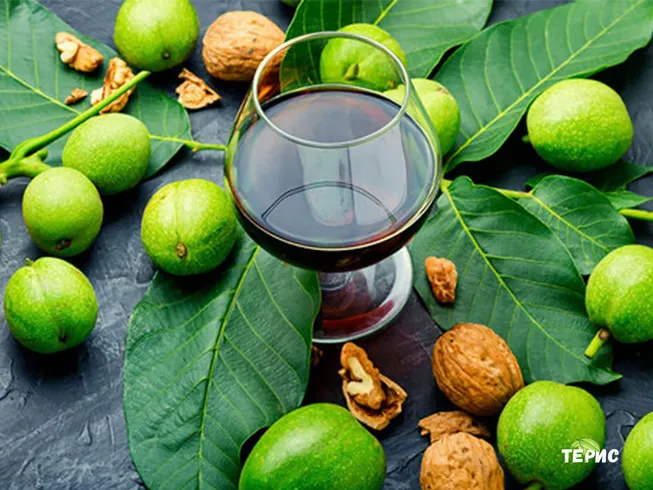
The leaves can be used to make wine. Lovers of this drink know it very well.
#Walnut tree sap
The sap of the tree is also edible, in the same way as that of the sugar maple.
#The walnut hull as a dye
- Juglone - a brown pigment
The walnut hull can be used as a natural source of dye, such as juglone.
Juglone is a brown pigment with the chemical formula 5-hydroxy-1,4-naphthoquinone that occurs naturally in various parts of walnut trees, such as the leaves, roots, hull and bark, in the family Juglandaceae, especially in the Persian walnut. Nowadays the green hull, as an agricultural by-product, is little used. Using the husks as a source of phytochemicals or natural compounds with antioxidant and antimicrobial properties would therefore increase the value of walnut growing and also define new uses for an agroforestry waste product that is generated in large quantities.
One of the classic uses of the green walnut hull is linked to dyeing, as the plant is a very strong natural colourant. This makes it a key ingredient in hair dyes with a more natural composition, as well as in various types of henna. In addition, walnut hull has the power to colour fabrics, carpets, yarn and much more. The shade achieved is in the light, warm range of browns.
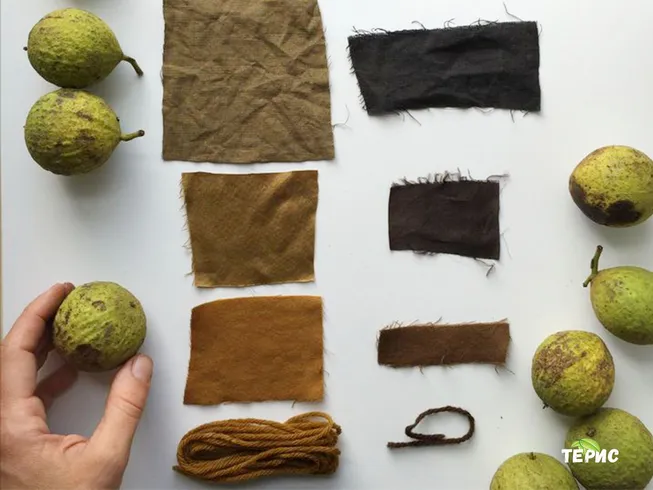
Interestingly, writing ink and painting dyes can also be obtained from walnut hulls.
The green husks can be boiled to produce a dark yellow dye; the leaves contain a brown dye used on wool and for colouring leather.
Natural hair dye
The green walnut hull can be used as a cost-effective, valuable, environmentally friendly and safe source of cosmetic dyes and antimicrobial agents. For this purpose, the effective use of green walnut hull extract as a natural hair colour has been evaluated.
The dyed hair shows sufficient colour strength, with excellent morphology of the hair surface covered with colour molecules.
#The leaves have insect-repelling properties
The leaves have insect-repelling properties. In former times horses rested under walnut trees to relieve them from the irritation of insects.
#The walnut hull in cooking
Although to a more limited extent, walnut hulls also feature in food and drink production. For example, they are used to make a wonderful liqueur, which owes its flavour precisely to the tannin-rich hull. The classic recipe comes from Italy, and to this day in those latitudes nocino, as it is called, is a favourite drink of locals and tourists alike.
- Walnut hull liqueur
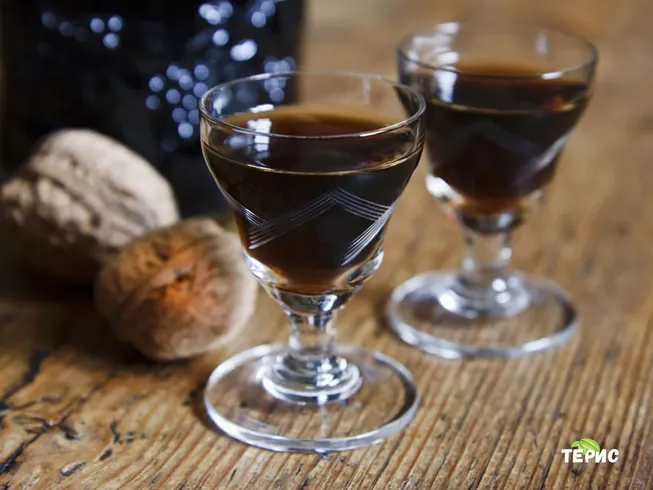
For many years, just before the endocarp hardens, the green unripe walnut fruits have been picked, chopped and left to steep in food-grade ethanol to make a delicious drink called walnut liqueur.
In Italy "Nocino" is the name of a similar alcoholic drink made from young green walnut fruits. In traditional folk medicine, fresh green walnuts are widely used to prepare walnut liqueur. This alcoholic drink, made from walnut fruits with their green husks, is rich in phenolic compounds and vitamins.
Jam and liqueur from unripe green walnut fruits are among the most commonly used recipes for preparing food. Traditional walnut liqueur, made from fresh green walnuts, is widely used as a drink in folk medicine.
Walnut liqueur is a dark brown, bitter and tasty drink that is often used as an aperitif and sometimes to treat stomach ache. *The content of phenolic compounds affects the astringency and bitterness of foods and drinks.
Recently walnut liqueur has been attracting growing interest in scientific research. For example, one study showed that traditional walnut liqueur can be regarded as a cocktail of phenols. The researchers also observed the strong influence of variety selection and picking time on the phenolic content of walnut liqueur.
Because of the traditional way the liqueur is produced, the concentrations of individual phenols in it may be relatively low compared with the green hull. It has been found that as the ethanol concentration in walnut liqueur increases, the content of total phenols and some individual phenolic compounds (protocatechuic, sinapic and p-coumaric acids and 1,4-naphthoquinone) rises. Fourteen different phenolic compounds have been identified in it (chlorogenic acid, caffeic acid, ferulic acid, sinapic acid, gallic acid, ellagic acid, protocatechuic acid, syringic acid, vanillic acid, catechin, epicatechin, myricetin, 1,4-naphthoquinone and juglone).
The antioxidant potential and antioxidant activity of walnut liqueur are thought to be directly related to TPC, and this characteristic does not change even over many years of storage. The authors found that the phenol content was influenced by the ripeness of the fruit. However, the effects of the temperature and duration of steeping the fruit in ethanol on the phenolic composition of the liqueur were not significant.
#The walnut hull as a remedy
Various uses of the walnut hull have been reported in industry, food and medicine.
For medicinal and food purposes, it is necessary to prepare extracts of walnut husks and to characterise their bioactive compounds. Excellent antioxidant, antimicrobial, antifungal, anti-cancer and antiplatelet actions have been described for the prepared extracts and the isolated chemical constituents. Below we look in more detail at the various uses of the green walnut hull.
This natural medicine chest of sorts, which is what the green walnut hull is in itself, has a number of qualities that earn it one of the top places in popularity and importance.
In summary, the beneficial action of the walnut hull, passed down from generation to generation, can be set out in the following areas:
- Anti-infective and antiseptic action.
- A positive influence on autoimmune diseases and thyroid problems.
- Easing the effects of eczema, psoriasis, herpes, acne and other skin problems.
- Restoring life to the hair and eliminating dandruff.
- It helps with inflamed lymph nodes, gums and other situations related to irritation of various parts of the body.
- It has a beneficial effect on immunity and cleanses the body of all kinds of toxins.
Nuts have been described as a leading source of phenolic compounds with high antioxidant activity. The walnut is essential in human nutrition because it contains the valuable kernel, which shows a high nutritional capacity owing to high levels of unsaturated fatty acids, digestible proteins, phenolic compounds and dietary fibre. According to research, of all the nuts and seeds studied, walnut shows the highest content of antioxidant compounds. Likewise, one study demonstrated that the kernel of J. regia L. has the highest content of total phenolic compounds and antioxidant activity among 25 commonly eaten foods.
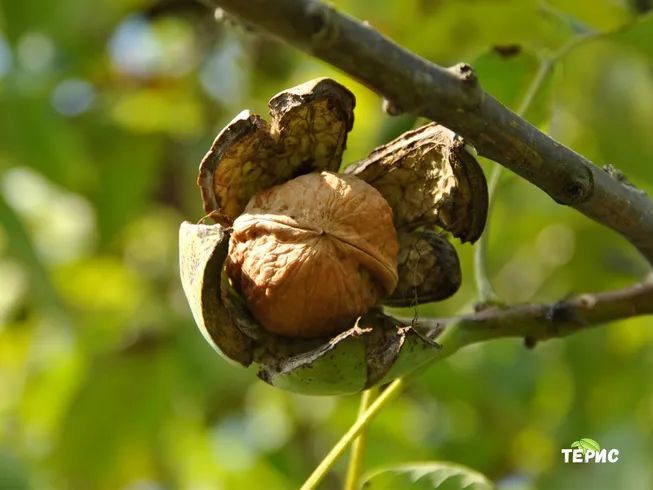
Various parts of the walnut tree and its fruits, including the green hull, the hard shell of the nut (endocarp), the kernel's dividing membranes (pellicle), the flowers, root, trunk (bark and wood), branches and leaves, are being studied extensively so that they can be used for various purposes.
The leaves of the various walnut species are traditionally used in several European countries to relieve mild inflammatory skin conditions. The walnut hull is an agro-industrial residue that is available after walnut growing and processing. The ripe walnut fruit is eaten fresh in confectionery, while the young form of the fruit is used mainly to produce liqueur.
This particular drink is made from the green walnut fruit at an early stage of the fruit's development. It has been shown that juglone is the active ingredient in walnut that can inhibit key enzymes needed for metabolism. Juglone is known as an important phenolic compound present in various parts of the walnut. It shows excellent biological activity, including antimicrobial effects, and has also been reported to reduce the incidence of tumours in the small intestine. Recently juglone has attracted interest as a potent anti-cancer agent. Pyrogallol is known as another phenolic compound described in the Persian walnut. As potent anti-cancer agents, the interaction properties of these natural chemicals with serum albumins have been studied extensively.
#The HEALTH BENEFITS of the walnut hull:
Several parts of the tree have medicinal uses.
The leaves and bark have alterative, laxative, astringent and detergent properties and are used to treat skin diseases.
In addition, the bark is a laxative.
The leaves should be picked in June or July in fine weather and dried quickly in a shady, warm, well-ventilated place.
The juice of the green husks, boiled with honey, makes a good gargle for a sore throat.
The oil from the nuts can be used for colic and skin diseases.
The hulls, shells and bark are vermifuge, especially when green.
And, of course, the green hulls, full of a whole arsenal of beneficial properties.
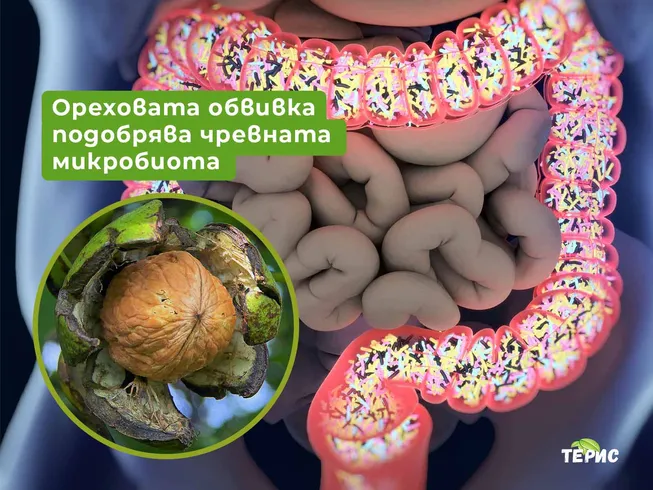
#The walnut hull improves the gut microbiota
Eating walnuts (43 g/day) for 8 weeks is effective in improving the healthy bacteria that live in the gut. These bacteria promote gastrointestinal health and reduce the risk of various diseases.
#Walnut - "food for the brain"
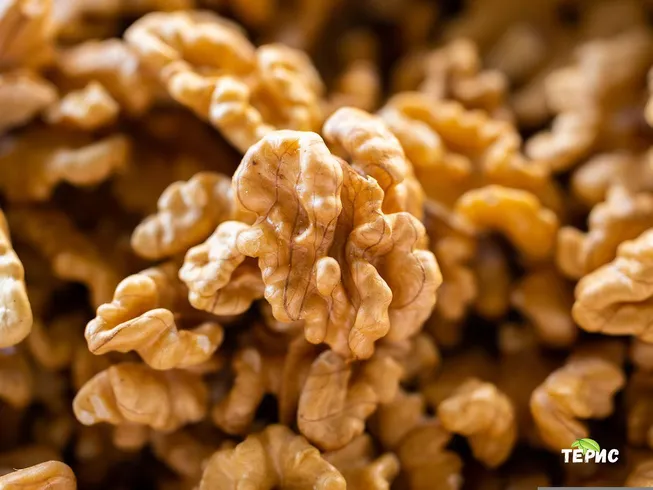
Walnuts have always been considered "brain food", perhaps because the surface of a walnut has a folded appearance like that of the brain. For this reason they were considered a symbol of intelligence, which led to the belief that they actually increase intellect.
Although this is not quite true, recent studies show that eating these nuts helps promote brain function.
Boost your brain activity naturally!
Eating walnuts daily is effective in raising serotonin levels in the brain in normal and pregnant women. Serotonin is a chemical that helps transmit signals from one area of the brain to another. In this way walnut fatty acids and vitamin E help improve learning and memory in a person and their children.
#The walnut hull fights infections and parasites
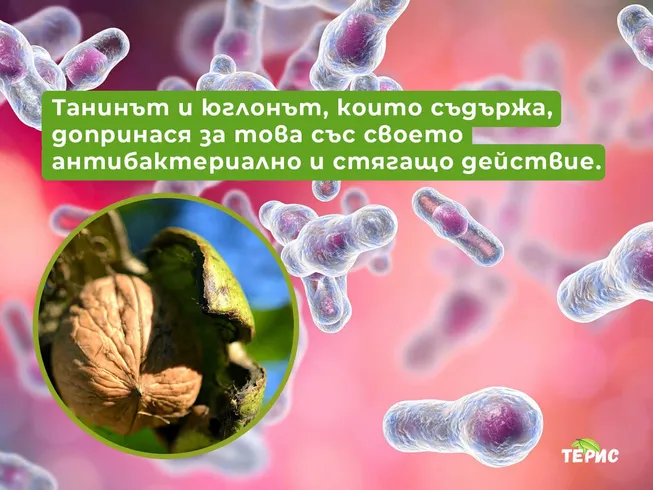
One of the first medicinal uses we will mention is the ability of the walnut hull to fight infections and parasites. This quality makes it a constant ingredient in many medicines intended for this purpose. Tannin, which we have already mentioned, contributes to this with its antibacterial and astringent action.
It has been shown to be able to kill some of the most common types of bacteria, such as E. coli and Staphylococcus aureus. It also has a positive influence in tuberculosis.
Antimicrobial properties
Eating walnuts helps fight various multidrug-resistant bacteria such as Staphylococcus aureus and Escherichia coli.
Antioxidant properties of the plant
Walnut contains fats, proteins, vitamins and minerals, together with phenolic compounds (ellagitannin), which help remove harmful radicals from the body and fight various diseases.
Harmful microorganisms such as parasites are not safe either when they are overtaken by the effects of the green walnut hull. This is due to the presence of the substance juglone, which is highly toxic to all such creatures, which could otherwise have a harmful influence on the human body. It is important to note, however, that in an inappropriate dose juglone would also be poisonous to the human body, so consult a medical professional or a professional herbalist before taking it.
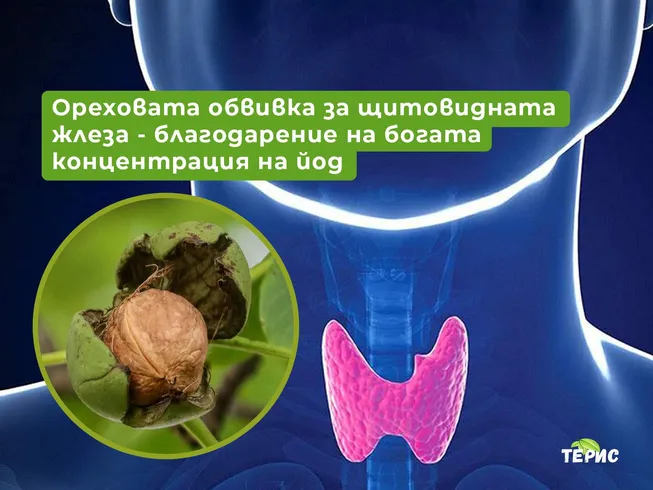
#The walnut hull for the thyroid gland
Next, the green hull contains a rich concentration of iodine, which makes it particularly suitable for treating thyroid conditions or cleaning wounds. Other minerals it contains are potassium, sodium and magnesium.
#The walnut hull significantly speeds up metabolism
A particular drink is made from the hull of the green walnut at an early stage of the fruit's development. It has been shown that juglone is the active ingredient in walnut that can inhibit key enzymes needed for metabolism. Juglone is known as an important phenolic compound present in various parts of the walnut. It shows excellent biological activity, including antimicrobial effects, and has also been reported to reduce the incidence of tumours in the small intestine.
Reduce obesity!
Walnut contains a rich amount of protein and dietary fibre, which increase satiety and reduce fat absorption. So regular consumption (approximately a handful a day, or 28–56 g of nuts, over a long period) helps prevent obesity.
#Walnut helps with diabetes
Eating the nut helps lower blood sugar levels. Thus higher walnut consumption is associated with a lower risk of type 2 diabetes in women.

#The walnut hull keeps the heart healthy
Daily intake of walnuts reduces low-density lipoprotein (LDL) cholesterol, blood pressure, oxidative stress and inflammation. In this way you prevent hypertension and reduce the risk of cardiovascular diseases such as stroke.
Regular and adequate consumption of walnuts has been reported to be associated with a reduced risk of some diseases, such as cancer, cardiovascular symptoms and degenerative disorders.
#The walnut hull as an anti-cancer agent
Recently juglone has attracted interest as a potent anti-cancer agent. Pyrogallol is known as another phenolic compound described in walnut. As potent anti-cancer agents, the interaction properties of these natural chemicals with serum albumins have been studied extensively.
Anti-cancer properties.
Walnuts contain polyphenols, quinones, proteins, juglone and essential fatty acids, which inhibit the growth of cancer cells, induce apoptosis and inhibit metastasis.
In this way walnuts show anti-cancer activity against breast, colon, lung, prostate and skin cancer cells.
There are theories that juglone as an ingredient may limit the spread of cancer cells, but at present there is no conclusive evidence in favour of this claim.
#Walnut is good for older people
Eating walnuts daily (43 g/day or 281 kcal) increases the intake of energy, protein, plant protein, omega fatty acids, polyphenols and tocopherols. It also inhibits the accumulation of damaged protein and inflammation in the brain and improves interneuronal signalling in older people.
So a diet with walnuts not only provides important nutrients but also reduces the risk of Alzheimer's disease and hypertension.
#Walnuts help you tackle fatigue
Consuming walnut (oligopeptides) helps improve energy metabolism and reduce oxidative stress, cell damage and muscle injuries. In this way you stay active and tackle fatigue.
#Walnut helps reduce depression and improve mood
Walnut is an excellent source of omega-3 polyunsaturated fatty acids (PUFA), vitamin E, polyphenols and melatonin. These compounds help improve mood and reduce feelings of anger, anxiety, fear, depression and confusion.
#Walnut bark is good for oral hygiene
Walnut bark inhibits the growth of Staphylococcus aureus, Streptococcus mutans, Escherichia coli, Pseudomonas aeruginosa and the yeast Candida albicans.
It also helps raise the pH of saliva and reduce the frequency of gingival and periodontal infections. In this way brushing your teeth with this bark can improve oral hygiene and prevent the formation of plaque and tooth decay.
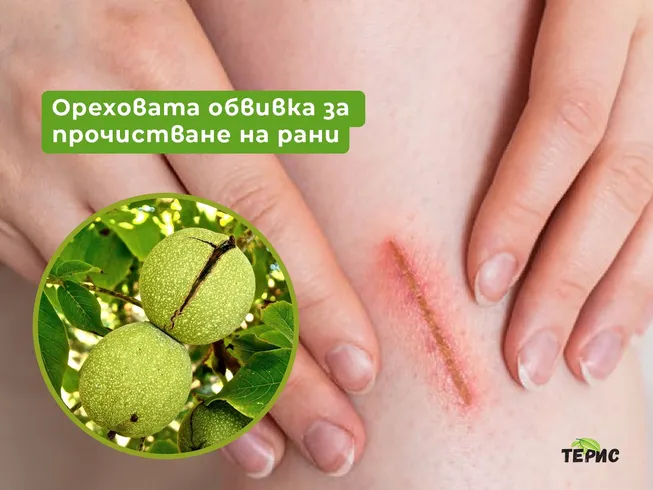
#The walnut hull for cleaning wounds
Green pericarps are used in traditional Chinese medicine for their anti-cancer and antioxidant properties, as well as to treat pain, inflammation and skin diseases.
#Points to note when using the walnut hull
Although very useful, the green (and later black) hull should be used for a short time and in appropriate doses, only when there is a specific problem. It is best to take it in the form of a decoction or tincture. You can find useful recipes and ways of preparing such substances in books and encyclopaedias devoted to the subject, or in our blog with our articles for your health.
#Preparing a walnut hull extract
Choosing a suitable solvent is a critical point during the extraction process and in obtaining extracts with high antioxidant activity that can be useful for the development and application of the green walnut hull. For example, the effects of different solvents (hexane, ethyl acetate, acetone, ethanol, methanol and water) on the phytochemical content, including total phenolic content (TPC), total flavonoid content (TFC) and total condensed tannin content (TCTC), and on the antioxidant activity of the green walnut hull have been studied.
The authors show that the extraction solvents tested have a significant influence on the content of phytochemicals and antioxidants in the green walnut hull. Ethanol and methanol extracts were found to have a higher phytochemical content and to show stronger antioxidant activity, followed by ethyl acetate and water extracts, with the lowest for the hexane extract.
*Herbal extracts offer the highest content of the beneficial substances from a given herb or herbs.
If you don't have the time or opportunity to prepare them yourself, you can always find them in shops, as well as among our herbal tinctures online.
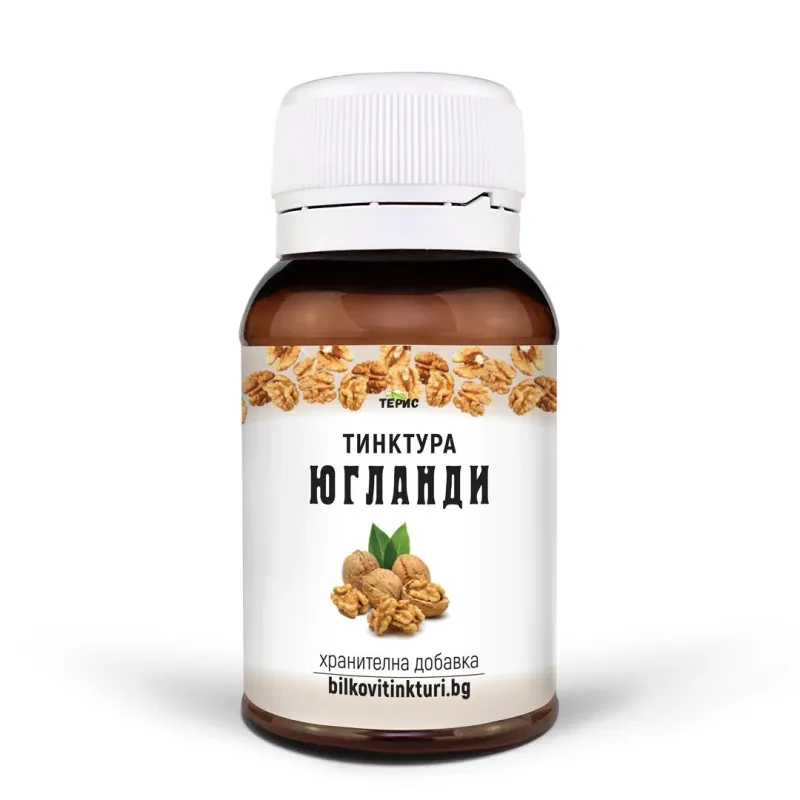
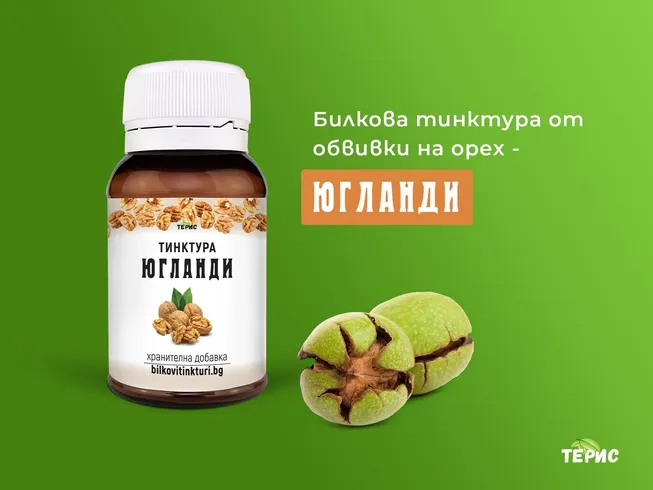
#Herbal tincture from walnut hulls - YUGLANDI
The herbal tincture YUGLANDI - from walnut hulls is beneficial with its medicinal uses:
- For reducing the risk of heart failure.
- It has the property of lowering high cholesterol levels.
- It reduces the risk of heart failure and heart attack.
- It helps with constipation.
- It reduces stress.
- It strengthens immunity.
- It significantly speeds up metabolism.
Considered the healthiest of nuts, walnuts are a rich source of omega-3 fatty acids. They are high in protein, healthy fats, fibre, natural sterols, antioxidants, vitamins and minerals. That is more than enough nutrients to declare them one of the healthiest and tastiest options for the table!
#Walnut - an irreplaceable health helper
- Folk medicine
Walnuts are listed as one of the substances used to prepare herbal remedy supplements, promoted in folk medicine practices for their supposed effects on health.
Considerable quantities of products rich in phenols or other useful compounds are produced during the harvesting process, and these are attracting growing interest because of their excellent antioxidant activity. Walnuts are recognised as significant nuts in the human diet, and young green walnuts are also widely valued in traditional folk medicine as a healthy alcoholic drink for making walnut liqueur or tincture.
Walnuts can be eaten as a snack, as part of various desserts and savoury dishes, or as a remedy for our body.

Some of the health benefits of walnuts include lowering bad cholesterol in the body, improving metabolism and controlling diabetes. They also have anti-inflammatory properties, help with weight management and act as a mood booster. They are also thought to slow the spread of cancer. They are a truly irreplaceable health helper.
This article is for educational purposes and does not replace advice from a doctor. Food supplements are not medicines and are not intended to treat diseases. If you have a chronic condition, are pregnant or breastfeeding, or take medication, consult a specialist before use.