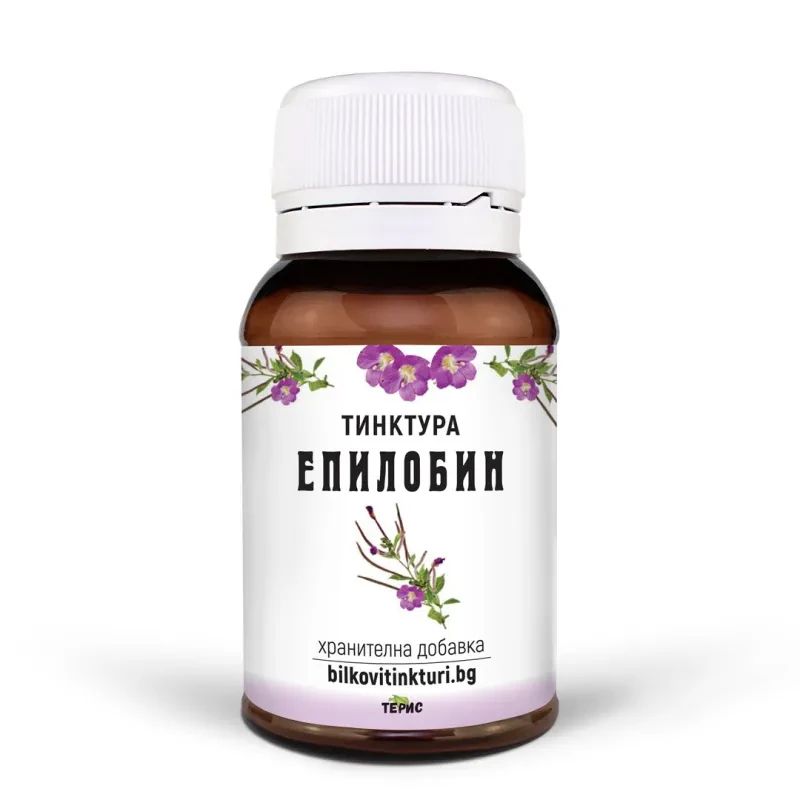
Small-flowered Willowherb - "men's herb"
Table of Contents
#"For every ailment there is a herb"
An old saying goes - "For every ailment there is a herb". And there is nothing surprising about that. Although it was coined many years ago, this maxim is still relevant. The fact is that for thousands of years people all over the world have turned to medicinal grasses, roots, flowers and fruits to find healing for various problems.
And while until a few years ago medicinal plants were underestimated in favour of medicines, today it seems that more and more people are looking at and returning to natural methods of healing.
Herbs can be both a complementary remedy for a number of illnesses and an alternative to many medicines - without denying the power of conventional medicine, of course.
#Small-flowered willowherb - description and distribution
A very valuable and revered, though not very popular, plant is small-flowered willowherb. It belongs to the willowherb or evening primrose family "Onagraceae" - flowering plants of the order "Myrtales". The family includes around 650 species of herbs, trees and shrubs found all over the world, with the greatest concentration in Mexico and the south-western United States.
Among them, "E. angustifolium L.", "E. parviflorum Schreb." and "E. hirsutum L." are the best known and are widely used in traditional medicine to treat various infections, disorders and diseases.
This plant is also found in most of Europe - from Sweden to North Africa, and from Western Asia to Kashmir - as well as in the USA and Canada.
The plant also grows in Bulgaria and can be found in damp places: it grows along rivers, in meadows and in the Rila, Pirin and Vitosha mountains.
Plants of the small-flowered willowherb genus prefer marshes and damp mountain meadows and slopes, at an average altitude of 1,400 metres up to a maximum of 2,500 metres.
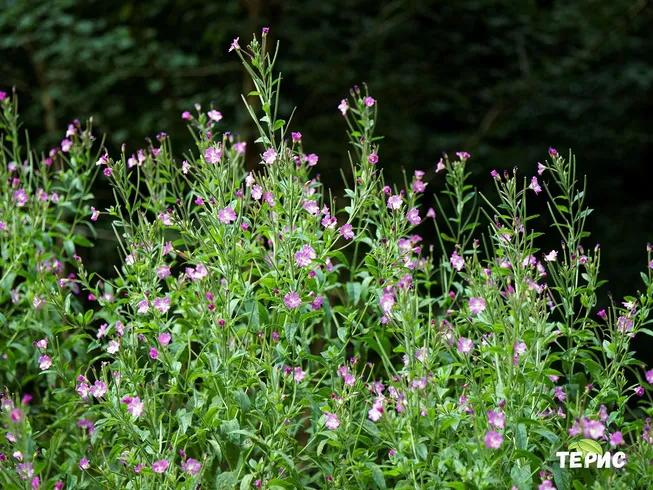
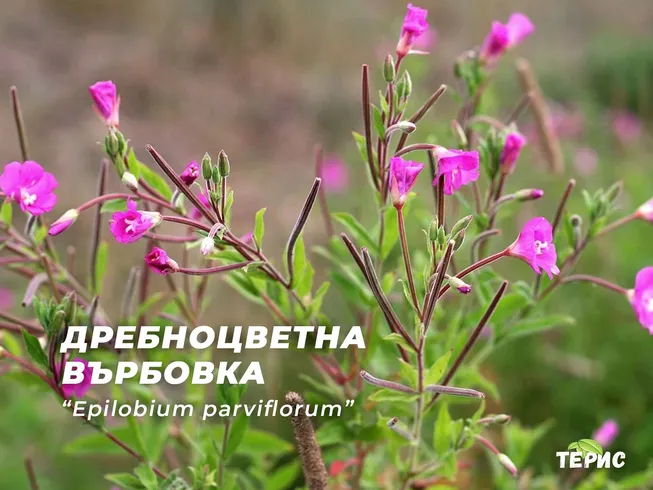
#Small-flowered willowherb "Epilobium parviflorum"
The "Onagraceae" family includes a number of popular garden plants, including evening primrose (Oenothera) and fuchsia (Fuchsia).
The genus name "Epilobium parviflorum" comes from the Greek words "epi", meaning "upon", and "lobos", meaning "lobe", referring to the position of the petals above the ovary. The specific Latin name "parviflorum" means "small flowers".
Small-flowered willowherb is also the so-called "Russian tea". It is also known as "Ivan tea" and "Koporye tea", as it is very common in the village of Koporye near St Petersburg.
In Tyrol, willowherb is known, oddly enough, as "women's hair".
#Botanical characteristics of small-flowered willowherb
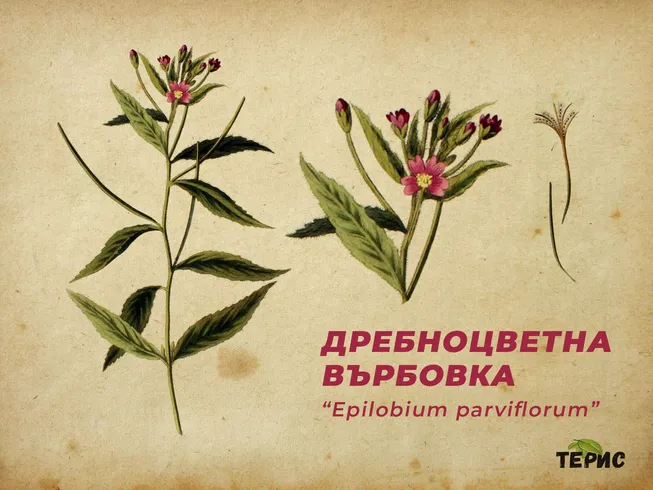
"Epilobium parviflorum" reaches an average height of 30–80 centimetres.
The leaves are opposite, alternate and entire.
The stem is upright, covered with small hairs (like down or tiny needles), and bears the leaves in opposite pairs.
The lower leaves have short stalks; the upper ones are sessile and do not clasp the stem.
The flowers are small, up to 1 cm long, and pale pink.
The petals are longer than the calyx.
The fruit is dehiscent.
The tiny flowers are pink or purple and appear for two months in summer. The plant is pollinated by bees.
#Composition of the herb
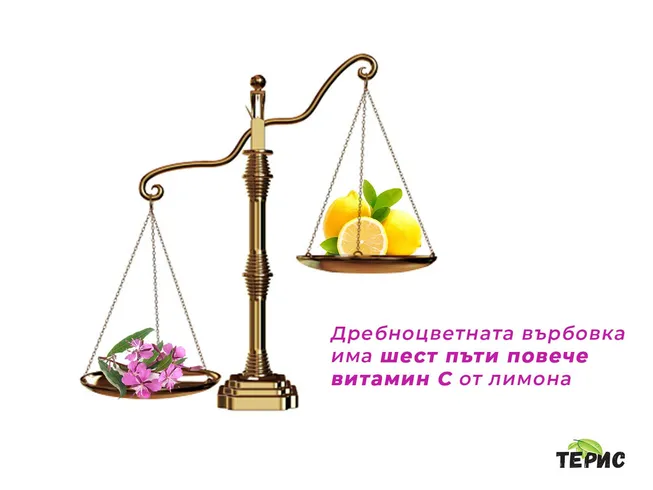
The herb contains six times more vitamin C than lemon.
The herb contains ellagitannins, oenothein B, myricitrin, many tannins, flavonoids and pectins, B vitamins, iron and other valuable trace elements.
Other specific compounds are caffeic and chlorogenic acid, ellagic acid, quercetin and kaempferol.
The above-ground part of the herb is used for medicinal purposes and contains phytosterol esters and glycosides, as well as phenolics, vitamin C, sugar and mucilage.
#Use of the herb
The usable part of small-flowered willowherb is the above-ground part, harvested while it is in flower. For culinary and medicinal purposes the small flowers, young stems and leaves are gathered. The stems should be cut close to the ground or snapped in the middle and dried in a dry, well-ventilated room, hung with the flowers facing down.
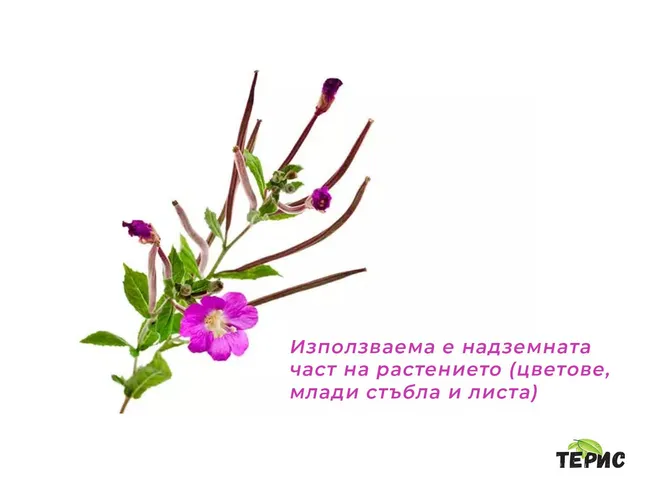
The young leaves and stems were used as food, and the fluff on the seeds found use in the textile industry for making thread and fabric.
For medicinal purposes, the flowers of small-flowered willowherb are used.
#Highly medicinal species of willowherb
Among the highly medicinal species are rosy willowherb (Epilobium roseum), small-flowered willowherb - also called river willowherb (Epilobium parviflorum), broad-leaved willowherb (Epilobium montanum), short-fruited willowherb (Epilobium obscurum), spear-leaved willowherb (Epilobium lanzeolatum), hill willowherb (Epilobium collinum), marsh willowherb (Epilobium palustre), Fleischer's willowherb (Epilobium fleischer) and alpine willowherb (Epilobium anagallidifolium).
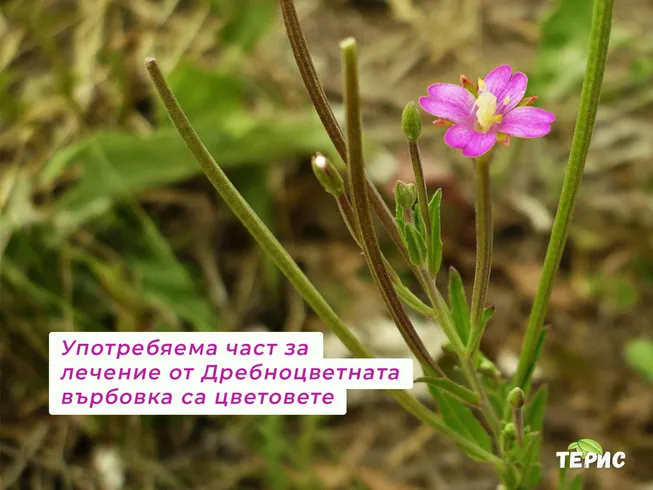
All these medicinal willowherb species can be recognised by their small flowers, which are reddish, pale pink or almost white. They look as if nailed onto the long, narrow seed pods, from which, once they split open, the seed covered with white, cotton-like hairs bursts out.
With these medicinal species the whole plant is gathered, i.e. the stem together with the leaves and flowers, taking care to break the plant in the middle so that it can later put out new side shoots. The gathered plants are chopped while still fresh.
#The "men's herb" for good prostate function
Small-flowered willowherb is also known as the "men's herb" because of its uncompromising action on all kinds of complaints of the prostate gland and urinary tract. The prostate is a man's "second heart".
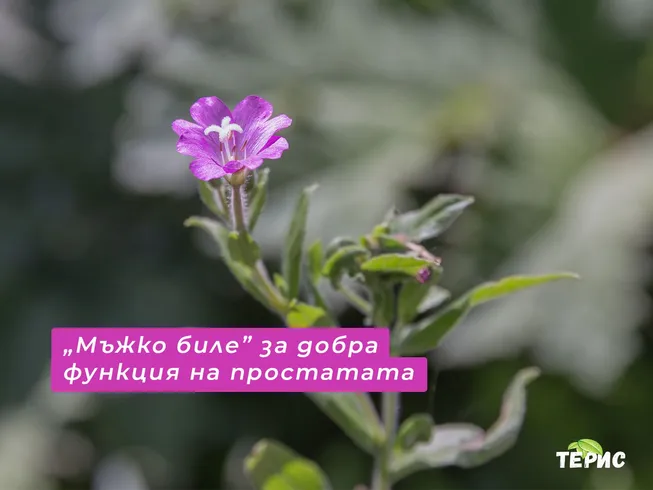
For medicinal purposes a herbal tincture / extract of willowherb flowers is used for its beneficial effect on the prostate; it is recommended for people with benign enlargement and prostate cancer. It also has an effect on painful urination.
#Medicinal uses of small-flowered willowherb
Experimental studies show that Epilobium extracts have a wide range of pharmacological and therapeutic effects, including antioxidant, antiproliferative, anti-inflammatory, antibacterial and anti-ageing properties.
Flavonoids and ellagitannins, such as oenothein B, are among the compounds considered to be the main biologically active components of Epilobium extracts.
Oenothein B - is a compound that shows inhibitory activity against the division of certain cells and against the action of enzymes such as 5-α-reductase, which causes enlargement of the prostate.
The plant is rich in polyphenols. It is believed that these could explain, at least in part, many of the therapeutic and beneficial properties of this plant.
The therapeutic properties of Epilobium extracts have been described in various pharmacological studies.
Small-flowered willowherb has anti-inflammatory, pain-relieving and antispasmodic action.
However, it has to be drunk for a long time to have a better effect.
#Medicinal applications of small-flowered willowherb
Extracts of the medicinal plant have been used in traditional medicine:
- for disorders of the prostate gland, bladder and kidneys, having an antioxidant and anti-inflammatory effect
In Bulgarian folk medicine the herb is used for all kinds of:
- kidney inflammation
- prostate gland and bladder inflammation
- as well as cancer
It is also used as a strong immunomodulator.
#Internal use of small-flowered willowherb
It is precisely this varied composition of willowherb that explains its antibacterial and antioxidant properties. Characteristic of the plant is its anti-inflammatory action.
The traditional use of an infusion, tea or herbal extract is considered a remedy for a number of ailments:
- For prostate or urinary tract problems, such as inflammation of the urethra, urination disorders, prostate adenoma and benign prostatic hyperplasia
- Stomach ulcer; duodenal ulcer; gastritis; colitis
- Various gastrointestinal disorders, such as dysentery and diarrhoea
- Migraine headaches
- Insomnia
- Anaemia
- Infections and colds

#External use of small-flowered willowherb
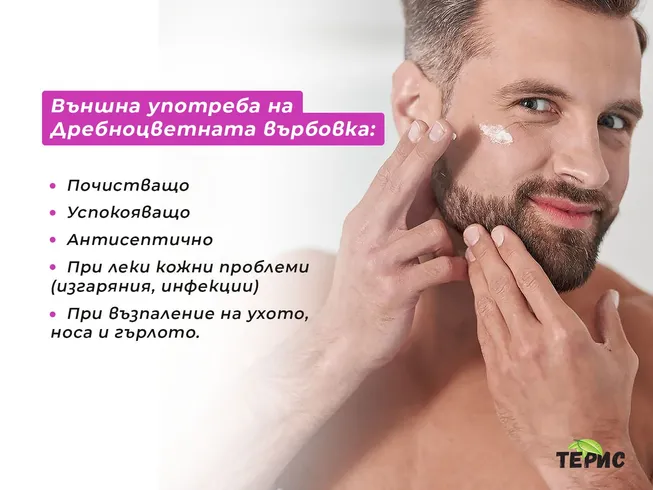
The plant is also used topically as:
- A cleanser
- A soothing agent
- An antiseptic
- A remedy for minor burns, skin rashes, ulcers and infections
- And for treating inflammation of the ear, nose and throat
#Small-flowered willowherb for inflammation of the prostate and urogenital system
Epilobium Parviflorum - the "men's herb" - is an important herbal remedy for prostate problems. It helps with benign prostatic hyperplasia. Take the herb for an enlarged prostate; this will help reduce pain and discomfort during urination.
It also fights prostate infections.
It reduces the risk of urinary tract infections.
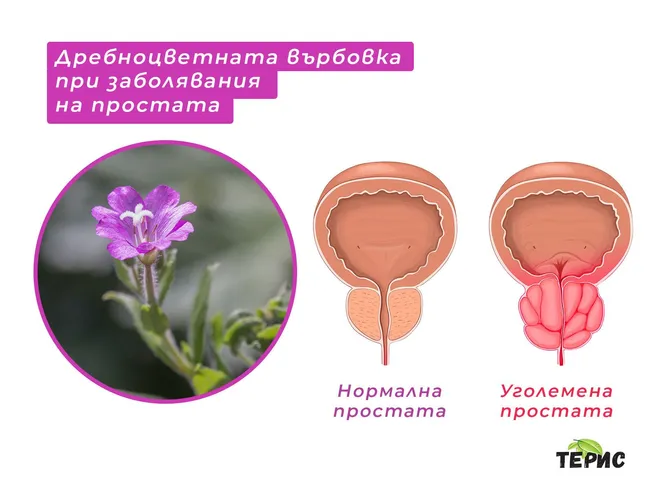
Epilobium Parviflorum has anti-inflammatory properties. It treats chronic inflammation of the prostate. This helps reduce the gland to its normal size.
Extracts of Epilobium species are most often used to treat benign prostatic hyperplasia (BPH), inflammation of the urethra and urination disorders.
BPH is the most significant urological condition affecting the ageing male population, as it causes excessive cell proliferation in the prostate tissues. Although its aetiology is not fully known, BPH is considered an endocrine disorder caused by an age-related hormonal imbalance.
Previous studies have shown the inhibitory activity of Epilobium spp. extracts against the enzymes 5α-reductase (which converts testosterone into dihydrotestosterone) and aromatase (which converts testosterone into oestrogen), which are involved in the aetiology of BPH.
Oenothein B, the main tannin component of E. parviflorum, has been shown to inhibit 5α-reductase enzymes. Although BPH can be cured by surgery, taking a herbal extract or infusion of Epilobium remains an attractive alternative for treating BPH.
This "men's herb" works wonders for the prostate, as known from traditional knowledge passed down from generation to generation, and it also has strong scientific backing.
This plant is known to have antibacterial action, which has a positive effect on disorders of the excretory system: frequent and painful urination, bladder problems, urinary tract infections and incontinence.
Small-flowered willowherb, like tribulus (Babini zabi), is a herb for men.
#The herb improves sexual function
Small-flowered willowherb is also useful for prostatitis and improves sexual function.
The "men's herb" is a good tonic for the male reproductive system.
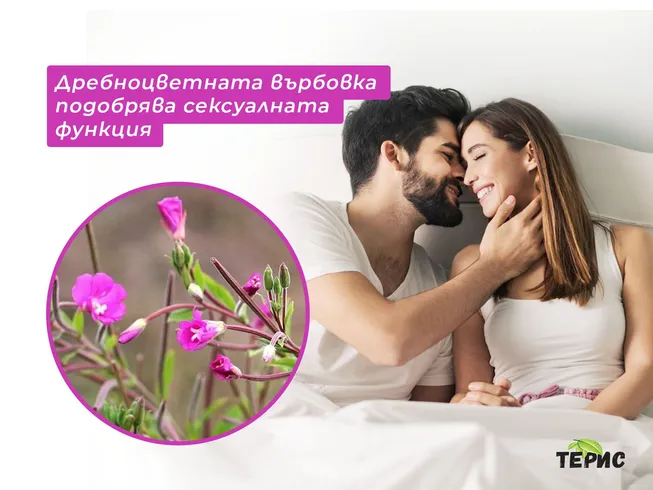
Ironically, although small-flowered willowherb is used to support sexual health, beta-sitosterol is known to be associated with sexual dysfunction and loss of libido.
#Small-flowered willowherb for prostate and bladder cancer
Since benign prostatic hyperplasia is an endocrine disorder caused by a hormonal imbalance associated with ageing and increased oxidative damage, the strong antioxidant and anti-androgenic effects of this plant are powerful weapons both for preventing and for remedying hyperplasia. It is so powerful that it has been shown to even inhibit the proliferation of prostate cancer cells, i.e. it causes apoptosis (programmed cell death) of these harmful cells.
One of the tannin components of the willowherb herb, oenothein B, is responsible for inhibiting the enzymes that are the main cause of prostate cancer. That is why middle-aged men should consume an infusion or tincture of the herb daily.
Epilobium Parviflorum is used to treat cancer. It inhibits the proliferation of cancer cells. The herb acts against abnormal cell growth in the prostate. Epilobium extract helps in the treatment of prostate and bladder cancer.
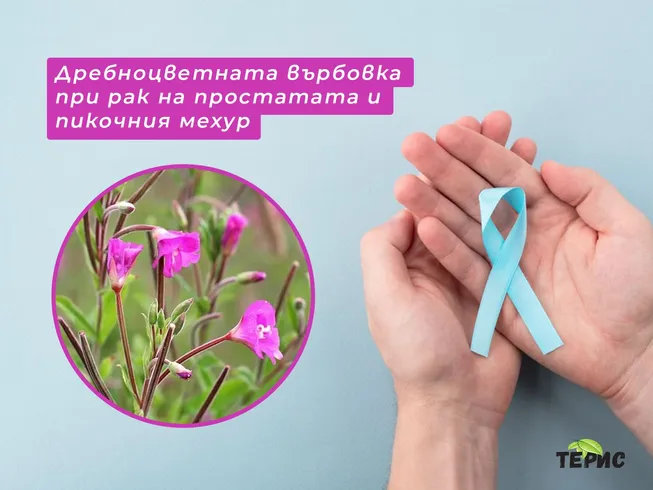
In addition to the anti-androgenic effects of Epilobium, the anti-cancer effects of extracts from the genus have been demonstrated on various cell lines, including androgen-independent prostate cancer cells, androgen-sensitive human prostate adenocarcinoma cells, human mammary epithelial cells, a human astrocytoma cell line and human prostate epithelial cells.
It has even been proposed as a treatment for "bedwetting". Although Epilobium has only recently been "discovered" by modern medicine, it has hundreds of years of history in folk medicine.
A tea infusion can be made by gathering the herb while it is in flower, or it can be taken as a herbal extract - a herbal tincture - of the flowers.
#Small-flowered willowherb for digestive system conditions
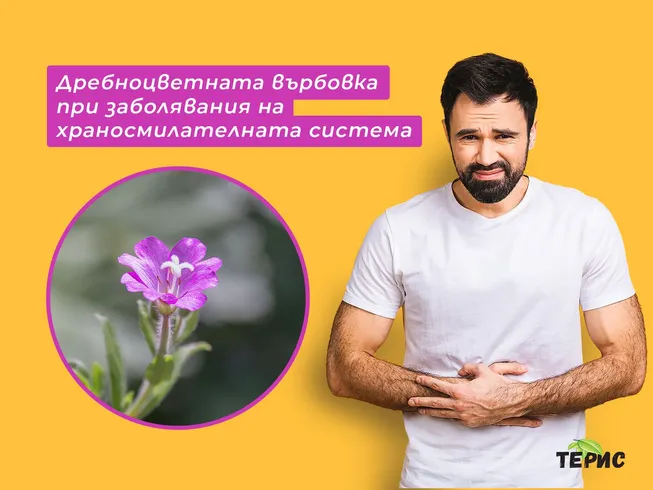
- for inflammation of the stomach and intestines
- gastritis, colitis, enterocolitis, duodenal ulcer
Its antiseptic properties are unrivalled. It is useful for ulcer disease, gastritis and colitis, and wound healing.
#Small-flowered willowherb for calming the nervous system
- For epilepsy and headaches
The herb is a universal remedy for relieving headaches.
- Small-flowered willowherb for anaemia and insomnia
It also protects against heart attacks and strokes, and helps with anaemia, herpes and respiratory illnesses.
#The Epilobin herb for skin conditions
It helps with skin conditions such as eczema, psoriasis, seborrhoea and fungal infections. Its anti-inflammatory properties reduce skin inflammation and redness. Epilobium Parviflorum treats acne problems. It soothes painful sores.
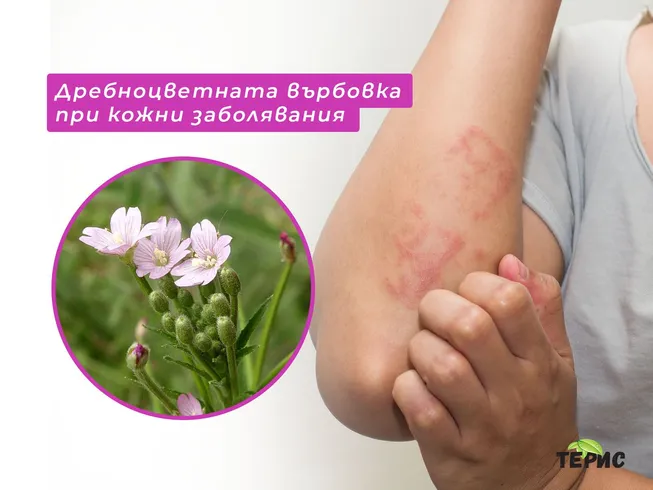
The herb treats infections of the skin and mucous membranes.
#Small-flowered willowherb for menstrual disorders
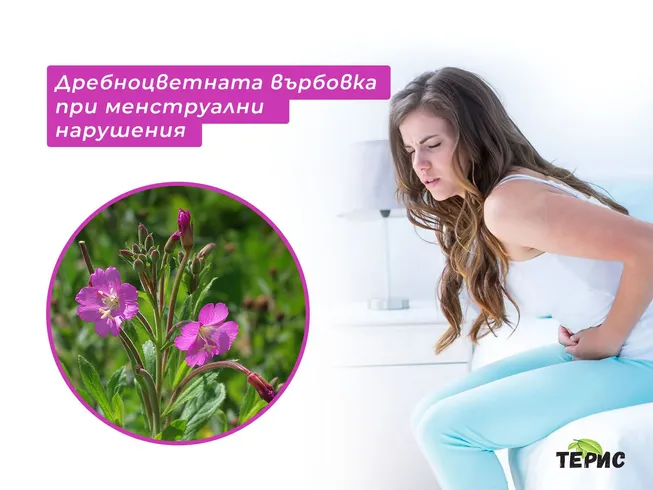
Epilobium Parviflorum helps in the treatment of menstrual disorders. It normalises the menstrual cycle, relieves pain and helps with delayed menarche (a woman's first period).
It is also used to treat urinary tract infections and to protect the organs that make up the urogenital system, such as the kidneys, urethra and bladder.
#Forms of use of small-flowered willowherb
#As a herbal tea
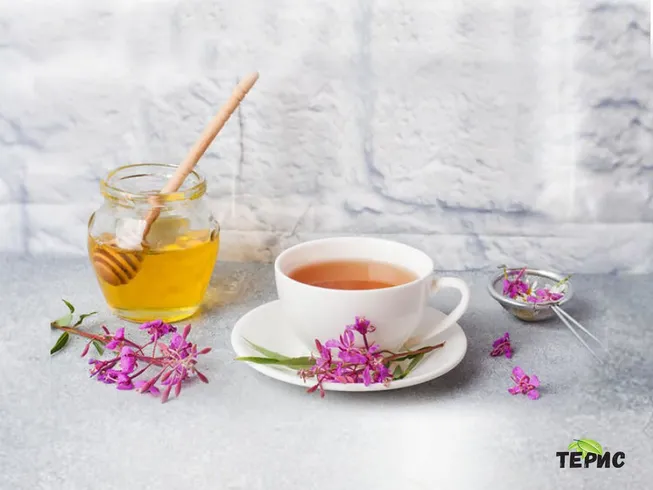
The tea has an extremely beneficial effect: it tones and invigorates the whole body, boosts energy and gives vitality.
#As an infusion
The above-ground part of the herb is used to prepare a medicinal infusion and decoction. The tops and young shoots are picked.
It is prepared according to an ancient recipe, improved with modern solutions and technologies that make it possible to preserve most of the plant's beneficial qualities.
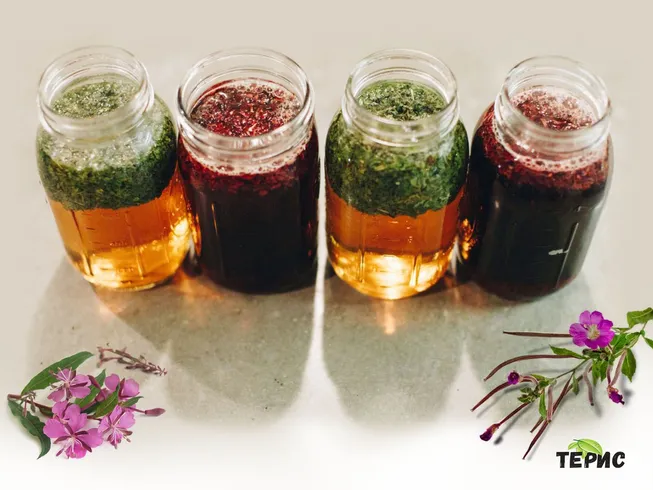
The medicinal infusion is prepared in a slightly different way:
Pour 200 ml of boiling water over 3 tablespoons of dried flowers and leaves, heat for 10-15 minutes in a water bath, cool and strain. Take 2-3 tablespoons a day before or with meals.
#As an addition in cooking
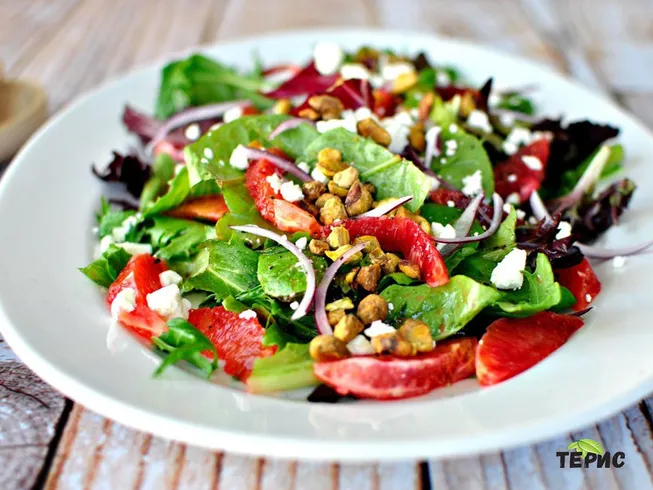
Epilobium leaves can be added to salads and have a pleasant taste. They are also eaten raw, as a leafy green addition to salads, smoothies, omelettes and soups.
#As a herbal extract of Epilobium
Today, small-flowered willowherb can above all be taken as an extract (drops), which makes it easy to consume. This also increases its efficacy, as the constituents are more concentrated. Whether taken as an infusion, extract or capsules - whatever form we choose - we will come to no harm, but will only improve the condition of our body and our health, reduce pain, reduce inflammation and prevent illness, especially of the urinary tract.
Extracts - herbal extracts of Epilobium are traditionally used in the treatment of prostate-related conditions.
Our research shows that extracts of the herbs "Epilobium angustifolium", "Epilobium parviflorum" and "Epilobium hirsutum" are powerful inhibitors of prostate cancer cell proliferation.
The tested extracts reduce the secretion of prostate-specific antigen and inhibit the activity of the protein arginase.
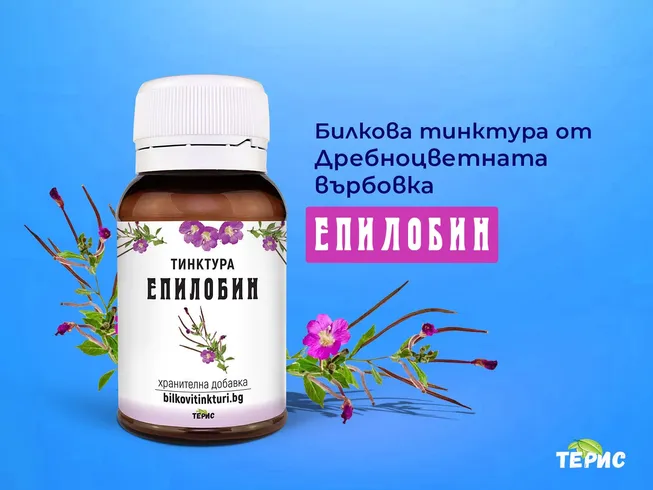
#Small-flowered willowherb herbal tincture - EPILOBIN
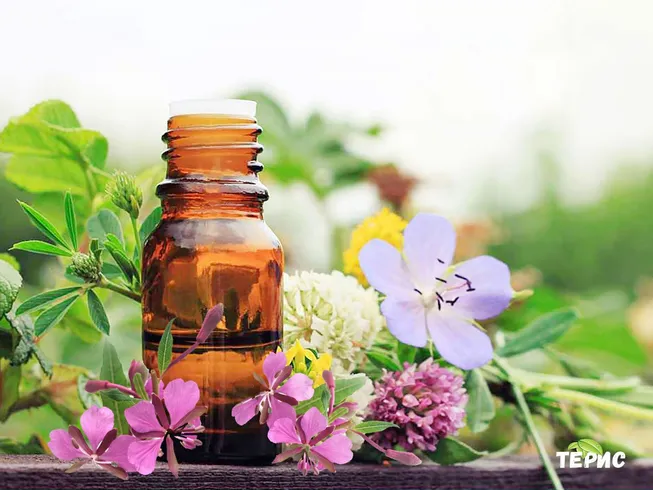
Our herbal tincture of small-flowered willowherb has a strong anti-inflammatory and pain-relieving action. Small-flowered willowherb is known for its medicinal applications in:
- inflammation of the prostate and urogenital system
- inflammation of the stomach and intestines
#How to make your own Epilobium infusion
The gathered herb is spread out in a thin layer of about 5 cm, then twisted into wicks that are rolled between the palms to release the juice. They are left for 8-10 hours in a room with an air temperature of 20–25 degrees.
The fermentation process can also take place in wooden boxes covered with a damp cloth. If the medicinal herb is dried in an oven, this should be done at no more than 50°C.
Depending on the phase of the moon, fermentation took different lengths of time – from 5-6 hours to a full day and night. The closer to the full moon, the faster it went. Whether it had dried well was judged by the colour and aroma of the raw material – it had to smell of grass and be dark green in colour.
Well-dried tea is stored in an airtight tin. When placed in a teapot for brewing, each little roll is lightly broken by hand into smaller pieces.
To prepare tea, take 2-3 tablespoons of the herb and put them in 1 litre of hot water. Leave to stand for 30-40 minutes. It can be brewed a second time. In summer it can be kept in the fridge and drunk as a cold drink. But bear in mind that it keeps its healing qualities for up to 3 days.
To make tea, pour 500 ml of boiling water over 2 tablespoons of dried flowers and leave for a few minutes. Drink the tea before meals, no more than 2 cups a day.
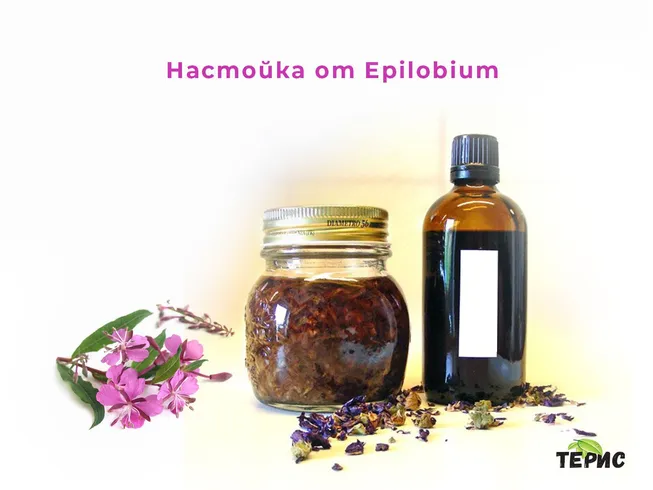
- Herbal infusion of small-flowered willowherb
The medicinal infusion is prepared in a slightly different way: pour 200 ml of boiling water over 3 tablespoons of dried flowers and leaves, heat for 10-15 minutes in a water bath, cool and strain. Take 2-3 tablespoons a day before or with meals.
#Does Epilobin have side effects?
This folk remedy can be used for prevention or treatment at the recommended doses for an unlimited time without harmful effects, and can safely be combined with prescribed therapy.
Because there are no known side effects, many doctors consider it a valuable treatment to use before resorting to a prescription medicine.
Of course, a consultation with a health professional is always recommended for a personal approach and dosage.
Occasionally, the beta-sitosterol contained in the herb may cause:
- Nausea
- Indigestion
- Wind
- Diarrhoea
- Constipation
Women who are pregnant or breastfeeding, or people who have sitosterolaemia, should avoid small-flowered willowherb.
Overall, most studies carried out to date show that the herb is safe and has impressive healing potential.
#Small-flowered willowherb - for the prostate and a healthy lifestyle
Extracts of small-flowered willowherb have been the subject of numerous studies on the effect of its chemical components.
In Europe, Epilobium is considered one of the first treatments for benign prostate enlargement and urinary tract problems. Epilobium species have antibacterial, anti-inflammatory and antioxidant action.

The extracts have been used to treat prostate conditions, bladder and kidney conditions, urinary tract problems in men and women, and for general urinary tract health.
In addition to regular medical check-ups, prevention is necessary. Today it is known that excess fat has a negative effect on hormonal balance, while insufficient physical activity is a trigger for many disorders - not only prostate-related, but also cardiovascular and metabolic ones.
A controlled diet rich in vitamins, fibre and healthy fats, physical activity and drinking enough fluids, especially water, are the best things you can do for your urinary tract. And if we include the "men's herb" in our prevention routine, we have secured ourselves a healthy prostate and more time to enjoy life.
Draw strength from nature with pure herbal extracts from bilkovitinkturi.bg.
#SMALL-FLOWERED WILLOWHERB - THE "MEN'S HERB" ➤ VIDEO
This article is for educational purposes and does not replace advice from a doctor. Food supplements are not medicines and are not intended to treat diseases. If you have a chronic condition, are pregnant or breastfeeding, or take medication, consult a specialist before use.
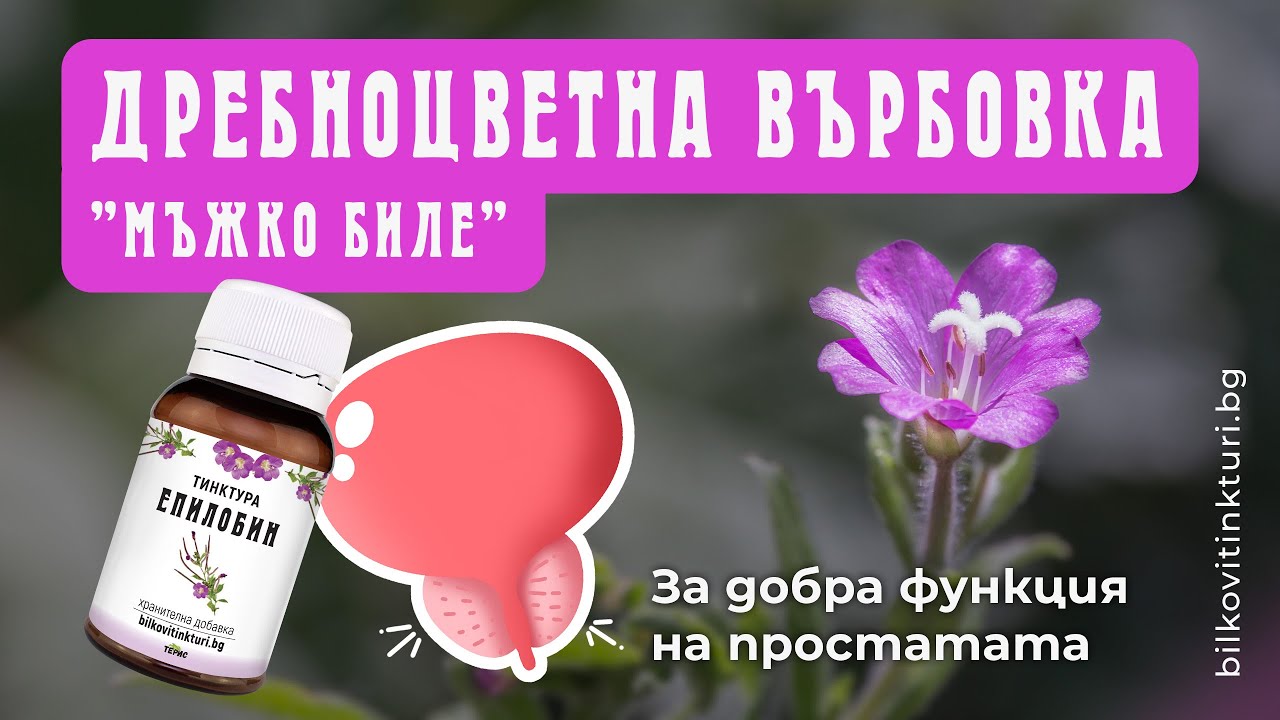
Small-flowered Willowherb - "men's herb"
Click to play video
Products from this article