July 1 - Day of the Herbalist and Folk Healer
Table of Contents
#Day of the Herbalist and Folk Healer
On the first of July the Bulgarian people and the Orthodox Church celebrate the Day of the Herbalist and Folk Healer.
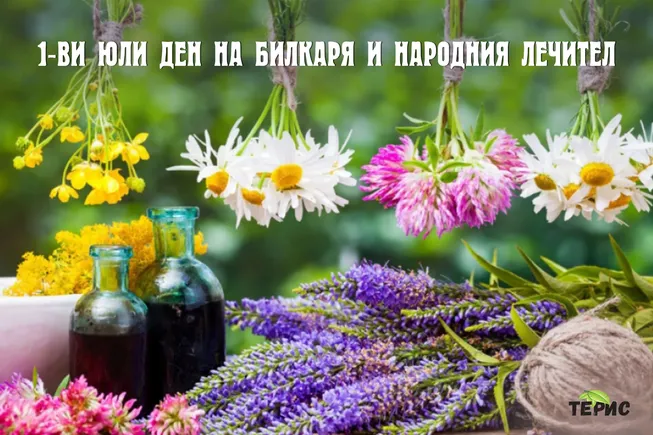
Like most Bulgarian holidays, it is a double feast, shaped both by folk beliefs and by the Christian religion. That is why, in the Church calendar, it is also known as the feast of Saints Cosmas and Damian of Rome. We stress "of Rome" because on 1 November the Church honours Saints Cosmas and Damian of Asia, who died a natural death, whereas Cosmas and Damian of Rome were killed.
#Herbalists celebrate
On this day all herbalists, folk charmers, folk healers and fortune-tellers celebrate. Unlike Enyovden (Midsummer Day), when herbs are gathered so that they are at their most potent, on the first of July they are sorted by the women involved in herbalism.
The feast is also linked to a number of other traditions that are dedicated to folk healers, fortune-tellers and charmers. Last but not least, it includes many rituals for the health of the whole family.
There is a belief that
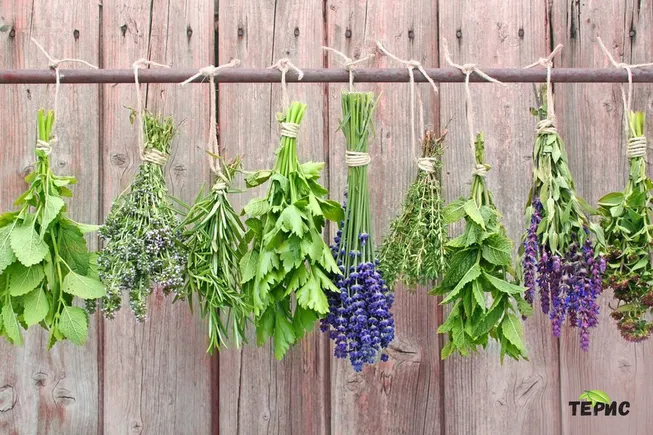
on the feast day the herbs gathered on Enyovden are ritually sorted
They are placed in piles for the different illnesses and kept for the year ahead.
An ancient legend tells that God made man from clay, but the devil pierced him full of holes, and that is how illnesses appeared. When this happened, God did not know what to do and decided to plug the holes with various herbs, and so a healing herb was created for every ailment. According to the legend only one hole was left unplugged, and it was believed that the soul leaves the body through it at death.
#Customs and rites connected with the Day of the Herbalist
People start preparing for the feast the day before. The preparation consists of ritual cleaning of the home. In this process each household marks out its own individual space for those who live in it. Illness is believed to be a sinister being that comes from untamed, unclaimed space. It is also said to be a wicked woman who roams at night and knocks on doors. The belief is that whoever opens the door to her falls ill.
#Kurban offerings, visits and no work
On this feast there is a complete ban on work, to protect families and livestock from illness. In some regions it is customary to knead ritual bread and hand it out for health.
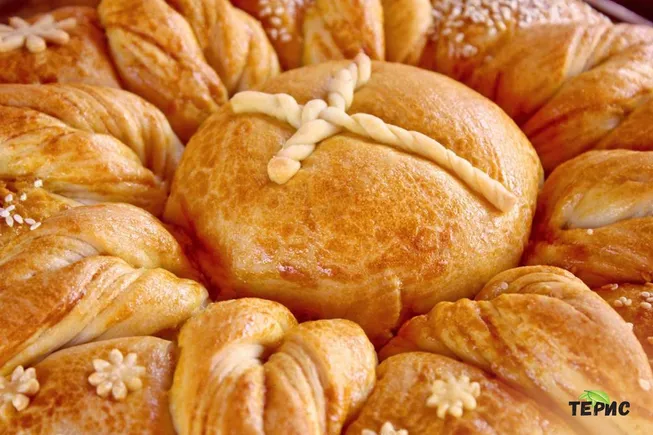
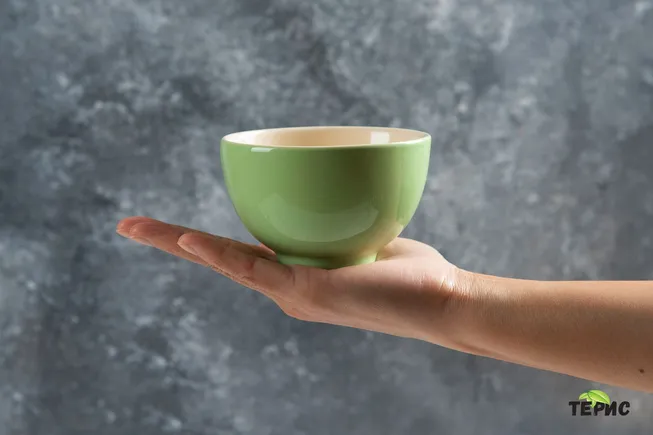
Kurban offerings (ritual sacrificial meals) are also prepared. A very well-known ritual is visiting the local herbalists and healers. Ritual gifts are made: healers and herbalists receive various foods such as banitsa, a round loaf, wine, a hen and a green bowl. The green colour of the bowl is symbolic. It stands for the renewal of nature and the victory of good over evil.
#The story of the healer brothers
The feast also coincides with an important day in the Christian calendar. It is dedicated to the two brothers Cosmas and Damian of Rome, known in history as healers. They are called "of Rome" because they were born in Rome.
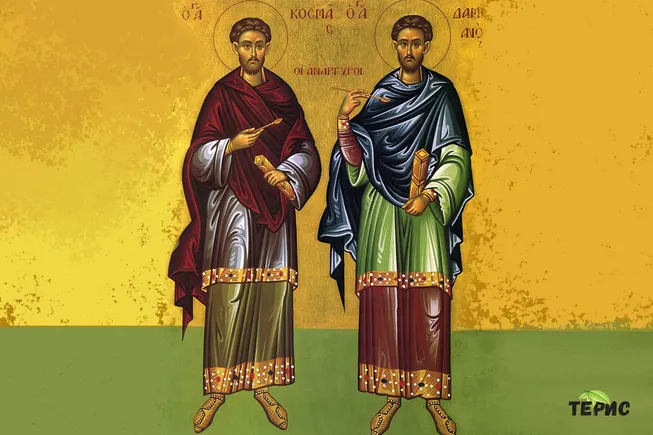
The brothers learned how to heal and helped people without taking money, and for that reason they were called "unmercenaries". From the people they helped they asked only for faith in Christ.
Besides healing people, the brothers also helped them with alms, because they had accumulated great wealth, part of which they had inherited and received from their parents. They used it to help the poor by giving to them, buying food for the hungry and clothes to dress the naked. Veneration of the brothers was extremely widespread in the 3rd century throughout the eastern Roman Empire (Byzantium).
The story of the two brothers tells that, for spreading Christian ideas, they were betrayed by pagans to the local rulers. They were to be tried in Rome, but when the villagers found out, they decided it was now their turn to help, since Cosmas and Damian had helped them so much, and they hid the brothers in a cave. When the local rulers could not find them, they seized several villagers and threatened them with death.
Because the brothers did not want anyone to suffer on their account, however, they gave themselves up voluntarily. They were taken to Rome, where the emperor tried to force them to renounce Christianity, but he suddenly fell ill. After Cosmas and Damian healed him, he released them and accepted the Christian religion.
#Sorting the herbs
The Day of the Herbalist is also closely linked to another very popular folk feast dedicated to healing plants – Enyovden, which we have already told you about. Because the two feasts fall close together, they are also closely connected. For example, on this day fortune-tellers and charmers divide and sort the herbs they gathered on Enyovden. As a reminder, according to folk belief, gathering medicinal plants on that day makes them far more potent.
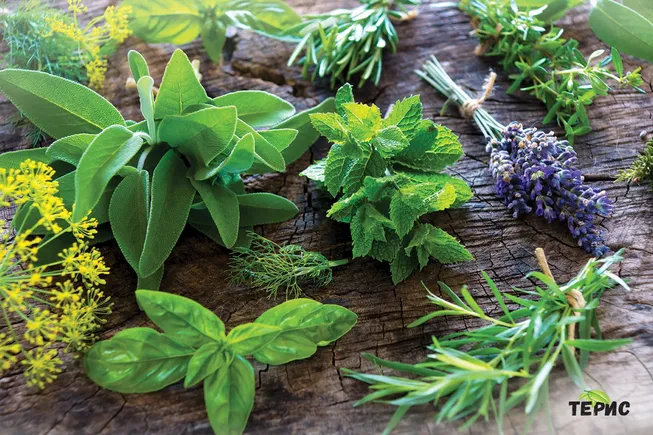
It is not surprising that there is more than one feast linked to herbs and healing plants in the Bulgarian lands, since Bulgarian nature is particularly rich in herbs and they hold an important place in folk culture, beliefs and legends. Summer is the most fitting season to celebrate them, because this is when herb gatherers have the greatest success in their work. Both feasts are also closely connected not only with the healing plants themselves, but also with elements of Slavic mythology – the vilas and samodivas (woodland fairies), seen as the embodiment of the forces of nature.
Herbalist women and fortune-tellers sort the herbs early in the morning on 1 July, as custom dictates.
#Other important traditions on the first of July
One is connected with the sick and the infirm, as well as anyone with a disability. According to folk belief, they should spend the night in a church associated with the two saintly brothers. The next morning they should wash with water from the holy spring (ayazma), which is considered healing on this day.
It is also customary on the Day of the Herbalist for sick people to offer a kurban in the name of the healer brothers, and it is believed that this can free them from their ailments. On this day bread and other pastries are kneaded and then handed out to others for health.
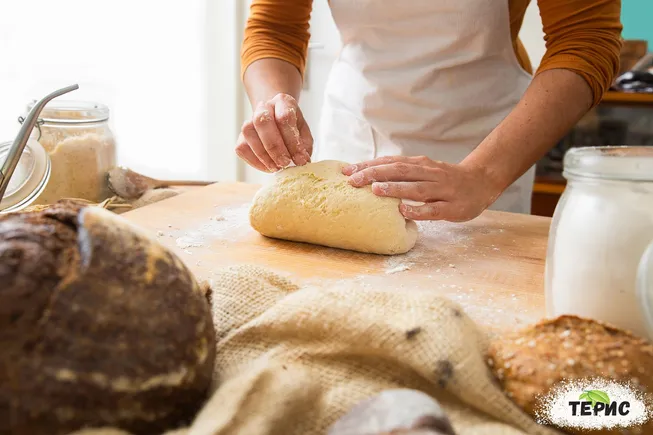
Another belief is that on this feast women should not do any work at all, so that the members of the family stay healthy throughout the year. This also protects their domestic animals from illness. Other people for whom it is also important not to work on the feast are folk healers. If they break this ban, according to the legend, they risk losing their ability to heal.
#Name day on the Day of the Herbalist
On this bright day the following names celebrate their name day:
- Kuzo
- Kuzmen
- Kuzman
- Kuzmin
- Kuzma
- Kuzmo
- Damyan
- Damyanka
- Kozma
- Dame
- Damo
- Damcho
- Damyanka
- Dama
- Damitsa
- Damyana
#1 JULY - DAY OF THE HERBALIST AND FOLK HEALER➤ VIDEO
This article is for educational purposes and does not replace advice from a doctor. Food supplements are not medicines and are not intended to treat diseases. If you have a chronic condition, are pregnant or breastfeeding, or take medication, consult a specialist before use.
July 1 - Day of the Herbalist and Folk Healer
Click to play video