Herbs and Tinctures for Oral Cavity Inflammation
Table of Contents
#Oral health
Oral health is not just about brushing with toothpaste and flossing; it is also about maintaining a clean and healthy environment in our mouth. It is critically important for a person's overall well-being. Inflammation in the mouth can be a common and unpleasant problem, and whether it is due to gum disease, mouth ulcers or other oral conditions, it can be painful and disruptive.
The good news is that nature offers us a variety of herbs that can help ease inflammatory processes in the mouth.
In the following lines we will take a thorough look at the causes of inflammation in the mouth, go into detail about the world of herbs that can offer us relief, and discuss the benefits of herbal tinctures.

#What is inflammation of the oral cavity?
Before we look at the herbs that can help us reduce it, let us first understand what causes this unpleasant condition - inflammation in the mouth.
#Causes of oral cavity inflammation
#Gingivitis
Gingivitis is the most common cause of oral inflammation. It is a mild form of gum disease resulting from the build-up of plaque on the teeth, which leads to redness, swelling and a tendency for the gums to bleed.
#Mouth ulcers
Mouth ulcers (also called aphthous ulcers) are small, painful sores that can appear in the mouth. These sores are often caused by stress, injury or certain foods.
#Oral thrush
Oral thrush is a fungal infection caused by Candida yeast. It can lead to white patches in the mouth, on the tongue and in the throat, which can be painful and cause inflammation.
#Dental procedures
Inflammation in the mouth can also result from dental procedures such as extractions or root canals.
#Hormonal changes
Hormonal changes, such as those that occur during pregnancy, can make the gums more prone to inflammation.
#Infections and diseases
Some systemic diseases, such as diabetes, and infections can contribute to oral inflammation.

#Oral inflammation and what can we do about it?
Our dentist may be the first person to see early signs of cardiovascular disease. That's right, the health of our gums and teeth is closely linked to the health of our heart. Early warning signs include bleeding gums, gingivitis and tooth decay, all of which point to excessive inflammation.
In recent years its many consequences have become clear, ranging from cardiovascular disease and cancer to dementia and others. Fortunately, there are laboratory tests that allow inflammation to be measured and monitored effectively. More importantly, there are many effective natural interventions that address the root cause of inflammation, leading to lower levels, improved oral health and an associated reduced risk of disease.

#Which laboratory tests are recommended for assessing inflammation?
The two laboratory tests commonly used to assess whole-body and chronic inflammation are high-sensitivity C-reactive protein (hsCRP) and homocysteine.
The erythrocyte sedimentation rate (ESR) is a third test that may be used from time to time, but it is a less reliable marker than hsCRP and homocysteine.

#Tips for signs of oral cavity inflammation
What can we do if our dentist sees signs of inflammation or our laboratory markers for it are raised?
#Following oral hygiene recommendations
First, follow our dentist's recommendations for oral hygiene! Daily flossing, brushing and regular cleaning are essential for reducing oral and systemic inflammation.
#Taking supplements
Supplements such as oral probiotics, herbal tinctures and decoctions, therapeutic doses of fish oil and professional-grade curcumin may also be prescribed to reverse the inflammatory trend.
#Appropriate changes to diet
Third, we should assess our diet and make appropriate changes. When there are signs of inflammation or laboratory tests are raised, diet inevitably plays a part.
1. Reduce consumption of foods that contribute to inflammation.
We should cut down on sugar, sweets, juice, fizzy drinks, alcohol and simple carbohydrates (such as white rice, white potatoes, pasta and bread), because they top the list of pro-inflammatory foods.
2. Increase consumption of foods that reduce inflammation.
These include spices such as turmeric and ginger, colourful vegetables, colourful fruit and healthy fats such as oily fish, olive oil, nuts, avocado and coconut. An easy way to put this into practice is to "eat the rainbow" in vegetables, with up to two colours coming from fruit every day.
3. For maximum benefit we should both reduce our consumption of pro-inflammatory foods and increase our consumption of anti-inflammatory foods.
Inflammation - and the disease states associated with it - is not an inevitable result of ageing. We should ask our dentist whether they see any warning signs of it and, if so, take action to restore our health!

#The natural approach to oral health
Inflammation can have a number of causes. Whether it is due to a medical condition, hormonal problems, pregnancy or poor oral care habits, we do not need medicines or chemicals to restore our oral health. Instead, we can use entirely natural supplements to protect it.
If we have been diagnosed with a medical condition or are taking medication, we should talk to our health adviser before making changes to our diet. They may be glad to hear that we are taking a natural approach to our oral health so that we can have healthier teeth and gums.

#Herbs for oral cavity inflammation
Now that we understand what causes inflammation in the mouth, let us explore the following herbs, which are known for their anti-inflammatory properties.
Herbal medicine has long been used to prevent and control disease and can minimise the potential side effects of chemical products. Still, herbs do have side effects if they are not taken correctly and at the right dosage. Most of the challenges with herbal medicine revolve around inadequate information about the effect of herbs in the mouth, their mechanism of action and their potential side effects.
The herbs described in this article have anti-inflammatory, antibacterial, antiviral and antifungal action against oral micro-organisms!
They are bilberry, agrimony, white birch, elder, aloe vera, ginger, clove, cinnamon, garlic, neem, turmeric, tulsi, green tea, chamomile, fenugreek, anise, mint, cumin, eucalyptus, myrrh, rosemary, sage and thyme.
Some can act as an alternative treatment option to current treatments for oral conditions, such as preventing tooth decay, gingivitis, periodontitis, burns in the mouth, ulcers and inflammation, after extraction, dry mouth, pain reduction, anaesthesia, intracanal medication, ill-fitting dentures, peri-implant mucositis and peri-implantitis.
They can be used in several forms, such as mouthwashes, toothpastes, topical preparations or taken internally. However, we should always be informed and watch out for potential side effects.
Herbs are defined as "any plants that lack the woody tissue characteristic of shrubs or trees". Several medicinal plants have shown positive effects against various inflammatory medical problems, such as dysphagia, stomach ulcers, wound healing and sore throat. This is the main component of complementary and alternative medicine.
They are used to deal with blood problems and eliminate waste, to stimulate the body and circulation and to minimise irritation. There are several ways of taking them - such as herbal tablets, herbal tinctures, syrups, or they can be used externally - as dressings or applied topically.
Herbs could have a beneficial effect in dentistry, for example with swollen gums and in oral health care in general.
In this article we will review the most widespread herbal supplements that can be used. We will present evidence-based findings that support or refute the use of these agents in oral care.

#HERBS:
#Bilberry for inflammatory processes in the mouth
Bilberry is an antioxidant for health. It is known for its medicinal uses for gastrointestinal disorders and inflammatory processes in the mouth.
The plant has an astringent, anti-inflammatory and hypoglycaemic action and stops vomiting.

#Herbal tincture MIRTILIY for inflammatory processes in the mouth
Bilberry has been used for medicinal purposes since the Middle Ages. The parts of the plant used are the berries and the leaves.
Historically, bilberry has been used for various conditions such as diarrhoea, inflammation of the mouth, urinary problems
and diabetes.
We can take herbal tincture MIRTILIY for inflammatory processes in the mouth 2 or 3 times a day, 20 - 30 drops dissolved in a glass of water.

#The herb agrimony for inflammation in the mouth
The main properties of agrimony are to regulate the activity of the gallbladder and liver and to treat inflammation in the mouth and throat, including chronic inflammation.
It is beneficial for the immune, respiratory and digestive systems.

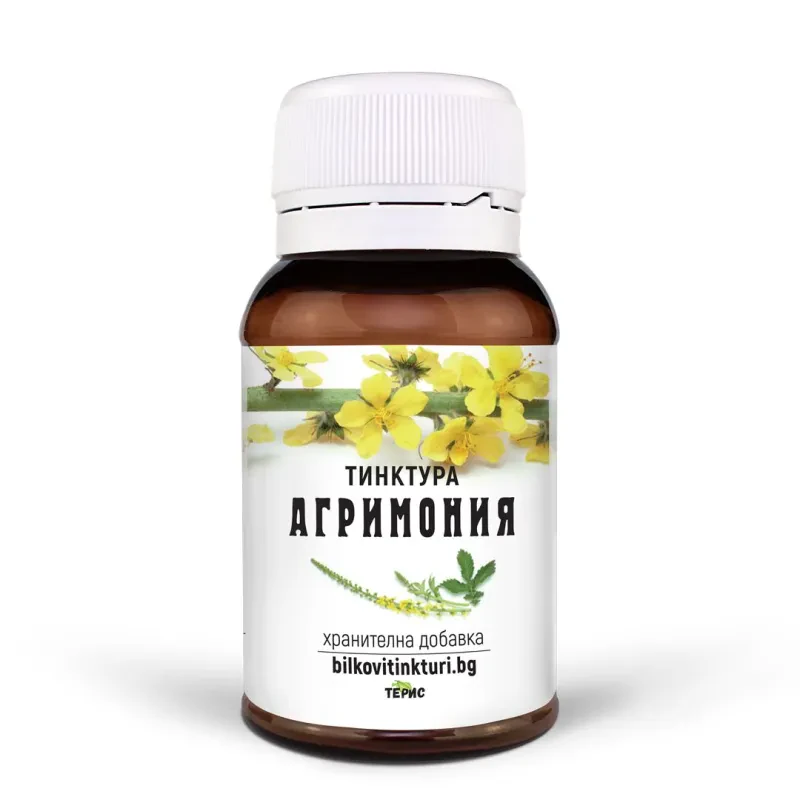
#Herbal tincture AGRIMONIYA for inflammation of the mouth
Herbal tincture AGRIMONIYA contains the aerial parts of one of the oldest known herbs for health - agrimony (Agrimonia eupatoria) - a perennial, herbaceous medicinal plant.
It is extremely beneficial to take the herbal extract AGRIMONIYA for inflammation and diseases of the mouth and throat, inflammation of the oral mucosa, digestive problems, spleen disorders and stomach distension.

#Aloe vera has anti-inflammatory and soothing properties
Aloe vera is a well-known herb with anti-inflammatory and soothing properties. It can be applied topically to irritated gums or mouth ulcers to reduce pain and inflammation. Aloe vera gel is readily available and can be applied directly to the affected area.
Aloe vera is effective for periodontal diseases. It is available in several forms, such as mouthwash, toothpaste or gel. In a recent systematic review, aloe vera as a mouthwash was effective in all the included studies at reducing plaque and gum inflammation. In addition, aloe vera has no or very minimal side effects compared with other chemical mouthwashes. It is a strong detoxifying agent, has neuro-sedative properties and is an immunostimulant. It can act as a mercury scavenger and an antioxidant. It speeds up healing after surgical extraction.
Aloe vera toothpaste is another form that is effective on the periodontal index and gingival scores (periodontal index, gingival scores, inhibitory actions on certain organisms, intracanal medication, oral medicine, after extraction, ill-fitting dentures, complications around implants) and can be used as an alternative to traditional toothpaste. Aloe vera gel has inhibitory activity against certain cariogenic organisms (Streptococcus mutans), periodontopathic ones (Aggregatibacter actinomycetemcomitans, Porphyromonas gingivalis) and an opportunistic periodontal pathogen (Bacteroides fragilis). It can be used as an intracanal medication against Enterococcus faecalis. It can be used to treat viral infections such as herpes simplex and herpes zoster, or as an antifungal agent against Candida albicans.
There are several other uses for aloe vera, such as help with chemical burns, dry sockets, relief of canker sores, mouth ulcers, lichen planus, pemphigus, desquamative gingivitis, migratory glossitis and burning mouth syndrome. It can help reduce the discomfort associated with ill-fitting dentures. It can also be used for peri-implant mucositis and peri-implantitis.

#Chamomile for reducing inflammation in the mouth
Chamomile is known for its soothing and anti-inflammatory properties. It can be used as a tea, a mouthwash or for topical application. Rinsing with chamomile tea can help reduce inflammation and discomfort.

#Sage is beneficial for oral health
Salvia has antimicrobial and anti-inflammatory properties, which makes it a valuable herb for oral health. It can be used as a mouthwash or added to a herbal tincture for its benefits in reducing inflammation.
The main components of Salvia officinalis are alpha- and beta-thujone, rosmarinic acid, camphor, tannins, flavonoids and cineole. It can be used as a mouthwash or gargle several times a day to treat a sore throat and gingivitis.
It has antibacterial (Streptococcus mutans, Lactobacillus rhamnosus and Actinomyces viscosus) and antifungal (Candida albicans) properties.
Long-term use can increase the heart rate and cause mental confusion and convulsions. It should be avoided during pregnancy and in cases of high temperature.

#Sage tincture promotes oral hygiene
Sage tincture is excellent for reducing inflammation and promoting oral hygiene. It can be diluted with water and used as a mouthwash.
It has antibacterial properties and can be useful for reducing oral infections.
We can use it by diluting 10-15 drops of sage tincture with water and using it as a mouthwash. Rinse for about 30 seconds and then spit it out. We should do this once a day, preferably in the morning.

#Turmeric for oral inflammation
The most studied spice on the planet - turmeric contains curcumin, a compound with powerful anti-inflammatory properties. It can be used topically as a paste or included in our diet to help reduce oral inflammation.
Curcumin shows antibacterial, anti-tumour, antioxidant, anti-inflammatory and analgesic properties. It can be used as a topical application, mouthwash, subgingival irrigant or local drug delivery system for treating periodontal diseases, with equivalent or even higher efficacy compared with chlorhexidine in reducing periodontopathic bacteria such as Aggregatibacter actinomycetemcomitans, Porphyromonas gingivalis and Tannerella forsythia.
A gel with the extract can be used as a treatment for erythematous areas, ulcers and pain. It can help with oral submucous fibrosis, leukoplakia and lichen planus and has given better results than the systemic form alone or antioxidants. It also has anti-cancer activity.
Although it is considered safe, it can cause stomach irritation, nausea, diarrhoea and allergic reactions and can interfere with the formation of blood clots.

#Ginger is an anti-inflammatory agent against oral micro-organisms
Ginger, scientifically called Zingiber officinale roscoe, can be used as a painkiller, is as effective as other chemical medicines such as ibuprofen and can be used as an alternative to them.
It helps with periodontal therapy in cases of chronic periodontitis in people with type 2 diabetes. It is also effective against Lactobacillus.
Ginger may be a promising anti-caries agent against Streptococcus mutans and Streptococcus sobrinus. It contains phenolic compounds such as gingerol and shogaol, hydrocarbons and oleoresins. These compounds have been studied and shown to be effective anti-inflammatory, antibacterial and antioxidant agents against oral micro-organisms, which can help prevent disease.
In addition, ginger root can help reduce side effects too and can offer a safe inhibitory agent compared with conventional mouthwash. It can also be used as an intracanal dressing, as well as for recurrent aphthous stomatitis and denture stomatitis. However, it can cause gastrointestinal irritation, heartburn or diarrhoea. It can interact with warfarin and inhibit platelet aggregation.

#Turmeric and ginger tincture for oral health
Herbal tincture TONUS is a herbal blend of ginger and turmeric - natural ingredients combined in a special way to boost the body's vitality, supporting the immune system, the gastrointestinal tract and our overall tone.
The herbs are taken in the form of the herbal extract TONUS - reduces oral inflammation and strengthens the immune system. It also:
- Gives energy
- Improves tone and mood
- Helps with good concentration and memory
- Helps with physical endurance
- Supports blood supply to the limbs and brain
- Normalises the function of the gastrointestinal tract
- Acts as a general tonic

#Calendula reduces oral inflammation
The herb calendula, also known as marigold, has anti-inflammatory and antimicrobial properties. It can be applied topically as a gel or used in a mouthwash to reduce oral inflammation.

#Calendula tincture for healing the mouth
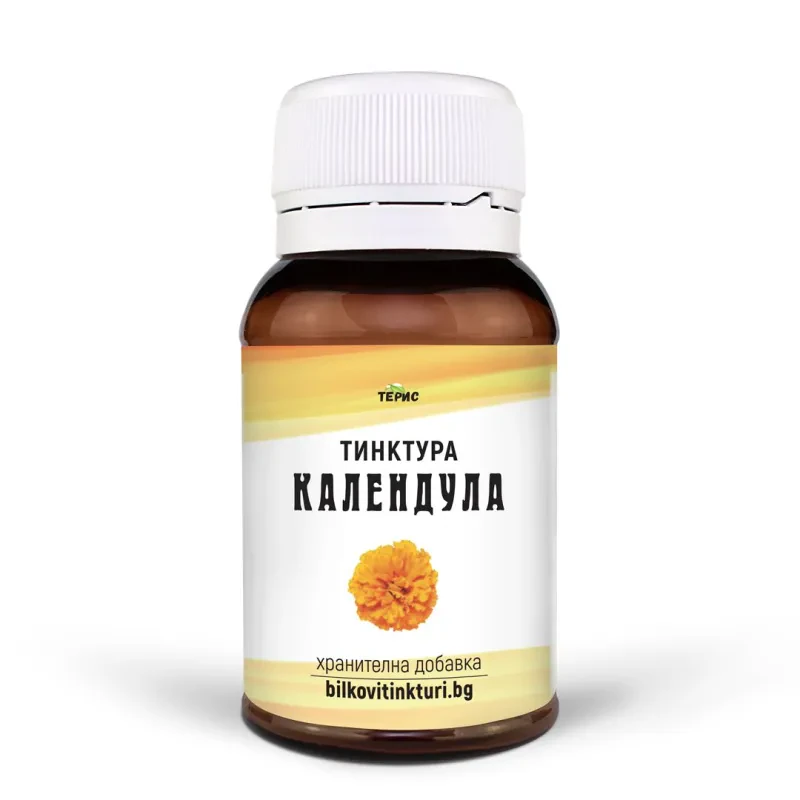
Calendula (marigold) tincture KALENDULA has anti-inflammatory and antimicrobial properties, which makes it useful for soothing gum irritation and promoting healing.
We can dilute 5-10 drops of calendula tincture in a glass of warm water and use it as a mouthwash. We should swish the solution around the mouth for about 30 seconds and then spit it out. We can use this mouthwash twice a day, morning and evening.

#Mint has anti-inflammatory properties
Mentha piperita can be used in toothpaste or mouthwash, where it shows anti-biofilm properties against Streptococcus mutans and dental plaque. It can be used topically as an analgesic and to reduce pain. It can also ease toothache. Mint is a drop of freshness, a drop of health; it has shown antimicrobial, analgesic, anti-inflammatory, immunomodulating and astringent properties. It can be used in treating gingivitis, periodontitis and conditions of the oral mucosa of viral, bacterial, fungal and protozoal origin. This can lead to shorter treatment times, faster tissue regeneration, quicker relief of pain and swelling, and a better quality of life for patients.
It is also used as a mouthwash. Its use is safe in most cases. However, it can interfere with iron absorption. In some cases it can cause a burning sensation and gastrointestinal upset. It is contraindicated in patients with chronic heartburn, severe liver damage, or inflammation or obstruction of the gallbladder, and peppermint oil should be avoided in any application to the face in children and infants.
#Mint tincture reduces oral inflammation
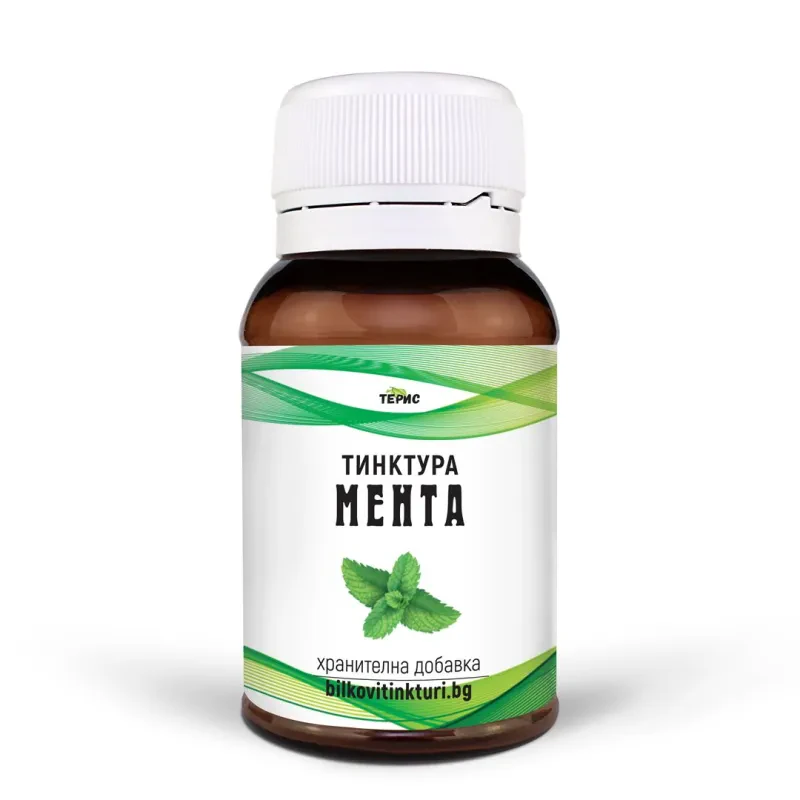
MENTA mint tincture is known for its refreshing properties. It helps fight bad breath, reduces inflammation and has mild antibacterial properties.
We can take it internally or use it as a mouthwash after brushing our teeth - add 10-15 drops of mint tincture to a glass of water, swish for about 30 seconds, then spit it out. We should do this twice a day, morning and evening.

#Myrrh for treating oral diseases
Myrrh is a resin that has been used for centuries to treat oral diseases. It has antimicrobial and anti-inflammatory properties and can be used in mouthwashes and tinctures to ease inflammation.

#Myrrh tincture for treating oral diseases
Myrrh tincture is known for its antimicrobial and anti-inflammatory properties and can help with gum health and overall oral hygiene.
It can be applied topically to infected gums or used as a mouthwash.
Dilute 10-15 drops of myrrh tincture in a glass of water, swish the solution around the mouth for about 30 seconds, then spit it out. We can do this once a day, preferably before bed.

#The echinacea plant strengthens our immune response
Echinacea is an immune-stimulating herb that can help the body fight infections and reduce inflammation. It can be used as a mouthwash or in the form of a tincture.

#Echinacea tincture for oral infections
Echinacea tincture can strengthen the immune system and help the body fight the oral infections that lead to inflammation.
We can use it by adding 15-20 drops of echinacea tincture to a glass of water and swishing for about 30 seconds. We can do this once a day, preferably in the morning.
Echinacea tincture can strengthen our immune response and help protect us from infections in the mouth.

#Propolis tincture has antimicrobial properties
Propolis is a resinous substance collected by bees and has antimicrobial properties. Propolis tincture can be applied topically to mouth ulcers or diluted as a mouthwash.

#Herbal tinctures for oral cavity inflammation
Herbal tinctures are concentrated liquid herbal extracts made by steeping herbs in ethyl alcohol or glycerine. They are a convenient and quick way to use the healing properties of plants for oral health.
In this article we have introduced you to the herbal extracts that are beneficial for our oral health, with instructions on how to use them, including dosage and frequency.
#Tips for using herbal tinctures for oral health
#Proper dilution:
We should always dilute herbal tinctures in water as directed to avoid potential irritation or overdose.
#Swish and spit:
When using tinctures as a mouthwash, we should swish them around the mouth for about 30 seconds and then spit them out - do not swallow.
#Consistency:
To see the best results we should keep to a consistent routine of using herbal tinctures because, as we all know, herbs work by building up in the body. We should include them in our daily oral care.
#Consulting a professional:
If we have specific oral health problems or are unsure about using herbal tinctures, we should consult a herbalist or a healthcare professional.

#Natural remedies for oral inflammation
Inflammation of the mouth can be a painful and unpleasant condition, but nature provides us with a range of herbs that can offer relief. Whether we choose to apply these herbs topically, use them as a mouthwash or take them in the form of herbal tinctures, the natural remedies discussed in this article can help soothe and ease oral inflammation.
This blog article covers the causes of oral cavity inflammation, explores various herbs known for their anti-inflammatory properties and discusses the use of herbal tinctures to ease inflammation in the mouth.
Using herbal tinctures for our oral health can be very effective, but it is important to follow the correct dosage and frequency to ensure safety and maximise the benefits.
We should not forget to consult a healthcare professional before using herbs, especially if we have underlying conditions, are pregnant or are breastfeeding.
Although there are many oral care products available, herbs, and herbal tinctures in particular, can be a natural and effective way to improve our daily oral hygiene routine.
Taking a holistic approach to oral health that includes a balanced diet, good oral hygiene practices and the use of herbal remedies can help us maintain a healthy and comfortable mouth. So the next time we are faced with oral inflammation, we should consider turning to the power of herbs for a natural solution.

Remember to consult a healthcare professional before using herbal remedies, especially if you have underlying medical conditions.
This article is for educational purposes and does not replace advice from a doctor. Food supplements are not medicines and are not intended to treat diseases. If you have a chronic condition, are pregnant or breastfeeding, or take medication, consult a specialist before use.